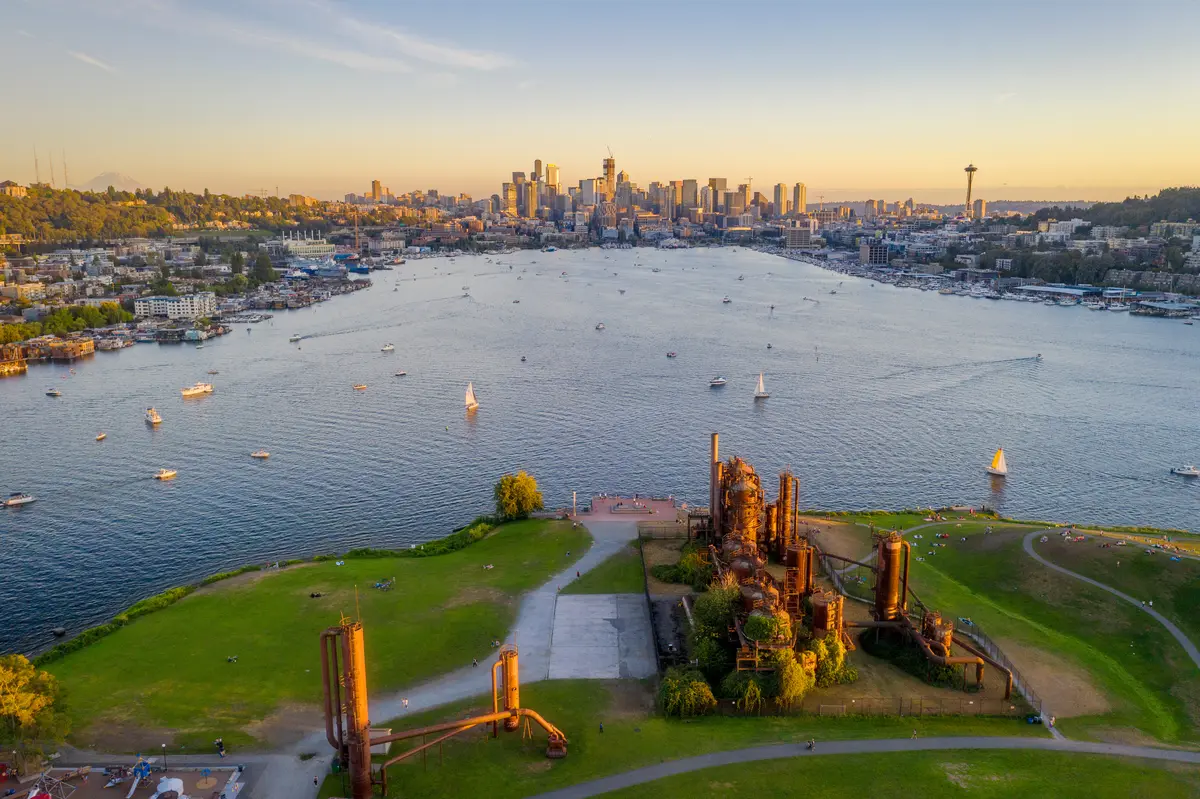
Is Seattle Metro a Good Place to Live?
Maybe you got a job offer from Microsoft or Amazon and spent one afternoon on Zillow before realizing that "the Seattle area" covers everything from a $524K SeaTac condo a mile from the airport runways to a $2.5M house on Mercer Island with a view of the lake. Maybe someone told you to "just look in the Eastside" without explaining that Bellevue, Kirkland, Redmond, and Issaquah are four genuinely different cities with different commute math, school districts, and median prices spread across a $300,000 range.
The honest catch: Seattle Metro rewards people who get specific early. The Sounder train and Link light rail make some cities functionally closer to downtown than others that are geographically nearer. Bainbridge Island feels nothing like Bothell. Snoqualmie Ridge — a master-planned community at the foot of the Cascades — shares a county with Tukwila, which shares a county with Mercer Island. The county line tells you almost nothing about what daily life looks like.
What the region does share is real: Boeing and its suppliers thread through Auburn, Renton, Kent, and Everett-adjacent Snohomish. Amazon and Microsoft pull commuters from virtually every city on the list. The Sammamish River Trail, Burke-Gilman Trail, and Green River Trail connect neighborhoods that would otherwise feel entirely separate. And every city here eventually has to reckon with the same question — how close do you actually need to be to Seattle, and what are you willing to pay for each mile?
The cities in this guide are genuinely different places. Woodinville's Hollywood Hill has more tasting rooms per square mile than most of Washington wine country. Monroe anchors its economy partly around the Evergreen State Fairgrounds and a state correctional complex. Kenmore has a seaplane harbor on Lake Washington. Before you scroll the grid below, decide what trade-off you're actually making — commute time, school district, outdoor access, or price — and let that narrow the list before the price tags do.
Explore All 37 Cities in Seattle Metro
Click into any city for the complete guide — neighborhoods, home prices, cost of living, pros & cons, schools, top employers, and mortgage help.
Auburn
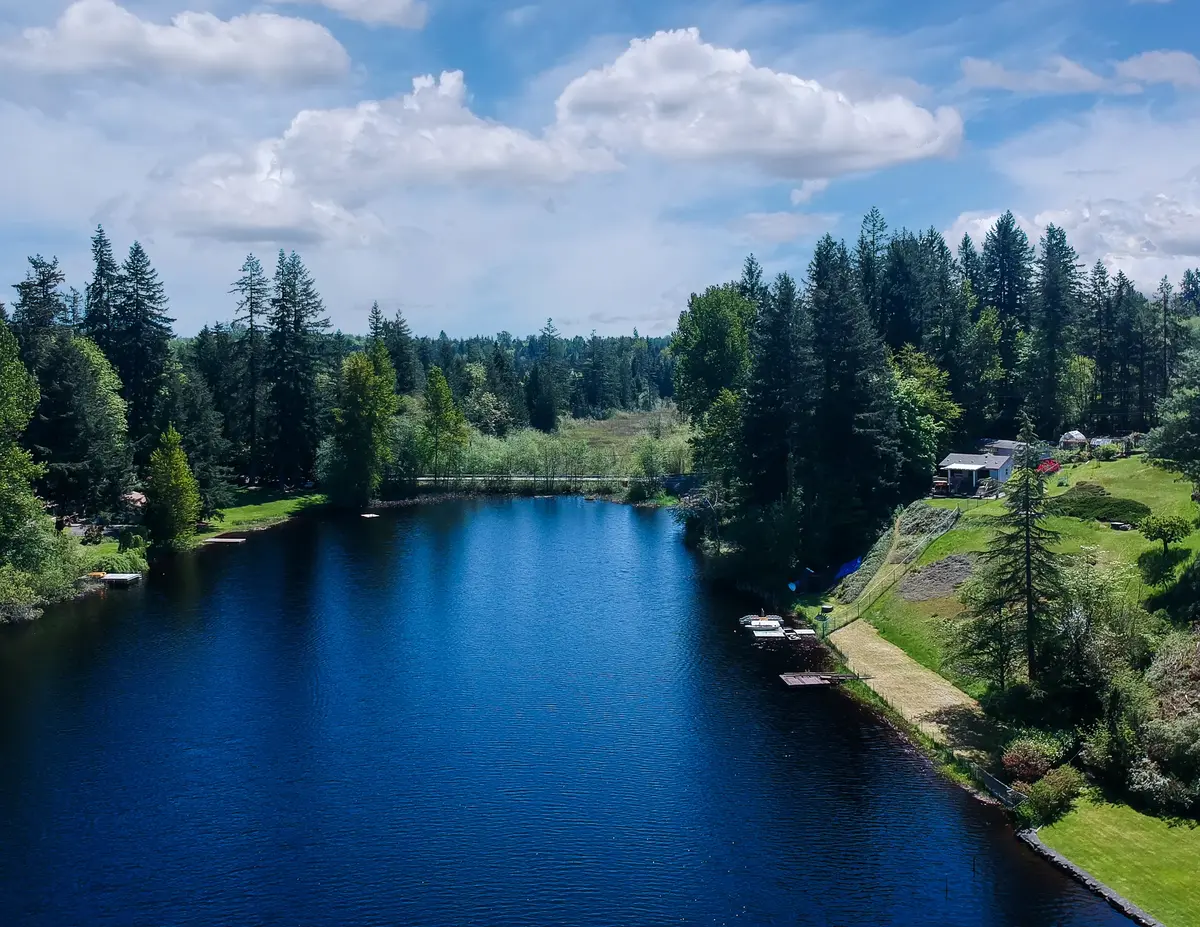
Auburn sits at the intersection of King and Pierce County commuter corridors, with the Sounder commuter rail connecting it to Seattle and Tacoma — useful when Boeing's Auburn fabrication work or the Muckleshoot Casino Resort is your employer. Emerald Downs Racetrack and the White River Amphitheatre give it an event-town identity that most cities this size don't have. Median homes run $577,641, making it one of the more accessible entry points on the King County side.
Full Auburn Guide →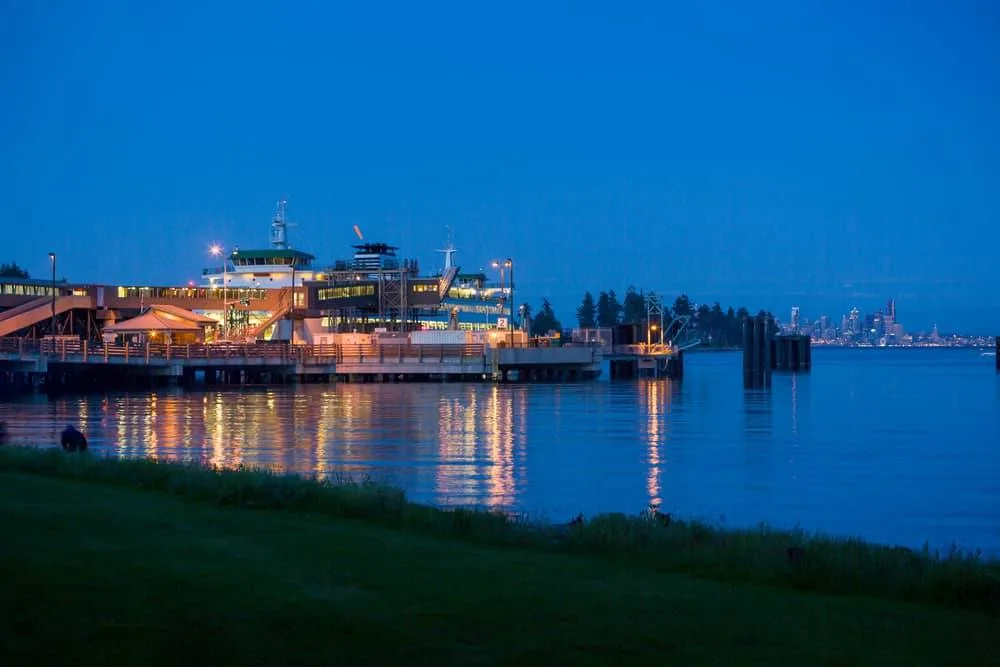
Bainbridge Island
Getting here requires a 35-minute Washington State Ferry ride from Seattle's Coleman Dock, and that commute is either a dealbreaker or part of the appeal — Bainbridge residents tend to know which camp they're in. The island's economy is anchored by its school district and a nonprofit education nonprofit (IslandWood), while most professional-class residents commute to Amazon or Microsoft on the mainland. Median homes sit at $1,184,279, and the Bloedel Reserve and Bainbridge Island Museum of Art reflect the community's arts-oriented, deliberately low-density character.
Full Bainbridge Island Guide →- Is Bainbridge Island Safe? A Data-Backed Look
- Cost of Living in Bainbridge Island
- Best Neighborhoods in Bainbridge Island
- Schools in Bainbridge Island: A Family Guide
- Parks & Recreation in Bainbridge Island
- Retiring in Bainbridge Island
- First-Time Homebuyer's Guide to Bainbridge Island
- Moving to Bainbridge Island from California
Bellevue
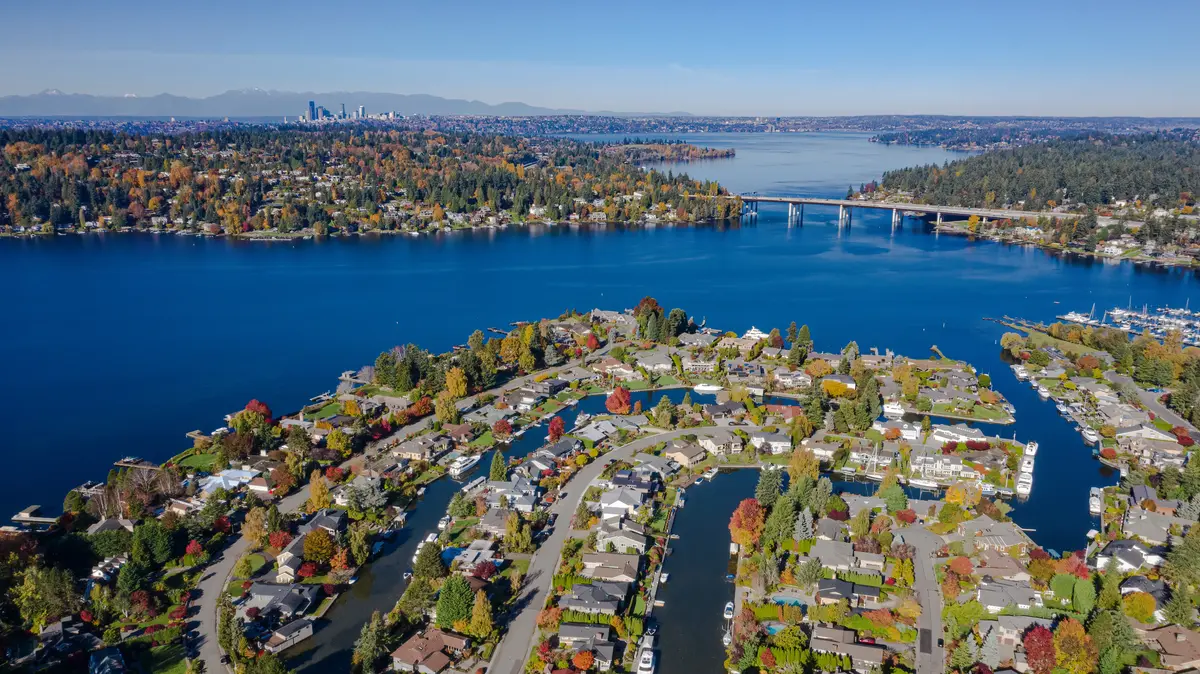
Bellevue is the Eastside's commercial and residential center, home to T-Mobile's headquarters, Amazon's growing campus, and the dense retail corridor of Bellevue Square — it competes with Seattle as a destination, not just a suburb. Neighborhoods like Somerset and Bridle Trails sit above the city with views that match the price tags, while Crossroads brings more working-class density and genuine cultural diversity. Median homes reach $1,296,767, reflecting demand from tech workers who want to minimize the I-90 or SR-520 commute entirely.
Full Bellevue Guide →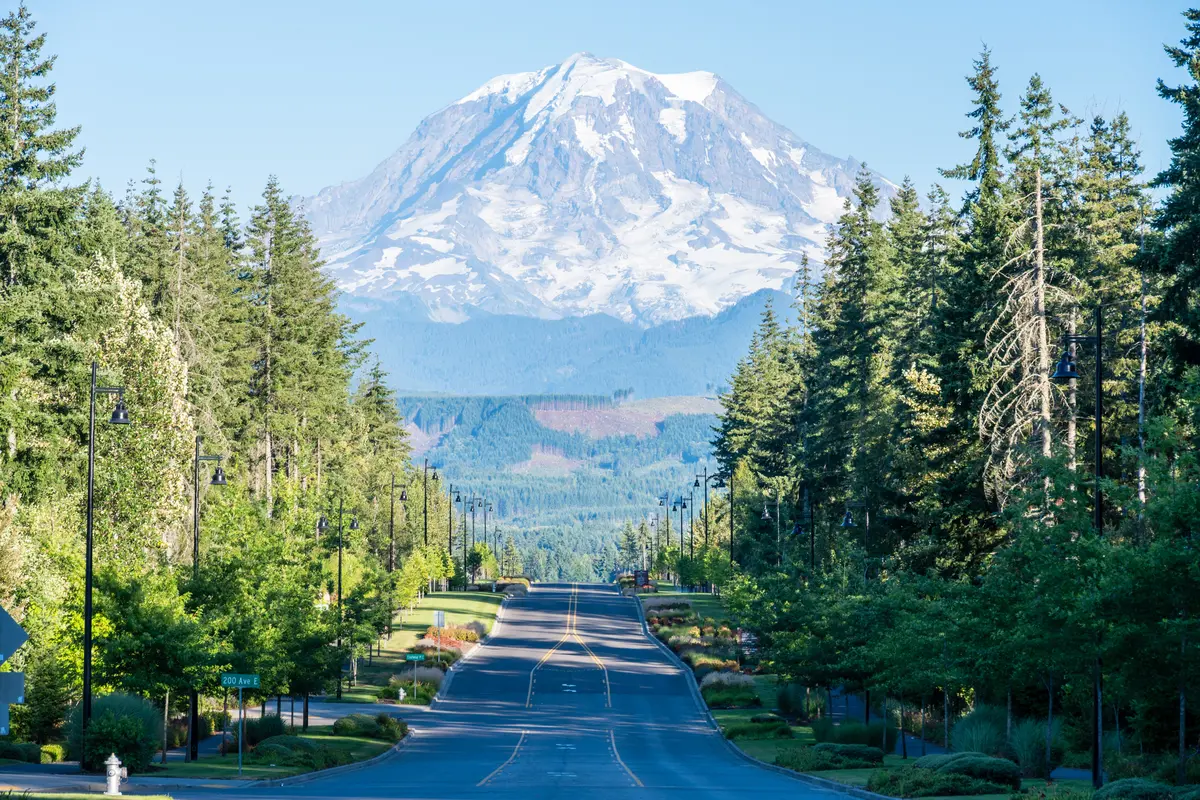
Bonney Lake
Bonney Lake is Pierce County's lake-access suburb, built around Lake Tapps and the residential neighborhoods that ring it — Tapps Island in particular attracts buyers who want waterfront without Mercer Island prices. Most working residents commute to Boeing's Auburn or Renton plants, or to Tacoma, which keeps the city's identity closer to bedroom community than job center. Median homes at $641,907 make it competitive for Pierce County buyers who need more space than Puyallup's urban core offers.
Full Bonney Lake Guide →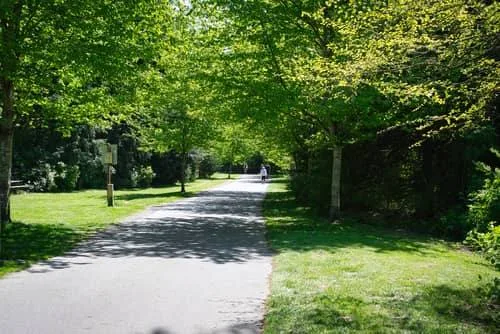
Bothell
Bothell has quietly become one of the Puget Sound's denser biotech corridors, with Seagen, AGC Biologics, and the University of Washington Bothell campus all anchored in the Canyon Park area north of downtown. The revitalized downtown along the Sammamish River is walkable in a way that most Snohomish County cities aren't, and the Blyth Park trail system starts right at the river. Median homes at $951,587 price it below Kirkland and Redmond while still sitting on the SR-522 corridor between both.
Full Bothell Guide →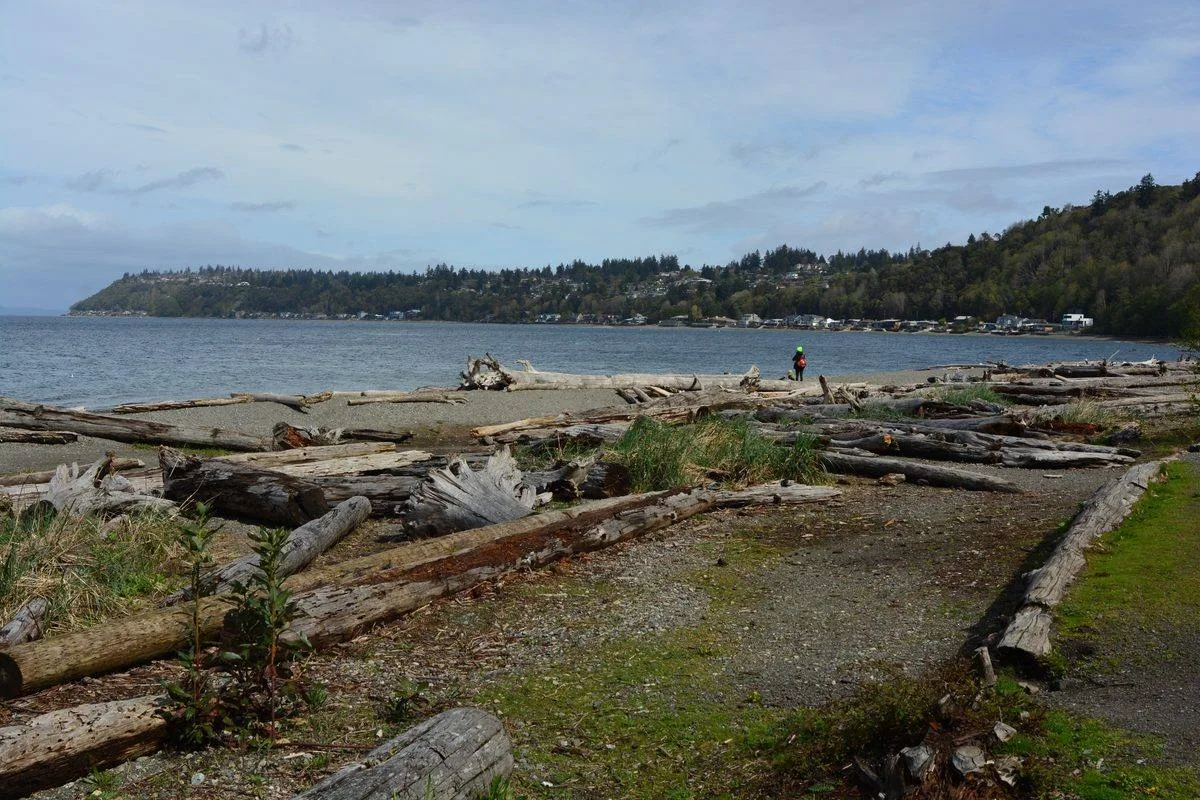
Burien
Burien sits directly south of Sea-Tac Airport, which means Port of Seattle jobs are genuinely local employers here — not just commute destinations. Seahurst Park drops to a saltwater beach that most King County cities can't match, and Olde Burien has an independent retail and dining corridor that feels distinct from the strip-mall suburbs around it. Median homes at $656,381 put it well below Seattle's median despite a sub-20-minute Link light rail ride to downtown.
Full Burien Guide →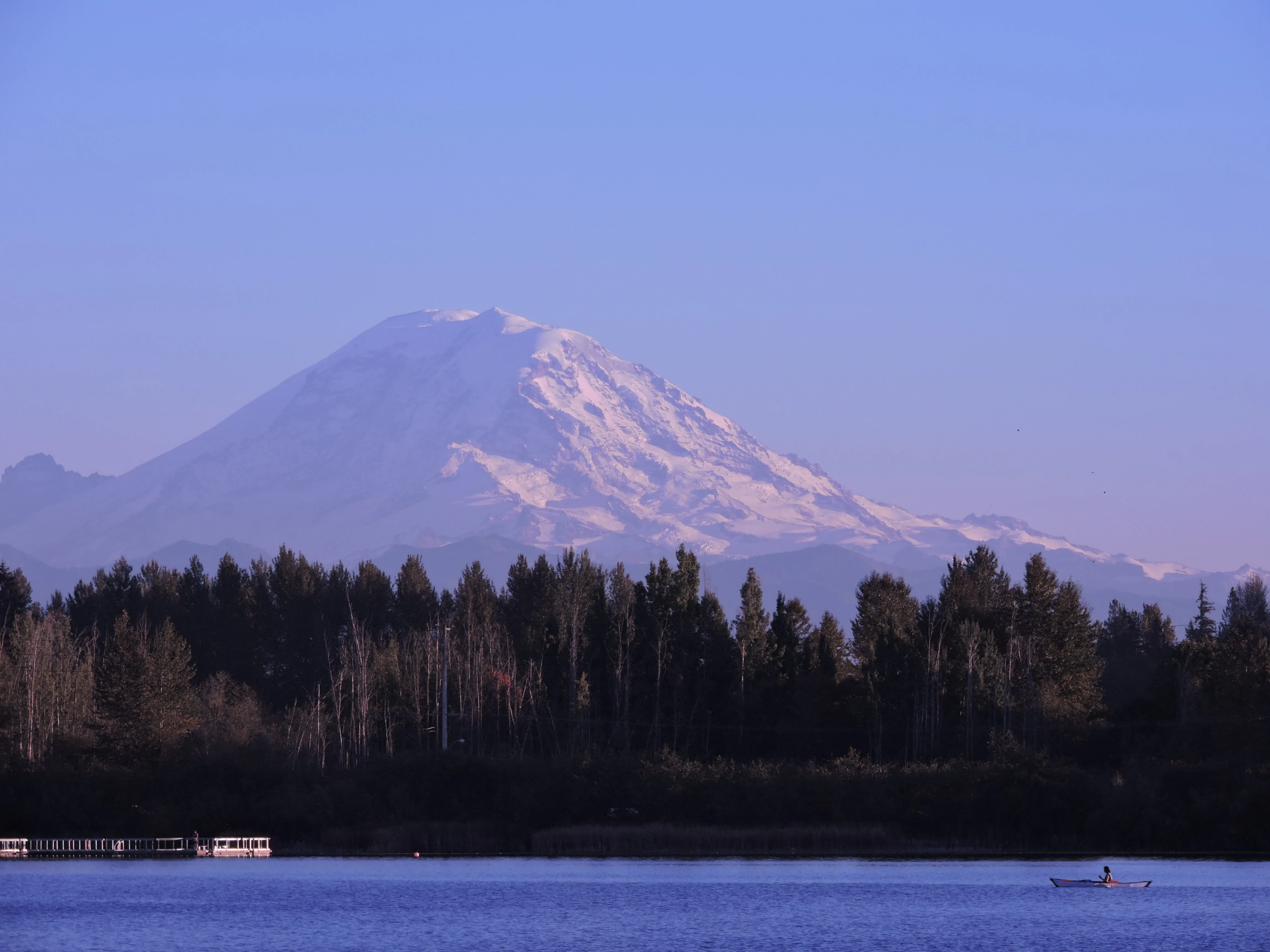
Covington
Covington incorporated only in 1997 and still reads as a semi-rural King County crossroads, organized around big-box retail at its commercial center and single-family neighborhoods spreading toward Lake Meridian. The Kent School District serves most of the city, and MultiCare's regional presence means healthcare isn't entirely a commute-dependent need. Median homes at $628,893 offer SE King County acreage and square footage that closer-in suburbs simply can't match at the price.
Full Covington Guide →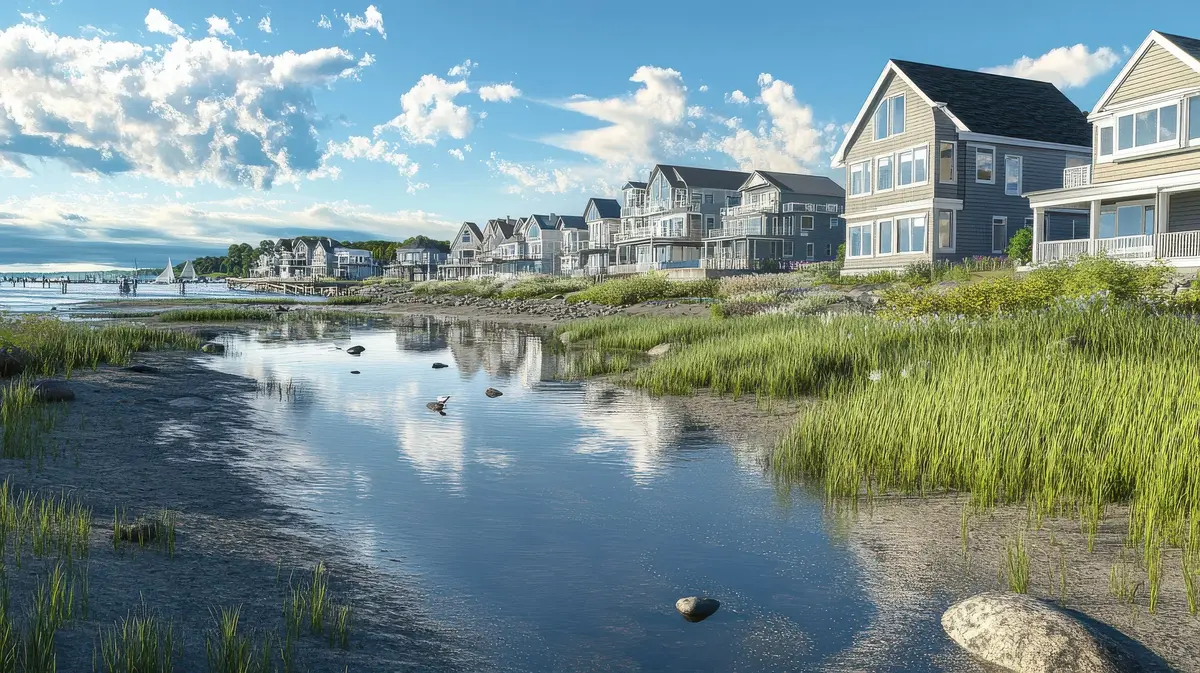
Des Moines
Des Moines sits on a bluff above Puget Sound with a working marina, a fishing pier at Des Moines Beach Park, and Saltwater State Park at its southern edge — the waterfront access here is real, not decorative. The FAA maintains facilities in the city, and Highline College anchors a student and staff population in what is otherwise a commuter-oriented community. Median homes at $583,430 make it one of the Sound-adjacent cities where a water view doesn't automatically push buyers into seven figures.
Full Des Moines Guide →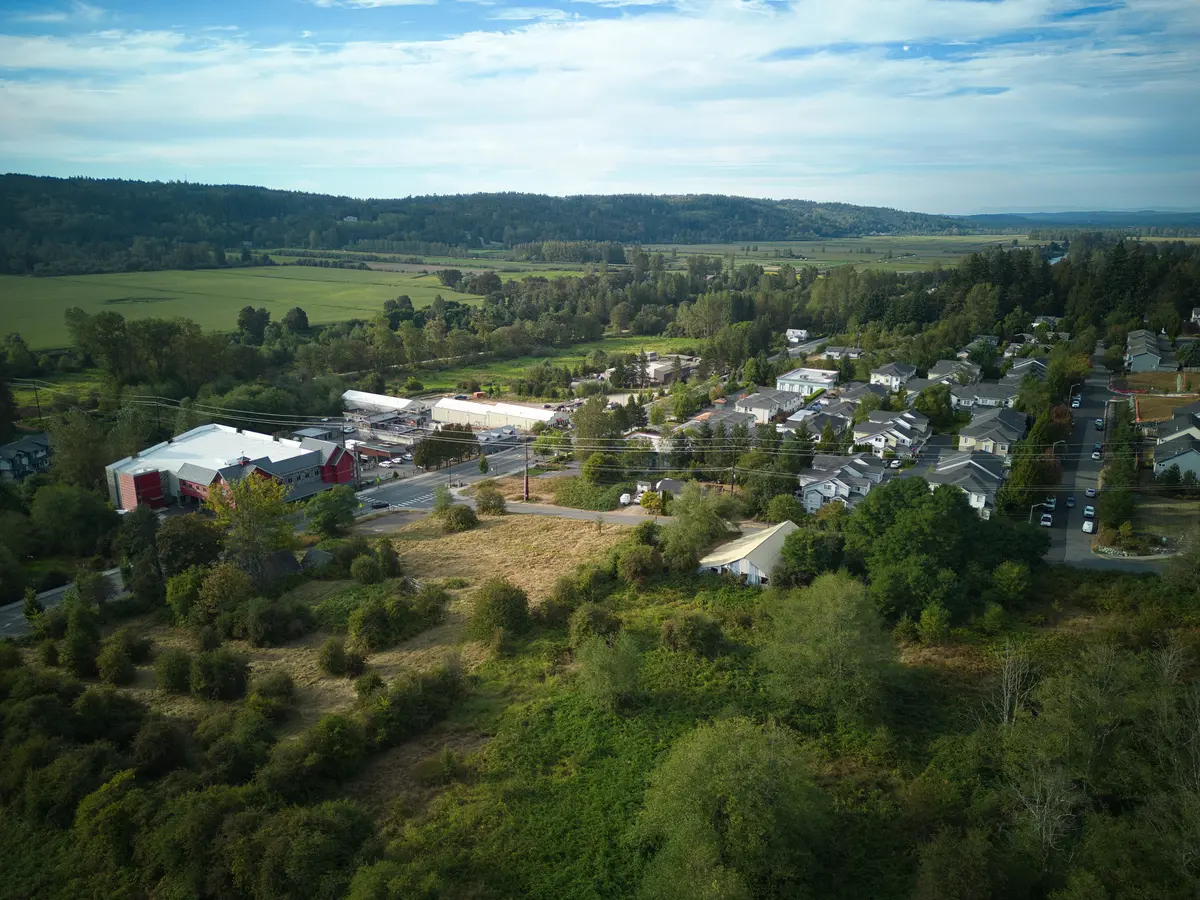
Duvall
Duvall is the Snoqualmie Valley's quiet town that tech workers discovered when Redmond prices pushed them east on SR-203 — the Snoqualmie Valley Trail runs right through it, and the Dougherty Farmstead is a National Historic Landmark sitting in an otherwise residential neighborhood. There's no light rail here and won't be soon, so the 45-minute drive to Redmond's Microsoft campus is the honest daily math. Median homes at $968,503 reflect that demand from commuters who've decided the rural character is worth the drive.
Full Duvall Guide →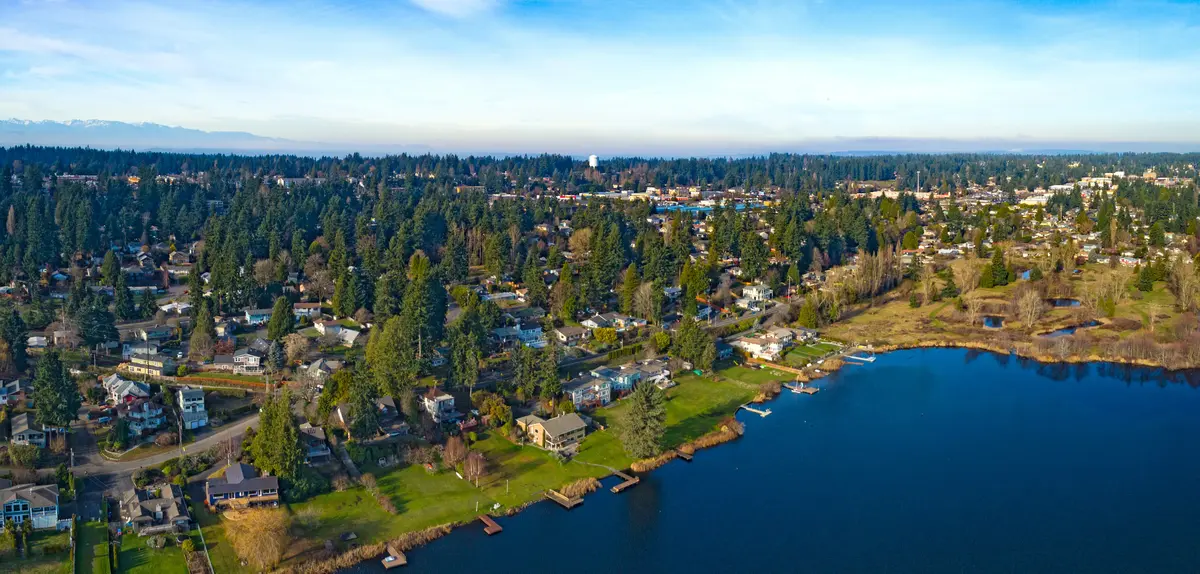
Edmonds
Edmonds has an underwater park that draws scuba divers from across the region, a functioning waterfront arts and performance scene, and a ferry terminal connecting it to Kingston on the Kitsap Peninsula — the town has a distinct identity, not just a commuter-stop one. The Burke-Gilman Trail's northern cousin, the Interurban Trail, links it south toward Mountlake Terrace, and the Edmonds Center for the Arts anchors a walkable downtown bowl. Median homes at $855,381 sit below Kirkland and Bothell while offering Snohomish County's most complete walkable waterfront.
Full Edmonds Guide →
Federal Way
Federal Way holds two headquarters-level anchors most cities would fight for: Weyerhaeuser's global HQ and World Vision U.S., which together give the city more white-collar employment than its price point would suggest. Wild Waves, Dash Point State Park, and the Pacific Bonsai Museum and Rhododendron Species Botanical Garden are all within city limits, which is an unusual concentration for a city of this size. Median homes at $564,681 make it one of the lowest-priced King County options with direct Sounder rail service.
Full Federal Way Guide →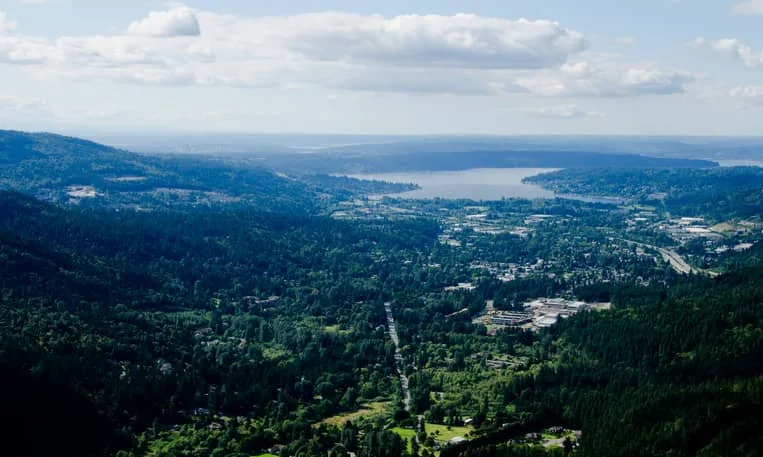
Issaquah
Issaquah is where Costco Wholesale is headquartered and where Cougar Mountain and Squak Mountain meet — the trailheads start in the residential neighborhoods, not in a separate park zone miles away. Issaquah Highlands is a dense master-planned community at the top of the plateau with its own retail core, while Olde Town at the base of the mountains retains a historic downtown street grid. Median homes at $1,018,909 reflect the Lake Sammamish corridor's demand from tech workers who also want a 20-minute drive to a genuine mountain trail.
Full Issaquah Guide →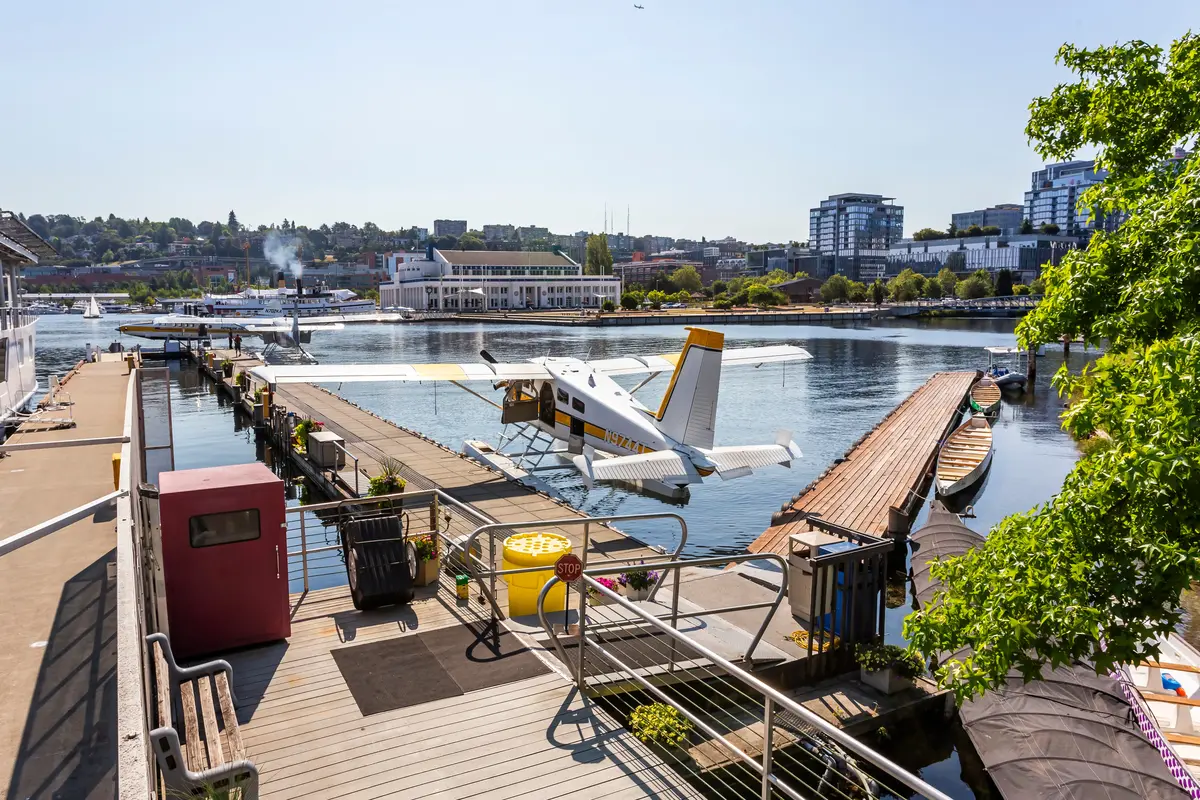
Kenmore
Kenmore's most unusual amenity is its seaplane harbor on the north end of Lake Washington — Kenmore Air makes floatplane service to the San Juan Islands and British Columbia a practical option, not just a novelty. Bastyr University anchors a naturopathic medicine and health sciences community that gives the city a different professional texture than most bedroom suburbs. Median homes at $1,024,151, with the Burke-Gilman Trail running along the lakeshore connecting to Kirkland and UW's main campus.
Full Kenmore Guide →
Kent
Kent is where Boeing builds fuselage components and where Blue Origin builds rocket engines — two of the most consequential aerospace operations in the country share the same industrial valley. Amazon's logistics operations and REI's distribution center add to a working industrial core that most Eastside suburbs have traded away, keeping Kent's identity closer to manufacturing city than tech suburb. Median homes at $611,760 and the Sounder station at Kent Station make it one of the more practical commuter hubs in South King County.
Full Kent Guide →
Kirkland
Google's Kirkland Urban campus on the waterfront reshapes what a city this size normally looks like economically — tech salaries have pushed hard into home prices while the marina, the public art collection along the lakefront, and Juanita Beach Park hold the city's character together. The Totem Lake neighborhood to the north is developing a new urban center distinct from the lakefront downtown, giving buyers a choice between walkable water access and newer construction inland. Median homes at $1,323,750 sit above Bellevue but below Redmond, reflecting a premium on the waterfront identity.
Full Kirkland Guide →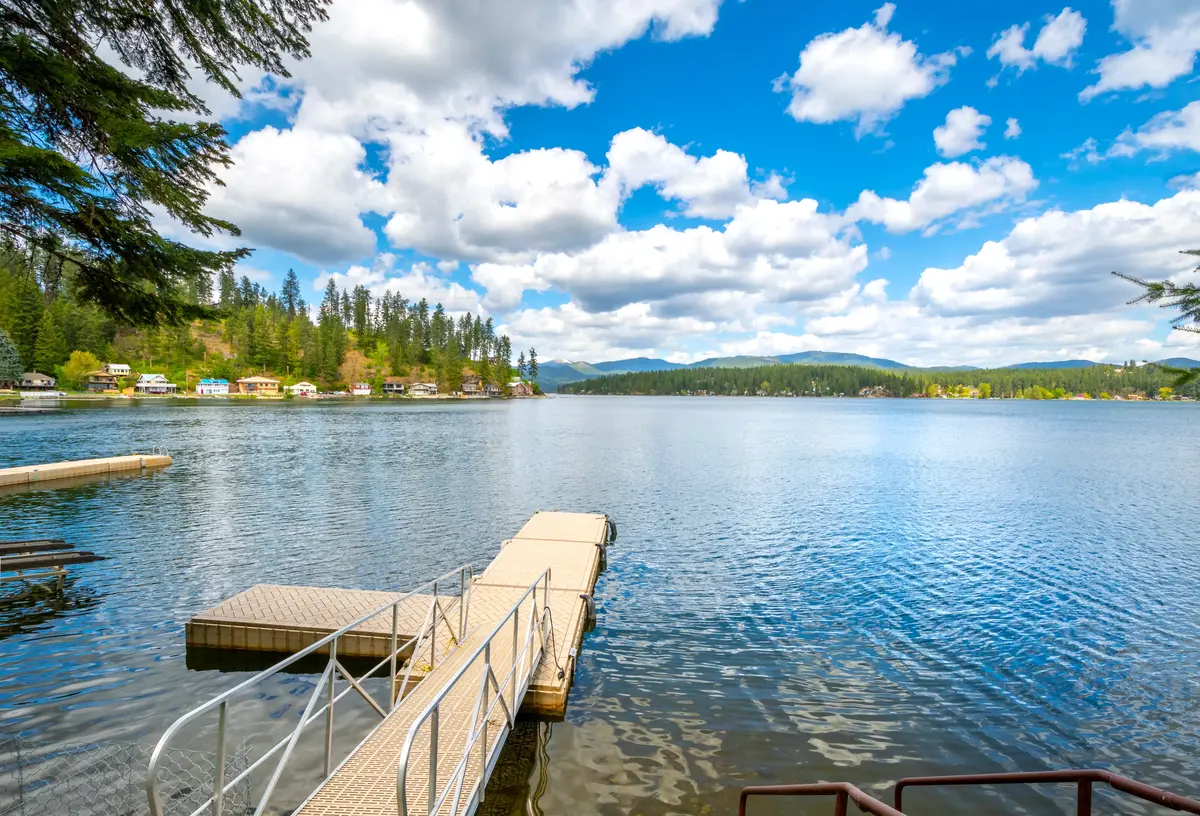
Lake Forest Park
Lake Forest Park is one of King County's smaller cities and is organized almost entirely around Third Place Books and Third Place Commons at its Town Center — that civic living room is genuinely central to how residents describe the place. The Burke-Gilman Trail runs along its southern edge at Lake Washington, and almost every resident commutes out to Seattle, Redmond, or Bellevue for work. Median homes at $1,001,137 for a community where the main draw is quiet streets, Lake Washington access, and a famously well-loved independent bookstore.
Full Lake Forest Park Guide →- Is Lake Forest Park Safe? A Data-Backed Look
- Cost of Living in Lake Forest Park
- Best Neighborhoods in Lake Forest Park
- Schools in Lake Forest Park: A Family Guide
- Parks & Recreation in Lake Forest Park
- Retiring in Lake Forest Park
- First-Time Homebuyer's Guide to Lake Forest Park
- Moving to Lake Forest Park from California

Lynnwood
Lynnwood's new Link light rail station at City Center is reshaping what was previously a mall-and-arterial suburb into something with genuine transit bones — the Alderwood Mall has long been a regional shopping anchor, and Edmonds College brings a student population that most suburban cities this size don't have. Community Transit runs frequent connections north into Snohomish County, making Lynnwood a practical choice for people who work in Seattle but want Snohomish County price points. Median homes at $735,443 reflect pre-rail-line pricing that the light rail extension may test in coming years.
Full Lynnwood Guide →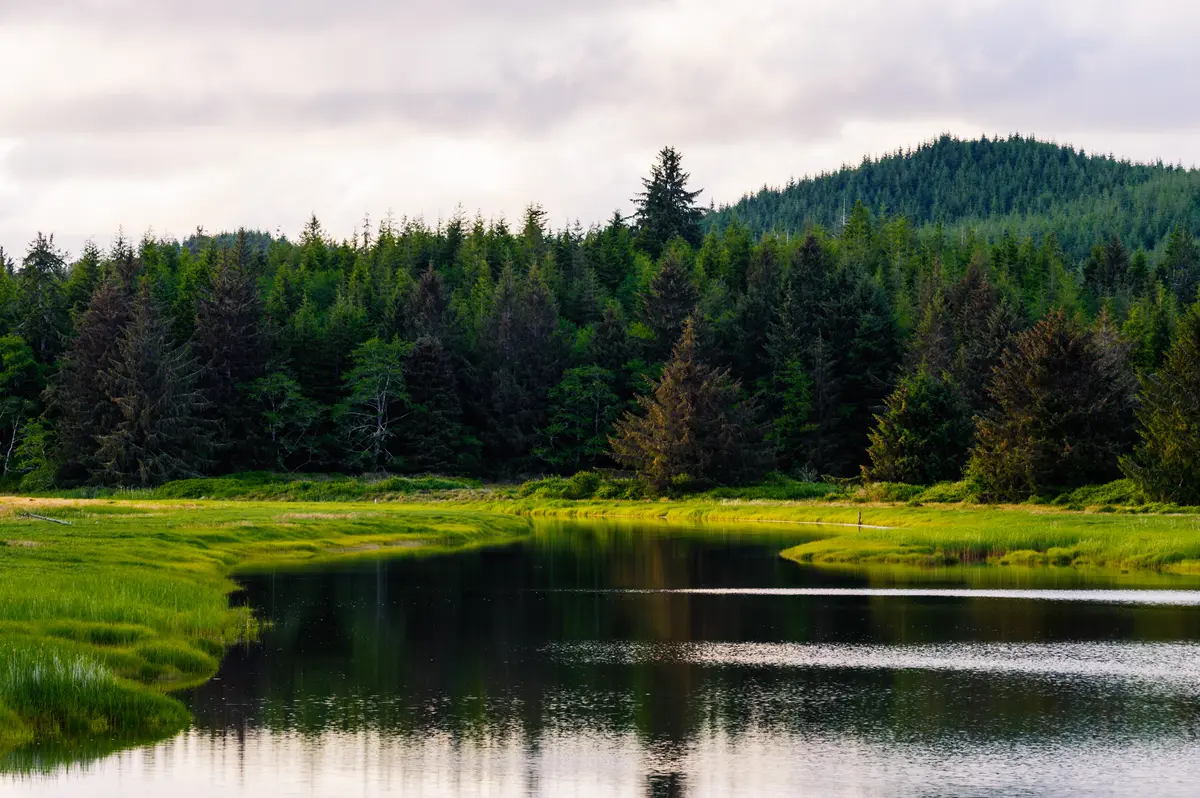
Maple Valley
Maple Valley sits southeast of Renton in a forested corridor where Lake Wilderness and the Arboretum provide the kind of green space that buyers from closer-in suburbs are explicitly seeking when they make the move. The Four Corners commercial district is the practical retail hub, and an Amazon delivery station is a local employer, but most residents are commuting toward Boeing in Auburn or Renton, or tech jobs on the Eastside. Median homes at $759,950 for the space and tree cover that SE King County buyers prioritize over proximity.
Full Maple Valley Guide →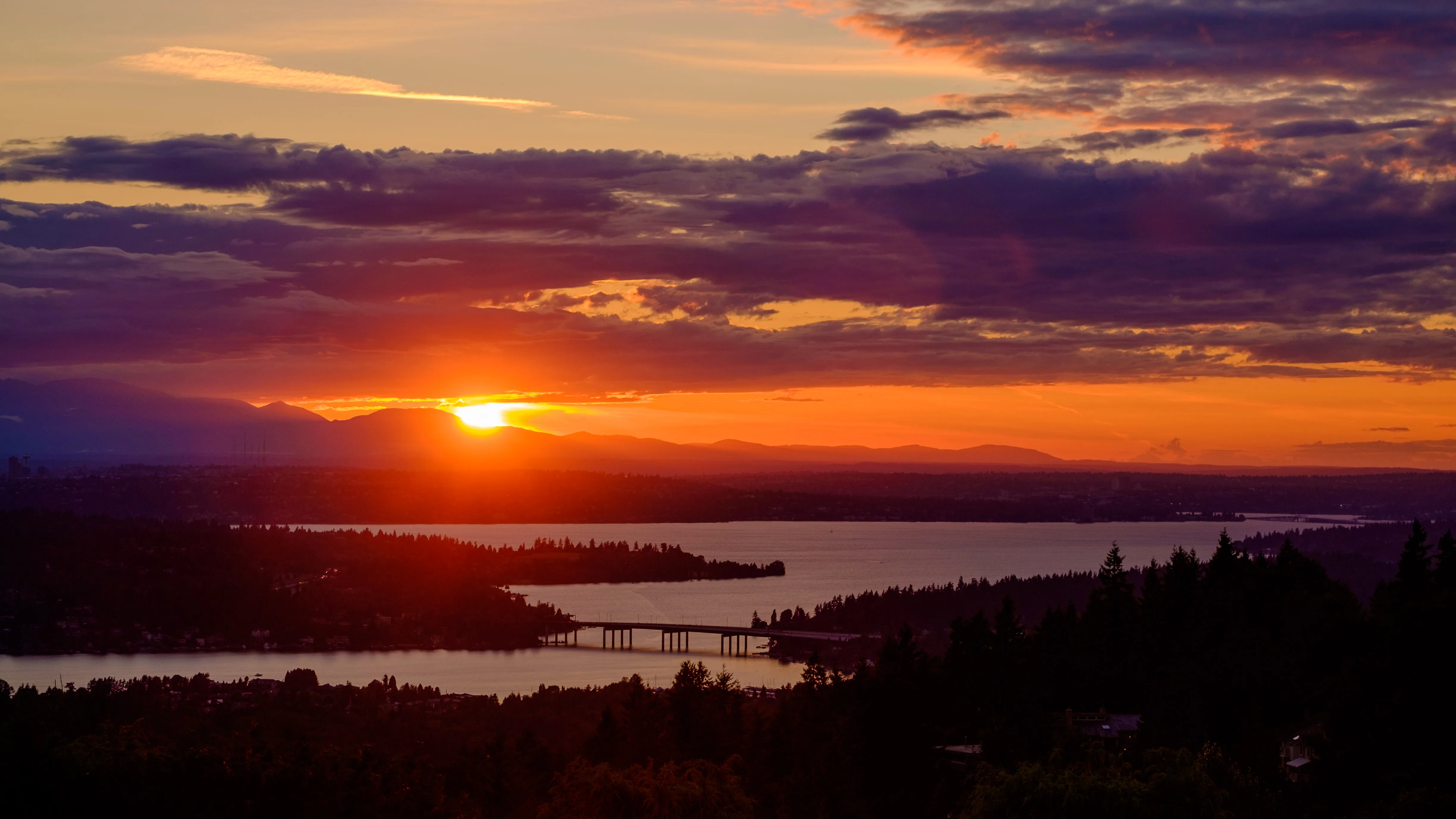
Mercer Island
Mercer Island sits in the middle of Lake Washington between Seattle and Bellevue, connected to both by I-90 and by Link light rail at its Town Center station — the commute math is genuinely good if you can clear the price. Luther Burbank Park on the northeast shore has a swimming beach, off-leash dog area, and tennis courts in one of the most park-rich settings in King County. Median homes at $2,596,500 reflect an island with top-ranked schools, zero commercial sprawl, and a locked-in geography that prevents the density that moderates prices elsewhere.
Full Mercer Island Guide →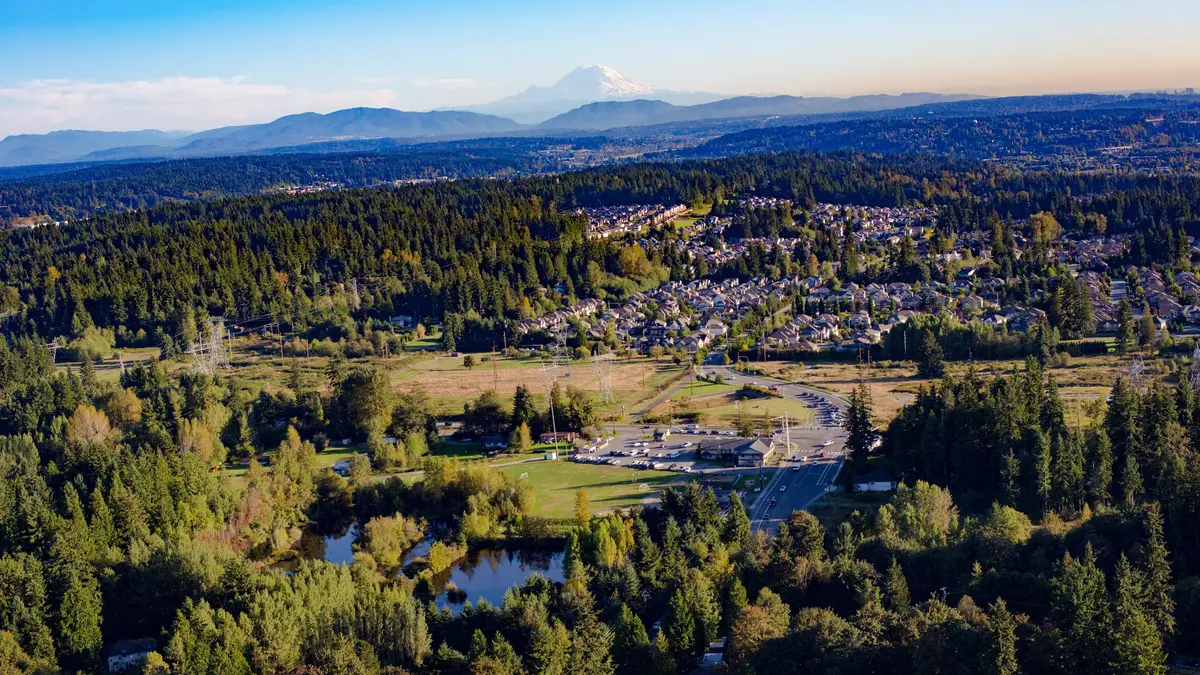
Mill Creek
Mill Creek is a planned community in southern Snohomish County, built with a Town Center retail core and country club golf course as its organizing anchors, and it has kept a cohesive suburban character that newer developments around it haven't always managed. The Everett Clinic/Optum presence makes healthcare employment genuinely local, and the SR-96 corridor connects it quickly to I-5 for Seattle or Everett commutes. Median homes at $967,807 for Snohomish County's most polished planned-community option.
Full Mill Creek Guide →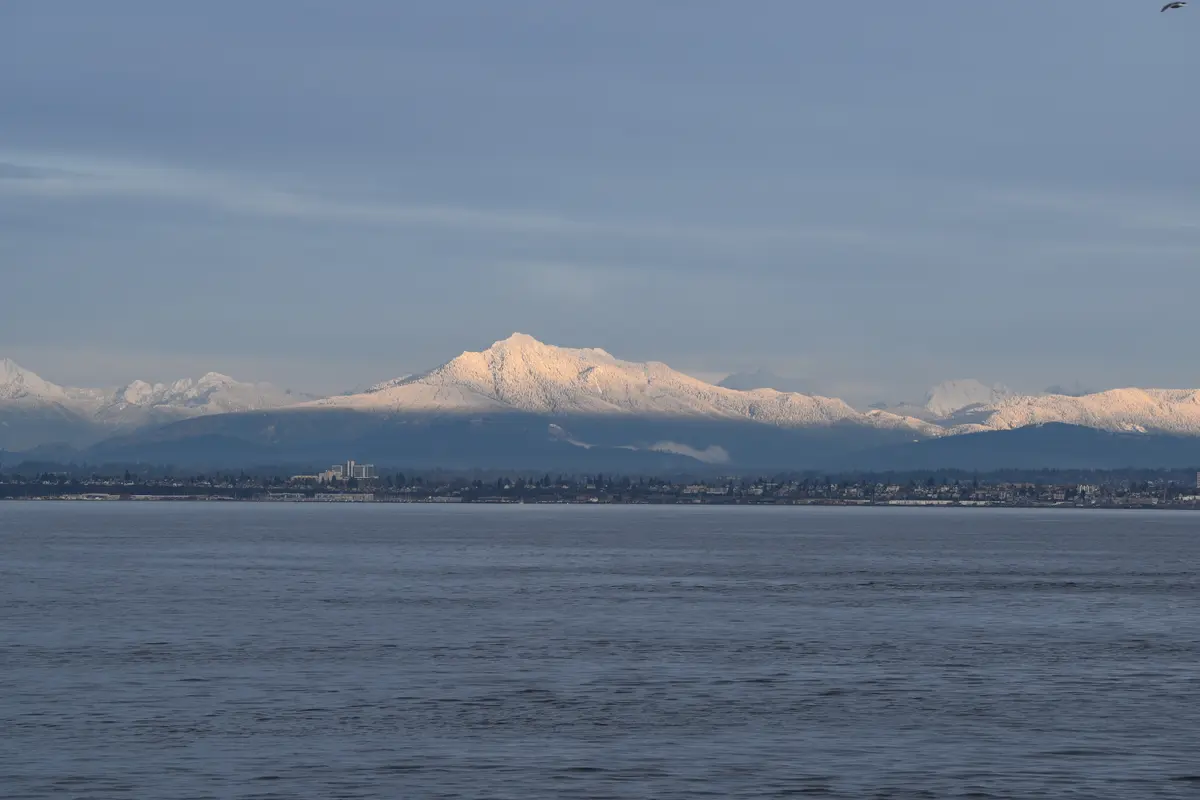
Monroe
Monroe is the kind of small city that the Evergreen State Fairgrounds defines for one week in August and the Monroe Correctional Complex defines as a consistent institutional employer the other fifty-one — both shape what the city is in ways that neither a tech suburb nor a waterfront town would recognize. Downtown Main Street retains a working historic commercial district, and the Snoqualmie Valley setting means the mountain geography is immediate, not distant. Median homes at $665,934 for one of the more affordable Snohomish County options with a genuine town center.
Full Monroe Guide →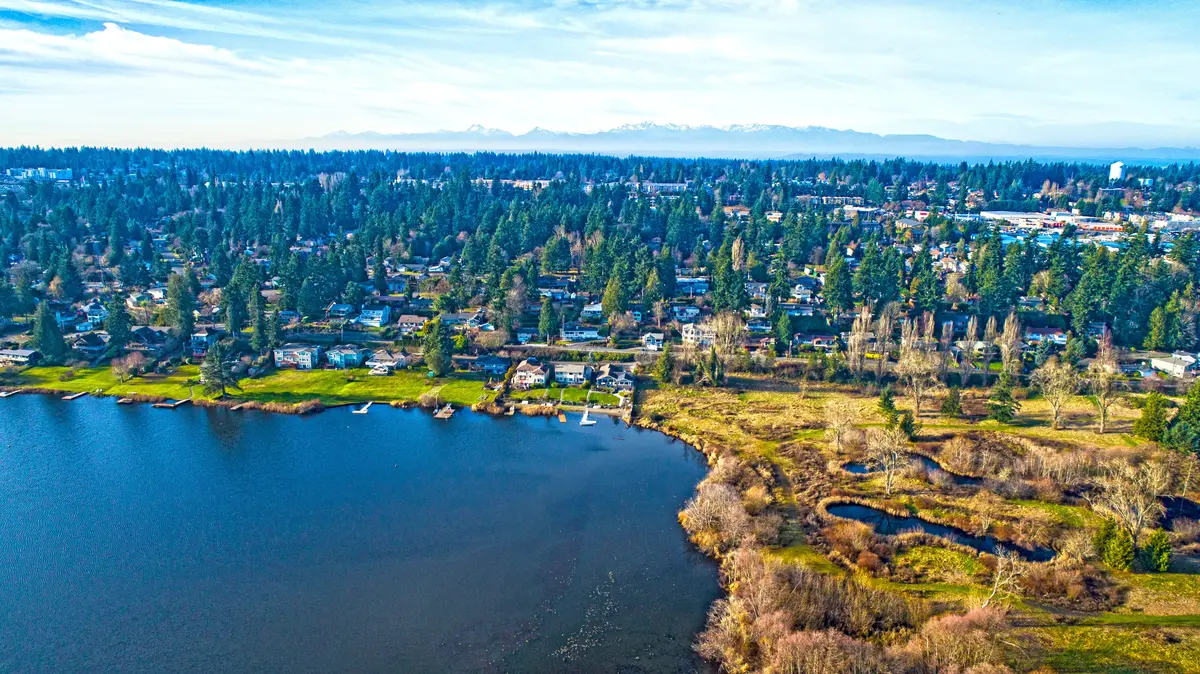
Mountlake Terrace
Mountlake Terrace added a Link light rail station at its Transit Center, making it one of the better-positioned Snohomish County cities for car-free or car-light commutes to Seattle — Premera Blue Cross is headquartered here, which is an unusual white-collar anchor for a city this size. Ballinger Park wraps around Lake Ballinger on the city's eastern edge, and the Interurban Trail provides a non-highway cycling connection south toward Shoreline. Median homes at $635,729 make it one of the most transit-accessible buys in Snohomish County at this price.
Full Mountlake Terrace Guide →- Is Mountlake Terrace Safe? A Data-Backed Look
- Cost of Living in Mountlake Terrace
- Best Neighborhoods in Mountlake Terrace
- Schools in Mountlake Terrace: A Family Guide
- Parks & Recreation in Mountlake Terrace
- Retiring in Mountlake Terrace
- First-Time Homebuyer's Guide to Mountlake Terrace
- Moving to Mountlake Terrace from California
Newcastle
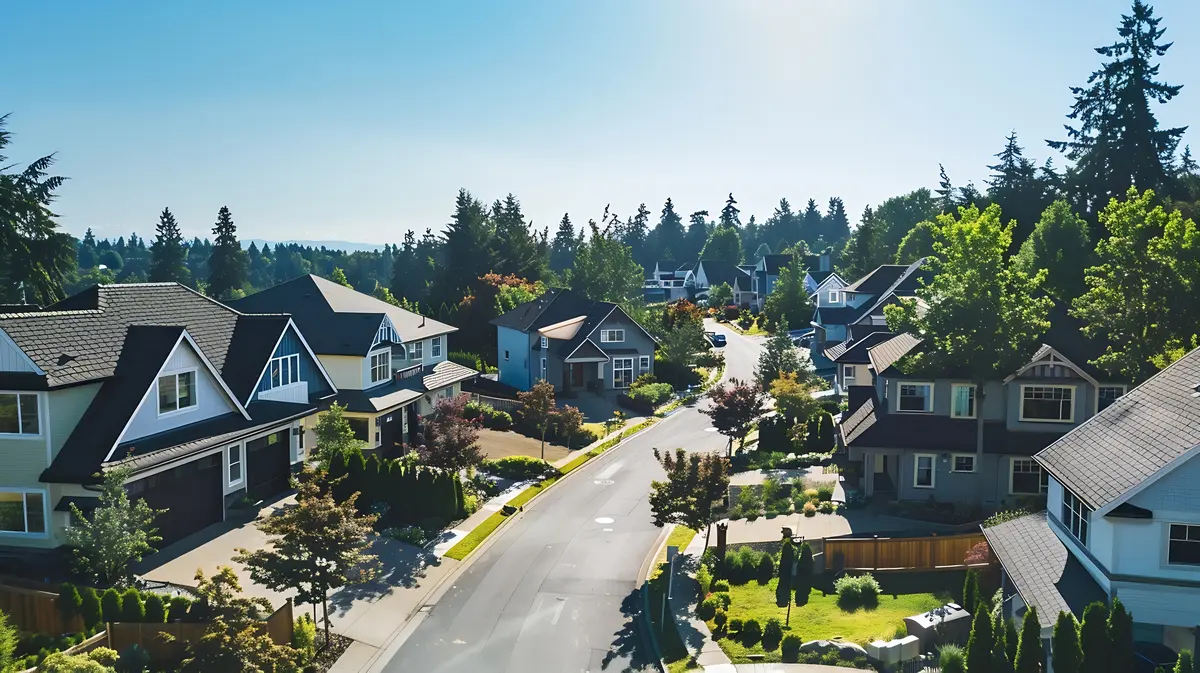
Newcastle is a small city on the ridge above Bellevue with a golf club — Coal Creek and China Creek courses — that functions as a community landmark and whose topography keeps density genuinely low. Almost every working resident commutes to Amazon, Google, or Expedia-adjacent tech employers, and the Coal Creek Natural Area and adjacency to Cougar Mountain make the trail access immediate. Median homes at $1,449,128 for a hillside city where the views toward the Cascades and the Bellevue skyline are the explicit point.
Full Newcastle Guide →
North Bend
North Bend is where I-90 ends as a commuter corridor and begins as a gateway to the Alpine Lakes Wilderness — the Mount Si trailhead is a 10-minute drive from the historic downtown, and Snoqualmie Pass is 30 minutes east. Twede's Cafe still draws Twin Peaks fans on pilgrimage to the filming location, and the North Bend Premium Outlets do serious retail volume that a town of 8,000 normally wouldn't see. Median homes at $1,287,230 for buyers who are explicitly choosing mountains over metro — the Eastside commute is real.
Full North Bend Guide →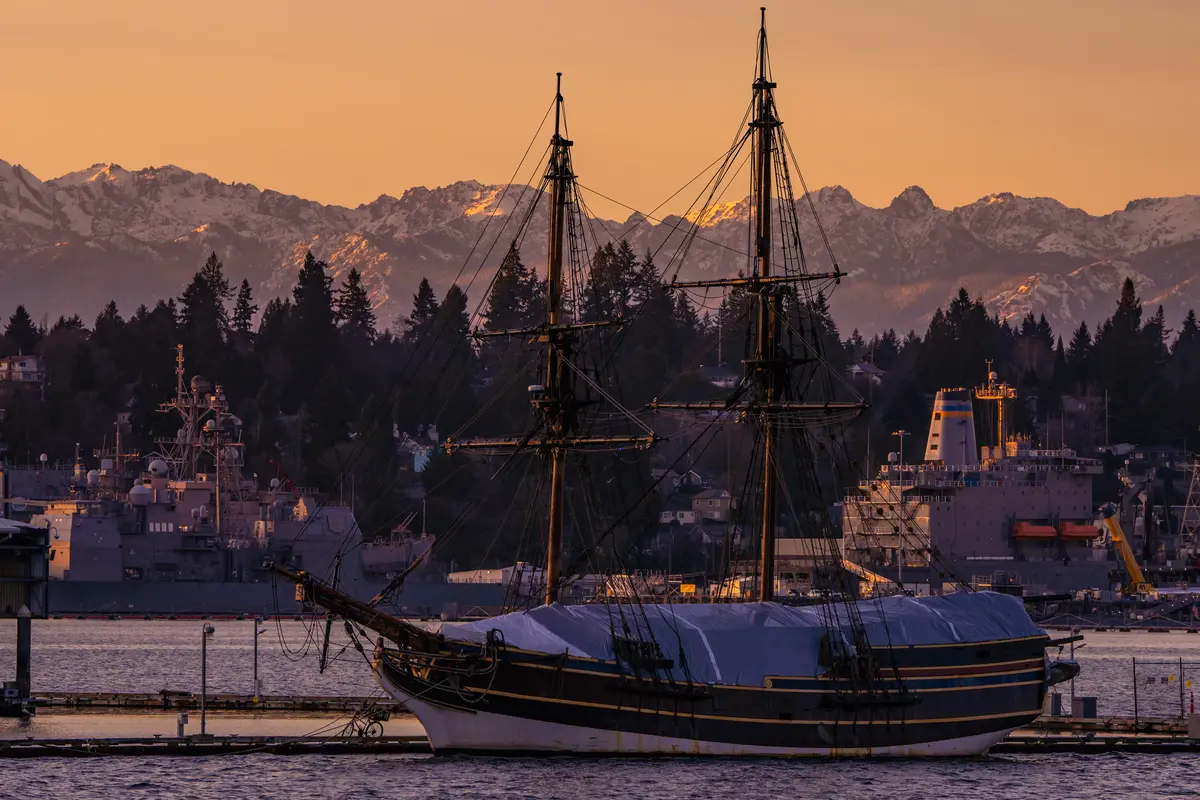
Port Orchard
Port Orchard sits on Sinclair Inlet across from Bremerton and the Puget Sound Naval Shipyard, which is the dominant economic force in this corner of Kitsap County — the Bethel Corridor commercial strip serves the shipyard workforce and the growing McCormick Woods master-planned community to the west. The Bay Street waterfront boardwalk is the social center of the historic downtown, and a passenger ferry connects to Bremerton's transit links. Median homes at $565,709 for Kitsap County buyers who want proximity to defense employment without Bremerton's urban density.
Full Port Orchard Guide →
Puyallup
Puyallup hosts the Washington State Fair — one of the largest in the country — at a permanent fairgrounds that also drives year-round event employment, alongside MultiCare Good Samaritan Hospital as the other major institutional anchor. The historic downtown and Meeker Mansion anchor a walkable core that Pierce County buyers often cite as a differentiator from newer-built suburbs to the north. Median homes at $573,027 and Sounder rail service to Seattle make it one of Pierce County's most complete mid-size city options.
Full Puyallup Guide →
Redmond
Redmond is Microsoft's home city — the Redmond campus is not just a major employer but the physical and cultural anchor of the city's identity, with Marymoor Park immediately adjacent serving as the region's most-used multi-sport outdoor venue. Nintendo of America and SpaceX's Redmond satellite development operation add to a tech-employer concentration that makes this city unusual even by Eastside standards. Median homes at $1,364,438, and the Sammamish River Trail connects downtown Redmond to Kirkland and Woodinville without touching a car.
Full Redmond Guide →
Renton
Renton is where Boeing assembles commercial aircraft — the 737 MAX comes out of the Renton factory — and where Wizards of the Coast publishes Magic: The Gathering, which is an unlikely pairing that reflects the city's genuine economic diversity. Gene Coulon Memorial Beach Park on Lake Washington is one of the largest and best-equipped urban waterfront parks in King County. Median homes at $720,080 for a city that sits at the junction of I-405 and SR-167, with equidistant commutes to Seattle, Bellevue, and the South King County industrial corridor.
Full Renton Guide →
Sammamish
Sammamish is a plateau city with no light rail, no Sounder stop, and limited through-streets — every commute leaves by car, usually via I-90 or SR-520, which are both congested at peak hours. What it offers instead is the Lake Washington School District, Soaring Eagle Regional Park, Beaver Lake, and Duthie Hill Mountain Bike Park in a low-density residential setting that few King County cities can match. Median homes at $1,461,158 reflect demand from tech families who are explicitly trading commute ease for school district quality and space.
Full Sammamish Guide →
SeaTac
SeaTac is the only city in the region where the airport is literally the largest employer and the defining geographic feature — Alaska Airlines is headquartered here, the Port of Seattle operates Sea-Tac International Airport within city limits, and the aviation economy shapes everything from the noise ordinance to the rental market. Angle Lake Park offers a genuine freshwater respite a short walk from the light rail station. Median homes at $524,875 make it the most accessible Link light rail-connected city in King County by price.
Full SeaTac Guide →
Seattle
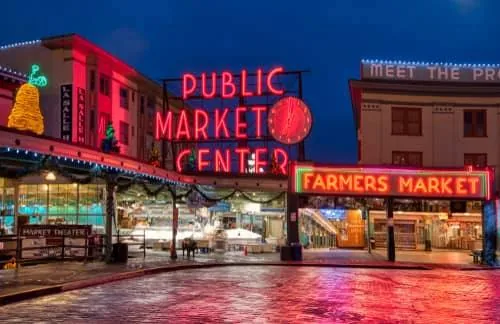
Seattle is where Amazon's headquarters campus occupies a dozen city blocks in South Lake Union, where Pike Place Market has sold local seafood since 1907, and where the median home price of $865,273 sits well below what most people expect after hearing the tech-salary headlines — partly because density and condo supply absorb demand that single-family suburbs can't. Capitol Hill, Ballard, West Seattle, and Columbia City are each coherent neighborhoods with independent retail economies, and the University of Washington anchors a research and healthcare employer cluster that rivals the tech sector for headcount. It is the reference point every other city in this guide is being compared against.
Full Seattle Guide →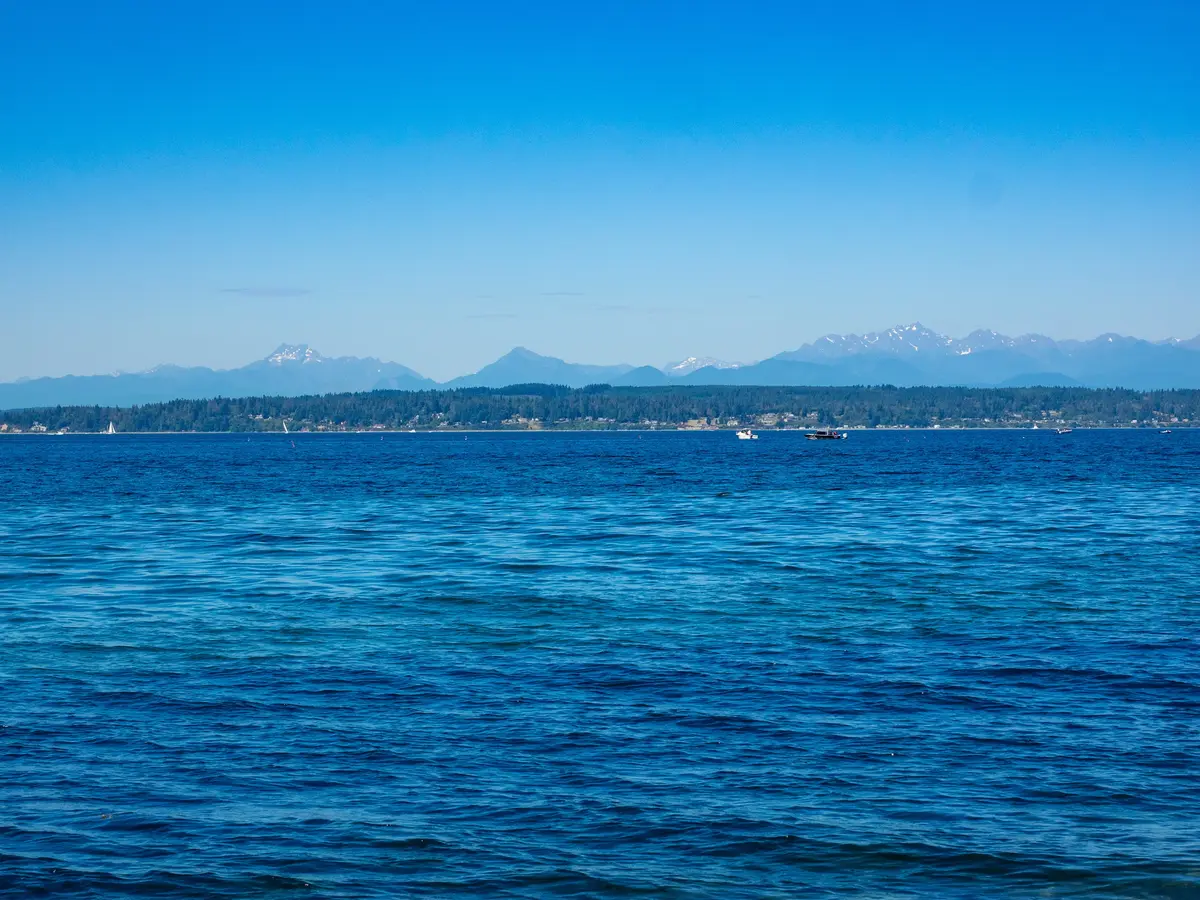
Shoreline
Shoreline added two Link light rail stations — Shoreline South/148th and Shoreline North/185th — and the city is visibly reorganizing around them, with new mixed-use development pushing up around the station areas while Richmond Beach's saltwater park and Kruckeberg Botanic Garden anchor the city's older residential identity. Shoreline Community College brings a student population and a performing arts venue to the city's center. Median homes at $776,196 for a King County city whose transit access is now materially better than its price would suggest.
Full Shoreline Guide →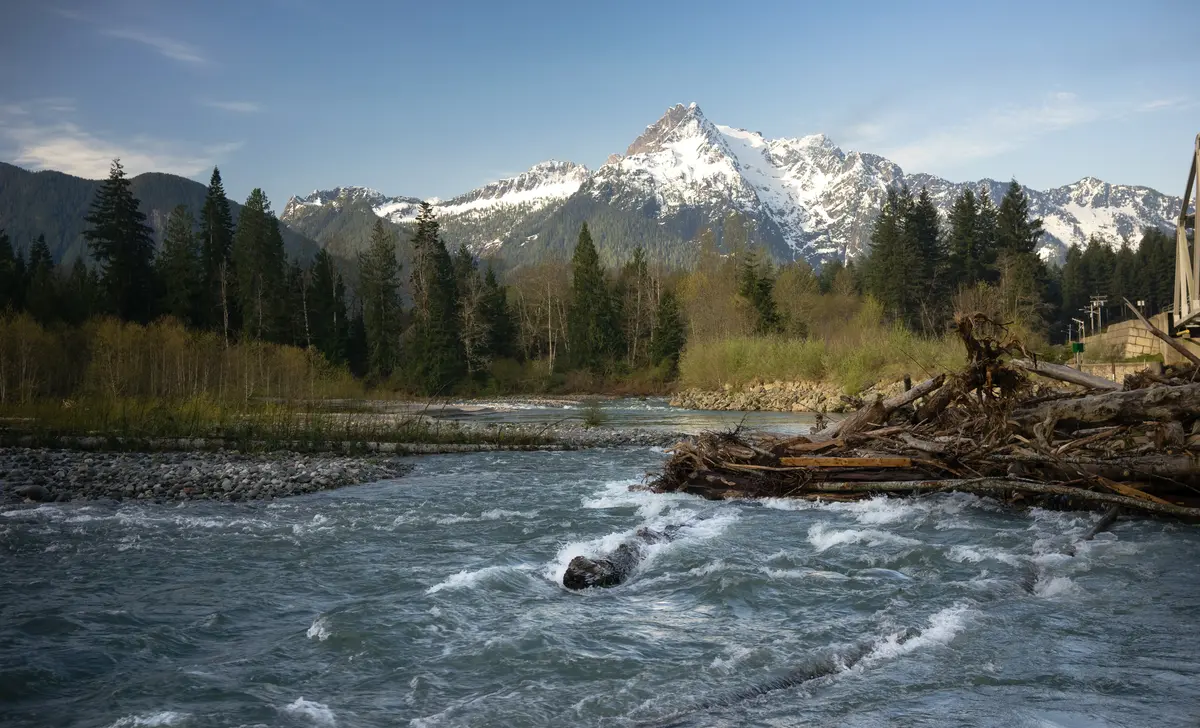
Snohomish
Snohomish's First Street District is a genuine antique destination — the historic downtown is on the National Register of Historic Places, and on weekends it draws buyers from across the region in a way that most small Snohomish County towns don't. Harvey Airfield and the Centennial Trail running south toward Woodinville give the city recreational infrastructure that fits its rural-edge character. Median homes at $891,252 — elevated for a city of 10,000, reflecting that buyers are specifically seeking this historic character, not just looking for the cheapest Snohomish County option.
Full Snohomish Guide →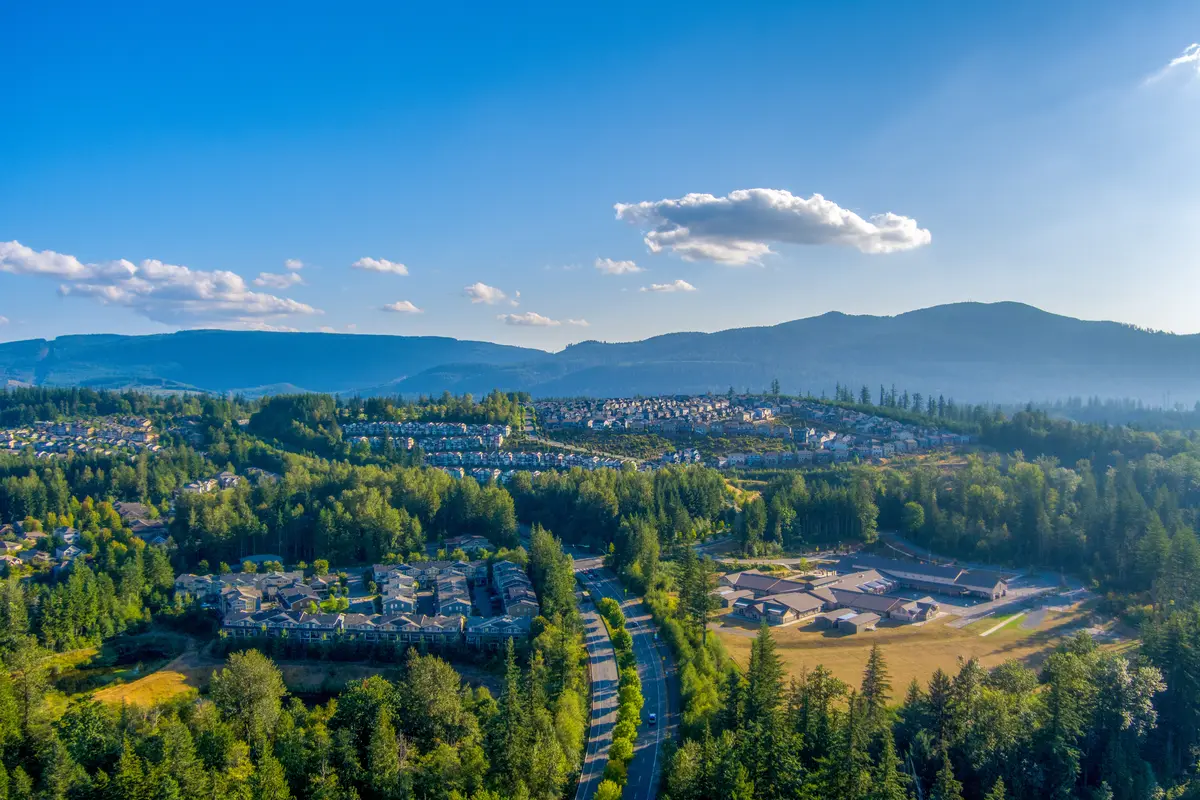
Snoqualmie
Snoqualmie Falls is one of the most-visited natural landmarks in Washington state, and it sits inside the city — Salish Lodge & Spa perches directly above the 268-foot drop, which means Snoqualmie's tourist economy and residential community overlap constantly in ways most small cities don't experience. Snoqualmie Ridge is a large master-planned community with its own golf club that has brought significant residential growth to what was otherwise a small railroad-history town. Median homes at $1,129,059 for a city where the mountain setting is immediate and the Eastside tech commute runs about 45 minutes on I-90.
Full Snoqualmie Guide →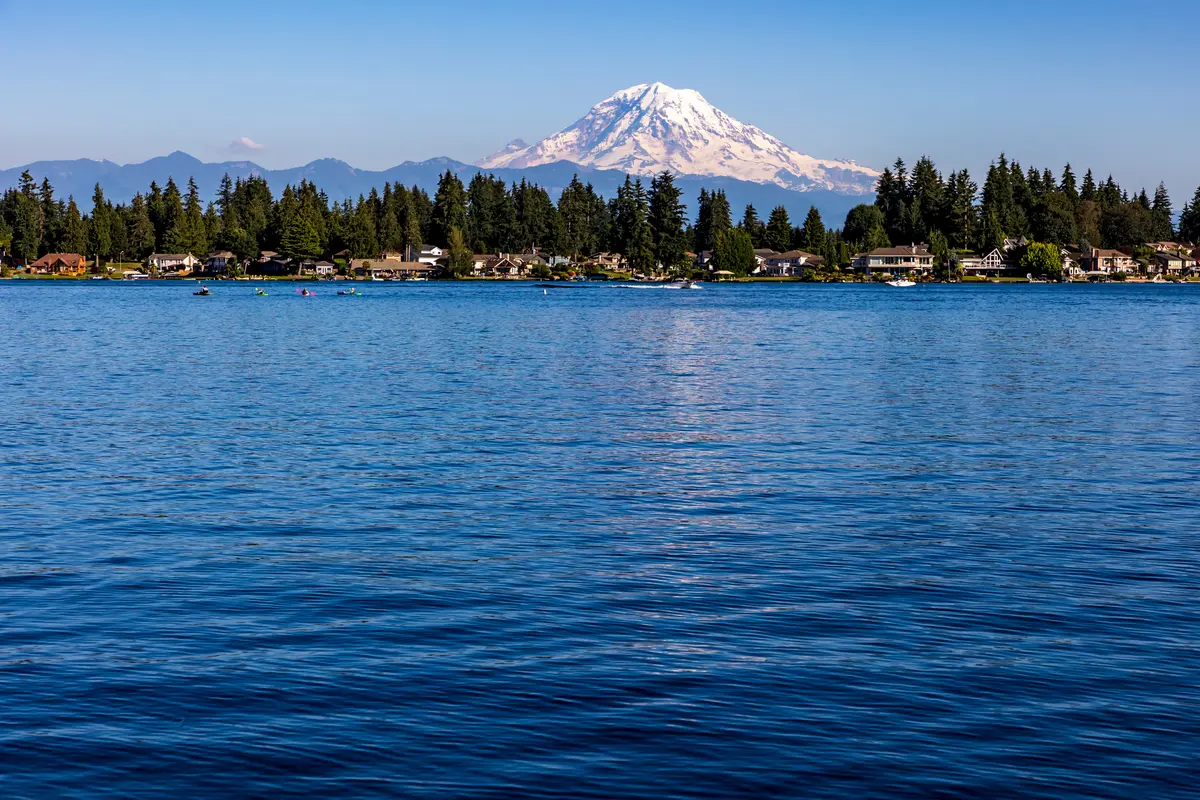
Sumner
Sumner's industrial backbone is the Puyallup River valley's distribution corridor — REI, Costco, Amazon, and Kellogg's all operate major facilities here, making it one of the more employment-dense small cities in Pierce County by square mile. The historic downtown and Sounder commuter rail station at Sumner give the city a functional town center that its warehouse-economy neighbors often lack. Median homes at $555,065 for Pierce County buyers who want commuter rail access and don't need to be in Puyallup proper.
Full Sumner Guide →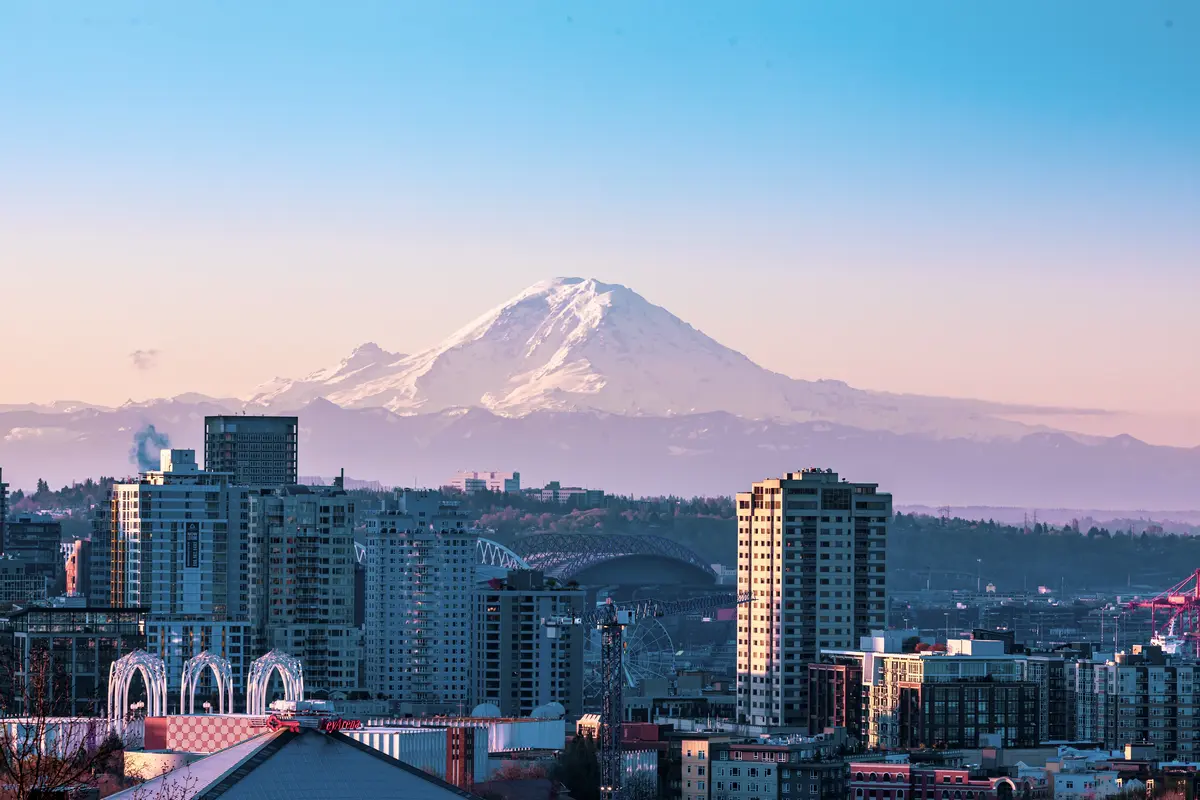
Tukwila
Tukwila hosts Westfield Southcenter, one of the largest malls in the Pacific Northwest, and BECU — Washington's largest credit union — is headquartered here, giving the city two major economic anchors within a few miles of each other. Fort Dent Park and the Starfire Sports Complex sit along the Duwamish River and give Tukwila more active recreation infrastructure than its industrial reputation suggests. Median homes at $536,522, with Link light rail and the Sounder both accessible, making it one of King County's most transit-connected affordable options.
Full Tukwila Guide →
Woodinville
Woodinville has more than 100 wineries and tasting rooms in and around its commercial core — Chateau Ste. Michelle is the anchor, but DeLille Cellars and Woodinville Whiskey Co. reflect how thoroughly the hospitality economy has layered over what was once a farming community. The Sammamish River Trail connects Woodinville to Bothell and Kenmore without touching a road, and Hollywood Hill's large-lot residential character attracts buyers who want Eastside employment proximity without the density. Median homes at $1,235,310 for a city where the weekend destination identity and the residential community are genuinely the same place.
Full Woodinville Guide →Compare Every City in Seattle Metro
Full ranked breakdowns across every city in the region — scored and compared side by side.
Eastside
North Metro
South Metro
Local Expert Takeaway: In Seattle Metro, the commute direction matters more than the commute distance — pick your worksite first, then look at which cities sit naturally on that corridor before letting price or school rankings narrow the list.
Frequently Asked Questions
Which Seattle Metro cities have the best public transit access for a car-free or car-light commute to downtown Seattle?
Which city in Seattle Metro is the best fit for a family that prioritizes top-ranked public schools without going all the way to Mercer Island or Sammamish prices?
I work at Boeing. Which city should I look at first?
Are there any Seattle Metro cities where you can still buy a single-family home for under $600K?
What's the honest downside of living in the Eastside tech corridor — Bellevue, Kirkland, Redmond, Sammamish?
Helpful Washington Resources
Explore Other Washington Regions
Seattle Metro is one of 9 distinct regions that make up Washington. Each has its own climate, character, and housing market — explore them all.

Bellingham anchors a corridor of island and farm-country towns between Seattle and the Canadian border. 13 cities including Anacortes, Arlington, Bellingham.
Explore all 13 North Puget Sound cities →
Ferry-linked towns between the Olympic Mountains and Puget Sound. 8 cities including Aberdeen, Bremerton, Port Angeles.
Explore all 8 Olympic Peninsula cities →
Tacoma and the state capital anchor a corridor with real price relief versus Seattle. 13 cities including DuPont, Fife, Gig Harbor.
Explore all 13 South Puget Sound cities →
Just across the Columbia from Portland, with no state income tax. 8 cities including Battle Ground, Camas, Centralia.
Explore all 8 SW Washington cities →
Spokane anchors the Inland Northwest — a real second-largest-city market, far from the coast. 5 cities including Airway Heights, Cheney, Liberty Lake.
Explore all 5 Northeast WA cities →
Washington's apple country, split by the Columbia River. 2 cities including East Wenatchee, Wenatchee.
Explore all 2 North Central WA cities →
Wine and agriculture country, plus the Tri-Cities nuclear/tech corridor. 9 cities including Ellensburg, Kennewick, Moses Lake.
Explore all 9 South Central WA cities →
Wine country and a major university town in the far southeast corner of the state. 3 cities including College Place, Pullman, Walla Walla.
Explore all 3 Southeast WA cities →Moving to Washington?
Tell us what you need help with and we'll connect you with local resources.
