
Maybe your company is relocating you to Redmond and someone mentioned Duvall as a place where you can still get a real yard. Maybe you've been watching the Woodinville and Monroe markets and this town keeps appearing at the edge of your search radius. Either way, the first number that stops people cold is the price: the Zillow Home Value Index for Duvall sat at $968,503 as of February 2026. That is not a typo, and it is not a luxury-neighborhood outlier — it is the citywide typical figure for a town of roughly 9,200 people along the Snoqualmie River. Understanding what drives that number, and what it actually buys, is the starting point for any honest first-time buyer conversation here.
The economic engine behind Duvall's price floor is the concentration of tech income in the household. Microsoft's Redmond campus sits roughly 35 minutes southwest, and Amazon's Seattle offices are reachable on the same corridor. Many buyers in this market are dual-income households with at least one tech salary, and the median household income of $197,361 reflects that reality. Sustained demand from families who want more space without leaving the eastside tech corridor keeps competition high even when mortgage rates climb.
On the cost-of-living side, Duvall sits noticeably above most King County suburban benchmarks on home price but benefits from Washington State's lack of a personal income tax — a real difference in monthly cash flow for buyers coming from California or Oregon. The effective property tax rate runs approximately 0.83%, which is relatively modest by Puget Sound standards. Day-to-day life revolves around Main St NE, where you can get breakfast at Corie's Cafe, dinner at Flavour Bistro's Creole-Caribbean kitchen, or a post-closing beer at Valley House Brewing Co. — all within a few blocks of Depot Park and the Snoqualmie Valley Trail. For a fuller picture of ongoing costs, see the cost of living in Duvall page.
Whether you're seriously ready to buy or still doing the math, the sections below break down what a first-timer's budget realistically buys here, the step-by-step process in this specific market, a budget snapshot table to stress-test your numbers, and the most common mistakes buyers make before they've been through it once.
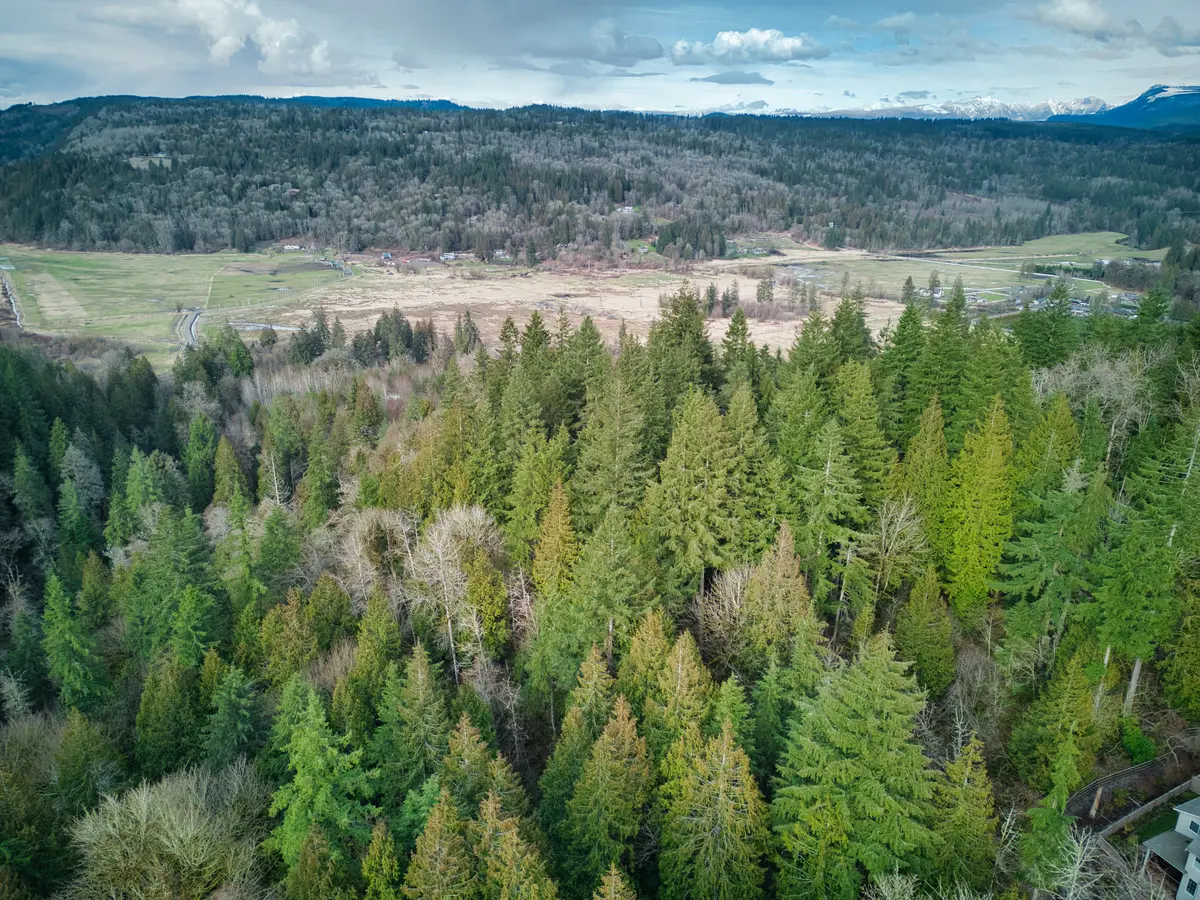
The Duvall First-Time Buyer Reality
At a typical home price of $968,503 (Zillow Home Value Index, February 2026), Duvall is not a starter-home market in the traditional sense. Entry-level detached homes — older construction, smaller lots, perhaps a longer drive to the nearest grocery — start closer to $750,000. The mid-$800s to low-$900s buys you a well-kept three-bedroom with a real backyard in established neighborhoods. Breaking the $1 million threshold gets you into newer construction, larger square footage, or coveted spots near the Snoqualmie River corridor.
What the number doesn't tell you is how quickly those homes move. In June 2025, 63% of Duvall homes sold within 30 days, and 29% sold above asking price. Redfin's Compete Score rated the market 95 out of 100 at a recent snapshot — meaning most well-priced listings attract multiple offers, often with waived contingencies. For a first-time buyer who hasn't been through a competitive offer situation before, this pace is genuinely disorienting.
The honest assessment: if your household income is well below six figures, Duvall is a stretch. If you're a single-income buyer at the lower end of the local range, the math gets tight fast — not just on the down payment but on the monthly carry. King County active listings jumped roughly 31% year-over-year in early 2026, giving buyers modestly more options than in 2024, but well-priced homes in the $750,000–$1.25 million range still move quickly. Going in with clear eyes about what your pre-approval actually covers — and what you're willing to compromise on — is not optional here.
The Homebuying Process in Duvall, Step by Step
Step 1: Get Pre-Approved Before You Tour a Single Home
In most markets, pre-approval is strongly encouraged. In Duvall, it is functionally required. Listing agents here routinely ask for a pre-approval letter before they'll even schedule a showing on a competitive property. A pre-qualification — the softer, unverified version — will not be taken seriously in a multiple-offer situation. You need a full credit pull, verified income documentation, and a lender's commitment letter in hand before you schedule your first tour.
Step 2: Assemble Your Team
You need a buyer's agent with recent transaction history specifically in the Snoqualmie Valley corridor, not just broader King County experience. The dynamics in Duvall — rural road conditions, septic systems on some parcels, HOA versus no-HOA distinctions — differ from what a Kirkland-focused agent encounters day-to-day. Your lender and agent need to be able to communicate quickly: in this market, 24-to-48-hour response windows on offers are common.
Step 3: Shop Within Your Pre-Approved Range (Not Up to It)
Your pre-approval ceiling is not your shopping target. Build in a buffer for a bidding escalation — if you're approved to $900,000 and the home lists at $875,000, you need room to go above asking without blowing your budget or your contingencies. First-timers who shop right at their ceiling often find themselves unable to compete when a property generates multiple offers.
Step 4: The Offer — Contingencies and Escalation Clauses
A standard offer in this market includes a financing contingency, an inspection contingency, and an appraisal contingency. In hot stretches, some buyers waive one or more of these to compete. The one first-timers most often waive without fully understanding is the inspection contingency — and on homes with septic systems, older roofs, or well water (all present in parts of Duvall), waiving inspection carries real financial risk. Talk to your agent specifically about which contingencies are negotiable for the property type you're targeting.
Step 5: Inspection, Appraisal, and Closing
From accepted offer to closing typically runs 30 to 45 days in this market. The inspection period is your last clear opportunity to renegotiate or walk away — use it. Appraisals on homes with rural characteristics (acreage, well, septic) can be tricky, since comparable sales are thinner. If the appraisal comes in below the purchase price and you've kept your appraisal contingency, you have options; if you waived it, you're covering the gap in cash. Closing costs in King County typically run 2–3% of the purchase price on the buyer's side, covering title insurance, escrow fees, prepaid taxes and insurance, and lender fees — budget for those separately from your down payment.
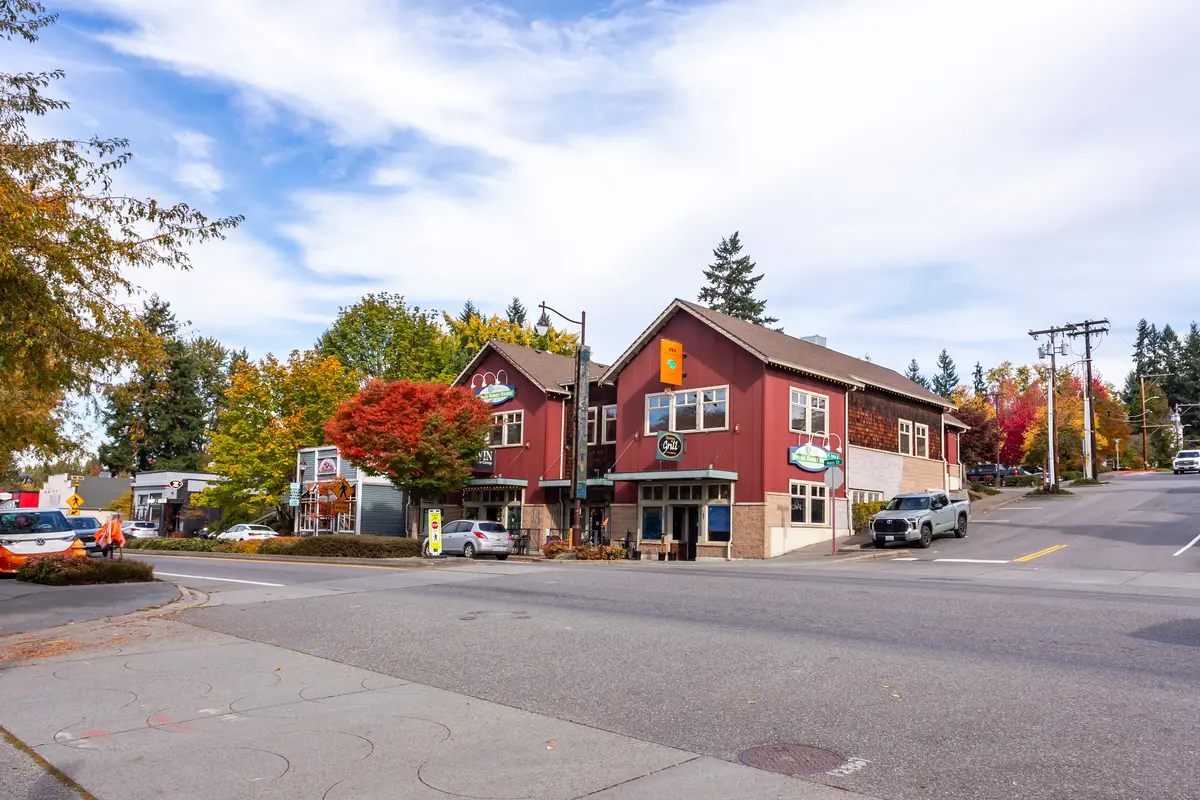
How Much Home Can You Afford in Duvall
The table below stress-tests five realistic purchase-price scenarios for a Duvall first-time buyer. Down payment percentages reflect FHA and conventional low-down-payment programs. Closing costs are estimated at approximately 2.5% of the purchase price — a reasonable mid-range for King County — and include title, escrow, prepaid items, and lender origination fees. These are estimates; your actual figures will vary based on your lender, the specific property, and negotiated seller concessions.
| Scenario | Purchase Price | Down Payment | Est. Closing Costs (~2.5%) | Cash Needed at Table |
|---|---|---|---|---|
| FHA 3.5% — entry-level | $750,000 | $26,250 (3.5%) | ~$18,750 | ~$45,000 |
| Conventional 3% — entry-level | $750,000 | $22,500 (3%) | ~$18,750 | ~$41,250 |
| Conventional 5% — mid-range | $875,000 | $43,750 (5%) | ~$21,875 | ~$65,625 |
| Conventional 10% — near median | $968,503 | ~$96,850 (10%) | ~$24,213 | ~$121,063 |
| Conventional 20% — near median | $968,503 | ~$193,701 (20%) | ~$24,213 | ~$217,914 |
| Conventional 20% — upper entry | $1,100,000 | $220,000 (20%) | ~$27,500 | ~$247,500 |
The 20% scenarios eliminate private mortgage insurance and meaningfully reduce monthly carry — a real advantage in a market where your payment will already be substantial. Note that FHA loan limits apply; verify current King County FHA limits with your lender, as the program's allowable loan ceiling may affect which scenarios are available to you at these price points.
The interactive calculator below this section will let you model your specific interest rate, property tax, and insurance estimates — use these rows as a starting framework, then dial in your actual numbers there.
Looking to buy in Duvall? Estimate your payment.
Enter your numbers to see an estimated monthly mortgage payment.
Estimate only. Excludes HOA fees and mortgage insurance. The interest rate above is a starting point, not a quoted rate — replace it with your own to see real numbers. Insurance is a flat placeholder, not a Duvall quote.
Common First-Time Buyer Mistakes in Duvall
Shopping Before You Have a Pre-Approval Letter
This one costs buyers real opportunities. A home in the $800,000 range on the west side of town can go under contract within a week of listing. If you've been casually touring without a lender commitment and you see the right house, you will almost certainly lose it to a buyer who walked in prepared. Get the letter before you fall in love with a property.
Waiving the Inspection on a Property That Warrants One
Waiving inspection contingencies has become common in competitive Puget Sound markets, but Duvall has a higher-than-average share of homes on well water and septic systems — particularly in Cherry Valley, Big Rock, and parcels outside the city core. A failed septic system or a contaminated well can cost $20,000 to $50,000 to remediate. If a seller is pushing hard for an inspection waiver on a rural-character property, that pressure itself is worth examining. Work with your agent to find a middle path: a pre-inspection before offer, or a shortened inspection period, rather than a full waiver.
Underbudgeting the Cash You Need at the Table
First-timers consistently underestimate closing costs. In King County, 2–3% of the purchase price in buyer-side closing costs is a realistic expectation — on a $968,000 home, that's roughly $19,000 to $29,000 on top of your down payment. Add in the earnest money deposit (typically 1–3% of the purchase price, submitted within days of offer acceptance and held in escrow), moving costs, and immediate post-closing repairs or setup, and the cash requirement is substantially higher than the down payment alone suggests. Build a complete cash needs figure before you begin shopping, not after you've found the house.
Skipping Due Diligence on Property-Specific Details
Some of the most important details about a Duvall property don't appear on the listing sheet. Whether a parcel is on city water and sewer or on a private well and septic matters enormously for both financing and long-term costs. HOA status, road maintenance agreements on private roads, and easement language all vary parcel to parcel in this market. First-timers who skip these details — or rely entirely on a listing agent's summary — sometimes discover significant obligations after offer acceptance. Your buyer's agent and your title company are both resources here; use them before you're in a contingency countdown, not after.
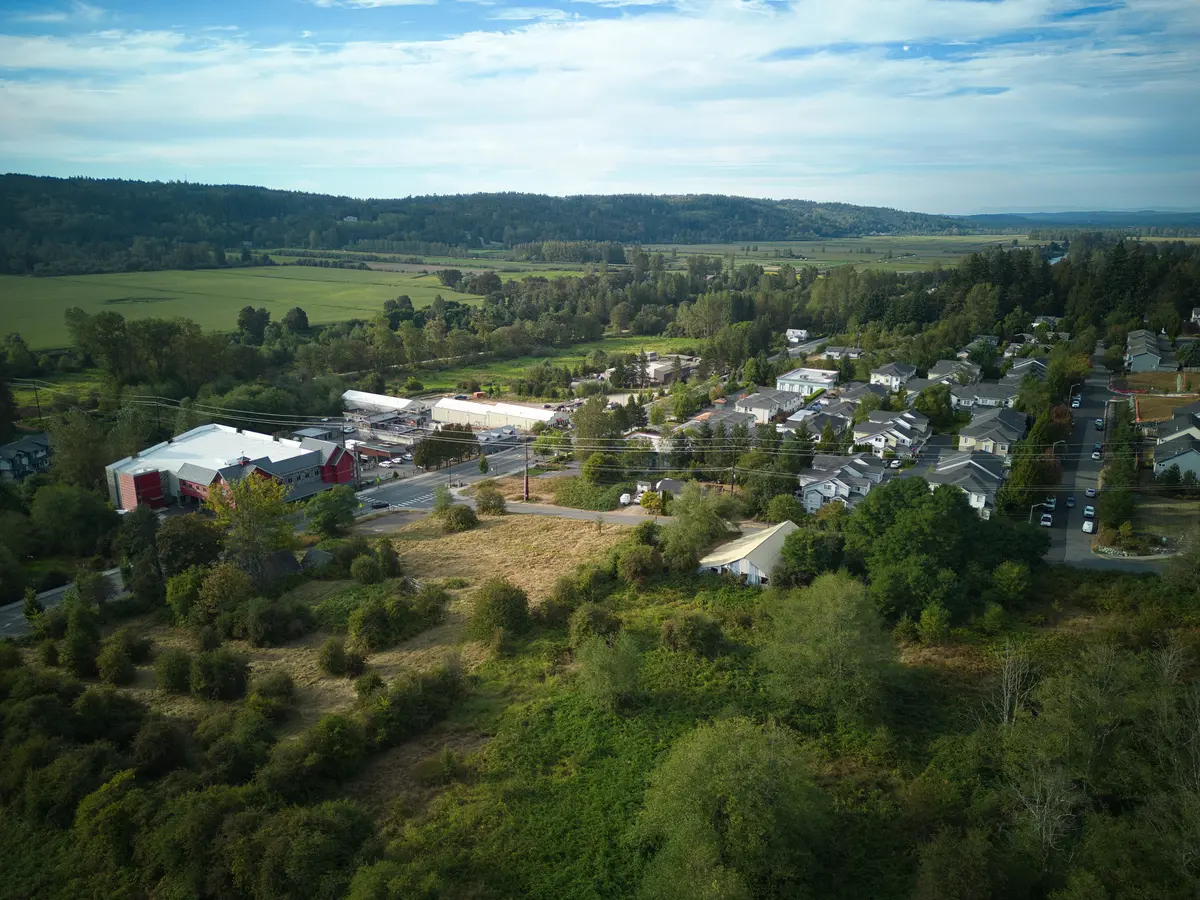
Local Expert Takeaway: Duvall rewards buyers who arrive prepared and penalizes those who improvise. Get your pre-approval letter before you tour anything on Main St NE or out in Cherry Valley. Build your full cash-to-close number — down payment, closing costs, and earnest money — as a single figure, not three separate afterthoughts. And if you're targeting a property with a well or septic system, protect your inspection contingency; the homes that look the most competitively priced sometimes look that way for a reason. The buyers who close here successfully almost always did the same thing: they treated pre-approval as day one, not as something to sort out after they fell in love with a house.
Quick Takeaways & FAQs
✅ Sustained demand from eastside tech-corridor buyers keeps well-priced Duvall homes moving fast — sometimes within days of listing, even at prices approaching $1 million.
⚠️ With a typical home price of $968,503, the cash needed at the table (down payment plus closing costs) routinely exceeds $100,000 even at lower down payment percentages — a number many first-timers don't fully model until it's almost too late.
📍 Some properties in Cherry Valley and Big Rock sit on well and septic systems — waiving your inspection contingency on those parcels carries significantly more risk than it would on a city-connected home.
What credit score do I need to buy a home in Duvall, WA?
How long does it take to buy a home in Duvall from start to finish?
Is it worth buying in Duvall or should I rent first?
What are closing costs like for buyers in King County?
How competitive is the Duvall housing market right now?
Moving to Washington?
Tell us what you need help with and we'll connect you with local resources.
