
If you're choosing between staying in California and moving to Duvall, the decision usually comes down to one deceptively simple question: how much of your paycheck do you actually want to keep? Duvall sits in the Snoqualmie River Valley on SR 203, roughly halfway between Monroe and Carnation, about 35 minutes from Redmond's Microsoft campus and Seattle's tech corridor. It's a working small town of about 9,176 people — a single Main Street lined with independent businesses, farmland views that hit you the moment you leave city limits, and a community where people actually know their neighbors. That last part will either sell you immediately or make you realize you wanted a suburb, not a town.
The economic profile here is unusual for a city this size. Duvall's median household income sits at $197,361, driven by a high concentration of tech workers commuting to Microsoft in Redmond and Amazon in Seattle. The Riverview School District holds a B+ rating from Niche, which makes Duvall a genuine draw for parents leaving California suburbs who don't want to sacrifice school quality in the trade. Crime rates run noticeably below most California metro-area cities, and the outdoor access — the Snoqualmie Valley Trail runs right through town along the river — is not an afterthought.
Cost of living here is high by national standards but materially lower than the California metros most people are leaving. BestPlaces puts Duvall's cost-of-living index at 158.1, roughly 58 percent above the U.S. average — but Salary.com calculated it as approximately 39 percent lower than San Francisco's. The number that changes most California buyers' calculations is the one Washington doesn't have: a state income tax. Zero. For a dual-income tech household earning $300,000 combined, that structural difference alone can be worth tens of thousands of dollars per year versus what they were paying in California.
Whether you're crunching numbers on a spreadsheet or trying to picture what Tuesday evenings actually feel like here, the sections below break down Duvall's home prices and how they compare to what you're leaving, the tax picture in plain terms, what daily life looks like for California transplants, what tends to surprise people after six months, and the honest trade-offs worth understanding before you make an offer.

Home Prices: What California Money Buys in Duvall
Duvall's typical home value is $968,503 (Zillow Home Value Index, February 2026). A secondary read from Redfin put the median sale price at $954,995 in November 2025, up 3.2% year-over-year, with homes going pending in roughly 22 days on average. The market is competitive and it moves fast.
For context on what you're leaving: the California metros that send the most buyers to the Pacific Northwest tell a stark story. Bay Area and San Francisco median sale prices have consistently run well above $1.3 million for single-family homes. Los Angeles County has hovered near or above $900,000. San Diego has pushed past $950,000.
| Market | Approx. Median (Single-Family) | vs. Duvall |
|---|---|---|
| San Francisco, CA | ~$1,350,000 | Noticeably higher |
| Bay Area (broader) | ~$1,200,000+ | Noticeably higher |
| San Diego, CA | ~$975,000 | Broadly comparable |
| Los Angeles, CA | ~$935,000 | Broadly comparable |
| Sacramento, CA | ~$520,000 | Noticeably lower |
| Central Valley, CA | ~$385,000 | Substantially lower |
| Duvall, WA | $968,503 (ZHVI, Feb 2026) | — |
* ZHVI = Zillow Home Value Index. California figures are approximate market medians for comparison framing only.
If you're coming from the Bay Area or coastal Southern California, Duvall's price looks roughly comparable on paper — but what you get for that money is fundamentally different. In Duvall, $968,000 buys a detached single-family home with a yard, often with mountain or valley views, in a town with one of the lowest crime rates in King County. That same figure in San Francisco or the broader Bay Area buys a significantly smaller footprint, often a condo or a house on a tight lot in a denser neighborhood. If you're leaving Sacramento or the Central Valley, the adjustment runs the other direction: Duvall will cost you more, and that's worth being honest about before you fall in love with the idea.
For more on how the full cost-of-living picture breaks down — groceries, utilities, and transportation — that page covers it in detail. Neighborhood character and how different parts of town compare are covered on the best neighborhoods page.
What the Washington Property Tax Means for You
Duvall's effective property tax rate is approximately 0.83%. On the $968,503 median home, that works out to roughly $8,039 per year.
California buyers who have owned under Proposition 13 for more than a few years often experience real sticker shock here — not because Washington's rate is especially high, but because Washington has no equivalent assessment-freeze law. Your assessed value can rise with the market. If you bought in California in 2010 and your Prop 13-adjusted bill has been locked at a fraction of your home's appreciated value, the jump to a market-rate assessment in King County is something to budget for explicitly, not discover after closing.
The Tax Picture: Washington vs. California
Washington State levies no personal state income tax. That is not a loophole or a temporary situation — it would require a constitutional amendment to change. California's graduated state income tax tops out at 13.3% on income above $1 million, with meaningful rates starting at much lower income levels: 9.3% kicks in above $66,295 for single filers.
For a tech household earning $250,000 combined and commuting to Microsoft in Redmond, the absence of a Washington state income tax is one of the most significant financial changes of the move. The savings are real and immediate in every paycheck.
| Tax Type | California | Washington / Duvall | Practical Impact for CA Movers |
|---|---|---|---|
| State income tax | 1%–13.3% (graduated) | None | Largest single financial gain for most households |
| Combined sales tax | 7.25% base; 9.5%–10.75% in many cities | 9.2% (as of Jan 2026) | Broadly comparable to mid-to-high CA jurisdictions |
| Effective property tax rate | Varies; often 1.1%–1.3% on purchase price (new buyers); Prop 13 caps existing owners | ~0.83% | Lower rate, but no assessment freeze — values move with market |
| Capital gains tax (state) | Yes — taxed as ordinary income | 7% on long-term capital gains above a $278,000 standard deduction for 2025, rising to 9.9% on gains above $1,000,000 | New WA capital gains tax matters for high earners selling stock |
| Estate / inheritance tax | None at state level | Yes — Washington imposes an estate tax above ~$2.193M | Relevant for high-net-worth households in estate planning |
What Californians Usually Miss: The B&O Tax
Washington funds its government through sales tax, property tax, and a Business and Occupation (B&O) tax on gross receipts — not through a broad income tax. For W-2 employees, the B&O tax is largely invisible. If you're self-employed, a consultant, or a small-business owner, it's worth understanding before you set up shop: Washington taxes gross revenue, not net profit, which is a structural difference from how California taxes business income.
The sales tax comparison is closer than most Californians expect. Duvall's combined rate is 9.2% as of January 2026. California's statewide base is 7.25%, but combined rates in the Bay Area and Los Angeles regularly run 9.5% to 10.75%. On everyday purchases, you're unlikely to notice a meaningful difference in what you pay at the register.
Washington taxes 7% on long-term capital gains above a $278,000 standard deduction for 2025, rising to 9.9% on gains above $1,000,000. This surprised many California tech workers who assumed Washington was a completely tax-free state. If you're planning to sell a concentrated stock position or exercise a large equity grant after moving, talk to a Washington-licensed tax professional before assuming the full California-to-Washington tax advantage applies to every dollar.
Daily Life in Duvall: What California Transplants Actually Find
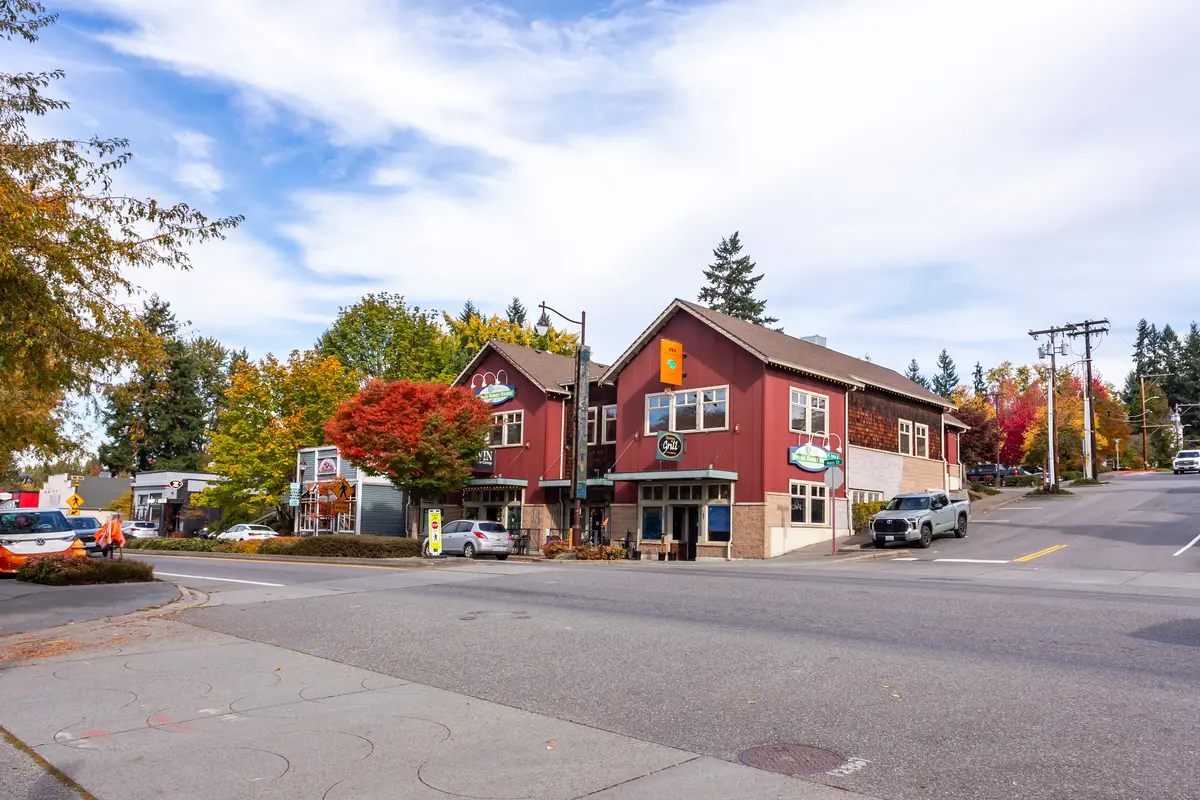
Six months in, most California transplants say the same thing: the pace of life is different in a way they didn't fully expect from reading about a Seattle suburb. Duvall is not a suburb in the conventional sense. There's no major retail corridor, no freeway interchange, no chain-restaurant strip. Main Street NE is genuinely the center of town — a short walkable stretch with Corie's Cafe for breakfast, Flavour Bistro for Creole-Caribbean dinner, and Valley House Brewing Co. when you want a pint on the weekend. That's the social infrastructure. You will drive to Woodinville or Monroe for most big-box shopping, and you will make peace with that.
The outdoor access is legitimately excellent and immediate. The Snoqualmie Valley Trail — a paved multi-use rail-trail — runs directly through town along the Snoqualmie River. You don't need to drive to a trailhead to get on it; you leave your front door and you're on it. For California transplants who spent years commuting to a trailhead on a packed weekend, that distinction matters more than it sounds.
What the Weather Will Do to You
The first October through February is the adjustment that filters people out. It doesn't snow much in Duvall — the Snoqualmie Valley sits at a low enough elevation that what falls on the Cascades mostly falls as rain here. What it does is stay gray. November through February, you may go two or three weeks without seeing meaningful sun. Californians who moved for the lifestyle and underweighted the winter often start looking at the Sun Belt around month eighteen. This is not a failure of Duvall; it's a real and recurring pattern, and you should factor it in honestly.
The flip side is that summer here is genuinely spectacular — warm, dry, and long, with the Cascades visible from the valley floor on clear days. The people who fall in love with Duvall tend to be the ones who value that summer deeply enough to trade a difficult winter for it.
The Town That Doesn't Have Everything
Healthcare coverage is adequate for routine care, and premiums generally run noticeably below what you were paying in California. The honest trade-off is that specialist care and advanced treatment will require a drive toward the greater Seattle area — the same drive you'd make for an IKEA or a Trader Joe's. Families with complex or ongoing medical needs should factor in that reality alongside everything else.
The Riverview School District's B+ rating draws a lot of California families specifically — parents who left suburban districts in the Bay Area or San Diego and wanted a smaller, calmer school environment without dropping to a C-rated district. The schools here are a genuine strength, and they're covered in depth on the Duvall schools page. For safety context, crime data is covered on the safety page.
Looking to buy in Duvall? Estimate your payment.
Enter your numbers to see an estimated monthly mortgage payment.
Estimate only. Excludes HOA fees and mortgage insurance. The interest rate above is a starting point, not a quoted rate — replace it with your own to see real numbers. Insurance is a flat placeholder, not a Duvall quote.
Who Moves to Duvall from California — and Who Shouldn't
The profile of buyers who make this move successfully is fairly consistent. They're almost always dual-income tech households, one or both partners working for Microsoft, Amazon, or a Redmond-area startup. They have school-age children or are planning to. They want a house with a yard. They've been outbid or priced out of Bellevue and Kirkland, or they looked at those cities and decided they didn't want that much city. Duvall gives them the square footage, the school district, and the outdoor access — the trade is the commute on SR 203 and the limited local amenities.
| Buyer Profile | Duvall Fit | The Honest Catch |
|---|---|---|
| Families with school-age kids | Strong — B+ district, low crime, yard space | Kids' activities require driving; no walkable teen scene |
| Tech workers at Microsoft/Redmond | Strong — ~35 min commute, income-to-price ratio works | SR 203 gets congested; no transit option to campus |
| Outdoor-first buyers | Strong — trail access, Cascades proximity, river valley | Gray winters are long; skiing requires another 45+ min |
| Walkability-focused buyers | Partial — Main Street is walkable; town is otherwise car-dependent | Groceries, big-box retail, and most services require a drive |
| Seattle CBD commuters | Marginal — doable but long; ~60+ min each way depending on route | No express transit; SR 203 to I-405 or SR 522 corridor adds time |
| First-time buyers from CA | Depends — entry-level options exist but the median is high | Market moves fast (~22 days to pending); competitive offers common |
The buyer who tends to struggle here is the one who moves from a California suburb expecting a Pacific Northwest version of the same thing. If you're leaving the Inland Empire or Orange County expecting Duvall to feel like that — well-paved, amenity-rich, restaurant-dense — you'll find the reality jarring. This is a small town with a small-town pace, intentionally so. The people who love it love that, specifically.
For a broader picture of who Duvall suits and how the community is structured day-to-day, the living in Duvall guide covers it in depth.
Making the Move: Practical Steps for California Buyers
The Duvall market is not forgiving of slow decisions. Homes went pending in roughly 22 days on average in late 2025, and the competitive dynamics haven't softened significantly. California buyers who are accustomed to a slower market — or who spent months losing bidding wars in the Bay Area and think that experience prepared them — often find Duvall's pace equally aggressive in a town a fraction of the size.
Get Pre-Approved Before You Look
Pre-approval from a lender familiar with Washington State transactions matters here. California buyers sometimes arrive with a pre-approval letter from a California-focused lender who isn't versed in King County closing conventions or Washington-specific title and escrow practices. The buying process itself is covered in detail on the first-time homebuyer page, including down payment considerations relevant to this price range.
Understand the Assessment Reality Before You Close
If you've owned in California under Prop 13 for any meaningful period, you are likely leaving a property tax bill that bears little relationship to your home's current market value. Washington will assess your new Duvall home at or near the purchase price, and that assessment can rise with the market in subsequent years. Running a realistic projection of your first-year property tax bill — not based on what you've been paying in California — is a step many buyers skip and then regret.
Budget for the Setup Costs Washington Doesn't Have Help For
Washington has no state-funded down payment assistance program comparable in scale to CalHFA in California. If you were planning a move that relied on California first-time buyer programs, those don't transfer. That's not a dealbreaker for most California movers — the income profile of people making this particular move typically means conventional financing is available — but it's worth knowing rather than assuming equivalence.
The emotional adjustment is real too. Californians who move in late fall often underestimate how socially isolating a Duvall winter can feel in the first year. The town is genuinely friendly — the kind of place where you'll recognize faces at Corie's Cafe within a month — but building a social circle takes longer when the weather keeps everyone indoors and there aren't many third places beyond Main Street. Give it a full year before drawing conclusions. The people who make it past the first February almost universally say they don't regret it.
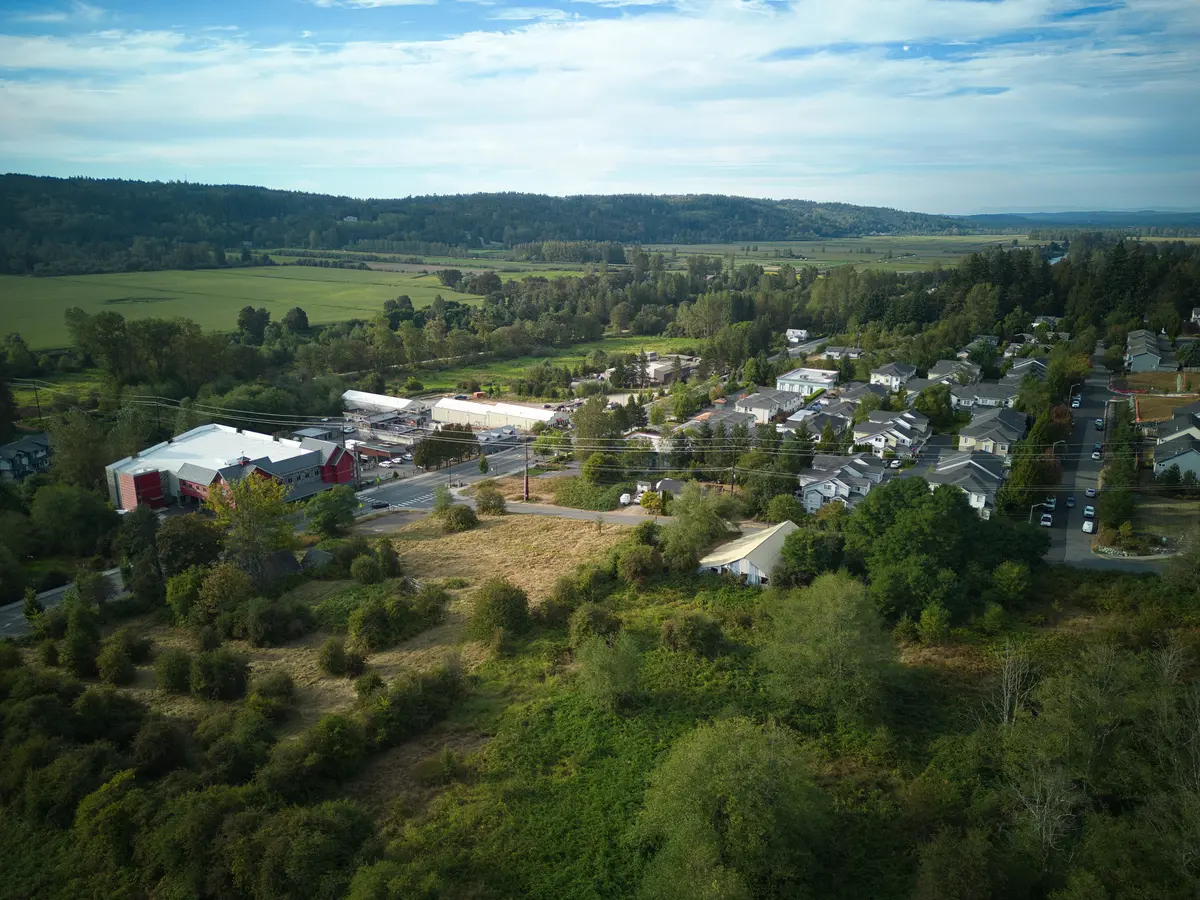
Local Expert Takeaway: Duvall is not the move for every Californian — it's the move for a specific kind of California household: two incomes, tech jobs in Redmond, kids in school, and a genuine preference for a small town over a polished suburb. The income tax savings are real and immediate. The property tax is lower than what new California buyers pay but higher than what long-time Prop 13 holders expect. The market is competitive and moves fast. And the winters will test you. Get to Main Street on a Saturday in July — breakfast at Corie's Cafe, a walk on the Snoqualmie Valley Trail, a pint at Valley House Brewing Co. in the afternoon — and you'll understand what people are actually buying when they move here. It's not a price arbitrage. It's a different life.
Quick Takeaways & FAQs
✅ Washington's zero state income tax is permanent and structural — for most dual-income tech households moving from California, it represents the single largest financial improvement of the move.
⚠️ Duvall's effective property tax rate of 0.83% is lower than what new California buyers pay, but unlike Prop 13 there is no assessment freeze — your bill will rise if the market does.
📍 Homes in Duvall went pending in roughly 22 days on average in late 2025; California buyers expecting a slower market than the Bay Area will find Duvall equally competitive for a town of 9,176 people.
Is moving from California to Duvall, WA worth it financially?
How do Duvall home prices compare to what I'm leaving in California?
Does Washington State really have no income tax?
What surprises California transplants most about living in Duvall?
How does Duvall's property tax compare to California's Proposition 13 rates?
Moving to Washington?
Tell us what you need help with and we'll connect you with local resources.
