
Most families moving to Duvall already know the Eastside school districts — Lake Washington, Northshore, Issaquah. Those districts are larger, louder, and better marketed. What surprises parents who actually end up in Duvall is that Riverview School District quietly outranks most of them on the metrics that matter most: proficiency rates, teacher quality, and a student population small enough that your kid's name will actually be known. This is a district of roughly 3,000 students total, serving Duvall, Carnation, and the surrounding northeast King County valley.
Riverview School District (No. 407) earned a B+ overall rating — not a participation trophy, but a genuine reflection of academic performance that sits well above state norms. Math proficiency district-wide is 56% against a Washington state average of 41%. Reading proficiency is 71% against a state average of 53%. SchoolDigger ranked the district 19th out of 247 Washington districts in 2025, placing it in the top 8% statewide. The families drawn here tend to be parents leaving larger suburban districts who wanted something smaller without sacrificing outcomes — and, increasingly, remote workers connected to Microsoft in Redmond or Amazon in Seattle who discovered they could afford more house in the valley.
Day-to-day life in Duvall is oriented around the Snoqualmie River valley, the trails along the Snoqualmie Valley Trail, and a downtown that still functions as a genuine gathering place rather than a strip-mall amenity. Duvall's parks and trail network give kids real outdoor space within walking distance of most neighborhoods. The school calendar and the community calendar are intertwined in ways you don't see in larger suburbs — a Cedarcrest football game on a Friday night draws a meaningful slice of the town.
Whether you're deciding between Duvall and a closer-in Eastside suburb, or you're already under contract and want to understand what your children are actually walking into, this guide covers the Riverview district at the system level, the three schools worth knowing by name, the alternative programs available for families who want a non-traditional path, the honest picture of where the district still has room to grow, and the youth sports ecosystem that fills afternoons and weekends here.
Riverview School District at a Glance
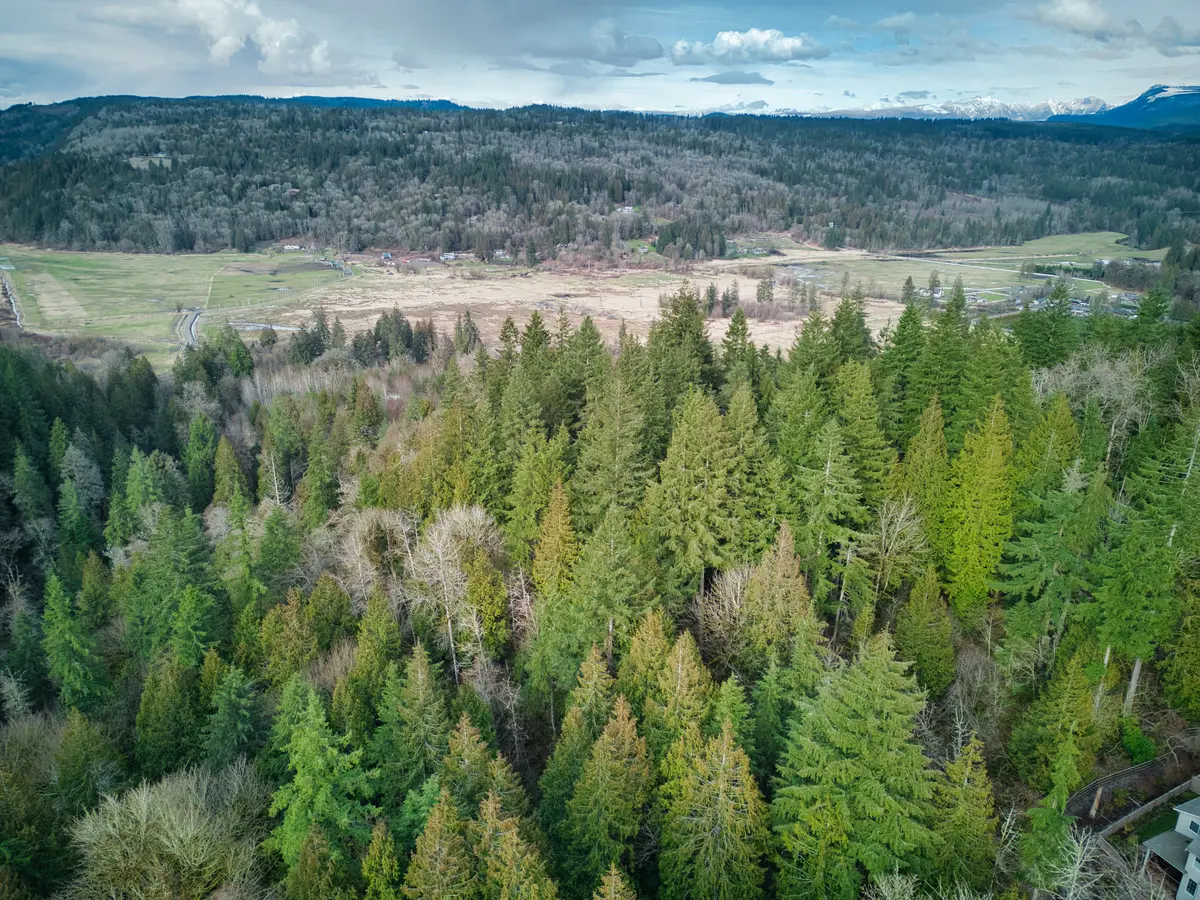
Eight schools, roughly 3,000 students, one valley. That ratio — about 375 students per school on average — is what parents mean when they say Riverview feels different from the Eastside giants. The district runs a clean structure: K–5 elementary at three campuses (Cherry Valley, Stillwater, and Carnation Elementary), a single 6–8 middle school at Tolt, and one traditional high school, Cedarcrest, on the north edge of Duvall.
| Metric | Riverview School District | WA State Average |
|---|---|---|
| Overall Rating | B+ | — |
| Statewide District Rank (2025) | 19th of 247 | — |
| Math Proficiency | 56% | 41% |
| Reading Proficiency | 71% | 53% |
| Student-to-Teacher Ratio | 18:1 | 18:1 |
| Licensed Teachers | 100% | — |
| Total Enrollment | ~3,000 | — |
The 18:1 student-to-teacher ratio matches the state average on paper, but the district's smaller absolute size means individual teachers often know students across multiple grades by name — a qualitative difference that doesn't show up in a spreadsheet.
The District's Geographic Reality
Riverview covers a wide geographic footprint — Duvall and Carnation are about seven miles apart via Highway 203, and the district headquarters sits in Duvall proper at 15510 1st Ave NE. Families in the Cherry Valley area of Duvall feed into Cherry Valley Elementary, while families further out toward the river-adjacent neighborhoods typically feed into Stillwater. Check your specific address against the district's boundary map before assuming which elementary school your children will attend — boundaries within Duvall itself can be less intuitive than you'd expect.
What Locals Know About the District Budget
New construction in Duvall carries a school impact fee of $8,622 per single-family unit, collected at permit issuance on the district's behalf. That figure doesn't directly affect buyers of existing homes, but it signals the district's capital planning posture — actively building capacity to serve a growing valley population rather than absorbing growth without investment.
Three Schools Worth Knowing by Name
Cherry Valley Elementary — The Academic Anchor
Cherry Valley Elementary consistently leads the Riverview district's elementary schools in academic performance rankings, according to SchoolDigger's 2025 data. Parents in the central Duvall area and nearby neighborhoods frequently end up here, and the school's reputation contributes meaningfully to the district's above-average proficiency scores at the elementary level. It is a conventional K–5 school, not a magnet or specialty program, which means its performance reflects the baseline instructional quality rather than a selective intake.
The school sits close enough to Depot Park and the historic downtown core that community events and the school calendar overlap in visible ways. If you're buying in central Duvall and elementary academics are the primary concern, Cherry Valley's consistent performance makes it the most straightforward argument for the district.
Best for: Families prioritizing academic performance at the elementary level in a traditional K–5 setting.
Carnation Elementary — Small Class Sizes, High Investment
Carnation Elementary, about seven miles south of Duvall off Highway 203, operates with the smallest class sizes and the highest per-student spending of any school in the district. For families who equate smaller cohorts with better outcomes — particularly for children who thrive with more individual attention — this matters. The trade-off is a longer drive from most Duvall neighborhoods, though families in the Carnation end of the district feed here naturally.
Carnation Elementary serves a slightly different demographic than the Duvall-based schools: the town of Carnation is smaller and more rural, and the school's community character reflects that. Parents who prefer a distinctly small-town school environment sometimes specifically choose to live on the Carnation side of the district for exactly that reason.
Best for: Families with children who benefit from smaller class sizes and a more rural school environment.
Cedarcrest High School — The Sole Traditional High School
Every student who comes up through the Riverview district's traditional pathway graduates to Cedarcrest. With approximately 931 students in grades 9–12, it competes as the Red Wolves in WIAA Class 2A within the WESCO Conference — a classification that means competitive athletics without the anonymity of a 2,000-student 4A program. The school's sports menu is extensive for its size: football, soccer, baseball, fastpitch softball, basketball, volleyball, track and field, wrestling, lacrosse, cross country, cheer, flag football, and girls golf all operate under the WIAA umbrella.
The district's own data identifies high school math achievement as its primary ongoing area for improvement — and that honest self-assessment is worth keeping in mind. Reading and elementary-level math are clear strengths system-wide; high school STEM depth is where families with strong college-prep expectations should ask specific questions during a school visit rather than relying on district-level averages.
Best for: Students who want a complete high school experience — varsity sports, extracurriculars — without disappearing into a mega-campus.
Alternative Programs and Non-Traditional Pathways
One of the underappreciated features of a small district is that Riverview has invested in structured alternatives rather than forcing every student into the same mold. The Riverview Learning Center in Carnation houses three distinct programs: PARADE, CHOICE, and CLIP — each representing a different approach to flexible, non-traditional learning within the public school framework. These are not last-resort programs; they are deliberate choices that families actively seek out.
The district also offers a K–12 alternative parent-partnership program, which gives families a formalized hybrid structure — more involvement than a traditional classroom, less isolation than full homeschooling. For parents who want a foot in both worlds, this is the path worth exploring. PAIVE Services extends that support through ages 18–21 as a transition program for students with qualifying needs.
Eagle Rock K–5 Multi-Age Program
The district lists an Eagle Rock K–5 Multi-Age Program in its official directory. Multi-age programs group children across grade levels rather than by single-year cohorts, a model some families specifically seek for its developmental philosophy. Because this program doesn't appear as prominently in third-party ranking data, families interested in it should contact the district directly at rsd407.org to confirm current enrollment status, class availability, and the application process — the program's structure and availability can shift year to year in a district of this size.
Who Uses These Alternatives
In practice, the families who end up in Riverview's alternative programs tend to fall into two groups: parents who were already running a hybrid home education model and found the parent-partnership structure a natural fit, and families who had a student who wasn't thriving in a conventional classroom and wanted something the district itself offered rather than a private option. Both groups report that the district's small size makes communication with program administrators genuinely easier than it would be in a larger system.
Looking to buy in Duvall? Estimate your payment.
Enter your numbers to see an estimated monthly mortgage payment.
Estimate only. Excludes HOA fees and mortgage insurance. The interest rate above is a starting point, not a quoted rate — replace it with your own to see real numbers. Insurance is a flat placeholder, not a Duvall quote.
Youth Sports and Kids Activities in Duvall
Youth sports in Duvall don't run through a large city parks department. They run through a combination of the YMCA of Snohomish County, Cedarcrest's own programs, and a regional club structure that connects Duvall kids to leagues across the Snoqualmie Valley. Understanding how these pieces fit together is the practical knowledge new families most often have to assemble on their own.
The YMCA Duvall Sports Programs
The Monroe branch of the YMCA of Snohomish County operates the most structured recreational league system serving Duvall directly. Basketball is the anchor, with both recreational and competitive YBL tiers running for grades 3 through 10. Flag football and volleyball round out the core offerings. A key logistical note: practices for these programs are held at Stillwater Elementary, which means kids and parents are already on familiar school grounds rather than navigating an unfamiliar facility. The YMCA's Duvall Sports Programs page at leagues.teamlinkt.com/ymcasnoco/DuvallSportsPrograms is the starting point for registration and seasonal calendars.
The Cedarcrest Pipeline
Cedarcrest High School runs community sport camps on its own campus at 29000 NE 150th Street — a deliberate bridge between youth recreation and WIAA-level varsity competition. For a middle schooler who wants to train with the Cedarcrest program before they're eligible to compete, these camps are the entry point. Coaches who run the varsity programs typically lead or oversee the camps, which means your child is building a relationship with the program years before they step onto a varsity roster. Camp schedules are posted at chs.rsd407.org/sportscamps.
What the Valley Offers Beyond Organized Leagues
The Snoqualmie Valley Trail, accessible from multiple Duvall neighborhoods, doubles as everyday infrastructure for kids on bikes and families with strollers. Duvall's parks and recreation network provides the unstructured outdoor backdrop that organized leagues can't replace. The combination of trail access and the pastoral valley setting means kids in Duvall grow up with a baseline of outdoor activity that most Eastside suburbs can't replicate at the same proximity.
Club Sports and Regional Options
For families arriving from larger markets expecting dense club soccer, travel baseball, and competitive club volleyball all within a short drive, Duvall requires a mindset shift. Club-level programs do exist in the region — youth soccer clubs and travel ball organizations operate out of Monroe, Woodinville, and the broader valley — but Duvall itself is not a hub for club sports infrastructure. Families who prioritize competitive club athletics above all else sometimes find themselves driving 20–30 minutes each way to Monroe or Woodinville for practices, which adds up across a season. That's not a dealbreaker, but it's the reality that nobody mentions until you're already signed up.
What Parents Find Six Months In
The consistent report from families who moved here from larger suburbs is that youth sports in Duvall feel more community-centered and less professionalized. The same group of kids rotates through basketball, soccer, and track across the year. Parents end up knowing each other's families across multiple sports, which creates a social fabric that doesn't always develop in larger programs where travel teams are sorted by ability and geography. Whether that's a feature or a limitation depends entirely on what you're looking for.
Who This District Is NOT the Right Fit For
Riverview earns its B+ honestly, but there are families for whom the district is a genuine mismatch — and it's worth naming that clearly rather than discovering it after you've closed on a house.
Families Expecting a Large-District Course Catalog
A high school of 931 students offers real programming, but it cannot offer what a 2,500-student suburban comprehensive can: a deep AP catalog across every discipline, dedicated STEM pathways, multiple foreign language tracks, a performing arts program with full technical infrastructure, and specialized electives. Cedarcrest's WIAA athletics are strong for its classification. Its academic breadth is competitive for a 2A school. But if your teenager is coming from a large 4A district and expects 15 AP courses, an IB program, or a robust dual-enrollment university partnership, they will notice the difference.
Families Who Want Urban Amenities Within Walking Distance of School
Duvall is a small valley town. There is no transit system connecting students to enrichment programs, tutoring centers, or cultural institutions in the way that exists in Bellevue or Kirkland. Families who rely on a teenager's ability to get themselves to after-school activities independently will find that nearly everything requires a parent driving or access to a car. This is a common friction point that families from urban or inner-ring suburban backgrounds underestimate significantly.
High-Intensity Club Sports Families
As noted in the youth sports section, competitive club athletics in Duvall requires regional travel. Families who built their social life and weekly schedule around a dense local club infrastructure — the kind that exists in Bellevue, Redmond, or Kirkland — will find the Snoqualmie Valley requires more logistical planning to maintain the same level of competitive participation.
Families Prioritizing High School Math Depth
The district itself flags high school math achievement as its primary improvement target. Elementary and middle reading performance is genuinely strong. High school math is improving but hasn't reached the same level relative to state competition. Families with students who are mathematically advanced or who are targeting STEM majors at selective universities should ask Cedarcrest directly about course availability, honors sequences, and dual-enrollment options — and weigh those answers honestly against their expectations.
Practical Logistics Every Duvall Family Needs to Know
Boundary Verification Is Non-Negotiable
Duvall's neighborhood geography does not map cleanly onto school attendance boundaries. Two houses on the same street can feed different elementaries. Before you finalize an address, pull the district's boundary map at rsd407.org and verify your specific parcel against it. Do not rely on what the listing agent says or what a neighbor assumes.
The District Calendar and Community Calendar Are One Thing
In a town of roughly 9,000 people, Cedarcrest football games — particularly on fall Friday nights — function as community events, not just school events. New families are sometimes surprised by how quickly they get drawn into the school social orbit regardless of whether they have a high schooler. It's one of the more genuine small-town dynamics in the Seattle metro area, and most families who came from larger districts say they didn't expect to miss it when they eventually left.
The Middle School Transition
Tolt Middle School's ranking relative to Cherry Valley Elementary reflects a pattern common to districts with very strong elementaries: the transition to a consolidated middle school can feel like a step down in intimacy, not necessarily in quality. Tolt serves the entire district's 6–8 population, which means your child goes from a small elementary community to a building that houses kids from Duvall, Carnation, and rural areas in between. Parents who prepare kids for that shift tend to navigate it more smoothly than those who expect the elementary-school feel to simply continue.
Registration Timing and Enrollment
For families moving from out of state or from a large metro district, Riverview's enrollment process is handled directly through the district office in Duvall. Open enrollment for alternative programs has its own timeline and can fill quickly — the parent-partnership program in particular tends to have more interested families than available slots in any given year. If an alternative pathway is part of your plan, contact the district well before you finalize your move date, not after.
Local Expert Takeaway: Riverview School District is one of the more honest overachievers in the Seattle metro — small enough that your kid's teacher knows them by name, academically strong enough to rank in the top 8% of Washington districts statewide, and community-oriented enough that a Friday night Cedarcrest football game actually draws the town. The catch is real: if your teenager needs a 4A-depth course catalog, a dense club sports infrastructure within five minutes of home, or a bus system that creates independence, Duvall will require compromise. For families who can work within those limits — or who actively want that smaller, more connected environment — the district delivers at a level that routinely surprises people who assumed the Eastside giants were the only serious option.
Quick Takeaways & FAQs
✅ Riverview School District ranks 19th out of 247 Washington districts in 2025, with reading proficiency 18 points above the state average — genuine academic strength, not marketing.
⚠️ Duvall has no local transit and limited club sports infrastructure; families who depend on kids getting around independently or on dense competitive club options nearby will find real friction here.
📍 YMCA of Snohomish County runs basketball, flag football, and volleyball leagues for Duvall kids with practices held at Stillwater Elementary — the most reliable entry point for youth rec sports when you first arrive.
What school district serves Duvall, WA?
How do Riverview School District's test scores compare to Washington state averages?
What high school do Duvall kids attend, and what sports does it offer?
Are there youth recreational sports leagues in Duvall for younger kids?
Does Riverview School District offer any alternative or non-traditional school options?
Moving to Washington?
Tell us what you need help with and we'll connect you with local resources.
