
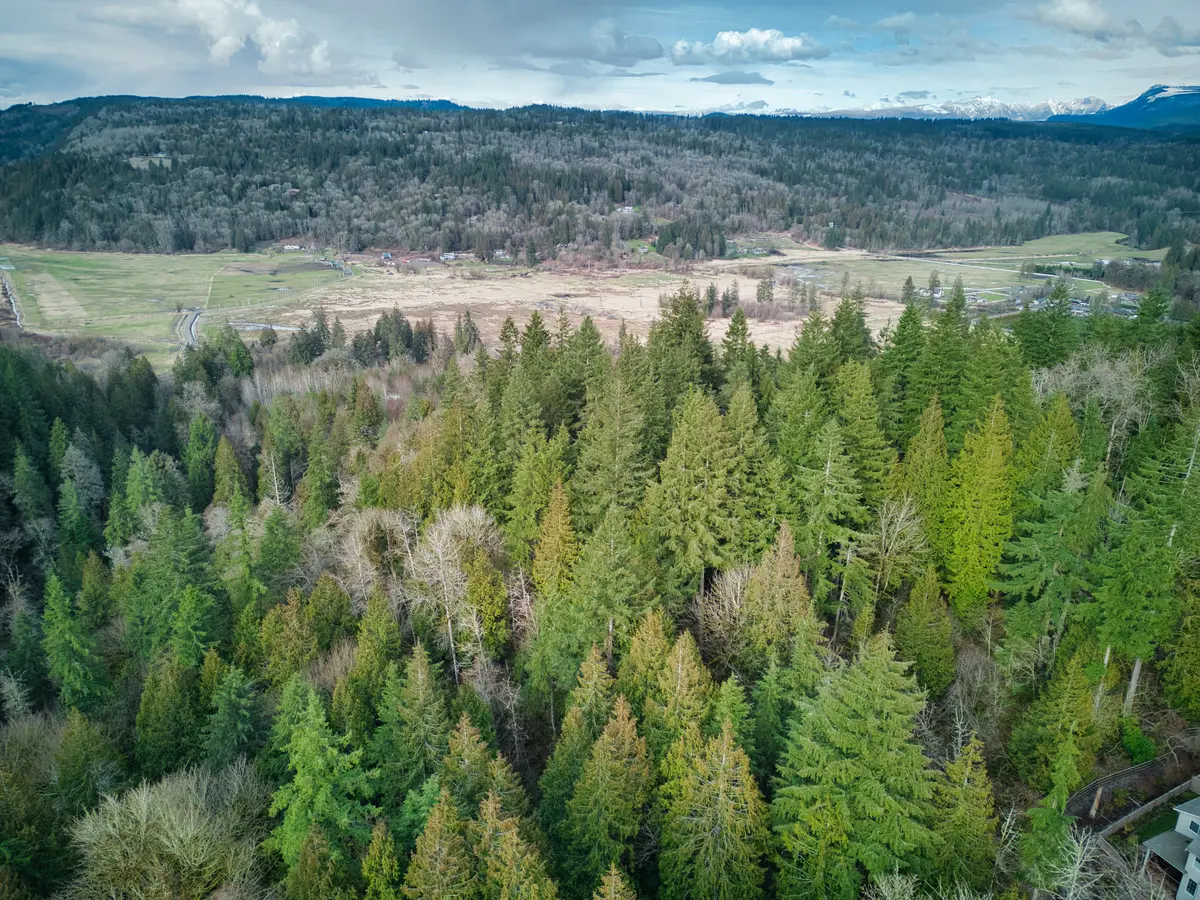
Maybe you've watched the Snoqualmie Valley from a car window for years and always thought, "someday." Duvall is that "someday" town — a genuine small city of about 9,200 people tucked along SR-203 between the Cascade foothills and the valley floor, close enough to Redmond and Seattle for specialist appointments or grown kids' visits, far enough to feel like you've actually left. The catch is price: with a typical home value of $968,503 (Zillow Home Value Index, February 2026), retiring here is not cheap, and the math only works if you're bringing real equity or a robust retirement income.
What keeps people choosing Duvall over cheaper Snohomish County towns anyway is the specific quality of the place. The Snoqualmie Valley Trail threads right through town, Depot Park anchors the old downtown, and the community still runs at the pace of a farming valley even as the tech economy has pressed in from the west. The crime rate is among the lowest in King County — a fact that matters more to retirees than most people admit. The local schools (not your concern anymore, but a driver of neighborhood stability) are strong, and the neighbors you'll meet skew toward families who chose deliberate smallness over urban convenience.
Washington's no-income-tax structure is a real financial tailwind for retirees: Social Security, pensions, IRA withdrawals, and 401(k) distributions face zero state tax. The effective property tax rate of 0.83% is modest by metro standards. The daily cost of living on a fixed income is manageable if you already own, though grocery and service prices reflect the broader Seattle metro. The full cost-of-living breakdown is here.
Whether you're planning a move or still running the numbers, the sections below cover Duvall's retirement fit, healthcare access, retiree tax picture, walkability, downsizing options, and an honest comparison to nearby retirement alternatives in the valley and beyond.
Why Retirees Are Choosing Duvall
Duvall fits a specific kind of retiree well: someone who wants a walkable small-town core, access to serious nature without the isolation of rural living, and the reassurance of the Seattle metro's full medical and cultural infrastructure within 35 minutes. If that description sounds like you, this town will deliver. If you need a hospital down the street, walkable errands seven days a week, or a senior living campus with a full activity calendar, the fit gets harder.
The typical home value here — $968,503 (Zillow Home Value Index, February 2026) — means Duvall is a high-entry retirement market. It makes the most sense for people downsizing from a larger home and deploying that equity, or for couples with solid pension or investment income who've already priced out coastal Washington. Retirees on Social Security alone will find the budget tight. The ones who tend to thrive here are those who deliberately chose a smaller life: a morning walk along the Snoqualmie Valley Trail instead of a commute, an afternoon on a porch that faces the valley instead of a freeway.
Who should look elsewhere? Anyone who finds driving stressful as a long-term plan — Duvall is a car-dependent town for most errands, and that reality compounds over time. Retirees who want dense senior social programming or multiple walkable dining options will find the options thin. Carnation, just four miles south, shares the valley character at a lower price point. Woodinville, fifteen minutes west, offers more in-town amenities and a wine country atmosphere that some retirees prefer. The decision usually comes down to how much quiet and how much car-dependence you can comfortably absorb.
Healthcare & Medical Access in Duvall
The Nearest Hospital
No hospital sits inside Duvall city limits — and that is the single most important healthcare fact for any retiree evaluating this town. The closest full-service facility is EvergreenHealth Monroe, located in Monroe, roughly 10–15 minutes north via SR-203. For routine ER visits and general acute care, that proximity is workable.
For cardiology, oncology, complex surgical care, or anything requiring a specialist referral, the more relevant facility is EvergreenHealth Medical Center in Kirkland — recognized by Healthgrades as one of America's 100 Best Hospitals. That drive runs approximately 30–35 minutes under normal conditions, longer during afternoon traffic on SR-203 and the eastside corridors. If you've dealt with a chronic condition that requires frequent specialist visits, build that commute into your planning honestly.
Primary and Specialty Care Nearby
Duvall itself has primary care and dental practices — adequate for routine visits. Specialist depth grows significantly once you factor in the Kirkland and Redmond medical corridors, where large health system clinics cluster near the EvergreenHealth network and affiliated regional providers. Most Duvall residents with ongoing specialist needs establish care in Kirkland or Redmond and plan accordingly.
Continuing Care Options
For retirees thinking about aging in place versus a life-plan community, the closest purpose-built Continuing Care Retirement Community (CCRC) is Emerald Heights in Redmond. It offers independent living, assisted living, and memory care under one roof — what planners call the full continuum of care — so couples at different health stages don't have to separate or move twice. Duvall itself has no dedicated senior living campus; anyone wanting that structure will drive to Redmond or look at options in Monroe or Woodinville.
Transportation to Medical Appointments
Losing the ability to drive is a real long-term risk in a car-dependent valley town, and Duvall has put more thought into this than most small cities its size. Volunteer drivers through the Snoqualmie Valley provide free rides for adults 60 and older to medical appointments and grocery runs, Monday through Friday, 8 a.m.–5 p.m. (reach them at 206-328-5787). The Hyde Shuttle, coordinated through Sno-Valley Senior Center in Carnation, runs door-to-door service for adults 55 and up within Duvall, Carnation, and Fall City — with monthly trips reaching Monroe. Book at least three days ahead by calling 206-727-6262. These programs are genuinely useful but require planning; they are not on-demand services.
The Retiree Budget in Duvall
Washington's Tax Advantage for Retirees
Washington levies no personal income tax. That means your Social Security benefits, pension distributions, IRA withdrawals, and 401(k) income arrive 100% exempt from state taxation — a real and significant advantage over Oregon (which taxes all retirement income) or California (where income tax rates can run well into double digits). For most retirees, this is the biggest line-item difference between Washington and comparable states.
One wrinkle worth knowing: Washington taxes 7% on long-term capital gains above a $278,000 standard deduction for 2025, rising to 9.9% on gains above $1,000,000, on gains held outside retirement accounts. Standard retirement-account withdrawals are unaffected. If you're planning to sell a large investment portfolio — or sell a second property — in the same year you sell your home, run those numbers with a CPA before the move. Washington also carries an estate tax with a relatively low exemption compared to federal levels, which matters for retirees with larger estates.
Property Taxes
Duvall's effective property tax rate is approximately 0.83% — modest for a King County address. At that rate, the annual tax on the median-priced home is not trivial, but it is noticeably lower than what buyers pay in many comparable Seattle-area cities. Washington also offers a senior property tax exemption program for qualifying homeowners 61 and older with limited income; check with King County Assessor's office for current thresholds, as this can meaningfully reduce your annual bill.
Daily Cost of Living
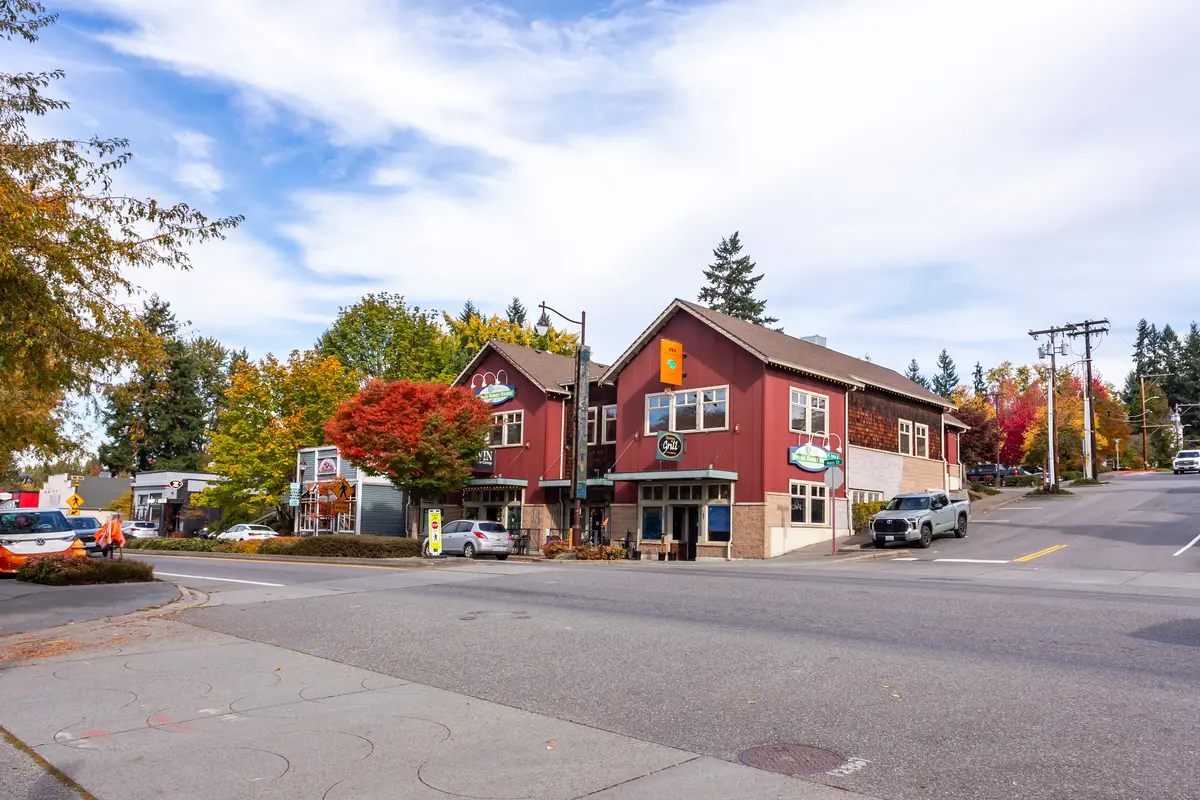
Grocery prices, gas, and services in Duvall reflect the broader Seattle metro — not a rural discount. There is no Trader Joe's in town; the nearest is in Woodinville or Redmond. The independently operated businesses along Main Street NE offer local character, and Valley House Brewing Co. on Main Street gives the town a genuine gathering spot for evenings out. But for the full range of shopping and dining, expect to drive west. See the complete cost-of-living breakdown for Duvall here.
Looking to buy in Duvall? Estimate your payment.
Enter your numbers to see an estimated monthly mortgage payment.
Estimate only. Excludes HOA fees and mortgage insurance. The interest rate above is a starting point, not a quoted rate — replace it with your own to see real numbers. Insurance is a flat placeholder, not a Duvall quote.
Walkability, Community & Staying Active in Duvall
The Walkability Reality
The Main Street core and the blocks surrounding Depot Park are genuinely walkable — flat terrain, a connected sidewalk network, and a human-scaled streetscape that makes an afternoon stroll feel like the point rather than an afterthought. The Snoqualmie Valley Trail and the Riverwalk along the river's edge give retirees access to miles of paved, low-grade trail directly from the neighborhood without loading a car.
Outside the downtown core, Duvall is suburban-rural in character: cul-de-sacs, longer blocks, and a car required for most errands. The Legacy Ridge and Big Rock areas, for instance, are appealing neighborhoods but require driving for essentially everything. If daily walkability matters to your long-term independence plan, stay close to Main Street NE and Depot Park.
Senior Transportation
Snoqualmie Valley Transportation (SVT) runs Monday through Friday throughout the valley — including Duvall, Carnation, Monroe, Fall City, Snoqualmie, and North Bend — for a suggested $1 donation per trip, with senior 10-ride punch cards at $8.50. The Duvall–Monroe Shuttle, which restarted service April 15, 2025 after a temporary suspension, connects to Community Transit routes reaching Everett and broader Snohomish County. The Hopelink-coordinated Duvall Community Van (via King County Metro) offers shared rides day, evening, and weekends for riders within about a mile of an established Metro bus line. King County Metro buses serving Duvall carry reduced senior fares. This is a more robust transit safety net than most valley towns offer — still not a replacement for a car, but a real backup system.
Community Life
The Sno-Valley Senior Center in Carnation — four miles from Duvall — is the valley's primary hub for organized senior programming: fitness classes, social lunches, day trips, and the coordination point for most of the transportation services described above. Duvall's own community calendar is active but leans toward family events and seasonal festivals rather than dedicated senior programming. The Centennial Public Art installation along Main Street and the historic Dougherty Farmstead draw regulars who walk the same route daily and know each other by name — that informal community fabric is the town's real social asset for retirees. If you want structured programming on-site in town, the options are limited. If you're comfortable building your own routine around nature, neighbors, and the valley's seasonal rhythms, Duvall delivers.
Right-Sizing: Downsizing in Duvall
What the Inventory Looks Like
Duvall's housing stock skews toward the family-sized single-family home built in the 1990s through 2010s — four bedrooms, two-car garage, often on a sloped lot. That's the dominant product type, which means retirees looking to downsize within Duvall face a real inventory mismatch. Single-level ranch homes exist but represent a smaller share of what comes to market, and they tend to sell quickly when they do.
Townhomes and smaller attached homes do appear along and near Main Street NE, and the McCormick Park area has seen some newer construction that includes more manageable footprints. True single-floor patio homes — low-maintenance, no stairs, smaller yard — are scarce in town and tend to command a premium when available. If this is a non-negotiable for your next phase, widen your search to Monroe and Woodinville, where the inventory of low-maintenance attached and single-level products is deeper.
55+ and Active-Adult Options
Duvall has no dedicated 55+ or active-adult community within city limits. The closest purpose-built option with a full senior services framework is Emerald Heights in Redmond — a Life Plan Community (also called a CCRC) offering independent living cottages and apartments, assisted living, and memory care. For retirees who want to buy into a community structure that handles maintenance and provides a social calendar, this is the most natural nearby option, though Redmond prices reflect that market.
Monroe and Snohomish, both within 15–20 minutes north, have a broader range of senior-oriented housing products — from 55+ manufactured-home parks to newer townhome developments with maintenance-included HOAs. If your primary goal is reducing home maintenance and locking in a more manageable footprint, those markets are worth a serious look alongside Duvall. Retirees who've spent years in Duvall and want to stay in the valley sometimes find that Carnation's lower price point lets them free up equity while keeping the same landscape, the same neighbors, and the same Sno-Valley Senior Center access.
The Equity Angle
One genuine advantage of retiring into Duvall's market: if you're arriving from a larger home in the same metro area, the equity conversion can be substantial. Long-term Duvall homeowners selling a four-bedroom home and stepping into a smaller product — or banking the difference — often find their retirement income picture changes meaningfully. The key is finding the right single-level product when it comes to market, which typically requires patience and a clear-eyed plan rather than waiting until you need to move.
Duvall vs Nearby Retirement Destinations
| City | Cost vs Duvall | Primary Hospital | Walkability | Senior Living Depth | Overall Retirement Fit |
|---|---|---|---|---|---|
| Duvall | Anchor | EvergreenHealth Monroe (~15 min); EvergreenHealth Kirkland (~35 min) | Good in downtown core; car-dependent elsewhere | Thin — no on-site campus; CCRC in Redmond | Nature Quiet — best for active, car-comfortable retirees |
| Carnation | Noticeably cheaper | Same EvergreenHealth access via SR-203 | Small walkable core; rural feel | Sno-Valley Senior Center on-site | Value — valley lifestyle at a lower entry cost; senior center is the social hub |
| Monroe | Meaningfully cheaper | EvergreenHealth Monroe — on-site | More walkable downtown than Duvall | Several senior housing products; hospital proximity | Value Transit — best for retirees prioritizing hospital proximity and lower cost |
| Woodinville | About the same to slightly pricier | EvergreenHealth Kirkland (~20 min) | Better walkable retail and dining core | Growing senior living options near Redmond | Walkable — wine-country atmosphere, more amenities, less rural quiet |
| Snohomish | Noticeably cheaper | Providence Regional Medical Center Everett (~25 min) | Strong walkable historic downtown | More 55+ inventory than Duvall; active antique district | Walkable Value — best walkable downtown in the region at a lower price |
| Fall City | Comparable, varies by property | Same EvergreenHealth Kirkland corridor | Very limited — rural crossroads | Essentially none | Privacy Nature — rural retreat feel; not practical for retirees needing services |
Monroe is the clearest alternative for retirees who put hospital proximity first and want to reduce housing costs — EvergreenHealth Monroe is right there, and downtown Monroe has a walkable density Duvall doesn't quite match. Snohomish offers the most compelling walkable historic downtown in the region and comes in noticeably below Duvall on price, making it worth a serious visit for anyone who wants on-foot access to shops, restaurants, and community without paying Duvall's premium. Woodinville wins on amenities and wine-country character but doesn't offer a significantly different cost picture. Carnation is the value play for retirees who love the Snoqualmie Valley and want to stay in it — you give up Duvall's slightly more polished Main Street feel and gain equity room to breathe. Fall City is genuinely rural and best reserved for retirees who are healthy, independent drivers, and specifically seeking that level of seclusion.
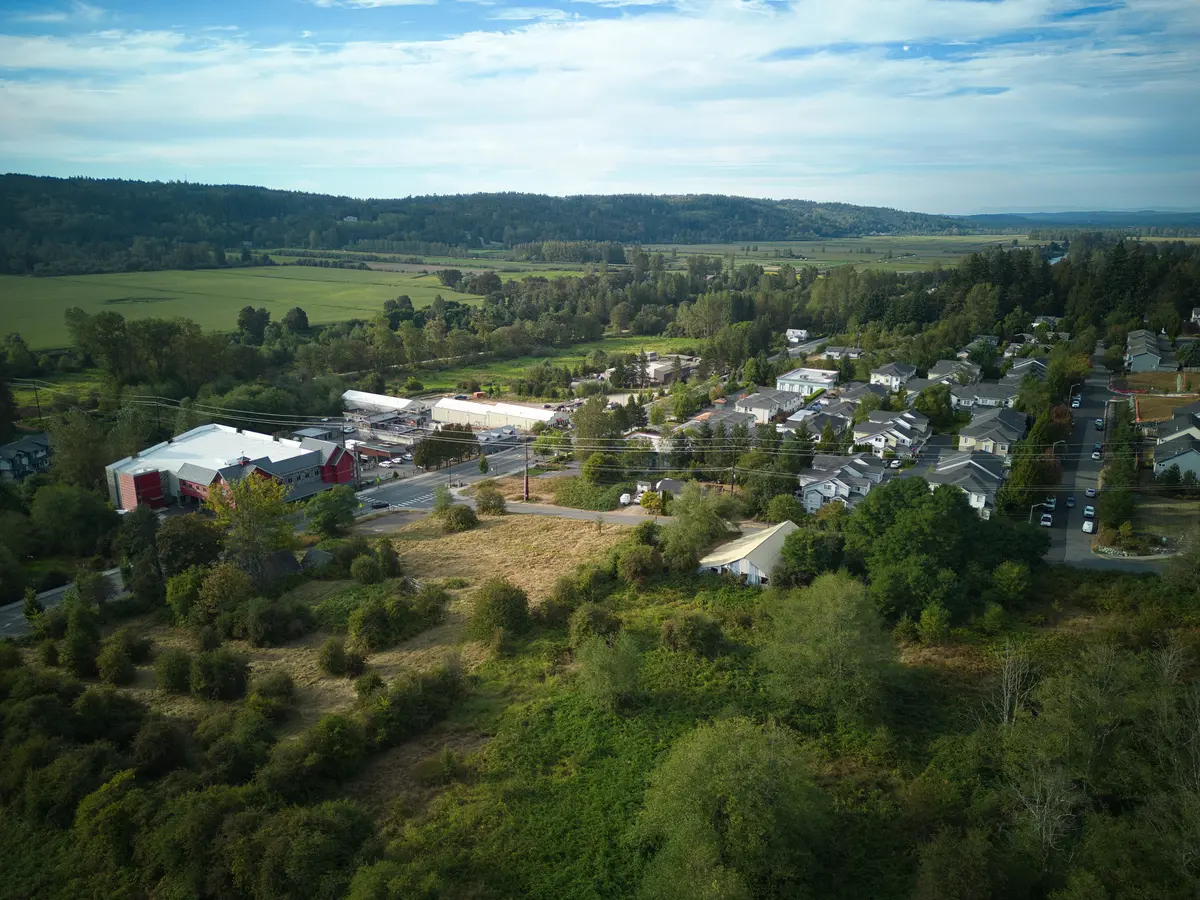
Local Expert Takeaway: Duvall's retirement case rests on three things working together: Washington's zero-tax treatment of retirement income, a low-crime small-town core with genuine trail access from your door, and enough equity from a previous home to absorb the $968,503 entry point. When all three align, it's a quietly excellent place to retire — walking the Snoqualmie Valley Trail in the morning, meeting neighbors at Valley House Brewing Co. on Main Street in the evening, and knowing that EvergreenHealth Kirkland, one of the metro's top-rated hospitals, is 35 minutes away when you need it. When they don't align — when the price requires stretching, or when driving becomes difficult down the road — Carnation or Monroe will serve the same valley lifestyle with less financial strain and medical care closer at hand.
Quick Takeaways & FAQs
✅ Washington's no-income-tax structure means Social Security, pensions, and retirement-account withdrawals are 100% exempt from state tax — one of the strongest retiree tax advantages in the country.
⚠️ No hospital sits inside Duvall city limits; routine care is 10–15 minutes away in Monroe, but cardiology, oncology, and surgical specialists require a 30–35 minute drive to EvergreenHealth Kirkland — plan accordingly if managing a chronic condition.
📍 The Hyde Shuttle and Snoqualmie Valley Transportation give adults 55+ low-cost door-to-door rides within the valley, but both require booking days in advance — they're a safety net, not a substitute for a car.
Is Duvall a good place to retire on a fixed income?
What is the closest hospital to Duvall for retirees?
Does Washington tax retirement income, Social Security, or pensions?
Are there 55+ or active-adult communities in Duvall?
How do retirees get around Duvall without a car?
Moving to Washington?
Tell us what you need help with and we'll connect you with local resources.
