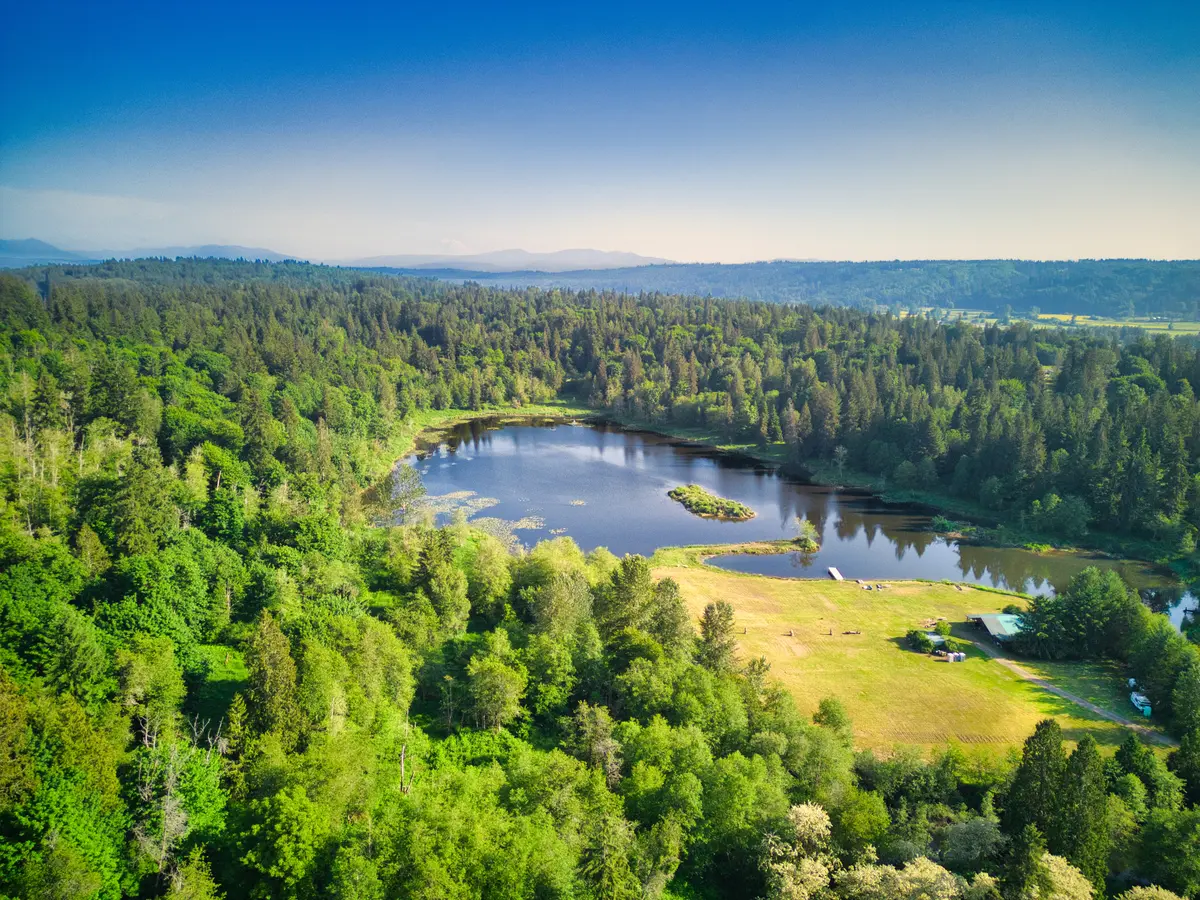
Most people who move to Duvall say they came for the schools or the price point relative to closer-in Seattle suburbs. What keeps them here — what they didn't fully expect — is how much of daily life plays out outdoors. The Snoqualmie River literally borders the city's western edge, the Snoqualmie Valley Trail begins right inside city limits, and summer weekends at McCormick Park have a small-town-festival quality that no one warned them about before they signed the papers.
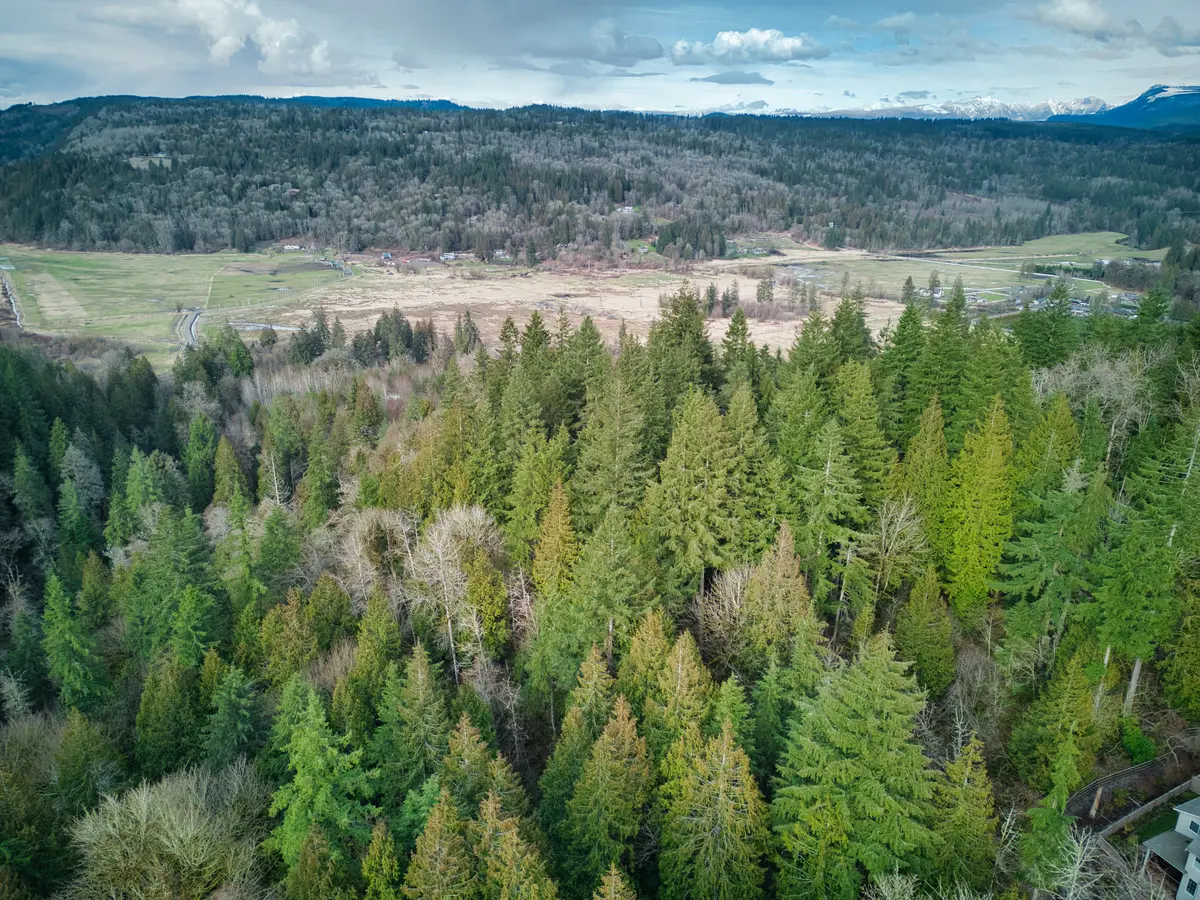
The city sits in the Snoqualmie Valley, tucked between the Cascade foothills and the farmland corridor that stretches toward Carnation and Monroe. That geography isn't incidental — it shapes what you can do on a Tuesday evening after work. A ride or walk along the trail from McCormick Park takes you through working farmland and wetlands within minutes. The Stillwater Wildlife Area is a short pedal south. Cherry Creek Falls, a 5-mile round-trip hike with two cascading falls and a gravel beach, is genuinely close enough for an after-dinner outing. This isn't a city where the outdoor recreation is a long drive away.
Duvall is also a city actively investing in its parks system. The City Council adopted a new Parks, Trails, and Open Space Plan in January 2025 — the first update since 2008 — with an explicit goal of connecting the city's parks, trails, and natural areas into a coherent, accessible network. For a town of roughly 9,000 people, the existing infrastructure already punches well above its weight. The sections below cover Duvall's signature parks, the Snoqualmie Valley Trail, water recreation, and the seasonal events and neighborhood amenities that fill out day-to-day life here.
McCormick Park: Duvall's Outdoor Living Room
McCormick Park is where Duvall actually gathers. Sitting on the east bank of the Snoqualmie River — right where the Snoqualmie Valley Trail reaches its northern terminus — it's the park that earns the most use across every age group, every season.
The infrastructure is genuinely well-suited to families. There's a sandy beach, ADA-accessible walking trails, a footbridge crossing Coe-Clemons Creek, covered picnic shelters, grassy fields, and restrooms. The wetland areas along the creek edge offer informal wildlife viewing — great blue herons work this stretch regularly. None of it feels manicured to the point of sterility; the park has the rougher, lived-in quality of a place people actually use rather than photograph.
Summer at the River
From late June through August, the shallow, slow-moving river edge at McCormick Park is one of the region's better kid-friendly swimming and wading spots — recognized as such by Seattle's Child in their 2026 summer guide. The beach fills on hot weekends. Floating the river is a local tradition, and the park provides enough room that it doesn't feel overwhelmed even on the busiest days.
The Summer Stage free concert series runs Wednesday evenings through July and into early August — the 2026 series ran July 8 through August 5. The annual Sandblast art event also takes place here each summer, turning the park's open space into a sand-sculpture exhibition that draws the valley's broader community. These aren't afterthoughts on a city calendar; they're events locals plan around.
Fall Fishing Access
By late September, the mood at McCormick Park shifts. The beach crowd gives way to anglers — coho salmon and steelhead move into this stretch of the Snoqualmie from late September through early November, and the park provides legitimate river access for fishing. It's one of the closer wild salmon fishing spots to the Seattle metro.
What surprises people after their first full year in Duvall is how often McCormick Park anchors the week. It's not a destination park you visit once a season — it's the place you end up on a Wednesday evening without particularly planning to.
The Snoqualmie Valley Trail: 33 Miles Starting at Your Doorstep
The Snoqualmie Valley Trail is the backbone of outdoor life in Duvall, and the city's position at the trail's northern terminus is one of its most underappreciated practical advantages. You don't drive to the trailhead — for most of the city, you walk or ride to it.
The trail follows the former alignment of the Chicago, Milwaukee, St. Paul & Pacific Railroad, constructed in 1911 and abandoned in 1973. It's a rail-trail, meaning the grade is gentle throughout — no sustained climbs, no technical sections — which makes it genuinely accessible to cyclists of varying ability levels, parents with trailers, and anyone who wants to cover real distance without punishing their knees. The City of Duvall cites 33 miles of trail extending south toward North Bend and east toward Vantage in Central Washington.
What You're Actually Riding Through
The stretch immediately south of Duvall is among the most scenic. The trail moves through working farmland and historic valley towns — Carnation is a reasonable turnaround for a casual ride — passing wetlands, farm fields, and the river corridor. It's rural in the way that matters for a trail: you feel genuinely removed from the suburb you left ten minutes ago.
A few miles south of McCormick Park, the trail enters the 456-acre Stillwater Wildlife Area, managed by the Washington State Department of Fish and Wildlife. Waterfowl and pheasant hunting are permitted here in season; wildlife viewing is a draw year-round. Birders make specific trips for this stretch.
What the Trail Is Not
The trail is a rails-to-trails conversion, not a loop. You ride out and come back the same direction, which some people find less engaging than a circuit route. The surface is crushed gravel in most sections — fine for hybrid bikes and comfortable road bikes with some tire clearance, less ideal for narrow road tires. And because it's a regional trail rather than a city-maintained path, condition and signage can vary by segment. The McCormick Park end is well-maintained and clearly marked; segments farther south are worth checking trip reports before a long outing.
As the longest regional trail in King County, the Snoqualmie Valley Trail has a profile well beyond Duvall's city limits. Living at the northern terminus means you have access to the whole thing, but you also happen to start at the most river-accessible, most community-anchored section of it.
Depot Park, Neighborhood Parks, and the Broader System
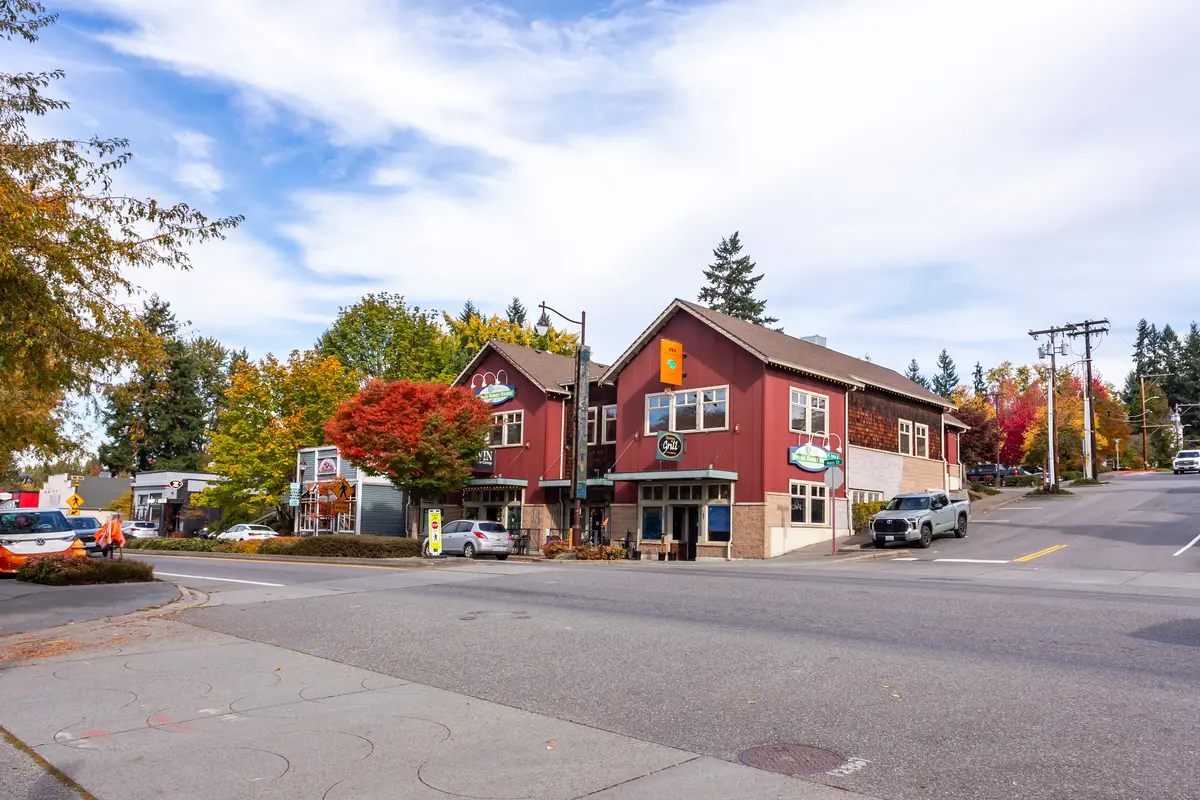
Depot Park, at 26227 NE Stephens St in Old Town/Downtown Duvall, is a 1.1-acre park that does more work than its size suggests. The centerpiece is the 1911 railroad depot building — moved from its original trackside location to the park in 2001 — which now serves as a community meeting space and anchors the city's historical walking tour route. It's one of those places that functions simultaneously as a green space, a neighborhood gathering point, and a piece of living local history.
The Centennial Public Art installation — "Passage Through Time" sculptures — sits within this part of the Old Town corridor, giving the downtown park system a cultural layer you don't find in most cities this size. Walking from Depot Park to Main Street and back past the public art takes less than 20 minutes and covers a surprising amount of Duvall's civic character.
Neighborhood Parks and Amenities
Duvall's broader park system includes over a dozen community and neighborhood parks. Taylor Park and Judd Park both have tot lots for younger kids. The skate park on Big Rock Road at Big Rock Ballfields serves the middle-school and high-school crowd — it's a legitimate facility, not an afterthought slab. The McCormick Park area's wetlands provide informal wildlife viewing that complements the more developed amenities nearby.
The city's protected open space — wetlands, creek corridors, steep slopes, and floodplain areas — is woven through the park system rather than consolidated in one location. Some of it is publicly accessible; some is conservation-only. The practical effect is that Duvall has more functional green space per capita than the developed park acreage alone would suggest.
What's Still Developing
The 2024 Parks, Trails, and Open Space Plan, adopted in January 2025, is explicit about the gaps: the goal is an interconnected system, which implies the connections aren't fully there yet. If you're weighing a specific neighborhood for on-foot park access, check proximity to McCormick Park and the trail terminus — that's where the infrastructure is most complete. Newer subdivisions on the city's edges vary more in walkable park access than the established neighborhoods near Old Town and the river corridor. For neighborhood-level detail, the best neighborhoods guide breaks down which areas sit closest to these amenities.
Looking to buy in Duvall? Estimate your payment.
Enter your numbers to see an estimated monthly mortgage payment.
Estimate only. Excludes HOA fees and mortgage insurance. The interest rate above is a starting point, not a quoted rate — replace it with your own to see real numbers. Insurance is a flat placeholder, not a Duvall quote.
Water, Waterfalls, and Seasonal Recreation
Duvall's recreational calendar is shaped by the Snoqualmie River and the Cascade foothills framing the valley — and by a seasonal rhythm that newcomers from drier climates take a full year to fully internalize.
Cherry Creek Falls
Cherry Creek Falls is the hike that Duvall residents recommend to visiting family first. The round trip is 5 miles, with two separate waterfalls cascading into a shallow pool and landing on a gravel beach large enough to spread out on. In summer it functions as a swimming hole; in spring the falls are at full volume. It's close enough to Duvall that making the drive feel like a chore requires real effort — this is an accessible weekday evening option for anyone willing to step off the main trail, with the closest public restrooms back at McCormick Park.
River Access Across Seasons
The Snoqualmie River defines what's possible here across the calendar. Summer brings wading, floating, and the sandy beach scene at McCormick Park. Fall shifts to salmon and steelhead fishing — the coho and steelhead window from late September through early November draws anglers from outside the valley specifically for this stretch. Winter and early spring mean the river runs high and fast; the trail along the river corridor is still walkable, and the wetland birding along Coe-Clemons Creek picks up.
The Seasonal Reality
The honest version of outdoor life in Duvall includes the rain. The Snoqualmie Valley gets genuine Pacific Northwest precipitation — not the mild drizzle that gets romanticized in Seattle lifestyle coverage, but real valley rain that arrives in October and doesn't fully relent until May. The trail stays usable through winter, but the river's floodplain character means McCormick Park's lower areas can be temporarily inaccessible after heavy rain events. People who move here from California expecting year-round outdoor access comparable to summer conditions are typically recalibrating their expectations by January. People who arrive knowing the rhythm — and who invest in gear rather than waiting for good weather — find the off-season trail genuinely rewarding, particularly for wildlife viewing in the wetland sections.
Youth sports programs tied to parks and open space — including fields at Big Rock Ballfields and other city facilities — are part of the broader recreation picture; the schools and activities page covers organized youth sports in more detail. After a trail ride or a morning at the river, the local brewery on Main St NE is within walking distance of Old Town — a reasonable endpoint to a day outdoors without leaving the city.
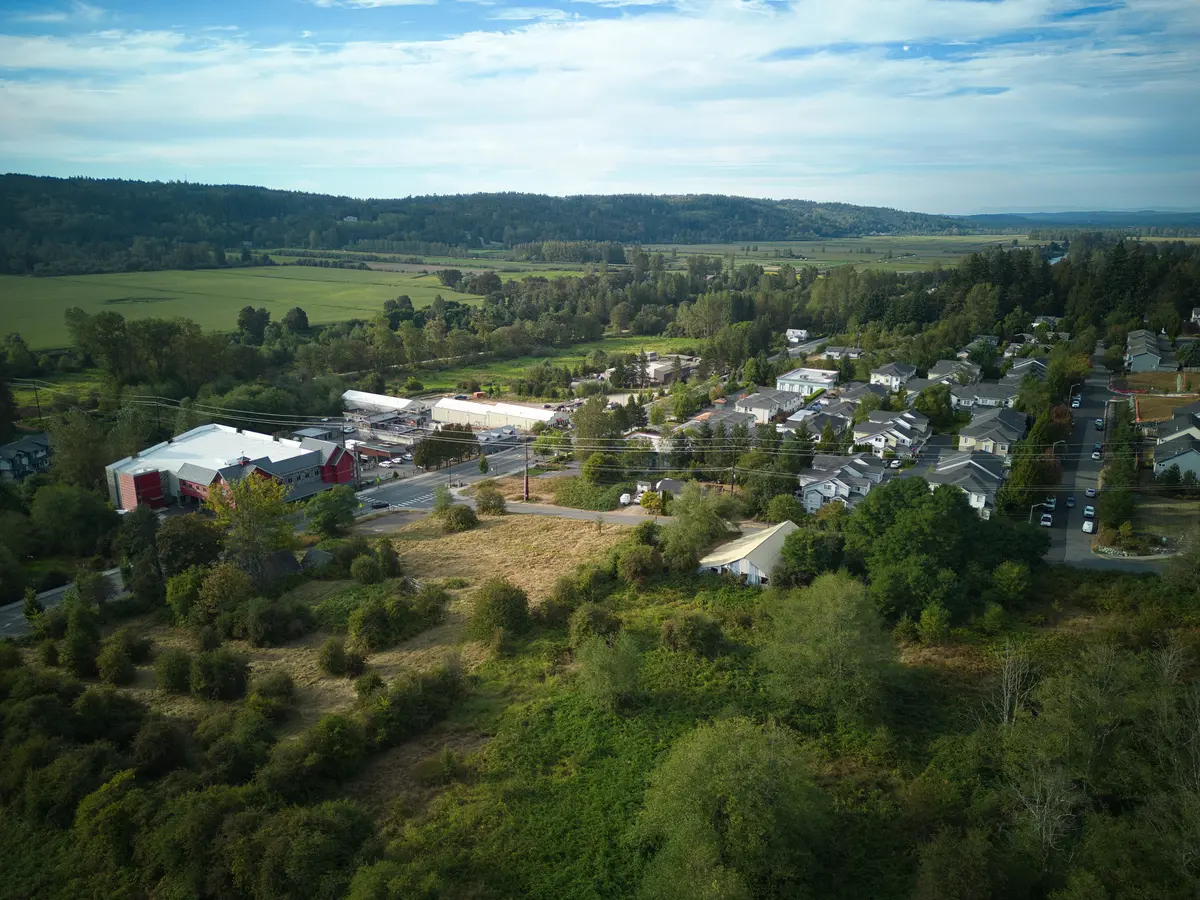
Local Expert Takeaway: McCormick Park and the Snoqualmie Valley Trail aren't amenities you'll use occasionally — they become the structure of your weekends. The trail's northern terminus literally starts at the park's edge, and the river access for swimming, fishing, and just sitting is genuine, not curated. What newcomers consistently underestimate is how much the seasonal rhythm matters: plan around October through April being trail-and-wetlands season rather than beach-and-river season, get waterproof gear early, and you'll get more from Duvall's outdoor infrastructure than most residents fully take advantage of.
Quick Takeaways & FAQs
✅ The Snoqualmie Valley Trail starts at McCormick Park inside city limits — no driving to a trailhead required for most Duvall neighborhoods.
⚠️ The Snoqualmie Valley gets real Pacific Northwest rain from October through May; the parks stay usable but McCormick Park's lower areas can flood after heavy rain events.
📍 Cherry Creek Falls — a 5-mile round-trip hike with two waterfalls and a swimming hole — is close enough to Duvall for a weekday evening outing.
Can you swim in the Snoqualmie River at McCormick Park?
Where does the Snoqualmie Valley Trail start in Duvall, and how far does it go?
Is fishing allowed at McCormick Park?
What free outdoor events does Duvall host each summer?
How far is Cherry Creek Falls from Duvall, and is it suitable for kids?
Moving to Washington?
Tell us what you need help with and we'll connect you with local resources.
