Home ›
Blog ›
Best Places to Retire in South Seattle Metro, Washington (2026): 14 Cities Ranked
If you're weighing retirement somewhere in the south Seattle corridor — maybe you've priced yourself out of the city proper or the Eastside and someone pointed you toward Auburn, Federal Way, or Puyallup — the real question is which of these cities actually supports a lower-maintenance, higher-enjoyment retirement. Highway 99 and I-5 tie this whole stretch together, and proximity to SeaTac airport, Puget Sound waterfront access, and the foothills of the Cascades all factor into daily life depending on exactly where you land.
Federal Way tops this ranking with a composite of 8.06 out of 10, driven by its on-site hospital, a walkable City Center core, and one of the broadest mixes of restaurants and outdoor spots in the group. At the other end, Bonney Lake scores 4.79 — a Pierce County suburb that's car-dependent for virtually every errand, sees fewer sunny days than almost anyone else on this list, and lacks the healthcare infrastructure closer-in cities have. The gap between those two cities is driven primarily by walkability and healthcare proximity. The rankings below cover all 14 cities across five dimensions so you can match the trade-offs to what actually matters in your retirement.
Top 14 Cities — Jump to Any City
- Federal Way — #1 Top Overall Pick
- Auburn — #2 Best Lifestyle Score
- Renton — #3 Best Waterfront Access
- Burien — #4 Best Healthcare Score
- Kent — #5 Best Transit Walkability
- SeaTac — #6 Most Affordable in King Co.
- Puyallup — #7 Best in Pierce County
- Des Moines — #8 Best Waterfront Setting
- Sumner — #9 Most Affordable Pierce Co.
- Tukwila — #10 Budget King Co. Option
- Covington — #11 Local Hospital + Suburb Space
- Maple Valley — #12 Richest Outdoor Recreation
- Snoqualmie — #13 Most Scenic Small Town
- Bonney Lake — #14 Most Car-Dependent
How This Ranking Was Built
Each city is scored 1-10 on every dimension below against a fixed statewide scale — never against the other cities in this region — then combined into one weighted Composite score out of 10.
Healthcare — 25%Weighted contribution to the composite score, graded 1-10 against a fixed statewide scale.
Walkability — 20%Weighted contribution to the composite score, graded 1-10 against a fixed statewide scale.
Affordability — 20%Weighted contribution to the composite score, graded 1-10 against a fixed statewide scale.
Climate — 15%Weighted contribution to the composite score, graded 1-10 against a fixed statewide scale.
Quality of Life — 20%Weighted contribution to the composite score, graded 1-10 against a fixed statewide scale.
Top 14 Cities: Best Places to Retire Snapshot
Ranked by overall composite score. Click any city to jump to the full breakdown.
| # | City | Composite | Healthcare | Walkability | Median Price |
|---|
| 1 | Federal Way
King County | 8.1/10 | 8 | 10 | $564,681 |
| 2 | Auburn
King County | 8.0/10 | 8 | 10 | $577,641 |
| 3 | Renton
King County | 7.5/10 | 8 | 10 | $720,080 |
| 4 | Burien
King County | 7.5/10 | 10 | 8 | $656,381 |
| 5 | Kent
King County | 7.3/10 | 6 | 10 | $611,760 |
| 6 | SeaTac
King County | 6.9/10 | 6 | 8 | $524,875 |
| 7 | Puyallup
Pierce County | 6.8/10 | 8 | 8 | $573,027 |
| 8 | Des Moines
King County | 6.6/10 | 6 | 6 | $583,430 |
| 9 | Sumner
Pierce County | 6.1/10 | 6 | 4 | $555,065 |
| 10 | Tukwila
King County | 6.0/10 | 6 | 6 | $536,522 |
| 11 | Covington
King County | 5.6/10 | 8 | 2 | $628,893 |
| 12 | Maple Valley
King County | 5.3/10 | 6 | 2 | $759,950 |
| 13 | Snoqualmie
King County | 5.3/10 | 8 | 4 | $1,129,059 |
| 14 | Bonney Lake
Pierce County | 4.8/10 | 6 | 2 | $641,907 |

Walkability
10/10
out of 10
Affordability
6.8/10
out of 10
Quality of Life
9.2/10
out of 10
Median Price
$564,681
2026 market price
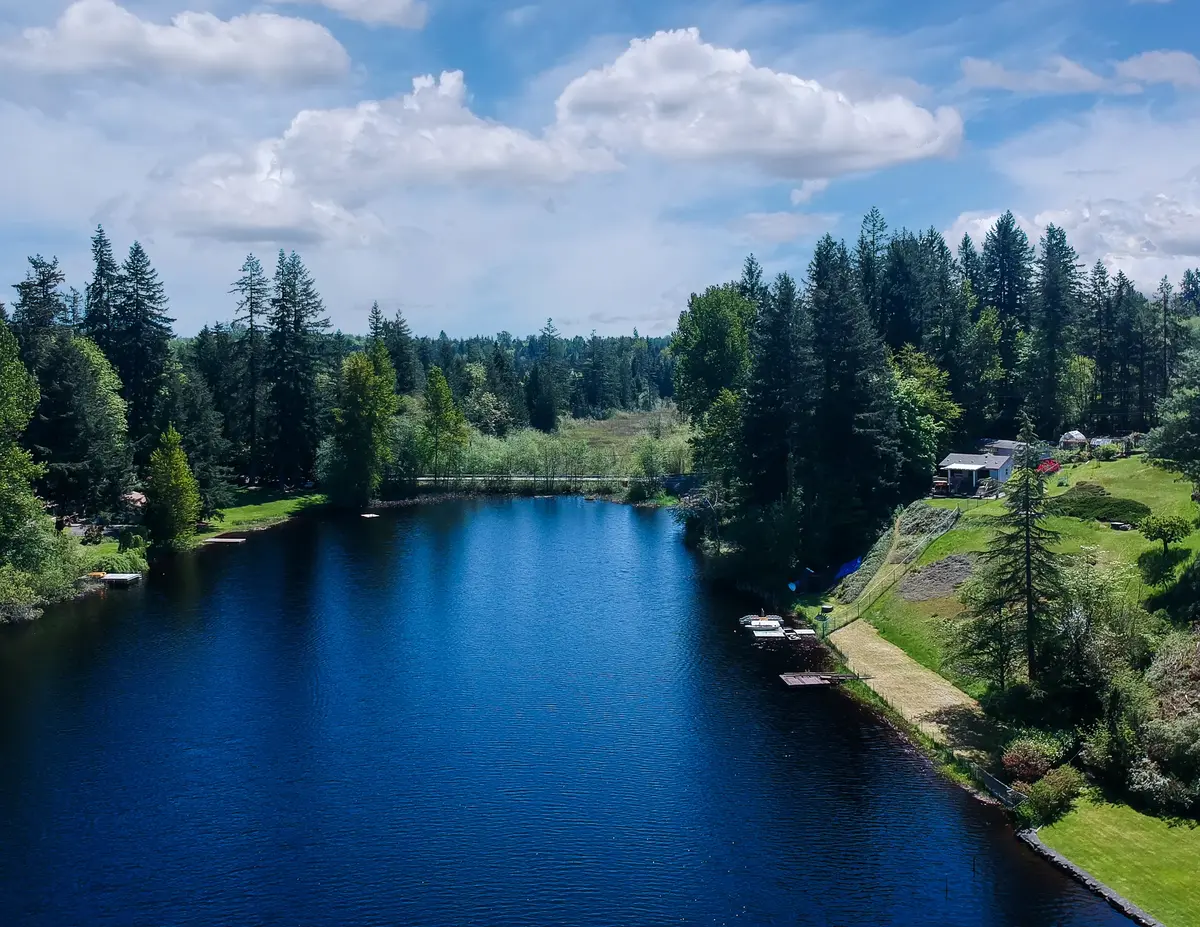
Federal Way earns the top spot partly because it clears the two most critical retirement hurdles in one city: a full-service hospital right in town and a walkability score of 10 out of 10 anchored by the City Center core. At a median home price around $564,681, it sits well below what you'd pay in Renton or anywhere north toward Seattle, yet delivers a quality-of-life score among the highest in this group — 18 combined landmarks, restaurants, and outdoor destinations. The 151 annual sunny days are a real concession, but that's true almost everywhere along this corridor.
Federal Way is the right call for retirees who want strong healthcare within a short drive from home, prefer to walk or use transit for everyday errands, and want to stretch a fixed income without dropping into the most suburban, car-dependent parts of Pierce County. It genuinely suits a wider range of retirement lifestyles than any other city in this ranking.
Walkability
10/10
out of 10
Affordability
6.6/10
out of 10
Quality of Life
9.2/10
out of 10
Median Price
$577,641
2026 market price
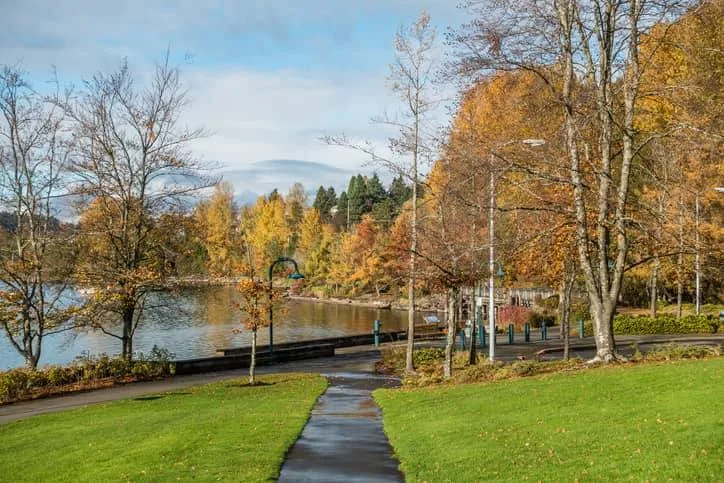
Auburn finishes just a step behind Federal Way for similar structural reasons: an on-site hospital, a walkability score of 10 out of 10 built around the real Downtown Auburn core, and a quality-of-life rating that ties the top mark in this group. At roughly $577,641 for a median home, the price difference from Federal Way is modest — but Auburn's Green River Trail access and its position between two major highway corridors make it an appealing alternative. The 151 sunny days are the same trade-off every western Washington city carries.
Auburn is a strong fit for retirees who want an active, walkable downtown within reach of both King and Pierce County services. If Federal Way's City Center feels too commercial and you want more of a small-city-main-street feel, Auburn is the natural comparison.
Walkability
10/10
out of 10
Affordability
4.9/10
out of 10
Quality of Life
8.4/10
out of 10
Median Price
$720,080
2026 market price
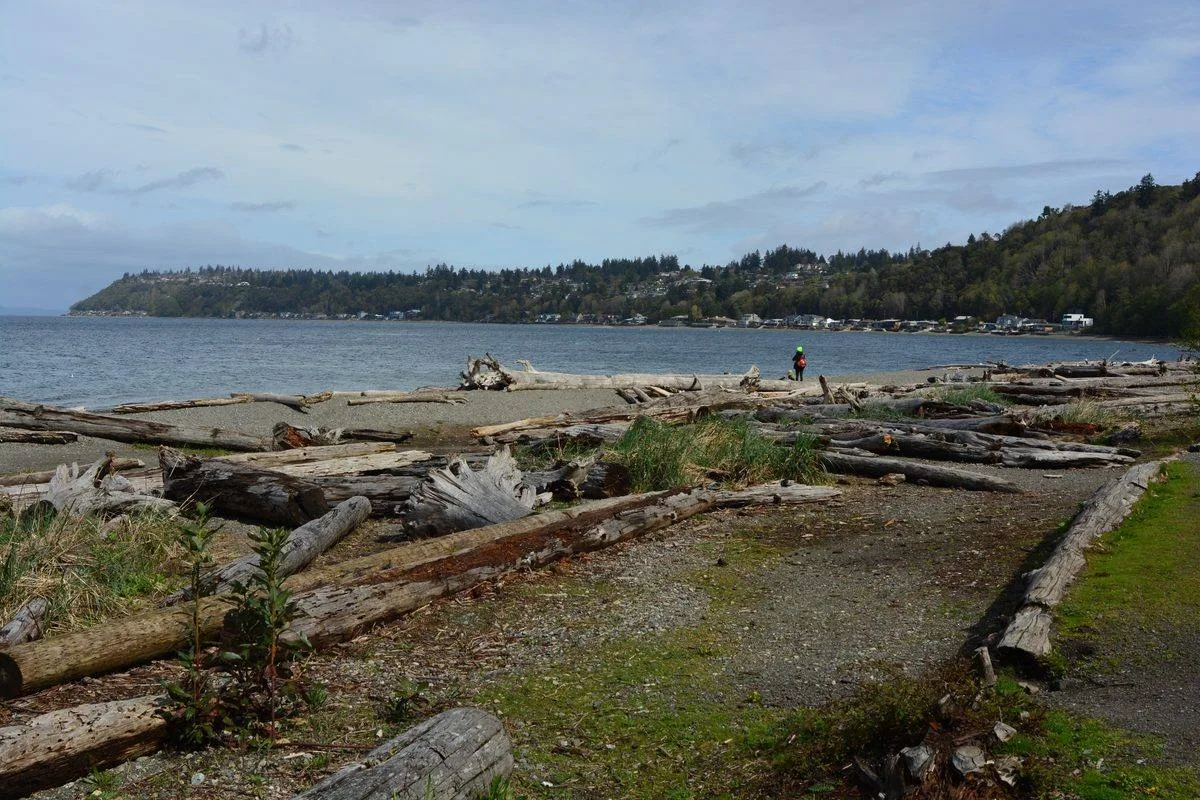
Renton's composite rank reflects a genuine tension: it has excellent walkability and a full-service medical center right in the city, but its median home price near $720,080 is noticeably higher than Federal Way or Auburn — and that affordability gap is the main reason it ranks third rather than first. The Downtown Renton core along South Third Street gives retirees real walk-to-lunch, walk-to-the-library daily life, and the Lake Washington waterfront adds recreational texture that the more inland cities can't match. For retirees who can absorb a higher price point, Renton competes with the top two on almost every other dimension.
Renton fits buyers who are coming from the Seattle or Bellevue market and find Federal Way's price range less of a stretch — but who still want a real downtown, reliable healthcare, and transit connectivity. If affordability is your primary driver, the cities ranked above will serve you better.
Affordability
5.6/10
out of 10
Quality of Life
7/10
out of 10
Median Price
$656,381
2026 market price
Burien's healthcare score of 10 out of 10 — the highest in this entire ranking — reflects both its own full-service hospital and a 20-minute surface-street connection to Seattle's medical district. At a median home near $656,381, it's priced in the middle of this group, and the Olde Burien historic core gives the city a genuinely walkable neighborhood identity uncommon for a suburb its size. The quality-of-life score is solid without being exceptional — 13 local landmarks and parks won't overwhelm you with choices, but daily life here is rarely dull.
Burien is the best fit for retirees who rank healthcare access above everything else and want to stay within reach of Seattle without paying Seattle prices. It's a step up from SeaTac in both walkability and lifestyle variety, and the SeaTac airport proximity is a bonus for retirees who travel frequently.

Walkability
10/10
out of 10
Affordability
6.2/10
out of 10
Quality of Life
8.4/10
out of 10
Median Price
$611,760
2026 market price
Kent delivers a walkability score of 10 out of 10 thanks to the Kent Station core — a genuine transit-connected downtown — and a quality-of-life rating of 8.4 that reflects 16 combined local amenities. At roughly $611,760 median, it's priced lower than Renton and Burien while offering a comparable walkable downtown experience. The healthcare picture has one real gap: there's no hospital within the city limits, and while the drive to Valley Medical Center in Renton is manageable, retirees with frequent medical appointments should factor that commute into daily planning.
Kent suits retirees who want downtown walkability and transit access at a lower price point than Renton, and who don't require an on-site hospital. It's a practical choice for active retirees less concerned about medical proximity and more focused on keeping a car-light lifestyle.

Affordability
7.3/10
out of 10
Quality of Life
7.5/10
out of 10
Median Price
$524,875
2026 market price
SeaTac's strongest retirement argument is its median home price around $524,875 — the most affordable in the King County portion of this list — paired with a City Center area and transit connections including Link Light Rail that give it real car-optional potential. The healthcare score reflects no on-site hospital, though Highline Medical Center sits just 3.5 miles away. Airport noise is a real quality-of-life factor that the composite score doesn't fully capture — it's something to experience in person before committing.
SeaTac is the right fit for retirees on a tighter fixed income who want King County access without King County prices, and who value transit connectivity over neighborhood quiet. Buyers who prioritize a peaceful, low-noise environment will likely find the tradeoffs here harder to accept than the price savings justify.

Affordability
6.7/10
out of 10
Quality of Life
5.6/10
out of 10
Median Price
$573,027
2026 market price
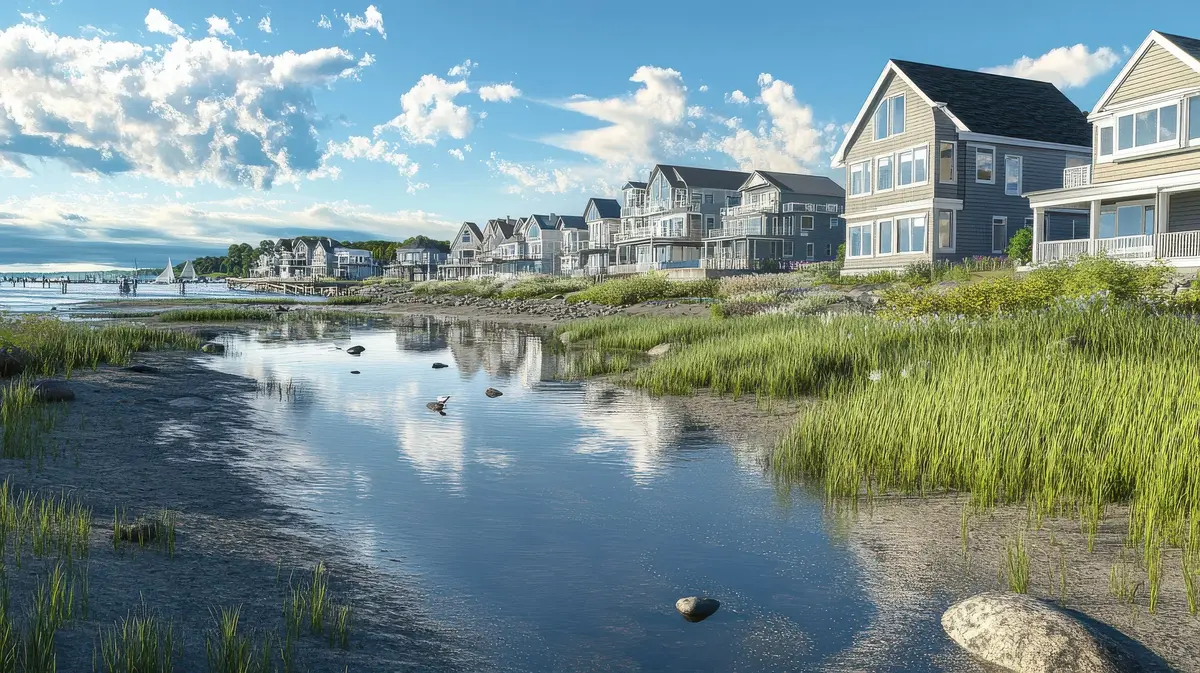
Puyallup is the strongest healthcare city in Pierce County on this list — a full-service hospital right in town — and its walkable historic downtown gives it a small-city charm that car-dependent suburbs in this ranking can't replicate. At roughly $573,027 median, it's priced competitively. The real drawback is climate: with only about 142 sunny days a year, Puyallup sees less sun than virtually every other city in this group, and the quality-of-life score reflects a lighter restaurant and dining scene than similarly priced cities closer to Seattle.
Puyallup suits retirees who want Pierce County pricing, a true walkable downtown, and reliable hospital access without caring much about nightlife or extensive dining options. Retirees who follow the sun or expect a busy dining and cultural calendar will find the lifestyle offerings here somewhat limited compared to Auburn or Federal Way.
Affordability
6.5/10
out of 10
Quality of Life
8.4/10
out of 10
Median Price
$583,430
2026 market price
Des Moines earns its quality-of-life score of 8.4 from a genuinely strong waterfront — the Des Moines Marina and Waterfront Park deliver a lifestyle dividend that the city's composite rank doesn't fully advertise. At a median home near $583,430, it's mid-range for this group. The walkability score is the honest limiting factor: without a traditional downtown core, most daily errands still require a car, which matters more in retirement than it might have when you were commuting.
Des Moines is a good fit for retirees who want Puget Sound waterfront access as part of everyday life and don't mind being car-dependent for errands. It's a stronger lifestyle pick than its overall rank suggests, but retirees who need hospital proximity or prefer to walk to coffee and groceries will be better served by Burien or Federal Way.

Affordability
6.9/10
out of 10
Quality of Life
7.5/10
out of 10
Median Price
$555,065
2026 market price
Sumner's retirement case rests on its affordability relative to King County cities — at roughly $555,065 median, it undercuts most of the King County entries on this list — and a historic downtown that gives it more walkable character than its population of under 15,000 might suggest. MultiCare Good Samaritan is only four miles away, which limits the healthcare gap meaningfully. The walkability score of 4 out of 10 is the honest caveat: a car is still essential for most daily tasks.
Sumner fits retirees who want a quieter, small-town pace in Pierce County with decent hospital proximity and a slightly lower price point than Puyallup. Buyers who need frequent walkable errands or a deep dining and entertainment calendar will find Sumner's amenity pool too limited for daily retirement life.

Affordability
7.2/10
out of 10
Quality of Life
5.2/10
out of 10
Median Price
$536,522
2026 market price
Tukwila's median home around $536,522 makes it one of the more accessible price points in the King County portion of this group, and Valley Medical Center is only four miles away — a meaningful healthcare proximity for a city that doesn't have its own hospital. The quality-of-life score of 5.2 tells the real story: the Southcenter Mall, a sports complex, and the Duwamish River cover the basics, but the dining and lifestyle variety that higher-ranked cities offer is notably thinner here.
Tukwila is a practical, affordable foothold in King County for retirees on a budget who don't require a walkable neighborhood or a rich dining scene. If lifestyle variety and walkability are priorities, Federal Way or Auburn will serve retirement life better at comparable or only slightly higher price points.

Affordability
6.0/10
out of 10
Quality of Life
5.6/10
out of 10
Median Price
$628,893
2026 market price
Covington's defining trade-off for retirees is stark: a full-service medical center right in town is a genuine asset, but a Walk Score near 17 means a car is non-negotiable for essentially every errand, every day. At roughly $628,893 median, you're paying above mid-range for that car-dependent lifestyle. The outdoor and parks scene is real — Covington has legitimate green space — but the absence of listed restaurants or cultural landmarks limits what retirement daily life actually looks like here.
Covington suits retirees who are coming specifically for the medical center access, value suburban privacy and space, and are comfortable driving everywhere indefinitely. Retirees who anticipate a future where driving becomes harder — a likely reality for many — will find Covington's total car dependency a serious long-term drawback.

Affordability
4.5/10
out of 10
Quality of Life
8.4/10
out of 10
Median Price
$759,950
2026 market price
Maple Valley is the most expensive city in this ranking outside of Snoqualmie — median homes near $759,950 — and delivers a Walk Score that explicitly flags it as car-dependent, which is a significant mismatch with typical retirement lifestyle needs. The quality-of-life score of 8.4 is genuinely high, driven by a strong mix of parks, trails, restaurants, and landmarks. But that lifestyle richness is almost entirely accessed by car, and the affordability picture is the weakest among non-Snoqualmie cities in this group.
Maple Valley is the right fit for retirees who are still active, comfortable driving, and prioritize outdoor recreation and a newer-construction suburban setting over urban amenity or walkability. Buyers on a fixed income will find the price-to-walkability ratio here among the harder to justify in this entire comparison.

Affordability
1/10
out of 10
Quality of Life
7/10
out of 10
Median Price
$1,129,059
2026 market price
Snoqualmie's rank reflects one overwhelming reality: a median home price over $1.1 million and a affordability score of 1 out of 10 make it the least financially accessible city in this group by a wide margin. The city has genuine assets — Snoqualmie Falls, a historic downtown, casino, and trails — and a local hospital gives it better healthcare access than its rank might imply. But the price of entry prices out most fixed-income retirees before they get to weigh any other dimension.
Snoqualmie makes sense only for retirees with significant equity and a preference for a mountain-foothills setting, outdoor recreation, and a quieter small-town feel. For everyone else comparing cities in this group, the price tag makes the other 12 cities meaningfully more practical retirement destinations.

Affordability
5.8/10
out of 10
Quality of Life
5.2/10
out of 10
Median Price
$641,907
2026 market price
Bonney Lake finishes last in this ranking because the gaps are compounding rather than offsetting: a Walk Score that makes car dependency essentially total, the fewest sunny days in this group at around 140 per year, no local hospital, and a quality-of-life score that reflects limited amenity variety. At roughly $641,907 median, it's not the cheapest city here — several higher-ranked cities are priced lower — which makes the trade-offs harder to justify on value grounds alone.
Bonney Lake will appeal to retirees who have strong ties to the Pierce County lakes area and genuinely prioritize suburban space and natural scenery over walkability, healthcare proximity, or amenity access. For most retirees comparing the full picture, other cities in this group deliver meaningfully more retirement support at comparable or lower prices.
Federal Way and Auburn offer the strongest all-around retirement package in this group — on-site hospitals, walkable downtowns, and a median home price well below Renton or Snoqualmie. Buyers who prioritize elbow room and a quieter pace will find Pierce County cities like Puyallup and Sumner appealing, but should weigh the added drive time for healthcare and the noticeably fewer sunny days per year.
Want to see what's for sale in these neighborhoods?
Sign up for listing alerts — get notified when homes hit the market.
Get Listing Alerts →
Frequently Asked Questions
Which city in the South Seattle Metro is the best overall for retirement?
Federal Way ranks first across this group of 14, scoring 8.06 out of 10 on the weighted composite. It's the only city in this ranking that combines a hospital within city limits, a walkability score of 10 out of 10, and a median home price around $564,681 — making it the strongest all-around retirement package in the corridor. Auburn is the closest alternative, finishing at 8.02 with nearly identical healthcare and walkability credentials.
Which cities have a hospital right in town — and why does that matter for retirees?
Federal Way, Auburn, Renton, Burien, Puyallup, Covington, and Snoqualmie all have a full-service medical facility within the city itself. For retirees, on-site hospital access matters because emergency response time shrinks significantly when you're not relying on a 7- to 10-mile drive. Cities like Kent and SeaTac have nearby hospitals — 7 miles and 3.5 miles respectively — which is workable, but the cities with on-site access provide a meaningful safety margin for older residents managing chronic conditions.
What's the most affordable city in this group for retirees on a fixed income?
SeaTac has the lowest median home price among the King County cities in this ranking, at approximately $524,875. Among all 14 cities, it and Tukwila (around $536,522) represent the most accessible entry points. Snoqualmie, at a median near $1,129,059, sits at the opposite end and is effectively out of reach for most fixed-income buyers. For retirees who need affordability plus healthcare proximity, Federal Way's price point near $564,681 is competitive while still delivering both an on-site hospital and strong walkability.
Which cities in this group are genuinely walkable for retirees who don't want to drive every day?
Federal Way, Auburn, Renton, and Kent all score 10 out of 10 on walkability — each has a real downtown core and the population density to support walkable daily errands and transit use. Burien and SeaTac score 8 out of 10, with genuine walkable neighborhoods even if not as dense as the top tier. Covington, Maple Valley, and Bonney Lake all score 2 out of 10 and are explicitly car-dependent — a significant consideration for retirees who anticipate reduced driving ability over time.
How much does the climate vary across these 14 cities, and does it matter for retirement?
The range is narrower than most people expect — most King County cities in this group see around 151 to 153 sunny days per year, which is the Pacific Northwest baseline. Pierce County cities fare slightly worse: Puyallup averages roughly 142 sunny days and Bonney Lake around 140, the lowest in the group. For retirees who are sensitive to grey winters or managing seasonal affective disorder, even those modest differences across cities can be meaningful over years of daily living.
Moving to Washington?
Tell us what you need help with and we'll connect you with local resources.

Todd Davidson
About the Author
Todd Davidson is the founder of The Move Genie, a premier digital resource offering in-depth city guides, neighborhood profiles, and localized market insights for communities nationwide. Drawing on an extensive background in home financing and real estate, he established the platform to streamline the relocation process, helping families make confident, data-driven decisions when comparing new areas.