Home ›
Blog ›
Best Cities for Remote Workers in South Seattle Metro, Washington (2026): 14 Cities Ranked
If you're a remote worker eyeing the South Seattle Metro corridor, the real question isn't whether you can work from here — it's which city actually supports the way you work. This stretch of King and Pierce counties, running from the SeaTac flight path south through Auburn and Federal Way down into the Puyallup Valley foothills, gives you real variety: some cities are dense enough to have fiber competition and independent café culture, while others are quiet suburban enclaves where you'll be working from your kitchen table and driving 20 minutes for a decent latte. The gap between those two realities is wider than most buyers expect when they first start shopping this region.
Federal Way tops this ranking with a composite score of 8.49 out of 10, driven by a near-perfect coffee score — six distinct local cafés and roasters in a city of 100,000 — combined with strong internet infrastructure and a 15-mile run to SEA-TAC. At the other end, Snoqualmie finishes last at 4.18 out of 10: a single local coffee option, limited broadband infrastructure for its small-town size, and a median home price above $1.1 million that makes the affordability calculus punishing. The rankings below cover all five dimensions — internet speed, coworking access, coffee culture, airport access, and affordability — so you can see exactly where each city wins and where it gives something up.
Top 14 Cities — Jump to Any City
- Federal Way — #1 Top Overall Score
- Kent — #2 Best Connectivity
- Renton — #3 Closest to Airport
- Auburn — #4 Most Balanced
- SeaTac — #5 Airport on Your Doorstep
- Covington — #6 Best Coffee per Capita
- Des Moines — #7 Shortest Airport Drive
- Burien — #8 Best Airport + Mid-Range Price
- Bonney Lake — #9 Best Pierce County Coffee
- Puyallup — #10 Most Affordable Pierce County
- Tukwila — #11 Best Value Near Sea-Tac
- Maple Valley — #12 Most Scenic, Least Accessible
- Sumner — #13 Small-Town Affordability
- Snoqualmie — #14 Lowest Overall Score
How This Ranking Was Built
Each city is scored 1-10 on every dimension below against a fixed statewide scale — never against the other cities in this region — then combined into one weighted Composite score out of 10.
Internet Speed — 25%Weighted contribution to the composite score, graded 1-10 against a fixed statewide scale.
Coworking Access — 20%Weighted contribution to the composite score, graded 1-10 against a fixed statewide scale.
Coffee Culture — 20%Weighted contribution to the composite score, graded 1-10 against a fixed statewide scale.
Airport Access — 20%Weighted contribution to the composite score, graded 1-10 against a fixed statewide scale.
Affordability — 15%Weighted contribution to the composite score, graded 1-10 against a fixed statewide scale.
Top 14 Cities: Best for Remote Workers Snapshot
Ranked by overall composite score. Click any city to jump to the full breakdown.
| # | City | Composite | Internet | Coworking | Median Price |
|---|
| 1 | Federal Way
King County | 8.5/10 | 8.0 | 8.0 | $564,681 |
| 2 | Kent
King County | 8.2/10 | 9.0 | 9.0 | $611,760 |
| 3 | Renton
King County | 7.9/10 | 8.1 | 8.1 | $720,080 |
| 4 | Auburn
King County | 7.7/10 | 7.6 | 7.6 | $577,641 |
| 5 | SeaTac
King County | 7.1/10 | 6.0 | 6.0 | $524,875 |
| 6 | Covington
King County | 6.9/10 | 4.8 | 4.8 | $628,893 |
| 7 | Des Moines
King County | 6.4/10 | 5.8 | 5.8 | $583,430 |
| 8 | Burien
King County | 6.2/10 | 6.5 | 6.5 | $656,381 |
| 9 | Bonney Lake
Pierce County | 6.1/10 | 4.8 | 4.8 | $641,907 |
| 10 | Puyallup
Pierce County | 5.8/10 | 6.3 | 6.3 | $573,027 |
| 11 | Tukwila
King County | 5.6/10 | 4.8 | 4.8 | $536,522 |
| 12 | Maple Valley
King County | 5.3/10 | 5.4 | 5.4 | $759,950 |
| 13 | Sumner
Pierce County | 5.3/10 | 3.5 | 3.5 | $555,065 |
| 14 | Snoqualmie
King County | 4.2/10 | 4.0 | 4.0 | $1,129,059 |

Coffee Culture
10/10
out of 10
Airport Access
9.3/10
out of 10
Affordability
6.8/10
out of 10
Median Price
$564,681
2026 market price
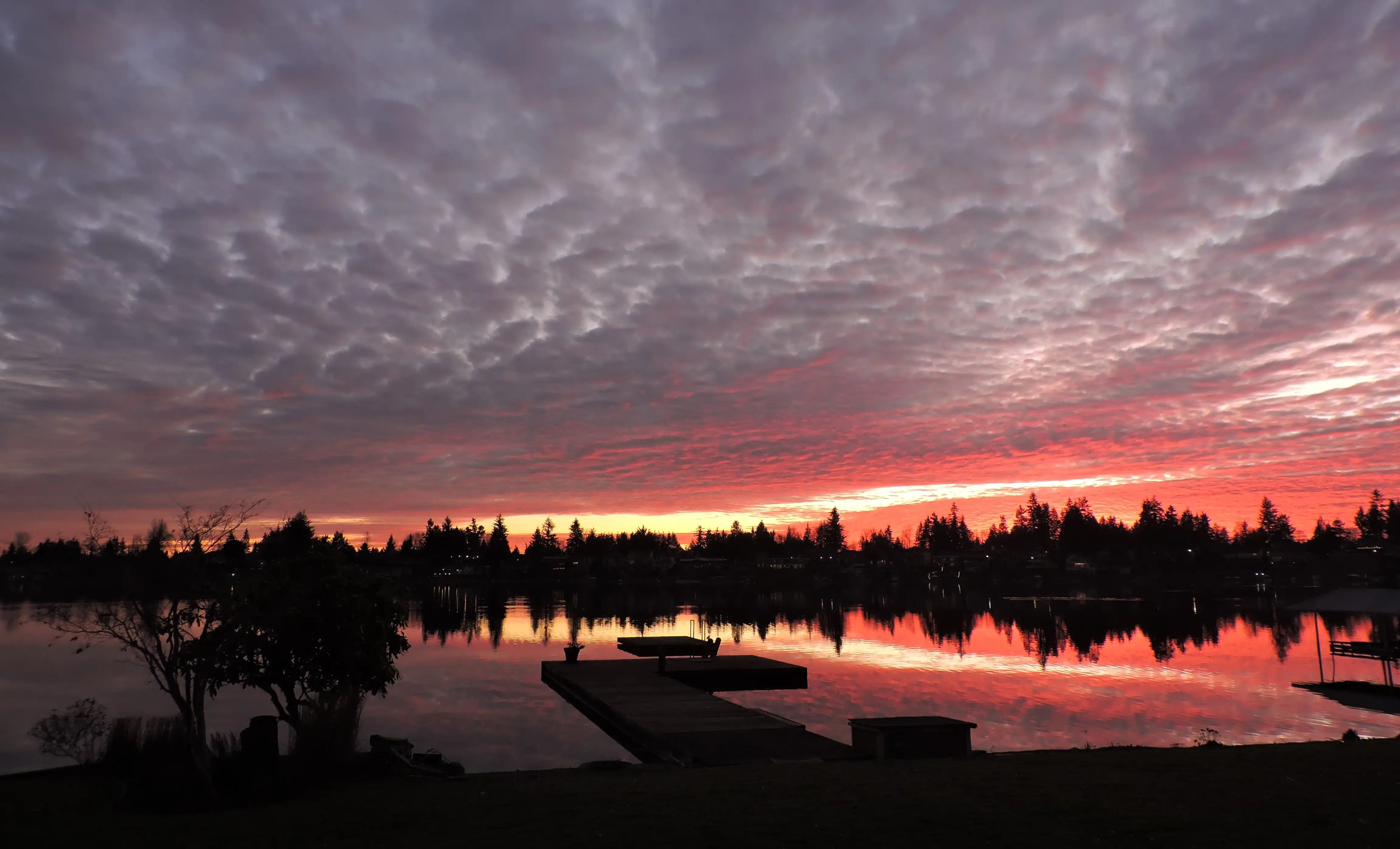
Federal Way earns the top spot in this group on the strength of a genuinely rare combination: six distinct local coffee roasters and cafés, a city population large enough to support real broadband infrastructure competition, and a 15-mile drive to SEA-TAC that makes last-minute travel feel manageable rather than stressful. For a King County city at roughly the $565,000 price point, it also lands in the more accessible tier of this list — not the cheapest, but meaningfully more affordable than Renton or Maple Valley while offering more remote-work infrastructure than either.
Federal Way is the right fit for remote workers who travel regularly and want a real café rotation for their workday — not just a chain drive-through. It suits buyers who want city-scale amenities without crossing into Seattle price territory, and it holds a clear edge over similarly priced Auburn and Des Moines on the coffee and internet dimensions that define daily remote-work quality.
Coffee Culture
6.5/10
out of 10
Airport Access
9.7/10
out of 10
Affordability
6.2/10
out of 10
Median Price
$611,760
2026 market price
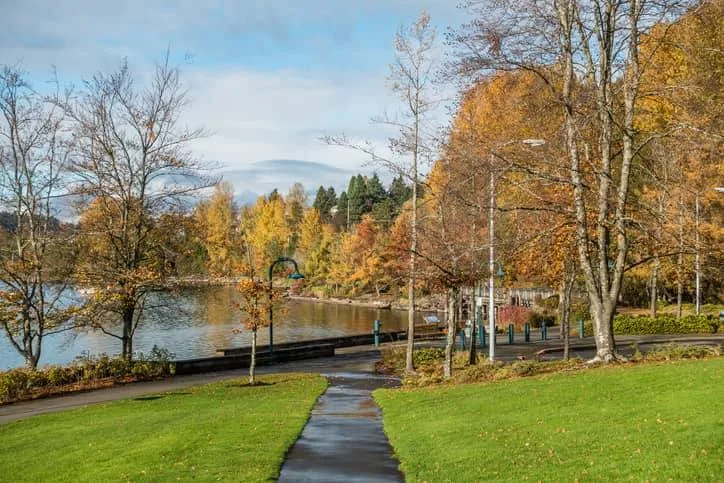
Kent's population of 136,000 — the largest in this group — is what drives its top-tier internet and coworking scores: more people means more ISP competition, more commercial demand for shared office space, and more options when your home setup isn't cutting it. The 12-mile distance to SeaTac is the shortest airport run of any city in this ranking that isn't literally adjacent to the airfield, which matters enormously if you're flying clients out or catching early Monday flights. The trade-off is a coffee scene that lags the city's size — three local spots is modest for a metro of this scale.
Kent makes the most sense for remote workers who prioritize fast, reliable internet and coworking flexibility over café culture — and who fly frequently enough that airport proximity is a genuine quality-of-life factor. Buyers who want a deeper independent coffee scene may find Federal Way a better daily fit, but on raw infrastructure and connectivity, Kent is the strongest city in this list.
Coffee Culture
7.5/10
out of 10
Airport Access
10/10
out of 10
Affordability
4.9/10
out of 10
Median Price
$720,080
2026 market price
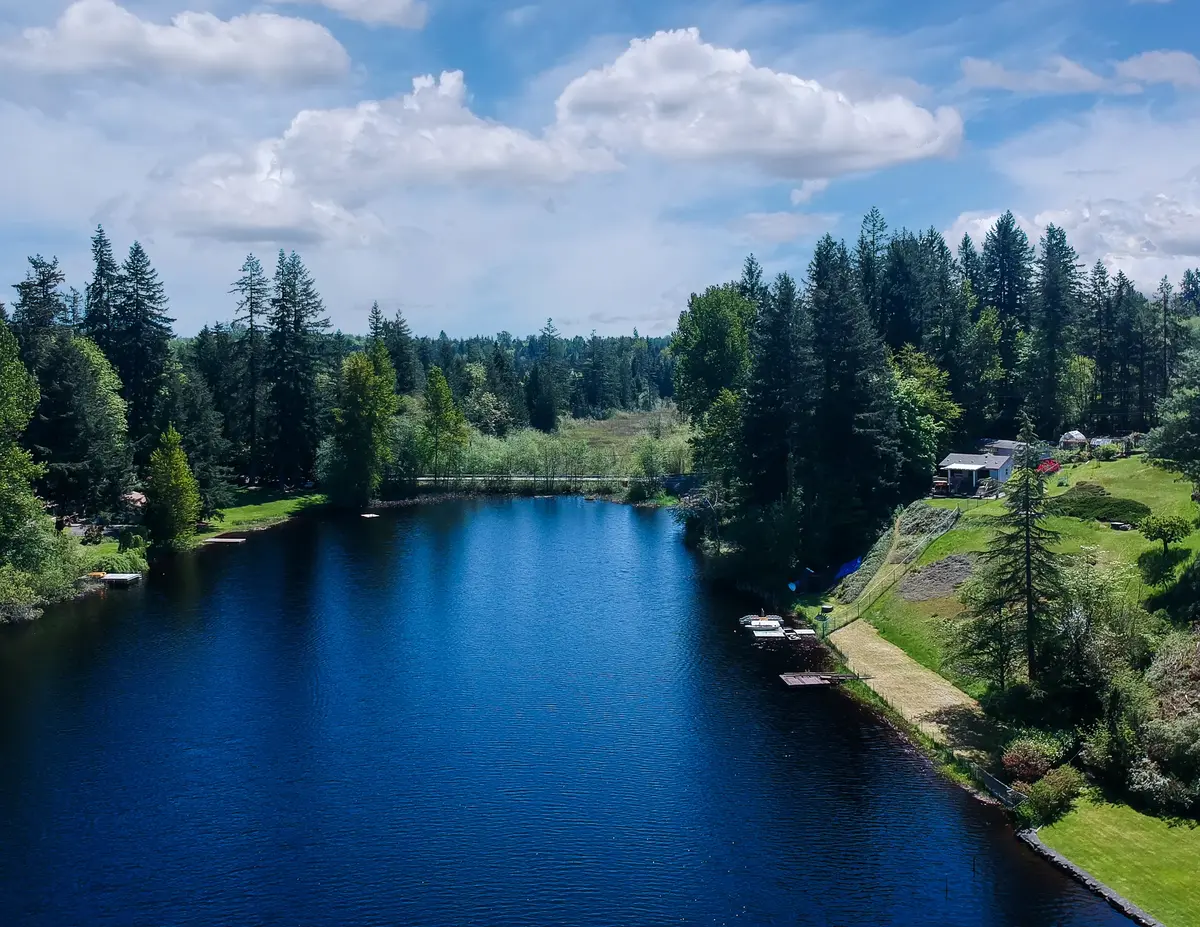
Renton's defining remote-work asset is simple: SEA-TAC is just 6.8 miles away, the closest proximity to a major international airport of any residential city in this comparison. That matters more than it sounds — a 10-minute airport run changes how you schedule client trips, how early you need to wake up, and whether you can realistically catch a same-day return. The city also supports a solid independent café scene anchored by Renton Roasters, and its population of 105,000 sustains competitive broadband options. The catch is a median home price around $720,000, which is noticeably higher than most cities in this group.
Renton suits remote workers who travel frequently and value cutting airport friction above almost everything else. The price premium over Federal Way or Auburn is real, and buyers on a tighter budget will find better value elsewhere in this list — but for someone who is on a plane twice a month, the 6.8-mile airport commute alone can justify the difference.
Coffee Culture
7.5/10
out of 10
Airport Access
8.8/10
out of 10
Affordability
6.6/10
out of 10
Median Price
$577,641
2026 market price
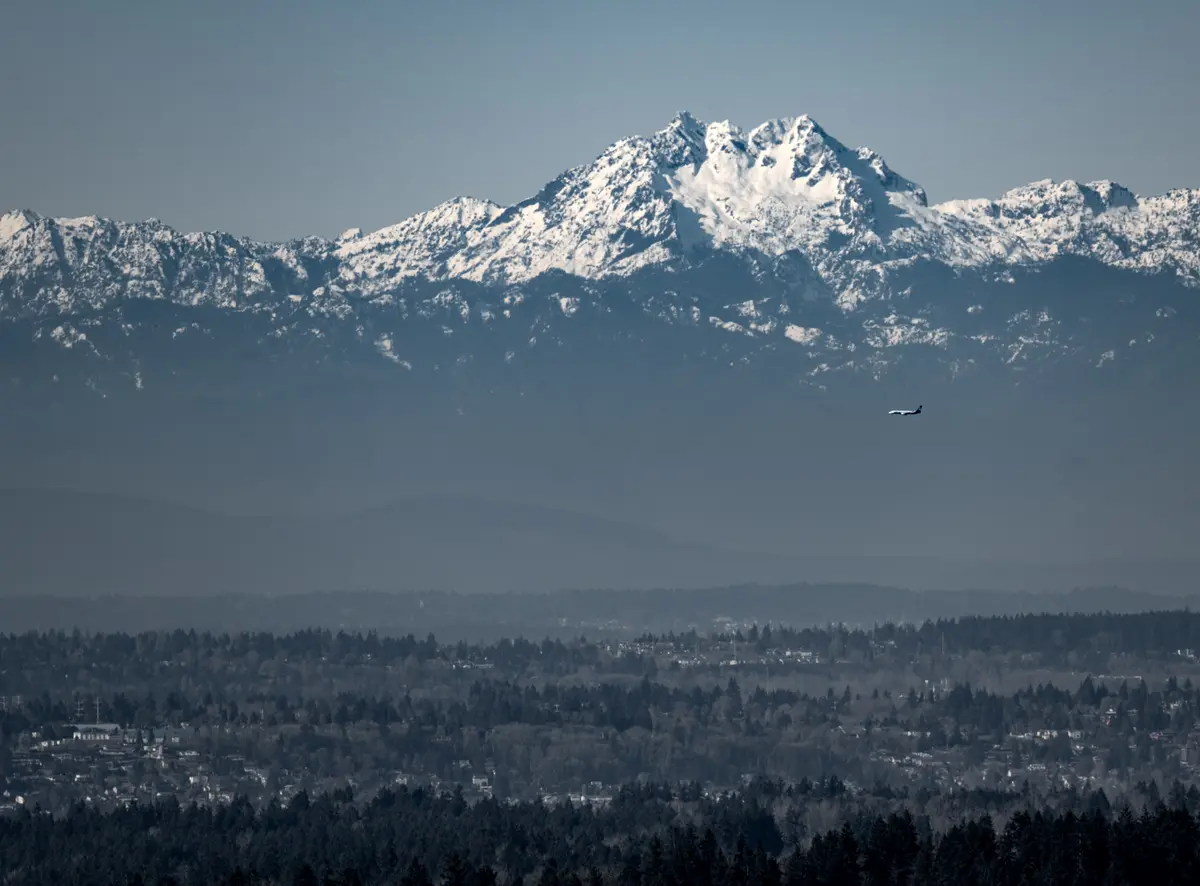
Auburn sits comfortably in the upper half of this ranking by doing most things adequately: a population of 85,000 supports solid broadband infrastructure, the café scene includes four named independent spots with quality roasters, and the 19-mile drive to Sea-Tac keeps travel logistics reasonable. At a median price near $578,000, it's among the more accessible King County options in this group. The city doesn't lead any single dimension, but it avoids the sharp trade-offs — weak coffee, limited coworking, or punishing home prices — that drag down several cities ranked below it.
Auburn is the right fit for remote workers who want a balanced scorecard rather than a single standout feature. It suits buyers who are comparing it to Federal Way and Kent: you give up a little on coffee culture and airport proximity relative to those two, but you stay in a similar price range with a livable, functional daily environment for home-based work.
Coffee Culture
6.5/10
out of 10
Airport Access
10/10
out of 10
Affordability
7.3/10
out of 10
Median Price
$524,875
2026 market price
SeaTac's remote-work story is almost entirely defined by one fact: Sea-Tac International Airport is literally within the city limits, giving it a perfect airport score and a daily-travel reality that no other city in this list can match. For remote workers who are on planes constantly — consulting engagements, client visits, speaking gigs — that access alone can be a deciding factor. The affordability picture is also one of the better ones in this group, with a median home in the mid-$520s. The internet and coworking scores reflect the smaller residential population, and the café scene is thin.
SeaTac is best suited for high-frequency travelers who want to minimize airport friction and keep housing costs below the King County average. It's a narrower fit than Federal Way or Kent — if you rarely fly and care deeply about independent coffee shops and coworking spaces, you'll likely find the daily remote-work environment limiting. But for the right buyer, nothing in this list comes close on airport access.
Coffee Culture
10/10
out of 10
Airport Access
9.3/10
out of 10
Affordability
6.0/10
out of 10
Median Price
$628,893
2026 market price
Covington's most surprising stat is its perfect coffee score — six named local coffee spots in a mid-sized suburban city that most remote workers overlook entirely. That café density creates real daily-work optionality that larger but coffee-sparse cities like Burien or Tukwila simply can't match. The 15-mile run to Sea-Tac also keeps travel accessible. Where Covington gives ground is on internet and coworking infrastructure — its smaller population means less ISP competition and few dedicated shared-office options, which matters if your home setup is unreliable or you need a professional meeting space.
Covington fits remote workers whose work is largely self-contained at home but who want genuine café culture for their daily rhythm — and who value a quick airport hop over dense urban coworking access. At roughly $629,000, it prices in above several cities in this group, so buyers comparing it to Federal Way should weigh whether the similar coffee score justifies a price step up without the same internet and coworking infrastructure.
Coffee Culture
4/10
out of 10
Airport Access
10/10
out of 10
Affordability
6.5/10
out of 10
Median Price
$583,430
2026 market price
Des Moines earns a perfect airport score — Sea-Tac is just 5 miles away, making it one of the two or three closest residential cities to the airfield in the entire region. That proximity shows up in real quality-of-life terms: no long pre-dawn drives, easy same-day returns, and a location that works well for remote workers who split time between home and client cities. The limitations are equally clear: only one named local coffee shop is a real gap for anyone who depends on a café environment for focused work, and the coworking infrastructure is limited for a city of its size.
Des Moines suits frequent travelers who prioritize airport access above café culture and coworking flexibility — and who are comfortable building a home office setup that doesn't rely on nearby shared spaces. Buyers comparing it to SeaTac or Burien will find similar airport proximity at a modestly lower price point, though the coffee and coworking gaps are more pronounced here than in either of those alternatives.
Coffee Culture
2/10
out of 10
Airport Access
10/10
out of 10
Affordability
5.6/10
out of 10
Median Price
$656,381
2026 market price
Burien's strongest card is airport access — just 4 miles from Sea-Tac — paired with broadband infrastructure that sits a step above mid-tier for this list, reflecting a city population of around 52,000. The affordability picture is mixed: at a median around $656,000, it's pricier than SeaTac or Tukwila despite offering a similar airport proximity story. The biggest gap is coffee culture — no named independent coffee shops in the local data is a real daily-work limitation for buyers who rely on cafés for a change of scenery or focused hours outside the home.
Burien works best for remote workers who fly regularly and have a strong home-office setup they don't need to supplement with café or coworking access. Buyers who care about independent coffee culture will find Federal Way or Covington far more satisfying at comparable or lower price points. The airport proximity is genuine and valuable — the question is whether it's worth paying a premium over SeaTac or Tukwila when the café scene is thinner.
Coffee Culture
7.5/10
out of 10
Airport Access
7.9/10
out of 10
Affordability
5.8/10
out of 10
Median Price
$641,907
2026 market price
Bonney Lake is a pleasant outlier among Pierce County cities in this group: four local coffee spots including a roaster give it a café presence that outpunches its population of roughly 22,000. The 26-mile distance to Sea-Tac is manageable without being effortless, and the mid-$640s price point lands below King County's dominant cities without reaching the affordable end of the statewide spectrum. The internet and coworking scores reflect the infrastructure reality of a smaller suburban city — most remote workers here will be fully home-based, without easy access to shared-office alternatives nearby.
Bonney Lake suits remote workers who want quiet suburban living with a genuine local coffee scene and don't need daily coworking access. It's a better fit than Puyallup or Sumner for coffee culture, and it's noticeably less expensive than King County cities with similar amenity profiles. Buyers who need fast, consistent internet should verify specific provider options at their address before committing — infrastructure varies more at this population scale.
Coffee Culture
2/10
out of 10
Airport Access
8.1/10
out of 10
Affordability
6.7/10
out of 10
Median Price
$573,027
2026 market price
Puyallup's remote-work profile is built around a reasonable commute to Sea-Tac — 24 miles, a manageable drive — and a home price near $573,000 that makes it one of the more affordable cities in this comparison on a dollar basis. The broadband infrastructure is decent for a city of roughly 42,000, though not at the level of Kent or Federal Way. The coffee situation is a genuine weakness: no named independent coffee shops in the local data means relying on chains or driving to Tacoma for a real café experience, which adds friction to the daily remote-work routine.
Puyallup is a better fit for remote workers who are price-conscious and don't rely heavily on café culture for their workday rhythm. Buyers comparing it to Bonney Lake will find a larger city with modestly better internet infrastructure but a weaker coffee scene — and those comparing it to Sumner will find similar affordability with meaningfully more city-scale services and amenities available.
Coffee Culture
2/10
out of 10
Airport Access
10/10
out of 10
Affordability
7.2/10
out of 10
Median Price
$536,522
2026 market price
Tukwila's strongest remote-work asset is airport proximity — Sea-Tac is just 4 miles away, matching Burien's exceptional access — at a median home price around $537,000 that undercuts Burien by a meaningful margin. The affordability score is one of the better ones in this King County cohort. Where Tukwila struggles is on the daily texture of remote work: no named independent coffee shops, limited coworking infrastructure, and broadband that reflects a smaller residential population rather than the commercial density of Kent or Federal Way.
Tukwila makes sense for frequent flyers who want to minimize both airport drive time and monthly housing costs — and who are self-sufficient enough in their home office setup that the coffee and coworking gaps don't affect productivity. Buyers who need café variety or shared-office access regularly will find more options in Federal Way or Kent, even at a step up in price.

Coffee Culture
2/10
out of 10
Airport Access
9.1/10
out of 10
Affordability
4.5/10
out of 10
Median Price
$759,950
2026 market price
Maple Valley's remote-work ranking is pulled down sharply by one dominant factor: a median home price near $760,000 that makes it the second least affordable city in this group, well above what most remote workers relocating to this corridor consider attainable. The airport drive — 17 miles to Sea-Tac — is one of the better figures in the lower half of this list, and the suburban setting offers quiet and space. But internet infrastructure and coworking access both reflect a mid-sized suburban population without the commercial density to support robust shared-office options, and there are no named local coffee shops in the data.
Maple Valley tends to suit buyers who are already committed to the quiet, wooded suburban lifestyle of the Southeast King County foothills and whose work is entirely self-contained at home. For remote workers actively comparing it to other cities in this list, the price tag is hard to justify against Federal Way or Auburn, which offer stronger remote-work infrastructure at meaningfully lower price points.
Coffee Culture
5.3/10
out of 10
Airport Access
8.1/10
out of 10
Affordability
6.9/10
out of 10
Median Price
$555,065
2026 market price
Sumner's remote-work limitations are concentrated in infrastructure: a population of roughly 11,000 translates to limited broadband competition and very few coworking options — most remote workers here will be fully home-based by necessity rather than preference. The coffee scene includes two spots, anchored by local roaster Dillanos, which is a real bright spot for the town's size. The 24-mile airport drive is workable for occasional travel. At a median near $555,000, Sumner is among the more affordable cities in this Pierce County cohort.
Sumner works best for remote workers whose connectivity needs are reliably met at home, who can make do with limited local café options, and who are drawn by the smaller-town character and price point relative to King County alternatives. Buyers comparing it to Puyallup will find similar airport access and affordability with a slightly better coffee story — but meaningfully less city-scale infrastructure across the board.
Coffee Culture
4/10
out of 10
Airport Access
7.1/10
out of 10
Affordability
1/10
out of 10
Median Price
$1,129,059
2026 market price
Snoqualmie finishes last in this ranking, and the gap from the middle of the list is real. The median home price above $1.1 million produces the lowest affordability score in this group by a wide margin, and the remote-work infrastructure doesn't compensate: a population of roughly 13,800 supports limited broadband competition, there's a single named local coffee spot, few coworking options, and the 34-mile drive to Sea-Tac is the longest of any city here. The natural setting — close to Snoqualmie Falls and the Cascade foothills — is genuinely appealing, but it comes at a price that changes the entire financial calculus for most remote workers.
Snoqualmie is a fit for a specific, narrow buyer: someone for whom the mountain-adjacent lifestyle and high-end single-family housing stock are the primary draw, and for whom remote-work infrastructure is secondary to setting. For most buyers using this ranking to find a practical base for a remote career, the combination of the highest price point and the weakest connectivity and café profile in the group makes other cities in this list a more logical starting point.
The best remote-work cities in this corridor tend to cluster along the I-5 spine, where population density drives real broadband competition and independent café scenes. Buyers who need a quick airport run without paying Seattle prices will find Federal Way, Kent, and SeaTac hard to beat — but buyers prioritizing affordability alongside that airport proximity should look closely at SeaTac and Tukwila before defaulting to the larger King County cities.
Want to see what's for sale in these neighborhoods?
Sign up for listing alerts — get notified when homes hit the market.
Get Listing Alerts →
Frequently Asked Questions
Which city in the South Seattle Metro is best overall for remote workers?
Federal Way ranks first in this group with a composite score of 8.49 out of 10. The combination that drives that result is unusual: six distinct local coffee roasters and cafés, a city population large enough to support strong broadband infrastructure, a 15-mile drive to Sea-Tac, and a home price near $565,000 that is more accessible than several cities ranked below it. It's the only city in this group that scores well across all five dimensions without a single serious weak point.
Which city has the best airport access for remote workers who travel frequently?
Renton is the closest residential city to Sea-Tac in this group, at just 6.8 miles from the airfield. SeaTac, Des Moines, Burien, and Tukwila all sit within 5 miles of the airport and earn perfect or near-perfect airport scores. For buyers who want that proximity without paying Renton's median home price near $720,000, Tukwila and SeaTac offer comparable airport access at median prices in the mid-$520s to mid-$530s range.
Which cities have the best independent coffee scenes for remote workers who work from cafés?
Federal Way and Covington both score a perfect 10 on coffee culture, each reporting six distinct local coffee spots — remarkable for cities of their size. Auburn follows with four named independent cafés including quality roasters, and Bonney Lake and Renton each offer four local spots as well. At the other end, Burien, Puyallup, Tukwila, and Maple Valley report no named independent coffee shops in available data, meaning remote workers in those cities will rely on chains or drive to neighboring cities for a real café experience.
Where can remote workers find the most affordable homes in the South Seattle Metro?
SeaTac has the lowest median home price in this group at approximately $524,875, followed closely by Tukwila at around $536,522. Sumner comes in near $555,000, and Federal Way sits just above that at roughly $565,000. Snoqualmie, at a median above $1.1 million, and Maple Valley, near $760,000, are the least affordable cities in this comparison — and both also rank in the lower half of the remote-work composite score, making their price premiums harder to justify on work-from-home terms.
Do smaller cities in this region have reliable enough internet for full-time remote work?
It depends significantly on the city. Kent, with a population of 136,000, earns the highest internet score in this group and supports strong broadband competition. Cities like Sumner, with a population near 11,000, and Snoqualmie, at roughly 13,800 residents, score near the bottom on internet infrastructure — not because fast internet is unavailable, but because smaller populations attract less ISP investment and fewer competitive options. Remote workers considering Sumner, Snoqualmie, or Bonney Lake are strongly advised to verify specific provider availability and speeds at their target address before closing, since infrastructure quality can vary significantly block by block at this population scale.
Moving to Washington?
Tell us what you need help with and we'll connect you with local resources.

Todd Davidson
About the Author
Todd Davidson is the founder of The Move Genie, a premier digital resource offering in-depth city guides, neighborhood profiles, and localized market insights for communities nationwide. Drawing on an extensive background in home financing and real estate, he established the platform to streamline the relocation process, helping families make confident, data-driven decisions when comparing new areas.