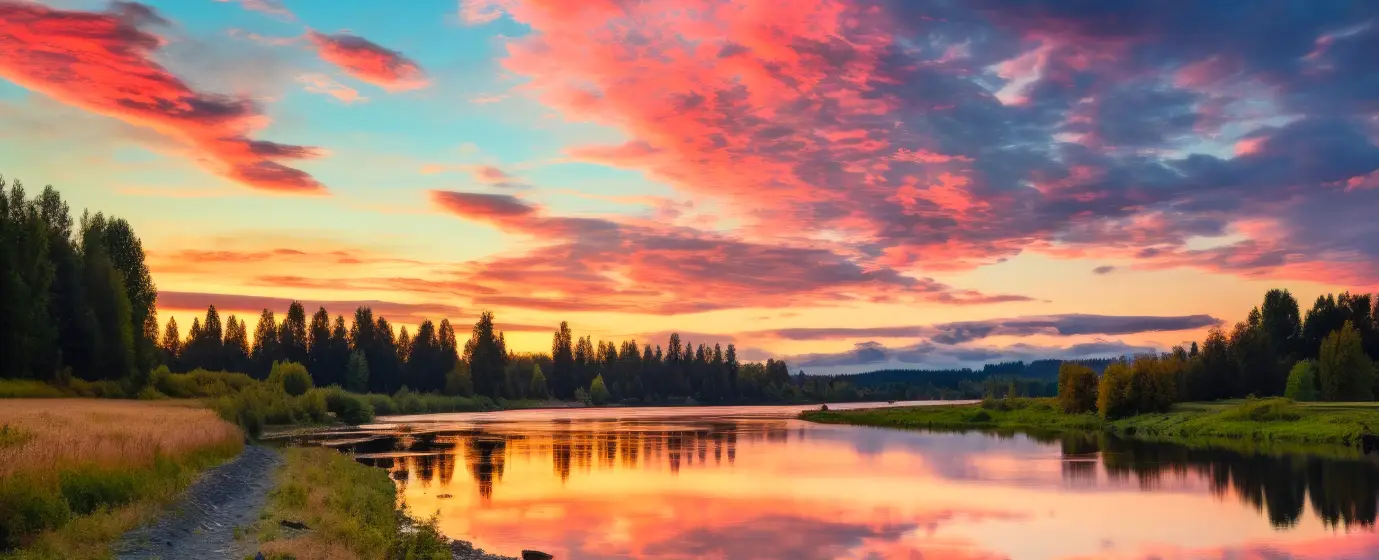
Monroe sits at the edge of the Cascade foothills where the Skykomish and Snoqualmie rivers converge to form the Snohomish — and that geography is not just trivia. It means the city's best parks aren't manicured lawns with a few benches; they're river peninsulas, eagle-watched floodplains, and a recreational lake that hosts one of the Pacific Northwest's most competitive triathlons. Residents who move here from denser suburbs often say the same thing after their first fall weekend: they had no idea this much green space was sitting inside a city of fewer than 20,000 people.
The Monroe Parks & Recreation Department maintains 17 parks covering 288 acres, 23 trails comprising 14 miles, 14 sports fields, 12 playgrounds, and 7 sports courts — all managed by a maintenance crew of seven. That ratio of amenity to staff is worth noting: the system punches well above its weight, and the city has continued adding to it, most recently expanding pickleball courts and building out the new City Hall Campus. For families with school-age children weighing youth sports and after-school activities, the fields and courts that underpin those programs live in this same parks system.
US-2 runs straight through Monroe, which matters for outdoor recreation beyond city limits. Heading east on US-2 puts you inside the Cascade corridor within minutes — Stevens Pass, the Wild Sky Wilderness, and trailheads that are genuinely inaccessible from most Seattle-area addresses without a long drive. Monroe residents treat this corridor as an extension of their own backyard, which changes the calculus of living here compared to suburbs that are equally priced but pointed nowhere interesting.
Whether you're drawn by the river access, the lake, the organized racing scene, or simply want to know which parks are worth the drive on a rainy Tuesday, the sections below break down Monroe's signature parks, trail network, water recreation, and the seasonal events and activities that define outdoor life here through the year.
Al Borlin Park and Lewis Street Park: Monroe's River Heart
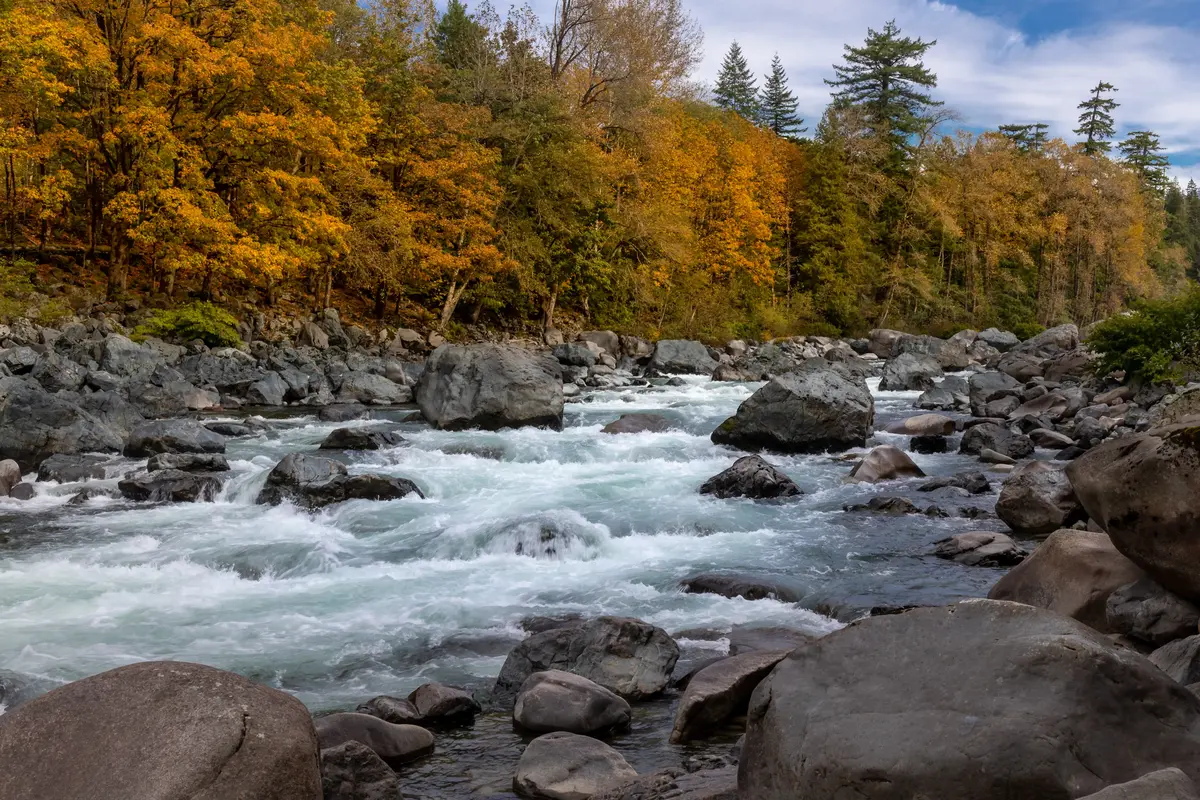
Al Borlin Park is the one Monroe locals mention first, and for good reason. At 90 acres, it occupies a river peninsula formed by the Skykomish River on one side and Woods Creek on the other — a shape that gives it the feel of a nature reserve rather than a city park. The 1.2-mile soft-surface gravel trail network loops through stands of cottonwood and alder with frequent river views, and bald eagle sightings here are common enough that the city's own facility page flags them by name.
You reach Al Borlin via a pedestrian bridge from Lewis Street Park, which is where the parking, permanent restrooms, and the state-managed boat launch are located. The boat launch sits on the west side of the bridge and requires a Discover Pass — more on that in the water recreation section. Lewis Street Park is the oldest in the Monroe system, and the century-old cedar trees there are genuinely impressive: wide-canopied, moss-draped, the kind that make you realize this site was old before the city existed.
Lewis Street recently received an updated children's play area featuring a traverse wall and arch swing, and a covered picnic shelter makes it functional on the gray days that define October through March in Snohomish County. The pairing of Lewis Street and Al Borlin — one urban, one wild, connected by a bridge — is the most cohesive park experience Monroe offers.
One detail that surprises first-time visitors: Al Borlin's trails pass remnants of what was reportedly the longest covered railroad bridge in the world, originally built by the Everett & Cherry Valley Traction Company Railway to cross the Skykomish. The structural evidence is subtle — a trained eye spots it faster than a casual one — but the Washington Trails Association documents it, and it adds a layer of industrial history to what is otherwise a quietly natural walk.
Best for: Wildlife watching, river walks, casual fishing from the Simon Road bank, and post-hike picnics under old-growth cedar.
Lake Tye Park: Beach, Swim, and the Triathlon That Defines Summer
Lake Tye Park is Monroe's summer anchor. The 64-acre park wraps around a 42-acre recreational lake with a genuine sand beach, concessions, covered picnic areas, restrooms, pedestrian boat launches, and a children's play area — plus parking for roughly 200 vehicles, which matters on peak August weekends when the lot fills by mid-morning.
The lake itself is calm, warm by western Washington standards, and shallow enough near the beach for younger swimmers. On weekday mornings it draws open-water swimmers training in circles; by afternoon, the paddleboards and kayaks take over. There's no motorized boat access on the lake, which keeps the noise level down and the surface manageable for human-powered craft.
The defining event at Lake Tye is the annual USA Triathlon-sanctioned Lake Tye Triathlon, now in its 17th year as of 2026. Race organizers describe it as potentially the flattest and fastest course in the Pacific Northwest — a claim that draws serious competitors from across the region. The 2026 edition added a standalone 5K run event alongside the Sprint, Youth, Duathlon, and Aquabike distances. If you move to Monroe and have any interest in multisport racing, this race will be on your calendar; if you don't, race weekend still draws enough energy to make Lake Tye worth visiting just for the atmosphere.
One friction point locals learn quickly: the Lake Tye parking lot has no shade, and on competition days the turnaround for setup starts early. Arriving before 8 a.m. on triathlon morning is not optional — it's the difference between a spot and a mile-long walk from a side street.
Best for: Family beach days, open-water swimming, stand-up paddleboarding, and competitive multisport events.
The Skykomish River: Paddling, Fishing, and the Cascade Corridor
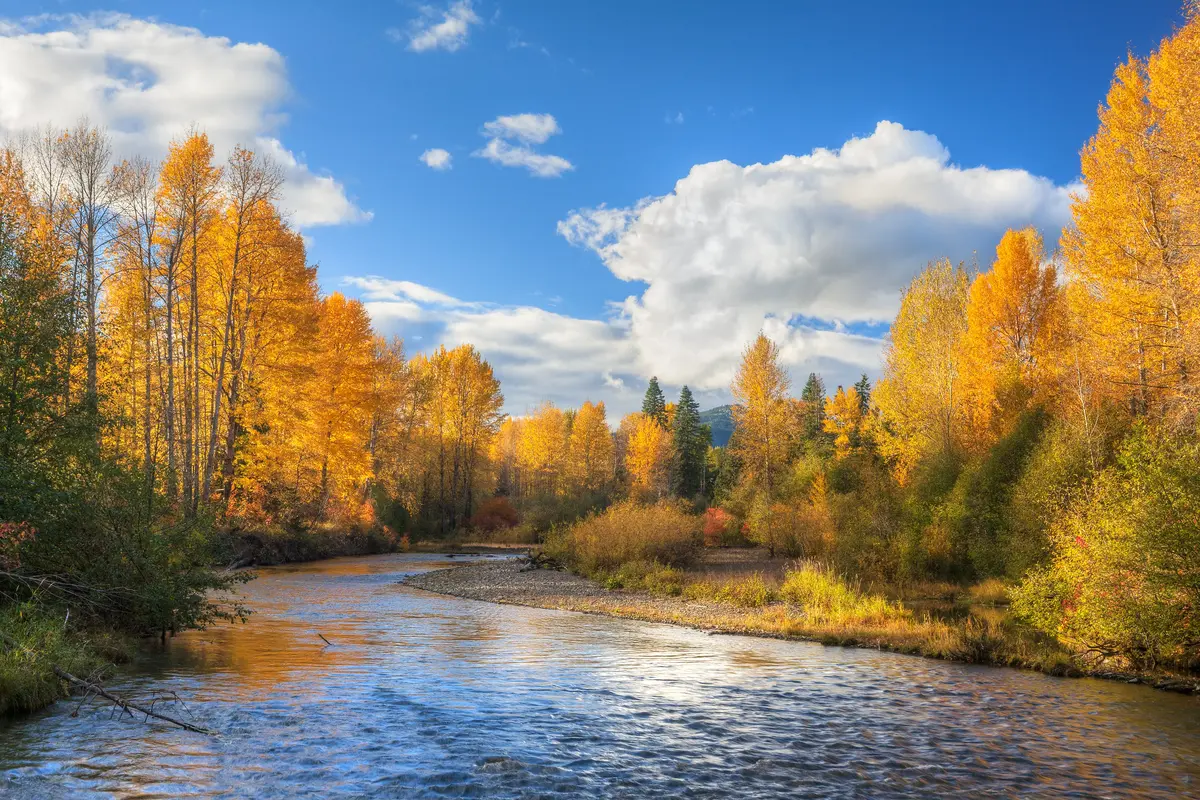
The Skykomish River is Monroe's most versatile recreational resource and also its most underused by new residents. The state-managed, ADA-accessible boat ramp near Lewis Street is the primary put-in and take-out for paddlers. A Discover Pass is required; day passes are available online and at most sporting goods retailers along US-2.
The Mountaineers document two paddling runs that end at or near Monroe. The shorter option is a 2.6-mile Class I flatwater float from Ben Howard Boat Ramp to the Lewis Street Boat Ramp — flat, calm, accessible to anyone who can sit in a kayak or canoe. The longer run covers 7 miles from Sultan and includes one Class I+ drop, adding just enough current to make it interesting for intermediate paddlers without requiring whitewater skills. Both runs put you on a wide, clear river with Cascade foothills framing both banks.
Fishing along the Skykomish is a year-round activity, though the species and regulations shift by season. The eastern bank of Al Borlin Park, accessible from Simon Road, is the most popular shore-fishing location in the city. Steelhead runs draw serious anglers in winter; summer brings salmon and trout. If you're moving here from inland, the WDFW regulations for this river are more complex than you may be used to — check current seasons before your first trip.
Beyond the City Limits: The US-2 Corridor
Monroe's position at the base of US-2 is an outdoor recreation multiplier that doesn't appear in any parks department inventory. Stevens Pass ski area is roughly an hour east. Wallace Falls State Park trailhead is about 15 miles up the highway. The Iron Goat Trail — a converted railroad grade through the Cascades — is accessible within 30 minutes. Residents who move here specifically for outdoor access describe US-2 as the thing they use more than any single park in Monroe itself.
The catch: US-2 is a two-lane highway through the mountains, and the drive toward the pass takes meaningfully longer on winter weekends than on a midweek summer morning. Building that buffer into your planning is something Monroe residents figure out in year one.
Best for: Flatwater kayaking, salmon and steelhead fishing, and using Monroe as a staging point for Cascade corridor adventures.
Looking to buy in Monroe? Estimate your payment.
Enter your numbers to see an estimated monthly mortgage payment.
Estimate only. Excludes HOA fees and mortgage insurance. The interest rate above is a starting point, not a quoted rate — replace it with your own to see real numbers. Insurance is a flat placeholder, not a Monroe quote.
Trails, Courts, and Year-Round Recreation Across the City
Outside the signature parks, Monroe's trail and court system is more extensive than the city's size suggests. The 23-trail network totals 14 miles and connects residential areas to parks in a way that makes car-free recreation genuinely practical in the flatter parts of the city. The trails vary in surface and character — some are paved multi-use paths, others are soft-surface loops through greenbelt — so the experience shifts depending on which part of the city you're in.
| Facility Type | Count | Notable Feature |
|---|---|---|
| Parks (total) | 17 | 288 acres total across the system |
| Trails | 23 | 14 miles; mix of paved and soft-surface |
| Sports fields | 14 | Support youth and adult leagues city-wide |
| Playgrounds | 12 | Spread across neighborhoods; Lewis Street recently updated |
| Sports courts | 7 | Includes dedicated pickleball courts at Sky River Park |
| Recreational lake | 1 | Lake Tye, 42 acres, no motorized boats |
| River boat launch | 1 | State-managed, ADA-accessible, Discover Pass required |
Pickleball has grown fast in Monroe. The city added two dedicated courts with permanent nets at Sky River Park in 2024 and reconfigured courts at a second location to bring the total from two to five dedicated pickleball courts system-wide. For a city this size, that's a genuine investment in the sport, and the courts have regular players on them most dry-weather days.
Seasonal Rhythms
Summer runs from late June through September and is when nearly every outdoor amenity in Monroe operates at capacity. Lake Tye beach fills on weekends; river paddling peaks; the Evergreen State Fair takes over the fairgrounds for 12 days in late August, bringing crowds to the area around the speedway. New residents consistently underestimate how quickly the region goes from gray-and-quiet to packed-and-sunny — and how abruptly it reverses in October.
Winter is the other surprise. The trail system and Al Borlin Park remain accessible year-round, and the Skykomish River fishing season continues through the cold months. Residents who expected winter recreation to disappear find that the bar is lower than it was back in California or the Midwest: a dry Saturday in February is a legitimate hiking day here, even if the temperature reads 42°F. The payoff for tolerating the rain is that the parks are never crowded from November through March — you can have Al Borlin's river trails essentially to yourself.
Best for: Residents who want year-round active outdoor life within city limits, with easy access to larger Cascade adventures when the weather cooperates.
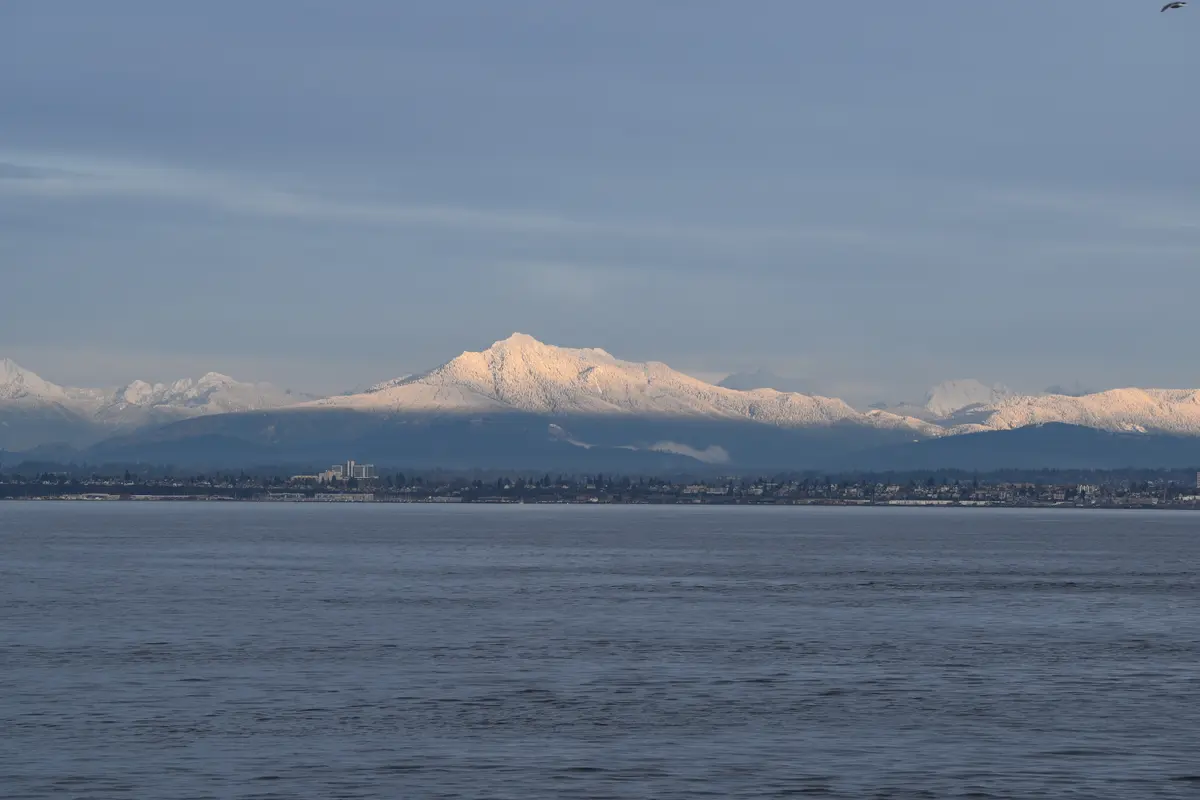
Local Expert Takeaway: Monroe's parks system earns its reputation on specificity: Al Borlin's river peninsula and historic railroad remnants, Lake Tye's competition-grade triathlon course, and a state-managed boat launch that puts Class I kayaking on the Skykomish within a five-minute drive of most addresses. The US-2 corridor east of town extends that range dramatically — Stevens Pass, Wallace Falls State Park, and the Iron Goat Trail are all under an hour away on a weekday. The city is actively investing in courts and playgrounds, and the 14-mile trail network makes car-free access to parks realistic in the flatter neighborhoods. For outdoor-minded buyers, Monroe delivers more recreation per dollar than almost any comparable Snohomish County address.
Quick Takeaways & FAQs
✅ Monroe's 288-acre parks system includes a 90-acre river peninsula park, a 42-acre recreational lake with a beach, and direct Skykomish River boat access — all within the city limits.
⚠️ Winter weekends on US-2 toward Stevens Pass run noticeably longer than weekday trips — factor that into any Cascade plans you make between November and March.
📍 Al Borlin Park's trails pass remnants of what was reportedly the longest covered railroad bridge in the world, built by the Everett & Cherry Valley Traction Company Railway — a detail most Monroe residents don't learn until someone shows them.
Is Al Borlin Park good for kids?
Can you swim at Lake Tye?
Do I need a Discover Pass to use the Skykomish River boat launch?
What is the Lake Tye Triathlon and how do I sign up?
What outdoor recreation is accessible from Monroe beyond the city parks?
Moving to Washington?
Tell us what you need help with and we'll connect you with local resources.
