Most families who move to Bainbridge Island already know the school district is strong. What surprises them is just how strong — and how that strength coexists with a budget story that contradicts the island's affluent reputation. The Bainbridge Island School District earns an A rating and sits ranked #2 out of 306 school districts statewide, yet has been operating under a structural budget shortfall driven by Washington state's systemic underfunding formula. The island's high property values, counterintuitively, cap rather than expand what BISD can raise locally. That tension shapes every conversation parents eventually have at the Woodward Middle School fields or over coffee on Parfitt Way.
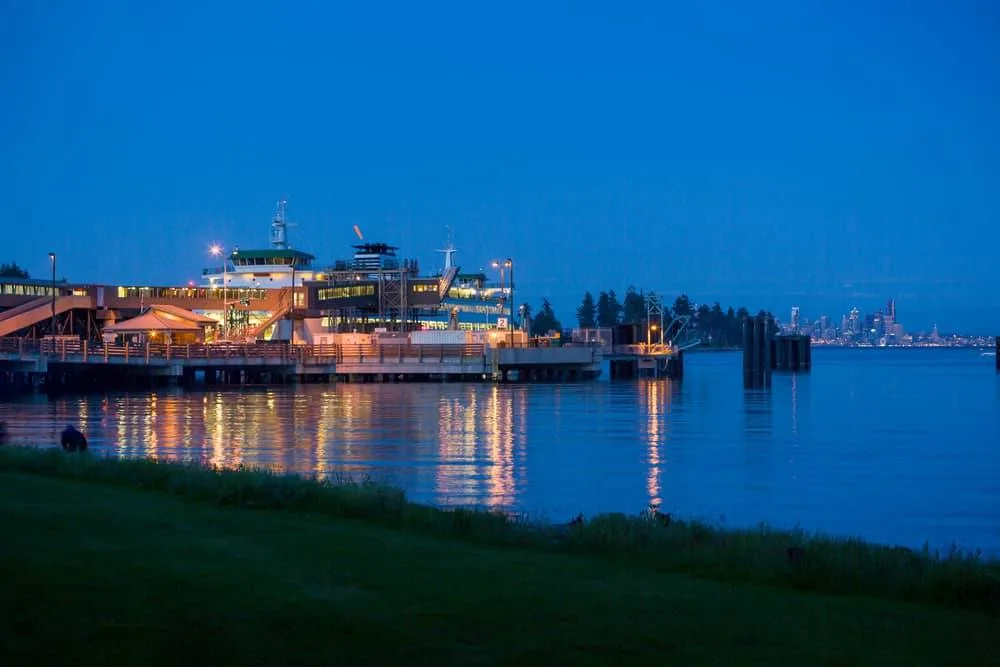
The district serves approximately 3,554 students across 10 schools in grades PK–12 — a small, tight system where teachers and administrators know students by name. Major island employers include the Bainbridge Island School District itself and IslandWood, the nonprofit environmental learning center near the heart of the island. Many parents commute to Amazon or Microsoft via the Washington State Ferry, which makes the ferry schedule as relevant to family logistics as the school bell schedule. That commuter reality means after-school pickups, sports carpools, and activity timing all get quietly organized around ferry runs.
For families comparing Bainbridge Island to neighboring districts in Kitsap County — or weighing it against staying in Seattle — the academic profile stands apart. On the 2024–25 statewide assessments, 78% of district students scored proficient in math and 86% in reading, each far above the Washington state average. The graduation rate is approximately 95%. Parks and trails woven across the island supplement what schools can't provide indoors, and the island's parks and recreation infrastructure is genuinely impressive for a community this size.
Whether you're moving here from the Eastside, relocating from out of state, or just running the numbers before making an offer, this guide covers the district-level picture, the schools worth knowing by name, the budget realities no one puts in the brochure, youth sports and kids' activities, and an honest look at who this district serves best — and who might find it a mismatch.
Bainbridge Island School District: The District-Level Picture
The Bainbridge Island School District — BISD — is a single-island district with a single high school, two middle schools, and a cluster of elementary and alternative programs. That structure creates unusual continuity: the same families cycle through the same buildings for 13 years, and the community investment in those schools is correspondingly high.
The Numbers That Matter
| Metric | BISD | WA State Average |
|---|---|---|
| State District Ranking | #2 of 306 | — |
| Math Proficiency (2024–25) | 78% | Substantially lower |
| Reading Proficiency (2024–25) | 86% | Substantially lower |
| Graduation Rate | ~95% | ~83% statewide |
| Student-Teacher Ratio | 18:1 | — |
| Total Enrollment | ~3,554 students | — |
| Economically Disadvantaged | 7.1% | ~45% statewide |
* District ranking and proficiency figures from Public School Review and Niche (citing WA OSPI 2024–25 assessment data).
The Budget Reality Locals Know
Here is the thing the district ranking doesn't show: BISD has faced a structural budget shortfall for years. Since 2020, Washington state has underfunded the district by more than $20 million across special education, teacher salaries, transportation, and materials costs. For the 2025–26 school year, the district needed to reduce its budget by $6.5 to $7 million.
The irony is sharp. Bainbridge Island has some of the highest property values in Kitsap County, yet a state-imposed levy cap means BISD collects its Enrichment and Operations Levy based on student enrollment rather than assessed property value. High home prices don't translate into more school funding here the way they might in other states. The district has been vocal about this in its legislative priorities, but the structural fix requires action in Olympia, not locally.
What this means practically: programs have been trimmed, and the district has had to make difficult cuts in recent years. The A rating reflects genuine academic strength; it doesn't mean the district is flush. Parents who move here expecting a heavily resourced system because of island property values will need to recalibrate that assumption quickly.
Three Schools Worth Knowing by Name
Bainbridge High School — The Flagship
Bainbridge High School is the only traditional high school on the island, serving approximately 1,300 students. U.S. News & World Report ranks it 7th in Washington state and #284 nationally in its most recent rankings based on 2024–25 data. The AP participation rate is 80% — meaning four in five students engage with at least one college-level course before graduating — which is unusually high even among strong suburban schools.
The campus competes under the Washington Interscholastic Activities Association (WIAA). In 2024–25, the Spartans Boys Swimming team won the 1A/2A State Championship. The Spartans Boys Soccer team was crowned Washington State Champions in spring 2026. These aren't isolated results; BHS has a consistent culture of competitive athletics and academic rigor running in parallel.
One genuine friction point for incoming families: with only one high school on the island, there are no fallback options within BISD if BHS isn't the right environment for a particular student. The alternative is Eagle Harbor High School — a different kind of program entirely.
Capt Johnston Blakely Elementary — The Elementary Standard
Among the district's elementary schools, Capt Johnston Blakely Elementary consistently ranks among the top 15 elementary schools in Washington state. It holds a 5-star rating from SchoolDigger and was named a National Blue Ribbon School by the U.S. Department of Education in 2018. More than 88% of its students score proficient or better in both English language arts and math — numbers that hold up even against other high-performing island schools.
For families buying in eastern parts of the island near Rolling Bay or Wing Point, Blakely is a frequent reason cited for choosing a specific neighborhood within Bainbridge over another.
Odyssey Multiage Program — The Alternative That Isn't Really Alternative
The Odyssey Multiage Program, housed within the Commodore Options School umbrella, runs grades 1 through 8 in a deliberate multi-age structure where older students learn alongside younger ones. It ranks in the top 100 elementary programs in Washington state and received a State Recognized School distinction in 2019. This is not a program for students struggling in traditional settings — it's a pedagogically distinct choice that attracts families who want mixed-age collaboration and project-based learning over a conventional grade-by-grade structure.
Enrollment is not automatic; families apply and the program selects based on fit. If you're moving to Bainbridge specifically for Odyssey, confirm your child's enrollment before finalizing your move date.

Youth Sports and Kids' Activities on Bainbridge Island
The island punches well above its weight for youth sports infrastructure. With roughly 24,000 residents, Bainbridge supports a youth soccer club with approximately 1,000 players, a full-service recreation center, and high school athletic programs that compete — and win — at the state level.
Bainbridge Island FC: The Soccer Hub
Bainbridge Island FC (BIFC), founded in 1983, is the dominant youth sports organization on the island. Programs run from Mini Kickers for ages 3 to 5 all the way through competitive Select teams for older players. BIFC is a member club of Washington Youth Soccer and competes in the North Puget Sound League (NSYSA). Recreational soccer for grades K through 8 and the Development Academy are based at fields at Woodward Middle School — which means the fields are woven directly into the school community.
BIFC also hosts the Island Cup, an annual premier youth soccer tournament that draws teams from across the region. Families moving here mid-season should contact BIFC directly about registration windows, since recreational divisions fill early.
Bainbridge Island Metro Park and Recreation District
The Bainbridge Island Metro Park and Recreation District runs youth leagues and clinics at the Bainbridge Island Recreation Center covering a wide range of sports: martial arts, tennis, volleyball, wrestling, lacrosse, soccer, cheer, and pickleball. This is the catch-all for families whose kids' sport isn't served by a dedicated club, and for younger kids still exploring what they like. The Recreation Center fills a genuine gap — especially in the shoulder seasons when outdoor fields are wet.
WIAA and BHS Athletics
Bainbridge High School competes across all major sports under the Washington Interscholastic Activities Association (WIAA). The recent boys swimming state title (2024–25) and boys soccer state championship (spring 2026) reflect a school that invests meaningfully in athletics. For families with competitive high school athletes, the WIAA structure means regional and state competition pathways are well established, and BHS coaches have demonstrated records of developing players to that level.
Beyond Sports: IslandWood and Outdoor Learning
IslandWood, the nonprofit environmental learning center on Bainbridge Island, runs programs for kids beyond its well-known school overnight program. For island families, it represents an outdoor and environmental education resource that most communities simply don't have. Weekend and school-year programs through IslandWood complement what the district offers in a way that feels distinctly Bainbridge — forest trails, tidal zones, and hands-on ecology rather than a gymnasium.
After-school pickup at Pegasus Coffee House on Parfitt Way SW is a visible island ritual — parents grabbing coffee while waiting for ferry-commuting spouses, kids in tow after practice. It's a useful orientation point for understanding how the island's logistics actually work for active families.
Looking to buy in Bainbridge Island? Estimate your payment.
Enter your numbers to see an estimated monthly mortgage payment.
Estimate only. Excludes HOA fees and mortgage insurance. The interest rate above is a starting point, not a quoted rate — replace it with your own to see real numbers. Insurance is a flat placeholder, not a Bainbridge Island quote.
Who BISD Is — and Isn't — Right For
The A rating and top-2 statewide ranking make BISD easy to recommend. But no district is right for every family, and BISD has specific characteristics worth knowing before you assume it's the automatic answer.
This District Works Well For
- Academically motivated students who will benefit from an 80% AP participation rate at BHS and a culture where high achievement is the norm rather than the exception.
- Families who value continuity — the single-school structure from elementary through high school means deep community roots, long friendships, and coaches who know your kid across multiple years.
- Parents comfortable with ferry-based logistics, since after-school pickups, sports schedules, and parent involvement all get organized around a commute that includes a boat.
- Families with soccer-focused kids, given BIFC's depth and the fact that soccer culture here runs from age 3 through high school.
Who May Find It a Mismatch
Families who need significant special education services should research carefully. The state's underfunding of special education has hit BISD hard — the district has been underfunded by more than $20 million in this category since 2020, and budget cuts have affected support staffing. The A rating reflects aggregate academic performance; it does not guarantee the specific services your child may need are well-resourced right now.
Students who don't thrive in high-pressure academic environments may find BHS's culture more stressful than supportive. When 80% of your classmates are taking AP courses, the social and academic pressure is real. Eagle Harbor High School exists within the district as an alternative option for students who need a different setting — it serves approximately 87 students in a smaller, more flexible environment — but it operates with different outcomes and serves a student population with greater economic need than the main campus.
Families seeking significant racial or socioeconomic diversity will find BISD's demographics don't match urban Seattle. Minority enrollment district-wide is approximately 20%, and economically disadvantaged students represent about 7% of enrollment. That's a reflection of island demographics, not a policy failure, but it's worth understanding before you move a teenager here expecting a multicultural urban school experience.
Finally: families drawn by the property values expecting a heavily funded, expansive district will be surprised by the budget constraints. The levy cap is real, program cuts have happened, and more may follow without state legislative reform. Engage with the district's budget process early if this matters to your family's decision.
What Life in BISD Looks Like After Six Months
Here is what parents almost universally don't expect when they arrive: the island's school community is tighter than any comparable district they've encountered. At 3,554 students total, BISD is small enough that families genuinely know each other — but it creates a social dynamic that cuts both ways.
What Surprises People
Everyone warns you about the ferry. Nobody warns you about how completely it shapes the school day. If you are the commuting parent, you will miss events. That is not a complaint — it is a structural reality of island life that every BISD family navigates. The families who make it work without friction tend to have one non-commuting parent, or a very deliberate carpool arrangement, or an acceptance that some Tuesday evening concerts simply won't happen. Families who don't anticipate this end up frustrated.
The second thing that surprises people: how visible the budget tension is at the school level. In a community where the median household income is $172,188, parents expect well-resourced schools. When a program gets cut or a staff position isn't replaced, the conversation at Woodward Middle School's fields gets pointed. Parent fundraising fills some gaps — BISD's parent foundations are active — but the structural shortfall is larger than bake sales fix.
Where Families Actually Gather
BIFC games at Woodward Middle School on weekend mornings are where the island's school families actually meet each other. The sidelines are where phone numbers get exchanged and carpool arrangements get made. Bruciato on Winslow Way fills up with post-game families on Saturday afternoons. The Harbour Public House on Parfitt Way SW handles the older-kid sports crowd on weekend evenings — parents unwinding after a BHS soccer match.
The social infrastructure of BISD isn't in the schools themselves so much as in the organized activities around them. Getting your child involved in BIFC or a Recreation Center league in the first month accelerates the community integration that would otherwise take a full school year to develop.
The Practical Checklist for Families Considering BISD
Once you've done the research, the practical steps matter as much as the ratings. Here is what to do before signing anything.
| Step | What to Do | Why It Matters Here |
|---|---|---|
| Confirm school boundaries | Use BISD's official boundary maps for your specific address | Elementary boundaries on the island aren't always obvious from neighborhood names |
| Check Odyssey enrollment | Contact Commodore Options School directly before your move date | Enrollment is application-based; you can't assume a slot exists |
| Review current budget status | Read BISD's most recent budget documents at bisd303.org | Program cuts in recent years have affected staffing; know what's currently offered |
| Assess special education services | Request a meeting with the district's special services coordinator | State underfunding has directly impacted this department; verify what's available for your child's specific needs |
| Register for BIFC early | Sign up as soon as enrollment opens for your child's division | Recreational divisions fill fast; late registration means waitlists |
| Understand the ferry schedule | Map your child's activity schedule against your commute | BHS evening events and 6:10 PM sailings don't coexist easily |
The district's overall performance is genuine — the proficiency scores, the graduation rate, the BHS national ranking are all real. The budget constraints are equally real. Going in with both pieces of the picture puts you ahead of most families who moved here and learned the second part only after the boxes were unpacked.
One more thing worth knowing: the district is small enough that parent engagement actually moves things. BISD's school board is accessible, parent foundations are influential, and the community's advocacy in Olympia around the levy cap issue is ongoing. If you care about school funding policy, this is a district where showing up matters.
Local Expert Takeaway: BISD's A rating is earned, not inflated — the proficiency scores, the BHS national ranking, and the 95% graduation rate are real. But the district is navigating a structural budget shortfall that state underfunding created and the levy cap perpetuates. Families who thrive here lean into the community: they get kids into BIFC at Woodward's fields early, they show up at school board meetings, and they make peace with the ferry schedule before they move, not after. If you have a student who needs intensive special education support, dig into current staffing levels before you commit — the budget cuts have hit that department, and the district's aggregate excellence doesn't guarantee your child's specific program is well-resourced right now.
Quick Takeaways & FAQs
✅ Bainbridge Island School District ranks #2 out of 306 Washington districts, with Bainbridge High School placing 7th in the state and 80% of students participating in AP courses.
⚠️ Despite high island property values, a state-imposed levy cap limits what BISD can raise locally — the district cut $6.5–7 million from its 2025–26 budget, and special education services have been among the hardest hit.
📍 Bainbridge Island FC serves roughly 1,000 youth soccer players from age 3 through high school and hosts the Island Cup tournament, an annual regional premier event held on the island.
What rating does Bainbridge Island School District have?
How does Bainbridge High School rank compared to other Washington schools?
What youth sports leagues are available for kids on Bainbridge Island?
Is Bainbridge Island School District good for students with special education needs?
What is the Odyssey Multiage Program and how do you enroll?
Moving to Washington?
Tell us what you need help with and we'll connect you with local resources.
