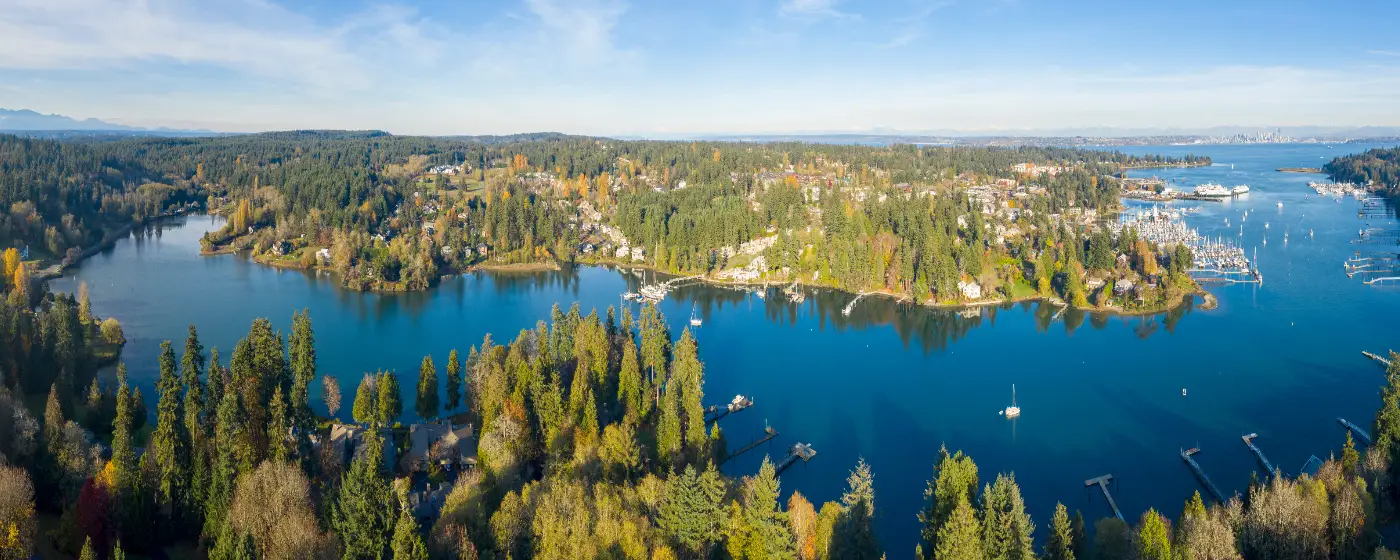
Most people who start researching Bainbridge Island do it backwards — they look at the ferry schedule first and the neighborhoods second. That's understandable, because the 35-minute boat ride from Winslow to downtown Seattle is genuinely the island's defining geographic fact. But where you land on the island matters just as much as the ride itself. A home in Fort Ward on the south end adds roughly 15 minutes to that commute. A home near the Port Madison shoreline puts you closest to the Agate Pass Bridge and Poulsbo to the north. Bainbridge is not a monolithic suburb with interchangeable blocks — it's a 28,000-acre island where the side of the road you're on, and your distance from Winslow Way, shapes daily life in concrete ways.
The Bainbridge Island School District holds an A rating, according to Niche, which draws families with school-age children who have been priced out of Seattle's Eastside and are willing to build a ferry commute into their day. That commuter dynamic — residents crossing daily to Seattle and the Eastside — explains both the island's sustained median household income and the year-over-year pressure on home prices. The island's community character is shaped by that high rate of off-island professional work, which makes neighborhood choice here largely about how you want to spend your non-commuting hours rather than where you work.
The Zillow Home Value Index put the island's typical home value at $1,184,279 as of May 2026 — a figure that sits well above the broader Kitsap County market and puts entry-level inventory in genuinely short supply. Renters face an even tighter market: only 19% of island households rent, far below Kitsap County's 32%, which means available rentals disappear quickly and often go to people with island connections already. For more on what these prices mean month to month, see the full cost-of-living breakdown. Day-to-day life here revolves around the outdoors — Bloedel Reserve, Fort Ward State Park, Strawberry Hill Park — and a small-city downtown in Winslow that punches well above its size in restaurants and independent retail.
Whether you're considering a move or still in the research phase, the sections below break down Bainbridge Island's eight distinct neighborhoods, compare them by buyer type, flag the mistakes that trip up relocating buyers, and give renters an honest look at where the thin supply actually is.
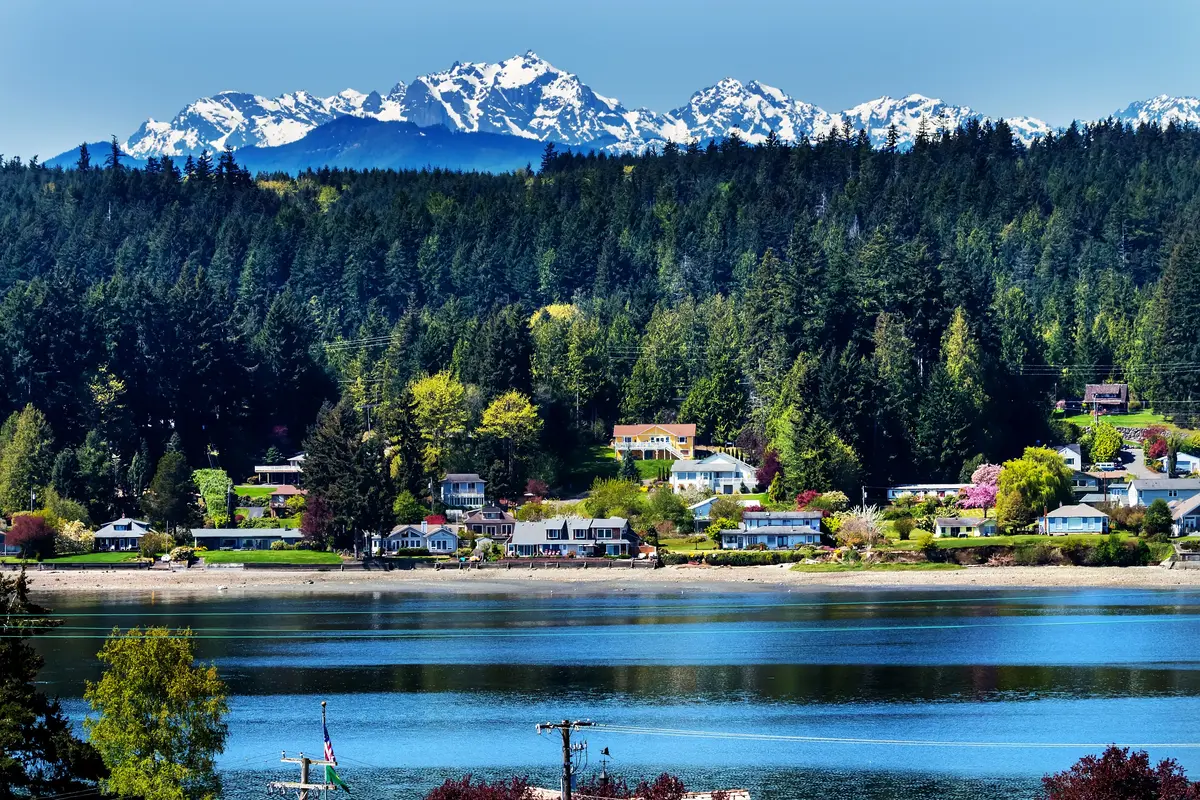
The Bainbridge Island Reality
The single most important thing to understand about buying on Bainbridge Island is that distance from the Winslow ferry terminal is not just a commute variable — it is a lifestyle variable. Winslow Way is the island's spine. Neighborhoods within a mile of the terminal walk to the ferry, to dinner, and to the farmers market. Neighborhoods on the south end near Fort Ward and Lynwood Center require a car for almost everything, and that car ride to the ferry eats into the Seattle commute in a way that compounds over years.
The second reality is that the island operates as a single school district, which means school boundaries are less of a buying driver here than on the mainland. Families aren't scrambling to land in one elementary feeder over another the way buyers do in Bellevue or Kirkland. What matters more is proximity to the specific parks, community anchors, and neighbors that match your lifestyle — Bay Hay & Feed in Rolling Bay draws a different crowd than the Wing Point Golf & Country Club peninsula.
The third reality is price compression. Because the island is finite and ferry-limited, there is no true entry-level neighborhood in the Seattle-suburb sense. Even Island Center — the most affordable inland option — sits well above regional norms. Buyers expecting a bargain pocket tucked away from the waterfront will be disappointed. The honest framing is this: you're buying access to a specific kind of island life, and every neighborhood prices that access differently.
Neighborhoods at a Glance
| Neighborhood | Best For | Price Range | Vibe |
|---|---|---|---|
| Winslow | Walkable Commuter | $950K–$1.6M | Pedestrian downtown; ferry-close; cafés and galleries on Winslow Way |
| Wing Point | Luxury Views | $1.6M–$3M+ | Gated peninsula; harbor and Seattle skyline views; golf course enclave |
| Eagle Harbor | Nature Views | $1.1M–$2.2M | Boater-friendly waterfront; mooring buoys; close to Winslow amenities |
| Rolling Bay | Families Quiet | $900K–$1.5M | Rural crossroads feel; community-anchored; Bay Hay & Feed crowd |
| Port Madison | Luxury Privacy | $1.3M–$2.5M+ | Historic Victorian and Craftsman homes; Puget Sound and Rainier views |
| Fort Ward | Nature Privacy | $850K–$1.4M | South-end seclusion; state park trails; Navy-bunker history |
| Island Center | Families Value | $800K–$1.2M | Largest neighborhood; farms and parks; Strawberry Hill skate park |
| Lynwood Center | Quiet First-Time | $850K–$1.35M | South-end village feel; Historic Lynwood Theatre; low foot traffic |
Best Neighborhood by Buyer Type
| Buyer Type | Best Neighborhood | Why |
|---|---|---|
| First-Time Buyer | Island Center | The island's most accessible price band combined with Strawberry Hill Park amenities makes it the closest thing to a starter foothold here. |
| Luxury Buyer | Wing Point | Sales typically running $1.6M–$3M+ and harbor-plus-skyline views from the island's only 18-hole golf course peninsula are unmatched. |
| Walkability Seeker | Winslow | Winslow Way delivers on-foot access to independent cafés, Bainbridge Brewing's Alehouse on Winslow Way E, and the ferry terminal itself. |
| Families with Kids | Rolling Bay | The northeast shore's community rhythm — anchored by Bay Hay & Feed and Rolling Bay Hall — suits parents who want rural atmosphere without giving up the highly rated school district. |
| Commuters | Winslow | Walking distance to the ferry terminal means no car dependency for the 35-minute Seattle crossing — the single biggest quality-of-life variable for daily riders. |
| Large-Lot Buyers | Port Madison | Acreage parcels with Victorian-era homes and sweeping water views are genuinely scarce on the island; Port Madison still has them. |
| Renters | Winslow | With only 19% of island households renting, Winslow concentrates what little multi-family and mixed-use rental stock exists in one walkable zone. |
Looking to buy in Bainbridge Island? Estimate your payment.
Enter your numbers to see an estimated monthly mortgage payment.
Estimate only. Excludes HOA fees and mortgage insurance. The interest rate above is a starting point, not a quoted rate — replace it with your own to see real numbers. Insurance is a flat placeholder, not a Bainbridge Island quote.
Most Popular Neighborhoods
Winslow
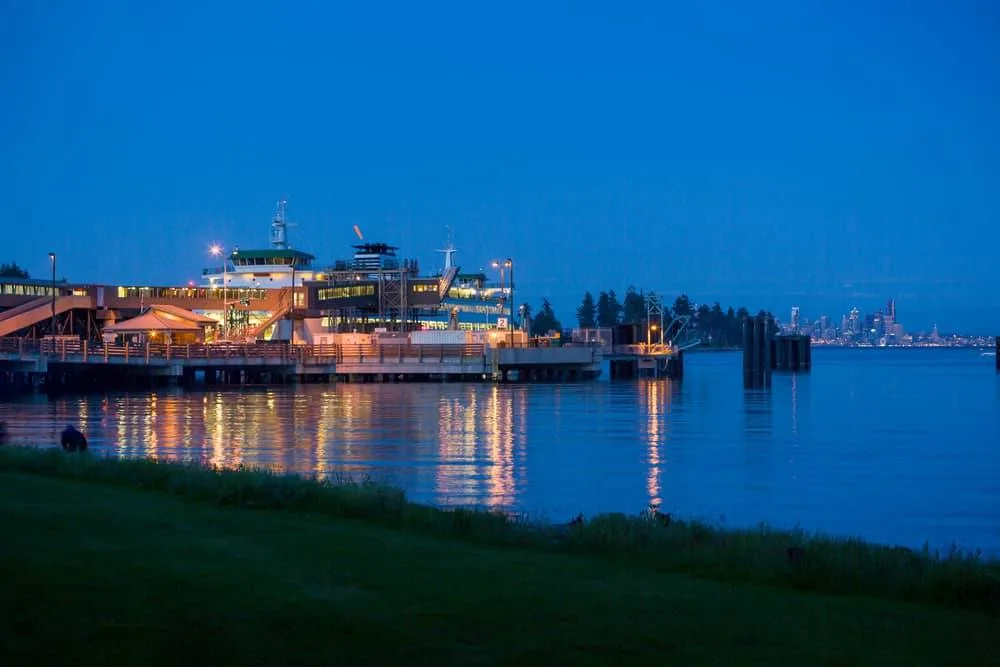
Winslow is where island life and ferry commuter life intersect most visibly. Winslow Way runs from the ferry terminal through a genuinely walkable block of independent shops, art galleries, and restaurants — including Proper Fish on Madison Ave N for fish and chips, and Harbour Public House on Parfitt Way SW for waterfront pints. The catch: the ferry terminal's parking lots and the foot-passenger crowd create weekend congestion that residents a mile inland never experience.
Best for: Daily ferry commuters, walkability seekers, and anyone who wants to step off the boat and be home in ten minutes.
Wing Point
Wing Point occupies a narrow peninsula where Eagle Harbor opens into Puget Sound, and homes there look simultaneously across the harbor, back toward the Seattle skyline, and down the fairways of Wing Point Golf & Country Club — the island's only 18-hole course. It is the island's most exclusive pocket, with sales typically running $1.6M–$3M+, and the enclave's gated feel means privacy is built in. The downside is that nearly everything — grocery runs, school pickup, the ferry — requires leaving the peninsula by car.
Best for: Luxury buyers, golfers, and households with flexible schedules who prioritize views and seclusion over convenience.
Eagle Harbor
Eagle Harbor sits in Winslow's immediate orbit but orients toward the water rather than the street. Waterfront properties frequently include private mooring buoys, and the protected harbor means boats are genuinely usable, not just decorative. Prices in the $1.1M–$2.2M range reflect that water-access premium, and buyers competing for true waterfront lots face a small and rarely turning inventory.
Best for: Boating households, water-view buyers, and people who want Winslow's amenities close but their address to face the harbor.
Rolling Bay
Rolling Bay, anchored by Bay Hay & Feed — a general store and café operating on this corner since 1912 — feels more like a rural crossroads than a suburb. The intersection of Sunrise Drive NE and NE Valley Road pulls together Rolling Bay Market, a pottery studio at Rolling Bay Hall, and a community of residents who came specifically for this low-key, agricultural atmosphere. Prices in the $900K–$1.5M range are more accessible than the waterfront neighborhoods, but the northeast shore location adds meaningful drive time to the Winslow ferry compared with living in town.
Best for: Families with kids who want acreage, community events, and a slower pace without leaving the island's school district.
Port Madison
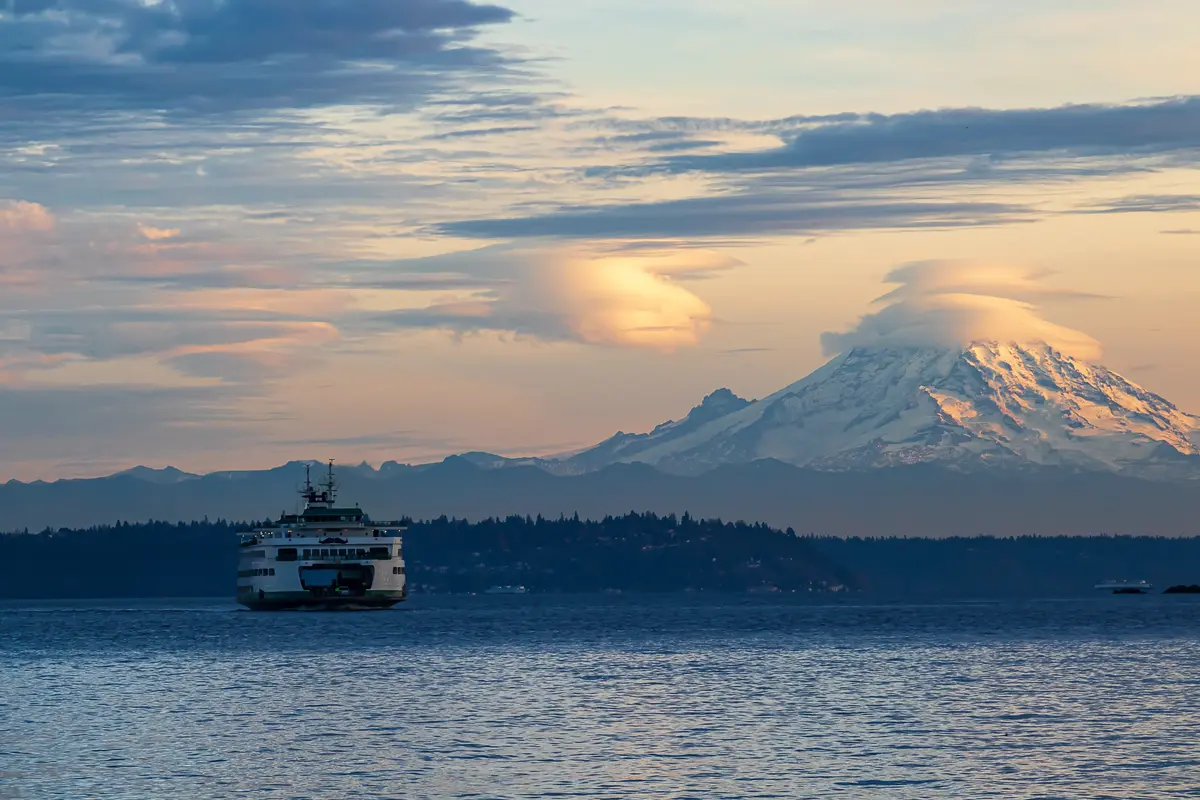
Port Madison sits on the island's northeastern tip, and its Victorian and Craftsman homes facing Puget Sound have a historical weight you don't find elsewhere on the island. Views of Mount Rainier and the Seattle skyline are real and unobstructed from the right parcels, and the Port Madison Yacht Club gives the neighborhood its social anchor. Prices in the $1.3M–$2.5M+ range reflect both the history and the views; the Agate Pass Bridge puts Poulsbo — for hardware stores, grocery runs, and a livelier restaurant scene — closer than Winslow for day-to-day errands.
Best for: Buyers who want historic character, water views, and the option to orient toward Kitsap rather than Seattle.
Fort Ward
Fort Ward is the island's southernmost established neighborhood, and it wears its history openly: the shoreline trail through Fort Ward State Park passes the concrete remnants of U.S. Navy gun batteries from the early 1900s. A community garden and the park's forested trails make this feel more like a Pacific Northwest nature preserve than a neighborhood, which is exactly what draws people here. The honest trade-off is that the south-end location adds roughly 15 minutes to the ferry commute — a gap that feels abstract until you're doing it daily in November rain.
Best for: Nature-focused households, remote workers, and buyers who genuinely don't need to be on the first morning ferry.
Island Center
Island Center is the island's largest neighborhood by land area, and most of that land is parks, recreational fields, and small private farms rather than dense housing. Strawberry Hill Park — with three playing fields, a skate park, a sand volleyball court, and a playground — is the social hub, and Island Center Hall has been hosting community events for over 90 years. Prices in the $800K–$1.2M range represent the island's most accessible entry point, though that figure remains well above the broader Kitsap County market.
Best for: Families with active kids, buyers seeking the island's most attainable price band, and households who don't commute daily to Seattle.
Lynwood Center
Lynwood Center sits where Point White Drive NE meets Pleasant Beach Drive NE on the south end — a genuine village-scale service center anchored by the Historic Lynwood Theatre, which opened in 1936 and still screens independent and foreign films. It's one of only three neighborhood hubs outside Winslow, which means it has just enough local amenity to feel like somewhere, but not enough to make a car-free life realistic. Homes in the $850K–$1.35M range attract buyers who want south-end quiet without fully giving up a community center.
Best for: Buyers who want a neighborhood identity and film-house culture over ferry proximity, and who work remotely or have flexible schedules.
Common Mistakes Buyers Make in Bainbridge Island
Treating the Island as Geographically Uniform
Buyers who look at a map and think "it's all Bainbridge" consistently underestimate how much the north-to-south drive matters on a daily basis. A Port Madison address and a Fort Ward address are separated by 20-plus minutes of winding two-lane roads — both on the same island, both served by the same ferry terminal, both with the same school district. A buyer who tours both areas back-to-back and picks the south end for price, then discovers they're driving 15 extra minutes each way every workday, will feel that decision by winter.
Assuming Winslow Way Is Everyone's Daily Life
The walkable downtown on Winslow Way — Bainbridge Brewing's Alehouse, independent cafés, the Bainbridge Island Museum of Art — is real, but it's only walkable if you live close enough to walk to it. Buyers who tour Winslow, fall for the streetscape, and then buy in Island Center or Rolling Bay to save money often discover they're driving to the same errands they were driving to before they moved. If the appeal of Winslow is the on-foot lifestyle, buy within genuine walking distance of the ferry terminal, not within driving distance of it.
Underestimating the Ferry as a Physical Commitment
The 35-minute crossing sounds romantic in July. In practice, missing the last ferry of the night — a real possibility after a Seattle dinner or a late meeting — means either waiting for the next sailing or making an hour-plus drive around the Sound through Tacoma. New residents from the mainland consistently underestimate how much the ferry schedule restructures social and work life, particularly in the November-through-February stretch when crossings get rough and delays stack up.
Overlooking the Rental Market's True Tightness
Buyers who put an offer on a home while still renting somewhere on the island sometimes discover mid-transaction that the island's rental stock is genuinely thin — 19% renter-occupancy means very few units turn over, and the affordable-housing development planned for 625 Winslow Way E is still in active planning as of mid-2026. Relocators planning to rent first and buy later should plan for a very short list of options and act quickly when something appears.
Best Areas to Rent in Bainbridge Island
| Area | Ideal For | Typical Rent Range | Trade-off |
|---|---|---|---|
| Winslow | Walkable Commuter | $2,200–$3,500/mo (1–2BR) | Tightest inventory on the island; units go quickly and rarely sit listed more than a few days |
| Eagle Harbor / Winslow Adjacent | Views Nature | $2,500–$4,000/mo | Water-view rentals carry a significant premium and are almost never available as long-term leases |
| Island Center | Families Value | $2,000–$3,000/mo | More likely to find single-family rentals with yard space, but requires a car for everything |
| Rolling Bay | Quiet Families | $2,000–$3,200/mo | Rural character is genuine; rental turnover here is among the lowest on the island |
| Lynwood Center / Fort Ward Area | Privacy Nature | $1,900–$2,800/mo | South-end pricing is relatively softer, but the commute penalty to the ferry is real and daily |
Bainbridge Island's rental market is not a fallback position — it is a competition. With only 19% of households renting, available units across all neighborhoods are absorbed faster than in virtually any comparable ferry-served community in the region.
The affordable-housing development proposed for 625 Winslow Way E may eventually add 90-plus units to the downtown rental pool, but that project remained in active planning through mid-2026 with a September 30, 2026 development plan deadline — so prospective renters shouldn't count on it as near-term relief.
Local Expert Takeaway: The neighborhoods on Bainbridge Island are less about prestige tiers and more about how you want to spend your non-work hours. Winslow is the only neighborhood where you can genuinely walk off the ferry and into daily life — Proper Fish on Madison Ave N, the Harbour Public House on Parfitt Way SW, and Bainbridge Brewing's Alehouse on Winslow Way E all within a short stroll. Rolling Bay and Island Center offer the island's closest approximation to rural family life, with Bay Hay & Feed and Strawberry Hill Park doing real community work. Wing Point and Port Madison are for buyers who want water views and space and have the flexibility to drive everywhere. Fort Ward and Lynwood Center suit remote workers who chose island life specifically for the trees and the quiet, not the commute.
Quick Takeaways & FAQs
✅ The Bainbridge Island School District holds an A rating, according to Niche, and that rating applies across all eight neighborhoods — school-boundary shopping isn't the buying variable here that it is on the Seattle mainland.
⚠️ Fort Ward and Lynwood Center sit roughly 15 minutes from the Winslow ferry terminal by car — a gap that feels manageable until you're doing it twice a day through a Pacific Northwest winter.
📍 Bay Hay & Feed in Rolling Bay has anchored that neighborhood's identity since 1912 — the general store, garden shop, and café are where you meet your neighbors on a Saturday morning.
What is the most walkable neighborhood on Bainbridge Island?
Which Bainbridge Island neighborhood is best for families?
What is the most affordable neighborhood on Bainbridge Island?
Is it hard to find a rental on Bainbridge Island?
How does neighborhood location affect the Seattle ferry commute?
Moving to Washington?
Tell us what you need help with and we'll connect you with local resources.
