
Maybe you've been told Auburn is just a working-class suburb between Seattle and Tacoma — a pass-through on SR-18 and Auburn Way, not a destination. That undersells it for retirees. Auburn sits in the White River Valley with a full-service hospital within city limits, more than 50 senior living communities, direct Sounder rail access to Seattle without getting on I-5, and a Zillow Home Value Index median of $577,641 (June 2026) that is noticeably lower than what you'd pay in Bellevue or Kirkland. The trade-off is real, too: downtown Auburn is still evolving, car dependence is high outside certain pockets, and proximity to distribution-center industrial corridors shapes the character of some neighborhoods. Knowing both sides upfront matters.
What draws retirees here most consistently is the combination of healthcare infrastructure and tax posture. MultiCare Auburn Medical Center — a full-service acute care hospital with cardiac rehabilitation, joint replacement, stroke, and memory wellness services — is not 20 minutes away in a larger city; it's here. Washington's zero state income tax means Social Security, pension distributions, and IRA withdrawals land in your pocket fully intact at the state level. That combination of in-city hospital access and income-tax-free retirement income is genuinely uncommon at Auburn's price point in the greater Seattle metro.
The South King County location also means the surrounding infrastructure is dense — major grocery chains, pharmacies, medical specialists, the Outlet Collection Seattle for practical shopping, and Green River College nearby for continuing education or community classes. For retirees who don't need the energy of Capitol Hill but still want to reach Pike Place Market or a Mariners game a few times a year, Auburn's Sounder station on E Main Street makes that a roughly 55-minute train ride instead of a stressful freeway run. Daily life on a fixed income here is anchored by trade-offs between convenience and cost that the sections below unpack.
Whether you're weighing a full retirement move or thinking through a downsizing decision, this guide covers Auburn's healthcare depth, retiree tax picture, daily budget, walkability and senior community life, right-sizing options, and how the city stacks up against nearby alternatives like Federal Way, Sumner, and Bonney Lake.
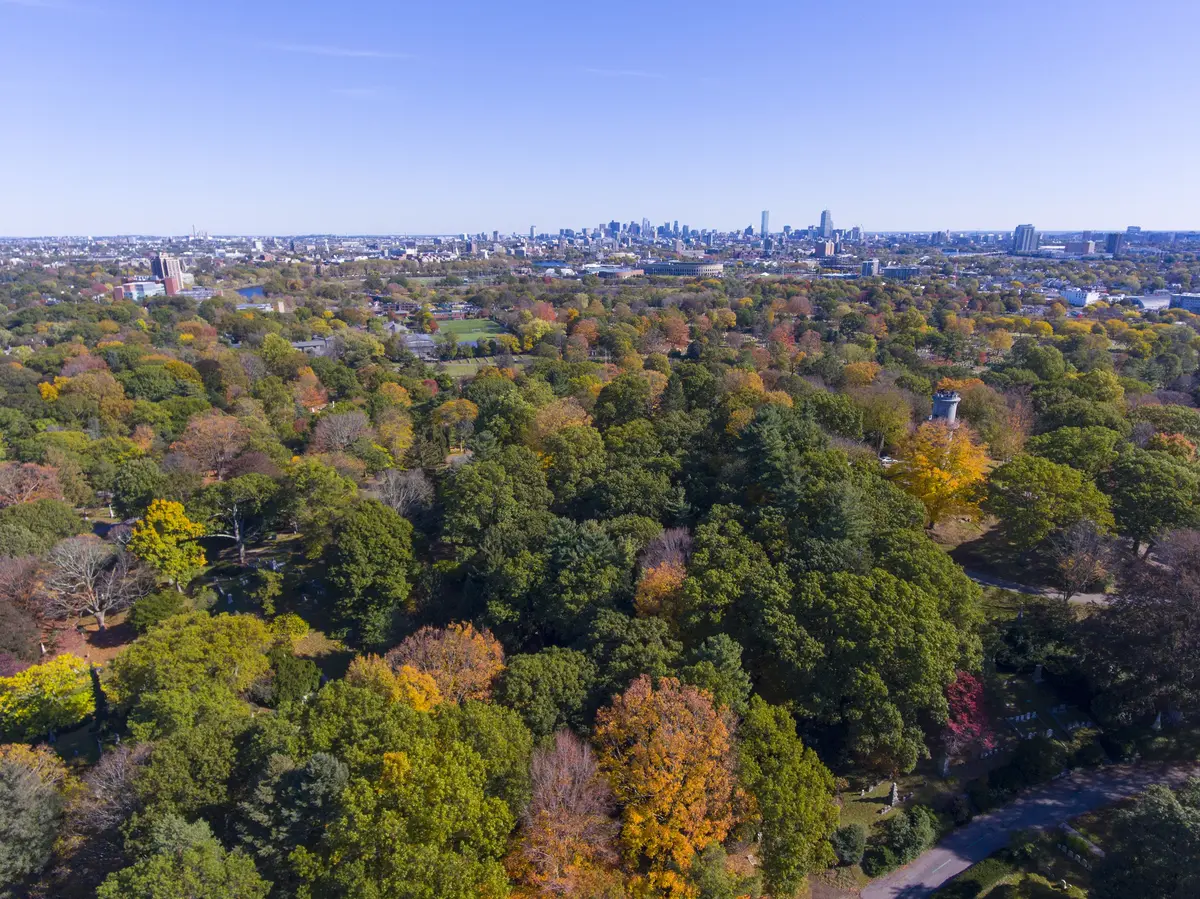
Why Retirees Are Choosing Auburn
Auburn fits a specific retiree profile well: someone who wants to stay in the greater Seattle orbit — close enough for family, for specialists, for culture — without paying Eastside prices, and who values having real medical infrastructure in the same city rather than a 25-minute drive away for every procedure.
The Zillow Home Value Index median for Auburn sits at $577,641 (June 2026), which is noticeably below comparable cities on the I-405 corridor. For a retiree selling a paid-off home in a higher-cost suburb, that gap can fund a meaningful amount of retirement security. Pair that with Washington's zero state income tax on retirement income, and the monthly math often works in Auburn's favor in ways that surprise people coming from income-taxing states. For more on how the full cost picture compares, see the Auburn cost-of-living page.
Auburn is a less natural fit for retirees who need to walk everywhere. Outside of a few pockets near downtown and Lakeland Hills, getting groceries, running errands, or meeting friends typically requires a car. It also won't satisfy someone looking for a high-walkability, boutique-downtown retirement scene — that's Sumner or parts of Federal Way's town center. And retirees who prize absolute quiet will want to look at Bonney Lake or rural Pierce County rather than Auburn's more industrial-adjacent corridors. But for retirees who want a practical, affordable base with genuine hospital access and a functioning city around them, Auburn earns its consideration.
Healthcare & Medical Access in Auburn
MultiCare Auburn Medical Center: What's Here
Having MultiCare Auburn Medical Center within city limits is one of Auburn's most concrete advantages for older residents. This is a full-service acute care hospital — not an urgent care clinic or a satellite imaging center — offering inpatient care, a 24-hour emergency department, surgical services, cardiac rehabilitation, joint replacement, stroke response, geropsychiatric services, memory wellness, and behavioral and emotional wellness programs.
The stroke program specifically matters for retirees evaluating healthcare depth. MultiCare Auburn Medical Center holds state-designated Level 2 Stroke Center status and DNV Certified Primary Stroke Center status, and received the American Heart Association's 2026 Get With The Guidelines® Gold Plus award for stroke care. For a community hospital, that's a meaningful level of certification — it means a qualified stroke response is happening in Auburn, not after a transfer.
Specialists and the Realistic Limits
For complex cancer treatment, major cardiac surgery, organ transplant, or Level 1 trauma, Auburn residents drive to larger MultiCare facilities in Tacoma or to University of Washington Medical Center and Swedish Medical Center in Seattle — roughly 35 to 45 minutes on a typical day, longer in peak traffic. That gap is real and worth knowing before you buy. Most retirees in good health will find MultiCare Auburn covers their regular needs comfortably; those managing serious multi-system conditions may want to be closer to a large academic medical center.
The surrounding South King County area is well-served for outpatient specialist care — cardiology, orthopedics, oncology, and geriatrics practices cluster near the hospital corridor along Auburn Way. Primary care access in Auburn is generally solid, though like much of Washington state, new-patient appointment waits can run several weeks for high-demand specialties.
Memory Care and Long-Term Planning
Auburn's concentration of more than 50 senior living communities — including memory care, assisted living, and adult family homes — means families planning for long-term care needs will find more options here than in smaller surrounding towns. That depth reflects both the size of Auburn's senior population and decades of investment in this segment of the local housing market.

The Retiree Budget in Auburn
Washington's Zero Income Tax: The Real Number
Washington has no state income tax. That means Social Security benefits, pension payments, traditional IRA distributions, and 401(k) withdrawals are all fully exempt from state-level taxation. For a retiree drawing $60,000 to $80,000 a year from a mix of those sources, the savings compared to states like Oregon (which taxes retirement income at up to 9.9%) can be substantial — and it's one of the primary reasons Washington attracts retirees from across the Pacific Northwest and California.
There is one carve-out worth knowing: Washington taxes 7% on long-term capital gains above a $278,000 standard deduction for 2025, rising to 9.9% on gains above $1,000,000. Gains inside IRAs and 401(k)s are not subject to it, and home-sale gains are explicitly excluded. The large majority of retirees drawing on retirement accounts and Social Security will never trigger it — but if you have a large taxable brokerage account and plan to rebalance significantly after moving, confirm the current threshold at dor.wa.gov before you act.
Property Taxes and Senior Relief
Auburn's effective property tax rate is approximately 0.83%, which is below the Washington state average. Washington also offers a senior property tax exemption and deferral program for qualifying older homeowners — depending on income, it can freeze the assessed value used to calculate your bill or reduce it outright. Income thresholds and program tiers are adjusted periodically, so verify the current limits directly with King County or at dor.wa.gov.
The Sales Tax Reality
The catch in Washington's retiree-friendly tax structure is sales tax. Auburn's combined rate is approximately 10.3% — meaning everyday spending, from groceries to home repairs to a new appliance, carries a meaningful surcharge. This is the primary tax burden for Washington retirees, replacing what income-taxing states collect on the front end. On a fixed income, it rewards being deliberate about larger discretionary purchases.
Day-to-day costs in Auburn run lower than the Eastside Seattle suburbs. Lower commercial real estate overhead translates into more affordable independent restaurants and service businesses compared to Bellevue or Redmond. A round at Auburn Golf Course, a meal at one of the downtown diner spots, or an afternoon at one of the city's independent cafés all carry price tags that match a city still positioned below its neighbors.
Looking to buy in Auburn? Estimate your payment.
Enter your numbers to see an estimated monthly mortgage payment.
Estimate only. Excludes HOA fees and mortgage insurance. The interest rate above is a starting point, not a quoted rate — replace it with your own to see real numbers. Insurance is a flat placeholder, not a Auburn quote.
Walkability, Community & Staying Active in Auburn
The Honest Walkability Picture
Auburn is not a walkable city in the way Sumner's small-town main street is, or the way a dense urban neighborhood near a Seattle light-rail station is. Most of the city is laid out around arterial roads — Auburn Way North, Auburn Way South, SE 312th Street — that favor cars. Running errands entirely on foot is realistic only in a few concentrated areas: immediate downtown Auburn, and parts of Lakeland Hills where the development pattern is tighter.
The terrain varies significantly. Lea Hill and West Hill live up to their names — if you're buying there and mobility is a consideration, the grades matter. Lakeland Hills and parts of South Auburn tend toward flatter, more navigable terrain for daily walking. This is one of the details that rewards a physical visit before you commit to a specific area.
The Auburn Senior Activity Center
The Auburn Senior Activity Center at 808 9th St. SE is the city-operated hub for older residents — fitness classes, social programming, community events, and volunteer coordination. It's an active, established center, not a token amenity, and it functions as a genuine gathering point for the over-60 population. For retirees moving from a community where the senior center was the center of their social week, Auburn's version will feel familiar and functional.
Beyond the center, Auburn's parks system — detailed on the parks and recreation page — includes the Interurban Trail corridor, which provides flat, paved multi-use path access without navigating arterial traffic. For retirees who walk or cycle for fitness, that trail is the most practical daily-use asset.
Culture, Entertainment, and Getting to Seattle
Emerald Downs Racetrack brings a summer social scene that many longtime Auburn retirees genuinely love — Thursday evening races in particular draw regulars who treat it as a standing date. The White River Valley Museum anchors local cultural programming and hosts events tied to the region's history that attract a noticeably older audience. White River Amphitheatre brings national acts within five minutes of Auburn's eastern edge, which matters to retirees who still want live music without driving to Seattle.
For city access, Auburn's Sounder station on E Main Street connects directly to Seattle's King Street Station. The ride takes roughly 55 minutes and avoids I-5 entirely — a real advantage on days when you want to reach a specialist clinic, catch a waterfront concert, or simply spend an afternoon in the city without the stress of parking.
Right-Sizing: Downsizing in Auburn
What the Market Offers
Auburn's senior living inventory is one of the densest in South King County. More than 50 communities span the full care continuum: independent living, assisted living, memory care, continuing care retirement communities (CCRCs), and adult family homes. That concentration is not an accident — Auburn has been building for this population for decades, and the density means more choice and more competitive pricing than you'd find in a smaller surrounding town.
Merrill Gardens at Auburn, located in downtown Auburn, is one of the most recognized independent and memory care communities in the city — it received the 2026 Sensight Resident Satisfaction Award and has accumulated multiple Reputation 800 Awards across prior years. For families evaluating memory care specifically, that track record is worth weighting.
Single-Level and Patio Homes
For retirees who want to own rather than move into a managed community, Auburn's market includes single-level ranch homes and patio homes — particularly in Lakeland Hills, where the newer development patterns include attached and detached single-story construction. Inventory at this end of the market moves relatively quickly because demand from downsizing buyers competes with other buyers on the same product. Coming to the search with a clear sense of which areas have the terrain and access you need will matter more than almost anything else.
Condo inventory in downtown Auburn is limited but growing as redevelopment continues along Auburn Way and near the transit hub. These units attract retirees specifically for the walkability to the Sounder station and the lower maintenance burden — but buyers should evaluate HOA financial health carefully, as some downtown Auburn associations are newer and still building reserves.
What to Watch For
The honest downside of downsizing in Auburn is that single-level, low-maintenance inventory in the most accessible locations doesn't sit long. Retirees moving from out of the area sometimes underestimate how competitive the South King County market remains even for modest product. Coming in with flexibility on closing timeline — and willingness to look in Lakeland Hills if downtown inventory is thin — meaningfully broadens what you can find at a given budget.
Auburn vs Nearby Retirement Destinations
| City | Cost vs Auburn | Primary Hospital | Walkability | Senior Living Depth | Overall Retirement Fit |
|---|---|---|---|---|---|
| Auburn | Anchor | MultiCare Auburn Medical Center — full acute care, Level 2 Stroke Center, in-city | Car-dependent; Interurban Trail for fitness; downtown walkable pocket | 50+ communities; CCRCs, memory care, adult family homes | Value Quiet Strong for healthcare-focused retirees |
| Federal Way | About the same | St. Francis Hospital (CHI Franciscan) — full service, in-city | Car-dependent; some walkable retail clusters | Solid; slightly fewer options than Auburn | Value Comparable overall; slightly less senior community depth |
| Sumner | Noticeably cheaper entry points; tighter inventory | No in-city hospital; nearest is MultiCare Good Samaritan in Puyallup (~10 min) | Best walkability of the group; small-town main street is genuinely on-foot accessible | Limited; smaller city means fewer managed communities | Walkable Quiet Best for retirees who prioritize a walkable, small-town feel over healthcare depth |
| Bonney Lake | Noticeably cheaper | No in-city hospital; nearest options in Puyallup or Auburn | Low; suburban and hilly; car essential | Thin; limited managed senior communities | Nature Privacy Best for active, independent retirees who want lake access and quiet at lower cost |
| Kent | About the same | No in-city full-service hospital; proximity to Auburn and Renton options | Moderate; some walkable corridors but car-dominant overall | Good; large city with meaningful senior housing stock | Commuter Practical for retirees with family connections to the area; less distinctive retirement identity |
| Pacific | Noticeably cheaper | No in-city hospital; relies on Auburn (adjacent) for acute care | Very low; small, car-dependent | Very limited | Value Best only as a cost play — retirees accept trade-offs on nearly every other dimension |
Sumner is the clearest alternative for retirees who rank walkability above hospital proximity — its small downtown is genuinely strollable in a way Auburn's isn't, and the drive to MultiCare Good Samaritan in Puyallup is manageable. Bonney Lake wins on scenery and price, but retirees with active health management needs will feel the absence of an in-city hospital.
Federal Way is Auburn's closest apples-to-apples comparison — similar size, similar car dependence, comparable cost, and its own full-service hospital. The choice between them often comes down to which side of the SR-18 corridor your family and established doctors are on. Pacific is worth considering only if price is the overriding constraint; the trade-offs in services and community depth are significant. For retirees who want the best combination of healthcare infrastructure, tax environment, and senior living options in the south King County market, Auburn's overall package is difficult to beat at its price point.

Local Expert Takeaway: Auburn's retirement case rests on three things sitting in the same city: MultiCare Auburn Medical Center's stroke and joint-replacement capabilities, more than 50 senior living communities including award-recognized Merrill Gardens at Auburn downtown, and a tax structure where your Social Security and IRA withdrawals aren't touched at the state level. The honest friction is car dependence — outside of the downtown pocket near the Sounder station and the Interurban Trail corridor, you will need a vehicle for most daily errands. Retirees who visit the Auburn Senior Activity Center at 808 9th St. SE within the first month almost universally say it made them feel connected faster than they expected. That's the local detail no spreadsheet captures.
Quick Takeaways & FAQs
✅ Washington's zero state income tax means Social Security, pensions, and IRA withdrawals are fully exempt from state taxation — a significant edge for retirees on fixed income.
⚠️ Auburn is car-dependent outside a few walkable pockets; retirees who plan to age in place without driving should test their specific neighborhood's terrain and transit access before committing.
📍 Merrill Gardens at Auburn in downtown Auburn is a nationally recognized independent and memory care community — and it's one of more than 50 senior living options within city limits, one of the densest concentrations in South King County.
Is Auburn, WA a good place to retire?
Does Washington State tax Social Security or retirement income?
What hospital serves retirees in Auburn, WA?
Are there 55+ or active adult communities in Auburn, WA?
How does Auburn compare to Federal Way or Sumner for retirement?
Moving to Washington?
Tell us what you need help with and we'll connect you with local resources.
