
Maybe you've been priced out of Renton or Kent and someone mentioned Auburn. Maybe you drove south on SR-167 and saw the Emerald Downs grandstands and wondered what the neighborhoods behind them actually look like. Either way, you've probably noticed that Auburn doesn't present itself all at once — the city sprawls across two counties, King and Pierce, and it climbs from a flat valley floor up onto hillside plateaus that feel like entirely different places. The divide between valley neighborhoods and the elevated west and east sides is real, and it shapes everything from your commute to your school assignment to how much you'll pay.
Auburn's economic backbone runs deeper than most newcomers expect. The Boeing Company has anchored manufacturing employment in the region for generations, and the Muckleshoot Casino Resort is among the largest private employers in the south King County corridor. Auburn Station's Sounder commuter rail puts Seattle's downtown roughly 35 minutes away without touching I-5, which changes the calculus for households with one partner working in the city. The Auburn School District serves the whole city, but school assignments shift with every street, and chasing square footage across a boundary line is one of the most common mistakes buyers make here. See the full school picture on the schools page.
The city-wide Zillow Home Value Index came in at $577,641 as of June 2026 — noticeably below what comparable square footage fetches in Renton or Federal Way's western edge, and well below anything near Bellevue. That spread is what drives the migration pattern: families who want a real yard and newer construction without a seven-figure price tag tend to land in Lakeland Hills or Lea Hill, while buyers who want walkability and don't mind older stock gravitate toward Downtown Auburn. The full cost-of-living breakdown lives here. Les Gove Park's weekly farmers market, the White River Amphitheatre concert season, and quick trail access from Lea Hill and West Hill round out daily life in a way that surprises people who expected a purely industrial suburb.
Whether you're narrowing down a shortlist or just starting to map the city, the sections below break down Auburn's eight neighborhoods by price, character, buyer type, and honest trade-offs — plus where renters tend to land and the mistakes to avoid before you make an offer.
The Auburn Reality
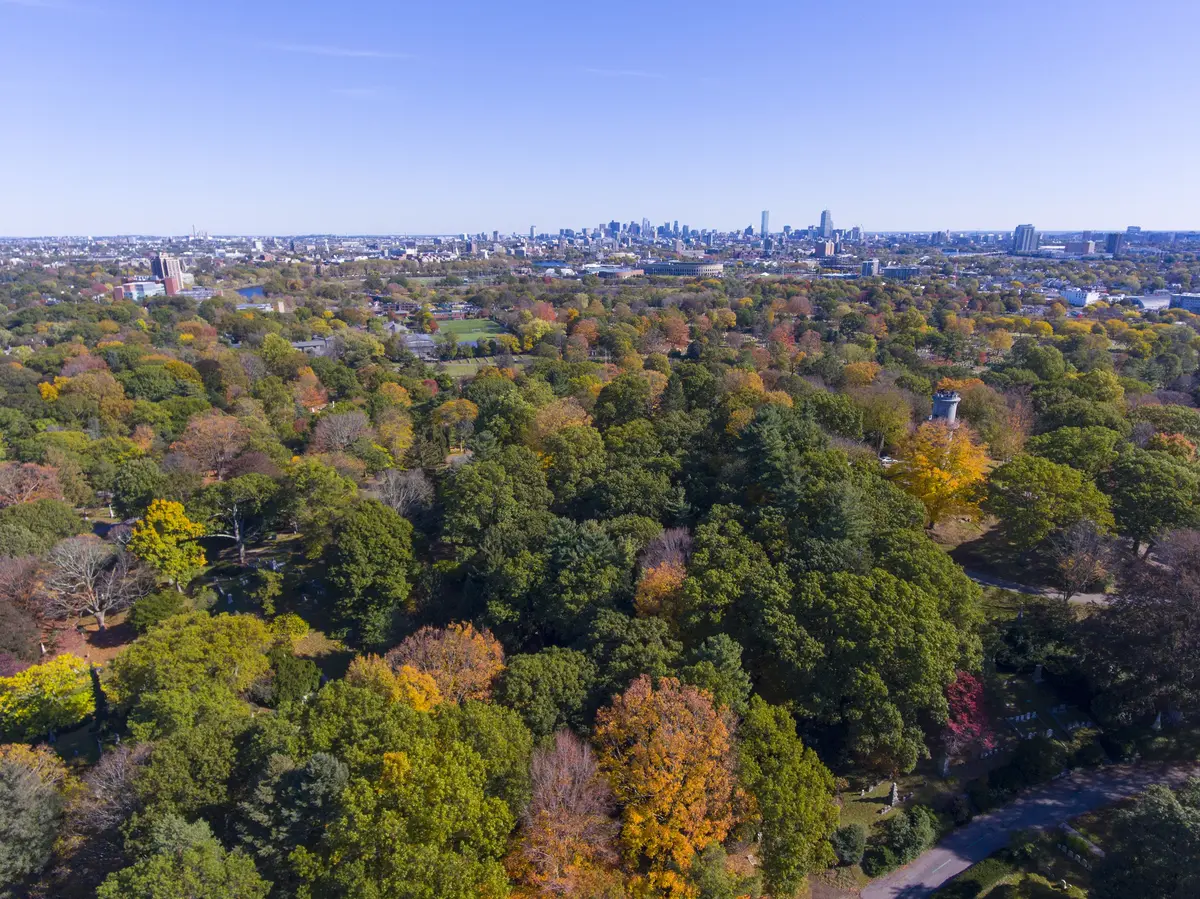
The single most important thing to understand about Auburn is its elevation split. The valley floor — where Downtown Auburn, North Auburn, and South Auburn sit — runs along the White River corridor and SR-167. It's flatter, denser, and more commercial. The hillside neighborhoods — West Hill, Lea Hill, Jovita, and Lakeland Hills — sit 200 to 400 feet above that floor and feel genuinely suburban: quieter streets, larger lots, newer construction, and a different relationship with traffic.
That elevation divide maps almost directly onto price. Valley-floor homes come in noticeably lower, which draws first-time buyers and renters, but daily errands often run through high-traffic corridors on Auburn Way North and Auburn Way South. Hillside buyers pay a premium for separation from that activity, and in Lakeland Hills and West Hill especially, they get it. The catch is that hillside access routes — particularly the Lea Hill Road climb and the West Valley Highway approaches — add minutes and concentration-of-effort to any errand or commute.
The second reality is the county line. Auburn straddles King and Pierce counties, and while loan program access is identical across both (both counties share the same 2026 high-balance loan limits), your property tax bill, your jurisdiction for unincorporated parcels, and occasionally your school assignment can differ depending on which side of that line your house sits on. Buyers shopping Jovita and the southernmost parts of Lakeland Hills should confirm county of record before assuming anything about services or boundaries.
Neighborhoods at a Glance
| Neighborhood | Best For | Price Range | Vibe |
|---|---|---|---|
| Downtown Auburn | Walkable First-Time | $380K–$480,000 | Urban-lite, transit-connected, mixed housing |
| North Auburn | Commuter First-Time | $480,000–$560,000 | Competitive, close-in, established streets |
| South Auburn | Value Renter | $380K–$470K | Affordable, high-traffic corridor, mixed uses |
| East Auburn | Value Families | $440K–$540K | Transitional, industrial-adjacent, improving |
| Lea Hill | Families School | $550K–$680K | Tree-lined, newer construction, college-town edge |
| Lakeland Hills | Families Luxury | $620K–$850K+ | Master-planned, trail-rich, new-construction feel |
| West Hill | Luxury Quiet | $600K–$750K | High-income, owner-occupied, park-adjacent |
| Jovita | Privacy Views | $520K–$680K | Hillside, professional households, greenbelt edges |

Best Neighborhood by Buyer Type
| Buyer Type | Best Neighborhood | Why |
|---|---|---|
| First-Time Buyer | Downtown Auburn | Entry-level prices around $428K median and Auburn Station access make this the lowest-friction entry point in the city. |
| Luxury Buyer | Lakeland Hills | Edgeview sub-neighborhood median of $681,475 and new construction topping $850K offer Auburn's strongest luxury product. |
| Walkability Seeker | Downtown Auburn | Les Gove Park, the farmers market, the White River Valley Museum, and Auburn Station are all within walking distance. |
| Families with Kids | Lea Hill | Newer homes built 2000 and later, four public parks, a skate park, and proximity to Green River College create an anchored, quiet suburban setting. |
| Commuters | North Auburn | The shortest drive to Auburn Station and direct SR-167 access make it the best launchpad for daily Seattle or Bellevue runs. |
| Large-Lot Buyers | Jovita | Hillside parcels with greenbelt edges give the separation that valley-floor neighborhoods simply can't match at any price. |
| Renters | Downtown Auburn | The densest mix of apartments and townhouses in the city, with transit at the door and the lowest rents relative to square footage. |
Looking to buy in Auburn? Estimate your payment.
Enter your numbers to see an estimated monthly mortgage payment.
Estimate only. Excludes HOA fees and mortgage insurance. The interest rate above is a starting point, not a quoted rate — replace it with your own to see real numbers. Insurance is a flat placeholder, not a Auburn quote.
Most Popular Neighborhoods
1. Downtown Auburn
Downtown Auburn is where the city's urban ambitions and its small-town history collide on the same block. The White River Valley Museum and Les Gove Park sit alongside newer apartment buildings and townhouses, and Auburn Station puts a Sounder train to Seattle within walking distance of most addresses. The honest trade-off: street noise along Auburn Way and proximity to commercial activity mean this is not a quiet neighborhood — light sleepers and buyers expecting suburban calm regularly change their minds after a few weekday evenings here.
Best for: First-time buyers, transit commuters, walkability seekers. Price range: $380K–$480,000.
2. North Auburn
North Auburn sits just above the valley floor, close enough to Auburn Station to be practical for commuters but far enough from the Auburn Way corridor to feel residential. Redfin's Compete Score of 83 out of 100 tells the story: homes here move fast, with a median of $520K over the three months ending June 2026, up 2.7% year-over-year. What buyers don't always factor in is that the neighborhood's popularity means you'll rarely find a deal — multiple-offer situations are common even when the broader market softens.
Best for: Commuters, move-up buyers from Downtown, households prioritizing quick Seattle access. Price range: $480,000–$560,000.
3. South Auburn
South Auburn runs along Auburn Way South toward the Pierce County line, and the corridor's commercial density — auto shops, fast food, and light industrial — sets the tone. Prices hold noticeably below the city median, which draws buyers who prioritize square footage and are willing to live near traffic. The trade-off is real: this is Auburn's busiest corridor, and buyers who underestimate the daily noise and visual clutter of Auburn Way South often regret not paying up for a side street deeper into the neighborhood before they close.
Best for: Value-focused buyers, renters, households comfortable with an urban-commercial setting. Price range: $380K–$470K.
4. East Auburn
East Auburn is the city's most transitional pocket — a mix of established single-family streets and light industrial parcels that creates an uneven character depending on which block you're on. Prices sit in the mid-range for Auburn, attracting families who want more space than Downtown offers but aren't ready for the premium of Lea Hill or Lakeland Hills. The honest caveat: industrial adjacency can mean truck traffic and limited walkability on certain streets, so visiting on a weekday morning before making an offer matters more here than anywhere else in the city.
Best for: Families seeking value, buyers comfortable with a mixed-use setting. Price range: $440K–$540K.
5. Lea Hill
Lea Hill is the neighborhood that surprises people who expect Auburn to be flat and industrial. Three miles from downtown and elevated above the valley, it's a tree-lined plateau of mostly post-2000 construction, anchored by Green River College's main campus and four public parks including a skate park. The appeal for families with school-age children is real: newer homes, quiet streets, and a suburban scale that feels more like Covington than a city of 85,000. The downside is the commute — Lea Hill Road is a single primary climb, and it concentrates traffic at exactly the hours you don't want it to.
Best for: Families with school-age children, buyers wanting newer construction at a sub-Lakeland price. Price range: $550K–$680K.
6. Lakeland Hills
Lakeland Hills is the closest thing Auburn has to a purpose-built suburb. The master-planned community launched in 1994 and has been adding trails, parks, and a town center ever since, with Hwy 18, Hwy 167, and I-5 all within practical reach. The Edgeview sub-neighborhood recorded a median sale price of $681,475 for single-family homes over the six months ending July 2026, and new construction regularly tops $850K — numbers that would read as high for Auburn but as reasonable for what you get: larger footprints, coordinated streetscapes, and a community that functions as advertised. The one thing Lakeland Hills doesn't offer is grit or spontaneity — if you want a neighborhood that feels lived-in and layered, this isn't it.
Best for: Families, luxury buyers, buyers who want new construction and planned amenities. Price range: $620K–$850K+.
7. West Hill
West Hill sits on Auburn's western plateau and consistently records household incomes higher than 92.3% of all U.S. neighborhoods, according to NeighborhoodScout — a figure that reflects both who lives here and what it costs to do so. The housing stock runs mostly to 3–5 bedroom owner-occupied single-family homes, and Jornada Park and Lewis Lake Nature Park give the area a green, park-adjacent feel that's rare this close to a working city. Buyers should know that West Hill's elevation and limited arterial connections mean any errand that requires Auburn Way runs through a descent that adds time back in.
Best for: High-income buyers, families wanting space and quiet, park-adjacent lifestyle. Price range: $600K–$750K.
8. Jovita
Jovita is a hillside neighborhood where 42% of working residents hold executive, management, or professional roles — and the housing stock reflects that: a mix of mid-century originals and newer builds on sloped lots edged by greenbelts, with city views on the right parcels. It's genuinely quiet, and the separation from Auburn's commercial corridors is the whole point. The trade-off is that Jovita is car-dependent in a way that even Lea Hill isn't — there's no meaningful on-foot access to services, and households with one car or transit-dependent members will feel the isolation quickly.
Best for: Privacy-focused buyers, professionals wanting views and greenbelt edges, two-car households. Price range: $520K–$680K.
Common Mistakes Buyers Make in Auburn
Treating Auburn Way as a Line You Won't Notice
Auburn Way North and Auburn Way South are the city's main commercial spines — and homes within a block or two of either corridor come with noise, light, and traffic that doesn't stop when you want it to. Buyers who tour homes on weekend afternoons consistently underestimate what the corridor sounds and feels like on a Tuesday at 7 a.m. or a Friday at 6 p.m. If your shortlist includes anything fronting or immediately adjacent to Auburn Way in any direction, drive by on a weekday before you submit an offer.
Assuming the School District Is Uniform
The Auburn School District serves the entire city, but which school your kids attend depends on a specific address — and boundaries shift. A home on one side of a street in Lea Hill can feed a different elementary than the house across from it. Buyers chasing square footage in East Auburn or South Auburn sometimes discover post-close that their address doesn't feed the school they planned on. Confirm the boundary on the district's website using your exact street address, not the neighborhood name. The schools page has the full breakdown.
Underestimating the Lea Hill Road Bottleneck
Lea Hill is genuinely attractive — newer homes, trees, Green River College nearby — but the primary access route, Lea Hill Road SE, is the main climb for a large residential plateau. There's no practical bypass. Buyers who tour Lea Hill on a Saturday and fall in love with the quiet streets routinely call their agent six months in wondering why nobody mentioned that the road into and out of the neighborhood turns into a single-file crawl every weekday morning.
Confusing County of Record with City Services
Because Auburn spans both King and Pierce counties, buyers in Jovita or southern Lakeland Hills sometimes assume their address comes with the same jurisdiction and services as a King County Auburn address. Property tax rates, unincorporated parcel rules, and occasionally utility providers differ by county. This is a paperwork-level detail that surprises buyers at closing when it didn't have to — ask your title company which county the parcel sits in at the start of due diligence, not at the end.
Best Areas to Rent in Auburn
| Area | Ideal For | Typical Rent Range | Trade-off |
|---|---|---|---|
| Downtown Auburn | Transit commuters, young adults, singles | $1,400–$1,900/mo (studio–1BR); $1,800–$2,400/mo (2BR) | Street noise; proximity to Auburn Way; limited parking in newer buildings |
| North Auburn | Commuters, small families, remote workers | $1,900–$2,500/mo (2BR) | Competitive market — units move quickly and rarely sit more than a week |
| South Auburn | Budget-conscious renters, single-car households | $1,500–$2,100/mo (2BR) | High-traffic corridor; commercial mix limits residential feel |
| Lea Hill | Families with kids, longer-term renters | $2,100–$2,700/mo (3BR) | Fewer dedicated rental units; Lea Hill Road access adds commute friction |
| Lakeland Hills | Families wanting new-construction amenities | $2,300–$3,000/mo (3BR) | Highest rents in Auburn; limited availability; entirely car-dependent |
Auburn's rental market moves faster than most renters from outside the Seattle metro expect — particularly in North Auburn and Downtown, where available units routinely go to pending within days of listing. If you're relocating and need time to evaluate neighborhoods before buying, Downtown Auburn is the lowest-commitment entry point: the density of apartment and townhouse stock is highest there, and Auburn Station gives you commute flexibility while you figure out which hillside neighborhood is actually the right fit for your household.

Local Expert Takeaway: The buyers who make the sharpest decisions in Auburn are the ones who visit twice — once on a weekend to see the neighborhood's best version of itself, and once on a Tuesday morning to see the traffic, the noise, and the school-run congestion on Lea Hill Road or Auburn Way. The city's best value is real, especially compared to anything north of Kent, but it's concentrated in specific pockets: Downtown for transit-dependent households, Lea Hill for families who want newer construction without paying Lakeland Hills prices, and West Hill for high-income buyers who want the income-level quiet of a hill neighborhood without the master-planned feel. Don't assume the Auburn School District assignment is the same across a whole neighborhood — check the exact address on the district site before you're emotionally attached to a house.
Quick Takeaways & FAQs
✅ Auburn Station's Sounder service puts Seattle roughly 35 minutes away without touching I-5 — a genuine advantage for Downtown and North Auburn buyers that most south King County cities can't match.
⚠️ The Lea Hill Road climb is the single most underestimated daily friction point in Auburn — tour that neighborhood on a weekday morning before you fall in love with it on a Saturday.
📍 Auburn spans both King and Pierce counties, and buyers in Jovita or southern Lakeland Hills should confirm which county their parcel sits in before closing — jurisdiction, services, and tax administration differ.
What is the most affordable neighborhood in Auburn, WA?
Which Auburn neighborhood is best for families with kids?
Does it matter that Auburn is in both King County and Pierce County?
Is Lakeland Hills actually worth the premium over other Auburn neighborhoods?
Can I commute from Auburn to Seattle without a car?
Moving to Washington?
Tell us what you need help with and we'll connect you with local resources.
