
Most people who research Tukwila find the same surface story: proximity to Sea-Tac, a freeway interchange at every corner, and a city-wide median well below Seattle's. What they don't find until after they've made an offer is how dramatically different the eight neighborhoods feel from one another — not just in price, but in noise, culture, walkability, and what your commute looks like on a Tuesday morning. A home in Tukwila Hill and a home in Allentown can sit three miles apart and feel like different cities. Tukwila itself straddles I-5 and SR-99, sits at the junction of I-405 and WA-518, and is shaped at every edge by those corridors in ways a zip code search won't reveal.
The city's cultural depth is one of the genuinely underappreciated things about it. East African, Southeast Asian, and Latin American communities have built a real presence along SR-99 and the Duwamish River corridor, making the commercial strips around Tukwila International Boulevard among the most globally diverse in King County. Westfield Southcenter anchors the retail economy, and the area's position at the intersection of multiple major highways keeps it deeply connected to the broader metro. The Tukwila School District serves the city, and school quality varies enough by area that the boundary your home falls in matters — see the full schools breakdown before you commit to a neighborhood.
On price, the city-wide typical home value sits at $536,522 (Zillow Home Value Index, June 2026) — noticeably below Seattle and most of the Eastside, though cost of living overall runs roughly 30% above the national average. That gap between the headline price and the real daily cost surprises people who move here from outside the region. The upside: you get genuine Seattle-metro access — light rail, I-5 on-ramps, a 20-minute drive to downtown — at a price point that most Seattle neighborhoods haven't seen in a decade. Fort Dent Park and the Starfire Sports Complex give families and outdoor-minded buyers real green space anchors, and the Green River Trail connects multiple neighborhoods to nearly 19 miles of off-road path.
Whether you're weighing your first purchase in the metro or relocating from across the country, the sections below break down Tukwila's eight neighborhoods by price, character, and buyer type — plus the mistakes buyers consistently make before they understand how this city actually works.
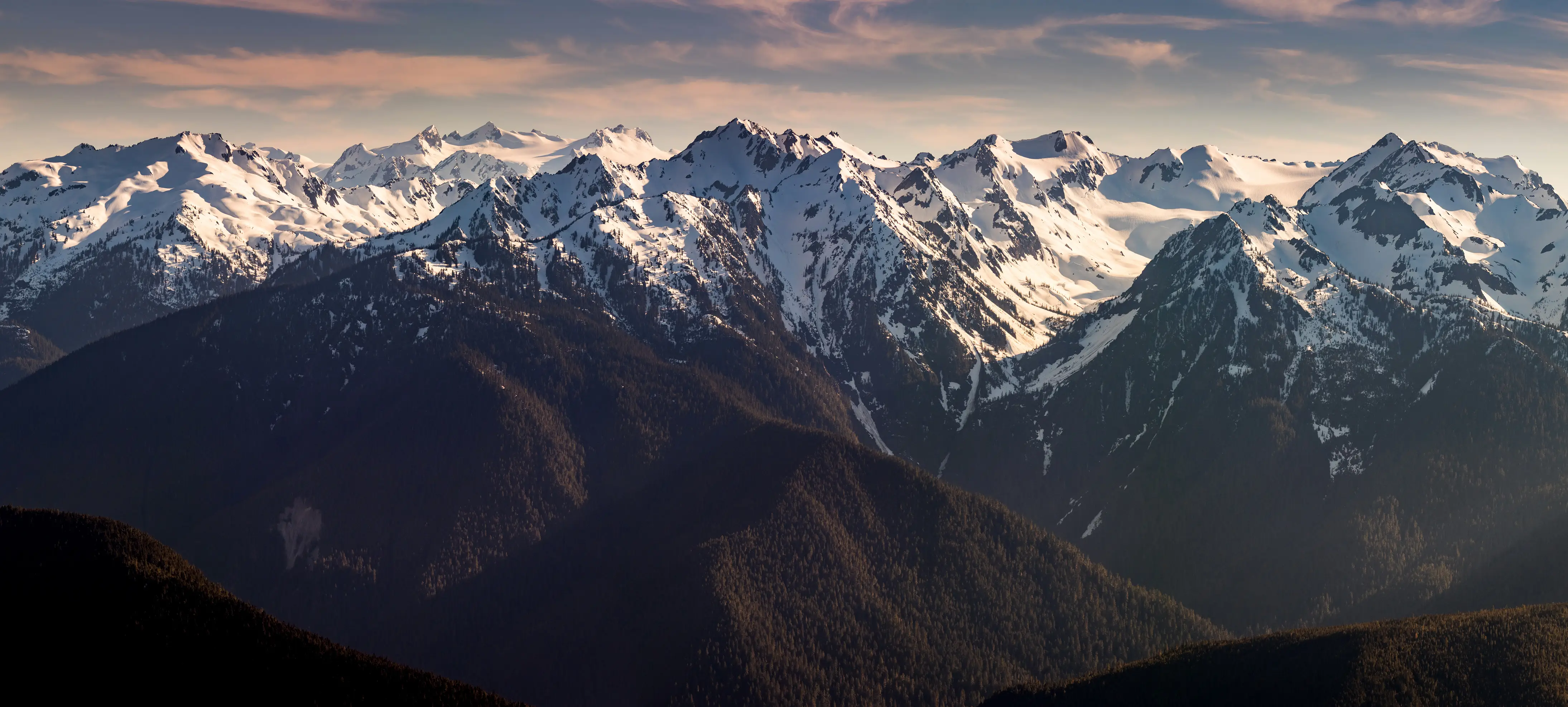
The Tukwila Reality
The single most important thing to understand before buying in Tukwila is that SR-99 — Tukwila International Boulevard — functions as both a cultural corridor and a hard boundary. Neighborhoods west of I-5 operate differently from those east of SR-99, and the stretch between the two freeways contains a patchwork of residential, commercial, and industrial land that doesn't always resolve the way a map suggests it should.
Elevation is the second dividing line. Tukwila Hill and McMicken Heights sit above the Duwamish River valley on the city's west-central ridge, giving them a quieter, more residential feel with genuine distance from freight noise. Drop down into the flatlands near the river or toward the Southcenter corridor and you're trading that quiet for convenience — more walkable access, closer light rail, but more highway noise and more commercial adjacency than some buyers expect.
School boundaries compound both of these divides. The Tukwila School District is small — roughly 3,000 students — and where your specific parcel lands within it determines which school your children attend. Buyers who choose a neighborhood based on price alone, without verifying the boundary, are the ones who call a year later wishing they'd looked harder at the map before closing.
Neighborhoods at a Glance
| Neighborhood | Best For | Price Range | Vibe |
|---|---|---|---|
| Tukwila Hill | Families Transit | $480K–$580K | Riverside, mixed renter/owner, walkable bus access |
| Riverton | Commuter Value | $500K–$620K | Mid-century ramblers, I-5/SR-599 corridor, airport-adjacent |
| Allentown | Families Nature | $560K–$700K | Forested preserve, established lots, quieter west side |
| Foster | First-Time Transit | $450K–$560K | Light rail access, diverse, golf course views |
| South Center | Renter Commuter | $480K–$600K | Mall-adjacent, high retail density, freeway-convenient |
| Thorndyke | Quiet Commuter | $490K–$610K | Low-profile residential, near two airports, four highways |
| McMicken Heights | Families Quiet | $510K–$640K | Ridge-top enclave, owner-occupied, Tukwila Hill adjacent |
| Tukwila Urban Center | Walkable Renter | $470K–$590K | High-density, mixed-use growth zone, Southcenter Mall access |

Best Neighborhood by Buyer Type
| Buyer Type | Best Neighborhood | Why |
|---|---|---|
| First-Time Buyer | Foster | The lowest entry points in the city combined with direct light rail access reduce car dependency and monthly overhead simultaneously. |
| Luxury Buyer | Allentown | Larger lots, proximity to the Duwamish Hill Preserve, and the highest neighborhood price ceiling give buyers the most home for a premium spend. |
| Walkability Seeker | Tukwila Urban Center | The Southcenter subarea is the only part of Tukwila being actively planned for pedestrian-oriented, mixed-use density at scale. |
| Families with Kids | McMicken Heights | The ridge-top location keeps residential streets quieter than anywhere near SR-99, and the owner-occupied character means stable, longer-term neighbors. |
| Commuters | Riverton | Direct SR-599 and I-5 access with Sea-Tac approximately four miles away suits shift workers and frequent flyers equally. |
| Large-Lot Buyers | Allentown | The 2.6 square miles added by the 1989 annexation include the most generous residential lot sizes in the city. |
| Renters | Tukwila Urban Center | New apartment supply is concentrated here as the city executes its high-density growth plan around the Southcenter corridor. |
Looking to buy in Tukwila? Estimate your payment.
Enter your numbers to see an estimated monthly mortgage payment.
Estimate only. Excludes HOA fees and mortgage insurance. The interest rate above is a starting point, not a quoted rate — replace it with your own to see real numbers. Insurance is a flat placeholder, not a Tukwila quote.
Most Popular Neighborhoods
Tukwila Hill
Tukwila Hill runs along the Duwamish River in the west-central part of the city, with Tukwila Elementary School anchoring the neighborhood and 10 King County Metro bus stops making car-free errands genuinely possible. About half of households here rent rather than own, which keeps the buyer pool thinner but also means less competition when something comes to market. The catch: that renter density also means more turnover and a less settled block-by-block character than McMicken Heights just to the north.
Best for: Transit-dependent buyers and families who want Duwamish River access without paying Allentown prices. Price range: $480K–$580K.
Riverton
Riverton's mid-century ramblers — most built between 1940 and 1969 — give buyers the kind of single-story floorplans that are nearly impossible to find new in King County. SR-599 bisects the neighborhood and I-5 borders it, so highway noise is not a background detail; it is part of daily life here, and buyers who don't do a site visit on a weekday underestimate it. The approximately four-mile distance to Sea-Tac is a genuine draw for buyers who need that kind of proximity.
Best for: Commuters and buyers who want a classic Pacific Northwest rambler with solid freeway access. Price range: $500K–$620K.
Allentown
Annexed into Tukwila in 1989 after Joseph Allen originally settled it in 1879, Allentown carries a distinct identity that the newer parts of the city don't have — larger residential lots, more tree cover, and the approximately 10-acre Duwamish Hill Preserve, a forested site saved from commercial development by community volunteers. Prices sit at the higher end of the Tukwila spectrum, which prices out first-time buyers but rewards those who can stretch. The trade-off is distance from light rail, making Allentown functionally car-dependent for most trips.
Best for: Buyers prioritizing lot size, privacy, and access to one of the city's most meaningful natural sites. Price range: $560K–$700K.
Foster
Foster's clearest asset is the Tukwila International Boulevard Link light rail station, which puts downtown Seattle within a reasonable car-free commute — something no other Tukwila neighborhood can match at this price point. Foster Golf Links and the adjacent Green River Trail add genuine recreational value directly adjacent to residential streets. The honest trade-off: SR-99 forms part of the neighborhood's commercial edge, and the mix of uses along International Boulevard means the streetscape is more utilitarian than polished.
Best for: First-time buyers, transit riders, and anyone who wants walkable access to a public 18-hole course without paying Bellevue prices. Price range: $450K–$560K.
South Center
South Center is Tukwila's most commercially saturated neighborhood — Westfield Southcenter Mall is the dominant physical presence, and the surrounding blocks are heavy with retail, hotels, and surface parking. For buyers, that translates to genuine convenience and strong rental demand, but it also means almost no sense of residential quiet and a streetscape designed around cars rather than pedestrians. Renters and investors tend to find more to like here than owner-occupants seeking a neighborhood feel.
Best for: Investors, short-term renters, and buyers who prioritize retail convenience and freeway access over neighborhood character. Price range: $480K–$600K.
Thorndyke
Thorndyke sits in a relatively low-profile position south of Seattle, hemmed in by four major highways and two airports, which makes it one of the more quietly underrated neighborhoods in the city — buyers who figure out what they're getting tend to stay. The freeway proximity that discourages some buyers is exactly what makes it work for commuters who need reliable I-5 or I-405 access without the noise premium of Riverton. The residential character is consistent without being dramatic.
Best for: Commuters and buyers who want a functional, no-surprises neighborhood at a mid-range price point. Price range: $490K–$610K.
McMicken Heights
McMicken Heights occupies a ridge position adjacent to Tukwila Hill, giving it the quietest residential character in the city — noticeably less highway noise than the SR-99 or I-5 corridors, and a higher share of owner-occupied homes than anywhere near the Duwamish flatlands. Buyers here are typically families who've done enough research to know the difference between the ridge and the valley and are willing to pay a modest premium for it. The downside is limited walkable retail; most errands require a car.
Best for: Families with school-age children, long-term owner-occupants, and buyers who treat quiet streets as a non-negotiable. Price range: $510K–$640K.
Tukwila Urban Center
The Puget Sound Regional Council designates Tukwila Urban Center as one of 21 Regional Growth Centers in the central Puget Sound, and the city's own Southcenter subarea plan calls for mid- to high-rise infill replacing surface lots near Westfield Southcenter — which means this is the most actively evolving neighborhood in Tukwila right now. For buyers, that future density is a legitimate upside if you're comfortable owning in an area mid-transformation; for anyone expecting stability in the streetscape, it is a real source of uncertainty. New apartment supply concentrating here keeps rental options fresher than anywhere else in the city.
Best for: Buyers and renters who want to be ahead of the density curve, value walkable streets over quiet, and can tolerate construction as a near-term neighbor. Price range: $470K–$590K.
Common Mistakes Buyers Make in Tukwila
Treating the City as Uniform
Buyers who run a city-wide search and sort by price often end up scheduling tours in Riverton and South Center on the same afternoon, assuming the experience will be similar. It won't be. Riverton's mid-century ramblers along SR-599 sit in a different physical and acoustic world than the mall-adjacent parcels near Westfield Southcenter. Drive every neighborhood at rush hour before you make a shortlist — not just once, but on a weekday morning and a Saturday afternoon.
Ignoring the SR-99 Corridor Effect
Tukwila International Boulevard runs north-south through the city and pulls commercial development, transit stops, and pedestrian traffic to its flanks. Homes one block west of SR-99 can feel genuinely walkable; homes two blocks east of I-5 can feel isolated despite being technically closer to Seattle. Buyers who assume "close to SR-99" means "convenient" without checking which side of it they're on regularly end up with a car-dependent daily life they didn't expect.
Chasing Square Footage Over School Boundary
The Tukwila School District is small enough that a single street can be the dividing line between schools with meaningfully different programs and resources. Buyers stretching for a larger home in Foster or South Center sometimes land on the wrong side of a boundary line they never thought to check. Pull the district boundary map before you make an offer — not after the inspection.
Underestimating Airport Noise Patterns
Sea-Tac's flight paths shift with wind direction, and Riverton and Thorndyke both sit close enough that certain approach patterns bring aircraft noise directly overhead. Many buyers visit on a calm, south-wind day and hear almost nothing. Visit again when wind is from the north — Sea-Tac's north-flow operations put departure routes over neighborhoods that feel quiet on a typical afternoon. This is the specific surprise that people who moved to Riverton without multiple site visits mention most consistently in their first year.
Best Areas to Rent in Tukwila
| Area | Ideal For | Typical Rent Range | Trade-off |
|---|---|---|---|
| Tukwila Urban Center | Young professionals, transit riders | $1,700–$2,400/mo (1–2BR) | Construction noise and ongoing density changes; best upside for renters who want new units |
| Foster | Commuters, budget-conscious renters | $1,500–$2,000/mo (1–2BR) | SR-99 commercial edge; less polished streetscape but strong transit value |
| Tukwila Hill | Families, bus-dependent renters | $1,600–$2,100/mo (2–3BR) | High renter density means more turnover; better for flexibility than for long-term stability |
| South Center | Short-term renters seeking retail access | $1,650–$2,200/mo (1–2BR) | No residential quiet; purely utilitarian location near Westfield Southcenter |
| Riverton | Buyers who need Sea-Tac proximity | $1,700–$2,300/mo (2–3BR) | Highway noise from SR-599 and I-5 is constant; suits renters who aren't home during peak hours |
Tukwila's rental market is tighter than the city's size suggests — proximity to Sea-Tac and the metro keeps vacancy rates low across most neighborhoods, and the Urban Center's new apartment pipeline is the primary source of fresh inventory. Renters who need flexibility on timing should plan for fewer options below $1,600 than comparable cities in the south King County corridor.
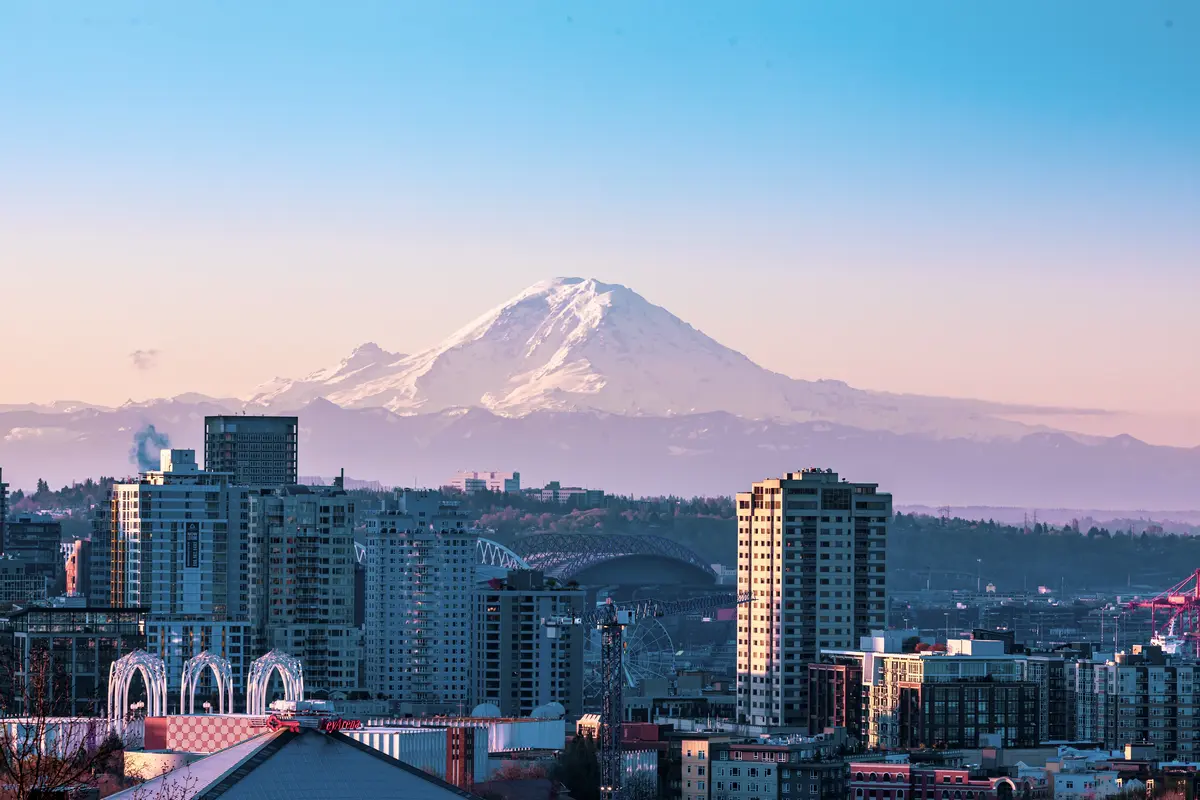
Local Expert Takeaway: If you're buying in Tukwila and you haven't driven the ridge between McMicken Heights and Tukwila Hill at 7 a.m. on a Tuesday, you haven't actually compared it to Riverton yet. The freeway corridors — I-5, SR-99, SR-599, I-405 — don't just shape commutes here; they shape noise levels, pedestrian access, and which blocks feel like a neighborhood versus which ones feel like a service road. For buyers who can stretch to Allentown, the Duwamish Hill Preserve and the larger lots are genuinely hard to replicate anywhere else in this price band. For first-time buyers, Foster's light rail access is the single best value proposition in the city. And for anyone still treating Tukwila as a monolith — one price, one feel — the neighborhood map will be the most useful fifteen minutes you spend before your first tour.
Quick Takeaways & FAQs
✅ Foster's Tukwila International Boulevard Link station gives buyers car-free Seattle access at some of the lowest entry prices in the city — a combination that's rare anywhere in King County.
⚠️ Airport noise from Sea-Tac's shifting flight paths surprises buyers in Riverton and Thorndyke who only visited on calm south-wind days — do a second site visit under north-flow conditions before committing.
📍 The Duwamish Hill Preserve in Allentown — a 10-acre forested site saved from development by community volunteers — is one of the city's most underappreciated assets and sits directly adjacent to residential streets.
What is the most affordable neighborhood in Tukwila?
Which Tukwila neighborhood is best for families with school-age children?
Is Tukwila a good place to rent rather than buy?
How close is Tukwila to Seattle, and which neighborhood has the best commute?
What makes Tukwila Urban Center different from the rest of Tukwila?
Moving to Washington?
Tell us what you need help with and we'll connect you with local resources.
