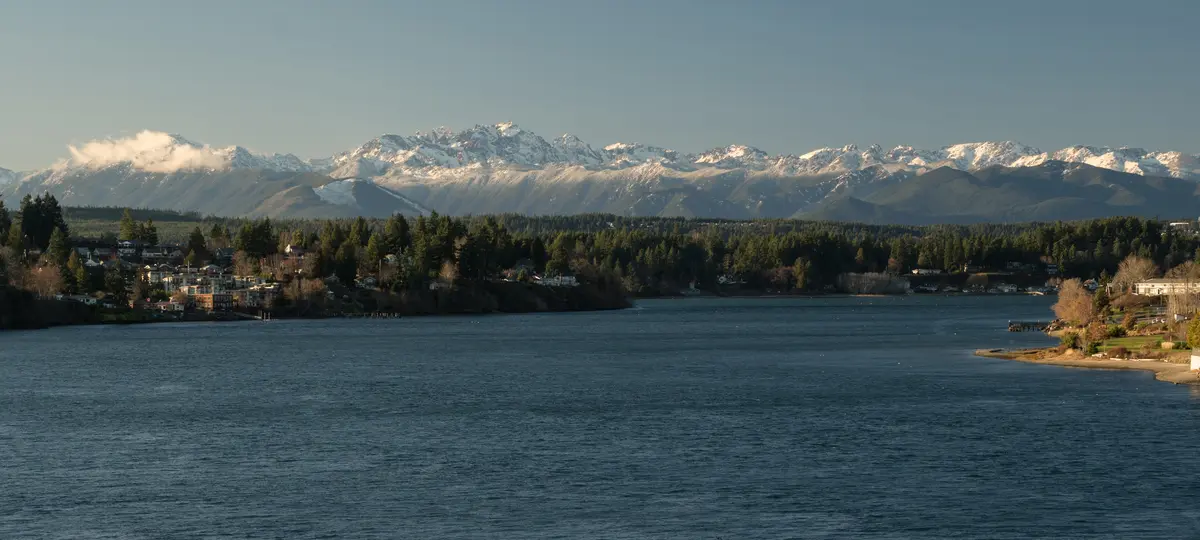
Is the Olympic Peninsula a Good Place to Live?
Maybe you pulled up a map after getting priced out of Seattle's Eastside and noticed that Bremerton is a 60-minute ferry ride away. Maybe someone told you Sequim gets less rain than Los Angeles and you didn't believe them. Or maybe you drove the 101 loop, caught Hurricane Ridge at golden hour, and started pricing out what a real life here would actually cost. The Olympic Peninsula is that kind of place — it gets into people's heads before they've done any serious math.
The honest catch is that 'the Olympic Peninsula' is not one coherent housing market or lifestyle. Poulsbo and Silverdale sit inside Kitsap County, where Naval Base Kitsap and the ferry to downtown Seattle shape everything from commute culture to home prices — medians well north of $600K. Port Townsend is a Victorian seaport town with a paper mill, a thriving arts scene, and a median that reflects how few people ever want to leave. Aberdeen, on the Grays Harbor end, is where median home prices drop below $260K and the economy still turns on Ocean Spray, Sierra Pacific lumber, and the Port — a different world from the Kitsap side entirely.
In between you'll find Port Angeles, which is genuinely its own thing: the largest city on the north side of the Peninsula, a paper manufacturer and a regional medical center keeping the employment base stable, and a ferry terminal that puts you in Victoria, BC in roughly 90 minutes. Sequim's lavender farms and Dungeness Spit draw retirees who've done their homework on the rain shadow. Shelton, at the south end of Hood Canal, runs on Taylor Shellfish and timber and offers some of the most affordable waterfront-adjacent living in Western Washington.
What ties these places together is the geography hemming them in — the Olympic Mountains to one side, the Pacific or Puget Sound on most others — which means traffic patterns, ferry schedules, and supply-constrained land are real factors wherever you land. The cities in the grid below are genuinely different from each other in cost, culture, and who they're right for. Worth taking them one at a time rather than treating the region as a single answer.
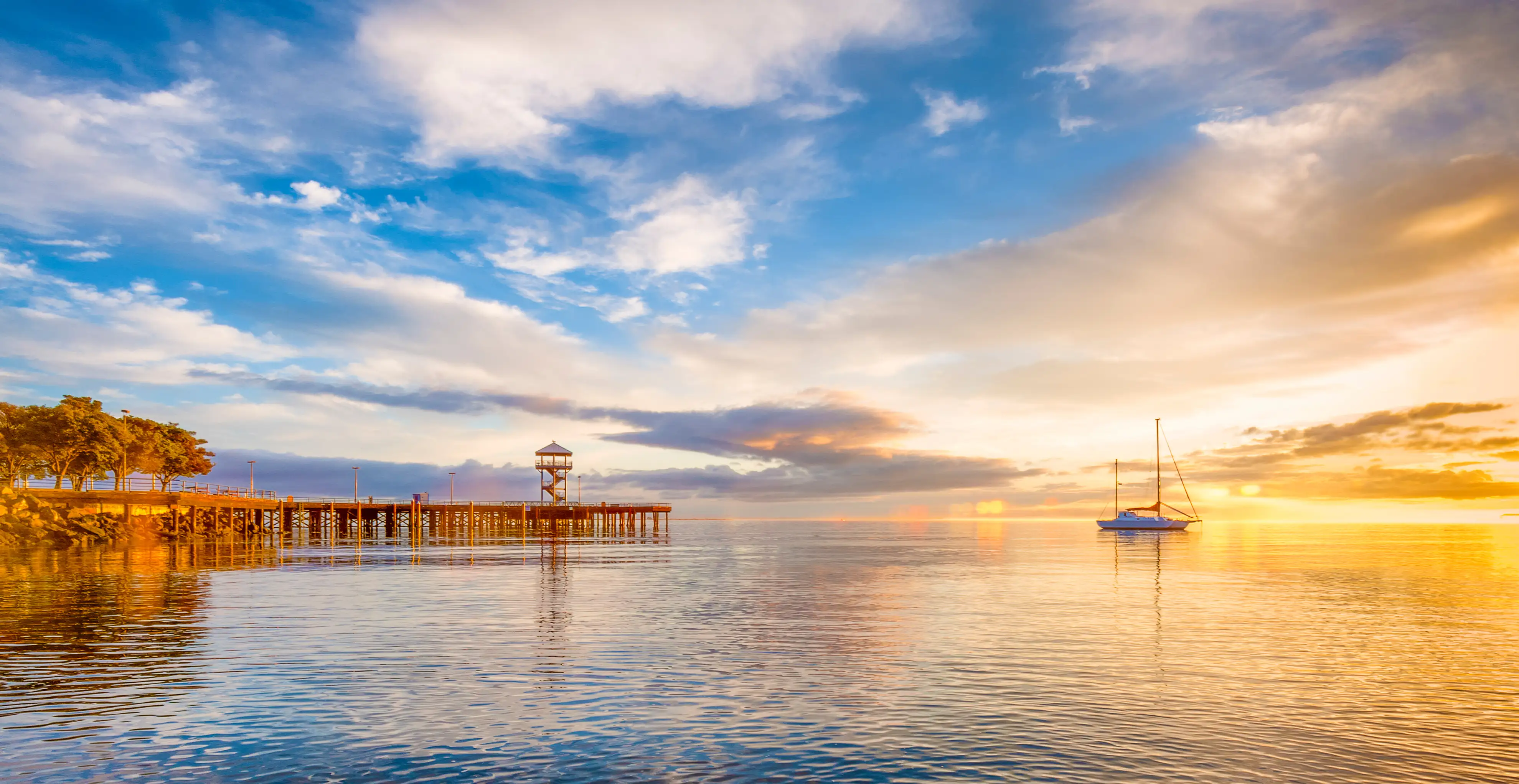
Explore All 8 Cities in the Olympic Peninsula
Click into any city for the complete guide — neighborhoods, home prices, cost of living, pros & cons, schools, top employers, and mortgage help.
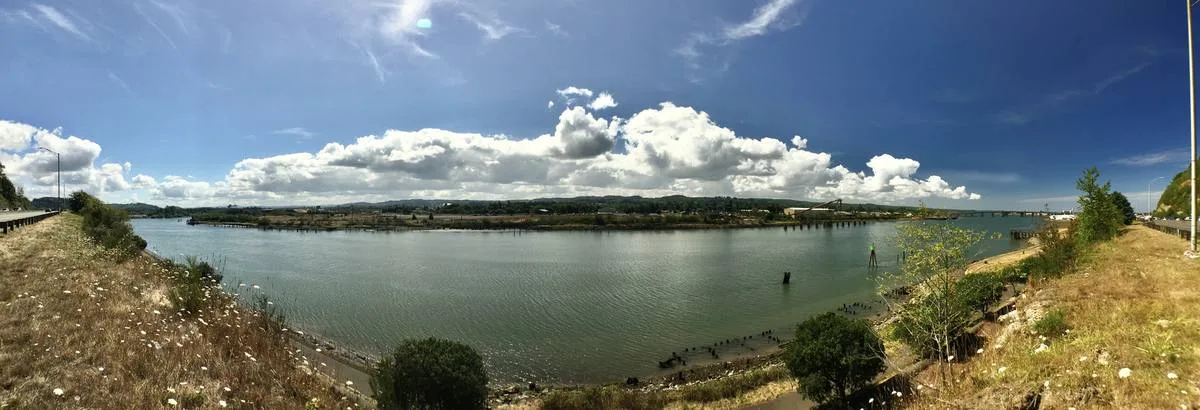
Aberdeen
Aberdeen is the most affordable entry point on the Peninsula, with median homes at $253,790 — and that price reflects a working-class timber and shipping economy, not a sleeper deal waiting to pop. The Port of Grays Harbor, Ocean Spray's cranberry operation, and Sierra Pacific's lumber operations are the employment anchors, and Kurt Cobain's hometown has leaned into its musical heritage with a memorial park and childhood home museum. It's a city for buyers who want a real house at a real price and don't need a ferry to Seattle to feel like they've made a good decision.
Full Aberdeen Guide →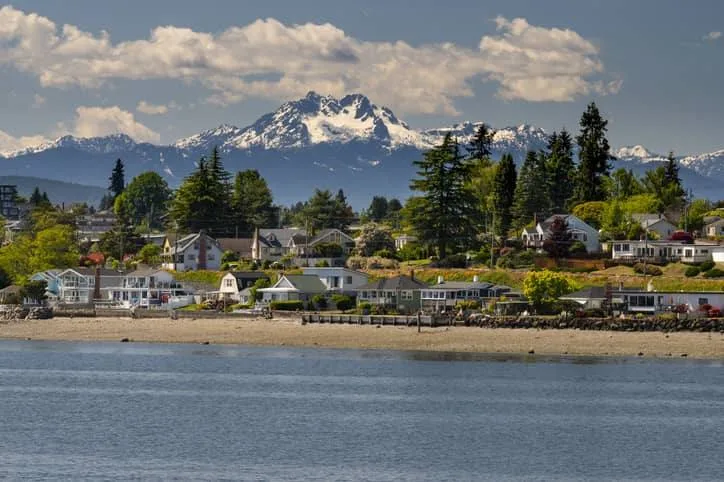
Bremerton
Bremerton is the Peninsula's most Seattle-connected city — Puget Sound Naval Shipyard and Naval Base Kitsap make it one of the largest naval complexes in the country, and the passenger ferry to Seattle's Coleman Dock runs multiple times daily. Median homes at $459,702 put it in a middle position for Kitsap County, and neighborhoods like Manette across the bridge have drawn buyers who want walkable, mixed-use living without Silverdale's strip-mall suburban feel. The USS Turner Joy museum ship and the Bremerton Boardwalk give the waterfront actual bones.
Full Bremerton Guide →
Port Angeles
Port Angeles is the functional capital of the north Peninsula — Olympic Medical Center and Nippon Paper Industries are the two biggest employers, and the Olympic National Park Visitor Center and Hurricane Ridge trailhead sit essentially in town. Median homes at $432,551 are lower than the Kitsap cities while the Coho Ferry to Victoria gives residents an international connection most small Washington cities can't claim. Peninsula College adds a modest young-adult population to what is otherwise a working and retirement community.
Full Port Angeles Guide →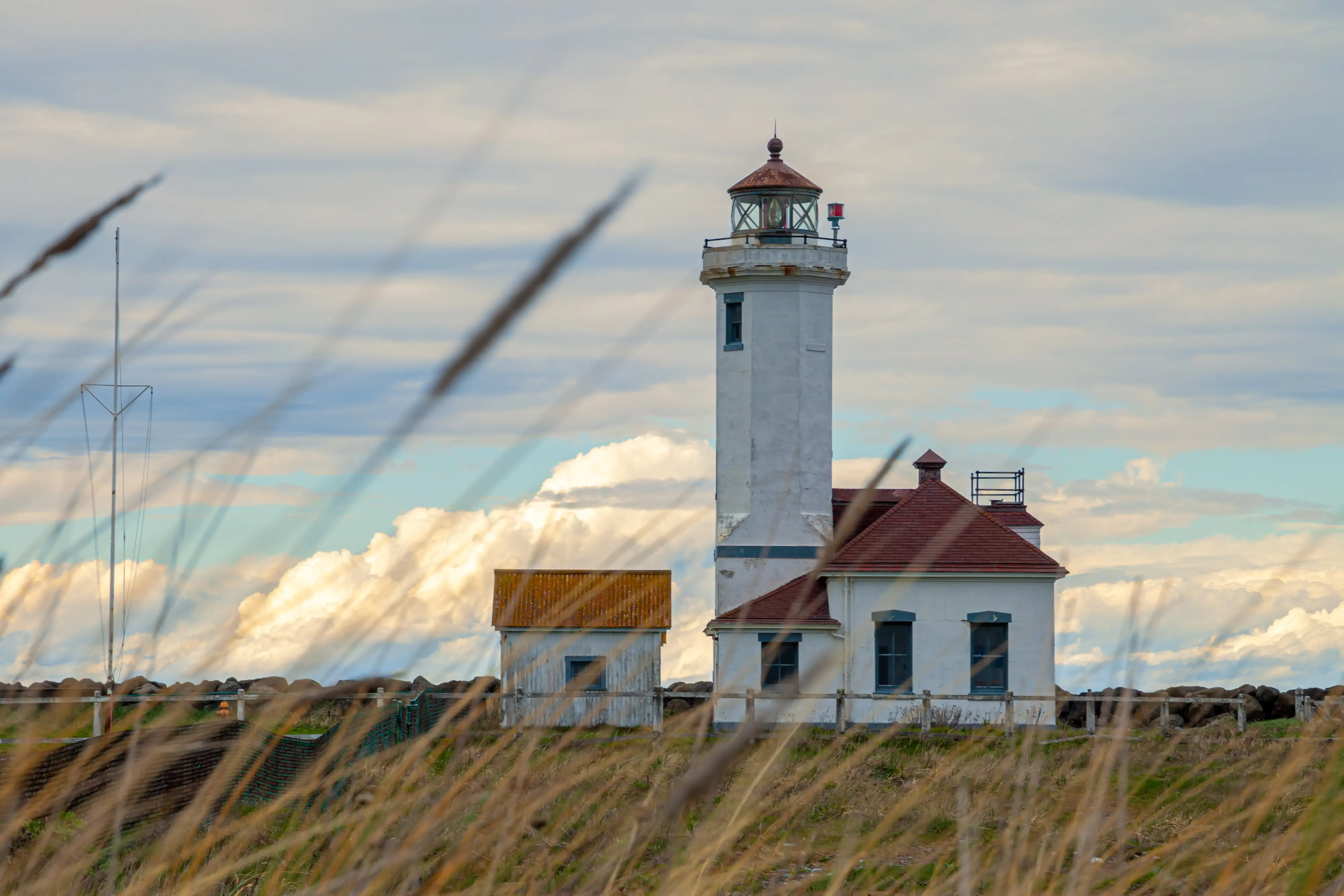
Port Townsend
Port Townsend has the highest median on the north Peninsula at $642,884, and the price reflects genuine scarcity — the historic Water Street district, Fort Worden State Park, and Point Wilson Lighthouse attract buyers who want Victorian architecture and a real arts community, and very few of them end up leaving. Jefferson Healthcare and the Port Townsend Paper Corporation are the employment anchors, but a large share of residents are self-employed, remote workers, or retirees who chose this place specifically for what it is. If you need a big-box store or a fast commute, this is probably not your city.
Full Port Townsend Guide →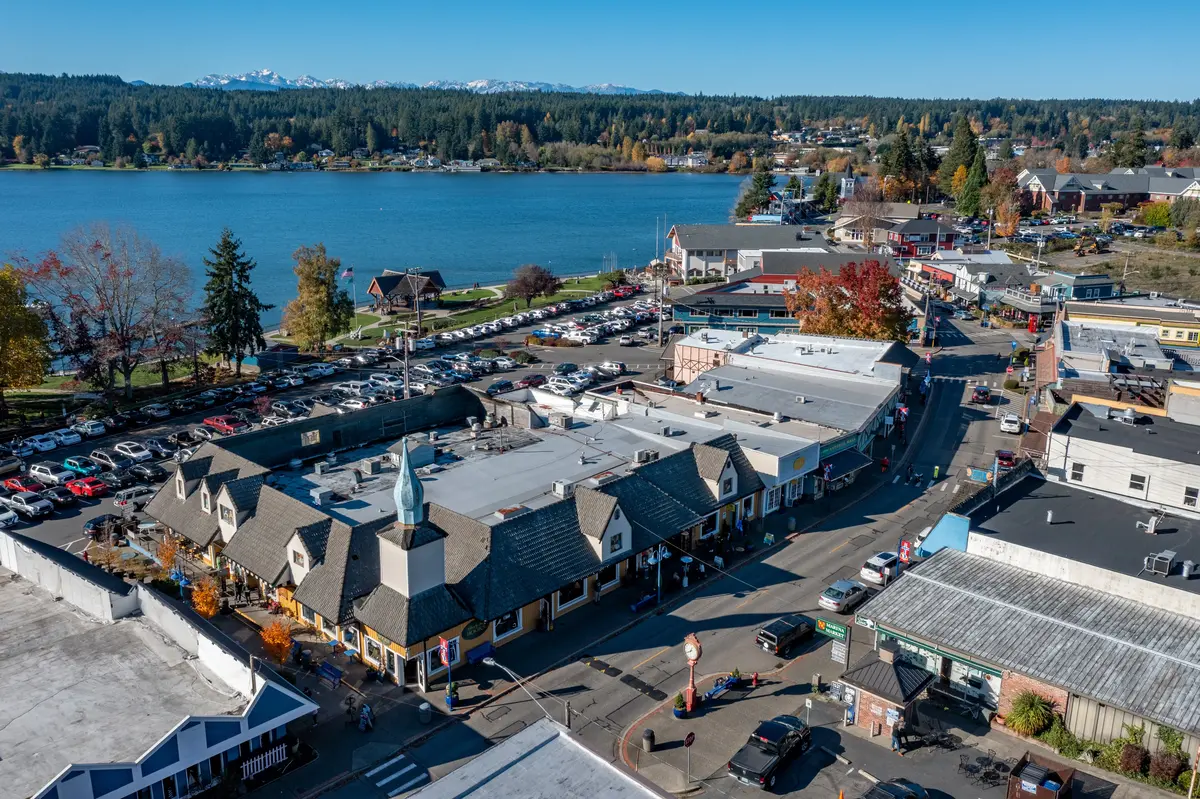
Poulsbo
Poulsbo built its identity around its Norwegian heritage — the Sons of Norway lodge, Front Street's Scandinavian storefronts, Liberty Bay waterfront — and that small-town character now commands a $672,676 median that surprises a lot of newcomers doing their first search. BAE Systems and Naval Base Kitsap are close enough to make it a real option for defense workers, and North Kitsap School District is one of the reasons families stay once they arrive. The trade-off is that Poulsbo is not a quick drive to Seattle; you're budgeting ferry time or the Hood Canal Bridge into every trip.
Full Poulsbo Guide →
Sequim
Sequim's reputation as a retirement destination is accurate and also undersells it — the Jamestown S'Klallam Tribe operates significant enterprises here, Olympic Game Farm is genuinely one of the more unusual landmarks in the state, and Dungeness Spit is the longest natural sand spit in the U.S. The rain shadow effect (roughly 16 inches of annual rainfall compared to Seattle's 37) is real, which is why the lavender farms are real, and why retirees from wetter climates show up and stay. Median homes at $562,161 reflect demand that consistently outpaces the small housing stock.
Full Sequim Guide →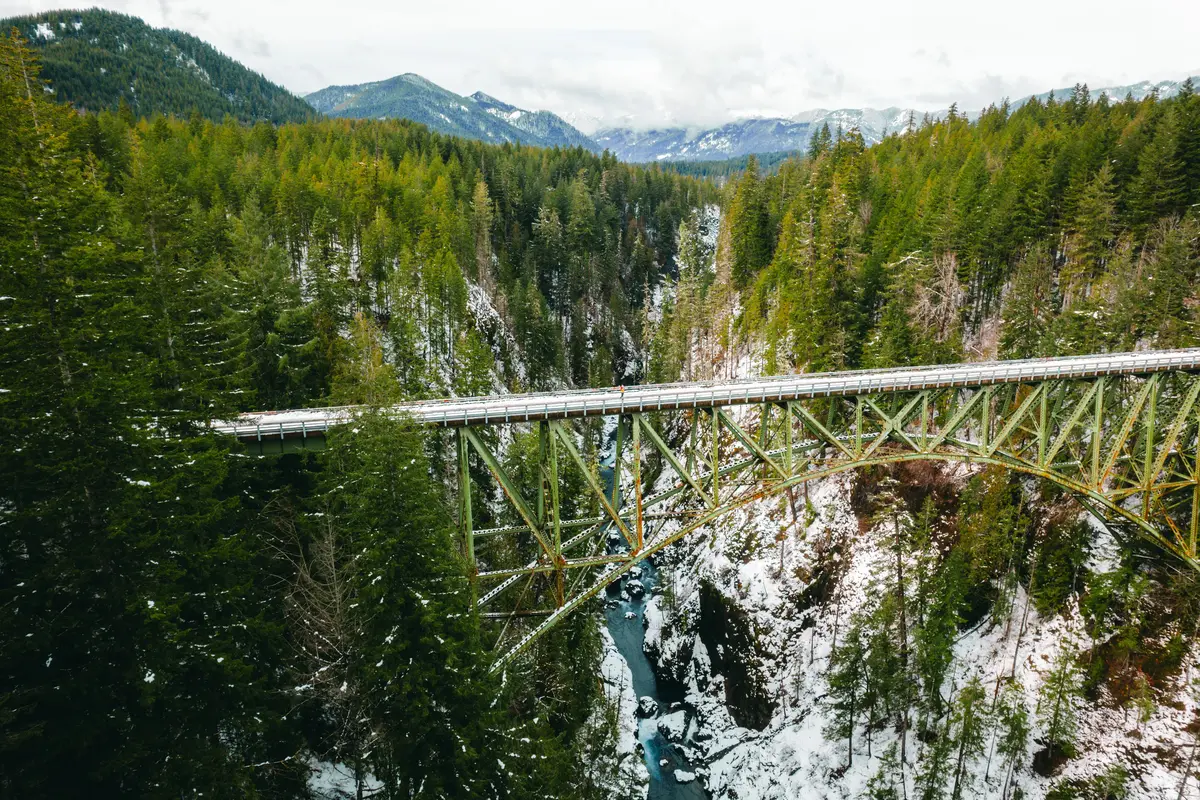
Shelton
Shelton sits at the southern reach of Hood Canal in Mason County, and its economy runs on Taylor Shellfish aquaculture, Simpson forest products, and Little Creek Casino Hotel — a combination that keeps it grounded in extractive-industry culture rather than tech-migration trends. Median homes at $409,743 make it one of the more affordable options for buyers who want proximity to water without Kitsap County prices. Oakland Bay is right there, the Railroad Avenue Historic District gives downtown actual character, and Olympia is close enough to expand your options without adding a ferry to your commute.
Full Shelton Guide →
Silverdale
Silverdale is Kitsap County's retail and medical hub — Kitsap Mall, St. Michael Medical Center, and Olympic College all sit here, which means the services most Peninsula residents drive to are, for Silverdale residents, already local. Median homes at $609,559 reflect strong demand from naval personnel at nearby Naval Base Kitsap and families who want Central Kitsap School District. The trade-off is that Silverdale is suburban in a way that Manette or Port Townsend are not — if walkability and character matter to you, that's worth weighing against the convenience.
Full Silverdale Guide →Compare Every City in Olympic Peninsula
Full ranked breakdowns across every city in the region — scored and compared side by side.
Local Expert Takeaway: The Olympic Peninsula's cities differ enough in price, employment, climate, and daily logistics that the right question isn't whether to move here — it's which specific city matches how you actually plan to work, commute, and spend a Tuesday in January.
Frequently Asked Questions
Which city on the Olympic Peninsula is best for commuting to Seattle?
Which city fits which kind of buyer?
Is the Olympic Peninsula actually less rainy than Seattle?
What are the job markets actually like across these cities?
How constrained is housing supply on the Olympic Peninsula, and will prices keep rising?
Helpful Washington Resources
Explore Other Washington Regions
the Olympic Peninsula is one of 9 distinct regions that make up Washington. Each has its own climate, character, and housing market — explore them all.

The largest job market in the state — tech, aerospace, and everything that comes with it. 37 cities including Auburn, Bainbridge Island, Bellevue.
Explore all 37 Seattle Metro cities →
Bellingham anchors a corridor of island and farm-country towns between Seattle and the Canadian border. 13 cities including Anacortes, Arlington, Bellingham.
Explore all 13 North Puget Sound cities →
Tacoma and the state capital anchor a corridor with real price relief versus Seattle. 13 cities including DuPont, Fife, Gig Harbor.
Explore all 13 South Puget Sound cities →
Just across the Columbia from Portland, with no state income tax. 8 cities including Battle Ground, Camas, Centralia.
Explore all 8 SW Washington cities →
Spokane anchors the Inland Northwest — a real second-largest-city market, far from the coast. 5 cities including Airway Heights, Cheney, Liberty Lake.
Explore all 5 Northeast WA cities →
Washington's apple country, split by the Columbia River. 2 cities including East Wenatchee, Wenatchee.
Explore all 2 North Central WA cities →
Wine and agriculture country, plus the Tri-Cities nuclear/tech corridor. 9 cities including Ellensburg, Kennewick, Moses Lake.
Explore all 9 South Central WA cities →
Wine country and a major university town in the far southeast corner of the state. 3 cities including College Place, Pullman, Walla Walla.
Explore all 3 Southeast WA cities →Moving to Washington?
Tell us what you need help with and we'll connect you with local resources.
