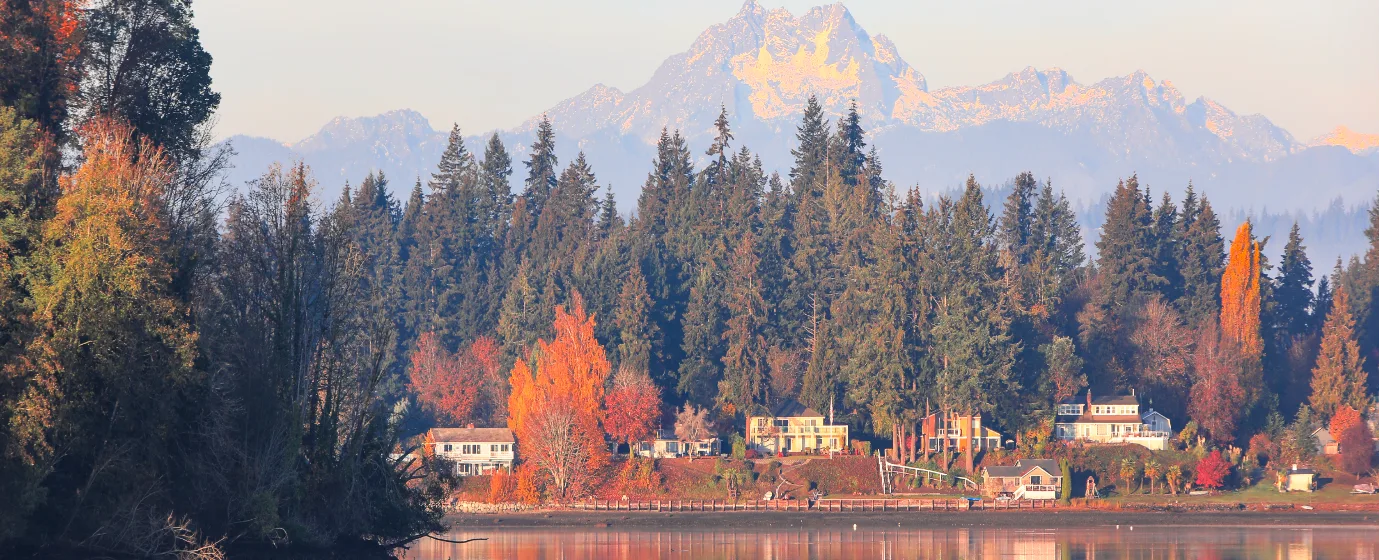
Maybe you've been priced out of Seattle or Bellevue and someone mentioned Bremerton as a real alternative. Maybe the ferry commute sounds manageable — roughly 60 minutes to downtown Seattle — and you've started running the numbers. What surprises most people once they start looking seriously is how much Bremerton is not one neighborhood. The city sits on a series of inlets and peninsulas jutting into Puget Sound, and that waterfront geography carves it into pockets that feel genuinely different from one another — not just in price, but in character, walkability, and daily rhythm. Where you land matters.
The city's backbone is the Puget Sound Naval Shipyard, one of the largest naval complexes on the West Coast, and Naval Base Kitsap — together they shape the local economy and explain why Charleston fills with military families while Manette fills with artists and first-time buyers. The Bremerton School District holds a C+ rating, according to Niche, so school-boundary awareness is real. Growth is real too: Kitsap Regional Coordinating Council projects Bremerton expanding roughly 30% between 2022 and 2044, and the city's 2024 Comprehensive Plan — which removed parking mandates and expanded density allowances in June 2025 — is already reshaping what gets built and where. Buyers who understand the pipeline will make better decisions than those who don't.
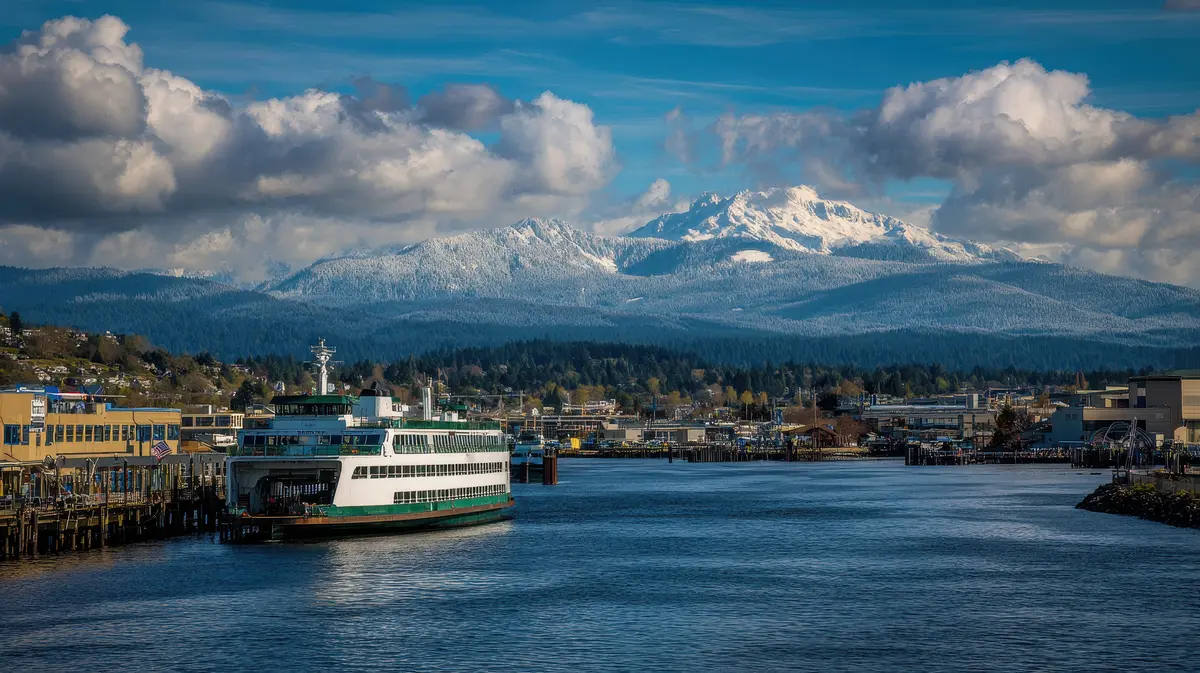
The citywide typical home value sits at $459,702 (Zillow Home Value Index, June 2026), which is noticeably below the broader Puget Sound market — but that figure masks a wide spread across neighborhoods. Rocky Point waterfront properties trade at a significant premium over that figure; parts of East Bremerton can come in well below it. Day-to-day life means commuting via the Bremerton–Seattle ferry or driving the Kitsap Peninsula highway corridors, kayaking off the Bremerton Boardwalk on weekends, and watching the USS Turner Joy Museum Ship from Harborside Fountain Park. The Admiral Theatre anchors a downtown that's genuinely coming back, not just promising to.
Whether you're considering a move or just mapping the landscape, the sections below break down Bremerton's neighborhoods by price range, character, buyer type, and what people consistently get wrong when they start shopping here.
The Bremerton Reality
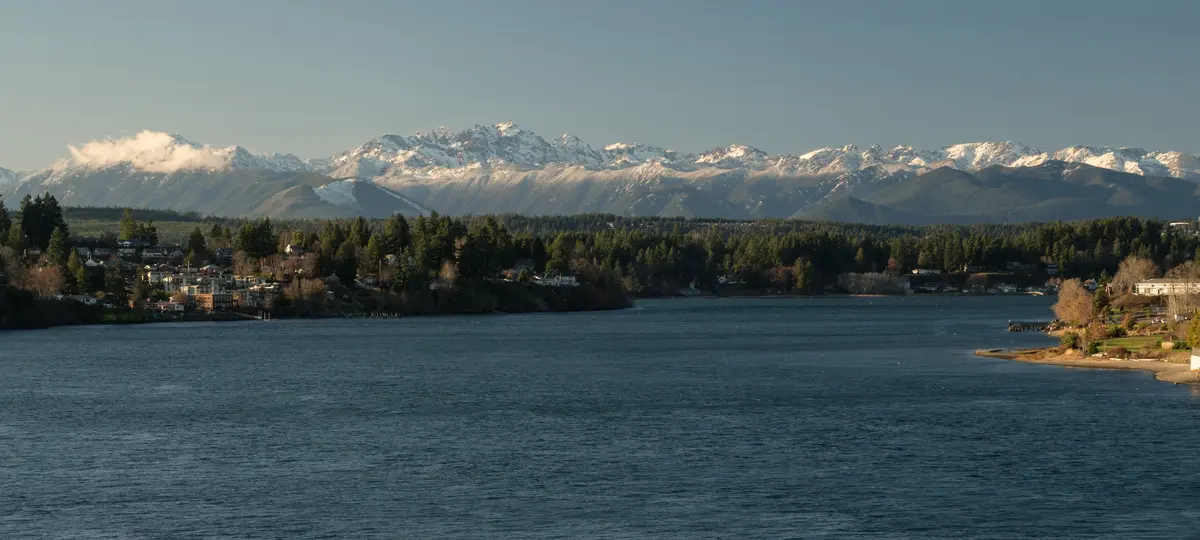
The single most important thing to understand about buying in Bremerton is that the Manette Bridge and Warren Avenue Bridge aren't just infrastructure — they're a psychological and practical divide. Manette sits on its own peninsula east of downtown, separated by a short bridge crossing. Everything west and south of downtown connects differently: Charleston bleeds into the naval shipyard perimeter, West Bremerton stretches toward Kitsap Lake, and Rocky Point pushes out on its own forested finger of land. None of these places are interchangeable, and buyers who shop the city as one uniform market end up confused by why some blocks feel completely different from others a mile away.
The second divide is elevation and water access. Bremerton's terrain is rolling and heavily wooded in places, which means a home labeled 'water view' might actually deliver one — or might have a sliver of Dyes Inlet visible between two trees depending on season. Bay Vista gets its name for a reason, but not every street in the neighborhood earns the same claim. Wherever you're looking, drive the specific block, not just the neighborhood boundary on a map.
School boundaries are the third reality. The Bremerton School District serves the whole city, but individual school assignments shift block by block in some areas, and the district's rating doesn't distribute evenly across every attendance zone. Families prioritizing schools should cross-check specific addresses against current boundary maps before making an offer — the Bremerton schools page breaks this down in detail.
Neighborhoods at a Glance
| Neighborhood | Best For | Price Range | Vibe |
|---|---|---|---|
| Manette | Walkable First-Time | $420K–$560K | Artsy peninsula village; indie cafés, historic streetscape, bike lanes to downtown |
| East Bremerton | Value Commuter | $360K–$480K | Practical and affordable; close to NE Riddell Rd retail and Crane's Castle Brewing |
| West Bremerton | First-Time Families | $340K–$459,702 | Quieter residential streets; mix of post-war ranches and newer infill |
| Downtown Bremerton | Walkable Transit | $280K–$520K | Revitalized waterfront; condos, the Boardwalk, ferry terminal, Admiral Theatre |
| Charleston | Families Commuter | $380K–$500K | Military-adjacent and community-oriented; close to the shipyard gate |
| Bay Vista | Views Families | $450K–$620K | Elevated lots, Puget Sound glimpses, newer construction, quieter cul-de-sacs |
| Kitsap Lake | Nature Quiet | $420K–$580K | Lake access, golf-adjacent Craftsman homes, low-traffic residential feel |
| Rocky Point | Luxury Privacy Views | $580K–$900K+ | Forested waterfront peninsula; Dyes Inlet views, deep privacy, Forest Ridge Park |
Best Neighborhood by Buyer Type
| Buyer Type | Best Neighborhood | Why |
|---|---|---|
| First-Time Buyer | West Bremerton | Entry-level price points in the $340K–$459,702 range give more room to stay within budget without sacrificing a full neighborhood feel. |
| Luxury Buyer | Rocky Point | Waterfront rights, Dyes Inlet view easements, and deep tree cover deliver the Puget Sound lifestyle at a price point that reflects it. |
| Walkability Seeker | Manette | The Manette Bridge's dedicated pedestrian and bike lane puts downtown breweries, the Boardwalk, and the ferry within a short ride or walk. |
| Families with Kids | Charleston | Military-community infrastructure, established parks, and proximity to the shipyard gate make daily logistics straightforward for dual-service households. |
| Commuters | Downtown Bremerton | Walking distance to the Bremerton ferry terminal eliminates the park-and-ride scramble and makes the Seattle commute as frictionless as Bremerton gets. |
| Large-Lot Buyers | Kitsap Lake | Ranch-style and Craftsman homes backing the Kitsap Golf & Country Club fairways give you space and green without the Rocky Point price tag. |
| Renters | East Bremerton | The highest concentration of rental inventory in the city, near NE Riddell Rd's retail corridor, keeps options competitive and turnover manageable. |
Looking to buy in Bremerton? Estimate your payment.
Enter your numbers to see an estimated monthly mortgage payment.
Estimate only. Excludes HOA fees and mortgage insurance. The interest rate above is a starting point, not a quoted rate — replace it with your own to see real numbers. Insurance is a flat placeholder, not a Bremerton quote.
Most Popular Neighborhoods
1. Manette
Manette is the neighborhood Bremerton people talk about first — a walkable peninsula connected to downtown by the Manette Bridge, which got a full historic streetscape and lighting upgrade completed in Summer 2024, complete with replica vintage street signs. The small commercial strip supports independent cafés, a couple of restaurants, and a community identity that feels closer to a small-town main street than a suburb. The catch: inventory is tight and competition is real, so the $420K–$560K price range moves fast and sellers know it.
Best for: Walkability seekers, first-time buyers who want character over square footage, and anyone prioritizing the on-foot connection to downtown Bremerton.
2. East Bremerton
East Bremerton is the most practical neighborhood in the city — well-stocked with retail along the NE Riddell Rd corridor, within easy reach of Crane's Castle Brewing on NE Riddell Rd, and priced in a range ($360K–$480K) that leaves room to customize a home rather than simply afford it. The trade-off is that it lacks a defining neighborhood identity; it's more of a functional base than a destination, and some blocks closer to SR-303 carry more traffic noise than buyers expect when they tour on a Sunday morning.
Best for: Value-conscious buyers, commuters who drive rather than ferry, and renters transitioning into ownership for the first time.
3. West Bremerton
West Bremerton is where the city's working-class roots are most legible — post-war ranches, modest lots, and a residential pace that hasn't been disrupted by the downtown revival happening a few miles east. Prices in the $340K–$459,702 range represent Bremerton's most accessible ownership tier. The honest downside is that some blocks require more deferred-maintenance diligence than other neighborhoods; a thorough inspection matters more here than anywhere else in the city.
Best for: First-time buyers, parents with school-age children who want a house rather than a condo, and buyers willing to trade polish for square footage.
4. Downtown Bremerton
The revitalization story here is real, not aspirational: the Bremerton Boardwalk, Harborside Fountain Park, the Admiral Theatre, and the USS Turner Joy Museum Ship all sit within a short walk of each other, and waterfront condos have attracted buyers who want the ferry at their doorstep. Remedy Speakeasy on 4th St adds a genuine nightlife draw that didn't exist a decade ago. What downtown doesn't offer is traditional single-family housing — the $280K–$520K range reflects a condo-heavy inventory, and buyers who want a yard need to look elsewhere.
Best for: Commuters who take the Bremerton–Seattle ferry daily, buyers who want walkable urban life in a small-city format, and renters eyeing eventual ownership without a car dependency.
5. Charleston
Charleston sits directly west of downtown, bordered by the Puget Sound Naval Shipyard perimeter — which tells you everything about who primarily lives here and why. Military families rotate through at a rate that keeps the neighborhood's social fabric tight and its rental market active. Civilian buyers who purchase here get predictable pricing in the $380K–$500K range and solid community infrastructure, but resale timing can be sensitive to military relocation cycles that affect buyer demand in waves rather than steadily.
Best for: Military families stationed at the shipyard or Naval Base Kitsap, and civilian buyers who want an established, community-oriented neighborhood near downtown without the condo format.
6. Bay Vista
Bay Vista earns its name on the right lots — elevated terrain delivers genuine Puget Sound sightlines that buyers from flatter cities find genuinely striking. The neighborhood skews toward newer construction and quieter cul-de-sac streets in the $450K–$620K range, which attracts families who want more house and more calm than downtown or Manette offer. The limitation is car dependency: there's no walkable commercial strip, and every errand requires a drive.
Best for: Families with kids who want newer construction, view-oriented buyers, and anyone prioritizing quiet residential streets over on-foot access.
7. Kitsap Lake
The draw here is specific: ranch-style and Craftsman homes, some backing directly onto the Kitsap Golf & Country Club fairways, in a neighborhood organized around lake access at Kitsap Lake Park — boat launch, dock, fishing, and a pace that feels deliberately removed from the ferry commute energy on the east side. Prices in the $420K–$580K range reflect that lifestyle premium. The trade-off is distance: getting to the Bremerton ferry terminal adds meaningful time, which matters if Seattle is your daily destination.
Best for: Nature-oriented buyers, lake lifestyle seekers, and remote workers or shift workers who don't commute daily by ferry.
8. Rocky Point
Rocky Point is Bremerton's most private neighborhood — a forested peninsula where several properties carry waterfront rights or view easements on Dyes Inlet, and Forest Ridge Park and Evergreen Rotary Park handle on-land recreation without requiring a drive anywhere. The $580K–$900K+ price range reflects genuine scarcity: there aren't many places in Kitsap County where you can have this much tree cover, this much water proximity, and still be within Bremerton city limits. What you give up is convenience — groceries, schools, and the ferry all require a real commute from here.
Best for: Privacy-oriented buyers, luxury buyers seeking Dyes Inlet waterfront access, and anyone willing to trade urban convenience for the most distinctive natural setting Bremerton offers.
Common Mistakes Buyers Make in Bremerton
Assuming the city is geographically uniform
Buyers who search by city name and sort by price often end up touring a West Bremerton ranch and a Rocky Point view home in the same afternoon, then wonder why the commute to the ferry feels completely different from each. Bremerton's peninsula-and-inlet geography means drive times to the Bremerton ferry terminal vary by 10–20 minutes depending on neighborhood — and that gap compounds over a five-day work week faster than most buyers calculate before they offer.
Skipping the block-level check on 'water view' listings
Bay Vista and Rocky Point listings with 'water view' in the description range from sweeping 180-degree Puget Sound panoramas to a sliver of Dyes Inlet visible in winter when the deciduous trees drop their leaves. There is no substitute for visiting in person, ideally in summer when full foliage is present. A view that sells a home in November can be dramatically different in July.
Chasing square footage in West Bremerton without factoring in deferred maintenance
West Bremerton's $340K–$459,702 price range attracts buyers who want the most house for their money, which is a reasonable instinct. The error is underestimating how many of those larger homes carry deferred maintenance costs that close the gap quickly. Buyers who budget for the purchase but not for the first 18 months of ownership — roof, electrical, plumbing updates common in post-war stock — consistently end up stretched in year two.
Overlooking the 2025 zoning changes when evaluating lots
Bremerton's updated zoning code took effect in June 2025, removing parking mandates and expanding density allowances citywide. That's meaningful for buyers considering lots in Charleston, Manette, or downtown with an eye toward an accessory dwelling unit or future development potential — and it's equally meaningful for buyers who don't want density near them. Not checking the new zoning map before making an offer is a mistake that some buyers only discover after closing.
Best Areas to Rent in Bremerton
| Area | Ideal For | Typical Rent Range | Trade-off |
|---|---|---|---|
| Downtown Bremerton | Transit Walkable | $1,400–$2,000/mo (studios to 1BR condos) | Limited parking; condo-style units mean less storage and no yard |
| East Bremerton | Renters Value | $1,200–$1,700/mo (1BR–2BR apartments) | Less neighborhood character; some blocks carry highway noise from SR-303 |
| Charleston | Families Commuter | $1,400–$1,900/mo (2BR–3BR houses) | Rental inventory turns over with military PCS cycles, which can compress availability seasonally |
| Manette | Walkable First-Time | $1,500–$2,100/mo (1BR–2BR) | Low vacancy; competition is real and leases move quickly when units do open up |
| West Bremerton | Value Quiet | $1,100–$1,600/mo (2BR–3BR houses) | Older housing stock means you're more likely to encounter dated interiors or deferred landlord maintenance |
Bremerton's rental market tightens noticeably in spring and early summer, when military PCS orders move families out of Charleston and competing renters arrive simultaneously. If you're relocating and need to rent before you buy, starting your search in February or March gives you meaningfully more options than arriving in June.
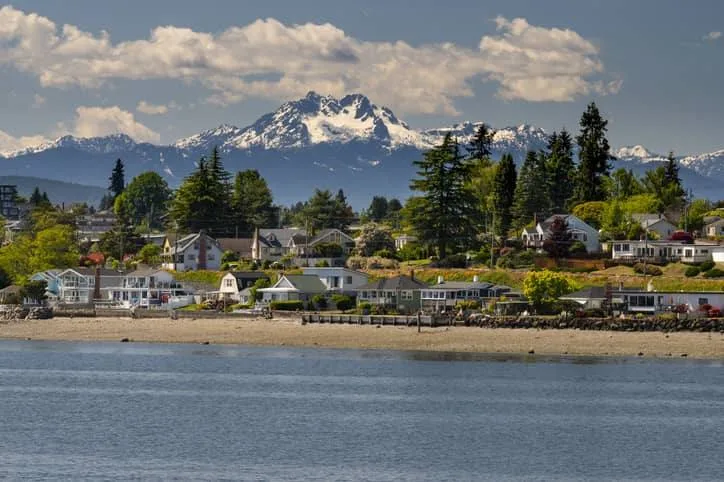
Local Expert Takeaway: The buyers who do best in Bremerton are the ones who treat the Manette Bridge and the ferry terminal as their north stars. If you're commuting to Seattle by water, being able to walk to the Bremerton ferry dock — or at least reach it in under 10 minutes without navigating Warren Avenue at 7 AM — shapes your entire quality of life. For everyone else, the divide is really between the east-side energy of Manette and downtown versus the quieter, car-dependent west-side neighborhoods around Kitsap Lake and Rocky Point. Neither is wrong; they just suit different lives. The 2025 zoning changes and the city's goal of 2,000 new dwelling units mean the supply picture will shift — buyers who understand where density is being added (downtown, Charleston, Manette) have a real edge on where long-term value is most likely to accrue.
Quick Takeaways & FAQs
✅ Rocky Point's forested waterfront properties on Dyes Inlet give Bremerton a genuine luxury tier — complete with view easements and access to Forest Ridge Park — that most people don't expect from a city at this price level.
⚠️ The Bremerton School District holds a C+ rating, according to Niche, and school quality varies by attendance zone; checking the specific boundary for your address before you offer is not optional if schools are a priority.
📍 Crane's Castle Brewing on NE Riddell Rd has quietly become a neighborhood anchor for East Bremerton — it's the kind of local detail that tells you a pocket is stabilizing before the price data catches up.
What is the most walkable neighborhood in Bremerton?
Which Bremerton neighborhood is best for military families?
What are the most affordable neighborhoods in Bremerton?
Are there waterfront homes available in Bremerton?
How do Bremerton's new 2025 zoning changes affect which neighborhood to buy in?
Moving to Washington?
Tell us what you need help with and we'll connect you with local resources.
