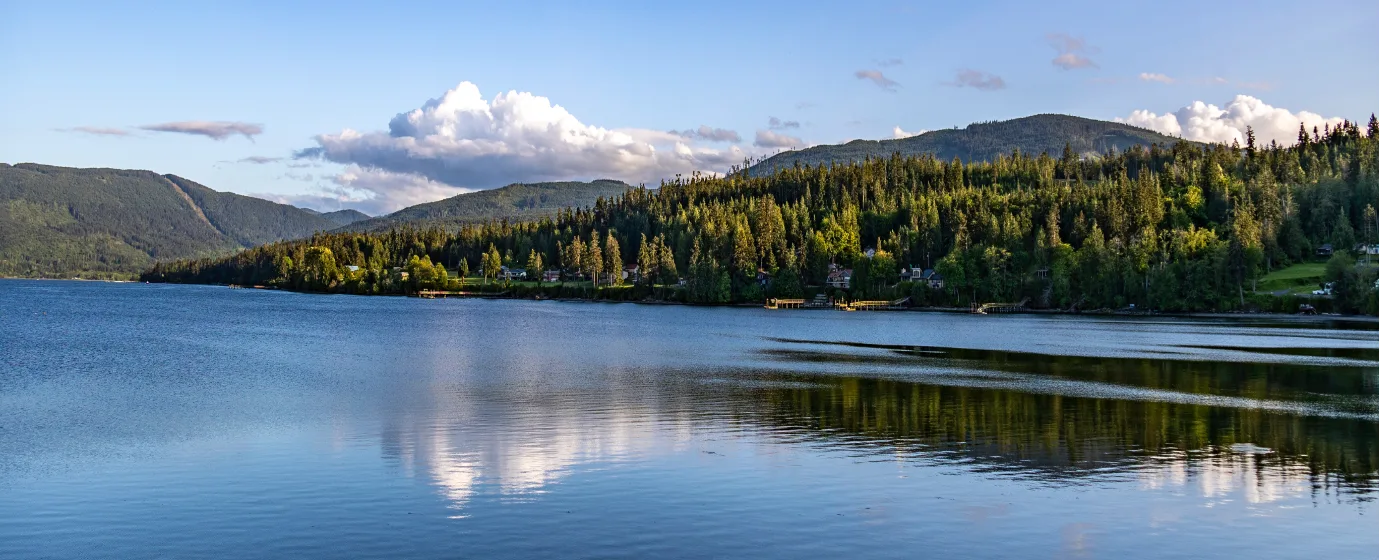
What Is Living in Sequim, Washington Like?
Most people who end up in Sequim didn't plan on it. They were priced out of the Seattle metro, or they came to visit a friend during a July weekend when the lavender was blooming and the sun was inexplicably out while the rest of western Washington was soaked — and something clicked. What they didn't expect is the rain shadow. Sequim sits in a meteorological pocket behind the Olympic Mountains that locals call the Blue Hole, pulling in roughly 17 inches of rain per year — less than Los Angeles — while Port Angeles, just 20 minutes west, gets triple that. That single geographic fact reshapes everything about daily life here: the crops, the retirement draw, the tourism economy, and the particular kind of person who decides to stay.
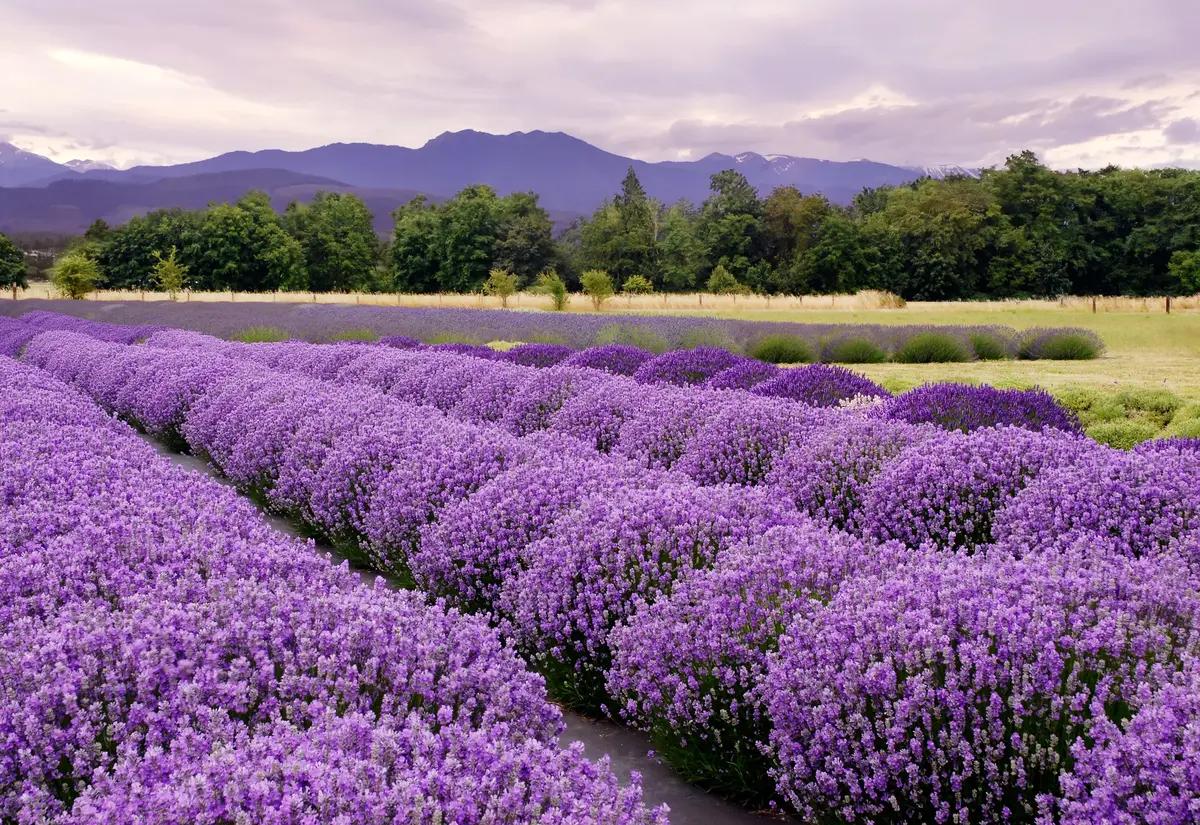
The city's economic backbone is a mix of public institutions and deeply local enterprise. A major regional health system anchors healthcare employment across Clallam County. The Jamestown S'Klallam Tribe operates a significant and growing portfolio of enterprises along Highway 101, from government services to hospitality, making them one of the region's most consequential employers. The Sequim School District employs a meaningful share of working residents. And then there's the lavender industry — genuinely not a marketing gimmick — with dozens of working farms that collectively make the Dungeness Valley one of the highest concentrations of lavender cultivation in the country. The annual Lavender Festival draws tens of thousands of visitors and is a serious economic event, not a weekend craft fair.
The cost picture here is complicated in a useful way. The Zillow Home Value Index puts the typical Sequim home at $562,161 (March 2026) — meaningfully below what comparable waterfront-adjacent, low-rain small cities fetch in the Pacific Northwest. The trade-off is income: the median household income of $59,707 reflects a local job market that skews toward public sector, healthcare, and service work, not tech or finance. Washington has no state income tax, which softens that gap somewhat. For outdoor access, Sequim over-delivers — the Dungeness Spit, Railroad Bridge Park along the river, and John Wayne Marina on Sequim Bay give residents three genuinely different landscapes within a short drive. Whether you're considering a move or just researching the area, the sections below break down Sequim's neighborhoods, cost of living, schools, local favorites, and what daily life here is really like.
Sequim at a Glance
Looking to buy in Sequim? Estimate your payment.
Enter your numbers to see an estimated monthly mortgage payment.
Estimate only. Excludes HOA fees and mortgage insurance. The interest rate above is a starting point, not a quoted rate — replace it with your own to see real numbers. Insurance is a flat placeholder, not a Sequim quote.
Why Are People Moving to Sequim?
The short answer is retirement — and that's not a knock. The median age in Sequim is 62.6 years, and more than half the adult population is over 65. This is a city that has consciously and successfully positioned itself as one of the most livable retirement destinations in the Pacific Northwest, and the infrastructure reflects it.
But reducing Sequim to a retirement colony misses something real. A second wave of younger arrivals — remote workers, trades and healthcare workers, and families priced out of Port Townsend and the Seattle exurbs — has been adding demographic texture to a city that spent decades skewing heavily older. The two groups don't always want the same things from city planning, and that tension is alive in Sequim's ongoing 20-year Comprehensive Plan update, which has been drawing public comment through 2025 and 2026.
The Climate Argument
No other factor does more work in Sequim's favor than the weather. Approximately 2,200 hours of annual sunshine — with July alone delivering up to 330 hours — makes a genuine difference in quality of life compared to most of the Olympic Peninsula. People who moved here specifically for the sun will tell you they didn't fully believe it until they lived through a winter here versus anywhere else on the coast.
The Lavender Economy
The Sequim Lavender Festival, now in its 30th year, is held at Carrie Blake Park each July — free admission, 150-plus artisan and food vendors, live music, and farm tours across the valley. It draws visitors from across the region, and for working farmers and small agri-tourism operators, it represents a meaningful revenue anchor. If you're considering starting a small agricultural business, Sequim's climate and existing farm infrastructure make it a realistic location — not just an aesthetic one.
Who Sequim Suits Best
| Buyer Type | Why Sequim Works | The Catch |
|---|---|---|
| Retirees | Sun, mild temps, outdoor access, senior-friendly amenities | Job market is limited if you need to keep working |
| Outdoor Enthusiasts | Dungeness Spit, river trails, Sequim Bay, proximity to Olympic NP | No lift-served skiing nearby; winter recreation is hiking and kayaking |
| Remote Workers | Lower home prices than Seattle, quiet, fast internet available in most areas | Isolation is real; social infrastructure skews older |
| Families | Tight-knit community feel, access to nature, relatively low cost vs. Puget Sound | Limited youth-focused commercial amenities; nearest big-box retail is Port Angeles |
| Value Seekers | Below-median prices for waterfront-adjacent Pacific NW living | Income ceiling is real — job options are narrower than the price makes it look |
| Water/View Buyers | Sequim Bay, strait and mountain views, Olympic Mountain backdrop | View premiums exist; the best-sited homes move quickly |
What surprises most people six months in isn't the weather or the scenery — it's how quickly the smallness of the city becomes its defining feature, for better or worse.
What Daily Life Feels Like in Sequim
Sequim has a downtown — a real one, not a strip mall with a coffee shop bolted on. Washington Street and the surrounding blocks have independent restaurants, local shops, and a walkable grid that actually functions on foot if you live close to the center. That said, the city is still a small-town service environment: if you need a Costco, a Trader Joe's, or a hospital emergency department with full specialty backup, Port Angeles is your answer, 20 minutes west on Highway 101.
Where People Gather
Carrie Blake Park — the same venue that hosts the Lavender Festival — functions as the city's de facto community living room throughout the year, with its community garden, playground, and open lawn. Railroad Bridge Park along the Dungeness River is where you'll find dog walkers and trail runners on weekday mornings. For breakfast before work or weekend errands, Oak Table Cafe on W Bell St has been a standing local institution. Dinner options include Alder Wood Bistro on W Alder St, where the wood-fired oven drives a straightforward menu, and Shadowline Burgers & Brews on W Washington St for something more casual. For waterfront dining, Dockside Grill on Sequim Bay Road is the go-to — the bay view at low tide on a clear evening is the kind of thing newcomers photograph and longtime residents take for granted.
The Seasonal Quirk Nobody Warns You About
July is not the month to learn how small the roads are. The Lavender Festival, farm tours, and summer tourism compress traffic on Highway 101 and Woodcock Road in ways that feel genuinely jarring in a city of 8,000. Locals who need to run errands or commute during festival weekend either plan around it days in advance or accept the delay as part of living somewhere people actively want to visit.
The Social Reality
The community skews retired and has calibrated its social infrastructure accordingly — civic clubs, arts organizations, the Museum & Arts Center at the Sequim-Dungeness Valley, garden tours, and farm-to-table events are plentiful. If you're in your 30s or 40s and need a dense social scene, Sequim will feel quiet. That's not a failing of the city — it's just useful information before you sign a purchase agreement.
The Olympic Game Farm on the west side of the city is a genuine local institution, not just a tourist attraction — kids who grew up in Sequim remember feeding animals there, and it remains a functioning wildlife facility.
The Sequim Housing Market Right Now
Sequim's housing market has settled into something that looks like equilibrium after several years of pandemic-driven acceleration. The Zillow Home Value Index puts the typical home at $562,161 as of March 2026 — down 1.3% year-over-year, a gentle correction rather than a crash. Redfin's median closed-sale price for the same period comes in at $557,000, confirming both figures are telling the same story.
Homes are sitting on the market longer than they were: averaging around 52 days before going under contract (up from 38 days the prior year), with the Zillow pending-sale timeline running closer to 42 days. That extra time is a meaningful shift for buyers. The frantic multiple-offer dynamic of 2021–2022 has largely faded; buyers today can conduct inspections, think clearly, and negotiate — though well-priced homes in desirable spots near the water or with mountain views still move without much lag.
The sale-to-list ratio sits at approximately 99.1%, and inventory is modest at roughly 1.9 months of supply. This is a balanced market, not a buyer's market — sellers aren't desperate, but they're also not holding all the cards. For a fuller breakdown of how neighborhoods compare and what different price points get you across the city, see the Sequim neighborhoods guide.
One practical note: some areas of the city command significant premiums over that city-wide figure, particularly properties with water views or direct bay access. Entry-level inventory does exist but tends toward older construction further from the water. The Sequim cost-of-living page covers the full picture on taxes, rent, and what your dollar actually buys here.
Sequim Neighborhoods
Sequim has several distinct areas — each with its own character and appeal. Here’s a breakdown to help you narrow down where to focus your home search.
🏡 Sunland
Sunland is Sequim's most established active-adult community, built around a golf course north of the city with a private recreation center and a strong internal social scene. It suits buyers who want a structured community feel with neighbors at a similar life stage.
🏠 Carlsborg
Carlsborg is an unincorporated community east of Sequim proper, strung along Highway 101 with a mix of rural residential and light commercial uses. It appeals to buyers who want more land and fewer municipal regulations, with a trade-off in on-foot access to services.
🌳 Happy Valley
Happy Valley sits south of downtown Sequim on the lower slopes toward the river corridor, with a mix of established single-family homes on larger lots than the city core. It's a quieter residential pocket that suits buyers who want proximity to town without being in the middle of it.
🏘 Dungeness
The Dungeness area stretches north toward the strait and the Spit, with rural roads, farmland, and some of the most sought-after view properties in the city. Buyers here trade walkability for landscape — and most find that trade entirely worth it.
🏔 Cedar Ridge
Cedar Ridge is a residential area south of downtown with a mix of newer subdivisions and established homes, drawing buyers who want suburban quiet with a short drive to Sequim's commercial corridor along Washington Street.
🌆 Agnew
Agnew is a rural community west of Sequim along Agnew Road, with larger parcels and a genuinely agricultural character. It suits buyers who want acreage — some with hobby-farm potential — and are comfortable with the longer drive to city services.
Pros & Cons of Living in Sequim
The Pros
- Renowned sunny
- dry microclimate compared to the rest of rainy Western Washington
- small-town charm with a walkable downtown and strong senior/retiree community
- easy access to Olympic National Park
- the Dungeness Spit
- and Puget Sound outdoor recreation
The Cons
- Limited local job market and lower median incomes than the Seattle metro area
- property and overall crime rates run higher than national and state averages for a town this size
- an aging population and modest school district ratings may not suit every family
Getting Around & Commuting in Sequim
Owning a car in Sequim is not optional for most residents — it's the baseline. The city's layout along Highway 101 and the surrounding rural roads was designed around the automobile, and outside of a walkable radius from downtown, nearly everything requires driving.
The Highway 101 Reality
Highway 101 is Sequim's spine and its pressure point. It connects the city east toward Port Townsend and west toward Port Angeles, and it passes through downtown in a way that creates real friction during peak hours and especially during summer tourist season. Locals learn quickly which side roads can shave time off an in-town trip and when to simply not be on 101 at all.
Where Most People Work and How Far They Go
| Destination | Typical Drive Time | Primary Route | Notes |
|---|---|---|---|
| Port Angeles (downtown / hospital campus) | ~20 minutes | Highway 101 West | Most common regional commute corridor |
| Jamestown S'Klallam Tribe facilities (Blyn area) | ~10 minutes | Highway 101 East | Major employer just east of city |
| Port Townsend | ~50–55 minutes | Highway 101 East to SR-20 | Via Discovery Bay; no direct ferry from Sequim |
| Kitsap Peninsula | ~2+ hours | 101 East, then ferry from the peninsula's west side | Not a realistic daily commute |
| Seattle | ~3–3.5 hours by car/ferry | 101 East, Washington State Ferry, then into the city | Viable for remote workers; not a realistic daily commute |
| Victoria, BC (via ferry) | ~1.5–2 hours total | Drive to Port Angeles, MV Coho ferry | Year-round daily service; good for day trips |
The MV Coho ferry from Port Angeles to Victoria runs year-round, which matters more than most newcomers expect — Victoria is a genuine day-trip and occasional errand destination for some Peninsula residents, particularly for specialty shopping or medical tourism.
Transit Options
Clallam Transit System operates bus routes connecting Sequim to Port Angeles and other county destinations, with Google Maps integration for trip planning. It works for workers commuting to specific Port Angeles destinations, but it is not a substitute for a car if you live in Agnew, Dungeness, or anywhere outside the city core. Sequim has no passenger rail connection and no commercial airport; the nearest regional airport with scheduled service is in Port Angeles, with the primary option for full-service flights being a major international airport in the Seattle area, roughly three to three-and-a-half hours away.
Remote Work as the Real Commute Strategy
For many of the younger residents who've arrived in the last five years, the commute to Sequim's limited local job market isn't the relevant question — their employer is a laptop and a broadband connection. Internet infrastructure in the city core is generally solid; rural areas further out have more variability, and it's worth verifying actual service speeds before committing to a property in areas like Agnew or outer Dungeness.
Schools in Sequim
Families relocating to Sequim have public, private, and higher-education options nearby. Here’s a quick overview.
🎓 School District
Sequim School District serves K–12 students across Sequim and the surrounding area. Rated C+ (source: Niche.com).
🏆 Graduation Rate
The 4-year high-school graduation rate here is approximately 88.5%.
📚 Higher Education
Washington’s public universities — the University of Washington, Washington State University, and Western Washington University — offer four-year degrees statewide, with a network of 34 community and technical colleges (SBCTC) providing two-year and workforce programs.
🌐 Online Learning
University of Washington Continuum College and Washington State University Online offer fully accredited online degrees for remote learners across the state.
Safety in Sequim
A quick look at how Sequim compares on the numbers that matter most when weighing a neighborhood or a move.
🛡 Violent Crime
Approximately 4 per 1,000 residents.
🔒 Property Crime
Approximately 20 per 1,000 residents.
Compared to the FBI’s most recent national data (2024), Sequim’s violent crime is above the national average (about 3.6 per 1,000), and property crime is above the national average (about 17.6 per 1,000).
Against Washington as a whole, Sequim’s violent crime is somewhat above the state average, and property crime is somewhat below the state average (Bureau of Justice Statistics, Crime Known to Law Enforcement, 2024 (tables 2 and 3)).
Crime rates can vary a lot within a single city, so the citywide numbers above are only a starting point. Some neighborhoods in Sequim run well below these averages, while others run higher — the kind of block-by-block detail that matters most when you’re actually choosing where to live. The full guide below breaks it down neighborhood by neighborhood.
Working in Sequim
Sequim’s largest employers span several industries — here are some of the anchors of the local job market.
🏥 Olympic Medical Center
Healthcare
🏛 Jamestown S'Klallam Tribe
Tribal government & enterprises
🎓 Sequim School District
Education
💼 local lavender farms and agri-tourism operators
Agriculture/tourism
💼 regional retail and hospitality businesses
Parks & Recreation in Sequim
Some of the outdoor spaces that shape everyday life in Sequim.
🌱 Railroad Bridge Park / Dungeness River Nature Center
Sequim residents don’t have to go far for green space — spots like Railroad Bridge Park / Dungeness River Nature Center are part of everyday life here, whether that’s a morning walk, a weekend hike, or just somewhere to unwind outside. The full guide below covers more of what Sequim has to offer for parks and outdoor recreation.
Retiring in Sequim
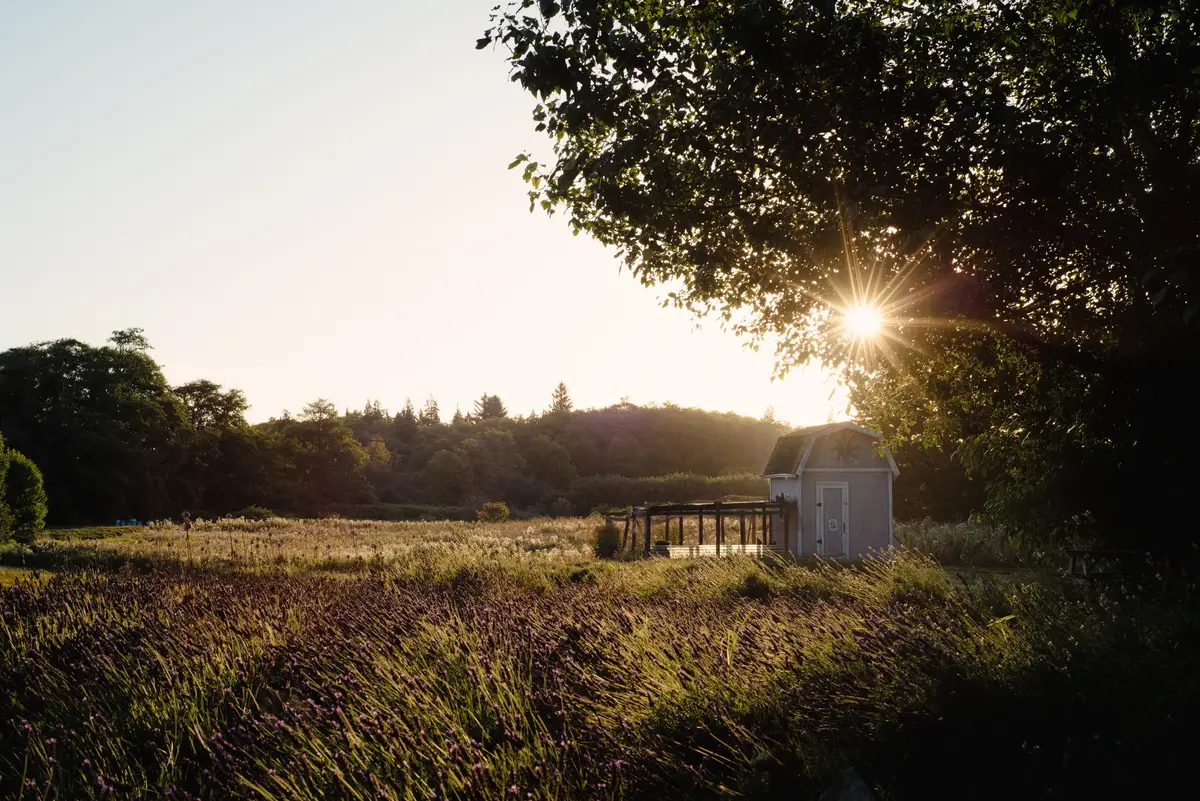
Sequim draws retirees for its balance of amenities, outdoor access, and cost. Here’s what to weigh.
🌤 Climate
Sequim's rain shadow delivers roughly 17 inches of rain per year and over 2,200 hours of annual sunshine — a genuine outlier for western Washington. Summers are mild with August highs around 73°F, and the driest stretch runs April through September. Winters are cool and damp but rarely severe, with snow in the city being an occasional event rather than an annual certainty.
🍴 Lifestyle
The Museum & Arts Center at the Sequim-Dungeness Valley, a rotating downtown arts scene, the Dungeness Spit, and a genuinely walkable restaurant and café block give retirees a full calendar without requiring a car trip to Port Angeles every day. The Lavender Festival in July and farm tour season throughout summer give the social calendar a recurring anchor. For waterfront dining, Dockside Grill on Sequim Bay Road and the marina at John Wayne Park give the coast a real presence.
🏚 55+ Communities
Sequim has a well-developed active-adult housing market, with communities in areas like Sunland offering golf, recreation centers, and an established social infrastructure built specifically for retirees. The city's high median age — 62.6 years — means services, retail, and community programming are calibrated toward this demographic in a way that few small cities in the Pacific Northwest can match. See the <a href="/washington/sequim/retiring">Sequim retiring guide</a> for a full breakdown of healthcare access and senior living options.
✈ Getting Around
A car is essential for most daily life in Sequim, though the city's compact core is walkable for residents in the right blocks. Port Angeles, with a regional hospital campus and fuller retail, is 20 minutes west on Highway 101. The MV Coho ferry from Port Angeles connects to Victoria, BC year-round — a genuine amenity for retirees who enjoy day-tripping internationally. A major regional airport with full-service flights is roughly three to three-and-a-half hours away by car and ferry.
🏛 Washington Taxes for Retirees — What to Know
- No state income tax — Washington does not tax personal income, so Social Security, pensions, and 401(k)/IRA withdrawals are all untaxed at the state level. There is no state return to file and no retirement exclusion to claim — the rate is simply zero.
- Military and public pensions — Because there is no income tax, military retirement pay and public-employee pensions are untaxed at the state level along with everything else.
- Sales tax is the tradeoff — The state sales tax is 6.5%, and local add-ons bring the combined rate in Sequim to 8.9% (Washington State Department of Revenue, Q3 2026 local sales & use tax rate table, July 2026). Groceries and prescription drugs are exempt.
- Property taxes, with senior relief — The effective property tax rate is roughly 0.9%. Homeowners 61+ (or unable to work due to disability, or a qualifying disabled veteran) who own and occupy their home may qualify for a reduction. Income limits are set against each county’s median household income, so the threshold differs by county — check with your county assessor. A separate deferral program is available for those who don’t qualify for the exemption.
- Capital gains tax — but not on retirement income — Washington taxes 7% on long-term capital gains above a $278,000 standard deduction for 2025, rising to 9.9% on gains above $1,000,000. Retirement accounts and real estate sales are both exempt. It therefore does not reach ordinary retirement income or the sale of a home.
- Estate tax — the one to plan for — Unlike most no-income-tax states, Washington has its own estate tax. For deaths on or after July 1, 2026, the exemption is $3 million with graduated rates topping out at 20%. Retirement accounts count toward the taxable estate, so long-time homeowners with sizable balances can cross the line without expecting to.
- No inheritance tax — Washington has no inheritance tax, and no gift tax.
- WA Cares payroll premium — Working Washingtonians pay 0.58% of gross wages into the WA Cares Fund, the state long-term care program, with no income cap. It applies to W-2 wages, so retirees who have stopped working do not pay it — but anyone relocating while still employed will see it. The private-insurance opt-out closed at the end of 2022 and is not available to new applicants; the remaining exemptions are narrow (living outside Washington, military spouses, certain visa holders, and veterans with a 70%+ service-connected rating).
- The Oregon border effect — Oregon has no sales tax, so Washington residents near the river — Vancouver, Camas, Washougal, Longview — often cross over for large purchases. Washington use tax technically applies to goods brought back for use in-state, though it is rarely enforced on ordinary personal purchases.
Tax laws change frequently and individual situations vary. This is general information, not tax advice — always consult a qualified Washington tax professional or CPA for personalized retirement tax planning.
Weekends & Local Favorites in Sequim
The geography does most of the heavy lifting for weekend life in Sequim. You have three genuinely different outdoor environments within a short drive: the Dungeness Spit — the longest natural sand spit in the country, stretching into the strait with the New Dungeness Lighthouse at its tip — the Dungeness River trail system accessed at Railroad Bridge Park, and Sequim Bay itself, where John Wayne Marina gives recreational boaters a full-service launch and moorage.
Outdoor Life
The Dungeness National Wildlife Refuge draws serious birders year-round, and the five-mile hike to the lighthouse is a consistent weekend staple for residents and visitors alike. The river corridor at Railroad Bridge Park has a nature center, interpretive trails, and easy access to the water — it functions as Sequim's neighborhood park for much of the city's western side. Olympic National Park's Hurricane Ridge is roughly an hour's drive from downtown, giving residents access to subalpine meadows and (in winter) a small but functional ski and snowshoe area.
Food and Drink
Downtown Sequim has a legitimate restaurant scene for a city its size. Breakfast at Oak Table Cafe on W Bell St draws a consistent crowd — expect a wait on weekend mornings. Alder Wood Bistro on W Alder St is the dinner anchor, with a wood-fired approach that suits the Pacific Northwest aesthetic without being precious about it. Shadowline Burgers & Brews on W Washington St fills the gastropub slot — local beers on draft and burgers that hold up. For the full waterfront experience, Dockside Grill on Sequim Bay Road is worth the short drive out of downtown, especially on a clear evening when the Olympics reflect off the water.
Arts and Culture
The Museum & Arts Center at the Sequim-Dungeness Valley on N Cedar Street holds the area's cultural history — including material on an archaeological mastodon discovery made in the 1970s just outside town. It's a small museum with a specific and interesting story to tell. The Sequim arts community is active relative to the city's size, with rotating gallery shows and an outdoor sculpture walk through downtown that gives the main streets a sense of investment beyond the commercial.
Day Trips That Actually Work
Living in Sequim means Port Townsend — with its Victorian architecture, independent bookstores, and ferry connection — is a weekend option, not a sacrifice. Victoria, BC via the MV Coho from Port Angeles is a realistic day trip for those who enjoy a different country for lunch. And the Olympic Peninsula's wild coast toward Forks and the Hoh Rain Forest is a dramatic contrast to Sequim's sunny dryness, accessible in under two hours and genuinely different in character from the rain-shadow east end of the Peninsula.
Top Things Locals Say About Sequim
The best intel about a city comes from the people who actually live there. Here’s what Sequim residents say when newcomers ask the questions everyone’s thinking.
“I knew about the rain shadow before we moved here, but I didn't actually believe it until our first November. Our friends in Olympia were sending us grey-sky photos every other day and we were out raking leaves in the sun. The other thing I didn't expect was how much of daily life runs through Port Angeles — we're in Sequim, but if we need anything beyond the basics, we're in the car headed west.”
— Recent Sequim home buyer
“What's the most surprising thing about living in Sequim?”
The weather, every time. People hear 'western Washington' and assume grey skies and constant rain. But from April through September, Sequim is genuinely sunny in a way that doesn't feel like the Pacific Northwest at all. The flip side is that the Olympic Mountains that create the Blue Hole also mean you're hemmed in geographically — Highway 101 is the way in and out, and you feel that on summer weekends when tourists and festival traffic back everything up through downtown.
“What do locals love most about Sequim?”
The access. On a Saturday morning you can hike out toward the New Dungeness Lighthouse on the Spit, stop at a lavender farm on the way home, and have dinner watching the sun set over the Olympics from Sequim Bay. The city is small enough that you know your neighbors and your waitstaff, but the landscape is big enough that you never feel trapped. Carrie Blake Park is where a lot of community life actually happens — it's where the Lavender Festival goes, but also where people walk their dogs on Tuesday mornings.
“What should newcomers to Sequim know?”
Plan your July around the Lavender Festival weekend — not against it. Traffic on Woodcock Road and parts of 101 turns genuinely slow, and if you need to run normal errands that weekend, do it Friday morning or wait until Monday. Also: Port Angeles is not a backup plan, it's a regular destination. Most people find themselves there at least once a week for things Sequim doesn't have. And internet speed varies a lot between neighborhoods — if you're working remotely, verify actual service at a specific address before you close.
“Can you live in Sequim without a car?”
Technically possible within a narrow radius of downtown — Oak Table Cafe, Shadowline, and some basic services are walkable if you're in the right blocks. In practice, almost no one does it. Clallam Transit runs buses to Port Angeles and around the county, but schedules are limited and the system isn't designed for car-free daily living. If you're in Dungeness, Agnew, or anywhere rural, a car isn't optional. Even residents in the city core drive for most errands, and anything involving healthcare or major shopping means a trip to Port Angeles.
Cities Near Sequim
Other communities near Sequim worth a look — each with its own character and price point.
| City | Distance | Best For | Vibe | Median Rent | Median Buy |
|---|---|---|---|---|---|
| Port Angeles | 17 mi | Full services, hospital access, broader retail | Larger town, working waterfront, practical | $1,300 | $432,551 |
| Port Townsend | 30 mi | Arts community, Victorian character, ferry access | Historic, walkable, independent-minded | $1,500 | $642,884 |
| Carlsborg | 5 mi | Rural space, lower density, acreage buyers | Unincorporated, quiet, highway-adjacent | $1,400 | $480,000 |
More Helpful Guides for Sequim
Going deeper on Sequim? Our blog series covers everything from first-time buying to retiring here — explore the guides below.
Local Expert Takeaway: Sequim is one of the few places in western Washington where the weather alone justifies the move for a certain kind of buyer. The Blue Hole rain shadow is real and it changes daily life in ways you notice every week — from the lavender fields visible from Highway 101 to the clear evening views of the Olympics from Sequim Bay. The catch is equally real: the local job market is limited, the city skews older, and anyone expecting Seattle-level amenities will be disappointed. But for remote workers, retirees, and anyone who genuinely wants to spend weekends hiking to the New Dungeness Lighthouse or kayaking on Sequim Bay rather than sitting in highway traffic, the math here is compelling in a way that's hard to find anywhere else on the Peninsula.
Quick Takeaways & FAQs
✅ Sequim receives just 17 inches of rain per year — less than Los Angeles — thanks to a genuine Olympic Mountain rain shadow that delivers 2,200+ hours of annual sunshine.
⚠️ The local job market is narrow and income-limited; the median household income of $59,707 reflects an economy built around healthcare, tribal enterprises, and service work rather than tech or professional services.
📍 The Dungeness Spit, Railroad Bridge Park, and John Wayne Marina give residents three distinct outdoor environments within a 15-minute drive of downtown — and Olympic National Park's Hurricane Ridge is about an hour away.
Is Sequim a good place for families with kids, or is it primarily a retirement community?
What is the typical home price in Sequim right now?
Does it really not rain much in Sequim?
What are the main employers in Sequim?
How far is Sequim from Seattle, and is commuting realistic?
Helpful Links for Moving to Sequim
Moving to Washington?
Tell us what you need help with and we'll connect you with local resources.
