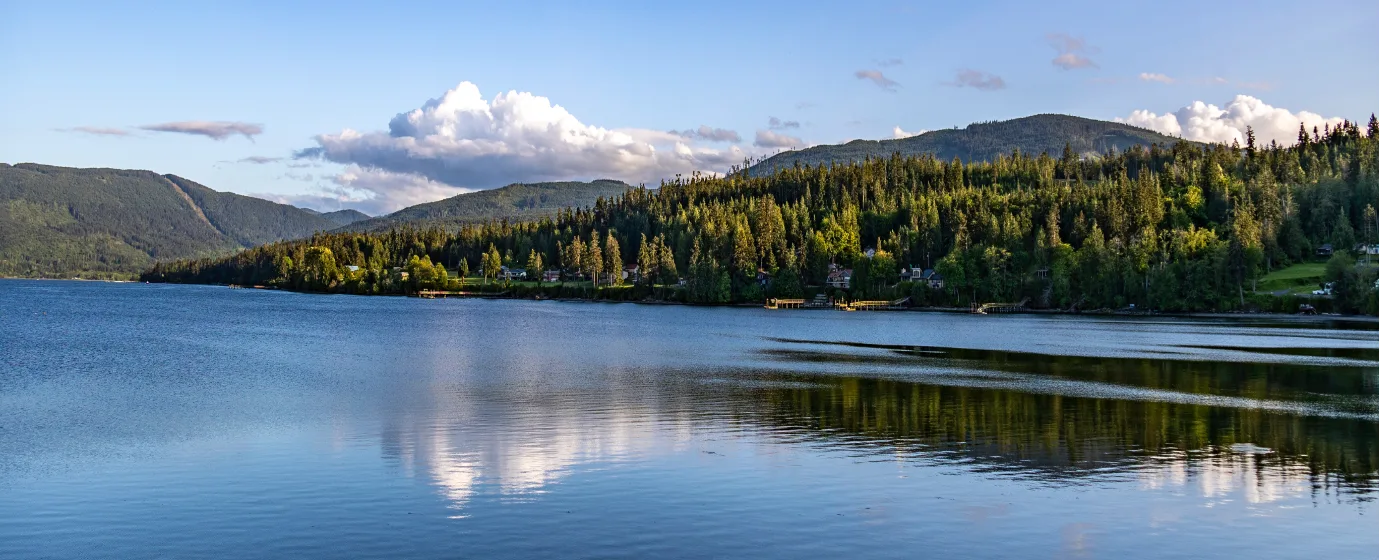
Most people who move to Sequim mention the lavender fields first. What catches them off guard — usually sometime in the second month — is how much of daily life here is organized around water and wildlife rather than any particular downtown anchor. The city sits inside the rain shadow of the Olympic Mountains, which gives it roughly half the annual rainfall of Seattle while placing it minutes from some of the most ecologically rich shoreline in the Pacific Northwest. The Strait of Juan de Fuca runs along the north edge of town, the Dungeness River cuts through the middle, and the Olympic Peninsula wilderness presses in from the south.
That geography isn't just scenic backdrop — it directly shapes where residents walk, kayak, birdwatch, camp, and spend weekend mornings. The Dungeness National Wildlife Refuge, established in 1915, sits a short drive from most neighborhoods in Sequim. Railroad Bridge Park and the Dungeness River Nature Center are reachable from downtown without getting on a highway. John Wayne Marina on Sequim Bay gives the city a working boating hub with public beach access. These aren't incidental amenities — they're the framework around which a lot of Sequim households build their free time.
What you give up relative to a larger city is structured, programmed recreation: no major aquatic center, no regional sports complex, limited indoor options when the weather turns. What you gain is immediate, low-barrier access to wildlife, trails, and water that residents of cities several times Sequim's size drive hours to reach. For families with kids, youth programs tied to local nonprofits and community organizations supplement the trail-and-wildlife infrastructure — see the full breakdown on the schools page — but the most consistent outdoor programming in town flows through the Nature Center and the county parks system.
Whether you're comparing Sequim to Port Townsend, considering a move from the east side of the Cascades, or just trying to understand what you'd actually do on a Tuesday afternoon here, the sections below cover Sequim's signature parks, trail network, water access, and the seasonal rhythms that shape outdoor life in the Dungeness Valley.
Dungeness Spit and the National Wildlife Refuge
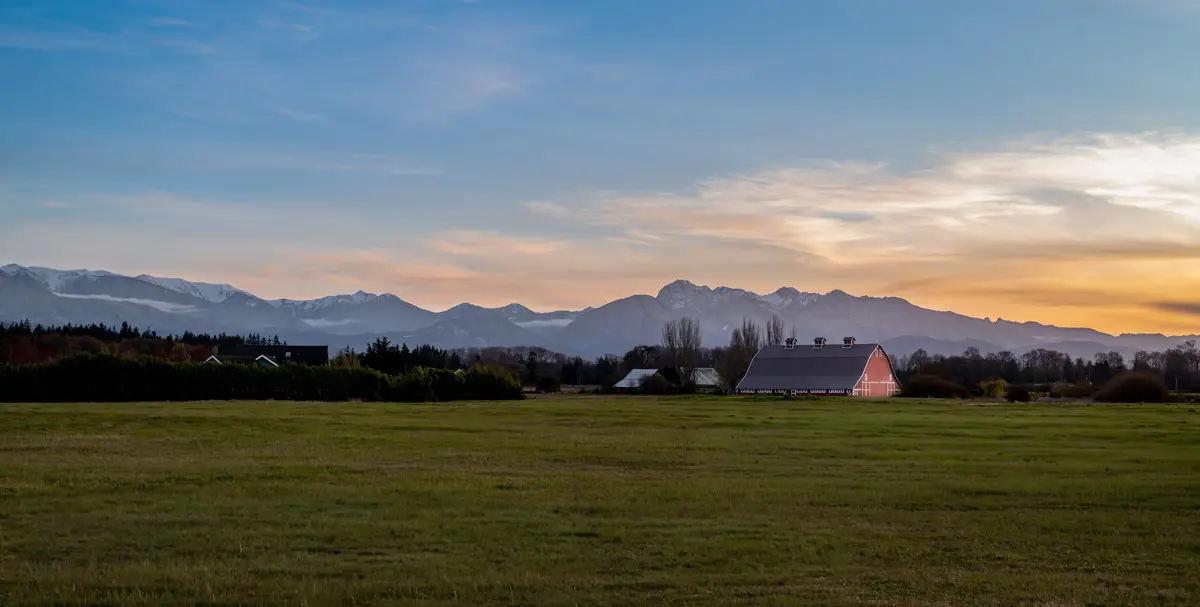
At 5.5 miles, Dungeness Spit is the longest natural sand spit in the United States — a narrow finger of glacially deposited gravel reaching into the Strait of Juan de Fuca, sheltering a calm bay on one side while saltwater waves work the strait side. President Woodrow Wilson designated it a National Wildlife Refuge in 1915, making it among the oldest in the entire refuge system.
The numbers inside the refuge are genuinely striking: more than 250 bird species recorded, 41 species of land mammals, and 8 species of marine mammals, including several threatened or endangered. Harbor seals haul out on the spit in large numbers. Dunlin, dowitchers, and black-bellied plovers crowd the tideflats during migration season. For residents with even a passing interest in birdwatching, this is a walk-from-the-parking-lot experience rather than a backcountry expedition.
The Hike Itself
The main trail starts with roughly a half-mile forested walk to a bluff overlook — that stretch alone is worth the trip on an overcast winter morning. From the bluff, the route descends to the spit and follows it 5 miles out to the New Dungeness Lighthouse, roughly 11 miles round-trip total. Entry is per-group (verify the current fee directly with U.S. Fish & Wildlife before your visit, as it can change).
The out-and-back distance catches some newcomers off guard. Many first-timers walk out a mile, turn around, and miss the lighthouse entirely — which is fine, but know going in that the full spit experience is a half-day commitment. Bring water, wind protection, and good footwear; the gravel surface is harder on ankles than a packed dirt trail.
Fishing and Shellfishing
The strait side of the spit is open to saltwater fishing year-round, except for the area beyond the lighthouse. Dungeness Bay tidelands open for shellfishing from May 15 through September 30 — Dungeness crab and geoduck are the draws. Kayakers paddle out from the bay side to reach the lighthouse without the full spit walk, a quieter approach that puts you close to harbor seals at water level.
Dungeness Recreation Area
Adjacent to the refuge, the Clallam County Dungeness Recreation Area adds 66 forested campsites, including 2 ADA-accessible sites and 8 hiker/biker sites. A 1-mile bluff trail runs through the campground with views over the bay. Equestrian trails, several miles of hiking and biking routes, and coin-operated showers (available May through October) round out the facilities. For residents who want to spend a long weekend at the spit without driving home, the campground is the practical base.
Railroad Bridge Park, the Nature Center, and the Olympic Discovery Trail
Railroad Bridge Park sits just one mile from Sequim city limits — close enough to reach on a bike, on foot, or as a fifteen-minute after-work detour. The park covers 75 acres of wooded riverside land centered on a historic wooden railway trestle that spans more than 730 feet across the Dungeness River. That trestle, listed on the National Register of Historic Places since 1982, now carries foot and bike traffic instead of rail cars.
The river corridor here is legitimately beautiful in a way that the park's proximity to town makes easy to undervalue. Mature cottonwoods, the sound of glacial meltwater, and regular sightings of great blue herons along the bank — it reads as wilderness until you remember you're a mile from Washington Street.
The Dungeness River Nature Center
The Dungeness River Nature Center, located within the park, was the first Audubon center established in Washington State and remains the only one in the state with a Native American tribe — the Jamestown S'Klallam — as a formal partner. That partnership matters in practice, not just on paper: interpretive exhibits here integrate Indigenous ecological knowledge alongside natural history displays of mounted bird specimens and river ecology.
Weekly Wednesday morning bird walks run year-round, free to join for residents. Two annual festivals — one in April, one in September — draw regional naturalists and are genuinely well-attended by locals rather than being primarily tourist events. If you move to Sequim and want to get oriented to the wildlife quickly, this is the most efficient entry point in town.
The Olympic Discovery Trail
Railroad Bridge Park functions as a central hub on the Olympic Discovery Trail, a 135-mile multi-use route running from Port Townsend on the east to La Push on the Pacific Coast. Sequim sits roughly in the middle of the trail, which means you can ride or walk east toward Port Townsend or west toward Port Angeles without getting on a road.
The trail is open to walkers, cyclists, runners, and equestrians — a mix that works well most of the time but does create some navigational friction on busy summer weekends near the park trailhead. Locals who cycle the trail regularly tend to start early and avoid the Railroad Bridge parking lot between 10 a.m. and 2 p.m. on July and August Saturdays.
For anyone moving here with a road or gravel bike, the Olympic Discovery Trail is the reason the Sequim area has a cycling culture at all. The terrain is accessible rather than aggressive, and the combination of river corridor, farmland, and bay views along different segments makes it a trail people actually ride on weekday evenings rather than just checking off on a bucket list.
John Wayne Marina and Sequim Bay
John Wayne Marina has a backstory that genuinely surprises people when they first hear it. John Wayne frequented Sequim Bay aboard his yacht, the Wild Goose, in the years before his death in 1979. The Wayne family donated 22 acres of waterfront land to make the marina possible, and the facility opened in 1985. It is now operated by the Port of Port Angeles at 2577 W. Sequim Bay Road.
The marina is a working facility, not a tourist attraction dressed up with Wayne memorabilia. Permanent and guest moorage, fuel, boat launch ramps, showers, laundry, and banquet facilities serve the actual boating community that uses Sequim Bay regularly. Transient moorage runs $1.65 per linear foot per day for vessels under 75 feet, with 30-amp electrical service at $5.50 per day (2025 rate schedule from the Port of Port Angeles — confirm current rates before arrival).
Public Access Without a Boat
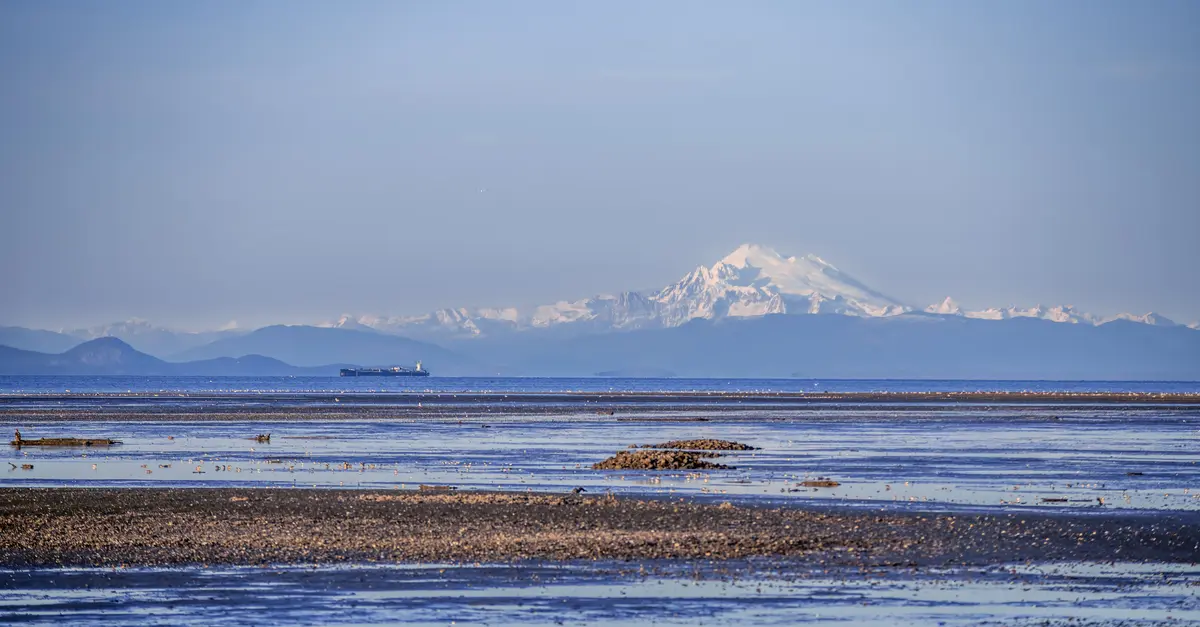
You don't need a vessel to use the marina meaningfully. Public beach access, picnic areas, and bay views are available to anyone who pulls into the parking lot. On a clear day, the backdrop across Sequim Bay toward the Olympics makes this one of the more photogenic spots in Clallam County — and it's rarely crowded outside of summer weekends.
The Dockside Grill, the waterfront restaurant located at the marina on West Sequim Bay Road, is one of the more consistent gathering spots for residents who want a meal on the water after a day on the bay. The combination of marina access and a working restaurant in the same complex makes John Wayne Marina a genuinely functional civic amenity rather than just a scenic pullout.
On-the-Water Recreation from the Bay
Sequim Bay is protected from the full force of the strait by the spit, which makes it calmer and more forgiving for kayaking, stand-up paddleboarding, and small-boat sailing than the open water to the north. The bay's protected character is one reason the marina exists where it does. Crabbing from a small boat in Dungeness Bay is a summer ritual for a lot of Sequim households — the combination of shellfishing access and the calm bay conditions makes it accessible to people who aren't experienced offshore boaters.
Looking to buy in Sequim? Estimate your payment.
Enter your numbers to see an estimated monthly mortgage payment.
Estimate only. Excludes HOA fees and mortgage insurance. The interest rate above is a starting point, not a quoted rate — replace it with your own to see real numbers. Insurance is a flat placeholder, not a Sequim quote.
Seasonal Recreation and What Daily Outdoor Life Actually Looks Like
The rain shadow effect is real, but it's not a guarantee of sunshine. Sequim averages roughly 16 inches of annual rainfall — dramatically less than Port Angeles or the western peninsula — but fall and winter still bring grey, damp stretches that can last weeks. The outdoor infrastructure here is built for year-round use, which means most trails and parks function in light rain, but a January week of cold fog will test whether you've truly made peace with the Pacific Northwest.
Spring and Summer: Peak Season Without Peak Crowds
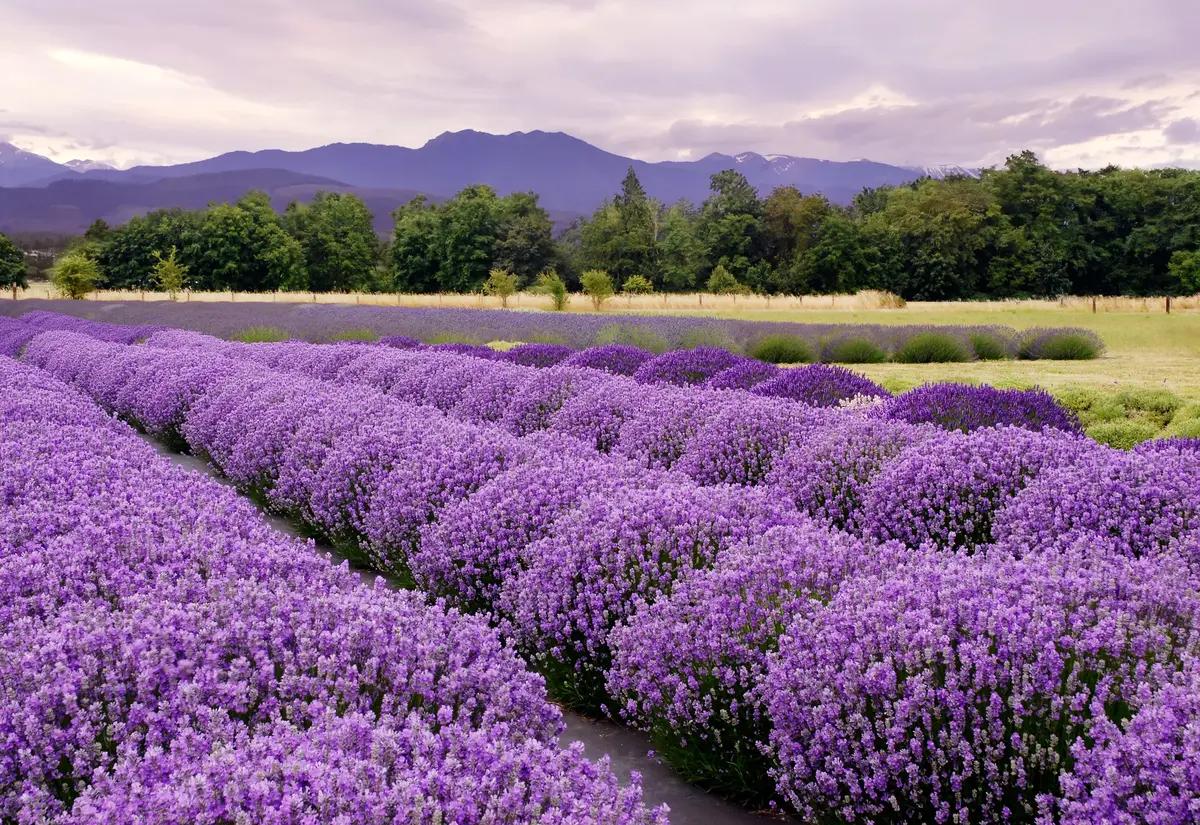
The Sequim-Dungeness Valley lavender bloom runs through July, and it brings meaningful tourist traffic — the Sequim Lavender Weekend in mid-July in particular fills restaurants and parking lots in ways that surprise residents in their first year. The Dungeness Spit trail gets noticeably busier, and the Railroad Bridge Park trailhead can be congested on Saturday mornings. The practical move is to treat these as weekday destinations from late June through August.
Summer is when shellfishing on Dungeness Bay opens, when the Dungeness Recreation Area campground is fully operational with showers, and when kayaking and paddleboarding on the bay are at their most accessible. Evenings are long, temperatures are mild, and the combination of accessible water and calm bay conditions makes outdoor life in Sequim feel genuinely effortless in July and August.
Fall and Winter: The Honest Picture
Fall brings some of the best birdwatching of the year — migrating shorebirds concentrate on the Dungeness tideflats in September and October, and the Wednesday morning bird walks at the Nature Center draw their most knowledgeable crowds during this period. The Dungeness River runs higher and faster after the first serious rains, which changes the character of Railroad Bridge Park in a way long-time residents appreciate: quieter, more atmospheric, fewer day-trippers.
Winter at the spit is a specific kind of experience. The forested half-mile to the bluff overlook is manageable in rain gear. Walking the exposed gravel spit itself in December wind is something else — bring layers, expect to turn back earlier than planned, and understand that this is still a worthwhile trip. Seals are present year-round, and winter storm light over the strait is unlike anything the summer crowds see.
What Locals Actually Do on a Regular Basis
The honest answer: weekday mornings at Railroad Bridge Park or along the Olympic Discovery Trail between Sequim and Port Angeles, weekend trips to the spit when the weather cooperates, and a summer rhythm built around Dungeness Bay. The Olympic Game Farm on Ward Road is a regular outing for families with younger children — drive-through and walking tours of the farm have been part of the Sequim experience for decades. The outdoor life here is consistently excellent, but it is also genuinely self-directed — there is no large parks-and-recreation department programming weekends for you. That suits a lot of people who move to Sequim exactly right.
Local Expert Takeaway: Sequim's outdoor life centers on three corridors: the Dungeness Spit and National Wildlife Refuge to the north, the Dungeness River and Railroad Bridge Park to the west, and Sequim Bay at John Wayne Marina to the east. Residents who use all three — even casually — have access to wildlife, water, and trail mileage that most Pacific Northwest cities their size can't match. The catch is that it's self-organized recreation. Nobody is going to hand you a schedule. Show up to the Wednesday morning bird walk at the Nature Center, walk the spit before 9 a.m. in summer, and get on the Olympic Discovery Trail heading east toward Port Townsend at least once in the fall. That's the local playbook.
Quick Takeaways & FAQs
✅ Dungeness Spit is the longest natural sand spit in the United States at 5.5 miles, and it's accessible from a trailhead minutes from downtown Sequim.
⚠️ The outdoor recreation here is self-directed — no major recreation center or programmed parks department means you need to seek it out, which doesn't suit everyone.
📍 Railroad Bridge Park is just one mile from city limits and connects directly to the 135-mile Olympic Discovery Trail, making it the most-used everyday outdoor space for Sequim residents.
How long is the hike to the New Dungeness Lighthouse and how hard is it?
Is the Olympic Discovery Trail paved or gravel, and can I bike it?
When can you go crabbing and shellfishing at Dungeness Bay?
Does John Wayne Marina have public access if I don't have a boat?
What outdoor activities are available at Railroad Bridge Park besides walking the trestle?
Moving to Washington?
Tell us what you need help with and we'll connect you with local resources.
