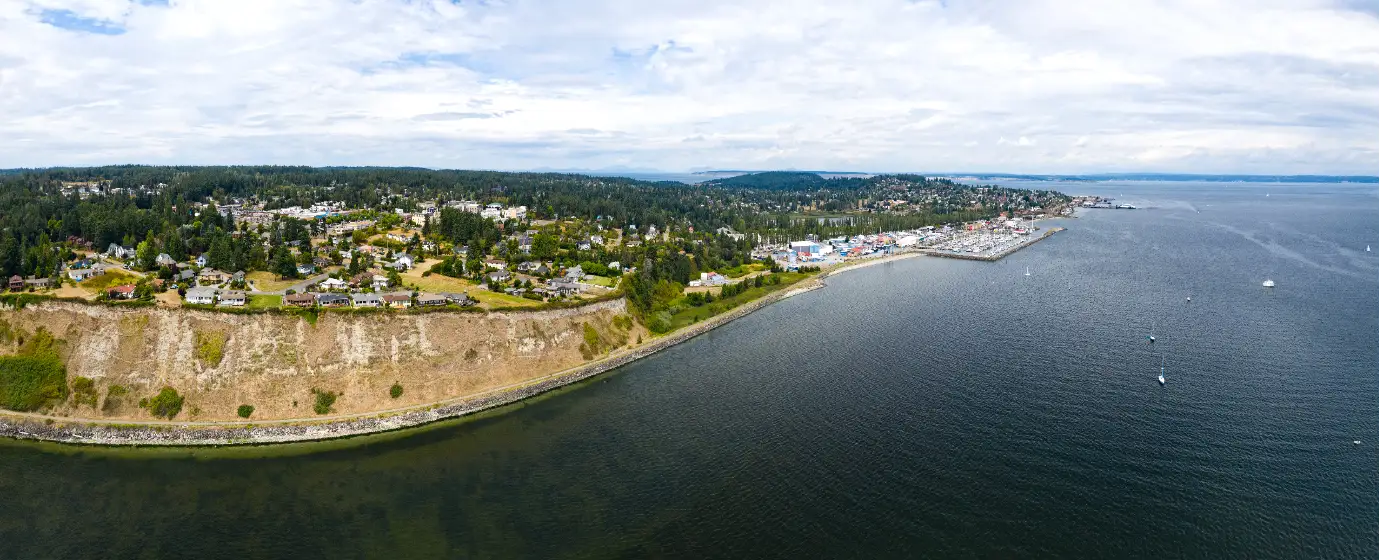
Moving to a small town with a single high school means the district either fits your family or it doesn't — there's no switching buildings if it doesn't click. Port Townsend School District earns a solid B rating and serves roughly 1,170 students across four schools on the northeastern tip of the Olympic Peninsula. What makes this district genuinely different from any other small-town Washington system is the waterfront: a formal Maritime Discovery Schools initiative weaves sailing, wooden boatbuilding, and at-sea experience into K–12 curricula in partnership with the Northwest Maritime Center and the Northwest School of Wooden Boatbuilding. Your child could be doing hands-on boat work before they're old enough to drive. That's not a brochure claim — it's written into the district's partnership agreements with real marine institutions on the Port Townsend waterfront.
The district runs four schools: Salish Coast Elementary (PK–5), Blue Heron Middle School, the alternative OCEAN program (K–12, project-based), and Port Townsend High School. With 361 students in grades 9–12, the high school is small enough that your kid will know most of their class by sophomore year. That can mean extraordinary teacher attention and a genuine community feel — or it can feel limiting, depending on the student. The Redhawks compete in WIAA athletics, offer Advanced Placement and Running Start dual-credit courses, and maintain accreditation from the Northwest Commission on Colleges and Universities. For a district this size, the academic menu is substantial.
The district spends approximately $17,946 per student annually — well above the state average for districts of comparable enrollment — and the Port Townsend Education Foundation supplements that with targeted grant funding each year, including a 2024–25 cycle that awarded $30,681 to district programs. About 37.4% of students qualify as economically disadvantaged, which means the district serves a genuinely mixed-income community, not just the artists and remote-workers who dominate real estate conversations about Port Townsend. Families seeking granular proficiency data should consult the Washington Office of Superintendent of Public Instruction state report card directly, as assessment scores shift year to year. For parks and outdoor recreation that complement the school day, Port Townsend's trail and beach network is a genuine asset for active families.
Whether you're weighing a move from Seattle's eastside suburbs or relocating from somewhere with larger district options, the sections below walk through the district's structure, standout schools, maritime curriculum, youth sports landscape, honest limitations, and what family life in Port Townsend's school system actually looks like day to day.
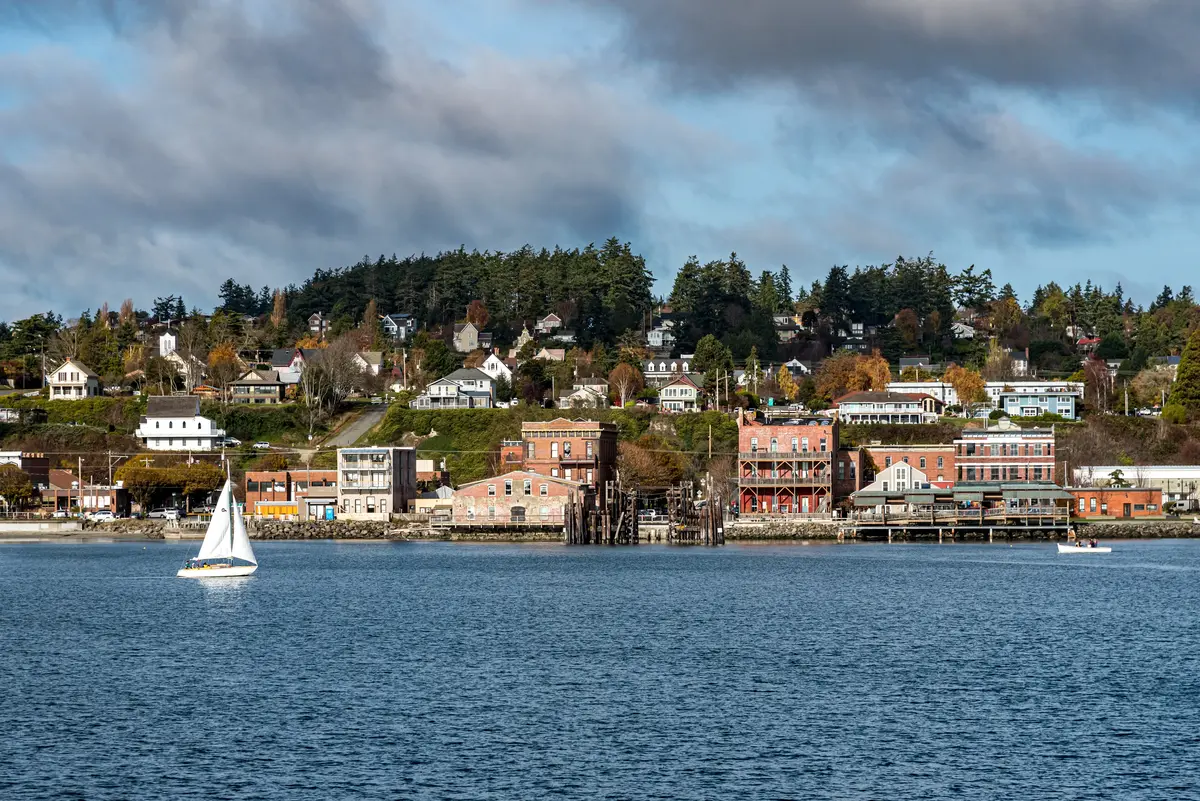
Port Townsend School District at a Glance
Four schools. 1,170 students. One district office on a peninsula three ferry rides from the nearest major city. Those facts alone shape what Port Townsend School District is — and what it isn't.
The district earns a B rating, which places it in solid but not elite territory among Washington's smaller districts. That grade reflects real strengths: strong per-pupil spending, an engaged parent foundation, and a curriculum with distinctive maritime depth. It also reflects real constraints: the geographic isolation that makes Port Townsend appealing to many families is the same isolation that limits district resources, partnership options, and extracurricular breadth.
| Category | Detail |
|---|---|
| District Rating | B |
| Total Enrollment | ~1,170 students (2024–25) |
| Number of Schools | 4 (elementary, middle, high school, alternative K–12) |
| Per-Pupil Spending | ~$17,946 annually |
| Economically Disadvantaged | 37.4% of students |
| Student Demographics | ~75.9% white, ~20% minority |
| Annual District Revenue | ~$26.4 million |
| High School WIAA Classification | 1A / 2A (small-school athletics) |
| Accreditation | Northwest Commission on Colleges and Universities |
| Proficiency Assessment | Washington OSPI state report card, grades 3–8 and 10 |
The per-pupil spending figure is the most telling number here: at nearly $18,000 per student, the district invests significantly more per child than many larger Washington districts manage. Small enrollment and a community that votes for school levies consistently are the main reasons that figure stays high.
What the B Rating Actually Means
A B isn't an A — and parents considering a move from higher-rated suburban districts near Seattle should go in with accurate expectations. The district performs respectably on statewide assessments, but proficiency rates vary year to year and by grade level. The strongest argument for Port Townsend isn't raw test scores; it's the program depth that a dedicated, maritime-obsessed small-town community has built around a modest enrollment.
The Port Townsend Education Foundation's 2024–25 grant cycle — $30,681 awarded to district programs, including an elementary literacy event that drew over 350 students — is a useful indicator of community investment. That kind of turnout in a town of roughly 10,500 people says something real about how families here engage with schools.
Standout Schools Worth Knowing
Salish Coast Elementary (PK–5)
With 528 students, Salish Coast is the largest school in the district and the one most families encounter first. Its location on Grant Street puts it in the heart of the residential neighborhoods most families moving to Port Townsend end up choosing.
The school runs a garden program woven into classroom instruction, a Place-Based Learning approach that uses Port Townsend's waterfront and natural environment as teaching material, and a dog-assisted reading initiative that has consistently drawn strong family participation. These aren't afterthoughts; they're the school's identity. A kindergartener here might spend meaningful time each week outside the classroom walls, which suits the families who choose Port Townsend deliberately but can be an adjustment for kids coming from more traditional elementary structures.
Best for: Families who value place-based, hands-on learning and want their kids embedded in the community from day one.
Port Townsend High School — The Redhawks
At 361 students across four grades, Port Townsend High School is small by any measure — but it punches well above its enrollment weight on academic programming. The school ranks within the top 20% of Washington State public high schools (2026 ranking, PublicSchoolReview.com), which is a meaningful achievement for a 1A/2A rural school.
The academic catalog includes Advanced Placement courses, honors tracks, a Gifted and Talented program, and Washington's Running Start program, which allows juniors and seniors to take community college courses for simultaneous high school and college credit. The Port Townsend Maritime Academy operates as a program within the high school — not a separate school — and gives students structured exposure to maritime career pathways alongside the academic curriculum.
The campus itself is five buildings: the Main Building, an Annex housing math, science, and English classrooms, an Art Portable, the Gymnasium (which doubles as the robotics and maritime classroom space), and the Stuart Building for technology coursework. It's compact and functional, not glossy.
Best for: Self-directed students who will take advantage of Running Start and AP offerings; students drawn to maritime, arts, or technology career pathways.
The Alternative K–12 Program
The district's fourth school is the one that surprises most families who didn't know it existed. It's a K–12 project-based, alternative program that operates under the Port Townsend School District umbrella but with a fundamentally different instructional philosophy from the three traditional schools.
Project-based learning means students work through interdisciplinary projects rather than traditional subject-by-subject instruction. For kids who disengage in conventional classroom settings — or who thrive with more autonomy and real-world application — it can be a genuinely better fit than Blue Heron Middle School or PTHS. It's not a fallback option; it's a legitimate alternative that the district maintains and funds as a full school.
If you're moving here with a kid who struggled in a conventional school, ask district enrollment staff directly about this alternative pathway before you assume there's only one path through Port Townsend's K–12.
Best for: Learners who need more flexibility, interdisciplinary depth, or a non-traditional structure to engage fully.
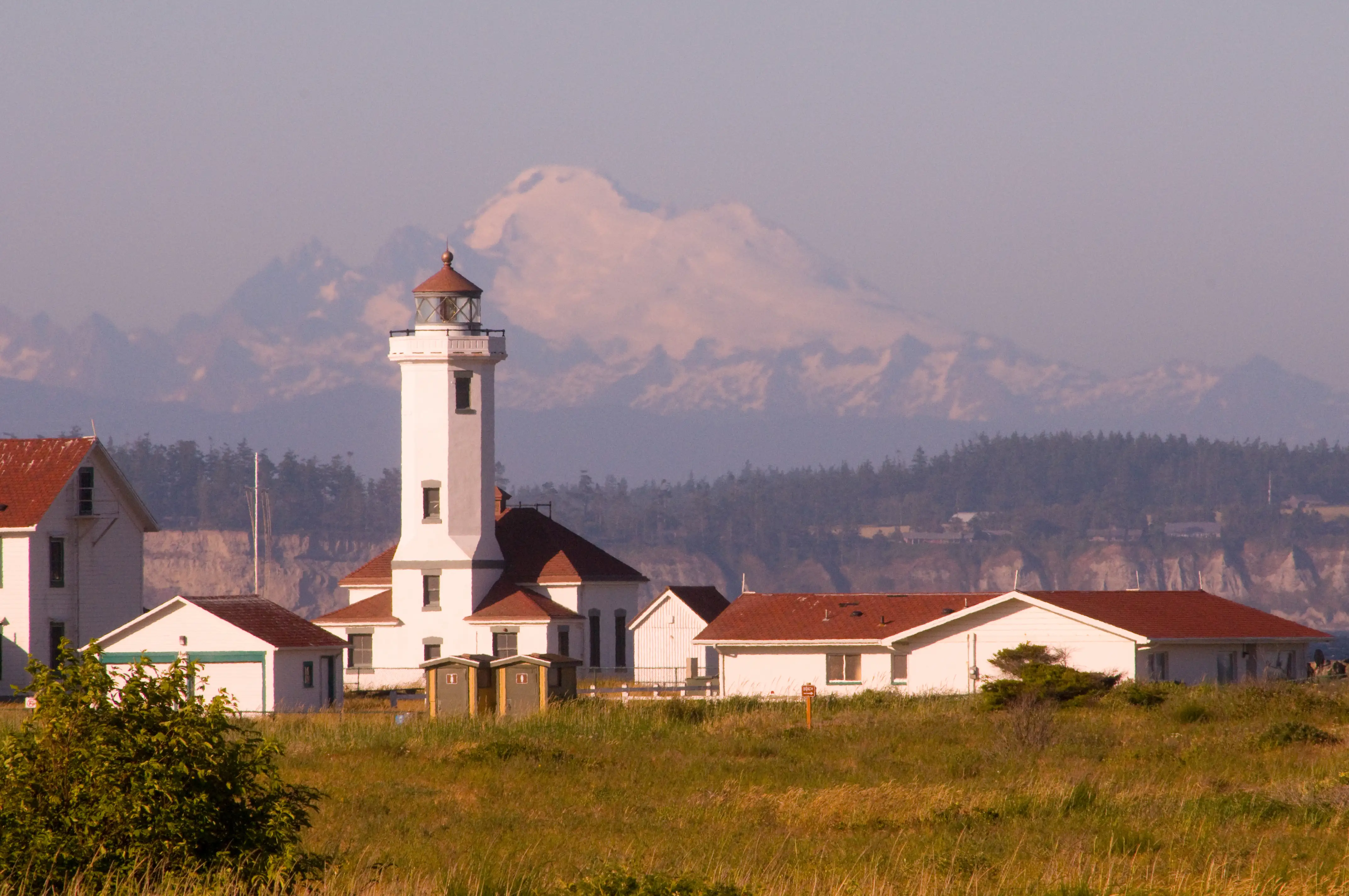
The Maritime Curriculum: What Makes This District Singular
No other school district in Washington has built what Port Townsend has built around the water. The Maritime Discovery Schools initiative isn't an elective or an enrichment program — it's a district-wide curricular framework that partners with the Northwest Maritime Center, the Northwest School of Wooden Boatbuilding, and working marine professionals to bring actual at-sea and on-the-water learning into K–12 instruction.
What that looks like in practice: elementary students learning coastal ecology through direct waterfront observation, middle schoolers working on wooden boat construction, and high schoolers with access to the Port Townsend Maritime Academy pathway. The program runs through the same Gymnasium space that houses robotics and maritime classes at the high school — so the maritime thread connects from Salish Coast all the way through graduation.
Why This Matters for Families Relocating Here
If you're moving to Port Townsend from a landlocked suburb, the maritime curriculum is one of the clearest signals that this district has a genuine identity, not just a geographic accident. The partnerships with the Northwest Maritime Center — a real institution on the Port Townsend waterfront — and the Northwest School of Wooden Boatbuilding give students access to professionals and facilities that no amount of per-pupil spending can replicate in a standard school district.
For families drawn to Port Townsend because of the water, the wooden boats, the marine trades — this curriculum aligns the school experience with the reason you moved here in the first place. That alignment is not nothing. Kids who grow up here often develop a relationship with the water and with craftsmanship that suburban school districts simply can't offer.
The honest caveat: maritime programming is one thread, not the whole fabric. If your priority is a deep STEM pipeline into a major research university, Port Townsend's maritime focus complements that goal — but it won't replace the kind of dedicated STEM magnet programming available in larger Puget Sound districts. Running Start remains the most direct bridge to higher-level coursework for advanced students here.
Looking to buy in Port Townsend? Estimate your payment.
Enter your numbers to see an estimated monthly mortgage payment.
Estimate only. Excludes HOA fees and mortgage insurance. The interest rate above is a starting point, not a quoted rate — replace it with your own to see real numbers. Insurance is a flat placeholder, not a Port Townsend quote.
Youth Sports and Kids Activities in Port Townsend
For a town of just over 10,500 people, Port Townsend's youth sports landscape is more organized than most newcomers expect — but it is genuinely small, and families arriving from suburban leagues with multiple travel teams and division options will feel the difference quickly.
Port Townsend Little League
Port Townsend Little League is chartered by Little League Baseball and offers a full ladder of divisions: T-ball, Minor Prep, Minor, Majors, Juniors, and Softball. For baseball and softball families, this is the core rec-league option in town. The organization runs through the spring season and draws from across the immediate Port Townsend area. If you have a kid who plays ball, this is where they'll end up — there isn't a competing independent league.
WIAA Athletics at Port Townsend High School
High school athletes compete under the Washington Interscholastic Activities Association (WIAA) in the small-school classification that fits PTHS's enrollment. The Redhawks field teams across multiple seasons, with fall sports including football, cross country, girls swimming, cheerleading, volleyball, girls soccer, and boys tennis — the latter run as a combined program with East Jefferson, which is a common small-district arrangement in Washington.
The small enrollment that makes PTHS feel like a community also means participation rates on athletic rosters tend to be higher than at larger schools. A kid who wouldn't make a varsity roster at a 4A school will often find meaningful playing time as a Redhawk. That's a genuine advantage for multi-sport athletes and for families where participation matters more than elite competition.
Beyond Organized Leagues
Youth activities in Port Townsend extend well beyond traditional sports. The same maritime partnerships that shape the school curriculum extend into community programming — the Northwest Maritime Center runs youth sailing and boat-building programs that operate outside of school hours. Fort Worden State Park provides space for outdoor education, and the community's arts-forward identity means kids here have more exposure to theater, music, and visual arts programming than the raw population numbers might suggest.
The honest friction point: if you're moving from a suburb with a dedicated recreation center offering year-round swim lessons, a soccer club with multiple age-bracket travel teams, and a gymnastics facility, you will be restructuring your kid's activity calendar. Some of those options simply don't exist locally at the same scale. Families in Sequim and Port Angeles have access to somewhat broader activity rosters, which is worth knowing if a specific sport or program is non-negotiable for your family.
| Activity / Program | Age Range | Type | Notes |
|---|---|---|---|
| Port Townsend Little League | T-ball through Juniors | Rec league (chartered) | Baseball & softball; spring season |
| WIAA Fall Sports (PTHS) | Grades 9–12 | Interscholastic | Football, XC, swim, volleyball, soccer, tennis |
| WIAA Winter Sports (PTHS) | Grades 9–12 | Interscholastic | Basketball, wrestling (verify current offerings with PTHS) |
| WIAA Spring Sports (PTHS) | Grades 9–12 | Interscholastic | Track, baseball, softball (verify current offerings) |
| NW Maritime Center Youth Programs | Elementary–Teen | Community/sailing | Sailing, boat-building; tied to maritime curriculum |
| Place-Based Learning (Salish Coast) | PK–5 | School-embedded | Outdoor, waterfront, garden components |
| District Alternative K–12 Program | K–12 | Alternative school | Hands-on, interdisciplinary projects |
Parents of competitive club athletes — swimmers, gymnasts, soccer players — should research Jefferson County Parks programming and the YMCA of the Olympic Peninsula before assuming club options exist locally at the level you're used to. Some families drive to Sequim or Port Angeles for specific programs, which adds time to already busy schedules.
Who This District Is NOT the Right Fit For
Most families who move to Port Townsend already know what they're signing up for — the remoteness, the ferry commute, the intentional smallness. But school fit is one area where the reality sometimes diverges from the expectation, and it's worth naming directly.
Families Prioritizing High-Powered College-Prep Competition
If your goal is a district with a dozen AP sections per course, a robotics team that competes nationally, and a varsity athletics program with college scouts in the stands, Port Townsend High School will feel thin. The Redhawks offer AP courses and Running Start, which is genuinely valuable — but a 361-student school in a 1A/2A WIAA classification is structurally different from the Eastside Seattle or Bellevue districts many relocating families are comparing it to. Students who are highly motivated can build strong college applications here, but they'll be doing more of that work independently than peers in larger districts might.
Competitive Club Athletes
A student-athlete whose primary identity is a sport that requires year-round club training — club volleyball, competitive swimming, select soccer — will find Port Townsend genuinely limiting. The local league infrastructure for those sports at a competitive club level is not comparable to what exists in Kitsap County or the greater Seattle metro. Families who've built their weekly calendar around club commitments should budget for significant drive time or reckon with the possibility that the sport gets restructured.
Families Who Need Extensive Specialized Services
The district serves students with IEPs and special education needs, but a small district with roughly 1,170 students has inherently fewer specialists on staff than a larger system. If your child requires highly specialized support — a specific therapeutic model, a particular speech-language pathology approach, or self-contained classroom settings — verify capacity directly with the district's special education coordinator before committing to a move. This isn't a criticism of the district; it's arithmetic.
Students Who Thrive in Anonymity
In a graduating class of fewer than 100 students, there is no blending in. A teenager who needs social distance, who hasn't found their people yet, or who is navigating identity questions in a conservative family context may find the social fishbowl of a very small high school harder than the same experience at a 1,500-student school across the water. Port Townsend is culturally progressive by small-town standards, but small is still small.
What Family Life Around the Schools Actually Looks Like
Six months after moving here, most families with kids report the same surprise: they know their child's teachers by first name within weeks, and not in a transactional way. The staff-to-student ratios at a 1,170-student district with $17,946 in annual per-pupil spending produce real relationships, not just efficient processing.
The Parent Community
The Port Townsend Education Foundation's 2024–25 grant cycle drew enough community participation to fund an elementary literacy event that pulled in over 350 students in a town of 10,500. That's not a district where parents are disengaged. The same arts-forward, civic-minded culture that built the Northwest Maritime Center and the Jefferson County Courthouse historic district shows up in how this community treats its schools. Levy votes pass. Foundation events are well-attended. Teachers tend to stay.
The Practical Reality of Small-Town School Life
There's no anonymity in a four-school district. Word travels fast between school and community. If your kid has a bad week, the parent of their teacher's neighbor probably knows about it by Friday afternoon. For most families, that tight social fabric is a feature. For a few, it's the reason they eventually move out.
The families who leave — and some do — most often cite one of two things: a teenager who has outgrown the social options of a small school and is ready for more, or a dual-career household that finds the Seattle ferry commute unsustainable over years. Neither of those is a school quality problem; both are structural realities of living this far out on the Olympic Peninsula.
Where Families Actually Gather
School events pull the community together in ways that larger towns don't replicate. Redhawks football games at Memorial Field draw a genuine cross-section of Port Townsend — not just parents of players. Salish Coast's garden program produces an annual harvest event that has become an informal community gathering. And after games or events, the independent restaurants along Water Street tend to fill with families making an evening of it.
The seasonal quirk that catches newcomers off guard: the Wooden Boat Festival in September lands squarely in the first weeks of school. For families with kids in the maritime program or the Northwest Maritime Center's youth sailing programs, it's a genuine educational event. For families trying to establish a new school routine in week three of the academic year, the traffic, the crowds, and the town's complete redirection of attention to the waterfront can feel disorienting. Plan for it.
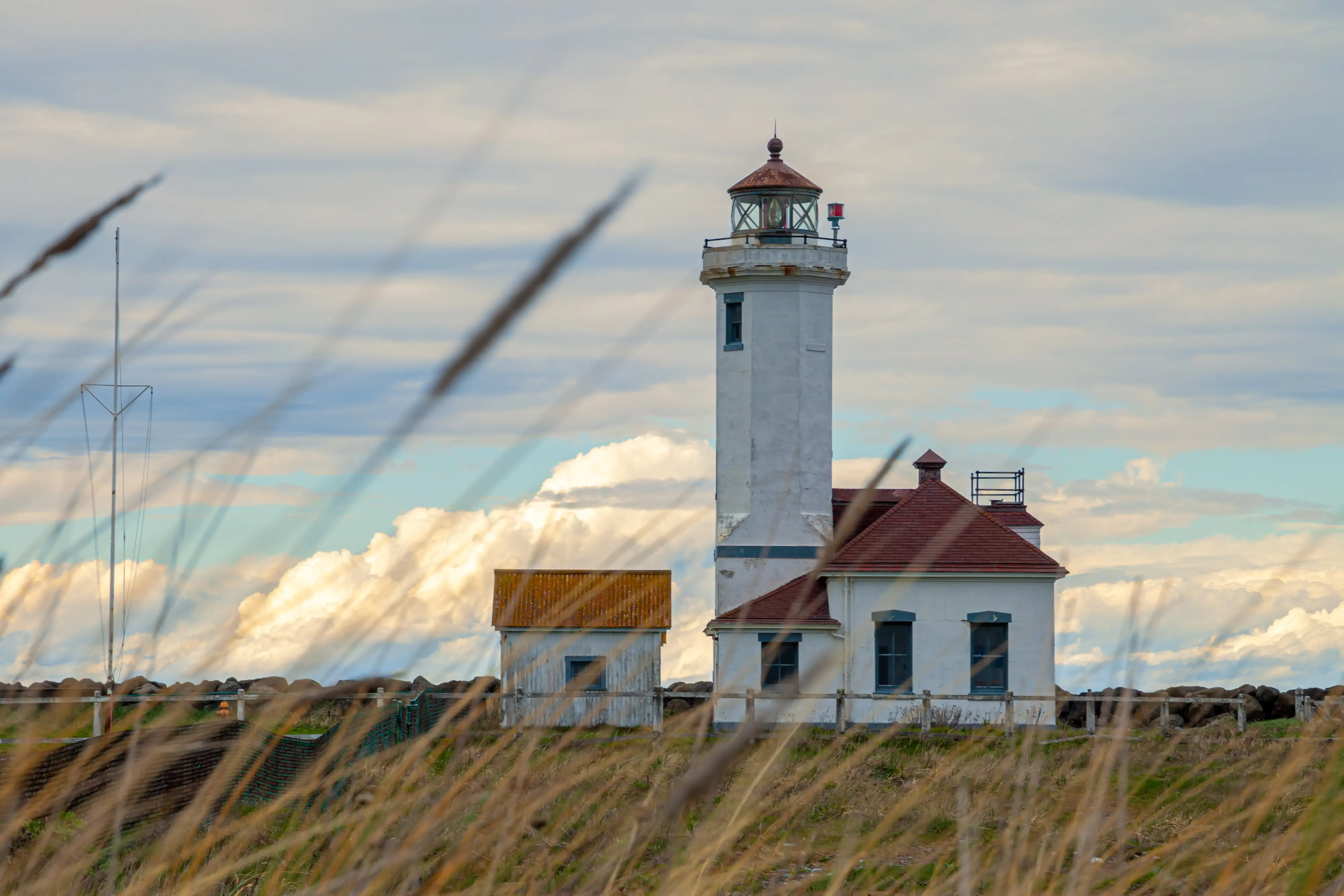
Local Expert Takeaway: Port Townsend School District earns its B rating through genuine investment — nearly $18,000 per student annually, a maritime curriculum that no other Washington district replicates, and a parent community that shows up for literacy events and levy votes with equal commitment. The district's alternative K–12 program gives families a real second pathway, and Running Start gives motivated high schoolers a bridge to college credit. The honest ceiling is this: if your family's priorities require a large suburban district's breadth of AP sections, club sports infrastructure, or specialized services, Port Townsend will require compromise. Go in knowing that — and if the trade-off lands in the district's favor for your family, the Redhawks and the waterfront classroom will be exactly what you hoped for.
Quick Takeaways & FAQs
✅ Port Townsend High School ranks in the top 20% of Washington State public high schools and offers Running Start dual-credit options alongside a unique Maritime Academy program — strong academic depth for a 361-student school.
⚠️ Families coming from suburban districts with extensive club sports infrastructure — select soccer, competitive swimming, gymnastics — will find Port Townsend's local options significantly narrower and may need to drive to Sequim or Port Angeles for certain programs.
📍 The district runs a K–12 alternative project-based program that most newcomers don't know exists — if you have a student who struggled in conventional classrooms, ask the district about it directly before assuming there's only one path.
How does Port Townsend School District rate compared to other Washington State districts?
Does the district offer an alternative school option for students who don't thrive in traditional classrooms?
What youth sports are available for kids in Port Townsend?
What makes Port Townsend's school curriculum different from other small Washington districts?
Does Port Townsend High School offer advanced coursework for college-bound students?
Moving to Washington?
Tell us what you need help with and we'll connect you with local resources.
