Is South Puget Sound a Good Place to Live?
Maybe you're being priced out of Seattle and someone said 'just look south.' Maybe you got orders to Joint Base Lewis-McChord and are trying to figure out whether Lakewood, Spanaway, or DuPont makes more sense for your family. Or maybe you've been watching Tacoma home prices and realized they're not as far below Seattle's as they used to be, and now you're wondering if Yelm or Tumwater is the next logical move.
The honest tension in South Puget Sound is this: the region runs from a legitimate mid-size city with a nationally recognized arts scene and a working port all the way to small towns where Mount Rainier fills your windshield on the morning commute and a casino is the biggest employer in a twenty-mile radius. Those aren't interchangeable options — they're genuinely different lives. Tacoma has the Proctor District, Point Defiance Park, and MultiCare's flagship campus. Orting has daffodil fields, a lahar evacuation plan, and maybe the most dramatic volcano views in Pierce County.
The military presence at Joint Base Lewis-McChord threads through more of these cities than most newcomers expect. It shapes the rental market in Spanaway and Lakewood, the new-construction pace in DuPont's Northwest Landing, and the commute calculus for households where one partner is active-duty and the other works at Boeing's Auburn facilities or a state agency in Olympia. Understanding that dynamic is more useful than any median home price figure.
The cities below are sorted so you can scan quickly — but resist the urge to pick based on price alone. A $475K home in Spanaway and a $764K home in Gig Harbor are priced the way they are for specific, concrete reasons. The grid below is the place to start figuring out which of those reasons actually matter to you.
Explore All 13 Cities in South Puget Sound
Click into any city for the complete guide — neighborhoods, home prices, cost of living, pros & cons, schools, top employers, and mortgage help.
DuPont
DuPont is a planned community built inside a historic company town — the old Fort Nisqually archaeological site and the DuPont Village Historic District sit alongside the Amazon and FedEx fulfillment operations that make Northwest Landing one of the more active logistics corridors in Pierce County. It's a short drive from JBLM's main gate, which makes it popular with military households who want new construction without Lakewood's density. Median homes run $559,677, and the Sequalitchew Creek Trail is the kind of walkable green infrastructure that's genuinely rare at this price point.
Full DuPont Guide →
Fife
Fife is a logistics and commercial hub wedged between Tacoma and the Port of Tacoma, and it doesn't pretend otherwise — US Foods, a Home Depot distribution center, and the Emerald Queen Casino are its primary economic anchors. That industrial identity keeps home prices accessible at a $529,612 median, and for buyers who work along the I-5 corridor and want to minimize commute time, the location is hard to argue with. It's a practical choice, not a lifestyle statement.
Full Fife Guide →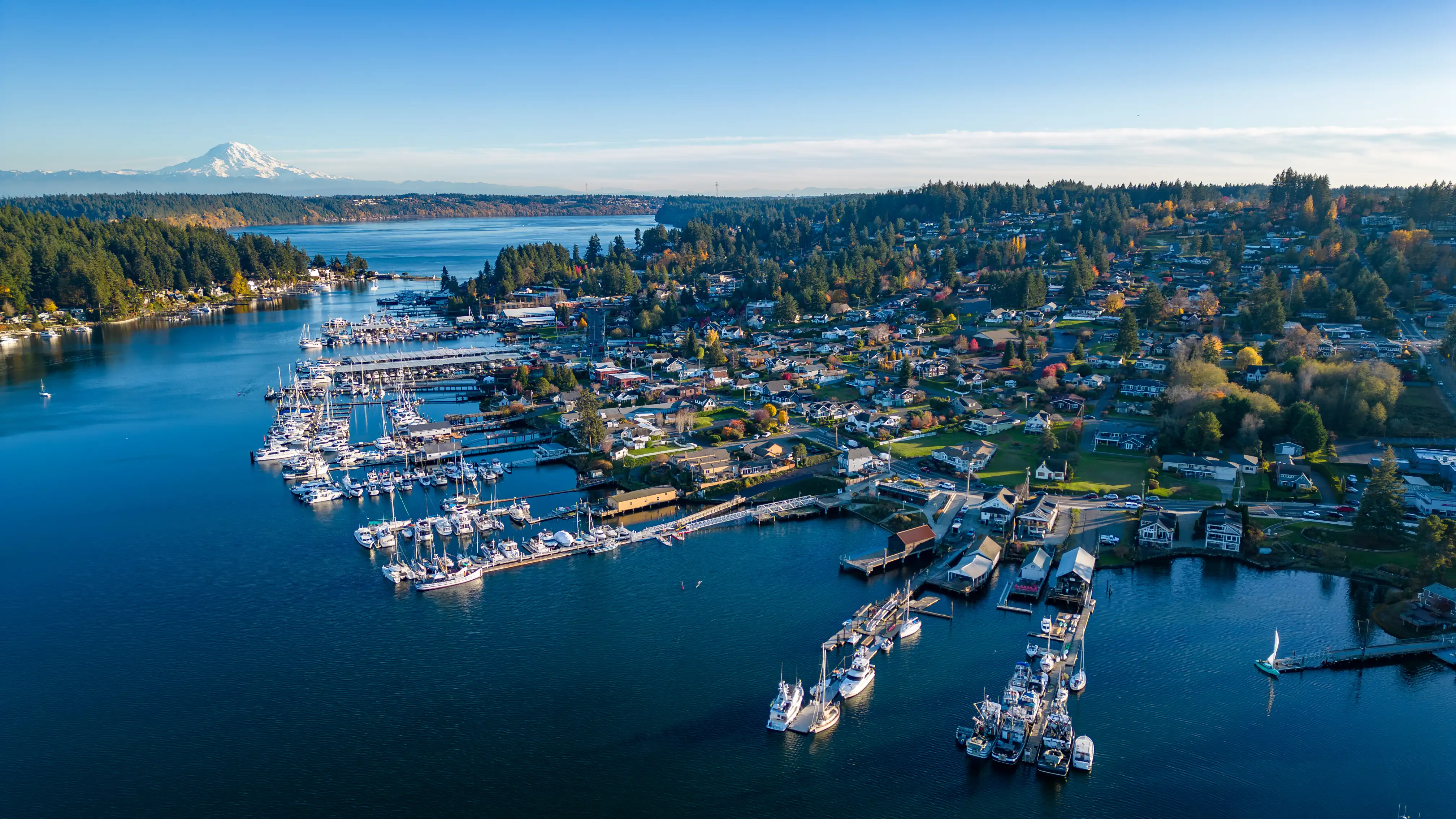
Gig Harbor
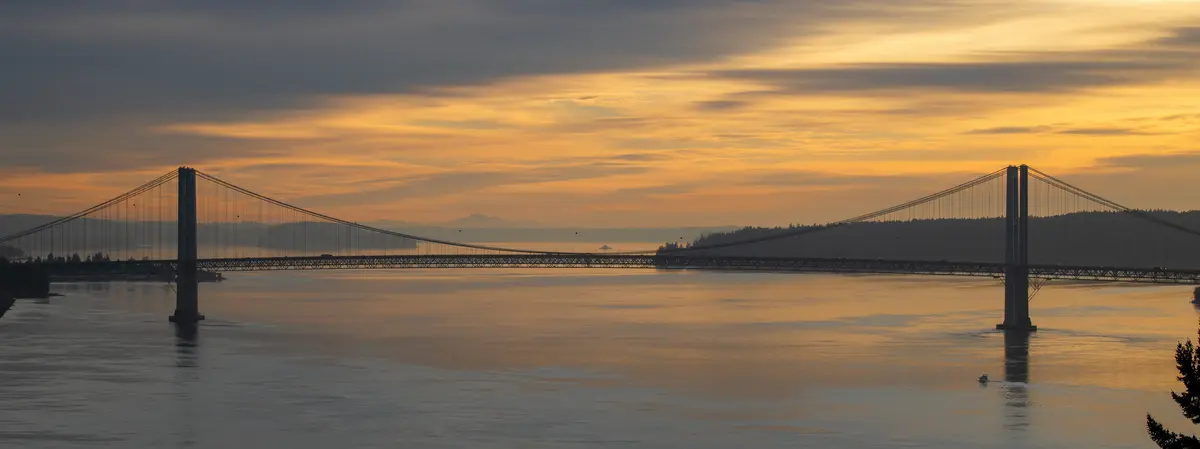
Gig Harbor sits on the west side of the Tacoma Narrows Bridge, and that bridge is the defining fact of life here — it connects you to Tacoma jobs and services while keeping the historic harbor, the Skansie Brothers Net Shed, and the walkable downtown genuinely separate from the urban sprawl on the other side. At a $764,493 median, it's the highest-priced city in the region, and buyers are paying for the water views, the small-town harbor feel, and access to the Peninsula School District. Boeing and JBLM commuters make up a meaningful share of the homeowner base in neighborhoods like Canterwood and Gig Harbor North.
Full Gig Harbor Guide →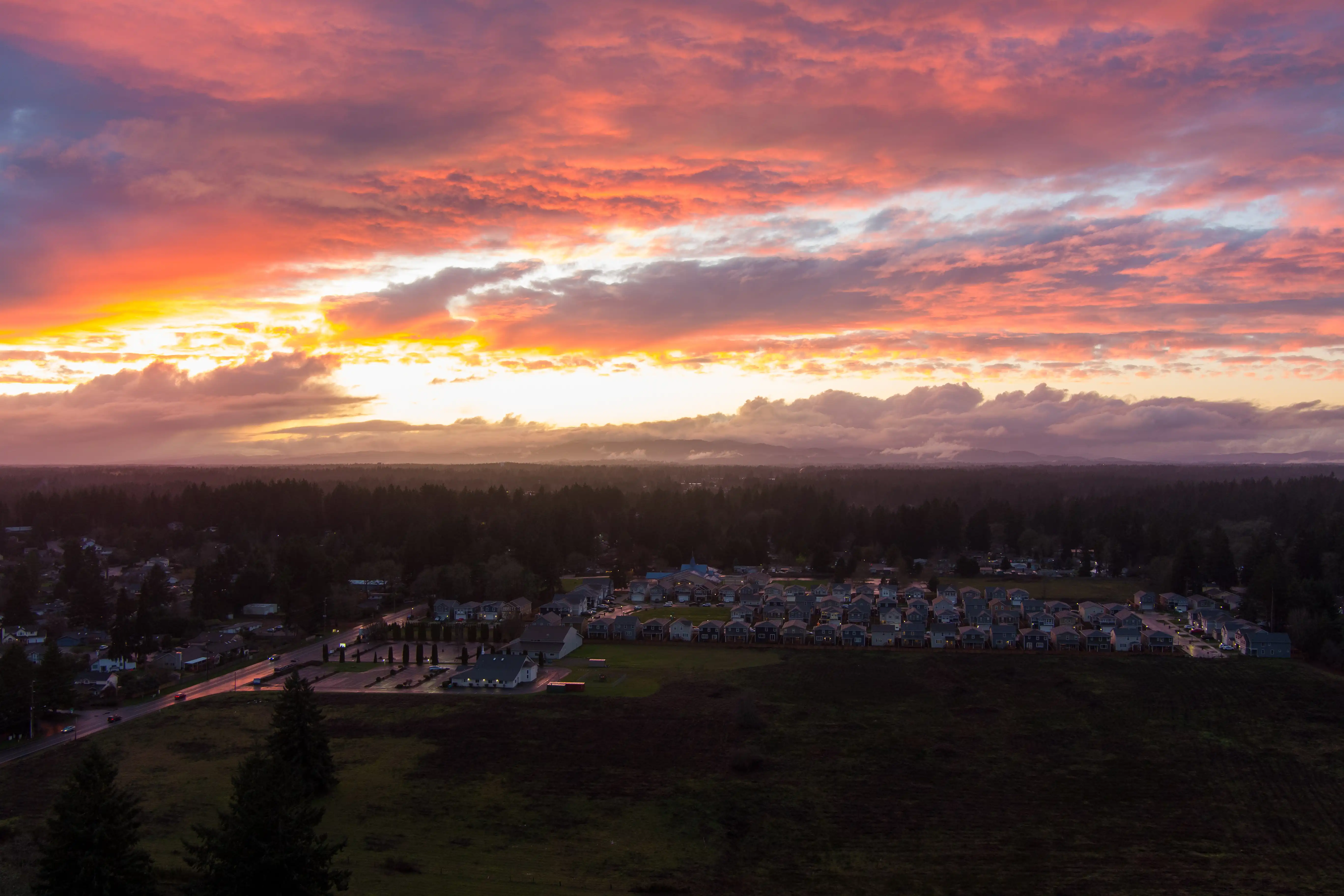
Lacey
Lacey is Thurston County's fastest-growing city and the practical, suburban counterpart to Olympia's government-and-arts identity — it has the big-box retail corridor, the Amazon and Costco distribution facilities along Hawks Prairie, and Saint Martin's University anchoring the Woodland District. State of Washington employees who want more square footage than Olympia's older neighborhoods offer tend to land here, drawn by a $516,096 median and genuinely well-maintained parks like Wonderwood and Woodland Creek. The Chehalis Western Trail gives the city a recreational backbone that suburban sprawl alone rarely delivers.
Full Lacey Guide →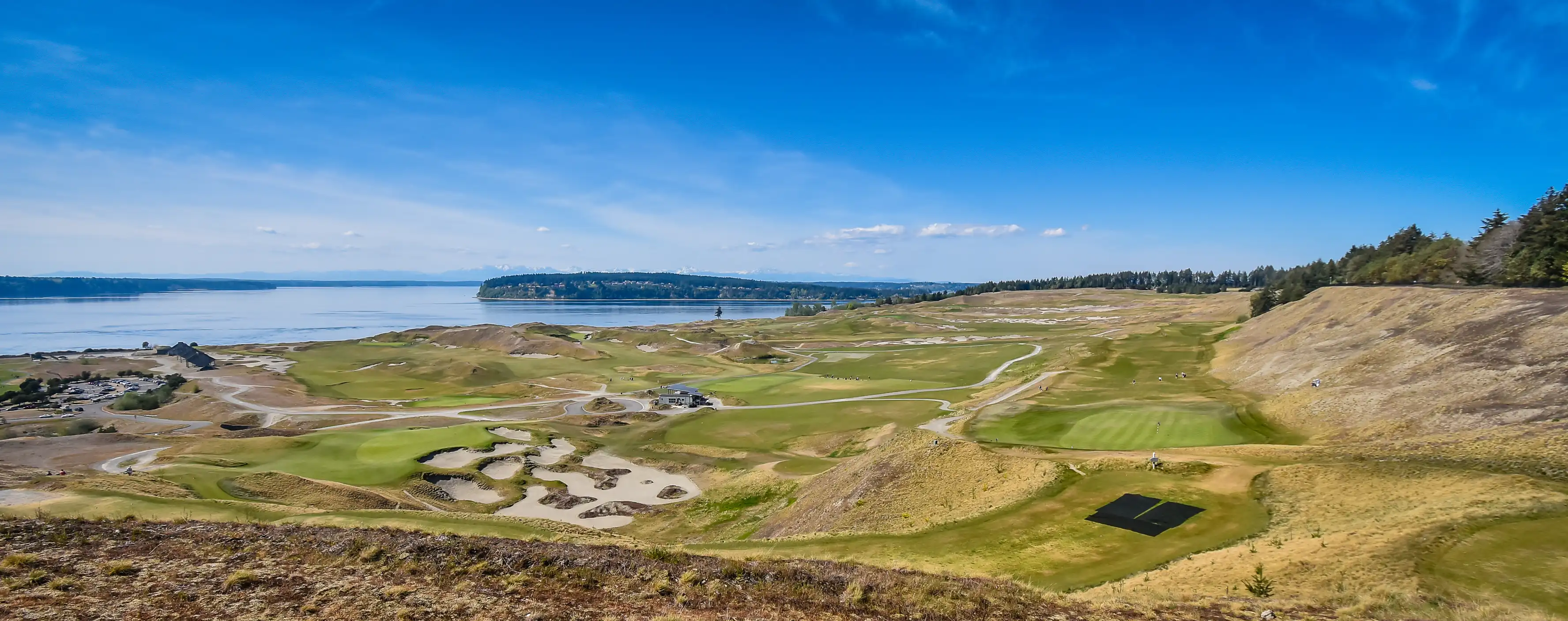
Lakewood
Lakewood is the city most directly shaped by Joint Base Lewis-McChord — not just because JBLM is the dominant employer, but because decades of military-adjacent development created a city that is simultaneously affordable (median $526,659), service-rich, and harder to characterize than its reputation suggests. Fort Steilacoom Park wraps around American Lake with miles of waterfront trails, Lakewold Gardens is a legitimate horticultural landmark, and Clover Park Technical College trains a significant share of the region's skilled workforce. Buyers who look past the dated strip-mall corridors often find the lake-studded neighborhoods in Oakbrook and Springbrook to be genuinely livable.
Full Lakewood Guide →
Olympia
Olympia is the state capital, and that single fact explains almost everything — the employer base runs through Washington State Government agencies, The Evergreen State College, and Providence's regional hospital, and the culture tilts toward independent music venues, the Saturday farmers market at Percival Landing, and a walkable downtown that still functions as an actual downtown. At a $536,583 median, it's not dramatically cheaper than Lacey, but the housing stock is older and the lots are more varied. People who move to Olympia specifically choose it; people who move to Lacey are often just optimizing for space and schools.
Full Olympia Guide →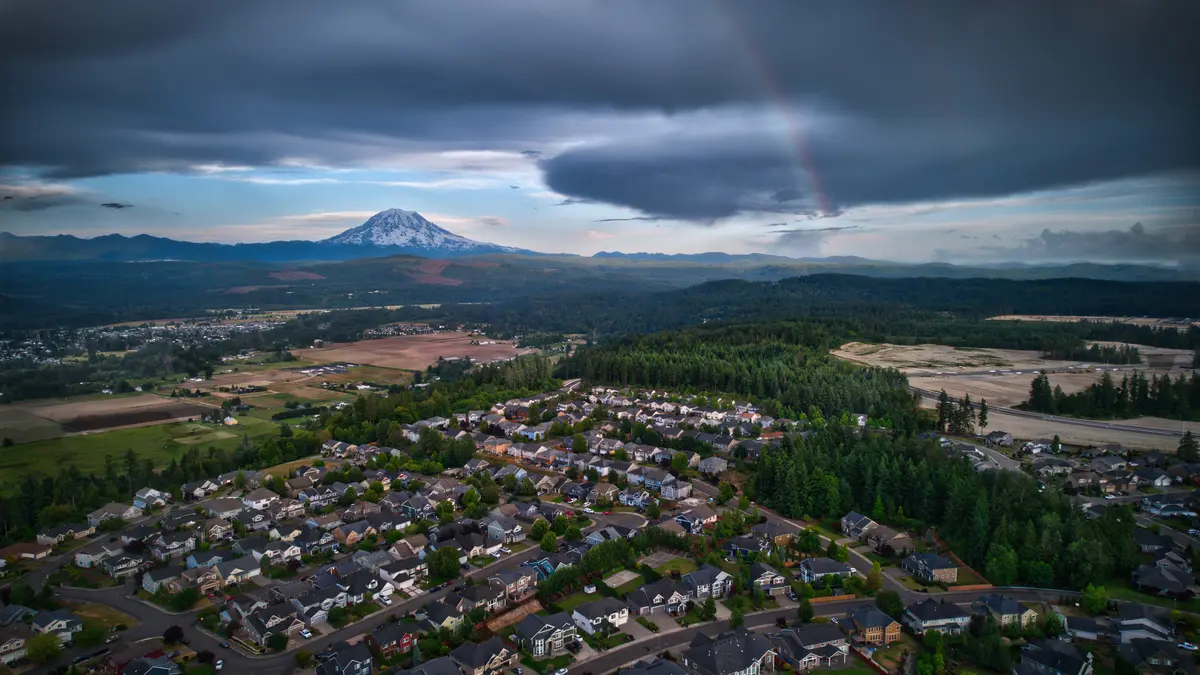
Orting
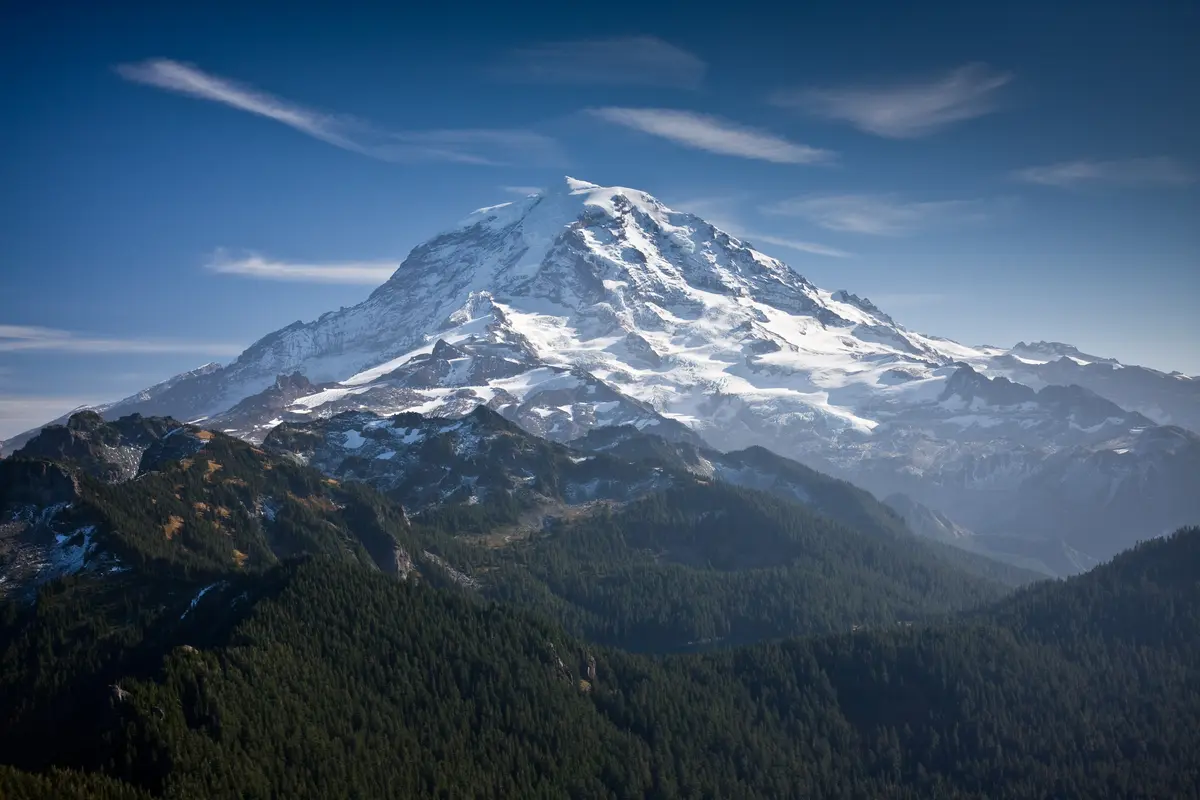
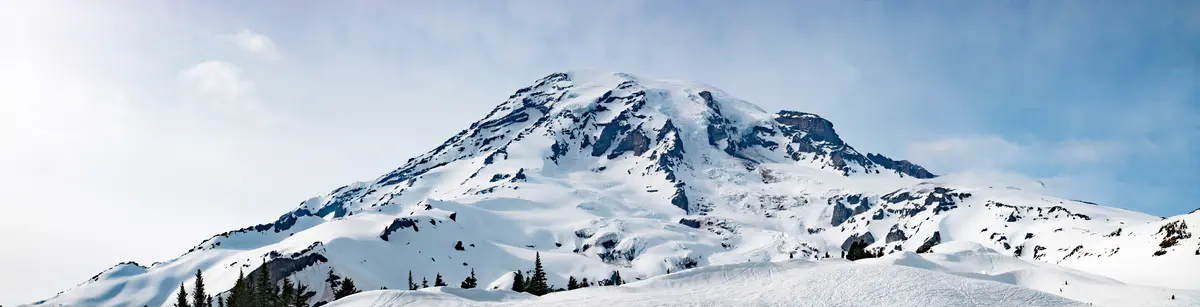
Orting is the city in this region that requires the most deliberate trade-off calculation — it sits in the Puyallup River valley with some of the clearest unobstructed Mount Rainier views in the county, and it's priced accordingly modest at $545,757, but the same geography that delivers those views also places it in a lahar hazard zone that the school district, Pierce County, and emergency planners take seriously. The Foothills Trail connects it to the broader trail network, and the daffodil fields along Washington Avenue are the reason the Daffodil Parade route runs through downtown. Buyers here tend to be people who've done the research on volcanic risk and decided the trade is worth it.
Full Orting Guide →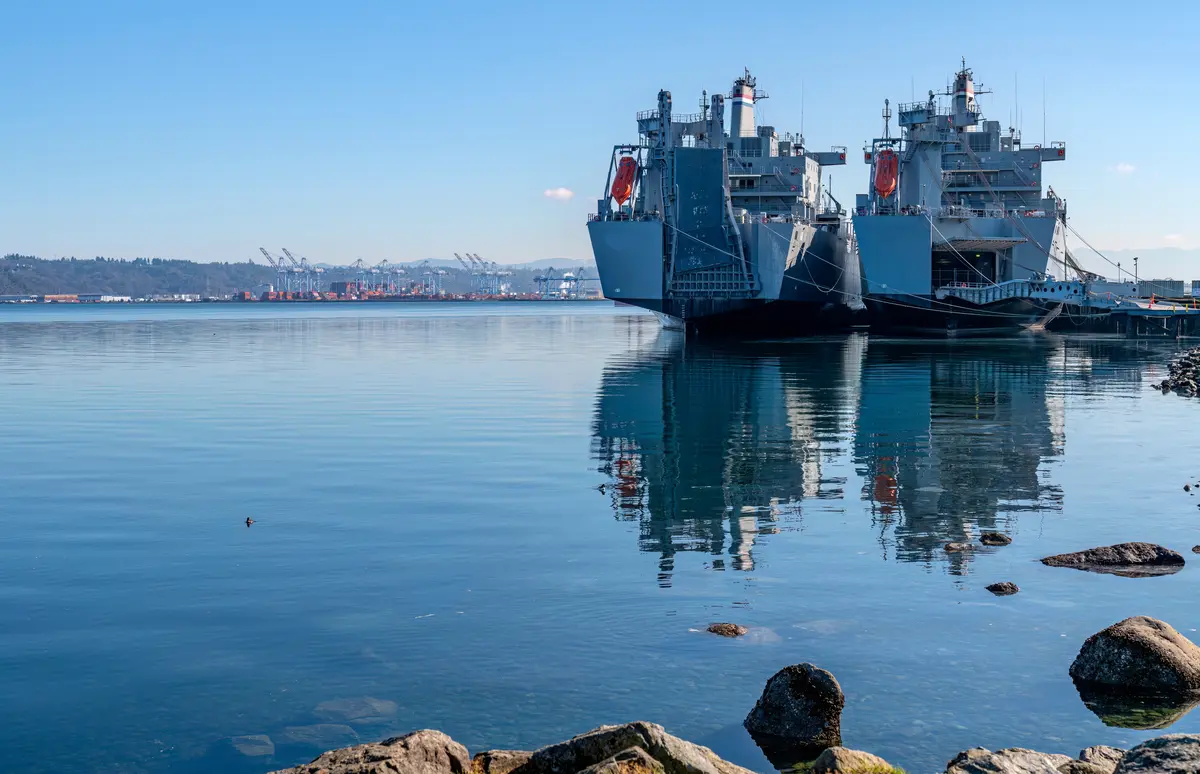
South Hill
South Hill is Pierce County's largest unincorporated community and it functions like a sprawling suburb that never quite became a city — big enough at 68,000 residents to have its own Costco, its own MultiCare facilities, and its own Puyallup School District schools, but without the civic infrastructure of incorporation. At a $589,647 median it's the second-priciest Pierce County city in the region after Gig Harbor, and buyers are getting newer construction, larger lots, and proximity to Boeing's Frederickson operations. Bradley Lake Park and Meridian Habitat Park give the community genuine green space in what is otherwise a car-dependent corridor.
Full South Hill Guide →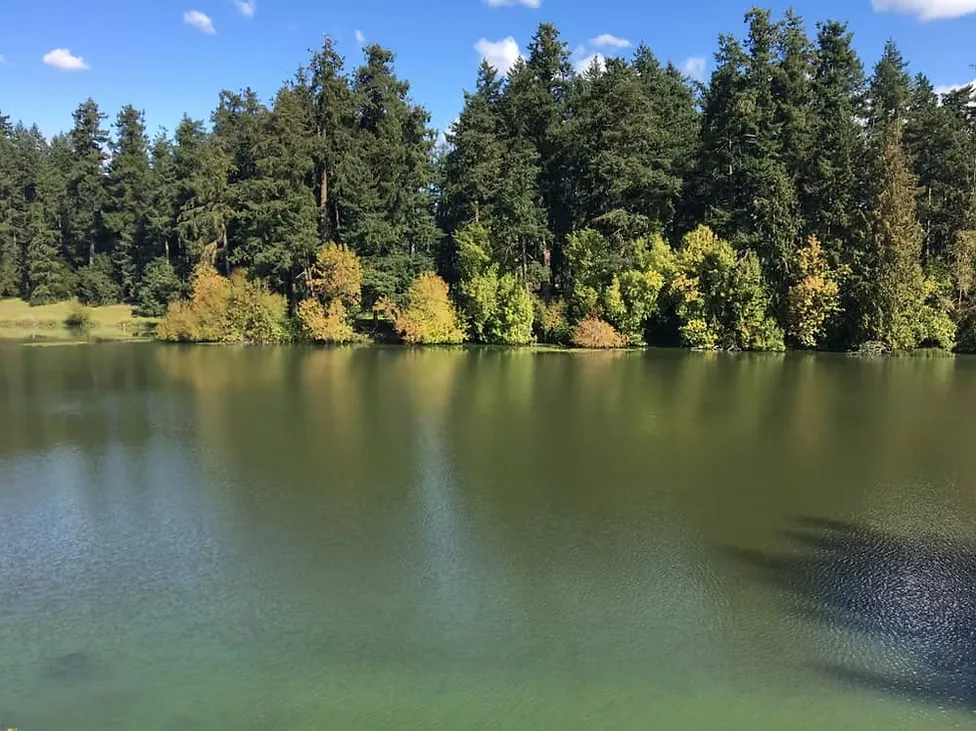
Spanaway
Spanaway is the most affordable Pierce County option in the region at a $475,231 median, and the buyer profile here skews heavily toward JBLM-connected households, first-time buyers, and people who commute south on SR-7 to logistics operations in the corridor. Spanaway Lake Park is a legitimate community asset — swimming, picnicking, and the annual Fantasy Lights display — and Bresemann Forest offers old-growth tree cover that's unusual this close to a major military installation. The trade-off is limited walkability and a retail environment anchored by Pacific Avenue's commercial strip.
Full Spanaway Guide →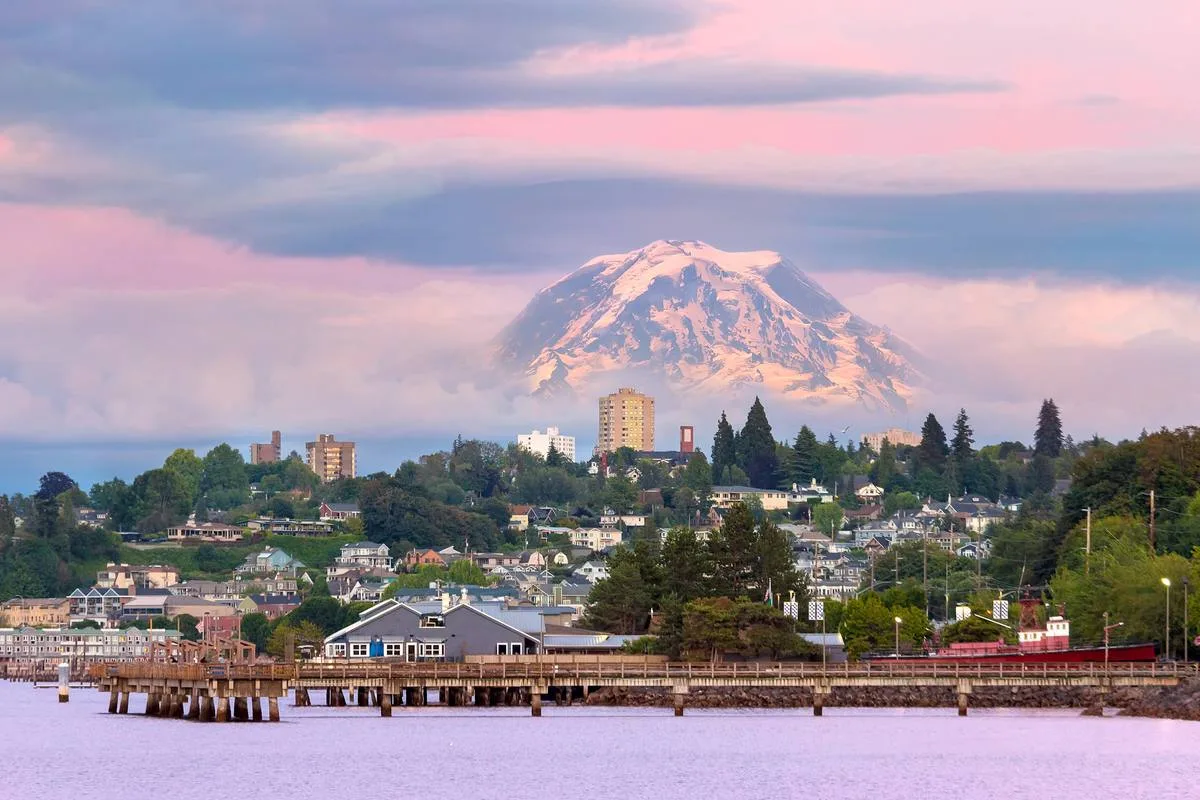
Tacoma
Tacoma is the region's urban core, and the gap between its reputation and its current reality is still large enough to matter to buyers — the Museum of Glass, the Ruston Way waterfront, the Stadium District's historic homes, and Point Defiance Park collectively make it a city with genuine cultural infrastructure, not just a cheaper Seattle alternative. At a $496,203 median it remains one of the more accessible entry points for buyers who want an actual city, with MultiCare and Virginia Mason Franciscan Health as major institutional employers and a ferry connection to the Key Peninsula. The North End/Proctor neighborhood and Old Town draw buyers who would have been in Capitol Hill a decade ago.
Full Tacoma Guide →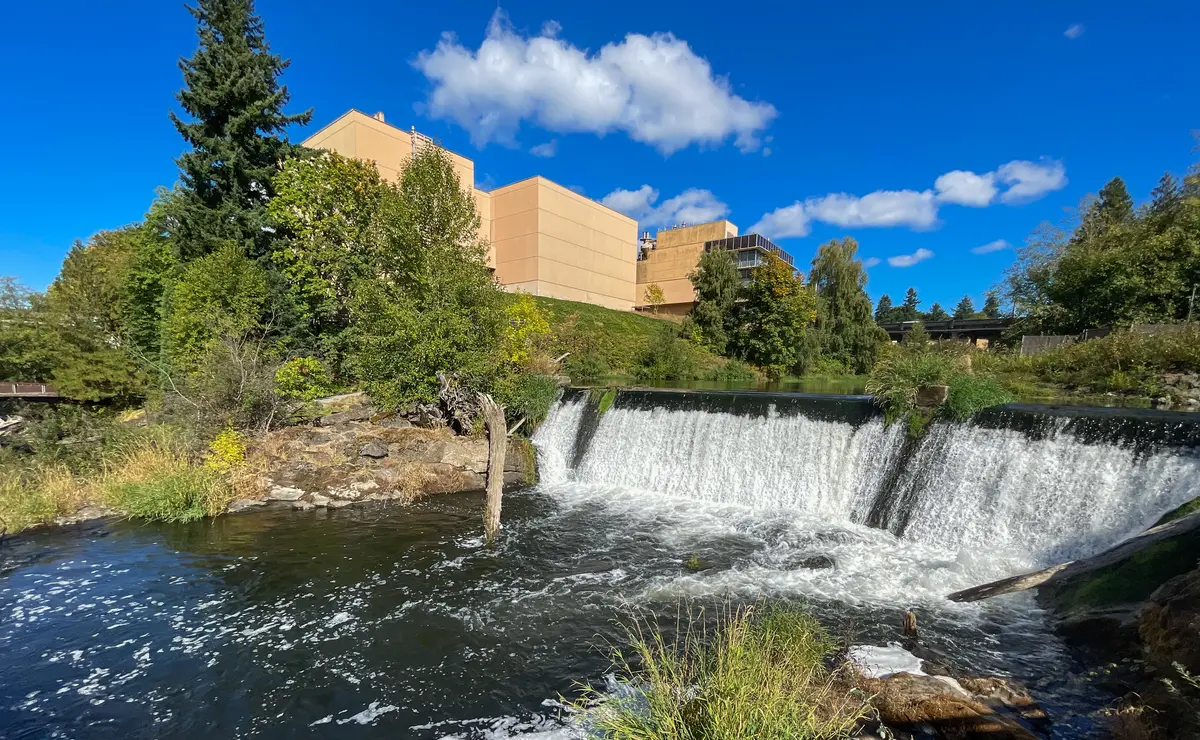
Tumwater
Tumwater sits directly south of Olympia and shares its employer base — state agencies dominate, and the commute to the Capitol Campus is measured in minutes rather than miles. What makes it distinct is the Craft District along the old Olympia Brewery grounds, which has become a genuine destination for breweries and distilleries, and Tumwater Falls Park, one of the more dramatically underrated urban waterfalls in western Washington. At a $531,134 median it's slightly cheaper than Olympia proper, and buyers who want Thurston County's state-government job access without Olympia's older housing stock tend to find Tumwater's newer subdivisions on Tumwater Hill a reasonable compromise.
Full Tumwater Guide →
University Place
University Place is built around Chambers Bay — the Chambers Bay Golf Course hosted the U.S. Open, and the Chambers Creek Regional Park trails along the bluff above Puget Sound are the kind of amenity that drives a $633,676 median in a city that otherwise looks like a quiet Pierce County suburb. Day Island and Sunset Beach neighborhoods sit on the water, and the University Place School District's reputation pulls families who might otherwise be looking at Gig Harbor. MultiCare and Franciscan clinics nearby mean healthcare access is solid without requiring a trip to Tacoma.
Full University Place Guide →- Is University Place Safe? A Data-Backed Look
- Cost of Living in University Place
- Best Neighborhoods in University Place
- Schools in University Place: A Family Guide
- Parks & Recreation in University Place
- Retiring in University Place
- First-Time Homebuyer's Guide to University Place
- Moving to University Place from California
Yelm
Yelm sits at the southeastern edge of Thurston County where prairie meets the Nisqually River corridor, and its $478,203 median reflects both its distance from the I-5 employment spine and its genuinely rural character — Wilcox Farms and Nisqually Red Wind Casino are its two most distinctive employers, and neither signals a suburban commuter town. The Yelm-Tenino Trail and Prairie Line Trail give outdoor-oriented buyers real amenity, and Deschutes Falls Park is worth the drive. Buyers here are typically trading commute time for acreage, a slower pace, and a price point that still makes new construction pencil out.
Full Yelm Guide →Compare Every City in South Puget Sound
Full ranked breakdowns across every city in the region — scored and compared side by side.
Local Expert Takeaway: Before you compare prices across these cities, compare commute maps — in South Puget Sound, the gap between a JBLM gate, a state agency in Olympia, a Boeing plant near Auburn, and a healthcare shift at MultiCare is wide enough that the 'cheapest' home can easily become the most expensive commute.
Frequently Asked Questions
Which city in South Puget Sound makes the most sense if I'm active-duty or civilian at JBLM?
How different are the Thurston County cities (Olympia, Lacey, Tumwater, Yelm) from the Pierce County ones?
Is Gig Harbor worth the price premium compared to the rest of the region?
What's the honest trade-off in Orting that I should know before I buy there?
Where in South Puget Sound should I look if I want walkability and actual city amenities, not just a suburb?
Helpful Washington Resources
Explore Other Washington Regions
South Puget Sound is one of 9 distinct regions that make up Washington. Each has its own climate, character, and housing market — explore them all.

The largest job market in the state — tech, aerospace, and everything that comes with it. 37 cities including Auburn, Bainbridge Island, Bellevue.
Explore all 37 Seattle Metro cities →
Bellingham anchors a corridor of island and farm-country towns between Seattle and the Canadian border. 13 cities including Anacortes, Arlington, Bellingham.
Explore all 13 North Puget Sound cities →
Ferry-linked towns between the Olympic Mountains and Puget Sound. 8 cities including Aberdeen, Bremerton, Port Angeles.
Explore all 8 Olympic Peninsula cities →
Just across the Columbia from Portland, with no state income tax. 8 cities including Battle Ground, Camas, Centralia.
Explore all 8 SW Washington cities →
Spokane anchors the Inland Northwest — a real second-largest-city market, far from the coast. 5 cities including Airway Heights, Cheney, Liberty Lake.
Explore all 5 Northeast WA cities →
Washington's apple country, split by the Columbia River. 2 cities including East Wenatchee, Wenatchee.
Explore all 2 North Central WA cities →
Wine and agriculture country, plus the Tri-Cities nuclear/tech corridor. 9 cities including Ellensburg, Kennewick, Moses Lake.
Explore all 9 South Central WA cities →
Wine country and a major university town in the far southeast corner of the state. 3 cities including College Place, Pullman, Walla Walla.
Explore all 3 Southeast WA cities →Moving to Washington?
Tell us what you need help with and we'll connect you with local resources.
