What Is Living in Fife, Washington Like?
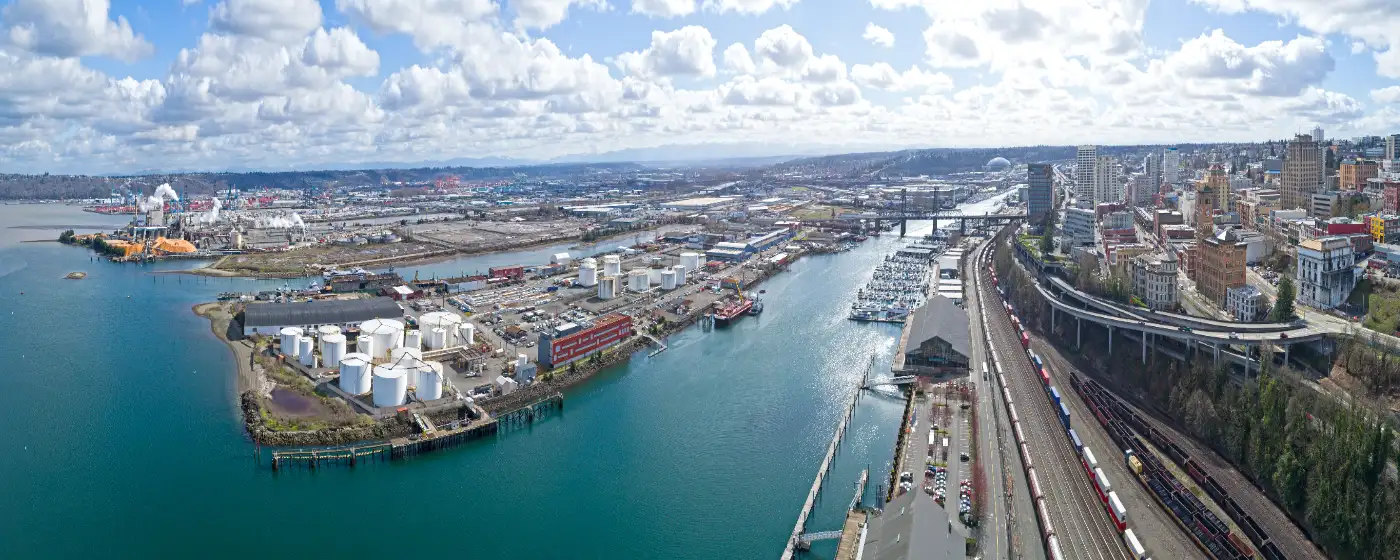
Most people drive through Fife dozens of times before they ever think of living here. You see the warehouses off I-5, the casino sign, the strip of fast-food franchises along Pacific Highway East — and you keep driving toward Tacoma or Seattle. That's exactly why Fife surprises people who stop and look closer. This is a city of fewer than 11,000 residents packed into just under six square miles, sitting at the intersection of I-5 and State Route 99, with Tacoma about ten minutes southwest and Seattle reachable in roughly 40 minutes under light traffic. Its location isn't incidental to daily life here — it's the whole premise.
The economic backbone of Fife is logistics, distribution, and hospitality. The Emerald Queen Casino is a significant local employer and entertainment anchor. US Foods and a Home Depot Distribution Center represent the regional warehousing and food-service supply chain that has made Fife a commercial hub well beyond its physical size. The Fife School District holds a B rating, according to Niche, and serves a city with a median age of just 31.3 years — genuinely young for a South Puget Sound community — and a demographic mix that includes approximately 39% White, 16% Asian, 15% Black or African American, and 7% Native Hawaiian or Pacific Islander residents, making it one of the more diverse small cities in Pierce County. People move here because the location math works: freeway access in every direction, a price point noticeably below surrounding markets, and Washington State's no-income-tax advantage that quietly adds real money back to every paycheck.
On cost of living, Fife sits in a relative sweet spot for the South Puget Sound region. The median sale price of $529,612 (Redfin, June 2026) is modestly below the Pierce County median — meaningful in a market where buyers are stretching hard. About 41% of the housing stock is single-family detached homes, with another 38% large apartment complexes, so renters have genuine options. Green space exists in the form of Dacca Park and the Hylebos Nature Area. Pacific Highway East is the spine of local commerce — it is not a walkable main street in any traditional sense, but it does put a dense cluster of services, restaurants, and retail within a short drive of nearly every address in the city.
Whether you're considering a move or just researching the area, the sections below break down Fife's economic drivers and who the city suits best, what daily life actually feels like, the current housing market, commute realities, and where locals spend their weekends.
Fife at a Glance
Looking to buy in Fife? Estimate your payment.
Enter your numbers to see an estimated monthly mortgage payment.
Estimate only. Excludes HOA fees and mortgage insurance. The interest rate above is a starting point, not a quoted rate — replace it with your own to see real numbers. Insurance is a flat placeholder, not a Fife quote.
Why Are People Moving to Fife?
The Location Argument
Fife exists at one of the most strategically useful highway intersections in Washington State. I-5 and State Route 99 both run directly through it, which means you can reach Tacoma's core in about ten minutes, Seattle in roughly 40 minutes under light traffic, and SeaTac Airport in 20 to 25 minutes without touching a toll road. For buyers priced out of closer-in Tacoma neighborhoods or priced out of the Seattle metro entirely, that access at a lower entry point is a compelling case.
The city is also genuinely small — just under six square miles — which means the commute from your driveway to the freeway on-ramp is measured in minutes, not miles.
The Economic Draw
Fife's employer mix reflects its role as a regional logistics hub. The Emerald Queen Casino anchors gaming and hospitality employment. US Foods and a Home Depot Distribution Center represent the large-scale warehousing and distribution operations that have long defined the city's commercial identity. The Fife School District is itself a meaningful local employer. For workers in logistics, hospitality, and distribution, this is a city where you may be able to walk — or at least bike — to work.
Washington's no-income-tax structure compounds the financial advantage. A household earning at or above Fife's $90,532 median household income keeps thousands of dollars annually that it would surrender in neighboring Oregon or in California — a real factor for households relocating from those states.
The Demographic Reality
The median age of 31.3 years tells you something important: this is a city of working adults, many of them young families and dual-income households making their first or second move in the South Puget Sound market. The diversity here — more than a dozen ethnic communities represented in a city of under 11,000 — means a range of grocery stores, restaurants, and community organizations that a similarly sized homogeneous suburb often can't match.
A future transit story is also taking shape. Sound Transit's voter-approved Tacoma Dome Link Extension includes a dedicated Fife Station, fully funded as of May 2026, though in early planning with no confirmed construction start date. When that light rail connection opens, the commute calculus for Fife residents shifts significantly — something buyers with a five-to-ten-year horizon are already factoring in.
| Buyer Type | Best For | Why Fife Works |
|---|---|---|
| Commuter | Seattle or Tacoma workers | I-5 access; 40 min to Seattle, 10 min to Tacoma under light traffic |
| First-Time Buyer | Entry-level ownership in Pierce County | Median sale price noticeably below county and state averages |
| Value | Buyers stretched by Tacoma prices | Lower entry point with equivalent freeway access |
| Renter | Flexible households, newcomers | 38% of housing stock is large apartment complexes |
| Families | Parents with school-age children | Fife School District is well-regarded within Pierce County; young community median age |
| Logistics/Trade Workers | Warehouse, distribution, hospitality | Major employers within city limits; short commute to work |
What Daily Life Feels Like in Fife
The Geographic Reality
Fife is not a city built around a walkable downtown. Pacific Highway East is the commercial corridor, and it reads like a working road: distribution yards, auto shops, chain restaurants, and regional businesses stacked along State Route 99. If you move here expecting a neighborhood coffee shop two blocks away, you may be disappointed. If you move here understanding that nearly everything you need is within a five-minute drive, you'll adapt quickly.
I-5 is the defining physical presence. The freeway doesn't just provide access — it divides the city acoustically and psychologically. Buying without visiting the specific block you're considering, and listening to the ambient noise level at different times of day, is one of the most common mistakes relocating buyers make here.
Where Locals Actually Gather
The Poodle Dog Restaurant on 54th Ave E has been a Fife fixture since 1933 — a diner that serves as something close to a community living room, where longtime residents and warehouse workers share the same booths. Pick-Quick Drive In on Pacific Highway East is a seasonal institution (it closes November through January), and the line on a summer Friday evening tells you something real about the community's attachment to unpretentious local places. Warthog Barbeque Pit, also on Pacific Highway East, rounds out the local dining identity: nothing precious, everything functional and good.
Dacca Park and the Hylebos Nature Area give residents green space without leaving city limits. For more significant outdoor recreation — trails, waterfront, mountain access — you're a short drive from Tacoma's parks or the foothills to the east, as detailed on the parks and recreation page.
What Surprises People After Six Months
Newcomers often underestimate how much of daily life runs on Pacific Highway East rather than any residential street. The city's commercial density along that corridor means errands that would require a 20-minute drive in a sprawling suburb take five minutes here — but it also means accepting that SR-99 is your main street, not a quiet neighborhood lane.
The other surprise is the community's genuine diversity. Fife's cultural mix shows up in its food options, its school district demographics, and in the day-to-day sense that this is not a monoculture suburb. Families relocating from more homogeneous markets often find that refreshing; it's worth knowing going in rather than discovering after the fact.
Who Tends to Leave — and Why
Residents who move out most often cite I-5 noise near certain blocks, the absence of a traditional walkable neighborhood core, and the city's industrial character as factors that wore on them over time. Fife is honest about what it is: a compact, hardworking, logistics-adjacent city with excellent freeway access. Buyers who wanted that but gradually wanted something quieter and more suburban often move east toward Edgewood or Puyallup after a few years. That's not a failure of Fife — it's a mismatch of expectations worth sorting out before you sign.
The Fife Housing Market Right Now
Where Prices Stand
The median sale price in Fife was $529,612 in June 2026, per Redfin data. That figure sits modestly below the Pierce County median and noticeably below the Washington State median — a meaningful gap in a market where buyers are working hard to find value without sacrificing access. For a more detailed breakdown of what that price buys in different parts of the city, see the best neighborhoods page.
Some areas of the city carry higher price points than others; the city-wide median is the most reliable single number to orient around until you're comparing specific addresses.
Market Pace and Inventory
Homes spent a median of 32 days on the market in June 2026, unchanged year-over-year. That's a stable, measured pace — not a frenzied multiple-offer environment, but not a buyer's market where you have weeks to deliberate either. Inventory moves at a rhythm that rewards buyers who are organized and clear about their priorities.
The housing stock itself is more varied than many comparably sized cities: roughly 41% single-family detached homes and about 38% large apartment complexes. That mix gives both buyers and renters real choices, and it means the city's population includes a higher share of long-term renters than many South Puget Sound communities of this size. For current rent ranges, see the cost-of-living page.
The Flood Risk Factor
This is the detail that too many buyers learn after they've already made an offer. Approximately 97% of properties in Fife carry a major flood risk over the next 30 years, according to First Street Foundation's probabilistic 30-year model — driven largely by the city's southern portions sitting within the Puyallup River floodplain. This is a modeling projection, not a forecast of imminent flooding, but it has direct implications for flood insurance costs and lender requirements on specific parcels.
Checking a specific address's flood zone designation before committing is not optional in Fife — it's one of the most consequential due-diligence steps in this market. The effective property tax rate of 0.94% is relatively modest, but flood insurance can materially change the total monthly cost of ownership on affected parcels.
Fife Neighborhoods
Fife has several distinct areas — each with its own character and appeal. Here’s a breakdown to help you narrow down where to focus your home search.
🏡 Fife Heights
Fife Heights occupies elevated ground that puts some distance between residents and the freeway noise of the flats below — it suits buyers who want single-family homes in a quieter residential pocket while staying inside city limits. The hillside setting gives a clearer sense of neighborhood separation than the city's flatter commercial zones.
🏠 West Fife
West Fife is the city's most freeway-adjacent residential area, which means unmatched on-ramp access but requires honest assessment of ambient noise levels on individual blocks. It tends to attract commuters and logistics workers who prioritize short drive-to-freeway times above all else.
🌳 Fife Highlands
Fife Highlands has a more established residential character and draws parents with school-age children who want to stay within the Fife School District while living in a calmer setting than the city's commercial corridors. Housing here skews toward single-family detached homes on streets with more canopy cover.
🏘 Interurban
The Interurban area takes its name from the historic interurban rail corridor and sits in a transitional zone between Fife's residential and commercial fabric — practical for renters and buyers who want easy access to Pacific Highway East's services without being directly on the strip.
🏔 Sunrise
Sunrise is a quieter residential pocket that tends to attract families and longer-term residents who have found their footing in the city and want a more settled feel — the area around Dacca Park gives it a green-space adjacency that not all Fife addresses share.
🌆 Alderwood
Alderwood offers a mix of housing types that includes both older single-family stock and newer infill development, making it one of the more varied areas in the city for buyers comparing different price points and build eras within Fife's overall inventory.
Pros & Cons of Living in Fife
The Pros
- Prime I-5/Port of Tacoma logistics location with abundant warehouse jobs
- Below-Seattle home prices with easy freeway access
- Emerald Queen Casino and other entertainment options
- Compact 5.8-square-mile city with a small-town feel
The Cons
- High commercial/warehouse crime rate compared to national and state averages
- Frequent Puget Sound rain and relatively few sunny days
- Major flood risk zone near the Puyallup River delta
Getting Around & Commuting in Fife
The Freeway Advantage — and Its Limits
Fife's position at the junction of I-5 and State Route 99 (Pacific Highway East) is the city's single greatest practical asset. Under light traffic, Seattle is roughly 40 minutes north and Tacoma's core is about ten minutes southwest. SeaTac Airport sits 20 to 25 minutes away without a toll road.
The honest qualifier: "light traffic" does real work in those numbers. The I-5 corridor through Pierce County is one of the most congested stretches in Washington State during morning and evening peaks, and Fife's on-ramps sit right in the middle of it. The 40-minute Seattle commute can become 60 to 80 minutes on a bad morning. People who thrive here have either adjusted their schedules to avoid peak hours or work locally within the city's logistics and hospitality economy.
Transit Options Today
Pierce Transit Route 501 serves Fife along 20th Street East, Valley Avenue, 70th Avenue East, and Milton Way, with connections toward Tacoma and Federal Way. It functions as a viable option for commuters heading into Tacoma without a car. From Tacoma Dome Station — about ten minutes away — connections to Amtrak, Greyhound, and Sound Transit Link light rail open up the broader regional network.
The city is not walkable in the conventional sense for most daily errands; a car remains the practical default for the majority of residents. Cycling is possible along certain routes, particularly toward Tacoma, but Pacific Highway East is not a comfortable cycling corridor.
The Light Rail Future
The most consequential infrastructure story in Fife right now is the Sound Transit Tacoma Dome Link Extension. The voter-approved project will add roughly 8.5 miles of mostly elevated light rail between Federal Way and Tacoma, and it includes a dedicated Fife Station. The project was fully funded as of May 2026, though it remains in early planning — no construction start date has been confirmed, and the Fife parking garage has been deferred pending additional funding.
For buyers thinking beyond a two-year horizon, a Fife Station changes the calculus meaningfully: rail access to both Tacoma and eventually Seattle-adjacent connections would make this one of the better-positioned small cities in the South Puget Sound corridor. That's a long-term bet, not a short-term commute solution.
Employer Proximity
| Employer | Sector | Location Relative to Fife | Commute Reality |
|---|---|---|---|
| Emerald Queen Casino | Gaming / Hospitality | Within city limits | Minutes for most Fife residents |
| US Foods | Food Distribution | Within city limits | Local — no freeway required |
| Home Depot Distribution Center | Retail Logistics | Within city limits | Local — no freeway required |
| Fife School District | Education | Within city limits | Local — short drive or bike |
| Tacoma employers | Various | ~10 min southwest via I-5 | Manageable even at peak hours |
| Seattle employers | Various | ~40 min north under light traffic | Peak-hour commute requires planning |
| SeaTac / Airport area | Aviation / Logistics | ~20–25 min northwest | No toll road required |
Schools in Fife
Families relocating to Fife have public, private, and higher-education options nearby. Here’s a quick overview.
🎓 School District
Fife School District serves K–12 students across Fife and the surrounding area. Rated B (source: Niche.com).
🏆 Graduation Rate
The 4-year high-school graduation rate here is approximately 85%.
📚 Higher Education
Washington’s public universities — the University of Washington, Washington State University, and Western Washington University — offer four-year degrees statewide, with a network of 34 community and technical colleges (SBCTC) providing two-year and workforce programs.
🌐 Online Learning
University of Washington Continuum College and Washington State University Online offer fully accredited online degrees for remote learners across the state.
Safety in Fife
A quick look at how Fife compares on the numbers that matter most when weighing a neighborhood or a move.
🛡 Violent Crime
Approximately 9.7 per 1,000 residents.
🔒 Property Crime
Approximately 55.6 per 1,000 residents.
Compared to the FBI’s most recent national data (2024), Fife’s violent crime is above the national average (about 3.6 per 1,000), and property crime is above the national average (about 17.6 per 1,000).
Against Washington as a whole, Fife’s violent crime is about three times the state average, and property crime is about double the state average (Bureau of Justice Statistics, Crime Known to Law Enforcement, 2024 (tables 2 and 3)).
Crime rates can vary a lot within a single city, so the citywide numbers above are only a starting point. Some neighborhoods in Fife run well below these averages, while others run higher — the kind of block-by-block detail that matters most when you’re actually choosing where to live. The full guide below breaks it down neighborhood by neighborhood.
Working in Fife
Fife’s largest employers span several industries — here are some of the anchors of the local job market.
🏥 Emerald Queen Casino
Gaming/hospitality
🛒 US Foods
Food distribution
🛒 Home Depot Distribution Center
Retail logistics
🎓 Fife School District
Education
Retiring in Fife
Fife draws retirees for its balance of amenities, outdoor access, and cost. Here’s what to weigh.
🌤 Climate
Fife sits in the South Puget Sound's maritime climate zone: mild, grey winters with temperatures rarely dropping below freezing, and dry, warm summers that typically top out in the low 80s. The Puyallup River valley location means occasional fog in winter months. For retirees coming from harsher climates, the absence of sustained snow and ice is a genuine quality-of-life factor.
🍴 Lifestyle
Daily errands are efficient in Fife — the commercial density along Pacific Highway East puts services, pharmacies, grocery stores, and restaurants within a short drive of every address. The Poodle Dog Restaurant on 54th Ave E and the Fife History Museum offer low-key local anchors for those who prefer the familiar over the trendy. Tacoma's arts, waterfront, and dining scene is ten minutes away for days that call for something more.
🏚 55+ Communities
Fife's compact footprint and mostly newer apartment stock means purpose-built active-adult communities are limited within city limits. The stronger inventory of 55-plus and senior living communities is found in neighboring Puyallup, Edgewood, and Tacoma — all within a short drive. For retirees prioritizing single-level living or low-maintenance housing, the surrounding communities tend to offer more purpose-built options.
✈ Getting Around
A car remains practical for most retirees in Fife, though the city's small size means distances are short and parking is generally straightforward. Tacoma Dome Station — about ten minutes away — provides Amtrak connections for longer-distance travel without flying. SeaTac Airport is 20 to 25 minutes from most Fife addresses, a meaningful convenience for retirees who travel frequently.
🏛 Washington Taxes for Retirees — What to Know
- No state income tax — Washington does not tax personal income, so Social Security, pensions, and 401(k)/IRA withdrawals are all untaxed at the state level. There is no state return to file and no retirement exclusion to claim — the rate is simply zero.
- Military and public pensions — Because there is no income tax, military retirement pay and public-employee pensions are untaxed at the state level along with everything else.
- Sales tax is the tradeoff — The state sales tax is 6.5%, and local add-ons bring the combined rate in Fife to 10.2% (Washington State Department of Revenue, Q3 2026 local sales & use tax rate table, July 2026). Groceries and prescription drugs are exempt.
- Property taxes, with senior relief — The effective property tax rate is roughly 0.9%. Homeowners 61+ (or unable to work due to disability, or a qualifying disabled veteran) who own and occupy their home may qualify for a reduction. Income limits are set against each county’s median household income, so the threshold differs by county — check with your county assessor. A separate deferral program is available for those who don’t qualify for the exemption.
- Capital gains tax — but not on retirement income — Washington taxes 7% on long-term capital gains above a $278,000 standard deduction for 2025, rising to 9.9% on gains above $1,000,000. Retirement accounts and real estate sales are both exempt. It therefore does not reach ordinary retirement income or the sale of a home.
- Estate tax — the one to plan for — Unlike most no-income-tax states, Washington has its own estate tax. For deaths on or after July 1, 2026, the exemption is $3 million with graduated rates topping out at 20%. Retirement accounts count toward the taxable estate, so long-time homeowners with sizable balances can cross the line without expecting to.
- No inheritance tax — Washington has no inheritance tax, and no gift tax.
- WA Cares payroll premium — Working Washingtonians pay 0.58% of gross wages into the WA Cares Fund, the state long-term care program, with no income cap. It applies to W-2 wages, so retirees who have stopped working do not pay it — but anyone relocating while still employed will see it. The private-insurance opt-out closed at the end of 2022 and is not available to new applicants; the remaining exemptions are narrow (living outside Washington, military spouses, certain visa holders, and veterans with a 70%+ service-connected rating).
- The Oregon border effect — Oregon has no sales tax, so Washington residents near the river — Vancouver, Camas, Washougal, Longview — often cross over for large purchases. Washington use tax technically applies to goods brought back for use in-state, though it is rarely enforced on ordinary personal purchases.
Tax laws change frequently and individual situations vary. This is general information, not tax advice — always consult a qualified Washington tax professional or CPA for personalized retirement tax planning.
Weekends & Local Favorites in Fife
The Food Anchors
Fife's food identity is unpretentious and specific to the city. The Poodle Dog Restaurant on 54th Ave E has operated since 1933 — a genuine American diner that has outlasted trends, recessions, and the entire evolution of the South Puget Sound suburbs around it. It is the kind of place where the staff knows regulars by their usual order. For a different texture, Pick-Quick Drive In on Pacific Highway East serves burgers from a walk-up window that has its own devoted following — note that it closes seasonally from November through January, so winter newcomers will wait until spring to experience it at full momentum. Warthog Barbeque Pit, also along Pacific Highway East, rounds out the local dining core with straightforward barbecue that draws from across the city.
Beyond these three, the restaurant density along Pacific Highway East includes a range of cuisines reflecting Fife's diverse population — this is a corridor worth exploring on foot of an afternoon rather than dismissing from the freeway.
Civic and Cultural Anchors
The Fife History Museum is a small but genuine institution that contextualizes what Fife was before the warehouses and the casino — a Japanese-American farming community whose history includes the forced displacement of the internment period, a chapter the museum documents with care. It's the kind of local attraction that makes a city feel real rather than generic. The Emerald Queen Casino provides entertainment, dining, and live events that draw visitors from across Pierce County, giving Fife a weekend draw that most cities its size don't have.
Green Space and the Outdoors
Within city limits, Dacca Park and the Hylebos Nature Area cover the basics for walking, casual recreation, and getting outside without driving far. The Hylebos in particular is a wetland preserve that feels genuinely removed from the industrial surroundings — a small but notable amenity for a city this dense with commercial activity.
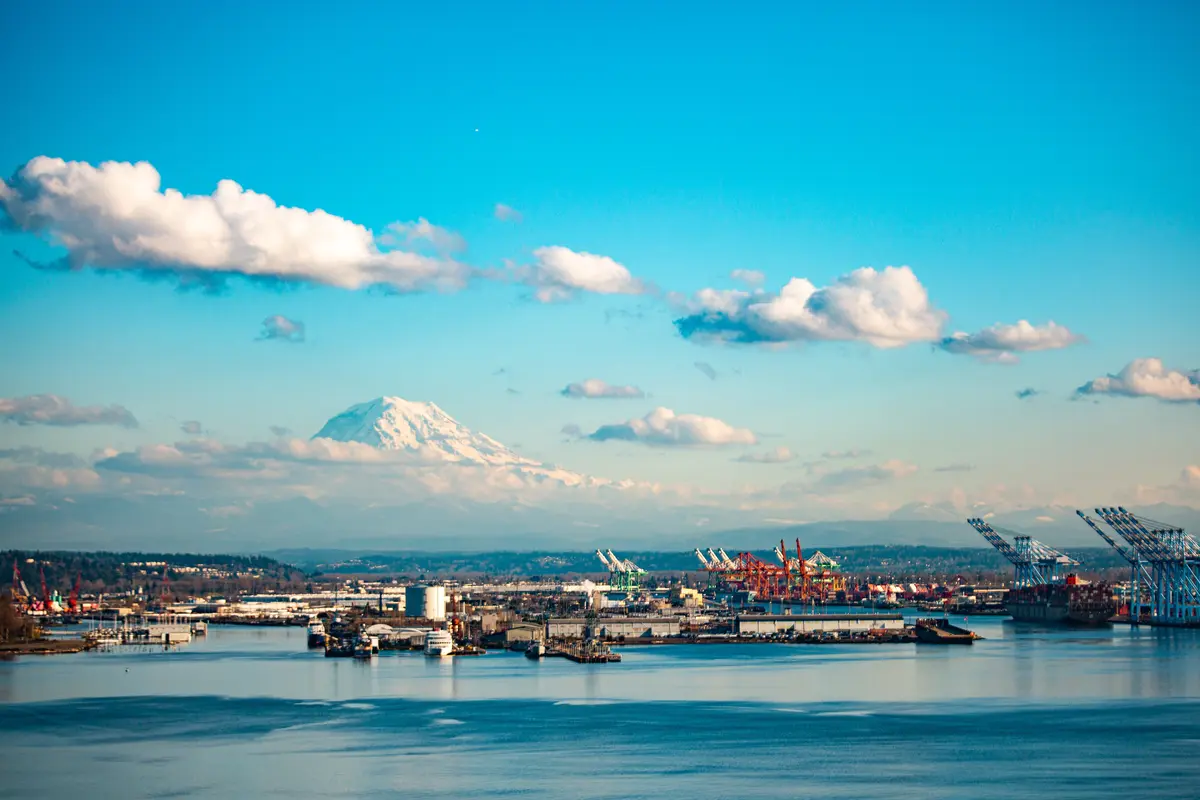
For more significant outdoor recreation — mountain trails, waterfront access, state parks — Fife's freeway access works in your favor. Mount Rainier's foothills are less than an hour east. Tacoma's waterfront parks are 15 minutes away. The Olympics are a ferry ride from Tacoma. For a complete picture of what's accessible on weekends, see the parks and recreation page.
The Community Side of Fife
The city published a 2026 Strategic Plan built from direct resident and business-owner input — the kind of civic document that signals a community investing in its own identity beyond its logistics-hub reputation. Fife Athletics competes in the WIAA, and the school district's sports programs serve as a genuine community gathering point on Friday nights in a way that surprised many newcomers who assumed a small working city wouldn't have that kind of local attachment.
Top Things Locals Say About Fife
The best intel about a city comes from the people who actually live there. Here’s what Fife residents say when newcomers ask the questions everyone’s thinking.
“I drove Pacific Highway East a hundred times before I moved here and thought it was just a commercial strip. Once you live here, you realize that strip is where your whole life happens — and it takes about three months before that stops feeling like a compromise and starts feeling like convenience.”
— Recent Fife home buyer
“What's the most surprising thing about living in Fife?”
How small it actually feels day to day. You can cross the whole city in ten minutes, and you start recognizing faces at the Poodle Dog or at Dacca Park pretty quickly. People expect it to feel anonymous because of all the warehouses and the freeway, but the residential side of Fife has real neighborhood texture once you're in it.
“What do locals love most about Fife?”
The location math is genuinely hard to beat. Tacoma is ten minutes away, Seattle is reachable on a good morning, and SeaTac doesn't require a toll road. And because the city is so small and commercial, you're never more than five minutes from whatever errand you need to run. The diversity here also surprises people — the range of food, community organizations, and cultures represented in a city this size is real, not just demographic data.
“What should newcomers to Fife know?”
Pick-Quick Drive In closes every winter — November through January — so if you arrive in the fall and hear locals talk about it, you'll have to wait. More practically: visit the specific block of any home you're considering in the evening and listen. Some addresses near I-5 carry freeway noise that doesn't show up in photos, and that's the kind of thing that wears on people over time. The Hylebos Nature Area is worth finding early — it's one of those spots in Fife that feels genuinely removed from the industrial surroundings.
“Can you live in Fife without a car?”
Technically possible but practically difficult for most residents. Pierce Transit Route 501 serves the city along 20th Street East, Valley Avenue, and Milton Way, with connections toward Tacoma and Federal Way. If you work in downtown Tacoma and don't need to run many off-route errands, transit is viable. For anything beyond that — groceries on your schedule, weekend recreation, getting to Seattle — a car is the realistic default. The future Fife light rail station will change this calculus eventually, but that's years away.
Cities Near Fife
Other communities near Fife worth a look — each with its own character and price point.
| City | Distance | Best For | Vibe | Median Rent | Median Buy |
|---|---|---|---|---|---|
| Tacoma | 6 mi | Arts, dining & urban amenities | Larger, urban, culturally diverse | $1,750 | $480,000 |
| Puyallup | 8 mi | Families & suburban quiet | Established, spacious, community-feel | $1,850 | $520,000 |
| Milton | 3 mi | Small-town feel near freeways | Quiet, residential, low-traffic | $1,700 | $500,000 |
More Helpful Guides for Fife
Going deeper on Fife? Our blog series covers everything from first-time buying to retiring here — explore the guides below.
Local Expert Takeaway: Fife is a city that rewards buyers who understand exactly what they're getting: unmatched freeway access at a price point below both the county and state medians, a genuinely diverse community, and major employers within city limits — all in under six square miles. The catch is real: I-5 noise on certain blocks, a Pacific Highway East main street that prioritizes commerce over strolling, and a 30-year flood risk affecting nearly the entire city that requires serious due diligence on any specific address. Grab breakfast at the Poodle Dog on 54th Ave E, drive the stretch from Dacca Park to Pacific Highway East, and listen to what the freeway sounds like from the backyard of any home you're considering. Fife tends to click for buyers who do that homework — and disappoint those who skip it.
Quick Takeaways & FAQs
✅ Fife's median sale price of $529,612 (June 2026) sits noticeably below both the Pierce County and Washington State medians, making it one of the stronger value positions in the South Puget Sound with direct I-5 access.
⚠️ Approximately 97% of Fife properties carry a major flood risk over a 30-year horizon per First Street Foundation modeling — checking any specific address's flood zone designation is essential before making an offer.
📍 The Poodle Dog Restaurant on 54th Ave E has operated since 1933 and functions as Fife's closest thing to a community living room — it's the first place most longtime residents tell newcomers to try.
Is Fife, WA a good place to live?
What is the cost of living like in Fife, WA?
How far is Fife from Seattle and Tacoma?
What are the flood risks for homes in Fife, WA?
Is a light rail station coming to Fife?
Helpful Links for Moving to Fife
Moving to Washington?
Tell us what you need help with and we'll connect you with local resources.
