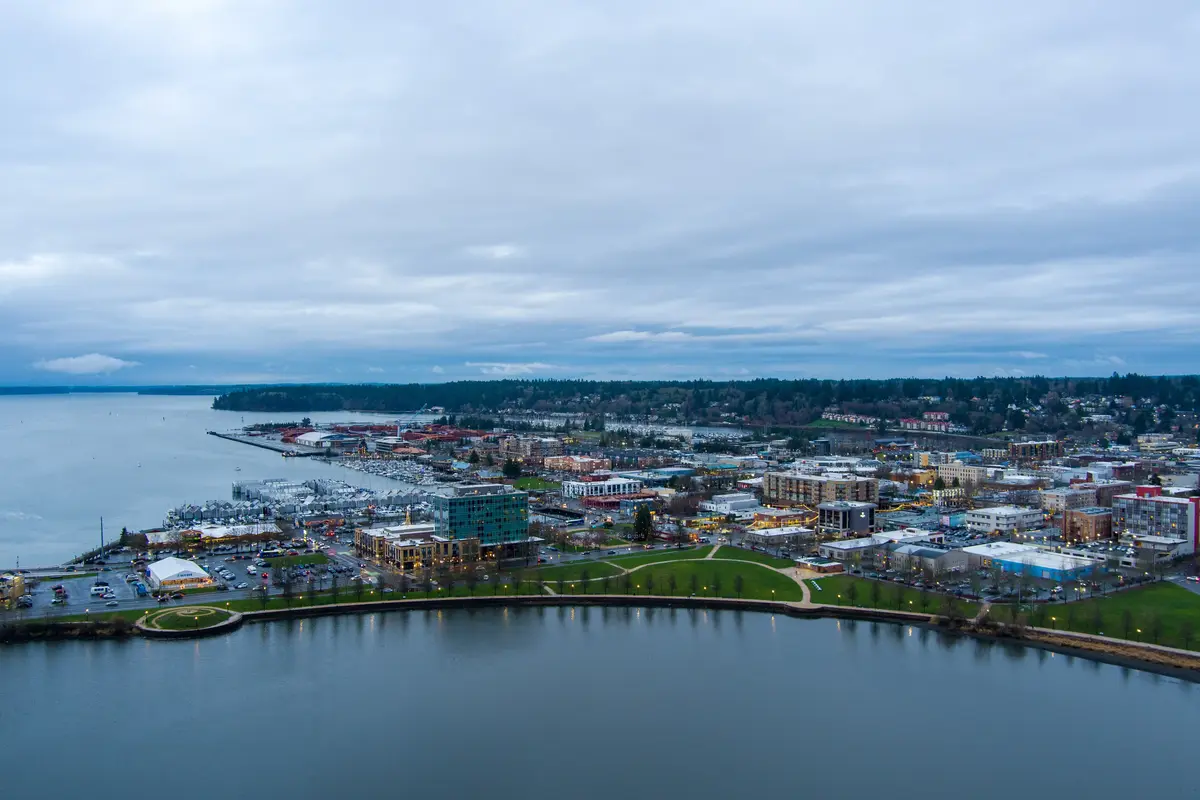
South Puget Sound · Best for Remote Workers · 2026
Best Cities for Remote Workers in South Puget Sound (2026): 13 Cities Ranked
13 South Puget Sound cities ranked on a weighted composite of internet speed, coworking access, coffee culture, airport proximity, and home affordability.
By Todd Davidson, Relocation Writer & Housing Market Analyst, Updated August 2026
If you're a remote worker eyeing the South Puget Sound corridor, the pitch is real: you can live within 30 miles of Sea-Tac Airport, own a home for a fraction of what Seattle demands, and still tap into genuine Pacific Northwest café culture. What ties this region together is I-5 and SR-167 running north-south through Pierce and Thurston counties, putting most of these cities within a 90-minute band of each other. But 'remote-worker friendly' means something very different depending on where exactly you land — and the gap between the top and bottom of this list is wider than most people expect before they start seriously shopping.
Tacoma leads this group of 13 with a composite score of 9.1 out of 10, driven by full urban broadband infrastructure, a legitimate coworking scene anchored in part by the UW Tacoma campus, and a median home price of approximately $496,000 — well below what you'd pay in King County for comparable access to Sea-Tac. At the other end, Orting scores 4.27 out of 10: limited provider competition, no dedicated coworking spaces to speak of, and no named independent coffee shops means remote workers there are largely on their own. The rankings below break down exactly where each city falls across all five dimensions.
Top 13 Cities — Jump to Any City
- Tacoma — #1 Best Overall
- South Hill — #2 Strongest Suburb
- Spanaway — #3 Best Café Scene (Mid-Size)
- Lakewood — #4 Best Hybrid-Ready
- Olympia — #5 Best Coffee Culture
- University Place — #6 Best Waterfront Setting
- Lacey — #7 Best Stay-at-Home Value
- Yelm — #8 Most Coffee Shops Per Capita
- Tumwater — #9 Best Small-City Roaster Scene
- DuPont — #10 Closest to JBLM
- Fife — #11 Closest to Sea-Tac
- Gig Harbor — #12 Most Scenic Location
- Orting — #13 Most Affordable Entry Point
How This Ranking Was Built
Each city is scored 1-10 on every dimension below against a fixed statewide scale — never against the other cities in this region — then combined into one weighted Composite score out of 10.
Internet Speed — 25%Weighted contribution to the composite score, graded 1-10 against a fixed statewide scale.
Coworking Access — 20%Weighted contribution to the composite score, graded 1-10 against a fixed statewide scale.
Coffee Culture — 20%Weighted contribution to the composite score, graded 1-10 against a fixed statewide scale.
Airport Access — 20%Weighted contribution to the composite score, graded 1-10 against a fixed statewide scale.
Affordability — 15%Weighted contribution to the composite score, graded 1-10 against a fixed statewide scale.
Top 13 Cities: Best for Remote Workers Snapshot
Ranked by overall composite score. Click any city to jump to the full breakdown.
| # | City | Composite | Internet | Coworking | Median Price |
|---|
| 1 | Tacoma
Pierce County | 9.1/10 | 10 | 10 | $496,203 |
| 2 | South Hill
Pierce County | 7.2/10 | 7.0 | 7.0 | $589,647 |
| 3 | Spanaway
Pierce County | 7.0/10 | 6.0 | 6.0 | $475,231 |
| 4 | Lakewood
Pierce County | 7.0/10 | 6.9 | 6.9 | $526,659 |
| 5 | Olympia
Thurston County | 6.9/10 | 6.7 | 6.7 | $536,583 |
| 6 | University Place
Pierce County | 6.4/10 | 6.0 | 6.0 | $633,676 |
| 7 | Lacey
Thurston County | 6.1/10 | 6.7 | 6.7 | $516,096 |
| 8 | Yelm
Thurston County | 6/10 | 3.6 | 3.6 | $478,203 |
| 9 | Tumwater
Thurston County | 5.9/10 | 5.4 | 5.4 | $531,134 |
| 10 | DuPont
Pierce County | 4.9/10 | 3.3 | 3.3 | $559,677 |
| 11 | Fife
Pierce County | 4.8/10 | 3.5 | 3.5 | $529,612 |
| 12 | Gig Harbor
Pierce County | 4.7/10 | 3.8 | 3.8 | $764,493 |
| 13 | Orting
Pierce County | 4.3/10 | 3.0 | 3.0 | $545,757 |
Coffee Culture
8.7/10
out of 10
Airport Access
8.5/10
out of 10
Affordability
7.7/10
out of 10
Median Price
$496,203
2026 market price
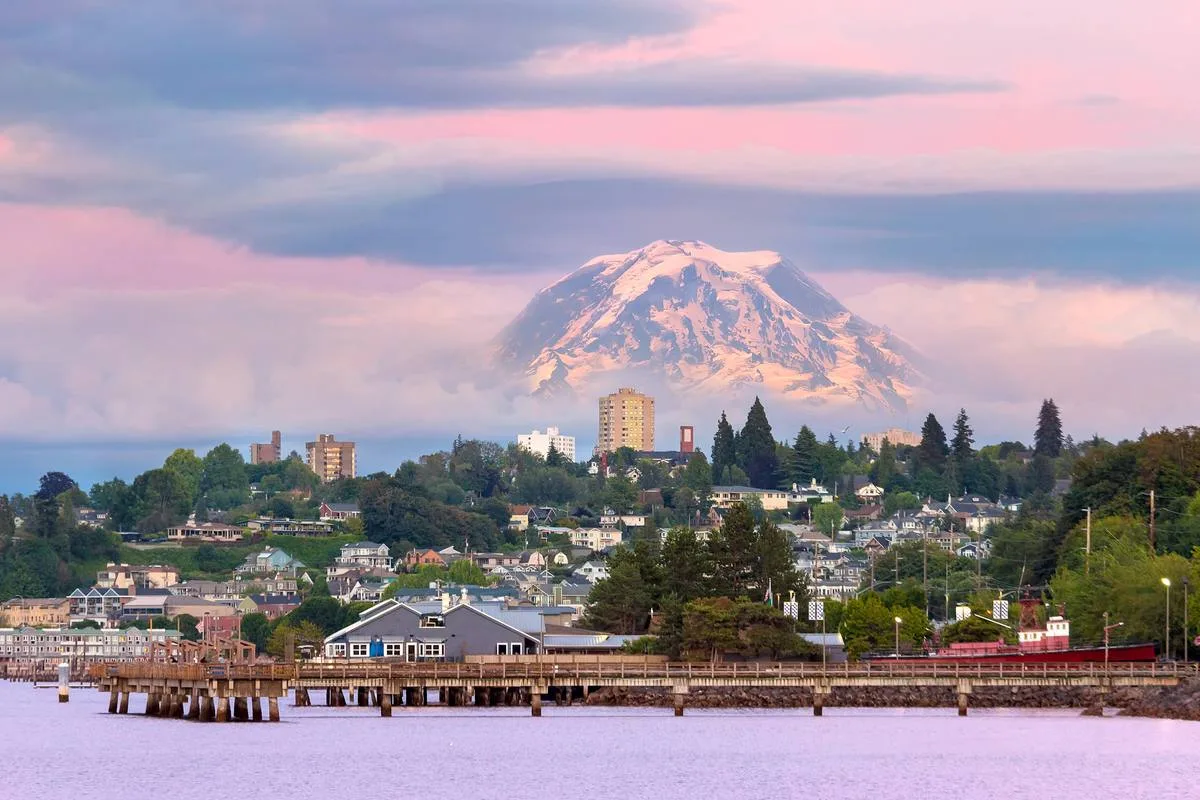
Tacoma earns the top spot by actually delivering on every dimension that matters for remote work. A median home price around $496,000 is the most affordable entry point among the larger cities here, and it comes with urban-grade broadband infrastructure — not the 'decent for the size' connectivity you get in smaller towns. The UW Tacoma campus anchors a professional coworking ecosystem, and a café scene that includes spots like Anthem and Valhalla gives remote workers the kind of neighborhood infrastructure that makes working outside the house genuinely sustainable. Sea-Tac is 21 miles out — close enough for weekly travel, far enough that you're not under a flight path.
Tacoma is the right call for remote workers who want the full package without paying Seattle prices. If you need reliable video calls, a coworking desk option for deep-focus days, and an airport run that doesn't eat your whole afternoon, no other city in this group checks all three boxes at once.

Coffee Culture
7.5/10
out of 10
Airport Access
7.8/10
out of 10
Affordability
6.5/10
out of 10
Median Price
$589,647
2026 market price
South Hill ranks second on the strength of solid broadband infrastructure for a suburb its size and a home price — approximately $590,000 — that sits noticeably above Tacoma but still below what most King County suburbs demand. The coffee scene here has more depth than you might expect from an unincorporated Pierce County community: four local spots including a roastery give remote workers real options for changing up their working environment. Sea-Tac runs about 27 miles north via SR-161 and I-5, a manageable drive for occasional travel.
South Hill suits remote workers who want a suburban family environment and can absorb a slightly higher purchase price than Tacoma or Spanaway. Coworking options are present but more limited than in Tacoma, so buyers who need a formal shared-office setup regularly will want to factor that commute into their decision.
Coffee Culture
8.7/10
out of 10
Airport Access
7/10
out of 10
Affordability
8/10
out of 10
Median Price
$475,231
2026 market price
Spanaway punches well above its weight on coffee culture — five independent coffee shops for a suburb of roughly 34,000 is genuinely impressive and signals the kind of neighborhood character that remote workers tend to gravitate toward. Home prices near $475,000 make it one of the more affordable options in this group, and Sea-Tac is about 35 miles out — farther than Tacoma but still a manageable drive when travel comes up. The honest trade-off is internet infrastructure: broadband here is decent but not urban-grade, and coworking options are limited enough that Tacoma becomes a regular destination for remote workers who need a professional environment outside the house.
Spanaway is a strong fit for remote workers who primarily work from home, need real affordability, and want a walkable-feeling suburban café culture nearby. Buyers who depend on daily coworking access or need the fastest-tier broadband as a baseline should look more carefully at Tacoma or Lakewood first.
Coffee Culture
6.5/10
out of 10
Airport Access
7.5/10
out of 10
Affordability
7.3/10
out of 10
Median Price
$526,659
2026 market price
Lakewood sits in a useful middle position in this ranking: with roughly 63,000 residents, it has the population base to support solid broadband and a reasonable coworking scene, and homes averaging around $527,000 represent real value compared to University Place or South Hill. I-5 access makes Sea-Tac about 30 miles and a predictable drive north, which matters for remote workers who travel occasionally but not constantly. The café scene offers three named local spots — enough for daily variety, though serious coffee culture seekers may find themselves pulling into Tacoma on a regular basis.
Lakewood works well for remote workers who want urban-adjacent infrastructure without Tacoma's density, and who value the I-5 corridor for both airport access and the option to commute into Tacoma's coworking hubs when needed. It's a particularly sensible choice for households that mix fully remote and hybrid schedules.
Coffee Culture
8.7/10
out of 10
Airport Access
5.5/10
out of 10
Affordability
7.2/10
out of 10
Median Price
$536,583
2026 market price
Olympia's case for remote workers rests on two genuine strengths: a café scene that rivals much larger cities — five quality coffee spots including roasters like Batdorf & Bronson — and home prices in the mid-$500s that are manageable relative to Pierce County's more expensive pockets. As the state capital, it has the professional infrastructure you'd expect from a civic and government hub, and coworking options exist, though the choices are fewer than in Tacoma. The real friction point is Sea-Tac: at roughly 52 miles north on I-5, frequent flyers will find airport runs meaningful time commitments, especially with typical South Sound traffic.
Olympia is a compelling fit for remote workers who travel infrequently, prioritize coffee culture and a walkable downtown, and value Thurston County's slightly different political and cultural character from Pierce. If airport access is a regular need rather than an occasional one, the drive north will wear on you faster than you'd expect.

Coffee Culture
6.5/10
out of 10
Airport Access
7.7/10
out of 10
Affordability
5.9/10
out of 10
Median Price
$633,676
2026 market price
University Place carries the highest home price of any city in the mid-to-upper tier of this ranking — median near $634,000 — which makes its affordability score the main drag on its composite. The broadband and coworking infrastructure reflect its population of just over 34,000: adequate for remote work, but Tacoma is close enough that most residents treat it as an extension of their options. The café scene includes recognized spots and offers a respectable local character without the depth of a larger city.
University Place tends to appeal to remote workers who prioritize the physical setting — waterfront proximity and quieter residential streets — over remote-work infrastructure scores. Buyers stretched on budget should look carefully at whether the premium over Lakewood or Spanaway is justified by the lifestyle trade-off for their specific situation.
Coffee Culture
4/10
out of 10
Airport Access
5.8/10
out of 10
Affordability
7.5/10
out of 10
Median Price
$516,096
2026 market price
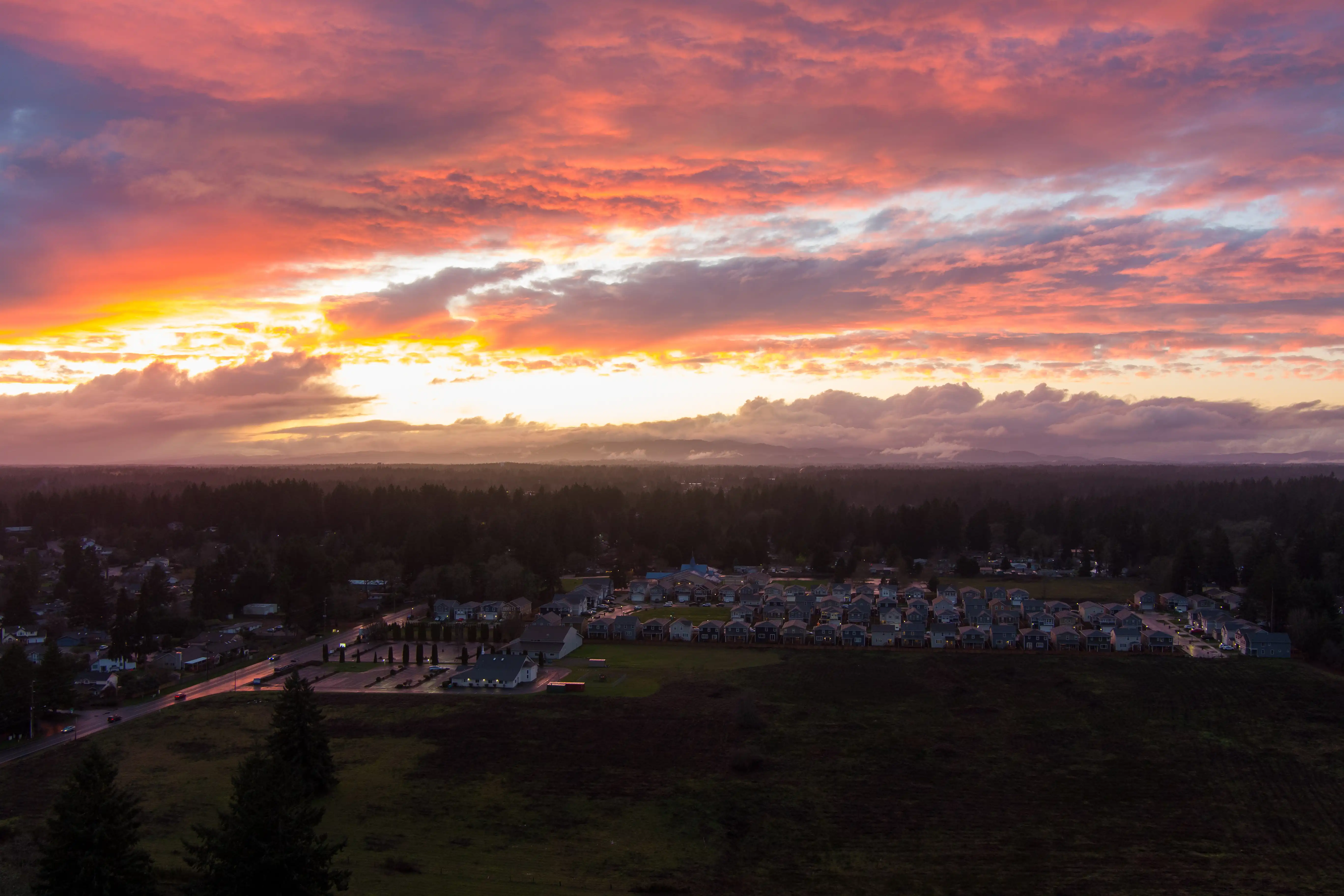
Lacey's composite score is pulled down almost entirely by one dimension: coffee culture. With only one named independent café, it's the thinnest showing in this category among all 13 cities, and remote workers who rotate between home and a café as a productivity tool will feel that gap quickly. On other dimensions, Lacey performs reasonably well — a city of roughly 59,000 supports solid broadband, home prices in the mid-$500s are manageable, and Olympia a few miles west adds coworking and dining depth to what's available locally.
Lacey makes the most sense for remote workers who work almost exclusively from home, need reliable connectivity over café culture, and want Thurston County's relative affordability without Olympia's higher-profile pricing. The proximity to Olympia means you're rarely more than 10 minutes from more options — it just requires deliberately building that into your routine.

Coffee Culture
10/10
out of 10
Airport Access
5.9/10
out of 10
Affordability
8.0/10
out of 10
Median Price
$478,203
2026 market price
Yelm is a study in trade-offs. Its coffee scene — six local spots for a town under 12,000 residents — earns a perfect score in this ranking and signals genuine small-town community investment in the kind of third-place infrastructure remote workers depend on. Home prices just above $478,000 make it one of the more budget-accessible entries in the group. But internet infrastructure is the real concern: limited provider competition in a small-population market means remote workers need to verify actual speeds at a specific address before committing, not assume that suburban-grade connectivity will be available.
Yelm suits remote workers who are fully self-sufficient at home, prioritize affordability and small-town pace, and don't need to travel frequently — the 47-mile drive to Sea-Tac adds up fast for weekly flyers. Buyers who need Zoom-reliable symmetrical speeds should do a site survey before signing anything.
Coffee Culture
6.5/10
out of 10
Airport Access
5.5/10
out of 10
Affordability
7.3/10
out of 10
Median Price
$531,134
2026 market price
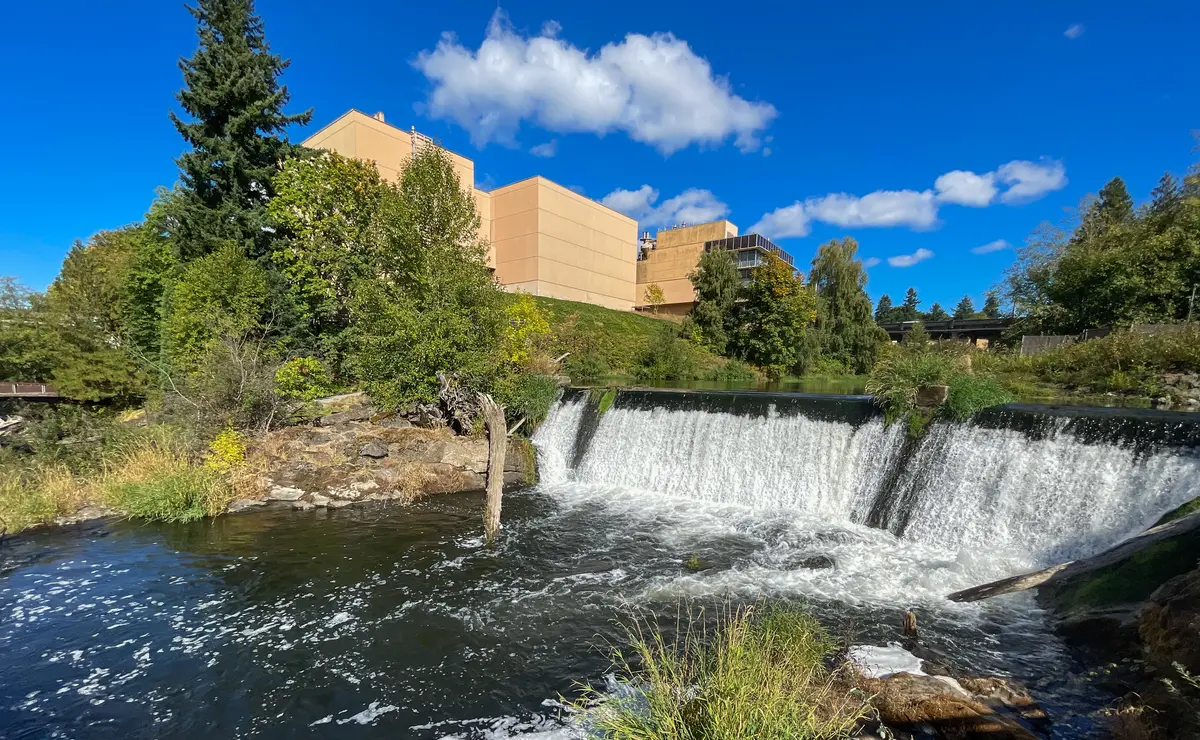
Tumwater sits just south of Olympia and shares some of its café character — three local coffee spots including Batdorf & Bronson roasters give it a stronger coffee scene than its size alone would suggest. Home prices in the low-to-mid $530s are in line with the Thurston County market and more accessible than Pierce County's upper tier. Broadband infrastructure is functional for remote work at a city of 28,000 but doesn't approach the density-driven speeds available in Tacoma or Lakewood, and coworking options are modest.
Tumwater is a reasonable landing spot for remote workers relocating to the Thurston County area who want something slightly quieter than Olympia while still being close enough to tap into Olympia's professional amenities. Sea-Tac at roughly 53 miles is the most significant friction point for anyone who travels more than once a month.

Coffee Culture
5.3/10
out of 10
Airport Access
6.6/10
out of 10
Affordability
6.9/10
out of 10
Median Price
$559,677
2026 market price
DuPont's low composite score is almost entirely a function of its small size — at roughly 10,000 residents, the broadband provider pool is thin and dedicated coworking infrastructure is essentially absent. Home prices near $560,000 feel high relative to what you're getting on the remote-work dimension scorecard, especially when nearby Spanaway offers lower prices with meaningfully more café character. The one bright spot is airport access: at about 39 miles from Sea-Tac via I-5, it's a manageable run for occasional travel.
DuPont tends to appeal to buyers drawn to its planned-community feel and proximity to Joint Base Lewis-McChord rather than remote-work infrastructure. Remote workers who aren't price-constrained and can build a robust home office setup may find it livable, but most will get better overall value from cities ranked higher in this group.

Coffee Culture
2/10
out of 10
Airport Access
8.9/10
out of 10
Affordability
7.3/10
out of 10
Median Price
$529,612
2026 market price
Fife's composite score reflects a fundamental mismatch with remote-work lifestyles: its industrial and warehouse-focused character means no notable independent coffee shops and very limited coworking infrastructure, despite sitting just 18 miles from Sea-Tac — the best airport score in this entire group. Home prices around $530,000 are middle-of-the-road for the region. Broadband options are limited relative to its larger neighbors, and remote workers looking for the kind of neighborhood amenity layer that makes working from a mid-sized suburb sustainable will likely find themselves driving into Tacoma regularly.
Fife is a genuinely poor fit for remote workers who rely on café culture or shared workspaces as part of their workflow. If extremely easy Sea-Tac access is the single most important variable — for someone who travels multiple times a week — it's worth a look, but most remote workers will find the lifestyle trade-offs too steep compared to what Tacoma or Lakewood offer at similar price points.
Coffee Culture
4/10
out of 10
Airport Access
7.5/10
out of 10
Affordability
4.4/10
out of 10
Median Price
$764,493
2026 market price
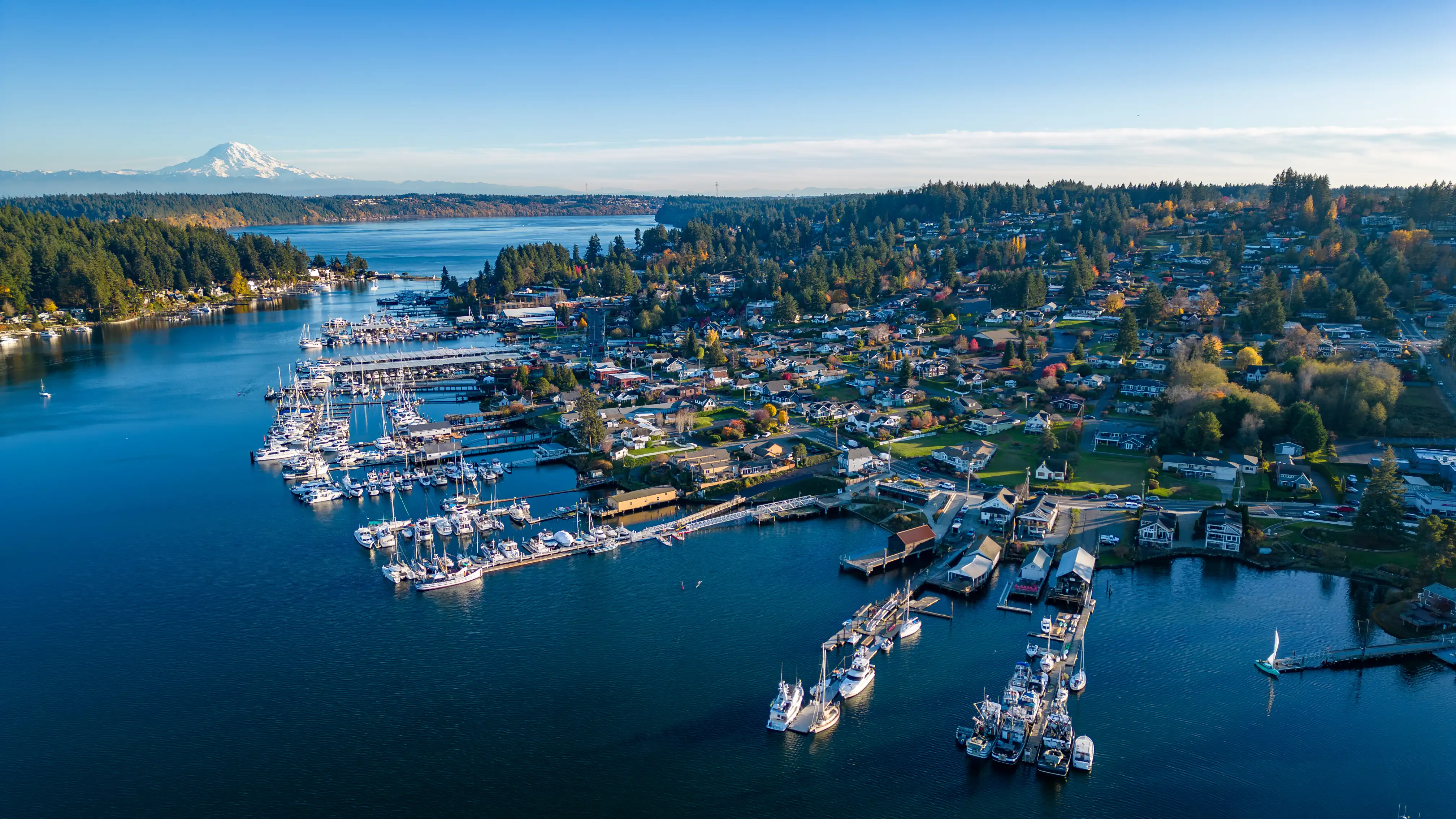
Gig Harbor is the most expensive city in this group by a notable margin — a median near $765,000 — and its remote-work infrastructure doesn't justify the premium relative to what Tacoma delivers at a much lower price. A small-city population of roughly 12,600 means limited broadband competition and very few coworking options; residents tend to depend on Tacoma across the Narrows Bridge for professional infrastructure. Airport access at about 30 miles is serviceable, though the Narrows Bridge adds variable time to that calculation.
Gig Harbor attracts buyers who are prioritizing the harbor lifestyle, the waterfront setting, and the physical separation from the urban core — and who are largely self-sufficient remote workers with reliable home-office setups and a high tolerance for driving. Buyers comparing it to Tacoma strictly on remote-work value will find the math difficult to justify.
Coffee Culture
2/10
out of 10
Airport Access
7.2/10
out of 10
Affordability
7.1/10
out of 10
Median Price
$545,757
2026 market price
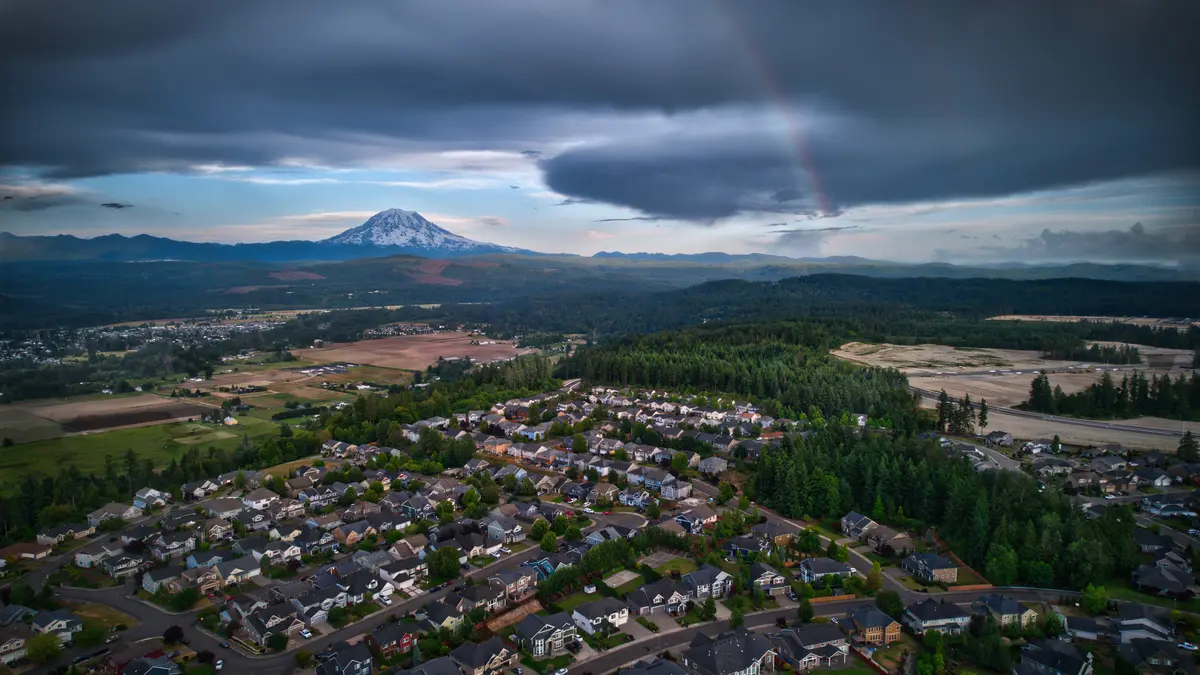
Orting finishes last in this group, and the reasons are consistent across multiple dimensions. Internet infrastructure is the most pressing concern: with a population under 9,000, provider competition is limited, and remote workers must verify actual available speeds at a specific address before treating Orting as viable for bandwidth-intensive work. There are no named independent coffee shops and no dedicated coworking spaces, which means the entire remote-work environment depends on what you build at home. Home prices in the mid-$500s offer some relative value within the region, but not dramatically below the midfield.
Orting is a meaningful fit only for remote workers who are entirely self-sufficient — stable home broadband already confirmed, no need for coworking, and infrequent travel. Buyers drawn by the small-town character and proximity to Mount Rainier's foothills should do thorough connectivity due diligence before committing; this is not a city where you assume infrastructure and figure it out later.
Tacoma is the clear all-around winner for remote workers who want infrastructure plus affordability in one package. For buyers who need a quieter setting and can build out a strong home office, Spanaway and Yelm offer surprising value — but both require deliberate planning around connectivity and coworking before you commit.
Want to see what's for sale in these neighborhoods?
Sign up for listing alerts — get notified when homes hit the market.
Get Listing Alerts →
Frequently Asked Questions
Which South Puget Sound city has the fastest and most reliable internet for remote work?
Tacoma is the clear leader here. With more than 220,000 residents, it has the provider competition and urban infrastructure that drives real broadband choice — not just a single cable provider with no alternative. Smaller cities like Orting, DuPont, and Fife have populations under 11,000, which typically means fewer providers and less infrastructure investment; remote workers considering those towns should call providers and request a speed test at their specific address before signing a lease or purchase agreement.
Are there actual coworking spaces in South Puget Sound, or do remote workers mostly work from home?
Tacoma has the most developed coworking scene in this group, supported by the UW Tacoma campus and a city large enough to sustain multiple shared-office options. Olympia and Lacey have modest options given their roles as Thurston County's urban core. South Hill and Lakewood likely have some options but tend to rely on Tacoma's ecosystem for anything beyond basic shared space. Cities like Orting, DuPont, and Yelm should be treated as home-office-only environments unless you're willing to drive 20–40 minutes to reach a formal coworking facility.
How far is Sea-Tac Airport from the most popular South Puget Sound cities?
Fife is the closest city in this group at about 18 miles from Sea-Tac, followed by Tacoma at 21 miles. South Hill runs about 27 miles, University Place and Gig Harbor around 28–30 miles, and Lakewood about 30 miles via I-5. The Thurston County cities — Olympia, Lacey, and Tumwater — sit in the 48–53 mile range, which puts them over an hour from the airport during peak I-5 traffic. Frequent flyers should weight airport distance heavily and recognize that the southern tier of this list significantly extends that commute.
Which city offers the best combination of affordability and remote-work infrastructure?
Tacoma makes the strongest case, with a median home price of approximately $496,000 paired with top scores on internet speed and coworking access. Spanaway is worth a close look for buyers who need to stretch their budget further — homes near $475,000 and a strong local café scene give it real remote-work livability, though connectivity is less reliable than in Tacoma. Gig Harbor, at a median near $765,000, sits at the opposite end of the affordability spectrum and doesn't compensate with meaningfully better remote-work infrastructure.
Is Yelm or Orting a realistic option for a full-time remote worker?
Yelm is more viable than Orting, primarily because of its surprisingly deep café scene — six local coffee shops for a town its size is genuinely exceptional and creates real options for working outside the house. Both towns require thorough internet due diligence before moving; limited provider competition in small-population markets means speeds vary significantly by street and by provider. Orting has no named independent coffee shops and no coworking infrastructure, making it a home-office-or-nothing situation. Either town can work for disciplined remote workers, but neither should be chosen without confirming actual broadband performance at a specific address.
Moving to Washington?
Tell us what you need help with and we'll connect you with local resources.

Todd Davidson
About the Author
Todd Davidson is the founder of The Move Genie, a premier digital resource offering in-depth city guides, neighborhood profiles, and localized market insights for communities nationwide. Drawing on an extensive background in home financing and real estate, he established the platform to streamline the relocation process, helping families make confident, data-driven decisions when comparing new areas.