
You've probably done the math comparing Tumwater to Seattle and liked what you saw. The numbers are friendlier here — but "cheaper than Seattle" is a low bar, and Tumwater still sits meaningfully above the national average in overall cost of living. The city's overall cost index lands around 126–127 (where 100 equals the U.S. average), driven almost entirely by housing. Everything else — utilities, groceries, even the pints at local breweries along Mottman Rd SW — runs closer to what you'd expect. The honest framing: Tumwater is affordable relative to the Puget Sound corridor, but it's not inexpensive by any national measure.
What keeps Tumwater competitive is the tax environment. Washington state levies no personal income tax, and for a household earning $95,212 — the city's median — that's a real, recurring advantage over Oregon or California peers. State government employment is the city's largest sector, which means wage stability matters here more than boom-and-bust tech cycles. Many households are dual-income, with one partner commuting to Olympia or working remotely, and the I-5 corridor puts a number of regional employers within practical reach for working families as well.
Day-to-day costs beyond housing are manageable, with one notable exception: transportation runs roughly 27–28% above the national average, reflecting Pacific Northwest fuel prices and the reality that Tumwater is built around a car. Groceries cost about 6–8.5% more than the national norm, though that figure drops meaningfully if you're relocating from King County — South Puget Sound grocery prices are generally 5–10% below Seattle's. Utilities, unusually, track slightly below the U.S. average, which surprises most newcomers from sunnier, more air-conditioning-dependent climates.
Whether you're deciding between Tumwater and Lacey, weighing a rental against a purchase, or trying to figure out what a state-government salary actually buys here, the sections below break down Tumwater's housing costs, everyday expenses, nearby-city comparisons, and the full tax picture in plain numbers.

What It Really Costs to Live in Tumwater
The Zillow Home Value Index for Tumwater stood at $531,134 as of May 2026 — a figure that places it well above the national median but noticeably below what buyers face in Seattle's suburbs or even parts of the Eastside. At that price point against a median household income of $95,212, the home-price-to-income ratio works out to roughly 5.6x. That's tighter than the traditional 4x affordability benchmark, but far more manageable than the 8–10x ratios common in King County.
Housing is the single factor pushing Tumwater's cost index to 126–127 on the national scale. The housing sub-index alone sits at 157 — meaning housing here costs approximately 57% more than the U.S. average. Strip housing out and the city looks close to ordinary: utilities actually come in slightly below the national average, and groceries, while elevated, are nowhere near the outlier that housing is.
The practical takeaway: if you can solve the housing line item — whether by buying at or below median, renting strategically, or relocating with equity from a pricier market — the rest of Tumwater's cost structure is livable on a state-government salary. The Washington income-tax advantage adds meaningful cushion that buyers from Oregon or California feel immediately in their first paycheck.
Housing: Rent vs Buy in Tumwater
Buying in Tumwater
Entry-level homes — typically older ranch-style construction from the 1970s and 1980s — start in the low-to-mid $400,000s. The city-wide median, as noted above, sits at $531,134 (Zillow Home Value Index, May 2026). Above-median purchases, particularly newer construction in the city's more developed corridors, routinely cross $600,000–$650,000. For neighborhood-specific price ranges, the Best Neighborhoods guide breaks down what each area commands.
The effective property tax rate is approximately 0.96% of assessed value, as determined by the Thurston County Assessor. That rate is split among the city, multiple local taxing districts, the state, the library, county, port, EMS/911, Conservation Futures, and the PUD — the city itself captures only about 20% of the total bill. At that rate, Tumwater sits below Washington's state average and well below most coastal markets. Use the mortgage calculator below to model your specific principal, taxes, and insurance — those monthly figures vary too much by down payment and loan terms to generalize here.
Renting in Tumwater
Median rent runs approximately $1,654 per month (American Community Survey 2019–2023 five-year estimates), which produces a rent-to-income ratio of roughly 0.21x monthly gross income at the city median — a healthy number by most financial benchmarks. Two-bedroom apartments in newer complexes skew higher, while older stock and basement units in residential areas can come in below that figure.
Renting makes the most sense here if you're within the first 12–18 months of a relocation: it lets you learn which part of the city actually fits your commute pattern before committing to a purchase. The Tumwater market moves faster than buyers expect, and making an offer from a stable rental removes a lot of the pressure.

Everyday Costs Beyond Housing in Tumwater
Utilities are the pleasant surprise. The utility cost index in Tumwater tracks at approximately 98 — just fractionally below the national average — which reflects the Pacific Northwest's relatively mild climate, the absence of sustained summer heat that drives air-conditioning bills in other regions, and competitive electricity rates from the local PUD. Most households heat with natural gas or electric, and shoulder-season bills are modest.
Groceries cost roughly 6–8.5% more than the national norm, though the gap narrows considerably if Seattle is your comparison point — South Puget Sound grocery prices run generally 5–10% below King County levels. One meaningful tax advantage: unprepared groceries are fully exempt from Washington's sales tax, so your supermarket receipt carries a 0% rate on food. That exemption doesn't extend to restaurants or prepared food, where the combined 9.8% state-and-local sales tax applies. Transportation is the category to watch: gas, insurance, and transit costs run roughly 27–28% above the national average, largely a function of Pacific Northwest fuel pricing and a city built for cars rather than walkers.
| Category | Typical Monthly Cost | Notes |
|---|---|---|
| Housing (2BR rent) | $1,550–$1,800 | Reflects Tumwater median rent range. Owners: use the mortgage calculator above for a purchase estimate. |
| Utilities (electric, gas, water) | $130–$175 | Slightly below U.S. average; mild climate reduces cooling costs significantly. |
| Groceries | $400–$550 | 6–8.5% above national average; unprepared food is sales-tax exempt in Washington. |
| Transportation & Gas | $350–$500 | Car-dependent city; fuel prices run 27–28% above national average. Factor in insurance. |
| Phone & Internet | $120–$180 | Standard Pacific Northwest carrier and ISP rates; fiber is available in most residential areas. |
| Dining Out & Entertainment | $200–$400 | 9.8% sales tax on restaurants and prepared food. The Craft District on Capitol Blvd anchors most local spending. |
| Miscellaneous / Personal | $150–$300 | Clothing, household goods, and personal care. Sales tax of 9.8% applies to most retail purchases. |
These figures are estimates for a renter household; actual costs vary by lifestyle and family size. Salary.com's 2025 model puts total monthly costs at approximately $2,837 for a single adult and $6,247 for a family of four — useful bookends when pressure-testing a relocation budget.
Looking to buy in Tumwater? Estimate your payment.
Enter your numbers to see an estimated monthly mortgage payment.
Estimate only. Excludes HOA fees and mortgage insurance. The interest rate above is a starting point, not a quoted rate — replace it with your own to see real numbers. Insurance is a flat placeholder, not a Tumwater quote.
Tumwater vs Nearby Cities: Cost Comparison
| City | Median Home Price | Typical 2BR Rent | Cost vs Tumwater |
|---|---|---|---|
| Tumwater | $531,134 (Zillow ZHVI, May 2026) | ~$1,654/mo | — Baseline |
| Olympia | ~$490,000–$520,000 (approx. range) | ~$1,700–$1,900/mo | About the same; rental market slightly tighter |
| Lacey | ~$520,000–$545,000 (approx. range) | ~$1,700–$1,950/mo | Roughly comparable; newer inventory pushes rents higher |
| Yelm | ~$420,000–$460,000 (approx. range) | ~$1,400–$1,600/mo | Noticeably cheaper; longer I-5 commute is the trade-off |
| Rainier | ~$370,000–$420,000 (approx. range) | ~$1,200–$1,450/mo | Meaningfully cheaper; rural character, limited services |
| Rochester | ~$400,000–$450,000 (approx. range) | ~$1,300–$1,500/mo | Cheaper entry point; rural setting, minimal walkable amenities |
* ZHVI = Zillow Home Value Index.
Tumwater and Lacey are the closest financial peers in this region — the real differentiator between those two is character and commute pattern, not cost. Buyers who need to cut their housing number meaningfully typically look to Yelm or Rochester, accepting a longer drive in exchange.
Taxes & the Bottom Line for Tumwater
No State Income Tax
Washington levies no personal income tax — full stop. For a household at the city's median income of $95,212, the effective savings versus an Oregon or California tax structure can be several thousand dollars per year. That advantage is baked into every paycheck from day one and doesn't require any planning to capture.
Sales Tax: Higher Than You'd Expect
The combined state-and-local sales tax rate in Tumwater is 9.8% as of Q3 2026 (6.5% state base plus 3.3% local), per the Washington Department of Revenue's quarterly rate table effective July 1, 2026. That applies to most retail purchases, restaurants, and prepared food. The carve-out that softens daily life: unprepared groceries are fully exempt. On a practical level, your grocery bill carries no sales tax; your dinner at a restaurant on Capitol Blvd does.
Property Tax
The effective property tax rate of approximately 0.96% of assessed value is split among multiple taxing districts — the city holds only about 20% of that total, with local taxing authorities including Thurston County, the state, library, port, EMS/911, and the PUD taking the remainder. At that rate, Tumwater sits below many Western Washington peers, and well below most comparable cities in California or Oregon when you factor in Washington's income-tax absence.
Who This Budget Works For
The math works most cleanly for dual-income households — particularly those with one or two state-government salaries — who are relocating from a higher-cost Puget Sound market with equity to deploy. The home-price-to-income ratio at the city median is a real stretch on a single income below roughly $85,000–$90,000. Renters who plan to stay under 24 months before buying often find the city's cost structure genuinely manageable; it's the purchase step, not the day-to-day, where budgets feel the squeeze. Buyers coming from Olympia or Lacey will notice prices land in a similar range — the decision there is driven more by lifestyle fit than by dollars. Those relocating from Rainier or Rochester to be closer to services will pay noticeably more, but they typically absorb it quickly once they stop budgeting for the extra miles of commuting.
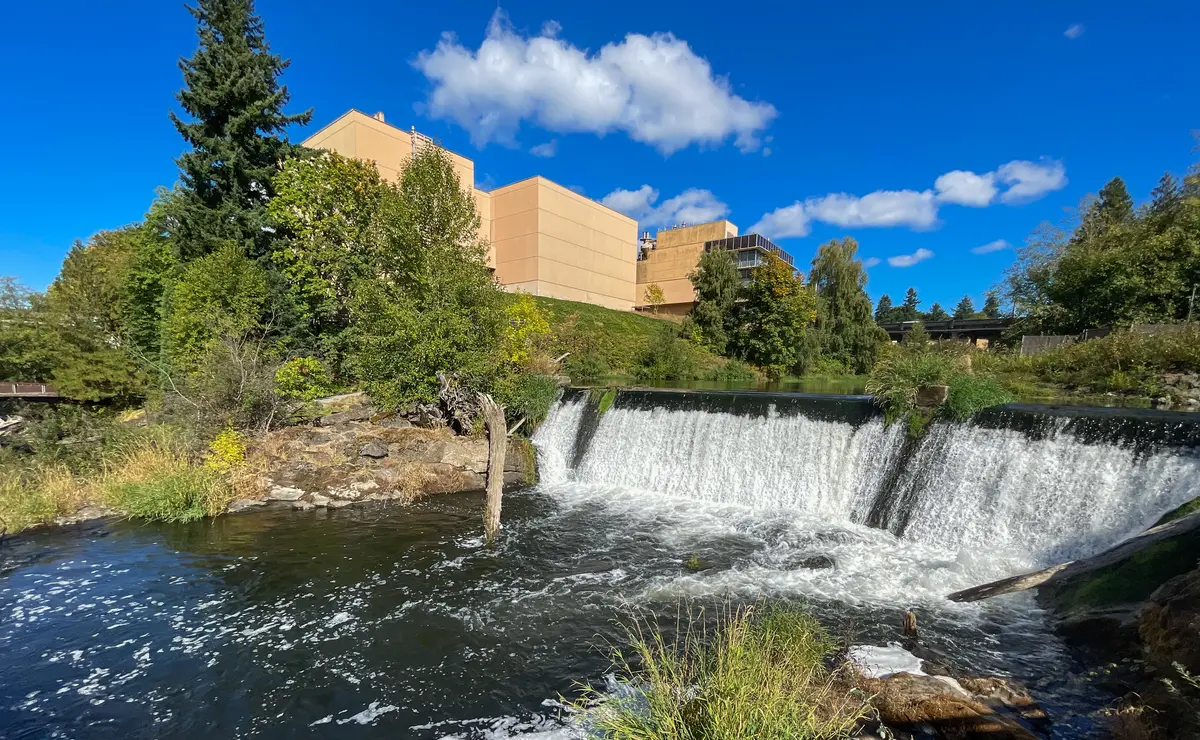
Local Expert Takeaway: Tumwater's cost structure has one real fault line: housing eats 57% more of your budget than the national average, while everything else — utilities especially — stays close to ordinary. The income-tax advantage is real and immediate; a household earning around $95,000 captures thousands of dollars annually compared to peers in Oregon. If you can get into the market at or below the $531,134 city-wide median — which means moving quickly when inventory appears — the day-to-day cost of living along Capitol Blvd, around Tumwater Falls Park, and into the Craft District's breweries and restaurants is livable on a professional salary. The city that tends to disappoint buyers is the one they imagined was cheap across the board; the city that rewards them is the one they understood was specifically a housing-cost challenge wrapped in a genuinely low-tax state.
Quick Takeaways & FAQs
✅ Washington's zero state income tax saves a median Tumwater household several thousand dollars annually compared to Oregon or California peers — a permanent, no-planning-required advantage.
⚠️ Housing costs index at 57% above the national average, meaning the purchase or rental decision is the single highest-leverage financial choice you'll make here.
📍 Groceries at Tumwater supermarkets carry a 0% sales tax rate under Washington state law — a small but real daily savings that surprises most newcomers from high-tax states.
What is the median home price in Tumwater, WA?
What is the sales tax rate in Tumwater, WA?
Is Tumwater cheaper than Olympia or Lacey to live in?
Does Washington state have an income tax, and how does that affect living in Tumwater?
What is the property tax rate in Tumwater?
Moving to Washington?
Tell us what you need help with and we'll connect you with local resources.
