Is Southeast Washington a Good Place to Live?
Maybe you've been watching Walla Walla show up on every 'affordable wine country' list and you're wondering if that's actually true when you look at the home prices. Maybe someone at Washington State University offered you a position in Pullman and you're trying to figure out what it means to live an hour from the nearest commercial airport. Or maybe College Place came up in a search and you're not sure how it relates to the city right next door.
The honest tension in Southeast Washington is that most of these cities run on one or two dominant institutions — a university, a hospital system, a wine industry — and that shapes everything: who's hiring, what rentals cost, how quiet summers get, and which neighborhoods see the most turnover. That's not a flaw so much as a fact you should price into your decision before you sign anything.
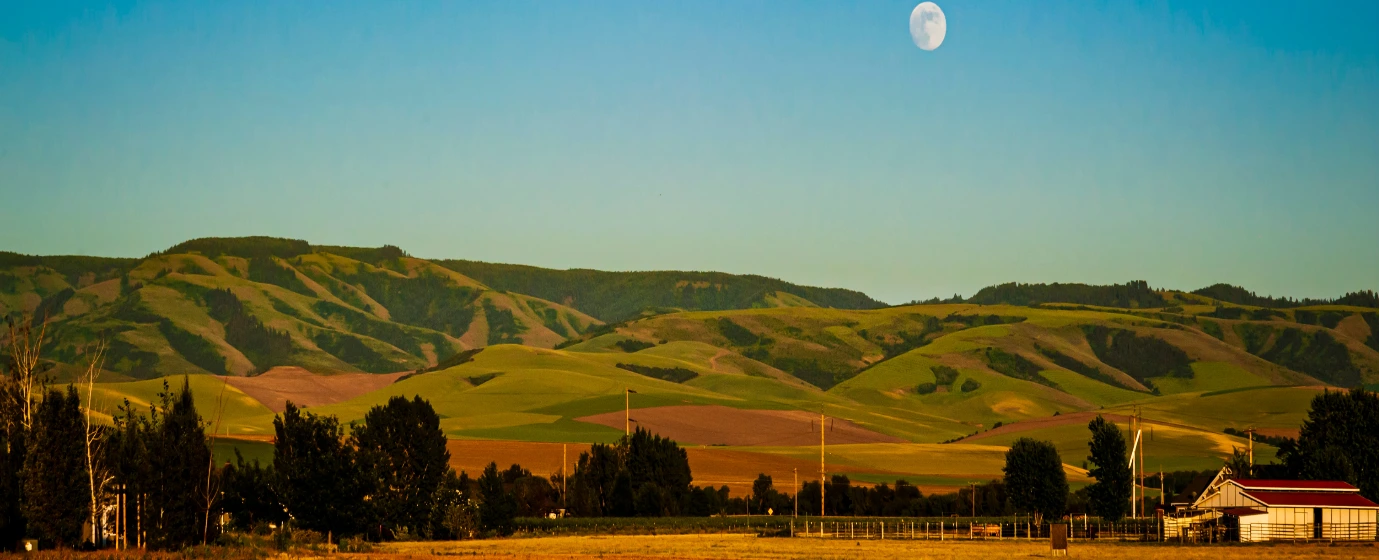
What you get in return is genuine affordability relative to the Puget Sound corridor, real community scale, and landscapes that are harder to leave than they look on paper. The Blue Mountains frame the southern edge of Walla Walla County. The Palouse hills rolling east toward Pullman are some of the most photographed farmland in the country — not because anyone planned it that way, but because the terrain actually looks like that.
The cities below are genuinely different from each other — not interchangeable suburbs of a shared downtown. A Pullman household anchored to WSU and a Walla Walla household drawn by wine-country lifestyle and Whitman College are making almost opposite bets about what daily life should look like. Use the city cards to figure out which version of Southeast Washington is actually yours.
Explore All 3 Cities in Southeast Washington
Click into any city for the complete guide — neighborhoods, home prices, cost of living, pros & cons, schools, top employers, and mortgage help.
College Place
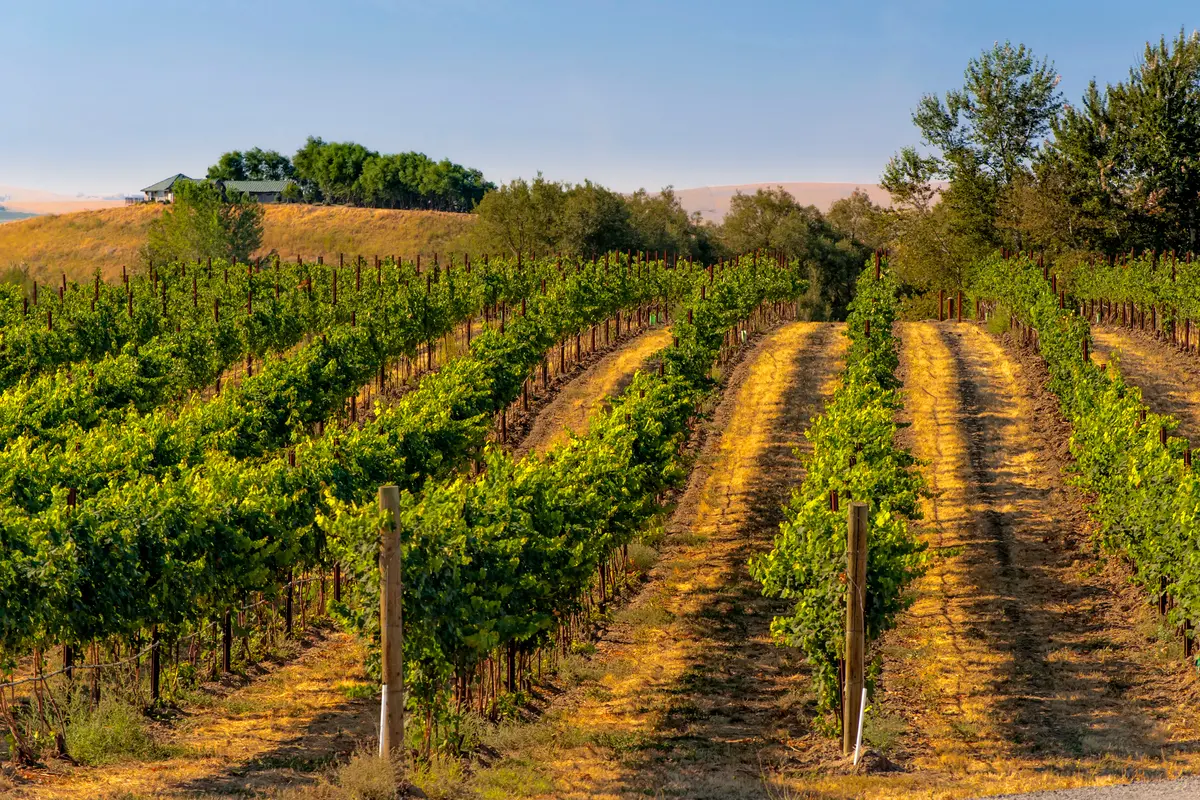
College Place sits directly adjacent to Walla Walla but has its own city government, its own identity anchored by Walla Walla University, and median home prices at $423,000 — the most accessible entry point in the county. The College Avenue corridor and neighborhoods like Blalock Orchards and Garrison Creek Heights give buyers a range from older starter homes to newer construction without crossing into Walla Walla proper. It's a practical choice for households who want proximity to Walla Walla's amenities but a quieter, more residential daily rhythm.
Full College Place Guide →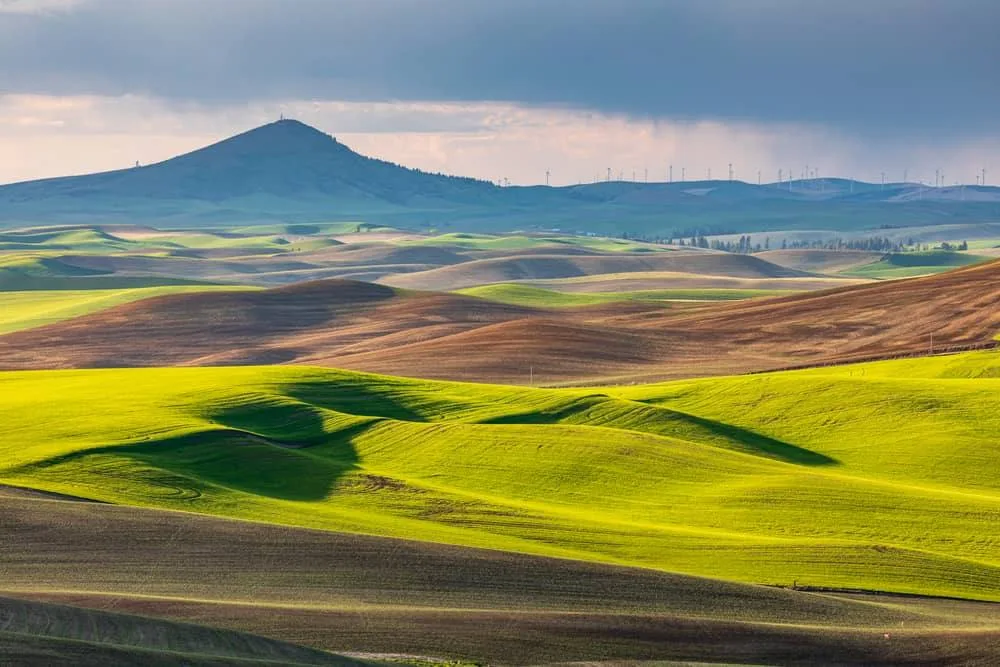
Pullman
Pullman is a university city in the fullest sense — Washington State University's campus is the skyline, the economy, and the social calendar all at once. The presence of Schweitzer Engineering Laboratories, one of the largest private employers in the region, adds a layer of private-sector stability that pure college towns usually lack, and median homes sit at $429,145. Neighborhoods like College Hill and Sunnyside trade in classic college-town density, while Grand Avenue and Terre View offer more breathing room for families who want to stay long-term.
Full Pullman Guide →
Walla Walla
Walla Walla carries the highest median price in this region at $486,000, and the demand isn't hard to explain once you walk the Downtown Historic District or see Pioneer Park's rose garden in June. The economy layers wine and agriculture over a stable base of Whitman College, a regional medical center, and the county's public-sector workforce — which means the job market is broader than a single-industry town even if the wine gets most of the press. The Mill Creek and Eastside neighborhoods attract buyers who want genuine walkability and proximity to the Fort Walla Walla Museum and Bennington Lake without giving up a real sense of neighborhood.
Full Walla Walla Guide →Compare Every City in Southeast WA
Full ranked breakdowns across every city in the region — scored and compared side by side.
Local Expert Takeaway: Before you compare listings, decide which institution — WSU, Whitman College, Walla Walla University, or the regional wine industry — is closest to your daily life, because that single factor will point you toward the right city more reliably than any price chart.
Frequently Asked Questions
Which city in Southeast Washington is the best fit for a family that isn't connected to a university?
How isolated is Pullman, really?
Is Walla Walla's wine-country reputation reflected in the home prices?
What's the job market like if I'm not in academia, healthcare, or wine?
What's the biggest difference between living in College Place versus Walla Walla when they're so close together?
Helpful Washington Resources
Explore Other Washington Regions
Southeast Washington is one of 9 distinct regions that make up Washington. Each has its own climate, character, and housing market — explore them all.

The largest job market in the state — tech, aerospace, and everything that comes with it. 37 cities including Auburn, Bainbridge Island, Bellevue.
Explore all 37 Seattle Metro cities →
Bellingham anchors a corridor of island and farm-country towns between Seattle and the Canadian border. 13 cities including Anacortes, Arlington, Bellingham.
Explore all 13 North Puget Sound cities →
Ferry-linked towns between the Olympic Mountains and Puget Sound. 8 cities including Aberdeen, Bremerton, Port Angeles.
Explore all 8 Olympic Peninsula cities →
Tacoma and the state capital anchor a corridor with real price relief versus Seattle. 13 cities including DuPont, Fife, Gig Harbor.
Explore all 13 South Puget Sound cities →
Just across the Columbia from Portland, with no state income tax. 8 cities including Battle Ground, Camas, Centralia.
Explore all 8 SW Washington cities →
Spokane anchors the Inland Northwest — a real second-largest-city market, far from the coast. 5 cities including Airway Heights, Cheney, Liberty Lake.
Explore all 5 Northeast WA cities →
Washington's apple country, split by the Columbia River. 2 cities including East Wenatchee, Wenatchee.
Explore all 2 North Central WA cities →
Wine and agriculture country, plus the Tri-Cities nuclear/tech corridor. 9 cities including Ellensburg, Kennewick, Moses Lake.
Explore all 9 South Central WA cities →Moving to Washington?
Tell us what you need help with and we'll connect you with local resources.
