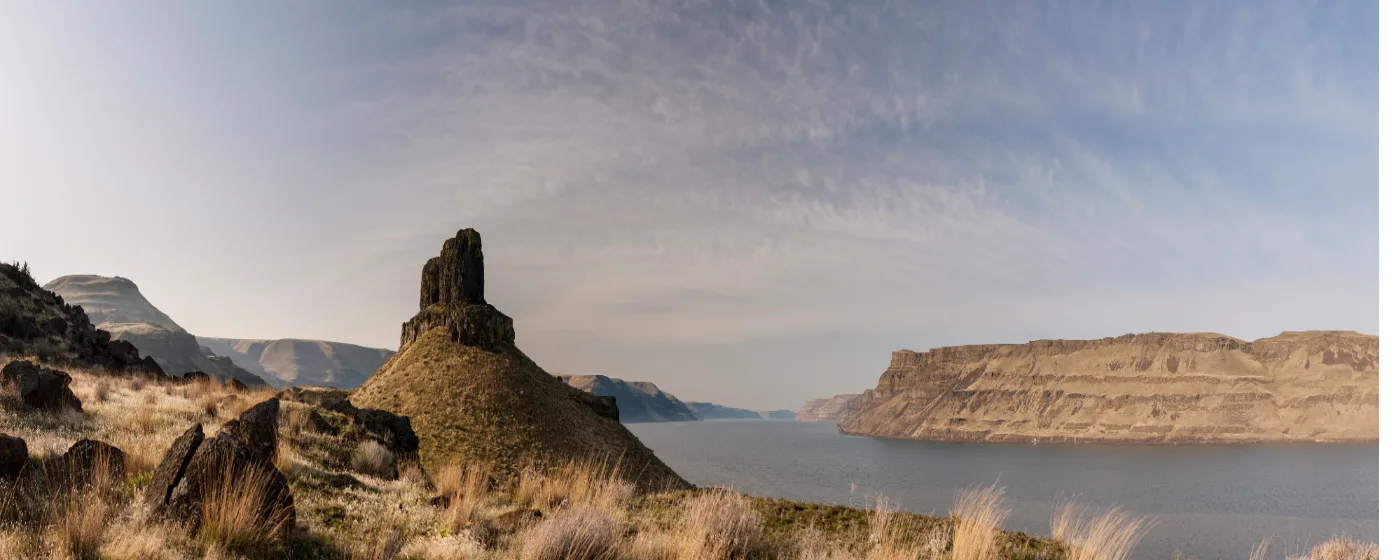
Maybe you've been priced out of the Seattle suburbs and someone mentioned wine country. Maybe your company has a role near the Tri-Cities and Walla Walla came up as the more livable option 45 minutes south. Either way, the first thing to understand about this city is that it does not behave like a typical Washington market. With a county-wide median sale price of $486,000 (April 2026), Walla Walla sits noticeably below most western Washington metros — but it is not a bargain city in any simple sense. The older housing stock, the agricultural economy, and the outsized influence of wine tourism have created a market where walkable historic blocks trade at a premium, and east-side corridors along Isaacs Avenue look nothing like the leafy streets near Pioneer Park.
The economic backbone here is more diverse than outsiders expect. A regional health system, two universities — Whitman College at 345 Boyer Avenue and Walla Walla University — and the public school district together employ a significant share of the workforce. Whitman pulls in faculty, staff, and visiting families who want to walk to campus and to downtown. The wine industry, with more than 120 wineries in the valley, drives a steady hospitality economy and keeps the downtown restaurant corridor unusually active for a city of roughly 33,925 people. Walla Walla Public Schools holds a B+ district rating, and school boundaries genuinely matter when you're choosing between the Wa-Hi corridor and the Eastside.
Day-to-day life here orbits a compact downtown, the 58-acre Pioneer Park, and the foothills of the Blue Mountains visible from almost any east-facing window. The commute story is straightforward: most residents work locally, but the Tri-Cities metro is roughly 45 minutes up Highway 12 for those who need a larger job market or a commercial airport. For a fuller picture of who this city suits and how daily life here actually feels, that page covers it in depth. This guide focuses on the seven neighborhoods, what they cost, who they're right for, and the mistakes buyers keep making.
The Walla Walla Reality
The single divide that shapes nearly every buying decision in Walla Walla is Highway 12. Running east-west through the northern edge of the city, it separates the newer, car-oriented residential corridors near Isaacs Avenue and the Eastside from the older, walkable blocks to the south and west. Buyers who don't understand this line often compare a ranch home near the highway to a historic Craftsman near Pioneer Park and wonder why the prices don't match the square footage.
South of Highway 12, the grid tightens. Streets like Palouse, Colville, and Boyer are lined with mature trees, historic architecture, and front porches within walking distance of downtown. Specialty coffee at Carte Coffee on N Colville Street and pastries at Colville Street Patisserie on S Colville Street are the kind of morning routines that simply aren't possible from the Eastside without a car. That walkability premium is real and priced in.
School boundaries add a second layer of complexity. Walla Walla Public Schools serves the entire city, but individual elementary school assignments shift by block in the Wa-Hi/College area and the Pioneer Park area — two neighborhoods that look visually similar but can feed into different schools depending on which side of a cross-street you land on. Checking the boundary map before making an offer is not optional; it is the move that separates informed buyers from surprised ones.
Neighborhoods at a Glance
| Neighborhood | Best For | Price Range | Vibe |
|---|---|---|---|
| Downtown Historic District | Walkable Luxury | $480,000–$750,000+ | Brick storefronts, galleries, and wine-tasting rooms at street level; restored historic homes above |
| Mill Creek | Commuter Renter | $380,000–$520,000 | Highway-adjacent, newer construction, apartment density; practical rather than pretty |
| Eastside | First-Time Value | $310,000–$440,000 | Working-class roots, wide streets, mix of long-term owners and renters |
| Wa-Hi/College area | School Walkable | $430,000–$640,000 | Campus-adjacent bungalows, faculty households, quiet residential energy |
| Pioneer Park area | Families Quiet | $350,000–$490,000 | Park-facing blocks, rose gardens, weekend stroller traffic, older character homes |
| Blue Mountain area | Views Nature | $520,000–$850,000+ | Foothills setting, larger lots, mountain views, wine country adjacency |
| Ferndale | Families Privacy | $390,000–$560,000 | Suburban feel, newer builds, quieter streets, removed from downtown bustle |
Best Neighborhood by Buyer Type
| Buyer Type | Best Neighborhood | Why |
|---|---|---|
| First-Time Buyer | Eastside | Entry-level price points in the $310,000–$440,000 range make this the most accessible foothold in the Walla Walla market. |
| Luxury Buyer | Blue Mountain area | The foothills deliver the mountain views, larger lots, and architectural scale that the historic core simply can't offer. |
| Walkability Seeker | Downtown Historic District | Over 100 historic properties within a compact grid put restaurants, wine bars, Carte Coffee, and the farmers market within genuine walking distance. |
| Families with Kids | Pioneer Park area | The 58-acre park, the Memorial Rose Garden, and the free aviary give families a recurring weekend destination one mile from downtown. |
| Commuters | Mill Creek | Direct Highway 12 access makes the 45-minute run to the Tri-Cities more manageable than any south-of-downtown neighborhood allows. |
| Large-Lot Buyers | Blue Mountain area | Lots here regularly exceed what you can find anywhere closer to the city core, with elbow room that the historic grid never provides. |
| Renters | Mill Creek | The highest concentration of apartment inventory in the city sits near Isaacs Avenue, giving renters the most options and the most competitive pricing. |
Looking to buy in Walla Walla? Estimate your payment.
Enter your numbers to see an estimated monthly mortgage payment.
Estimate only. Excludes HOA fees and mortgage insurance. The interest rate above is a starting point, not a quoted rate — replace it with your own to see real numbers. Insurance is a flat placeholder, not a Walla Walla quote.
Most Popular Neighborhoods
Downtown Historic District
The corridor from Rose Street to Alder Street, bounded by Highway 12 to the north and 7th Avenue to the west, contains over 100 historic properties — and the city is actively pursuing National Register Historic District nomination for the area. Historic homes and brick commercial buildings sit side by side with wine-tasting rooms, independent galleries, and Colville Street Patisserie on S Colville Street. The catch: parking is a genuine daily friction point, and homes at the upper end of the $480,000–$750,000+ range will test buyers whose budgets are calibrated to the county median.
Best for: Buyers who want to walk everywhere and are willing to pay a premium for Walla Walla's most historically intact blocks.
Mill Creek
The Mill Creek corridor near Isaacs Avenue and Highway 12 is the city's most practical neighborhood rather than its most romantic one. Newer construction and apartment density give it a suburban edge-city feel — useful if your priority is highway access or rental inventory, less satisfying if you came to Walla Walla for tree-lined streets. Prices in the $380,000–$520,000 range sit close to the county median, but buyers should note that a new-construction Mill Creek Homes development is actually in neighboring College Place, not Walla Walla city proper — a distinction that affects school assignments and city services.
Best for: Commuters heading to the Tri-Cities and renters who need apartment inventory without the downtown premium.
Eastside
The Eastside is Walla Walla's most genuinely affordable residential area, with homes in the $310,000–$440,000 range and a street grid that mixes long-term owner-occupants with a high share of rentals. The trade-off is that the neighborhood's working-class character means less of the architectural polish that draws buyers to the historic core, and on-foot access to downtown requires more intention. That said, families willing to do some updating can find the city's best value per square foot here.
Best for: First-time buyers and investors comfortable with a mix of owner-occupied and rental homes on the same block.
Wa-Hi/College Area
Whitman College at 345 Boyer Avenue gives this neighborhood its identity: campus bungalows, faculty households, and a residential calm that coexists with students walking to morning classes. Prices in the $430,000–$640,000 range reflect the combination of walkability to downtown and the college's gravitational pull on buyers who want to live near intellectual community. The downside is that rental demand from students keeps turnover high on certain blocks, and the distinction between a faculty-row street and a student-rental block can be one address apart.
Best for: School-boundary-conscious families and buyers who want campus-adjacent walkability without full downtown density.
Pioneer Park Area
The blocks surrounding Pioneer Park — Walla Walla's oldest park, established in 1902 — offer 58 acres of walking paths, a Memorial Rose Garden, a free aviary housing around 200 birds, pickleball courts, and a duck pond roughly one mile from downtown. Homes in the $350,000–$490,000 range tend to be older character properties that offer charm and require honesty about deferred maintenance. Weekend mornings here have a specific rhythm — the park fills early, the bandstand hosts events in summer — and buyers who value that community texture consistently rank this area above its price point.
Best for: Families with kids and buyers who want a park as a genuine backyard extension rather than an occasional amenity.
Blue Mountain Area
Pushed toward the foothills at the southeastern edge of the city, the Blue Mountain area delivers what nowhere else in Walla Walla can: sight lines to the mountains, larger lot sizes, and a wine country adjacency that makes the setting feel deliberately chosen rather than accidentally suburban. Prices in the $520,000–$850,000+ range make this the city's premium residential zone, and buyers need to be clear-eyed that the commute into downtown is car-dependent. Trail access into the Blue Mountains — hiking, mountain biking, skiing in season — is the defining lifestyle reason to pay the premium.
Best for: Buyers prioritizing views, lot size, and outdoor access who don't need to walk to downtown on a Tuesday morning.
Ferndale
Ferndale sits on the quieter residential periphery of Walla Walla, offering newer construction and a suburban pace that appeals to buyers who find the historic core too dense and the Blue Mountain area too expensive. Homes in the $390,000–$560,000 range give families space at a price that splits the difference between the Eastside's entry-level stock and the Blue Mountain premium. The honest trade-off is distance: daily errands, school drop-offs, and downtown dinners all require driving, and buyers who move here expecting walkable convenience typically recalibrate within the first year.
Best for: Families with kids who want newer construction, quieter streets, and a bit more room without stretching to the Blue Mountain price tier.
Common Mistakes Buyers Make in Walla Walla
Treating the County Median as the City Median
The authoritative sale price figure — $486,000 (Walla Walla County 3-month average, April 2026) — is a county number, not a city-only figure. The city's actual transaction mix skews higher in the Downtown Historic District and Blue Mountain area. Buyers who set their budget to the county median and then tour homes near Boyer Avenue or the foothills routinely find themselves $100,000 short of what they expected to find.
Confusing College Place with Walla Walla
The new-construction Mill Creek Homes development that appears in many search results is physically located in College Place — a separate municipality with its own school district. Buyers who assume they're purchasing in Walla Walla city proper and don't confirm jurisdiction before making an offer can end up with different school assignments, different city services, and a different tax structure than they planned for. Always verify the city on the parcel record, not just the mailing address.
Chasing Square Footage Over School Boundary
In the Wa-Hi/College area and the Pioneer Park area, a single cross-street can mean the difference between two different elementary school assignments within the same B+-rated Walla Walla Public Schools district. Buyers with school-age children who skip the boundary check and buy the larger house one block over sometimes spend the next several years requesting transfers. Pull the current boundary map from the district before narrowing to a street, not after.
Underestimating the Isaacs Avenue / Highway 12 Noise Corridor
Homes within a few blocks of Isaacs Avenue and Highway 12 — the spine of the Mill Creek area — carry traffic noise that doesn't show up in listing photos. Buyers who tour on a quiet Sunday morning and then move in to discover what a Wednesday at 7 a.m. sounds like on that corridor are the ones who call their agent wondering what they missed. If noise matters to you, visit on a weekday during commute hours and stand in the backyard.
Best Areas to Rent in Walla Walla
| Area | Ideal For | Typical Rent Range | Trade-off |
|---|---|---|---|
| Mill Creek / Isaacs Ave corridor | Commuters, new arrivals | $1,100–$1,600/mo (1–2BR) | High inventory but highway noise; distance from walkable downtown |
| Downtown Historic District | Walkability seekers, young professionals | $1,300–$1,900/mo (1–2BR) | Premium rent for the address; parking is a genuine daily friction point |
| Wa-Hi / College area | University staff, graduate students | $1,100–$1,700/mo (1–2BR) | High student-rental turnover on certain blocks; timing your lease to the academic calendar helps |
| Pioneer Park area | Families, longer-term renters | $1,200–$1,700/mo (2–3BR) | Rental inventory is thinner here; properties move quickly and off-market relationships matter |
| Ferndale / outer residential | Families needing space | $1,100–$1,600/mo (2–3BR) | Car-dependent for everything; very limited apartment inventory, mostly single-family rentals |
Walla Walla's rental market is tighter than its size suggests — demand from Whitman College, Walla Walla University, and the wine industry's seasonal workforce compresses vacancy, especially in late summer before the academic year begins. Renters who want the best selection should start their search 60–90 days before their target move date, not 30.
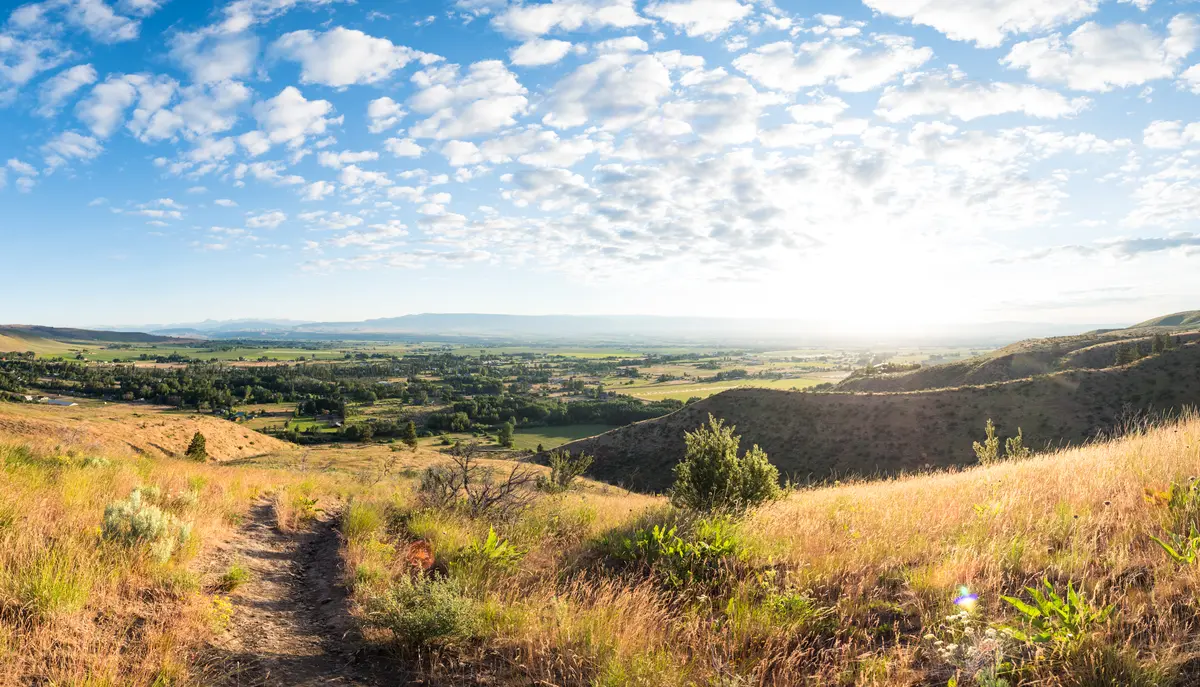
Local Expert Takeaway: The best move in Walla Walla's market is to pick your lifestyle first — walkable historic blocks near Carte Coffee and Colville Street Patisserie, or a foothills view toward the Blue Mountains — and then let the price follow, rather than anchoring to the county median and hoping the neighborhood fits. The Highway 12 divide is real, the school boundary map matters more than buyers expect, and the Pioneer Park area consistently over-delivers on livability relative to its price tier. Get the parcel's city jurisdiction in writing before you make an offer, especially if your search keeps returning Mill Creek results that may be in College Place.
Quick Takeaways & FAQs
✅ Pioneer Park's 58 acres — free aviary, rose garden, pickleball courts, and bandstand — make the surrounding neighborhood one of Walla Walla's most livable at a price still below the Blue Mountain tier.
⚠️ New-construction 'Mill Creek' listings can fall in College Place, not Walla Walla city proper — a distinction that changes your school district and city services, so always verify the parcel record.
📍 Carte Coffee on N Colville Street and Colville Street Patisserie on S Colville Street are the informal anchors of the Downtown Historic District's morning routine — and good proxies for whether the walkable-downtown lifestyle will actually suit you before you commit to the premium.
What is the most affordable neighborhood in Walla Walla?
Which Walla Walla neighborhood is best for families with school-age children?
Is the Mill Creek neighborhood actually in Walla Walla city limits?
What neighborhoods are within walking distance of downtown Walla Walla?
How much does it cost to rent in Walla Walla?
Moving to Washington?
Tell us what you need help with and we'll connect you with local resources.
