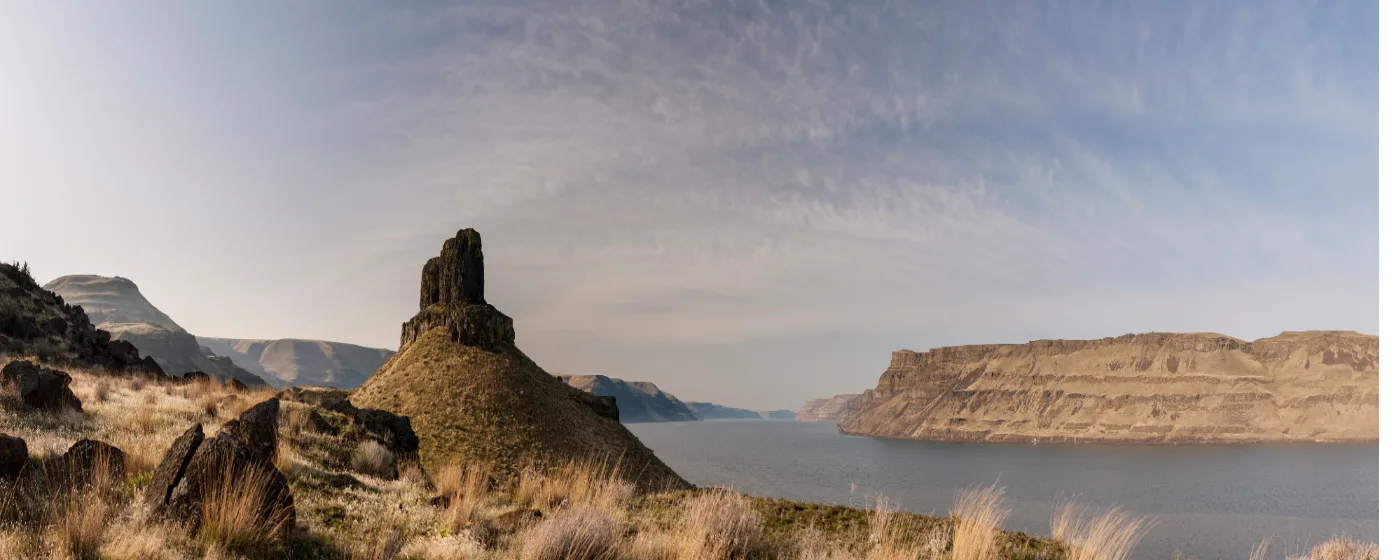
Most people picture wine country when they think of Walla Walla — rolling vineyards, tasting rooms, long summer evenings. What they don't picture is a 56-acre urban park with peacocks, a fishing lake two miles from downtown that drew nearly 100,000 visitors in 2023, or a paved creek trail that stitches together the east and west ends of the city. The outdoor recreation here is genuinely understated, and that surprises nearly everyone who moves here expecting to need to drive two hours to find it.
Walla Walla sits in the southeastern corner of Washington, backed against the foothills of the Blue Mountains, with the Tri-Cities about 45 minutes west on U.S. 12. That geography matters for recreation: the Blue Mountains put legitimate hiking and winter terrain within striking distance, while the valley floor itself carries Mill Creek right through the heart of the city — and the city has built around it rather than ignoring it. The result is a parks system with real connective tissue, not just isolated patches of grass.
The city maintains 15 public parks total, ranging from small neighborhood pocket parks to the major anchors covered in this guide. Fee-based programs run through the Parks and Recreation Department, but the signature outdoor experiences — Pioneer Park, the Mill Creek Recreation Trail, Bennington Lake — cost nothing to access. For families researching youth sports and structured kids' activities, see the full breakdown on the schools and activities page.
Whether you're considering a move or already under contract, the sections below break down Walla Walla's signature parks, its connected trail system, the Bennington Lake recreation area, and what the outdoor calendar actually looks like across four seasons.
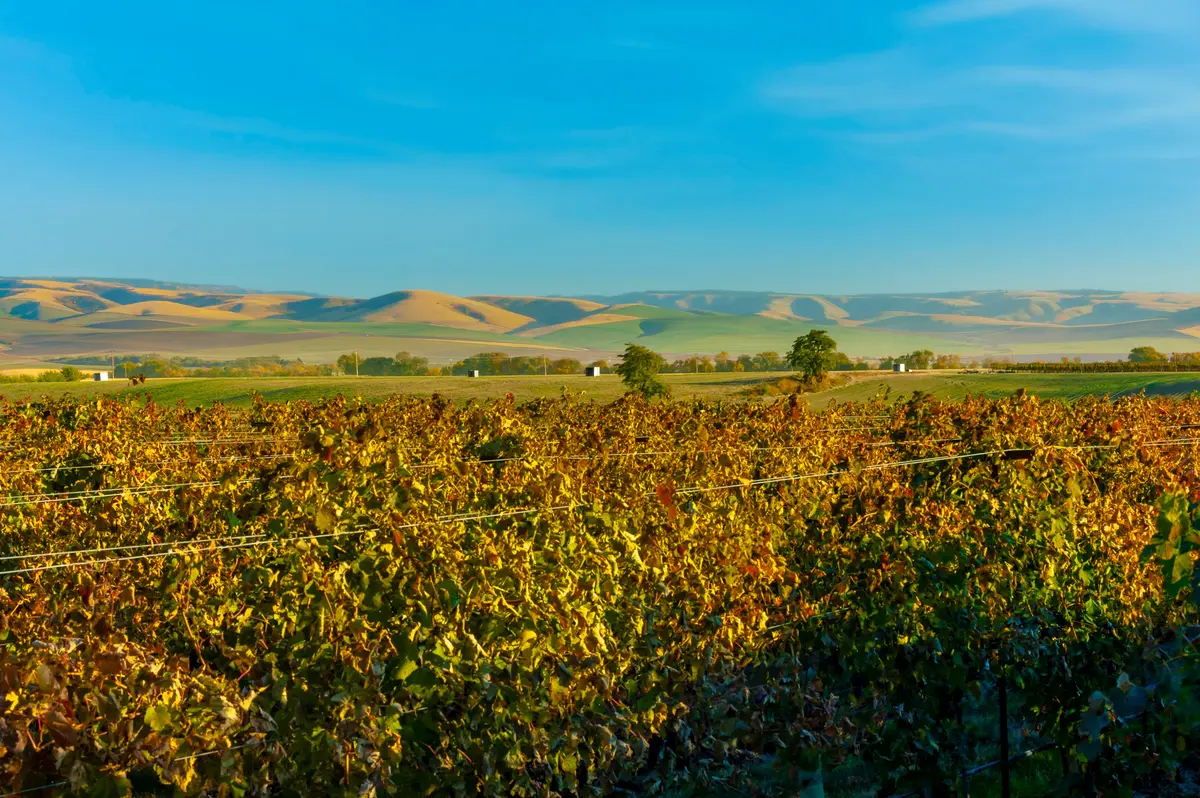
Pioneer Park: The 56-Acre Living Room at the Center of the City
Pioneer Park is the kind of place that makes a city feel like a city. Established in 1902, it covers 56 acres near the heart of downtown and functions as the community's default gathering spot in a way that a newer, designed park never quite manages.
What's Actually There
The amenities list reads longer than you'd expect from a free municipal park. Walking paths total 1.4 miles. There's a Memorial Rose Garden that peaks in late May and June. A free outdoor aviary houses peacocks — a detail that surprises virtually every newcomer who stumbles across it on a Tuesday afternoon. Add a duck pond, a historic bandstand, pickleball courts, soccer and softball fields, and a playground, and the park covers most of what a family needs without charging for any of it.
The park runs from 5 a.m. to 11 p.m. year-round, which matters in a climate where January mornings are cold but rarely brutal enough to close anything.
The Seasonal Rhythm
Two events anchor the community calendar here. The 4th of July festival with fireworks draws the largest single crowd the park sees all year — arrive early if you want a good spot on the lawn. The Spring Fling fair earlier in the season is smaller and more neighborhood-feeling. Both are free, which is consistent with how the park operates in general.
Winter brings a sledding hill on the northwest corner. Southeast Washington doesn't get heavy, reliable snow — the winters are more gray and mild than alpine — but when snow does come, that hill fills up fast.
What Locals Know
The rose garden is genuinely worth a detour in late May. It's not a tourist attraction that happens to be accessible to locals; it's the other way around. And the aviary peacocks are free-roaming during certain hours, which means you may encounter one on the walking path rather than behind glass.
After a morning at Pioneer Park, Colville Street Patisserie on S Colville Street is a short walk away — the French patisserie is open daily 9 a.m. to 5 p.m. and serves as an unofficial post-park stop for the weekend crowd.
Best for: Families with kids, dog walkers (leashed), community event-goers, and anyone who wants a meaningful green space within walking distance of downtown.
The Mill Creek Recreation Trail: Walla Walla's Connective Corridor
The 2.5-mile Mill Creek Recreation Trail is the reason residents describe Walla Walla's outdoor infrastructure as connected rather than scattered. It runs east-west along Mill Creek from Eastgate Lions Park to Rooks Park, and its eastern terminus links directly into the Bennington Lake trail system.
The Route and What You'll Find
The path is paved, multi-use, and flat — genuinely flat, which isn't something you take for granted in a region that starts climbing toward the Blue Mountains. Cyclists, joggers, and walkers share it without much conflict. Dogs are welcome on leash.
The corridor follows Mill Creek closely enough that you're rarely out of earshot of the water. That matters more in spring, when snowmelt pushes the creek up and the riparian vegetation along the banks goes green in earnest. By August, the water level drops and the path takes on a dustier, more open character.
The Practical Value
For commuters and everyday users, the trail provides a car-free route between the eastern and western sections of the city. That's not a small thing in a town where most errands require a car. The connection to Bennington Lake at the eastern end means you can string together a 7.3-mile loop — Mill Creek Trail plus all three Bennington Lake trails — without ever backtracking.
The catch: the trail is 2.5 miles end-to-end, which satisfies a casual user but leaves serious distance runners wanting more. The Bennington connection extends the experience significantly, but it requires either a shuttle or retracing the paved section on the way back.
Best for: Daily walkers and joggers, cyclists looking for a flat corridor, dog owners, and anyone using the trail as a link to Bennington Lake rather than a destination in itself.
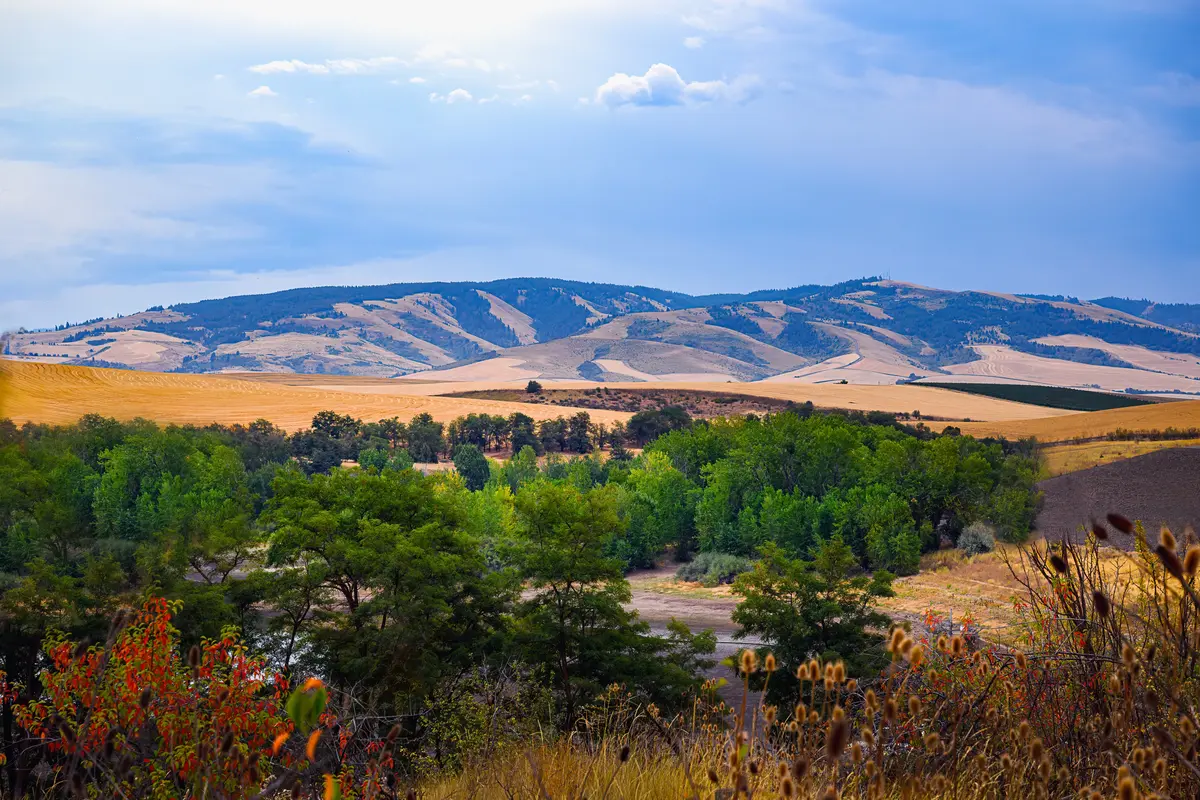
Bennington Lake: A 700-Acre Recreation Area Two Miles from Downtown
Bennington Lake is the outdoor anchor that most prospective residents don't know exists until they visit. Managed by the U.S. Army Corps of Engineers Walla Walla District, the recreation area covers over 700 acres with a 50-plus-acre lake at its center — and it sits roughly two miles east of downtown.
The Trail Network
Three named loops give you options depending on how much time and elevation you want.
| Trail | Distance | Character |
|---|---|---|
| Kingfisher Trail | 1.7 miles | Flat, follows Mill Creek; best for birding and easy walks |
| Meadowlark Trail | 2.6 miles | Hugs the lakeshore; most popular, some gentle rolling terrain |
| Whitetail Trail | 4.8 miles | Longest loop, moderate elevation gain; best views of the valley |
| Mill Creek Recreation Trail (connector) | 2.5 miles | Paved; links Bennington to the west side of the city |
| Full linked loop (Mill Creek + all three) | 7.3 miles | Combined route; plan 2.5–3.5 hours depending on pace |
The Whitetail Trail is the one to save for a clear morning — the elevation gives you a view of the valley floor and the Blue Mountain foothills that justifies the extra effort.
Fishing and Water Recreation
Bennington Lake has a year-round open fishing season and gets stocked each spring by the Washington Department of Fish & Wildlife with an average of over 15,000 catchable-size rainbow trout, including jumbo and triploid rainbows. Gas motors are prohibited, which keeps the lake quiet and makes it practical for kayaks, canoes, and electric-motor boats.
Each June, the Tri-State Steelheaders and the Army Corps co-sponsor a free kids' fishing derby — no fishing license required to participate. It's one of the more genuinely family-accessible events on the outdoor calendar, and it draws families from across the county.
Birding on the Sun and Sage National Birding Trail
The Sun and Sage National Birding Trail runs through the Bennington Lake area, and the Blue Mountain Audubon Society runs year-round Tuesday Bird Walks at the lake. Osprey show up in spring and fall. Great-horned owls become more visible in winter. The Kingfisher Trail, predictably, is where most of the riparian bird activity concentrates.
The lake drew approximately 98,700 visitors during the 2023 recreation season, according to Army Corps public affairs data. For a facility two miles from a city of roughly 34,000 people, that's a number that reflects how seriously locals use it — not just occasionally, but as a regular part of the week.
The Honest Limitation
Bennington Lake is not a swim beach. The Army Corps prohibits swimming in the lake itself, which is the one significant gap in what is otherwise a remarkably complete recreation area. On a hot August afternoon, that limitation feels real. The nearest public swimming option is the Veterans Memorial Pool operated by the city's Parks and Recreation Department.
Best for: Anglers, trail runners, birders, kayakers and canoe paddlers, and families who want a meaningful outdoor destination within easy reach of downtown.
Looking to buy in Walla Walla? Estimate your payment.
Enter your numbers to see an estimated monthly mortgage payment.
Estimate only. Excludes HOA fees and mortgage insurance. The interest rate above is a starting point, not a quoted rate — replace it with your own to see real numbers. Insurance is a flat placeholder, not a Walla Walla quote.
Seasonal Recreation: What the Outdoor Calendar Actually Looks Like
Southeast Washington doesn't have four dramatic seasons. It has two reliable ones — summer and a long, mild shoulder period — and two shorter ones that surprise newcomers in different ways.
Spring (March–May)
This is when the outdoor infrastructure earns its keep. Mill Creek runs fast and green. The Meadowlark Trail at Bennington is muddy through early March but dries out quickly. The Memorial Rose Garden at Pioneer Park starts showing color by mid-May and peaks in late May to early June. The Washington Department of Fish & Wildlife stocks Bennington Lake with rainbow trout in spring, which means the fishing improves dramatically from March onward — and the June kids' derby gives families a structured entry point.
Birders mark their calendars for osprey arrivals at Bennington Lake, typically beginning in April. The Tuesday Bird Walks through the Blue Mountain Audubon Society are free and open to anyone — no binoculars required, though you'll want them.
Summer (June–September)
Summer is long and dry. Temperatures regularly reach the mid-90s in July and August, which pushes activity toward early morning. The 4th of July festival at Pioneer Park is the social peak of the season — the park fills in a way it doesn't at any other point in the year. The rest of summer, Pioneer Park's duck pond and shade trees make it one of the more comfortable midday options in the city.
Bennington Lake is the other anchor. Kayak and canoe rentals are available seasonally near the water. The Whitetail Trail's exposed sections are brutal after 10 a.m. in August — a fact that catches newcomers who are used to trails with more tree cover.
Fall (October–November)
Fall is underrated here. The Blue Mountain foothills go golden in October, and the Whitetail Trail at Bennington offers a vantage point that justifies the season's short hiking window. Osprey linger into October before heading south. The Mill Creek Trail gets noticeably less crowded after Labor Day, which is when longtime residents prefer it.
Winter (December–February)
Winters are mild by Pacific Northwest standards, though gray and occasionally cold. The Pioneer Park sledding hill on the northwest corner activates when snow falls — which it does, just not reliably. Bennington Lake's trails are snowshoe-friendly when there's enough coverage, and the Tuesday Bird Walks continue year-round regardless of conditions.
What surprises people after six months is how much outdoor recreation they're doing in January. The mild temperatures and the year-round trail access mean the habits you build in summer don't stop in winter — they just shift to layered clothing and morning fog.
The honest trade-off: if you're coming from a mountain town with ski access down the road, Walla Walla's winter recreation will feel limited. The Blue Mountains are close, but the city itself doesn't have lift-served skiing nearby. For trail running, cycling, birding, and fishing, the year-round access is genuinely good. For ski culture, you'll be making day trips.
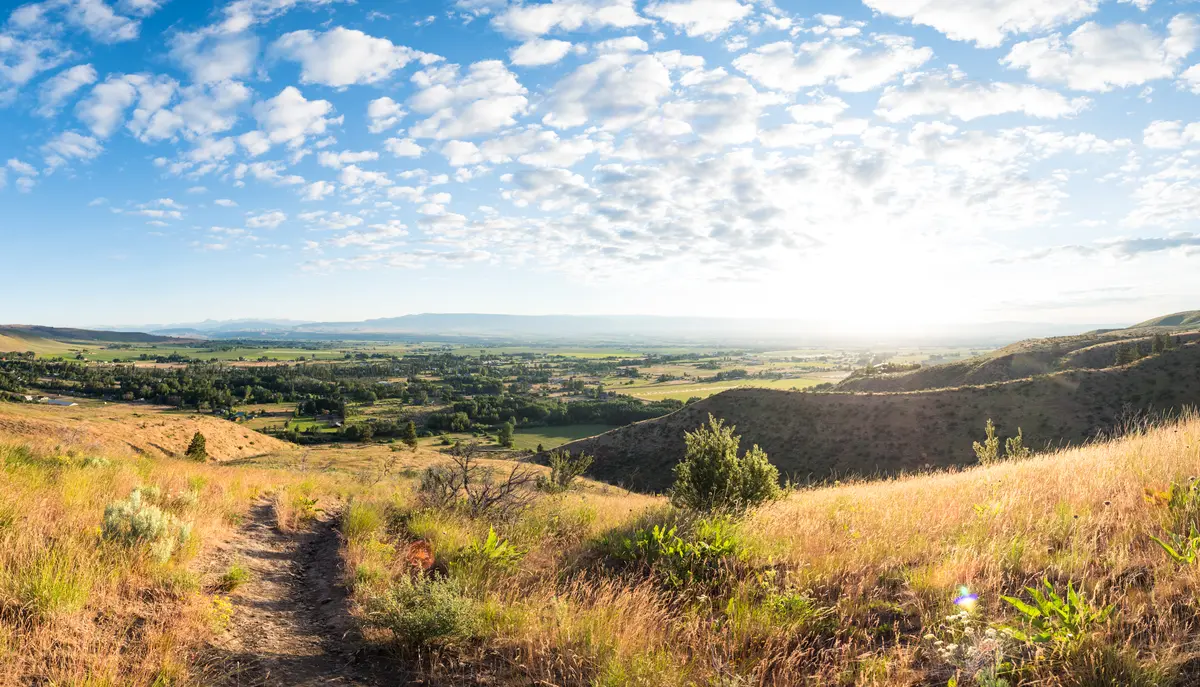
Local Expert Takeaway: Pioneer Park is a better urban park than Walla Walla's size would suggest — the peacock aviary and Memorial Rose Garden alone are worth a first visit — but it's the Mill Creek Recreation Trail–to–Bennington Lake connection that shapes how residents actually use the outdoors here. String together the 2.5-mile paved creek trail with the 4.8-mile Whitetail Trail and you have a legitimately satisfying 7.3-mile morning with no car required. Bennington Lake's no-swimming rule is the one real gap; plan around it by grabbing a kayak or a fishing rod instead. And if you're doing any of this in August, be out before 9 a.m. — the exposed sections of the Whitetail Trail are not forgiving in high-summer heat.
Quick Takeaways & FAQs
✅ Bennington Lake, just two miles from downtown, offers 7+ miles of named trails, year-round fishing stocked with over 15,000 rainbow trout each spring, and no-fee access — all within the city's everyday orbit.
⚠️ Bennington Lake prohibits swimming, which is a real limitation on hot summer days when the lake looks inviting but is off-limits for that purpose.
📍 The Blue Mountain Audubon Society runs free Tuesday Bird Walks at Bennington Lake year-round, making it one of the most accessible birding programs in southeast Washington.
Is Pioneer Park in Walla Walla free to visit?
Can you swim in Bennington Lake?
What trails are at Bennington Lake and how long are they?
Do I need a fishing license to fish at Bennington Lake?
How far is Bennington Lake from downtown Walla Walla?
Moving to Washington?
Tell us what you need help with and we'll connect you with local resources.
