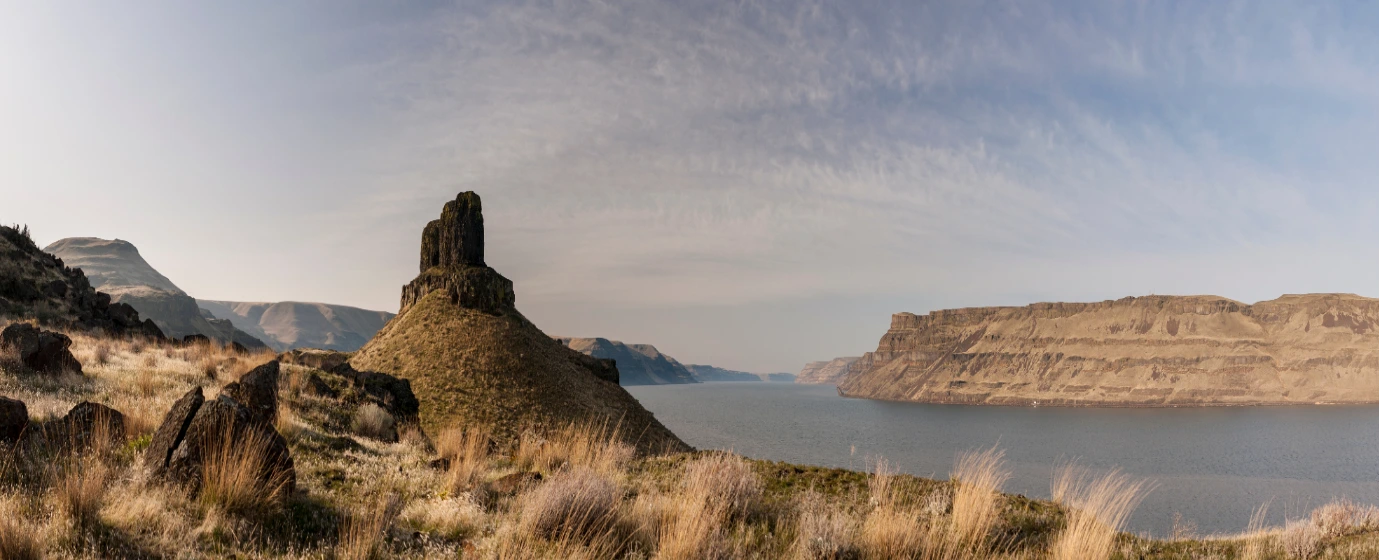
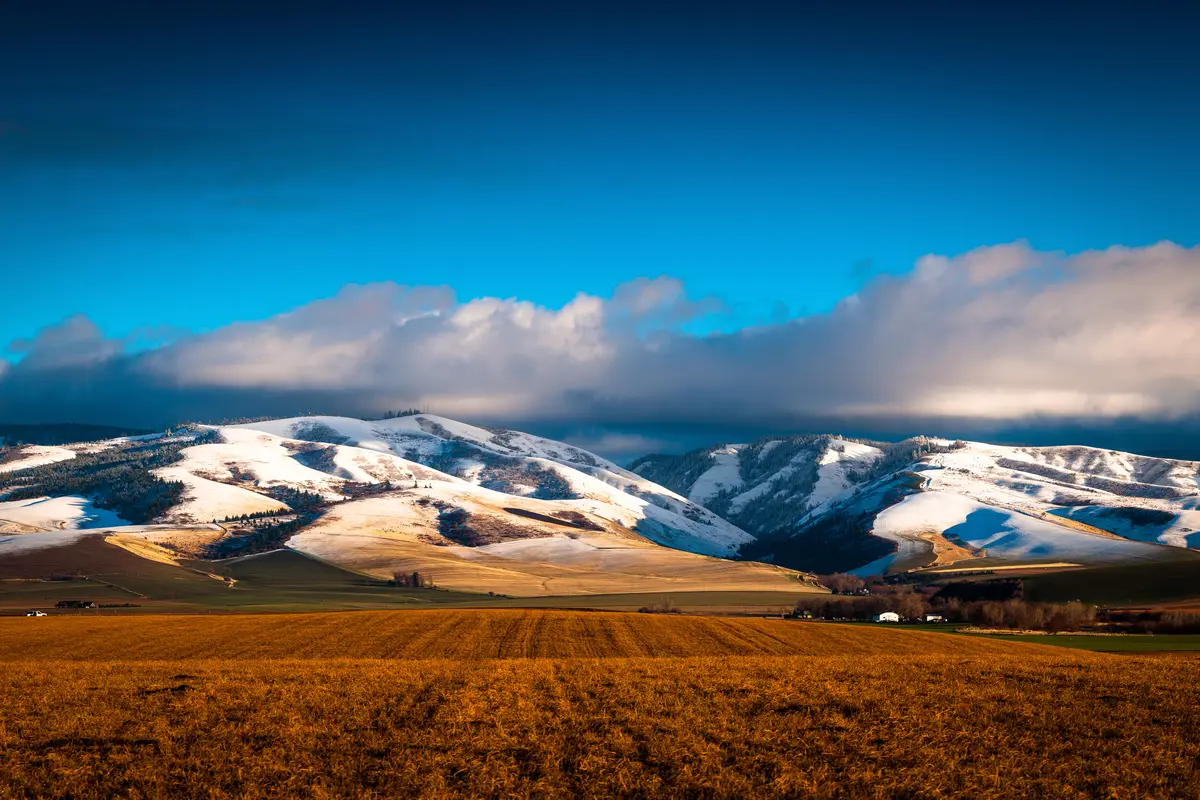
College Place is a city of under 10,000 people where the nearest mountain range is visible on a clear morning and a freshly renovated creek-side park sits within walking distance of most neighborhoods. That combination — small-city access to green space, plus a short drive to serious trails and a stocked fishing lake — is something newcomers from larger metros genuinely don't expect. The city's geography is compact enough that Lions Park near 8th Street and Larch Avenue is effectively central to the whole community, and the Blue Mountains to the east mean seasonal recreation shifts four times a year in ways that keep outdoor life varied.
Recreation here is community-built in a literal sense. The Lions Park renovation, completed May 29, 2025 after more than a decade of planning and advocacy, drew funding from Washington State Recreation and Conservation Office grants, the Sherwood Trust, local REET tax dollars, and backing from organizations ranging from the Walla Walla Disability Network to the Tri-State Steelheaders. That coalition tells you something about how College Place approaches shared public space — it's a city where the fishing club and the disability-access advocates end up working toward the same project.
Beyond the city limits, Bennington Lake Recreation Area sits about ten minutes east and offers over 20 miles of multi-use trails, year-round fishing, kayaking, and birding on roughly 600 acres — more recreational acreage than many cities ten times College Place's size can access inside their own boundaries. The trail system there is genuinely suited to everyone from casual afternoon walkers to riders logging serious miles on a mountain bike. After a morning at Bennington Lake, the independent cafés and restaurants along N College Avenue — including Roger's Bakery & Cafe and Bangkok 103 Cafe — give you somewhere to land.
Whether you're moving here with young kids who need a splash pad in July or you're a weekend trail runner mapping out your next loop, the sections below cover College Place's signature parks, its trail and water recreation options, seasonal rhythms, and the regional assets that extend what this small city can offer outdoors.
Lions Park: A Decade of Work, Now Open
Lions Park is the center of gravity for outdoor life in College Place — not metaphorically, but geographically. It sits near the middle of the city at 8th Street and Larch Avenue, covers approximately 8 acres, and now holds more recreational infrastructure than most parks three times its size.
The renovation that reopened in May 2025 wasn't a cosmetic refresh. The city identified this park as its highest recreational priority in its formal needs assessment, then spent years assembling $1.4 million-plus from three Washington Recreation and Conservation Office grants totaling $1,349,550, a $500,000 Sherwood Trust Core Grant, and $600,000 in city REET II tax funds. The result is a park rebuilt almost entirely from the ground up.
What the Renovation Delivered
The new amenities list reads longer than you'd expect for a city this size. A splash pad went in for summer use — a real one, not a single spray fountain. The playground is ADA-inclusive by design. Multi-use fields handle both soccer and baseball. A fitness and recreational pathway circles the park. Updated restrooms, accessible walkways, improved lighting, and new irrigation round out the infrastructure side.
The most ecologically significant change is what happened to Garrison Creek itself. The creek meanders through the park, and the renovation included dredging and bank restoration of the pond, removal of a fish weir that had blocked passage, and installation of a new fishing dock designed for wheelchair access. The Tri-State Steelheaders were among the groups that backed that work — anglers pushing for creek restoration as a park amenity is a very College Place kind of coalition.
What It Means for Daily Life
Before May 2025, Lions Park had sat in partial disrepair long enough that longtime residents had quietly stopped treating it as a destination. The reopening changed that practically overnight. Families with kids now use the splash pad on summer afternoons the way they'd use a pool. The accessible fishing dock means the park functions as a genuine fishing spot, not just a scenic backdrop for the creek.
One honest note: because this was a decade-long project that only just finished, the landscaping and creek banks are still maturing. Give it a full growing season and it will look different than it does in early photographs from the reopening. The bones are excellent — the finish will catch up.
Kiwanis Park and the Smaller Green Spaces
Lions Park gets the attention, but College Place's second community park carries its own weight. Kiwanis Park covers 7 acres near 3rd and Date Streets, adjacent to the eastern residential fabric of the city, and was renovated in 2017. It serves that side of College Place differently than Lions Park serves the center.
The nearby Walla Walla University campus adds a substantial buffer of walkable, tree-lined open space that residents in the surrounding neighborhoods absorb into their daily routines without it appearing on any official parks map. It's one of those soft amenities that makes a neighborhood feel more spacious than its lot sizes suggest.
Neighborhood Parks Worth Knowing
Harvest Meadows Park sits on the south side of State Route 125 at the Harvest Drive and Clover Court intersection. At 0.5 acres, it's a neighborhood pocket park — the kind that exists for the subdivision around it and functions as a low-traffic play area for nearby residents rather than a destination from across town.
The park inventory in College Place is compact by design for a city this size. What the city lacks in sheer park acreage inside its limits, it compensates for with the Bennington Lake corridor ten minutes away and the Walla Walla River greenway accessible from the broader Walla Walla Valley. Residents who need more than Lions Park and Kiwanis Park for their outdoor life have always oriented outward — that's a feature of living in this part of southeast Washington, not a limitation unique to College Place.
| Park | Size | Location | Key Features | Best For |
|---|---|---|---|---|
| Lions Park | ~8 acres | 8th St & Larch Ave | Splash pad, ADA playground, fishing dock, soccer/baseball fields, creek | Families Nature |
| Kiwanis Park | 7 acres | 3rd & Date Streets | Open fields, community recreation; renovated 2017 | Families Quiet |
| Harvest Meadows Park | 0.5 acres | Harvest Dr & Clover Ct | Neighborhood pocket park, play area | Quiet Families |
The university grounds fill the gap between these three parks in ways the official acreage numbers don't capture — that context is worth holding when you're evaluating the city's overall green space.
Bennington Lake: The Regional Trails and Fishing Hub
Bennington Lake Recreation Area is the outdoor anchor for the entire Walla Walla Valley, and College Place residents treat it as a de facto extension of their own backyard. The drive is roughly ten minutes from most of the city. The recreation area covers approximately 600 acres and carries over 20 miles of multi-purpose trails — numbers that make it one of the more substantial lowland recreation areas in southeast Washington.
The Three Trail Loops
The trail system is built around three named loops that suit different energy levels and purposes. The Kingfisher Trail runs 1.7 miles along Mill Creek and is the easiest entry point — flat, shaded in stretches, and short enough to do in trail runners before work. The Meadowlark Trail covers 2.6 miles, hugging the lake's edge and crossing the diversion canal, which gives you consistent water views that the Kingfisher doesn't. The Whitetail Trail stretches 4.8 miles along an old gravel road and boundary line — it's the one hikers and mountain bikers use when they want actual mileage rather than a stroll.
All three trails are open to hikers and cyclists. The surface conditions vary by season, but the system holds up well through spring because the elevation is low enough that snow doesn't linger the way it does in the Blues proper.
Fishing at Bennington Lake
The Washington Department of Fish and Wildlife stocks Bennington Lake each spring with over 15,000 catchable-size rainbow trout, plus jumbo and triploid rainbow trout. The season is year-round with a five-trout daily limit — only two may be over 13 inches. That stocking program makes Bennington one of the more productive lowland fishing lakes in the region for casual anglers, and the ADA-accessible fishing dock at Lions Park means you don't even have to leave College Place to drop a line in Garrison Creek.
On the water itself, kayaking and paddleboarding are permitted; electric motors only, which keeps the lake quiet enough that the birding is genuinely good. The Sun and Sage National Birding Trail runs through the Bennington Lake area, and the Blue Mountain Audubon Society leads Tuesday Bird Walks there year-round. Spotted sandpipers and ospreys appear in spring and fall migration; great-horned and long-eared owls show up reliably in winter. This is not a casual birdwatching destination — it's a site that draws organized Audubon groups, which tells you the species list is serious.
Winter at Bennington Lake
When snow does fall, the trail network converts to snowshoeing. It's not a destination for cross-country skiing — the terrain is too rolling and the snow too intermittent — but for a low-commitment winter outing without the drive to the Blues, it works. Most College Place residents use it as a shoulder-season destination when Lions Park or the neighborhood streets feel like enough recreation for three seasons and they need a change of scenery in January.
| Trail | Distance | Character | Best Use |
|---|---|---|---|
| Kingfisher Trail | 1.7 miles | Flat, along Mill Creek | Morning walks, easy hikes |
| Meadowlark Trail | 2.6 miles | Lake-hugging, canal crossing | Hiking, light biking, birding |
| Whitetail Trail | 4.8 miles | Old gravel road, boundary line | Mountain biking, longer hikes |
The electric-motors-only rule on the lake is one of those policies that sounds restrictive until you're actually out there on a Tuesday morning with an osprey overhead — then it reads as exactly the right call.
Looking to buy in College Place? Estimate your payment.
Enter your numbers to see an estimated monthly mortgage payment.
Estimate only. Excludes HOA fees and mortgage insurance. The interest rate above is a starting point, not a quoted rate — replace it with your own to see real numbers. Insurance is a flat placeholder, not a College Place quote.
Seasonal Recreation and What Locals Actually Do
Recreation in College Place follows the Walla Walla Valley's four-season rhythm in ways that newcomers from the Pacific Northwest's wetter, greener side often underestimate. Summers here run genuinely hot — July highs regularly push into the 90s — which means the Lions Park splash pad isn't a luxury, it's the plan for Saturday afternoon with kids under ten. Parents who moved here from the west side of the Cascades are sometimes caught off guard by how central a splash pad becomes in their summer routine by the end of their first August.
Spring and Fall: The Prime Windows
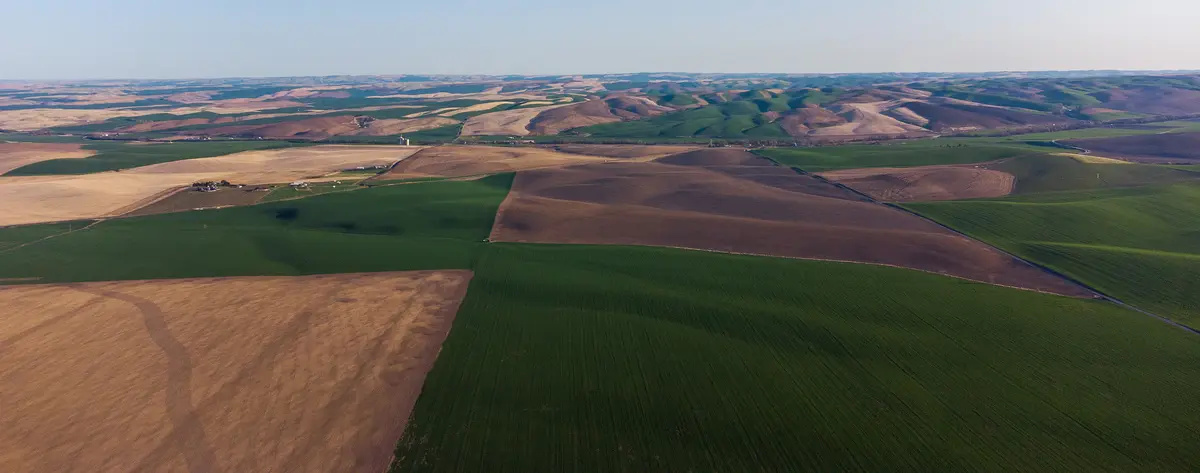
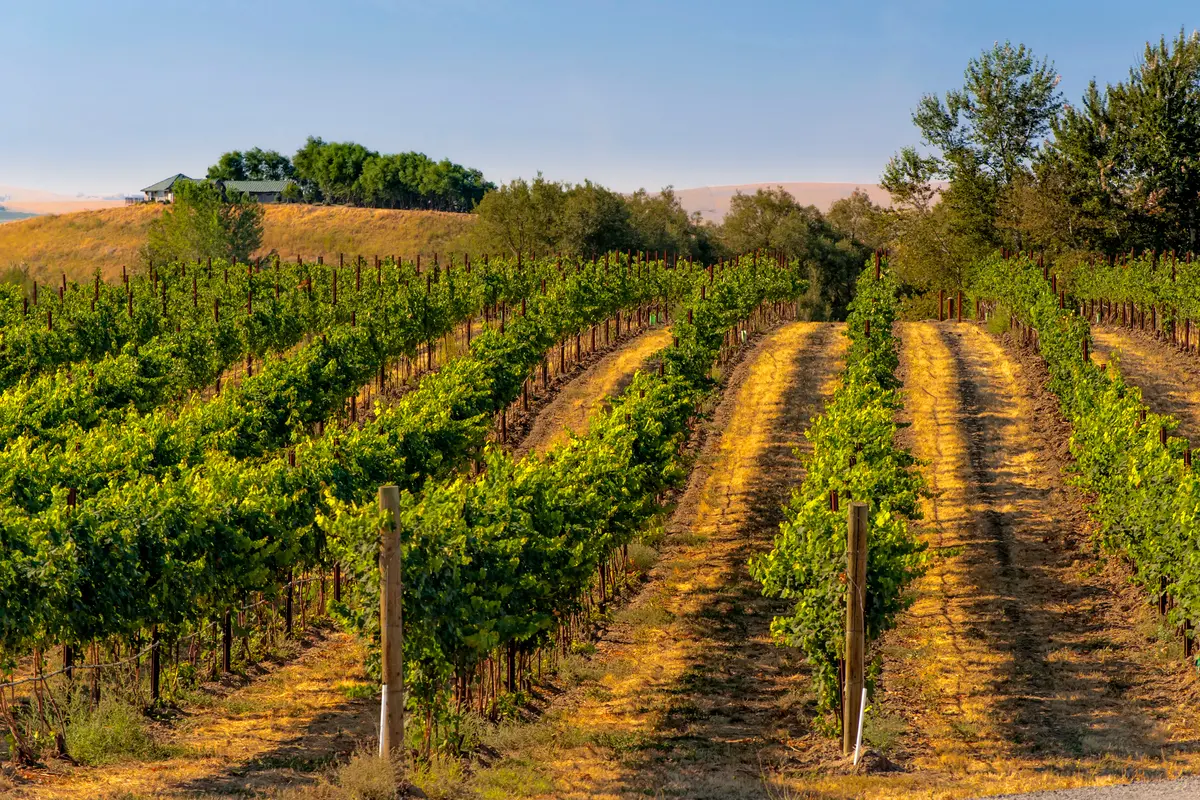
April through early June and September through October are when outdoor life here peaks. The Bennington Lake trails are dry but not baked, the birding is at its most active, and the Blue Mountains — visible from higher ground around College Place — are accessible for day hikes without the snow gates that close the upper roads in winter. The Walla Walla Valley's wine country landscape is also at its most photogenic during these windows, which matters if your recreation includes long drives on back roads between Touchet, Prescott, and the river valley.
Summer: Water, Shade, and Early Starts
Local families figure out quickly that summer recreation in College Place is an early-morning activity. The Meadowlark Trail at Bennington Lake is tolerable at 7 a.m. and genuinely unpleasant by noon in July. Lions Park's shade and splash pad extend usable hours into the afternoon for younger kids, but serious trail time or fishing moves to morning by Memorial Day. Kayaking on Bennington Lake in the early hours, before the wind picks up, is one of those experiences that regular residents cite when you ask them what they'd miss if they left.
Winter: Quieter but Not Empty
College Place doesn't have much in-city winter recreation infrastructure — no skating rink, no Nordic trails. What it has is proximity. Ski areas in the Blues draw residents willing to make the hour-plus drive. Bennington Lake's trail network carries snowshoers when the conditions cooperate. And the Walla Walla River corridor, accessible as a short drive, provides riparian walking when the weather is mild enough to make it worthwhile.
One thing new residents consistently mention after their first winter: they expected the cold to shut outdoor life down the way it does in the Midwest or mountain West. It doesn't. The valley's relatively low elevation keeps temperatures manageable on most winter days, and a Lions Park loop followed by coffee and a pastry at Roger's Bakery & Cafe on N College Avenue is a routine that works in February without requiring serious cold-weather gear.
Youth sports and structured outdoor activities organized through College Place community programs add another layer of seasonal recreation — for families with kids, that programming often shapes the outdoor calendar as much as the parks themselves do.
Local Expert Takeaway: The Lions Park reopening in May 2025 reset what College Place residents can expect from their city's own green space — the splash pad, ADA fishing dock, and restored Garrison Creek are not incremental upgrades, they're a fundamentally different park than existed a year ago. Pair that with Bennington Lake ten minutes away offering 20-plus miles of trails, spring trout stocking, and year-round Audubon bird walks, and College Place punches well above its population in accessible outdoor recreation. The honest advice: time your summer outdoor activity for early mornings, get to Bennington Lake's Meadowlark Trail before the heat sets in, and treat Lions Park as the neighborhood anchor it's now designed to be.
Quick Takeaways & FAQs
✅ Lions Park reopened in May 2025 after a $1.4-million-plus renovation that added a splash pad, ADA-inclusive playground, an accessible fishing dock on Garrison Creek, and multi-use athletic fields — the most significant parks investment in College Place's recent history.
⚠️ College Place's in-city park acreage is modest for a community its size, and residents who want serious trail mileage or open water need to drive ten minutes to Bennington Lake rather than finding it within city limits.
📍 Bennington Lake's electric-motors-only policy keeps the water genuinely quiet — the Blue Mountain Audubon Society's Tuesday Bird Walks there are year-round, and osprey, long-eared owls, and spotted sandpipers all make the list depending on the season.
When did Lions Park reopen after its renovation?
Can you fish at Lions Park?
How far is Bennington Lake from College Place, and what can you do there?
What outdoor recreation options are there in College Place for young kids?
Is there good birding near College Place?
Moving to Washington?
Tell us what you need help with and we'll connect you with local resources.
