
You've probably done the math on a Seattle or Bellevue address and flinched. University Place sits on the south Puget Sound, roughly 15 minutes from downtown Tacoma and about 45 minutes from Seattle depending on I-5, and its price tag looks manageable by comparison — until you realize it still indexes well above the national average. This is a mid-sized Pierce County city of about 35,000 people with real waterfront proximity, a median household income of $99,031, and a housing market that has moved decisively into the six-figure-deposit territory. The number that anchors everything here is $633,676 — the Zillow Home Value Index (ZHVI) for University Place as of June 2026.
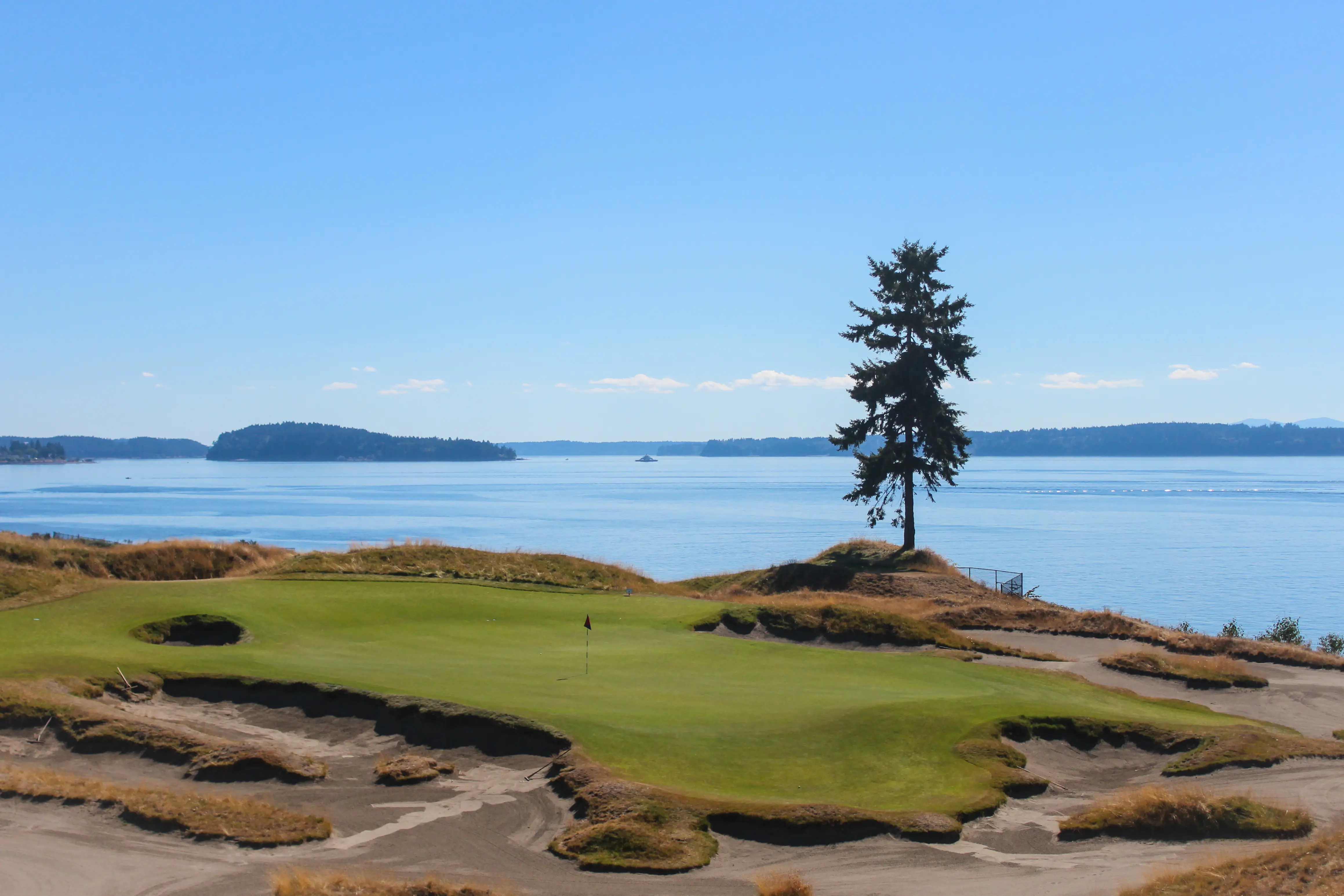
What drives costs here isn't one thing. The pull of Chambers Bay Golf Course, the bluff views toward Puget Sound, and the relatively contained inventory all keep pressure on home prices. Residents employed by Pierce County Government and nearby institutions tend to have stable incomes, which props up the local market even when broader trends soften. The city feels suburban but not sprawling — Bridgeport Way W is the commercial spine, Fred Meyer anchors the grocery and general-merchandise needs, and most errands happen by car.
The honest overall picture: University Place sits noticeably above the national cost-of-living baseline, with an index estimated at roughly 132–135 (national average = 100). Housing carries almost all of that weight. Everything else — utilities, groceries, transportation — runs modestly above national norms but nothing like the housing premium. Washington's lack of a personal state income tax is a genuine and meaningful offset, especially for households earning close to or above the city's median. That one factor alone can make the total tax picture look better than it first appears on a rent-versus-own spreadsheet.
Whether you're weighing a move from Tacoma, relocating from out of state, or just trying to build a realistic monthly budget, the sections below break down University Place's housing costs, everyday expenses, how it compares to nearby cities, and what the full tax picture means for your bottom line.

What It Really Costs to Live in University Place
University Place is more expensive than most of Pierce County and noticeably more expensive than the national average — but it is not in the same stratosphere as Seattle's Eastside suburbs. The Zillow Home Value Index (ZHVI) pegged the typical home price at $633,676 as of June 2026, which places University Place well above Lakewood or Fife but meaningfully below the pricier King County cities across the sound. That gap is the core of its appeal for buyers priced out of King County.
Housing is the engine behind the city's elevated cost index. Groceries run about 9–11% above national benchmarks, transportation costs run roughly 28% above, and utilities actually come in below the national baseline — a small but genuine relief. The real squeeze is on the housing line, which indexes 87–97% above the U.S. norm, depending on the methodology you use. If you can handle that number, the rest of your budget behaves more like a typical Western Washington city than an outlier.
Buyers relocating from California often feel a sticker-shock relief at University Place prices. Buyers coming from eastern Washington or the Midwest experience the opposite. The honest framing: this is a South Puget Sound city that punches above its regional weight on home values, sustained by location quality, a strong local reputation, and limited housing stock relative to demand.
Housing: Rent vs Buy in University Place
What Buying Looks Like
Entry-level purchases — older ranch-styles, smaller lots, homes that need cosmetic work — typically start in the low-to-mid $400s city-wide, though inventory at that price point moves fast and competes hard. The city-wide ZHVI of $633,676 (June 2026) represents the middle of the active market: that's a solidly updated three-bedroom, often with some water or greenway orientation, in a neighborhood that commands a commuter premium. For specifics on how prices shift across the city's distinct areas, the best neighborhoods guide covers that in detail.
The effective property tax rate in University Place runs approximately 1.22% based on 2025 Ownwell data — slightly above the Pierce County average of 1.13%. Pierce County law caps annual property tax revenue increases at 1% per taxing district unless voters approve additional levies, so year-over-year jumps tend to be incremental rather than jarring. Use the mortgage calculator below this section for a full payment estimate; the tax rate applied to your purchase price is the right input.
What Renting Looks Like
The rental market in University Place skews toward single-family homes and a modest apartment inventory along the Bridgeport Way corridor. Two-bedroom rentals in the city typically run in the $1,800–$2,400 per month range depending on age and condition. Renting here makes the most sense for people who expect to stay fewer than three years, are still building a down payment, or want time to learn the city before committing. Given the purchase-price level, the rent-versus-buy math is genuinely close for short time horizons.
The Honest Trade-Off
University Place's housing stock is largely owner-occupied and single-family. That's a stability feature for long-term owners and a friction point for renters who want more options. If you're renting and hoping to buy within the city, the jump from a typical two-bedroom rental to a market-rate purchase requires a meaningful down payment — plan accordingly before your lease is up.
Everyday Costs Beyond Housing in University Place
Once housing is accounted for, University Place's remaining cost categories are elevated but manageable. Utilities are the genuine bright spot: Tacoma Power serves the city and runs an effective residential electricity rate of approximately 8.7¢ per kilowatt-hour, among the lowest rates in the country, a direct result of the region's hydropower base. A typical monthly electricity bill runs well below the national average — the state as a whole averages roughly $88/month for residential electric service, and University Place residents generally fall in a similar or slightly lower range given Tacoma Power's below-state-average rates.
Groceries at the Fred Meyer on Bridgeport Way or along the Tacoma corridor run 9–11% above national benchmarks. Sample reference prices: bread around $4.45 a loaf, milk near $5.16 a gallon, eggs approximately $5.09 a carton. Gas tracks the broader Western Washington market, typically in the $3.80–$4.20 range. These are real but not shocking premiums — the Western Washington grocery and gas market is uniformly above the U.S. norm, and University Place doesn't stand out within it.
| Category | Typical Monthly Cost | Notes |
|---|---|---|
| Housing (2BR rent) | $1,800–$2,400 | Rental estimate for a typical 2-bedroom; homeowners should use the mortgage calculator above for a purchase payment estimate |
| Utilities (electric, gas, water) | $120–$180 | Tacoma Power's hydropower rates keep electricity low; gas heat adds more in winter months |
| Groceries | $500–$700 | Roughly 9–11% above national average; Fred Meyer and Tacoma-area stores are primary options |
| Transportation & Gas | $250–$400 | Car-dependent city; gas runs ~$3.91/gallon per PayScale benchmarks; factor insurance separately |
| Phone & Internet | $100–$180 | Standard Western Washington market rates; multiple providers serve the city |
| Dining & Entertainment | $200–$450 | Bridgeport Way has independent restaurants and a craft distillery tasting room; Tacoma's broader dining scene is 15 minutes away |
| Miscellaneous / Personal | $150–$300 | Clothing, household goods, personal care; roughly national-average pricing for most categories |
These are estimates for planning purposes, not guarantees. A single-person household on the low end of each range would budget roughly $3,120–$4,610 per month before housing; a couple or small household on the higher end lands considerably above that.
Looking to buy in University Place? Estimate your payment.
Enter your numbers to see an estimated monthly mortgage payment.
Estimate only. Excludes HOA fees and mortgage insurance. The interest rate above is a starting point, not a quoted rate — replace it with your own to see real numbers. Insurance is a flat placeholder, not a University Place quote.
University Place vs Nearby Cities: Cost Comparison
| City | Median Home Price | Typical 2BR Rent | Cost vs University Place |
|---|---|---|---|
| University Place | $633,676 (ZHVI, June 2026) | $1,800–$2,400/mo | — baseline — |
| Tacoma | ~$430,000–$470,000 | $1,500–$1,900/mo | Noticeably cheaper across the board |
| Fircrest | ~$490,000–$540,000 | $1,600–$2,000/mo | Modestly cheaper; similar neighborhood feel |
| Lakewood | ~$390,000–$440,000 | $1,400–$1,800/mo | Meaningfully cheaper; more varied inventory |
| Steilacoom | ~$550,000–$620,000 | $1,700–$2,200/mo | Close to the same; comparable waterfront premium |
| Fife | ~$380,000–$430,000 | $1,350–$1,750/mo | Considerably cheaper; more industrial-corridor character |
Neighboring city price figures above are approximate market ranges drawn from current listing activity; only University Place's figure is ZHVI-sourced. The pattern is consistent: University Place commands a premium over most of its Pierce County neighbors, with only Steilacoom — which has its own waterfront and historic draw — coming close to parity.
Taxes & the Bottom Line for University Place
No State Income Tax — and What That Means
Washington has no personal state income tax. For a household at the city's median income of $99,031, that's a material difference compared to most states — California residents in particular should run the full comparison before dismissing the housing price as too high, because the income-tax offset can be significant over a few years.
Sales Tax
University Place has a combined state and local sales tax rate of 10.2%, which applies to most goods and services purchased in the city. The important carve-out: groceries and prescription drugs are exempt from Washington sales tax. That exemption matters for everyday budgeting, since your Fred Meyer grocery run doesn't carry the full retail rate.
Property Tax
The effective property tax rate in University Place runs approximately 1.22% based on recent Ownwell data — slightly above the Pierce County average. Annual property tax revenue increases are capped at 1% per taxing district under state law unless voters approve additional levies, which gives homeowners some predictability year over year. The home-price figure discussed earlier, applied at that rate, gives you a reasonable planning estimate; the interactive calculator on this page applies the rate directly to your purchase price.
Who University Place Fits Financially
The full tax picture — no income tax, moderate property tax rate, sales-tax exemption on groceries — is genuinely favorable compared to high-income-tax states. The catch is that you have to clear the housing bar first. Households earning near or above $99,031 with stable employment and at least a 10–20% down payment ready will find University Place workable, though not cheap. Buyers coming in at the lower edge of qualifying income will feel stretched, especially with transportation costs running well above national norms on top of the housing line. Renters on tighter budgets are often better served by Tacoma or Lakewood until their financial position shifts. University Place rewards patience and a realistic savings runway — the quality of life on the other side of the purchase is the reason people stretch for it.

Local Expert Takeaway: University Place's cost story comes down to one trade-off: you pay a meaningful housing premium over Tacoma and Lakewood, but you get bluff proximity to Puget Sound and a neighborhood character that justifies the gap for most buyers who make it work. Washington's zero income tax is real money back in your pocket — a household at the city median saves thousands annually compared to Oregon or California. Utilities via Tacoma Power run below national average. Groceries and gas are elevated but not outliers for Western Washington. The honest move: run your budget against a two-bedroom rental in the $1,800–$2,400 range first, bank your savings aggressively, and buy when you're ready for the $633,676 midpoint. Rushing the down payment in this market tends to leave buyers over-leveraged in a city where inventory rarely gives you a second chance at a discounted entry.
Quick Takeaways & FAQs
✅ Tacoma Power's hydropower rates give University Place residents electricity costs well below the national average — one of the few genuine budget wins in an otherwise above-average cost city.
⚠️ The typical home price of $633,676 (ZHVI, June 2026) means buyers need a substantial down payment ready; those stretching to qualify often find the full monthly cost of ownership more than they budgeted for.
📍 Washington exempts groceries and prescription drugs from sales tax, which softens the impact of the 10.2% combined state and local sales tax rate on everyday household spending.
Is University Place more expensive than Tacoma?
What is the property tax rate in University Place, WA?
Does Washington State's no-income-tax policy actually save money for University Place residents?
What do groceries and utilities typically cost in University Place?
Is renting or buying a better financial move in University Place right now?
Moving to Washington?
Tell us what you need help with and we'll connect you with local resources.
