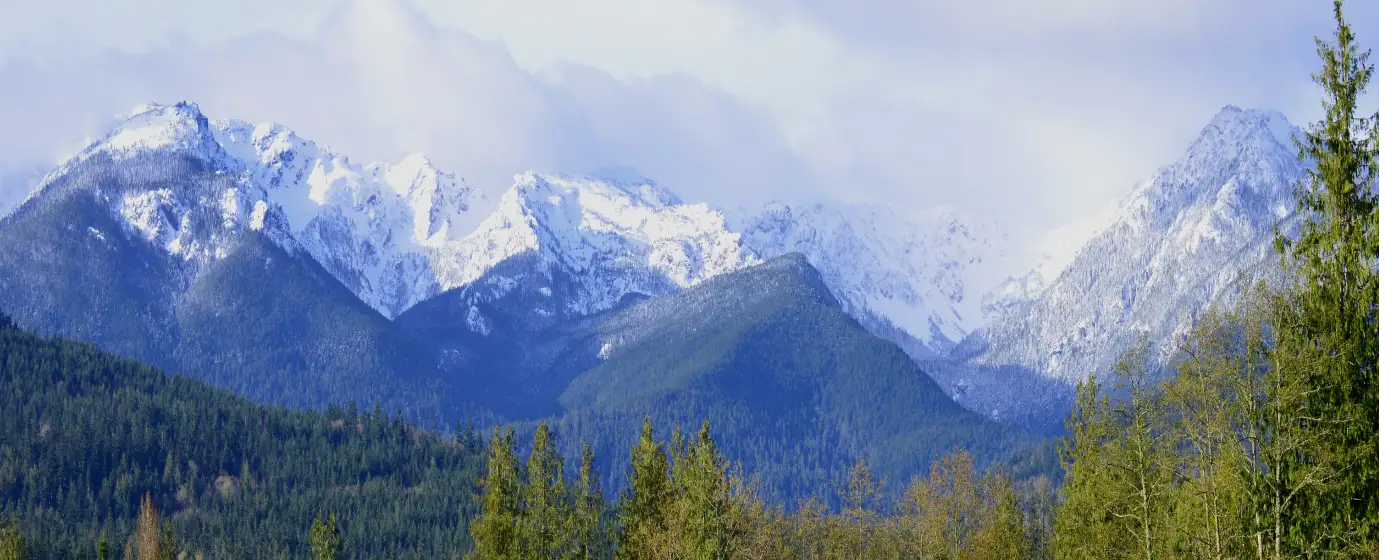
Most cities make you drive an hour to reach anything resembling alpine terrain. In Port Angeles, you drive 17 miles from downtown and you're standing at 5,242 feet inside Olympic National Park, looking down at the Strait of Juan de Fuca. That geographic accident — a working port city pressed between tidewater and the second-most-visited national park in the country — is what makes recreation here different from anywhere else in Washington. The outdoors aren't a weekend escape. They're the daily backdrop.
The city's Parks & Recreation Department maintains 45 parks and facilities within city limits alone, covering everything from baseball and soccer fields to disc golf, pickleball courts, boat launches, and beachfront. Layer on top of that the Olympic Discovery Trail threading through the waterfront, the City Pier anchoring the harbor, and Lincoln Park — a former U.S. Military Reserve dating to 1862 — and you have an outdoor infrastructure that most cities four times Port Angeles's size couldn't match. Families who move here for the schools or for work tend to stay, in part, because of this.
The honest caveat: Port Angeles sits in the rain shadow of the Olympics, which means more dry days than you'd expect for coastal Washington, but the Pacific Northwest shoulder seasons are real. Winter weekends at Hurricane Ridge run on a strict Friday–Sunday road-open schedule. Some trails stay muddy through May. And when the summer ferry traffic from Victoria picks up at the Coho terminal, the downtown waterfront gets genuinely crowded. Learning the seasonal rhythms is what separates residents from tourists here.
Whether you're considering a move or already have keys in hand, the sections below cover Port Angeles's signature outdoor assets — Hurricane Ridge and alpine access, the waterfront and City Pier, the Olympic Discovery Trail, and the city park system — so you know exactly what living here puts within reach.
Hurricane Ridge: Alpine Access 17 Miles from Your Front Door
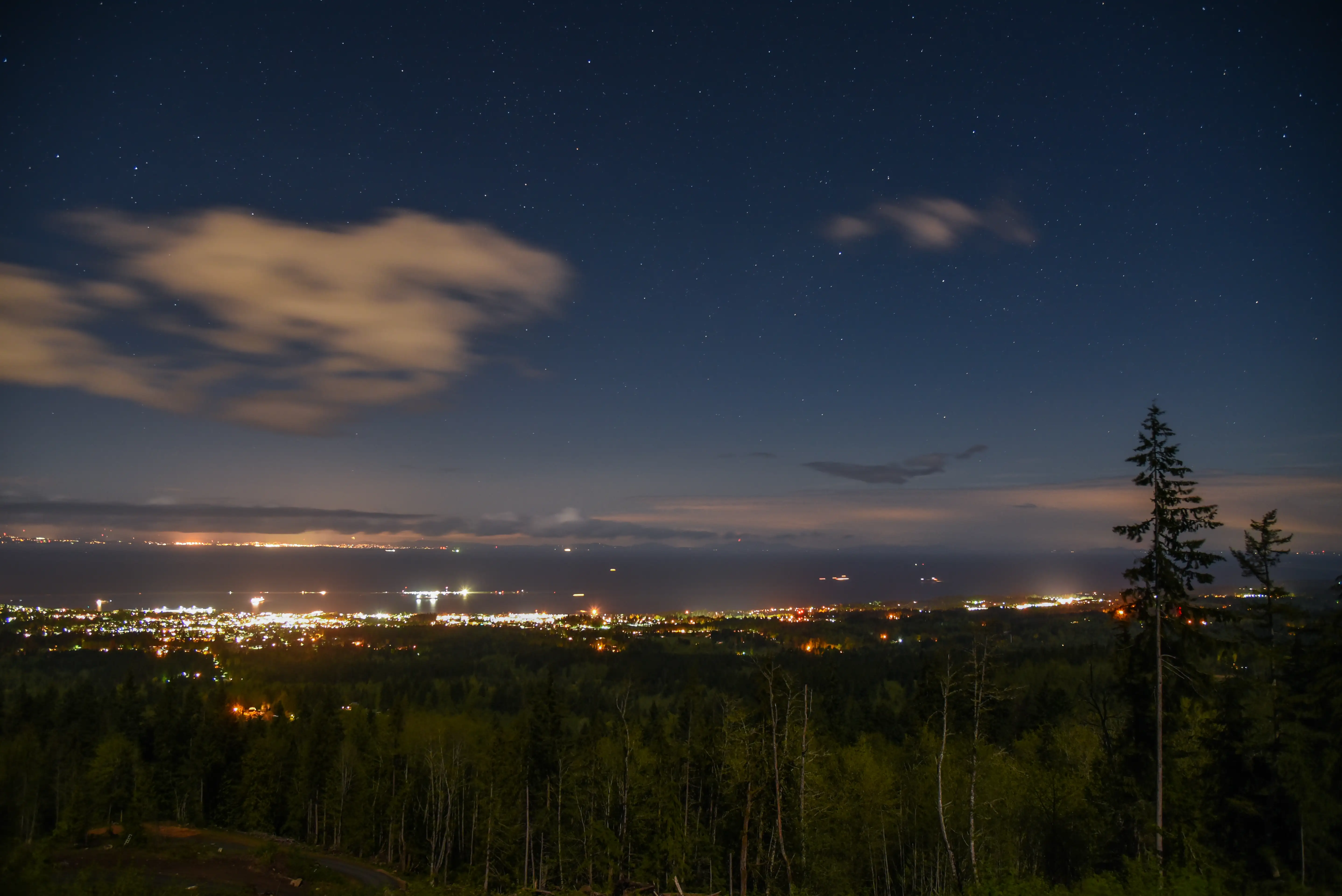
No other city in the contiguous United States puts you this close to this much mountain. Hurricane Ridge sits at 5,242 feet, reached by a 17-mile drive on a paved road that climbs straight out of downtown Port Angeles into Olympic National Park. For residents, this isn't a vacation destination — it's Tuesday.
What the Elevation Actually Gets You
The panoramic meadows at the ridge hold wildflowers from July into August, with black-tailed deer grazing close enough that newcomers consistently mistake them for a staged wildlife display. The Hurricane Hill Trail — a 3.2-mile moderate round-trip — delivers aerial views back down over Port Angeles and the Strait of Juan de Fuca that most people only see on travel magazine covers. The trail is accessible to anyone in reasonable shape and earns the effort well before the turnaround.
In winter, the ridge flips to a ski and snowshoe area. From December 1 through March 31, Hurricane Ridge Road opens Friday through Sunday and on Monday holidays — a narrow but workable window for a quick storm-season fix without a three-hour drive to a commercial resort. Snowshoeing and cross-country skiing are free once you're past the national park entrance fee.
What Newcomers Don't Expect
The Hurricane Ridge Day Lodge burned down in May 2023. As of 2026, there are no permanent indoor facilities at the summit — only temporary trailers serving as restrooms and a visitor contact station. Plan accordingly: bring your own food and layers, because there's nowhere to warm up if weather moves in fast. NPS reconstruction timelines should be checked before any trip that depends on shelter.
The 2026 season also includes a weekday (Monday–Thursday) closure for several weeks after Memorial Day for utility and water system work. Weekend access stays open during that stretch. For residents without a car, Clallam Transit operates a Hurricane Ridge Shuttle from the Gateway Transit Center in downtown, connecting with the Strait Shot bus and the Black Ball Ferry Line — a legitimately useful option on peak summer days when parking at the ridge fills early. Free national park entrance days in 2026 fall on July 3–5 and August 25.
The practical rhythm most Port Angeles residents settle into: weekday morning drives in summer when the parking lot is quiet, weekend ski days in winter when the road opens, and a handful of the big wildflower-season hikes in July. It never stops feeling unlikely that this is a commute rather than a trip.
City Pier, Hollywood Beach, and the Waterfront
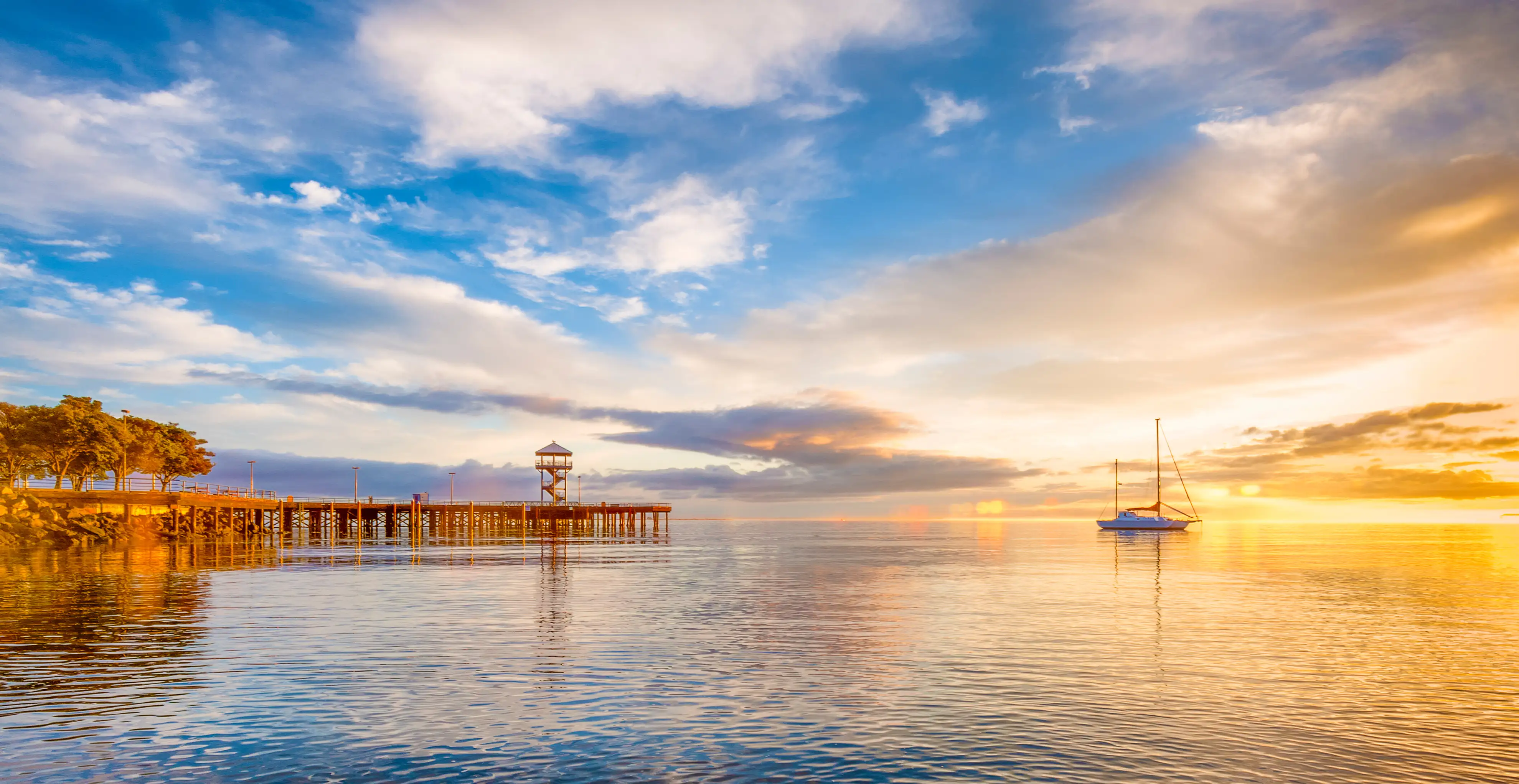
The City Pier at the north end of Lincoln Street is the geographic and social center of Port Angeles's waterfront. The observation tower is climbable, the views take in the inner harbor, the Olympic Mountains, and the Strait of Juan de Fuca simultaneously, and the whole complex connects directly to Hollywood Beach and the Feiro Marine Life Center without ever getting back in a car.
Feiro Marine Life Center
The Feiro Marine Life Center is a non-profit public aquarium right on the pier at 315 N. Lincoln Street. For summer 2026 (May 21–September 7), it's open Wednesday through Monday, 10 a.m.–4 p.m., with admission at $6 for adults, $5 for seniors and youth ages 3–17, and free for children under 3. For families with young kids, this is where you'll spend a rainy Tuesday morning in June when the mountain is socked in — touch tanks, local marine life, and a focused, manageable footprint that doesn't exhaust small children.
Concerts on the Pier
Every Wednesday evening in summer, the City Pier hosts its free Concerts on the Pier series. This is where Port Angeles residents actually congregate — not at a ticketed event in a parking lot, but standing on the pier with the harbor behind them and the Olympics ahead. It becomes a genuine weekly anchor for a lot of people who move here and are still figuring out their social footing.
Hollywood Beach, accessible directly from the pier, is a pebbly harbor beach better suited for watching the ferry traffic and shoreline birds than for swimming. The water temperature in the Strait runs cold year-round. What people actually do here: walk the Waterfront Trail, watch the Coho Ferry come and go from the terminal, and let kids throw rocks in the harbor while the adults decompress. It's not a beach in the tropical-postcard sense, and it doesn't try to be.
The Practical Reality
Summer ferry season concentrates a lot of tourist foot traffic at the pier between late June and September. The Coho terminal sits close enough that the waterfront feels genuinely busy on peak weekends — a different atmosphere from the quiet harbor walks possible on a November Tuesday. Locals learn to time their pier visits to the early morning or the weekday off-season, when the whole stretch belongs to the neighborhood again.
Olympic Discovery Trail: 8.4 Miles Along the Water
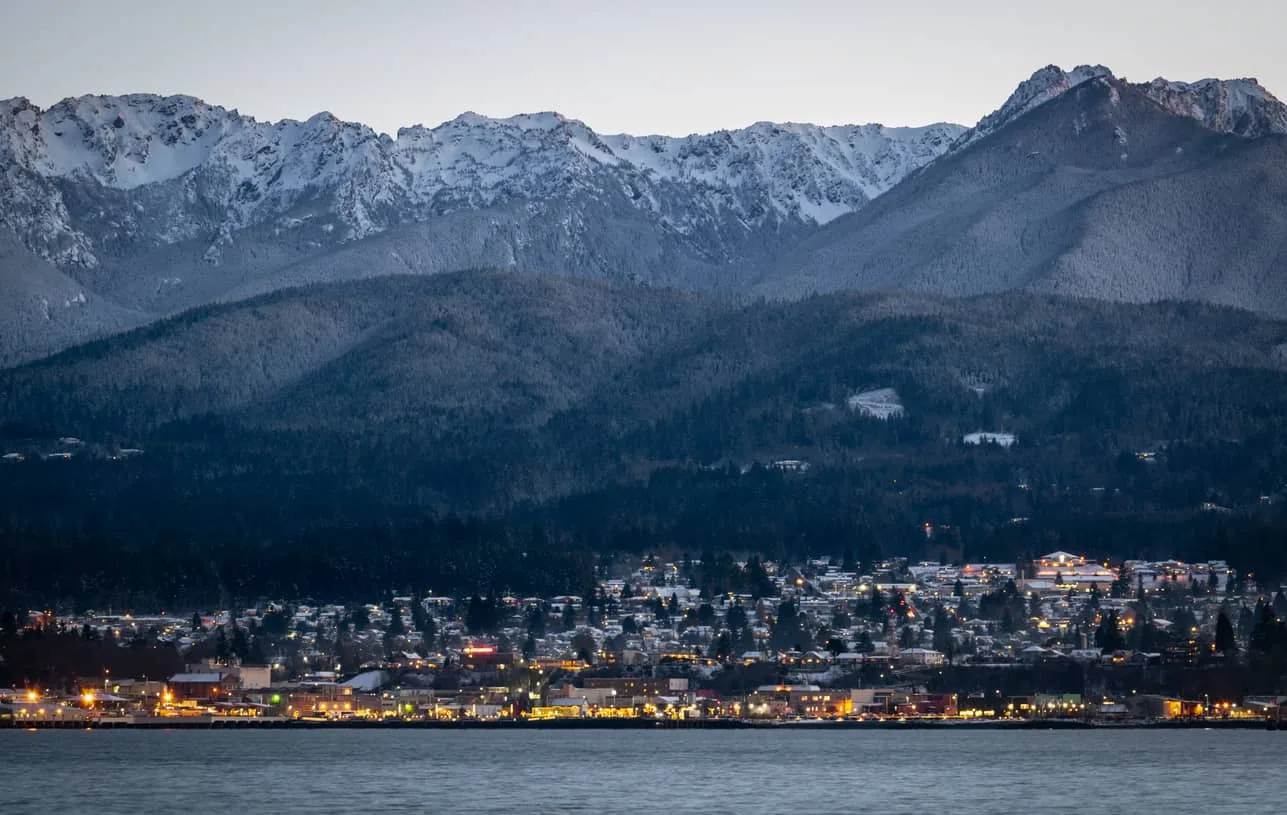
The Olympic Discovery Trail is planned to eventually run approximately 130–135 miles from Port Townsend on the east to La Push on the Pacific Coast, open to cyclists, walkers, runners, and equestrians. Roughly 90 miles of dedicated path are currently complete, with construction ongoing.
The Port Angeles Segment
The Port Angeles waterfront segment is 8.4 miles out and back — paved, flat, rated easy, and open year-round. It runs along the harbor, connecting the western edge of the city to the pier and beyond, and it's popular enough for birding, road cycling, and walking that you'll encounter all three on any dry morning. The pavement quality is solid, the grade is negligible, and the views across the Strait toward the Canadian shoreline are available for the full length.
For new residents, this trail solves a specific problem: it's the kind of route you can run or bike on a weekday evening after work without planning a trailhead, without gear, and without a car. That accessibility — roll out the front door, head toward the water — is a meaningful quality-of-life detail that doesn't show up in any relocation spreadsheet but shapes daily life significantly.
Trail Connections and What's Coming
The ODT connects westward toward Joyce and Elwha, where off-road sections pass through old-growth corridors near the Elwha River restoration area. Eastward, the trail links toward Sequim across one of the most consistently sunny corridors on the peninsula. The full Port Townsend–to–Port Angeles paved stretch gives road cyclists a genuinely scenic multi-day route option that isn't available anywhere else in the state at this proximity to a working city.
One thing to set expectations on: some sections west of Port Angeles require comfort with trail conditions that vary seasonally, and a handful of gaps in the dedicated path still exist in the overall route. The trail is an ongoing project, not a finished product. For residents, that means the closest, most polished riding and walking is the waterfront segment itself — reliable in any season, well-maintained by the city, and connected to the pier, the beach, and downtown without leaving the pavement.
Looking to buy in Port Angeles? Estimate your payment.
Enter your numbers to see an estimated monthly mortgage payment.
Estimate only. Excludes HOA fees and mortgage insurance. The interest rate above is a starting point, not a quoted rate — replace it with your own to see real numbers. Insurance is a flat placeholder, not a Port Angeles quote.
City Parks: Lincoln Park, Local Facilities, and Seasonal Life
Beyond the headline outdoor assets, the everyday park infrastructure in Port Angeles is more developed than a city of 20,000 typically sustains. The Parks & Recreation Department maintains 45 parks and facilities citywide — a number that reflects the community's actual investment in accessible outdoor space, not just proximity to federal lands.
Lincoln Park
Lincoln Park carries real history: the site was established as a U.S. Military Reserve in 1862, long before Port Angeles had the population to fill it. Today it holds a pond loop trail, a BMX track operated by the Lincoln Park BMX Association, and the rentable Loomis Cabin for group events. A recently completed resurfacing project freshened the park's road and parking lot. It's a functional, multi-use green space that sees genuine neighborhood use rather than just occasional visits — the BMX track alone draws a regular crowd of riders on dry afternoons.
The Broader Park System
| Facility Type | Available at City Parks | Notes |
|---|---|---|
| Picnic Areas | Multiple parks | Reservable shelters at several locations |
| Playgrounds | Multiple parks | Distributed across neighborhoods |
| Baseball / Softball Fields | Yes | Used by youth leagues via school and community programs |
| Soccer Fields | Yes | Active youth and adult leagues |
| Tennis & Pickleball Courts | Yes | Pickleball courts growing in use |
| Disc Golf | Yes | A genuine local following |
| Boat Launch | Yes | Harbor access for small craft |
| Beaches / Shoreline | Yes | Hollywood Beach and waterfront access |
| BMX Track | Lincoln Park | Operated by Lincoln Park BMX Association |
| Walking / Hiking Paths | Multiple parks | Including pond loop at Lincoln Park |
What Locals Actually Know
The disc golf community here is more active than you'd expect for a city this size — there's a regular rotating group that treats it as a weekly social ritual rather than an occasional diversion. The pickleball courts have seen the same surge every mid-sized Pacific Northwest city is navigating: demand now outpaces the number of courts on weekend mornings, and showing up early matters.
A genuine friction point: the rain. Port Angeles sits in a relative rain shadow compared to Forks or the Hoh, but it still accumulates enough winter precipitation that grass fields get genuinely torn up between November and March. Youth soccer and baseball families deal with delayed seasons and closed fields in wet years — something worth knowing before you assume the sports calendar runs on the same schedule it would in Sequim, which sits a few miles east in a measurably drier microclimate. Check field conditions before showing up with a carload of gear in February.
After a few months here, most residents develop a personal rotation: Hurricane Ridge on clear summer mornings, the waterfront trail on the evenings that don't require a plan, City Pier on Wednesday nights in July, and whatever city park is driest on any given Saturday in March. The system rewards people who learn its rhythms — and the learning curve is shorter than you'd think.
Local Expert Takeaway: Port Angeles sits in a genuinely rare position: 45 city-maintained parks inside town limits, an 8.4-mile flat waterfront trail that connects the pier to the neighborhoods, free Wednesday evening concerts on the City Pier all summer, and a 17-mile drive to 5,242 feet of alpine trail inside Olympic National Park. The Feiro Marine Life Center at $6 adult admission handles rainy midweek mornings with kids. The Clallam Transit Hurricane Ridge Shuttle handles peak summer days when the ridge parking lot fills before 10 a.m. The one thing to plan around: the Day Lodge at Hurricane Ridge burned in 2023 and hasn't been rebuilt — bring your own food and layers every time, regardless of the forecast.
Quick Takeaways & FAQs
✅ Hurricane Ridge at 5,242 feet is reachable in 17 miles from downtown Port Angeles — making Olympic National Park's alpine terrain a regular weekday option, not just a vacation destination.
⚠️ The Hurricane Ridge Day Lodge burned in May 2023 and has not been rebuilt as of 2026; temporary trailers are the only summit facilities, so pack food, water, and layers on every visit.
📍 The City Pier's free Concerts on the Pier every Wednesday evening in summer is where Port Angeles residents actually gather — not a ticketed event, just the harbor, the mountains, and live music.
Is Hurricane Ridge open year-round from Port Angeles?
What happened to the Hurricane Ridge Day Lodge?
What is the Olympic Discovery Trail like in Port Angeles?
What does the Feiro Marine Life Center cost and when is it open?
Can I get to Hurricane Ridge without a car?
Moving to Washington?
Tell us what you need help with and we'll connect you with local resources.
