
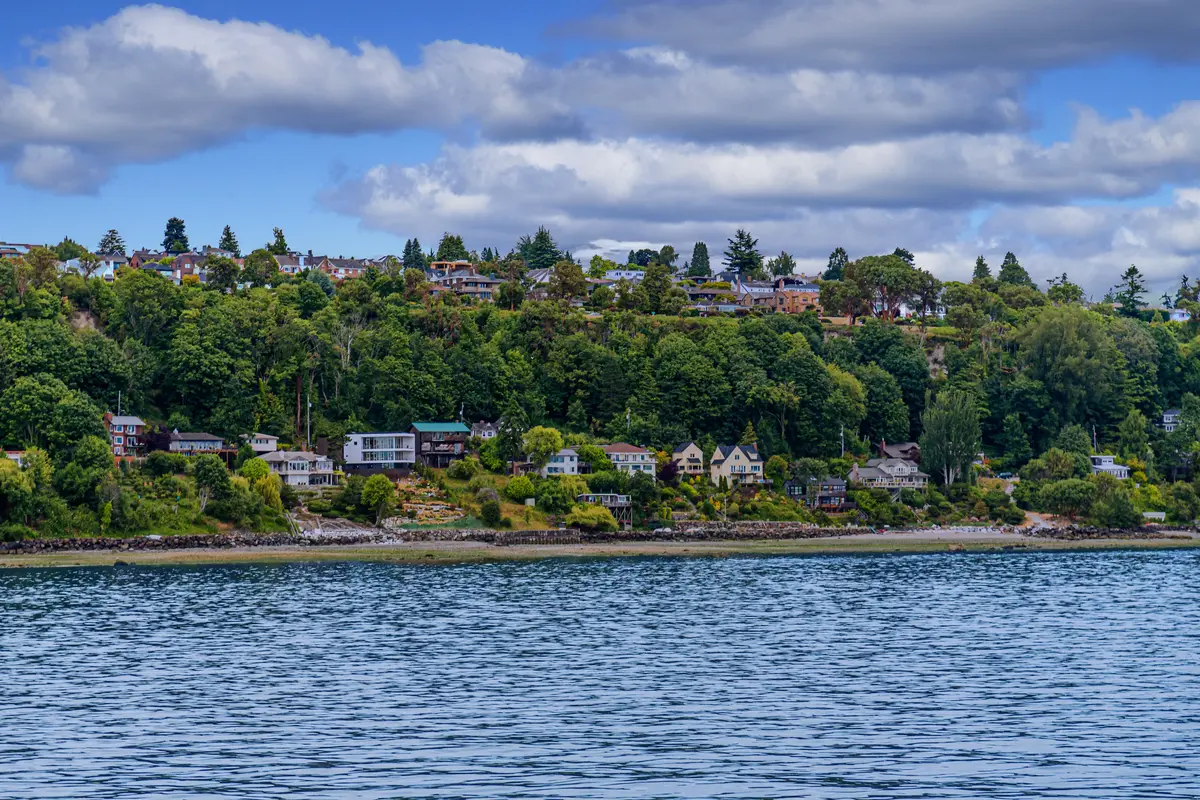
Shoreline sits in one of those peculiar geographic positions where it's close enough to Seattle to matter — roughly 25 minutes to downtown on a good day — but distinct enough that buyers who treat it as a cheap Seattle suburb often end up in the wrong neighborhood entirely. The city runs north-south along the western edge of King County, flanked by Puget Sound bluffs to the west and Aurora Avenue North to the east, and that east-west axis shapes almost everything about daily life here. Whether you're on the bluff side or the Aurora side is not a minor detail; it determines your commute, your noise floor, and the character of your street.
The Shoreline School District earns an A rating, which pulls families from Seattle's increasingly expensive neighborhoods. Shoreline Community College anchors the Ridgecrest area and brings a steady population of students and staff. The city's median household income sits at $103,604, and the buyer pool reflects that — you'll find teachers, tech workers commuting to Seattle or Bellevue, and longtime residents who bought before the light rail changed the calculus. Two Sound Transit Link light rail stations opened in 2024 along the northern corridor, and those two stops have reshuffled which neighborhoods feel most valuable almost overnight.
The city-wide typical home value is $776,196 (Zillow Home Value Index, July 2026), but that number is nearly meaningless at street level — Richmond Beach runs closer to $1.3 million while parts of Parkwood and Highland Terrace offer genuine entry points noticeably below that city figure. For a fuller picture of what drives those costs, the cost-of-living breakdown has the detail. Day-to-day life here means salmon at Richmond Beach Saltwater Park, farmers market runs from June through early October, and the kind of tree canopy that makes summers genuinely livable.
Whether you're weighing your first offer or trying to figure out which side of the city matches your commute and school priorities, the sections below break down Shoreline's eight neighborhoods, a buyer-type guide, the most common mistakes buyers make here, and where renters should look first.
The Shoreline Reality
The Aurora Avenue Divide
Aurora Avenue North is not just a road — it's a psychological and practical fault line that splits Shoreline into two different cities. On the quieter western side, you get heavier tree cover and neighborhoods that feel insulated from commercial noise. On the eastern side, you're closer to the two light rail stations that opened in 2024, and that proximity has been pushing prices and density upward faster than anywhere else in Shoreline.
Buying without understanding which side of Aurora you're on — and what that means for noise, walkability, and school boundaries — is the single most common mistake relocating buyers make here. A house two blocks west of Aurora and a house two blocks east of it can differ by tens of thousands of dollars and feel like entirely different neighborhoods, even if they share a zip code.
The School Boundary Reality
The Shoreline School District earns strong marks across the board, but not every school in the district is identical, and elementary boundaries matter to families with young kids. The district's attendance zones don't follow the neighborhood names neatly — some corners of a neighborhood feed into a different elementary than the rest of the area. If a specific school is driving your address decision, verify the boundary directly with the district before you make an offer, not after.
Neighborhoods at a Glance
| Neighborhood | Best For | Price Range | Vibe |
|---|---|---|---|
| Richmond Beach | Luxury Views Privacy | ~$1.3M median listing | Wooded bluff, Puget Sound views, tight-knit community |
| Richmond Highlands | Families School | ~$825K estimated | Established mid-century lots, quiet interior streets |
| North City | Walkable First-Time | Low-to-mid $700s | Walkable village corridor, social neighborhood association |
| Ridgecrest | Commuter Value | Mid $600s–low $700s | College-adjacent, Aurora access, unpretentious |
| Briarcrest | Transit Commuter | Low-to-mid $700s | Cottages and townhouses, light rail proximity |
| Highland Terrace | Families Nature | Mid $700s | Shoreview Park anchor, midcentury and newer townhomes |
| Echo Lake | Families School Nature | Mid $700s | Lakeside calm, strong schools, civic culture |
| Parkwood | Value First-Time | Low-to-mid $700s | Shady streets, Aurora-adjacent, Twin Ponds trails |
Best Neighborhood by Buyer Type
| Buyer Type | Best Neighborhood | Why |
|---|---|---|
| First-Time Buyer | North City | Entry points in the low-to-mid $700s with a walkable commercial corridor that makes the lifestyle feel bigger than the price tag. |
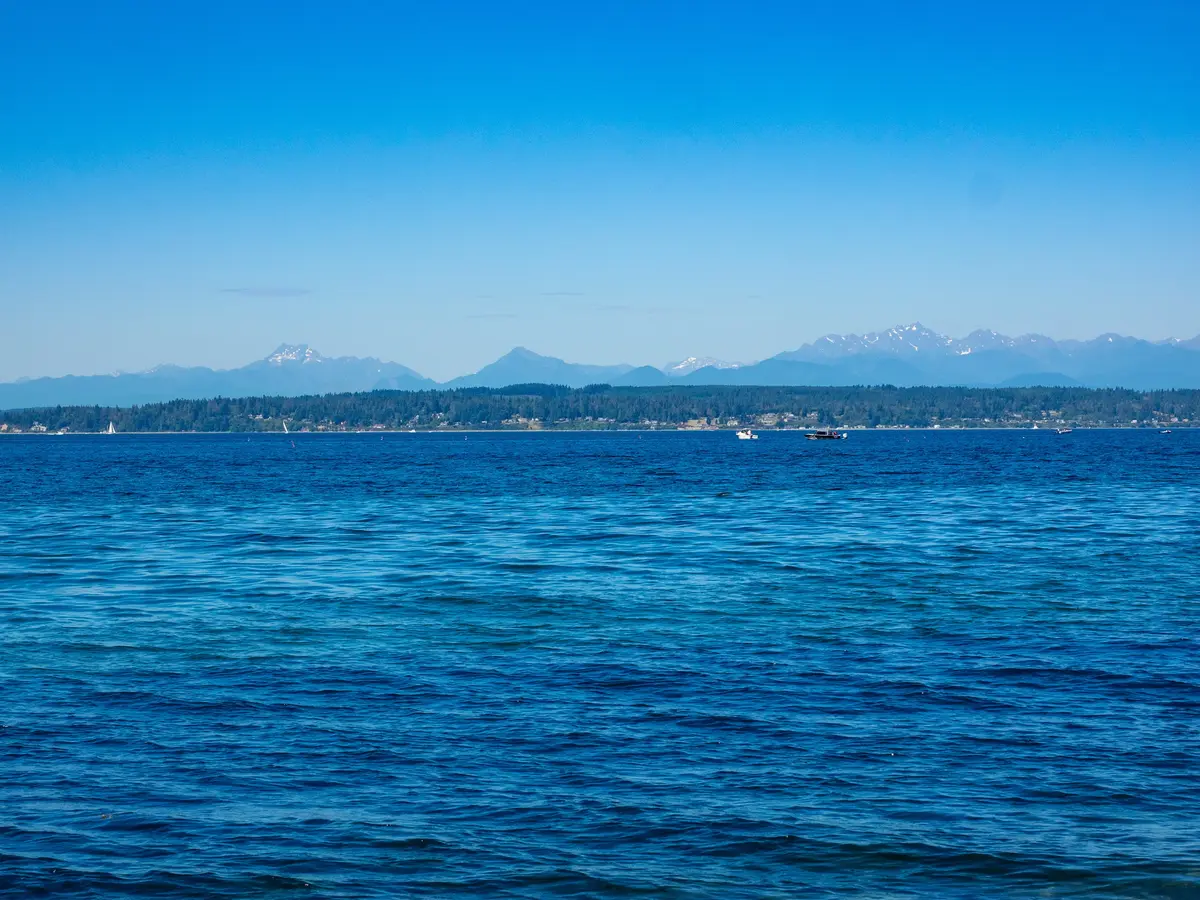
| Luxury Buyer | Richmond Beach | Puget Sound views, Olympic Mountain sightlines, and the city's only neighborhood with a median listing price around $1.3 million. |
| Walkability Seeker | North City | The 15th Avenue NE and NE 175th Street corridor — named a commercial district since 1947 — puts dining and shops within a short walk, including North City Bistro and Wine Shop on NE 177th Street. |
| Families with Kids | Echo Lake | Echo Lake Elementary (A-minus), Albert Einstein Middle (A), and Shorewood High (A) form a rare top-to-bottom school run in one neighborhood. |
| Commuters | Briarcrest | Closest neighborhood to both Sound Transit Link light rail stations, putting downtown Seattle roughly 25 minutes away without a car. |
| Large-Lot Buyers | Richmond Highlands | Mid-century lots tend to run larger here than in the denser eastern neighborhoods, and the street pattern stays quiet without Aurora's commercial noise. |
| Renters | Ridgecrest | Shoreline Community College proximity and Aurora Avenue access produce the city's strongest supply of apartments and smaller rental units at relatively accessible rents. |
Looking to buy in Shoreline? Estimate your payment.
Enter your numbers to see an estimated monthly mortgage payment.
Estimate only. Excludes HOA fees and mortgage insurance. The interest rate above is a starting point, not a quoted rate — replace it with your own to see real numbers. Insurance is a flat placeholder, not a Shoreline quote.
Most Popular Neighborhoods
1. Richmond Beach
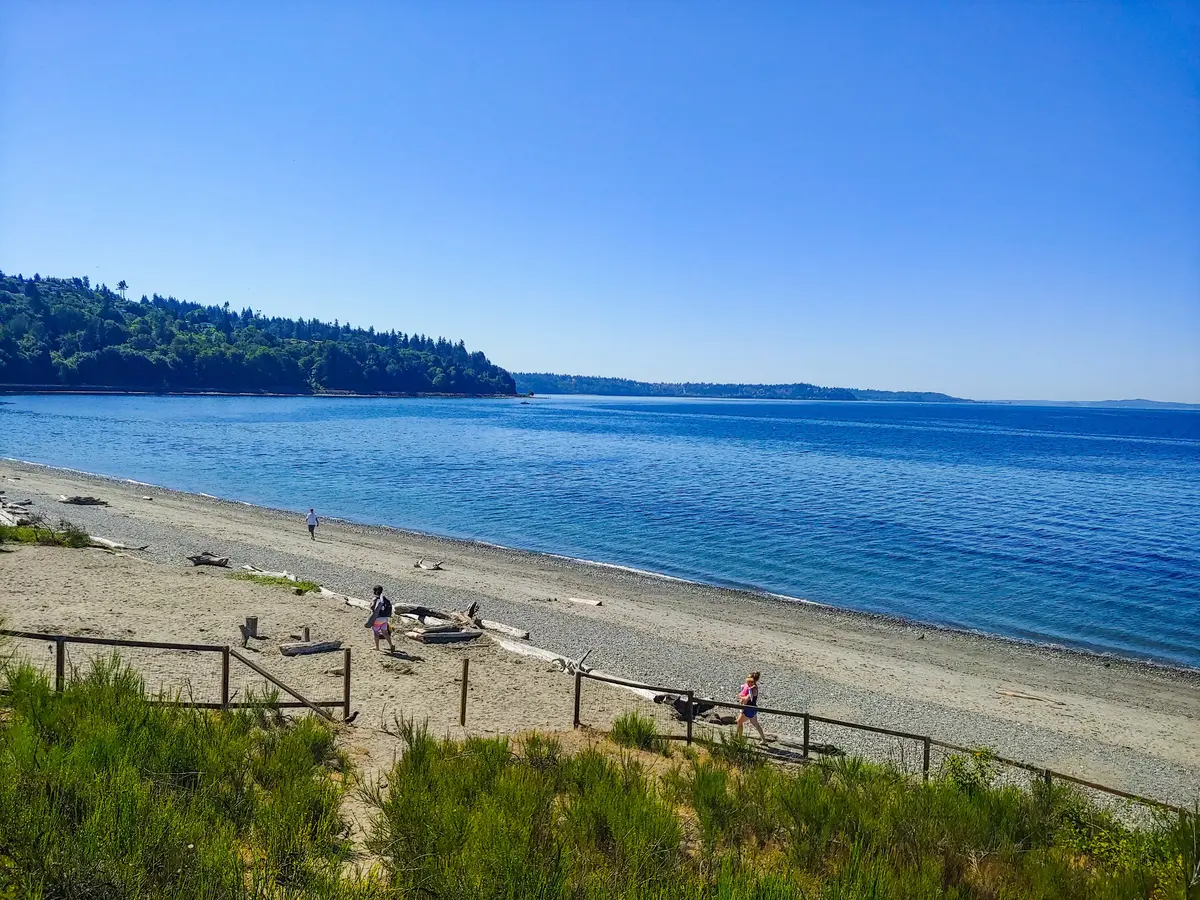
Richmond Beach sits on wooded bluffs above Puget Sound — the kind of address where you watch ferries cross toward the Olympic Mountains from your backyard. The Richmond Beach Community Association delivers a neighborhood paper to more than 2,700 households and organizes an annual parade, community garage sale, and Thanksgiving run, so the community feel is unusually intact for a neighborhood at this price point. The catch is access: the bluff geography means limited street connections, and Richmond Beach Saltwater Park draws weekend visitors from across the region, filling the lower-beach parking and quieter neighborhood streets alike.
Best for: Luxury buyers, view seekers, buyers who want strong neighborhood identity at Seattle-adjacent prices. Price range: ~$1.3M median listing.
2. Richmond Highlands
Richmond Highlands delivers the city's second-highest estimated home values — around $825,000 — on streets that feel genuinely removed from the Aurora Avenue commercial strip. Mid-century lots tend to run wider here, giving families with kids more usable outdoor space than the newer infill townhouse developments elsewhere in Shoreline. The downside is that the neighborhood lacks its own walkable retail core, so nearly every errand means getting in the car.
Best for: Families who want established lots and quiet streets without Richmond Beach prices. Price range: ~$825K estimated.
3. North City
North City is the most legible neighborhood in Shoreline — centered at 15th Avenue NE and NE 175th Street since local business owners named it in 1947, it has an actual commercial core anchored today by spots like North City Bistro and Wine Shop on NE 177th Street and a neighborhood association that runs annual events and monthly socials. Prices in the low-to-mid $700s represent something close to a fair deal for this level of on-foot access in the Seattle metro. The one friction point is that NE 175th Street itself carries commuter traffic, and homes directly on the corridor feel the noise.
Best for: Walkability seekers, first-time buyers, buyers who want a neighborhood with an identity. Price range: Low-to-mid $700s.
4. Ridgecrest
Ridgecrest is the least pretentious neighborhood in Shoreline, and that's an honest compliment — Shoreline Community College sits within its boundaries, Ridgecrest Park offers straightforward green space, and Aurora Avenue runs along the eastern edge giving easy access to the full range of Aurora's strip-mall commerce. Prices in the mid $600s to low $700s are among the most accessible in the city, which draws first-generation buyers and people who are simply done competing for the same houses everyone else wants. The Aurora adjacency is also the neighborhood's biggest trade-off: street noise and commercial activity bleed in from the east in a way that doesn't happen in the bluff-side neighborhoods.
Best for: Value buyers, commuters who prioritize bus access on Aurora, renters-turned-buyers. Price range: Mid $600s–low $700s.
5. Briarcrest
Briarcrest became meaningfully more valuable the moment the two Link light rail stations opened in 2024 — its position between the two stops makes it the city's most transit-connected neighborhood for a daily Seattle commute. The housing mix runs from historic cottages to newer townhouses built specifically to capture the light rail premium, and that variety means you can find a range of entry points in the low-to-mid $700s. What you give up is the quieter, more established character of the western neighborhoods; this is the part of Shoreline that's actively changing, and construction activity reflects it.
Best for: Transit-dependent commuters, buyers who want to buy into an area mid-transition. Price range: Low-to-mid $700s.
6. Highland Terrace
Highland Terrace is anchored by Shoreview Park, which provides wooded trails and sports facilities that give the neighborhood a nature-adjacent feeling despite sitting close to the city's commercial corridors. The housing stock blends midcentury ranch homes with newer townhouse infill, which means the street aesthetic can feel inconsistent block to block — a 1960s ranch beside a 2019 townhome stack is not unusual here. Prices in the mid $700s reflect a neighborhood that's been discovered but not yet fully repriced.
Best for: Families who want park proximity without paying Richmond Beach premiums. Price range: Mid $700s.
7. Echo Lake
Echo Lake is the neighborhood that families with school-age children keep circling back to — Echo Lake Elementary earns an A-minus from Niche, Albert Einstein Middle School earns an A, and Shorewood High earns an A, a top-to-bottom school run that's genuinely rare in any single neighborhood. Echo Lake Park itself is stocked with rainbow trout, has paved trails and a playground, and the Echo Lake Neighborhood Association runs an annual Earth Day clean-up that's become a reliable community gathering. Prices in the mid $700s sit close to the city-wide figure, meaning you're not paying a massive premium for the school access — which is exactly why inventory here moves quickly when it appears.
Best for: Families prioritizing schools, nature-oriented buyers, buyers who want civic neighborhood culture. Price range: Mid $700s.
8. Parkwood
Parkwood offers the shady, tree-lined street character that Shoreline is generally known for, with Twin Ponds Park's forested trails serving as the neighborhood's main green-space anchor. Parkwood Elementary, Albert Einstein Middle, and Shorewood High serve the area, keeping families within the same strong school pipeline as Echo Lake. The honest trade-off is Aurora Avenue proximity — dining options are accessible, but the strip-mall character of that corridor is never far away, and the eastern blocks of Parkwood absorb more of that commercial noise than buyers sometimes expect when they tour a quieter interior street.
Best for: Value-conscious buyers, first-time buyers, families who want trail access without a premium address. Price range: Low-to-mid $700s.
Common Mistakes Buyers Make in Shoreline
Assuming Aurora Avenue Is Just Background Noise
Buyers who tour a home on a quiet Tuesday afternoon and then discover on a Saturday morning that Aurora Avenue traffic is audible from the backyard are not an unusual story in this market. Homes within two or three blocks east of Aurora — particularly in Ridgecrest and Parkwood — carry a real noise penalty that doesn't show up in the listing photos. Drive by on a weekend morning before you make an offer.
Chasing Square Footage Over School Boundaries
A larger home a few blocks outside a preferred elementary boundary will not retroactively move your kids into Echo Lake Elementary. Shoreline's school boundaries don't track neighborhood names with perfect precision, and families who bought based on neighborhood reputation rather than a verified boundary check have been surprised at enrollment time. The district's boundary map is a five-minute lookup — do it before you fall in love with a specific address.
Underestimating What the 2024 Light Rail Stations Changed
The two Sound Transit Link stations opened in 2024, and the neighborhoods closest to them — particularly Briarcrest — have been repricing since. Buyers who are using sale comps from 2022 or early 2023 to benchmark what's fair in those corridors are often anchored to a market that no longer exists. Transit access to downtown Seattle within roughly 25 minutes is now a hard feature, not a future promise, and prices near those stations reflect it.
Treating Richmond Beach as a Standard Shoreline Purchase
Richmond Beach operates under different rules than the rest of the city. The bluff geography limits ingress and egress to a small number of streets, the community association is unusually active and has real influence on neighborhood character, and the median listing price around $1.3 million puts it in a different buyer pool than anywhere else in Shoreline. Buyers who approach it with the same strategy as a mid-$700s purchase in North City or Parkwood tend to get outcompeted — the sellers and competing buyers there are not the same cohort.
Best Areas to Rent in Shoreline
| Area | Ideal For | Typical Rent Range | Trade-off |
|---|---|---|---|
| Briarcrest / Light Rail Corridor | Renters who commute to Seattle by rail | $1,800–$2,400/mo for 1BR; $2,400–$3,200/mo for 2BR | Newer construction means higher rents; construction noise ongoing as density increases near the stations |
| Ridgecrest / Aurora North | Budget-conscious renters, college students, commuters by bus | $1,500–$2,100/mo for 1BR; $2,000–$2,700/mo for 2BR | Aurora adjacency brings strip-commercial noise; neighborhood feel is more utilitarian than residential |
| North City | Renters who want walkable streets and a neighborhood identity | $1,700–$2,300/mo for 1BR; $2,200–$2,900/mo for 2BR | Rental supply is tighter than the Aurora corridors; availability comes and goes quickly |
| Highland Terrace / Shoreview Park Area | Renters with kids who want park access without buying | $1,800–$2,400/mo for 1BR; $2,300–$3,000/mo for 2BR | Limited apartment stock means most rentals are single-family or townhouse — fewer large complexes |
| Parkwood | Renters seeking quieter streets and trail access on a tighter budget | $1,600–$2,200/mo for 1BR; $2,100–$2,700/mo for 2BR | Aurora proximity at the eastern edge; options thin out quickly, especially for families needing 3+ bedrooms |
Shoreline's rental market is tightening fastest near the two new light rail stations, where purpose-built apartment buildings have absorbed much of the new supply — but asking rents in those buildings reflect the transit premium. If budget matters more than rail access, the Ridgecrest and Aurora Avenue corridor remains the city's most consistent source of available units at the lower end of the market.
Local Expert Takeaway: The single most useful thing to know before buying in Shoreline is that the 2024 light rail opening effectively created two different markets within the same city boundaries. If your daily commute runs to downtown Seattle, living within a 10-minute walk of either Sound Transit Link station in Briarcrest changes your math fundamentally. If you don't commute by rail, you're often better served looking west — Richmond Highlands for larger lots, Echo Lake for the school trifecta, or North City for the walkable village feel centered on 15th Avenue NE. The Shoreline Farmers Market runs June through early October and rotates through neighborhoods; showing up a few Saturdays before you make an offer is genuinely the best way to understand which part of the city feels like home.
Quick Takeaways & FAQs
✅ Echo Lake's school run — an A-minus elementary, an A middle school, and an A high school all feeding one neighborhood — is one of the strongest top-to-bottom lineups in the entire Seattle metro.
⚠️ Aurora Avenue North is louder and more commercially intrusive than most listings disclose; homes within two blocks east in Ridgecrest or Parkwood carry a noise trade-off that doesn't appear in photos.
📍 Two Sound Transit Link light rail stations opened in Shoreline in 2024 — Briarcrest sits closest to both, and prices there have moved accordingly.
What is the most affordable neighborhood in Shoreline, WA?
Which Shoreline neighborhood has the best schools?
Is Richmond Beach worth the premium over other Shoreline neighborhoods?
How did the 2024 light rail stations change Shoreline's neighborhoods?
What should I know before renting in Shoreline?
Moving to Washington?
Tell us what you need help with and we'll connect you with local resources.
