
Maybe you've been priced out of Seattle or Bellevue and someone mentioned Federal Way. Maybe you've done the math and this is the King County market where the numbers actually work. Either way, the first thing to understand is that Federal Way occupies an unusual position in the greater Seattle metro: it's far enough south to carry meaningfully lower price tags than the Eastside, yet close enough to make a Seattle commute genuinely manageable. That combination — accessible prices plus real regional connectivity — is what draws first-time buyers here in numbers that other South King County cities don't see.
The city's economy is anchored by institutions that create steady local employment: Weyerhaeuser's global headquarters, World Vision U.S., and Federal Way Public Schools are the backbone, with Amazon logistics and Totem Ocean Trailer Express adding to the mix. A household income around the city median — $86,909 — puts a conventional purchase within reach here in a way it simply doesn't in most of King County. The Zillow Home Value Index for Federal Way stood at $564,681 as of June 2026, and entry-level inventory starts in the $450,000s for older construction, which is as accessible as this county gets for a single-family home. See the full breakdown on the cost-of-living page.
The catch is that Federal Way is still a seller's market. Homes were selling in a median of 15 days on market as of June 2026, and the sale-to-list ratio was sitting at 99.2%. Inventory has loosened from the frenzied sub-two-month levels of early 2026, but with 3.5 months of supply, you are not shopping in a buyer's market. First-timers who arrive unaware of this dynamic — hoping to negotiate hard on price — tend to lose to buyers who came in prepared, pre-approved, and realistic about what their budget actually buys.
This guide covers what a first-timer's dollar realistically buys here, the step-by-step process for navigating a Federal Way purchase, a plain-language budget snapshot, and the specific mistakes that cost first-time buyers here time, money, and deals.
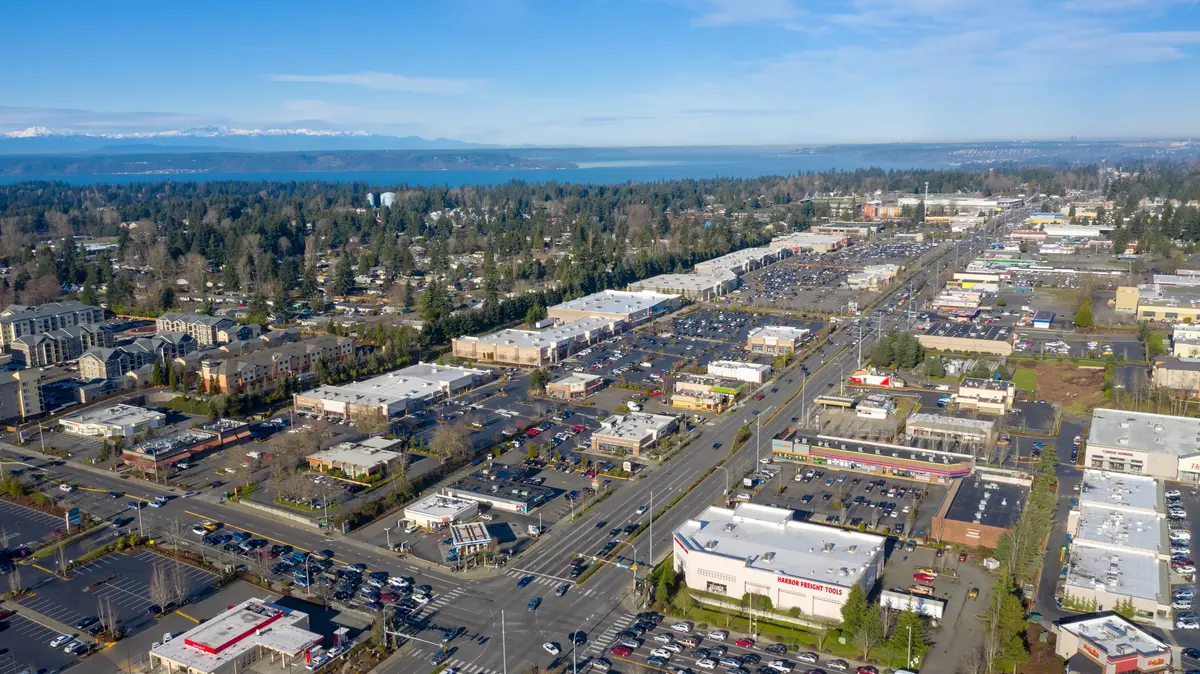
The Federal Way First-Time Buyer Reality
The Zillow Home Value Index for Federal Way was $564,681 in June 2026 — and that number tells two different stories depending on where you're moving from. If you're coming from Seattle or Bellevue, it reads as relief. If you're coming from Auburn or Kent, it may read as a stretch. Both reactions are reasonable.
Entry-level inventory — older construction, smaller lots, neighborhoods like Lakota or Woodmont away from the water — starts in the low-to-mid $450,000s. That is genuinely the floor for a detached single-family home in King County. Townhomes and condominiums can come in lower, and they are worth considering if monthly payment is the binding constraint, but most first-timers in Federal Way are targeting the single-family tier.
The upper end of the realistic first-timer range runs to about $580,000 before you cross into territory where the properties carry premium features — water views, lake access, renovated interiors — that drive prices higher. Conventional financing is available across all of Federal Way's typical price range, which means straightforward loan products are on the table without the complexity that comes with higher-priced markets. The competition at the $500,000–$580,000 band is real. Homes that a generation ago might have sat for weeks are now moving in about two weeks flat, and lowball offers — even reasonable ones — rarely get traction when a seller knows the market is on their side. Coming in prepared is not optional here; it is the price of admission.
The Homebuying Process in Federal Way, Step by Step
Step 1: Get Pre-Approved — Before You Tour a Single Home
This is not a formality. In a market where homes move in 15 days, touring a home without a pre-approval letter is close to wasted effort. Sellers in Federal Way routinely decline to even schedule showings for buyers who can't produce one. Pre-approval means a lender has pulled your credit, reviewed income documentation, and issued a conditional commitment — not a pre-qualification estimate based on a phone call.
Common loan types for Federal Way purchases include conventional loans (typically requiring a 620+ credit score and solid debt-to-income documentation), FHA loans (accessible with scores as low as 580 and a 3.5% down payment), and VA loans for eligible veterans, which require no down payment. Washington state's average 30-year fixed rate was approximately 6.93% as of July 2026, a few basis points above the national average — factor that into your payment estimates.
Step 2: Define Your Search Area Honestly
Federal Way is not one uniform market. City Center and Lakeland are different price tiers from Dash Point and Twin Lakes. Decide early whether you're optimizing for price, proximity to the new Federal Way Downtown Station, or school boundaries — because those three priorities don't always point to the same neighborhood.
Step 3: Make Offers That Reflect the Market
With a 99.2% sale-to-list ratio, the negotiating room is narrow. First-timers sometimes arrive expecting to offer 5% below asking and negotiate up. That strategy loses here. A competitive offer comes in at or near list, with an escalation clause if you're targeting a desirable property, and with contingencies structured thoughtfully — not eliminated entirely.
Step 4: Inspection and Appraisal — Don't Rush Either
The market has softened enough from its 2022 peak that most Federal Way sellers will accept an inspection contingency. Use it. Older construction in neighborhoods like Woodmont and Lakota can carry deferred maintenance that isn't visible at a showing — roof age, original plumbing, crawl space moisture. An appraisal gap is less common here than in higher-priced Seattle sub-markets, but it happens; understand before you make an offer how you'd handle a scenario where the appraisal comes in below purchase price.
Step 5: Closing
Washington state closings are handled by escrow companies, not attorneys — a difference from many states. The process typically takes 30–45 days from accepted offer. Budget for closing costs (typically 2–3% of the purchase price) on top of your down payment. The biggest first-timer surprise at this stage: closing costs aren't optional, and they're due in full at the table in certified funds.
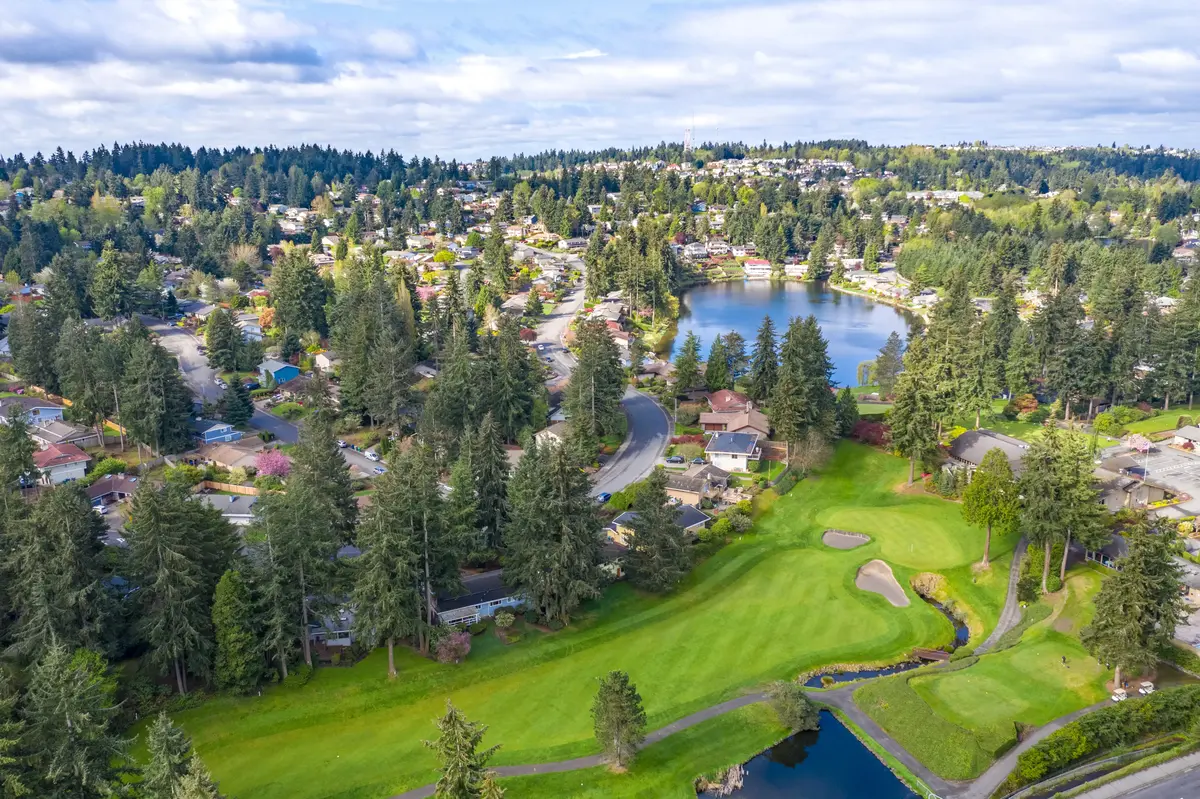
How Much Home Can You Afford in Federal Way
The table below uses approximate figures to illustrate what different purchase prices and down payment structures require in cash at closing. Closing costs are estimated at 2–3% of purchase price — your lender will provide a Loan Estimate with exact figures once you apply. These are planning ranges, not quotes.
| Scenario | Purchase Price | Down Payment | Est. Closing Costs | Cash Needed at Table |
|---|---|---|---|---|
| FHA (3.5%) — entry level | $460,000 | $16,100 (3.5%) | $9,200–$13,800 | ~$25,300–$29,900 |
| Conventional (3%) — entry level | $460,000 | $13,800 (3%) | $9,200–$13,800 | ~$23,000–$27,600 |
| FHA (3.5%) — mid-range | $530,000 | $18,550 (3.5%) | $10,600–$15,900 | ~$29,150–$34,450 |
| Conventional (3%) — mid-range | $530,000 | $15,900 (3%) | $10,600–$15,900 | ~$26,500–$31,800 |
| Conventional (5%) — near median | $565,000 | $28,250 (5%) | $11,300–$16,950 | ~$39,550–$45,200 |
| Conventional (10%) — near median | $565,000 | $56,500 (10%) | $11,300–$16,950 | ~$67,800–$73,450 |
A larger down payment reduces your monthly obligation and eliminates private mortgage insurance once you cross 20% equity — worth modeling if you're close to that threshold. The interactive calculator below will apply current rate assumptions to any of these scenarios.
One number first-timers routinely underestimate: prepaid items — homeowners insurance, property tax prorations, and prepaid mortgage interest — can add another $3,000–$6,000 to the cash required at closing beyond the headline closing cost estimate. Ask your lender for a full cash-to-close figure, not just a closing cost estimate, before you set your home-search budget.
Looking to buy in Federal Way? Estimate your payment.
Enter your numbers to see an estimated monthly mortgage payment.
Estimate only. Excludes HOA fees and mortgage insurance. The interest rate above is a starting point, not a quoted rate — replace it with your own to see real numbers. Insurance is a flat placeholder, not a Federal Way quote.
Common First-Time Buyer Mistakes in Federal Way
Touring Before You're Pre-Approved
This one costs people deals, not just time. In a market where the median days on market is 15, the gap between "I love this house" and "I have a pre-approval letter" is often the gap between getting the house and losing it. Fall in love on a Saturday, try to get pre-approved on Monday, and the house may already have an accepted offer.
Waiving the Inspection to Compete
The 2021–2022 market normalized inspection waivers in ways that were genuinely risky. Federal Way's current inventory levels — 3.5 months of supply as of June 2026 — mean most sellers will accept an inspection contingency. Waiving it on an older Woodmont or Lakota home to shave a day off the timeline is a mistake that can turn into a five-figure repair bill. Reserve inspection waivers for new construction where you have builder warranties, not for 1970s ranch homes off Pacific Highway South.
Ignoring the School Boundary Reality
Federal Way Public Schools boundaries are not intuitive, and they matter even for buyers who don't have children yet — because they affect resale. Two homes on the same street can feed different schools depending on exactly where the boundary falls. Verify the specific boundary assignment for any address you're seriously considering; don't assume that proximity to a school means your home feeds into it.
Underbudgeting the Cash Required at Closing
First-timers almost universally focus on the down payment and forget that closing costs, prepaids, and escrow setup add up to a real number. On a $530,000 purchase, the total cash required at closing — down payment, closing costs, and prepaids — can easily reach $35,000–$45,000 depending on loan type and terms. Building that full figure into your savings target before you start shopping prevents the painful situation of finding the right home and then discovering you're $8,000 short at the table.
Treating the Federal Way Market Like a Slower Suburb
Federal Way is noticeably more affordable than Seattle, but "more affordable" does not mean slow. The sale-to-list ratio of 99.2% tells you that sellers are getting their price. Coming in 3–4% below list as a negotiating opener — standard practice in genuinely soft markets — reads as unserious here. Your agent should pull comparable sales data for you before every offer, but the baseline expectation should be: this market rewards buyers who are decisive and realistic, not buyers who are trying to time a dip.

Local Expert Takeaway: Federal Way's first-time buyer window is real but narrow. The Zillow Home Value Index of $564,681 (June 2026) is the most accessible single-family entry point in King County, entry-level homes start in the low $450,000s, and conventional financing is available across the full range. But 15-day median days on market and a 99.2% sale-to-list ratio mean you have to arrive ready — pre-approved, with your full cash-to-close figure calculated, and with a realistic view of what your budget buys. The buyers who get into this market are the ones who did the paperwork before they fell in love with a house.
Quick Takeaways & FAQs
✅ Federal Way's Zillow Home Value Index of $564,681 (June 2026) makes it one of the most accessible single-family markets in King County, with entry-level homes starting in the low $450,000s.
⚠️ Homes sold at 99.2% of list price with a median of 15 days on market as of June 2026 — this is still a seller's market, and lowball offers consistently lose.
📍 The Federal Way Downtown Station opened in December 2025, connecting the city to Seattle by rail — a factor now directly shaping how buyers weigh City Center-area properties.
What credit score do I need to buy a home in Federal Way?
How long does it take to buy a home in Federal Way from start to finish?
Is it better to use an FHA or conventional loan for a Federal Way home purchase?
How much should I budget for closing costs in Federal Way?
Does the new Federal Way light rail station affect home prices nearby?
Moving to Washington?
Tell us what you need help with and we'll connect you with local resources.
