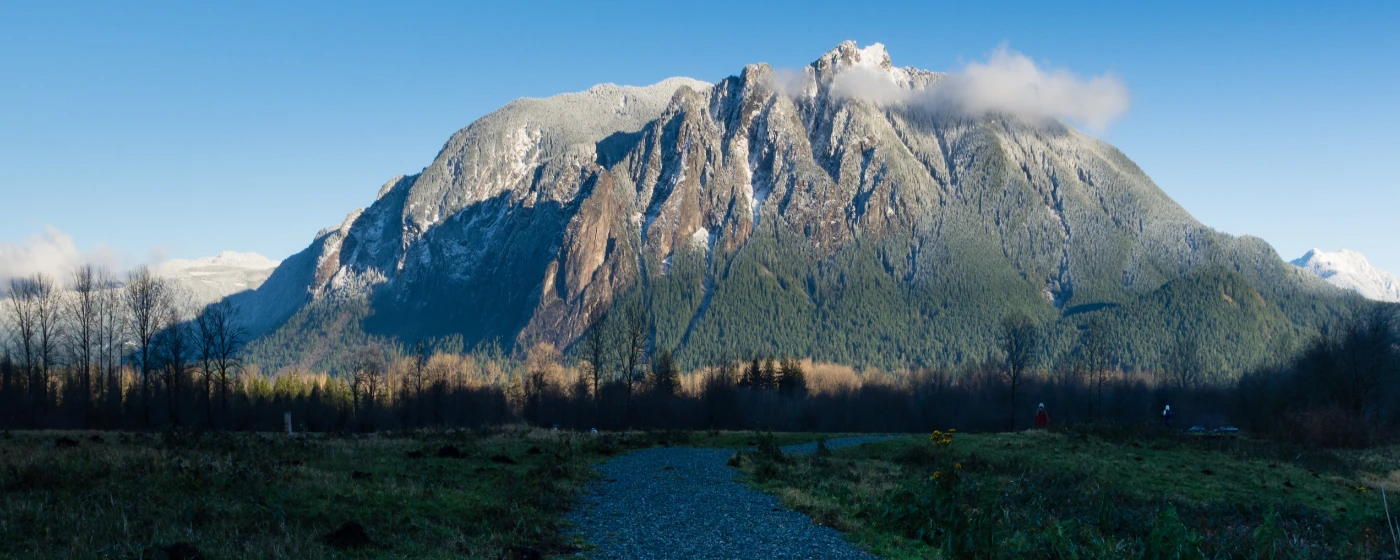
Most families moving to North Bend already know the district is strong. What surprises them is how strong — and how small a town can anchor a school system ranked 5th out of 247 Washington state districts by SchoolDigger. The Snoqualmie Valley School District (SVSD) stretches across more than 400 square miles of Cascade foothills terrain, serving North Bend, Snoqualmie, Fall City, and surrounding unincorporated King County. For families settling into the Riverbend streets or the hillside lots above Si View Park, that geographic footprint matters: your kids will ride buses alongside students from across the valley, and your high schooler's campus sits over in Snoqualmie — not in North Bend itself.
The district earns its A rating on the strength of real academic outcomes. Math proficiency runs 65%–72% district-wide, and reading proficiency hits 77%–80% — both roughly double Washington state averages of 41% and 53% respectively. That performance is backed by a median household income of $175,109 in North Bend alone, and a district-wide free-and-reduced-meal rate of just 9.3%, far below state norms. The school community reflects the town: outdoor-oriented, highly educated, and drawn here specifically because they want their children growing up with the Cascade Mountains as a backdrop and a top-tier school pipeline in front of them.
Beyond academics, youth sports and recreation in North Bend run through Si View Metropolitan Park District, which offers a full roster of rec leagues and camps from baseball to lacrosse, many in partnership with Skyhawks Sports Academy at Si View Park. The district's competitive athletics program operates under the Washington Interscholastic Activities Association (WIAA) at the 4A level — and Mount Si's 2024 boys basketball state championship is the kind of result that makes relocating parents do a double-take. The parks and recreation page covers outdoor amenities in more depth.
Whether you're narrowing down neighborhoods or comparing North Bend to Issaquah or Snoqualmie proper, the sections below break down the district structure, standout schools, youth sports programs, honest limitations, and everything else parents ask before signing a lease or making an offer.
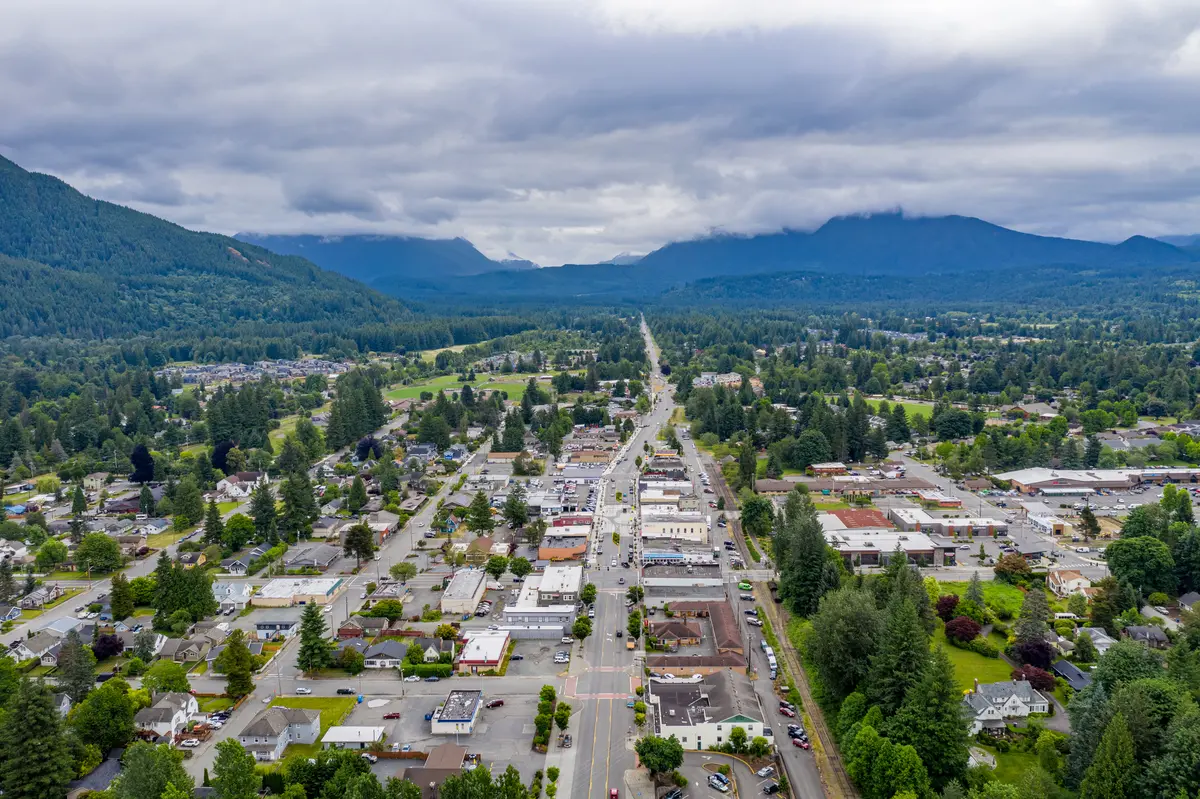
Snoqualmie Valley School District at a Glance
SVSD is a mid-sized district by Washington standards — approximately 7,145–7,161 students across 13 schools in grades PK–12 — but its outcomes consistently rank with districts three times its size. SchoolDigger placed it 5th out of 247 Washington districts for 2024–25. That's not a one-year spike; it reflects a district that has built consistent proficiency over time.
| Metric | SVSD | WA State Average |
|---|---|---|
| District ranking (SchoolDigger) | 5th / 247 districts | — |
| Math proficiency | 65%–72% | 41% |
| Reading proficiency | 77%–80% | 53% |
| Graduation rate (MSHS, 2023) | 97% | ~82% |
| Student-to-teacher ratio | 18:1 | 18:1 |
| Per-pupil spending | $18,418 | $19,247 |
| Free/reduced-price meal eligibility | 9.3% | ~40% |
The per-pupil spending figure sits slightly below the state median, which is worth flagging — SVSD achieves its outcomes on a leaner budget than many comparable districts, largely because its demographic base arrives with significant resources at home.
How the District Is Structured
North Bend students feed through a straightforward K–12 pipeline: elementary school through grade 5, then Twin Falls Middle School for grades 6–8, then Mount Si High School for grades 9–12. The district's 13 schools span the full valley, so your child's school community will include students from Snoqualmie neighborhoods and rural Fall City roads — a broader mix than the town's own population of 8,268 might suggest.
The district covers 400-plus square miles, which means bus routes can be long. Families in the Cascade Canyon and Forest Service/Mt. Si areas should plan on this — a 7 a.m. bus pickup is not unusual in the more remote pockets of North Bend's footprint.
Standout Schools: What the Data Actually Shows
Mount Si High School — The Pipeline That Delivers
Mount Si High School sits in Snoqualmie, not North Bend — that's the one geographic fact every incoming family needs to understand upfront. All North Bend students attend here for grades 9–12.
The results justify the distance. U.S. News & World Report's 2025 Best High Schools ranking gave MSHS an overall score of 90.21 out of 100, placing it in the top 10 percent of public high schools nationally. The 97% on-time graduation rate (district-reported, 2023) is the kind of number that typically belongs to private prep schools. GreatSchools has awarded it a College Success Award four times since the 2019–20 school year, most recently for 2024–25.
The academic menu is wide: Advanced Placement courses, Running Start dual-enrollment for college credit at Bellevue or Cascadia College, career technical education, and a Project Lead The Way STEM curriculum. For a high school of roughly 2,100–2,170 students competing in the 4A KingCo league under WIAA, the depth of options is genuinely impressive.
North Bend Elementary — The Local Entry Point
North Bend Elementary serves approximately 464 students in kindergarten through grade 5 and is the school most directly tied to the town itself. U.S. News ranked it #93 among Washington elementary schools, and it sits in the top 10 percent of state public schools on combined math and reading proficiency — 71% and 79% respectively (2023–24 school year data).
That distinction earned it a spot in the Washington School Recognition Program for 2024–25, an award given to roughly 16 percent of schools statewide by the Washington State Board of Education. For parents buying in the Downtown North Bend or Si View areas, this is the neighborhood school their kids will walk or bus to each morning.
Twin Falls Middle School — The Bridge Year
Twin Falls Middle School is the feeder for North Bend Elementary graduates before they move on to Mount Si. It's the school parents hear the least about publicly, but it functions as the bridge between the elementary outcomes and the high school pipeline — and given how well students arrive at MSHS prepared, the middle school years appear to hold the trajectory steady.
The school draws from across the valley, so by the time students reach Twin Falls, they're already part of a broader SVSD community rather than just a North Bend cohort. That shift can take some adjustment for kids who spent their elementary years in a tighter neighborhood setting.

Youth Sports and Kids Activities in North Bend
Si View Metropolitan Park District is the hub for recreational youth sports in North Bend, and the program list is longer than most small-city parks departments can claim. Baseball, basketball, soccer, football, lacrosse, volleyball, gymnastics, cheer, track, and cross country all run through Si View Park, many in partnership with Skyhawks Sports Academy — a structured coaching program that brings professional instruction to rec-level kids.
What Si View Offers and When
Seasonal leagues follow a typical Pacific Northwest calendar: soccer in fall and spring, basketball through winter, baseball in spring and summer. The Skyhawks partnership means kids can also access sport-specific camps and clinics during school breaks — useful for parents who work Seattle or Bellevue hours and need structured programming during October break and winter recess.
The rec leagues skew toward participation over competition at younger ages, which suits the community well. North Bend families tend to want their kids outside as much as possible, and the proximity to trails and open space means that Si View Park itself — not just the organized leagues — functions as an after-school destination in its own right.
WIAA Competitive Athletics at Mount Si High School
At the high school level, MSHS competes across a full slate of WIAA-sanctioned sports in the 4A KingCo league. The 2024 boys basketball team made the district's athletic reputation concrete: a 27–2 overall record and a 4A Boys state championship. That kind of result attracts serious student-athletes and signals a coaching infrastructure that goes beyond typical suburban school sports.
The 4A classification means MSHS competes against schools from Bellevue, Redmond, and Issaquah — cities with far larger population bases. Holding competitive in that bracket while drawing from a 400-square-mile rural and suburban catchment is a real accomplishment, and it shows in the school's overall athletic culture.
The Aquatic Center Question
Families asking about competitive swimming and year-round aquatics should know that North Bend's pool situation is in transition. The City of North Bend has committed $5 million toward a new regional aquatic center; the Snoqualmie Valley Aquatics Collaborative — formed in 2024 — is pursuing additional state-level funding and an updated cost estimate. Check directly with Si View Metro Parks for the current status of swimming programs before making enrollment decisions around aquatics.
Beyond the Leagues
The mountains are not background scenery for North Bend kids — they're a year-round activity. Families use the Mount Si trailhead and the Palouse to Cascades Trail as a de facto outdoor education program on weekends, and the culture of hiking, biking, and paddling runs deep in the school community. It's common for MSHS cross-country and track athletes to train on trails most city kids would consider a weekend adventure.
Looking to buy in North Bend? Estimate your payment.
Enter your numbers to see an estimated monthly mortgage payment.
Estimate only. Excludes HOA fees and mortgage insurance. The interest rate above is a starting point, not a quoted rate — replace it with your own to see real numbers. Insurance is a flat placeholder, not a North Bend quote.
The Honest Limitations: Who This District Is Not the Right Fit For
SVSD's rankings are real, but they come with context that doesn't always show up in the headline numbers. Parents who need to understand the full picture before committing to North Bend should read this section carefully.
If Your Child Needs Intensive Specialized Support
The district's 9.3% economically disadvantaged rate reflects a community that is, demographically, unusually homogeneous by income. That concentration shapes the school experience in ways that show up in resource allocation: programs calibrated for high-income, academically prepared students tend to crowd out depth in special education, English language learning, and differentiated intervention. Parents of children with complex IEPs or significant learning differences sometimes find that the support infrastructure — while present — is thinner than what's available in larger urban districts with more diverse funding bases and more specialized staff.
If You're Looking for Urban Cultural Diversity
North Bend's schools reflect the town. The student body is predominantly white and from high-income households. Families who prioritize their children growing up in a diverse environment — across race, income, and cultural background — will find the numbers here don't match what's available in Bellevue or Renton or Seattle proper. That's not a judgment on the district's quality; it's an honest description of the demographic reality.
If Your High Schooler Wants a Large Urban-Style Campus Experience
Mount Si High School is a strong school, but it sits in a small-city setting outside Snoqualmie. Students who thrive on the density of choices available at a large urban high school — diverse magnet programs, vocational training centers, performing arts conservatories — will find MSHS's menu solid but narrower than what King County's bigger districts can offer. Running Start fills some of that gap, but it requires the student to self-motivate and manage college-level coursework independently.
If Your Child Is a Serious Competitive Swimmer (Right Now)
Until the planned regional aquatic center is complete, families prioritizing competitive year-round swimming should verify current facility availability before assuming North Bend has the infrastructure to support that training pipeline. The planning is real; the facility isn't finished yet.
What Six Months of School Here Actually Feels Like
New families consistently say the same thing by February of their first year: the school community is more integrated with the outdoors than anywhere they've lived before. MSHS cross-country athletes warm up on trails. Elementary teachers schedule outdoor reading days at Si View Park as a matter of routine, not novelty. The school calendar and the Cascade Mountain calendar are quietly synchronized in a way that takes newcomers a full season to notice.
The Bus Route Reality
Families buying in North Bend Uplands & Reserve or the Cascade Canyon sections of town should ask specifically about bus pickup times before closing. The district covers a large geographic area, and pickups in the more rural pockets — particularly properties closer to the Forest Service/Mt. Si corridor — can run early. A 6:45 a.m. call time is not a rumor; it is a documented experience for some families in these areas. Plan morning logistics accordingly before you buy.
Community Involvement Is High — and Expected
School events in North Bend draw real participation. Parent-teacher organization meetings, athletic boosters, and school fundraisers operate with the kind of turnout you typically see in tight-knit communities where most parents know each other outside of school. That's a genuine strength. It can also feel like social pressure if you're a family with less bandwidth for school involvement — particularly if both partners are commuting to Seattle or Bellevue each day and arriving home after the workday's evening window.
Where Families Actually Gather
After school and on weekends, the gravitational center of North Bend family life shifts outdoors. Si View Park is where rec league games happen and where parents linger afterward rather than heading straight home. Downtown, a brewery on Main Ave S functions as the adult layer of that same social ecosystem — a place where the same parents from the Saturday soccer sideline end up two hours later. The school community and the social community overlap almost completely here, which newcomers either love immediately or find a little intense.
Making the School Decision: What to Do Before You Move
A district ranking of 5th in Washington answers the first question most parents ask. It doesn't answer the more specific ones — and in North Bend, the more specific ones matter.
Visit the Campus, Not Just the Website
Mount Si High School being located in Snoqualmie is not a problem for most families, but it's a detail worth experiencing in person. Drive the Highway 202 route at 7:30 a.m. on a school day and factor that trip into your morning planning. The distance is short by Eastside standards, but it's real — and your teenager will eventually make it themselves or depend on the bus.
Check Boundary Maps Before You Make an Offer
SVSD's 400-square-mile footprint means boundary lines occasionally produce surprises. A property on the North Bend side of an unincorporated line may feed to a different elementary than the house two streets over. Verify your specific address against the district's current boundary maps — do not assume neighborhood proximity equals school assignment.
Ask the District Directly About Specialized Services
If your child has an active IEP or a 504 plan, contact SVSD's Special Education department before making a housing decision, not after. The district's overall strength does not automatically translate to strong specialized support at every grade level. Get specifics in writing.
The Athletic Opportunity Is Real — Plan Around It
WIAA 4A sports at MSHS are competitive enough that strong middle school athletes should be in contact with coaches before ninth grade. The culture here rewards kids who show up ready; it is not a district where athletic programs are used primarily as participation trophies. If your student-athlete has ambitions, the infrastructure exists — but so does real competition for roster spots.
North Bend's school system is one of the strongest selling points for this market, and for most families with school-age children, it's the reason they choose this address over a less expensive option closer to the freeway.

Local Expert Takeaway: Snoqualmie Valley School District is legitimately elite — 5th in the state, top-10-percent nationally at the high school level, and backed by youth sports infrastructure at Si View Park that covers everything from T-ball to lacrosse. The honest catch is that the district's strength reflects its demographics as much as its programming, specialized support services are thinner than in larger urban districts, and Mount Si High School's campus is in Snoqualmie, not North Bend itself. For most families with academically oriented kids and active lifestyles, this is the district that makes the North Bend price tag feel justified. For families with complex support needs or a strong preference for urban-scale diversity, it's worth a deeper look before committing.
Quick Takeaways & FAQs
✅ Snoqualmie Valley School District ranks 5th out of 247 Washington state districts, with math and reading proficiency rates nearly double the state average — genuinely elite outcomes, not marketing.
⚠️ Mount Si High School is in Snoqualmie, not North Bend — every high schooler makes a short Highway 202 trip to campus, and bus pickups in the more rural North Bend pockets can start before 7 a.m.
📍 Si View Metropolitan Park District runs youth rec leagues year-round at Si View Park — baseball, soccer, lacrosse, basketball, and more, many through a Skyhawks Sports Academy partnership — making it the family activity anchor for the whole community.
What school district serves North Bend, WA?
Where do North Bend high school students go to school?
How good are North Bend elementary schools?
What youth sports are available in North Bend?
Is Snoqualmie Valley School District a good fit for kids with learning differences or IEPs?
Moving to Washington?
Tell us what you need help with and we'll connect you with local resources.
