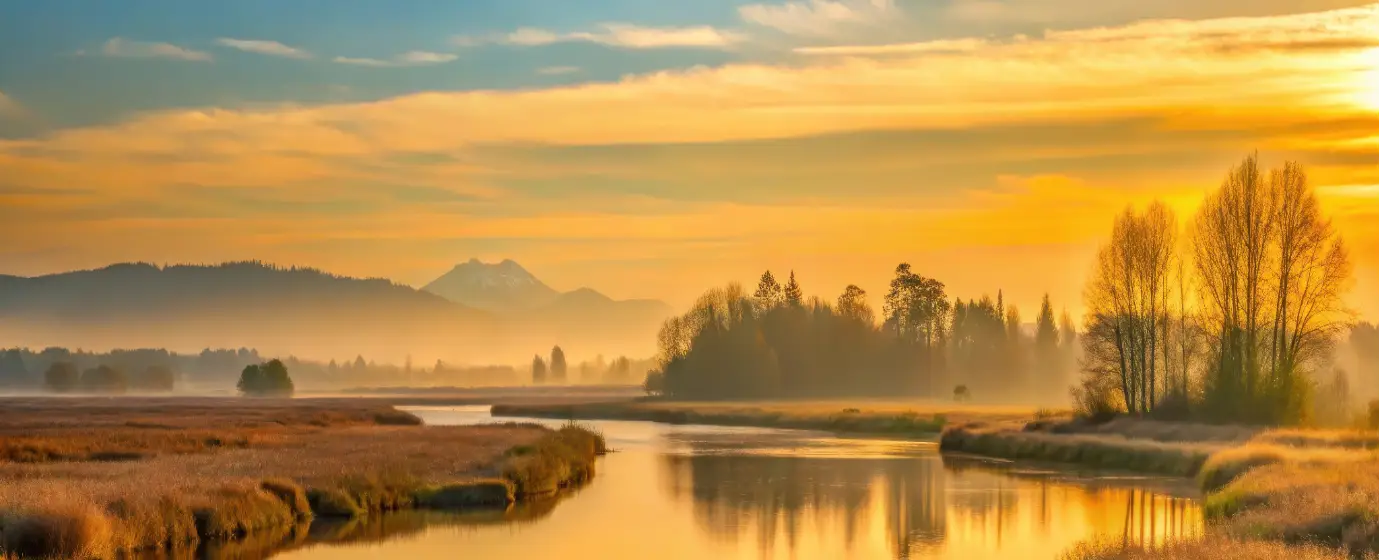
When the original Mill Creek community was planned around the Mill Creek Country Club & Golf Course, the developers made a bet that green space would define the place. Decades later, that bet has paid off in a way that sets Mill Creek apart from most Snohomish County suburbs: more than 23 miles of nature trails thread through the city, 11 city-maintained parks anchor the neighborhoods, and the North Creek Greenway creates a continuous natural corridor you can walk from the southern city limits all the way north to McCollum Park without crossing a major arterial. For a city of roughly 21,000 people, that's a serious amount of trail.
What makes the trail system genuinely useful — not just pleasant on paper — is that it connects to a regional network. The North Creek Regional Trail links Mill Creek southward to Bothell, eventually tying into the Sammamish River Trail near the UW Bothell and Cascadia College campus. That means a determined cyclist or trail runner can cover real distance without touching the Bothell-Everett Highway. Snohomish County completed Phase I of the regional trail extension in fall 2022 and has received updated permitting for later phases, though construction funding for those segments is still being sought as of mid-2026.
The outdoor amenities here go beyond trails. Mill Creek Sports Park runs one of the largest lighted turf fields in the area, hosting regional and state tournaments. North Creek Park's three-quarter-mile floating boardwalk over a wetland is the kind of feature you stumble onto and remember. Silver Lake — technically within Everett's city limits but immediately adjacent to Mill Creek's Silver Lake neighborhood — draws local anglers who fish for stocked Rainbow Trout and resident Rock Bass.
Whether you're considering a move or just researching the area, the sections below break down Mill Creek's signature parks, the trail network, water recreation, and the seasonal rhythms that shape outdoor life here throughout the year.
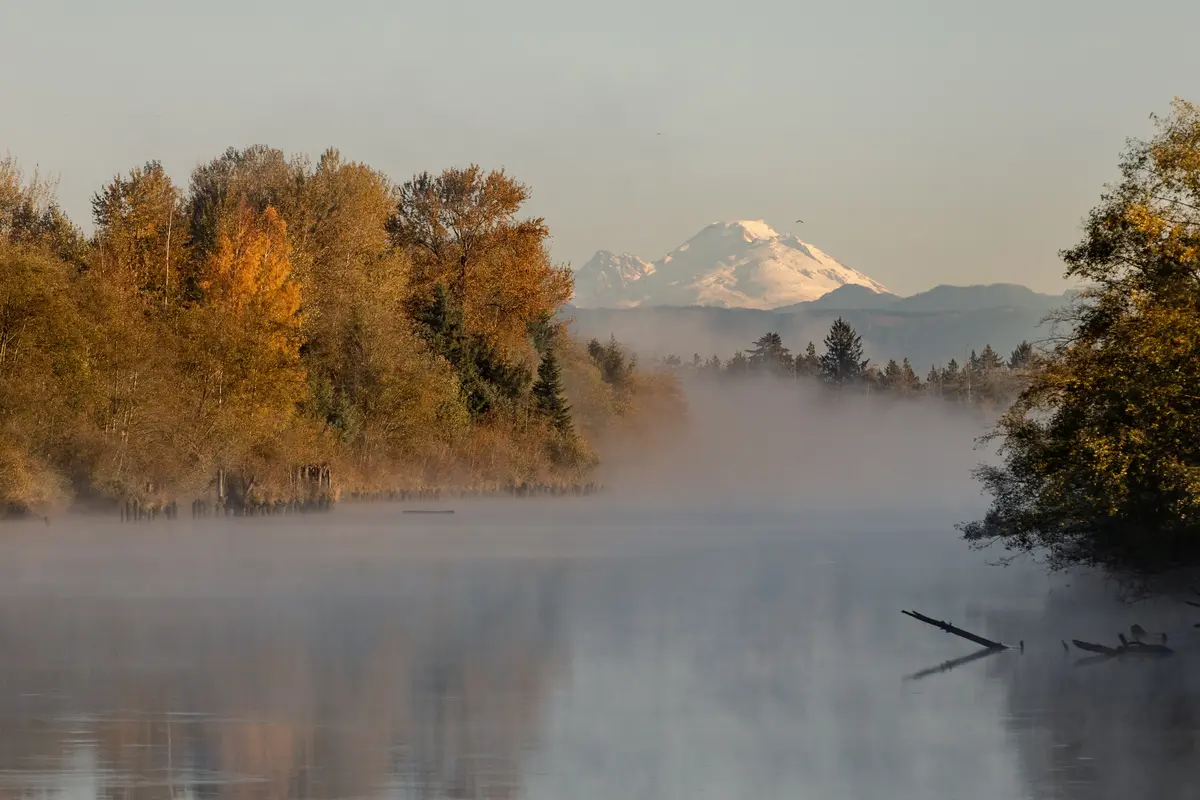
Mill Creek's Signature Parks: What Each One Is Actually Good For
Eleven city parks covers genuinely different uses rather than duplicating one another. Knowing which park does what saves you a wasted trip.
Mill Creek Sports Park: The Tournament Hub
Mill Creek Sports Park is built around a 64,000-square-foot lighted artificial turf field that flexes between baseball, softball, and soccer configurations. The 10,000-square-foot lighted skate park next to it is one of the larger dedicated skate facilities in the county. A tot playground and covered spectator areas round out the complex.
This park draws serious use — thousands of youth athletes come through annually, and several regional and state tournaments run here each year. If your kids play youth sports, the schools page covers youth athletics programs in more detail. The lighting matters more than people expect before they move here: Pacific Northwest winters mean darkness by 4:30 p.m. from November through January, making lighted fields a functional necessity rather than a luxury.
North Creek Park: The Unexpected One
Most people drive past North Creek Park and don't realize what's inside. The park sits at the south end of the city and doubles as a stormwater detention facility — which sounds unglamorous until you're standing on the three-quarter-mile floating boardwalk that crosses the wetland, made from more than 150 interlocking sections that shift slightly underfoot when the water level changes.
The birdwatching here is legitimately good: herons, red-winged blackbirds, and waterfowl use the wetland year-round. The floating boardwalk is one of those Mill Creek details that surprises people who moved here for the schools and the commute — they didn't expect to have something this interesting within the city limits.
Buffalo Park: The Neighborhood Anchor
Buffalo Park centers on a pond surrounded by walking trails that move through wooded sections and open meadow. It's quieter and less programmed than Sports Park — no tournaments, no skate park — which makes it the default destination for weekday morning walks and after-school play.
| Park | Key Features | Best For |
|---|---|---|
| Mill Creek Sports Park | 64,000 sq ft lighted turf field, 10,000 sq ft skate park, tot playground | Families Youth Sports |
| North Creek Park | ¾-mile floating boardwalk, wetland viewpoint, picnic shelters, playground | Nature Quiet |
| Buffalo Park | Wildlife pond, wooded trails, open meadow, playground | Families Nature |
| Mill Creek Country Club (private) | 18-hole golf course, nature preserve, Penny Creek corridor | Luxury Privacy |
| Neighborhood Parks (8+) | Dispersed throughout subdivisions, walking distance from most homes | Families Walkable |
| North Creek Greenway Corridor | Continuous green buffer, trail access, wildlife habitat | Nature Commuter |
One thing long-term residents flag: the city parks are well-kept but small. There's no equivalent of a regional destination park with a sprawling off-leash area or a boat launch inside Mill Creek itself.
The Trail Network: 23 Miles and Where They Actually Go
Twenty-three miles of trails sounds like a brochure number until you start mapping the system. In Mill Creek, the network is real and genuinely connected — but it has a clear spine, and understanding that spine matters if you're evaluating whether the trails will fit your daily life.
The North Creek Trail: The Main Artery
The North Creek Trail runs the length of the city along the North Creek Greenway, connecting McCollum Park at the north end to the southern city limits. This is the trail most residents use for everyday walks and runs — it's paved in sections, surfaced elsewhere, and follows the creek corridor through a mix of tree canopy and open wetland edges.
What newcomers don't fully appreciate until they've lived here a season: the trail stays green and usable year-round in a way that trails in more exposed locations don't. The tree canopy buffers wind and keeps the surface from flooding out. You lose the trail to standing water occasionally in December and January, but not for weeks at a stretch.
Regional Connection: Southward to Bothell
The North Creek Regional Trail extends the city's trail network into Snohomish County's broader system, running from Mill Creek southward toward Bothell. Phase I finished in fall 2022. Additional phases have received updated permitting but are still seeking construction funding — those segments have no confirmed build timeline as of mid-2026.
When complete, the regional trail will create an unbroken paved connection from Mill Creek toward the Sammamish River Trail. That's a meaningful regional link for cyclists and runners, and it's a reason to pay attention to the project's funding timeline if trail connectivity is a major reason you're considering Mill Creek.
What the Trail Network Is Not
The honest limitation: these are nature trails and paved multi-use paths, not mountain bike singletrack. If technical mountain biking or long-distance backcountry hiking is your primary outdoor activity, you'll drive to the Cascades for it — Stevens Pass and the surrounding national forest are under two hours. The Mill Creek trail system is built for everyday use and excels at that role.
| Trail / Corridor | Length | Surface | Connection |
|---|---|---|---|
| North Creek Trail (city section) | Full city length, part of 23+ mi system | Paved + natural surface | McCollum Park to south city limits |
| North Creek Regional Trail Phase I | SR 524 to Sprague Dr | Paved | Mill Creek → Bothell |
| North Creek Regional Trail (later phases) | TBD (funding pending) | Paved (planned) | Bothell → Sammamish River Trail |
| North Creek Park Boardwalk | ¾ mile | Floating boardwalk | Wetland loop, south Mill Creek |
| Buffalo Park Trails | Short loop | Natural surface | Wooded + meadow, self-contained |
| Neighborhood connector trails | Varies | Mixed | Subdivision linkages throughout city |
The trail density means most Mill Creek homes are within a short walk of a trailhead — that's a function of how the city was planned from the start.
Water Recreation: Silver Lake and the Creek Corridors
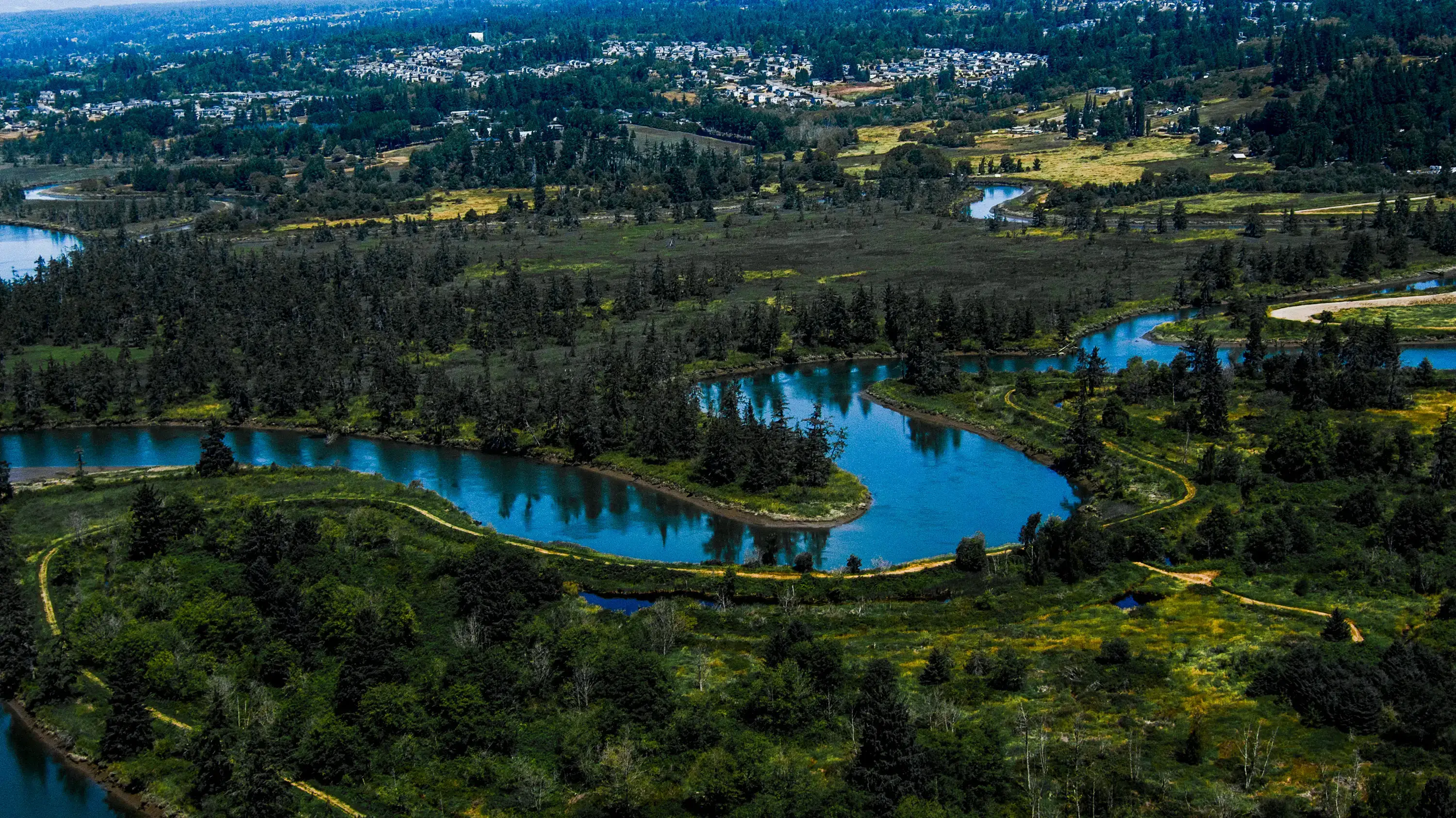
Mill Creek doesn't have a lake inside its own city limits, but it has something almost as useful: Silver Lake sits immediately adjacent to the city's Silver Lake neighborhood, just across the Everett boundary. It functions as the local neighborhood lake for Mill Creek residents in a way that the jurisdictional line doesn't change.
Silver Lake: The Neighborhood Fishing Spot
At roughly 99 acres, Silver Lake is a genuine lake rather than a pond, and the Washington Department of Fish and Wildlife stocks it with Rainbow Trout. Resident Rock Bass round out the catch for anglers who know the lake well. There's no developed boat launch — motorized boats are effectively out — but public access is available through City of Everett parks on the lake's perimeter.
The City of Everett has monitored Silver Lake's water quality continuously since 1989 and hires divers annually to hand-pull invasive Eurasian watermilfoil from the swimming areas. For families in the Silver Lake neighborhood, this is where summer afternoons happen — close enough to walk or bike from nearby streets.
The catch for newcomers: parking at the access parks is limited on warm summer weekends, and the lake is popular enough with South Everett residents that it can feel crowded on a sunny Saturday in July. Going early or on weekdays solves most of that.
Penny Creek and the Nature Preserve
Penny Creek flows through a nature preserve adjacent to the Mill Creek Country Club corridor — one of the original design elements when the community was laid out around the golf course. The creek corridor forms part of the continuous riparian habitat that makes the North Creek Greenway ecologically functional, and herons work the creek edges regularly.
For residents who prioritize proximity to moving water and tree cover without driving anywhere, the creek preserves and the North Creek corridor deliver that in a way that most Puget Sound suburbs at this price point don't.
Looking to buy in Mill Creek? Estimate your payment.
Enter your numbers to see an estimated monthly mortgage payment.
Estimate only. Excludes HOA fees and mortgage insurance. The interest rate above is a starting point, not a quoted rate — replace it with your own to see real numbers. Insurance is a flat placeholder, not a Mill Creek quote.
Seasonal Recreation: What Each Season Actually Looks Like
One of the things that surprises people who move to Mill Creek from drier climates is that the outdoor season never fully shuts down — it just changes character. The trails don't close in January. The sports park lights up at 6 p.m. in November. The rhythms are different from Arizona or California, but they're consistent once you learn them.
Fall and Winter: Darker, But Not Stopped
October through February is when the Pacific Northwest's reputation for gray weather earns its name. Rainfall peaks, daylight drops to under nine hours in December, and the trails along North Creek get genuinely muddy in heavy rain weeks. Most residents who stay active through winter shift to the paved sections of the trail network and lean on the lighted facilities at Sports Park.
What newcomers from sunnier regions don't expect: snow is rare enough in Mill Creek proper that a two-inch accumulation is a genuine local event. If you keep going out, you often have the trails nearly to yourself from January through February.
Spring and Summer: The Payoff
March is when the outdoor investment pays off visibly. The North Creek corridor greens up fast, the Sports Park fields see their first tournament weekends, and the floating boardwalk at North Creek Park becomes worth the trip again after the wetland fills from winter rain. Silver Lake fishing stays productive into late spring when summer heat starts pushing fish deeper in shallower lakes.
Summer runs warm and dry from roughly late June through September. The trails are at their best: dry, shaded by the tree canopy, and comfortable for morning runs even when temperatures reach the mid-80s. The one consistent friction point is weekend traffic on the Bothell-Everett Highway corridor during tournament weekends at Sports Park — residents near the park learn to plan errands around the tournament schedule.
| Season | Trail Conditions | Water Recreation | Organized Sports | Insider Note |
|---|---|---|---|---|
| Fall (Sep–Nov) | Good through October; muddy by November | Silver Lake fishing stays active | Soccer season peak; skate park busy | October is the best trail month of the year |
| Winter (Dec–Feb) | Paved sections usable; natural trails muddy | Silver Lake quiet; fishing slow | Indoor shift; Sports Park lights key | Trails emptier than they should be — use them |
| Spring (Mar–May) | Improving; boardwalk fully accessible | Fishing picks up April–May | Baseball/softball season; tournaments start | Wetland birdwatching peaks in March–April |
| Summer (Jun–Sep) | Excellent; dry and shaded | Silver Lake swimming and fishing popular | Tournament weekends; skate park busy | Sports Park tournaments = highway congestion |
The through-line across all four seasons is that Mill Creek's outdoor infrastructure was built into the city's DNA from day one — not retrofitted green space, and it shows in how consistently usable it is.
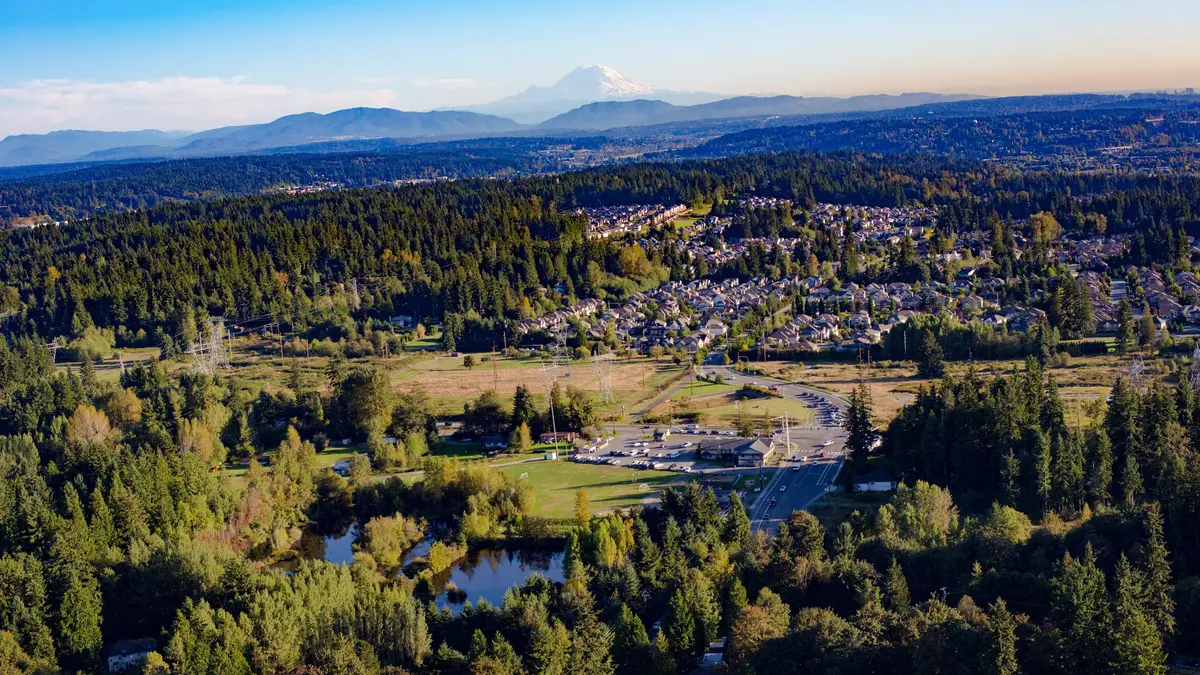
Local Expert Takeaway: Mill Creek's parks and trails aren't a selling point that exists in brochures and nowhere else — the North Creek Greenway genuinely threads through the city in a way that puts most homes within a short walk of tree cover and moving water. The floating boardwalk at North Creek Park is the kind of thing you bring visiting family to show them what the city is actually like. If you move here for the trails and then find that Sports Park gets congested on tournament weekends in summer, that's the full trade-off in miniature: serious outdoor infrastructure comes with the organized recreation crowds that a well-used park system attracts.
Quick Takeaways & FAQs
✅ Mill Creek has over 23 miles of maintained nature trails connected to a regional network that links south to Bothell — genuinely more trail than most Snohomish County cities its size.
⚠️ The North Creek Regional Trail's later phases have no confirmed construction timeline as of mid-2026, so the full connection to the broader Sammamish River Trail corridor is a future benefit, not a current one.
📍 The floating boardwalk at North Creek Park — three-quarter mile of interlocking sections over an active wetland — is one of the more unusual park features in the Puget Sound suburbs and worth the visit even on a cloudy January afternoon.
How many miles of trails does Mill Creek, WA actually have?
Can you swim or fish at Silver Lake near Mill Creek?
Is Mill Creek Sports Park open to the public, or is it for organized leagues only?
When will the North Creek Regional Trail be fully connected to Bothell?
What is the floating boardwalk at North Creek Park in Mill Creek?
Moving to Washington?
Tell us what you need help with and we'll connect you with local resources.
