
Most Seattle-area suburbs sell themselves on commute time. Burien sells itself on something harder to find: a working-class city of 52,000 people where you can watch orcas from a public beach, walk forested bluffs above Puget Sound, and be back at your kitchen table within 20 minutes of downtown Seattle. That combination — genuine wildness at the edge of a dense metro — is what surprises people after they move here. Nobody told them the park system was this good.
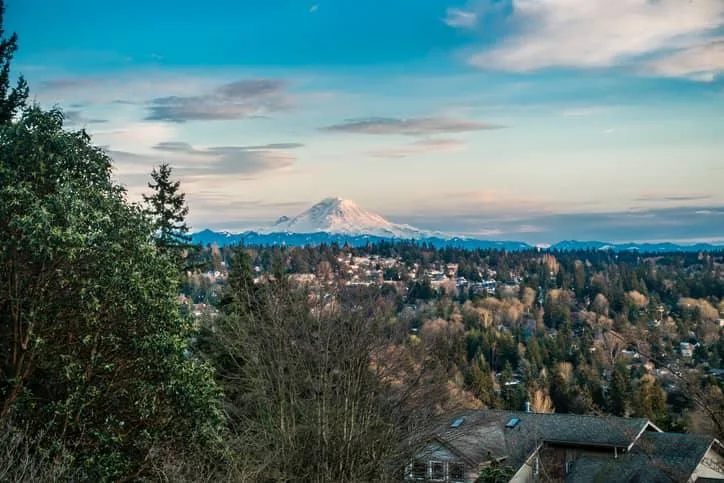
Burien's Parks, Recreation and Cultural Services department — known locally as PaRCS — manages 29 park sites covering more than 365 acres of open space, plus a Community Center and the Moshier Art Center. The 2024–2030 Parks, Recreation and Open Space Plan, adopted by the City Council in March 2024, locks in a six-year framework for park improvements and makes the city eligible for state and federal grant funding. The system punches well above its weight for a city this size, ranging from a 178-acre saltwater park on the Sound to quiet neighborhood greens with clear sightlines to the Cascade Range on clear days.
The honest caveat: Burien's outdoor recreation story is heavily weighted toward its western edge. Seahurst Park and the Three Tree Point shoreline are exceptional. The inland neighborhoods — Gregory Heights, Five Corners, Boulevard Park — have solid neighborhood parks but nothing that competes with the waterfront for scale or drama. If proximity to Seahurst matters to you, neighborhood location matters too; see the neighborhoods page for how that plays out in practice.
Whether you're evaluating Burien as a place to live or already here and trying to figure out what to do on a Saturday, the sections below walk through the signature parks, the trail and creek corridor, the athletic facilities, and the year-round programs that make Burien's recreation system worth understanding before you buy.
Seahurst Park: Burien's Puget Sound Centerpiece
Seahurst (Ed Munro) Park at 1600 SW Seahurst Park Road is the kind of park that stops people mid-sentence when they first see it. From the parking lot, you're looking out at the Olympic Peninsula across the water. From the beach, you're standing on 2,000 feet of Puget Sound shoreline — wet sand, cobble patches, and eelgrass beds stretching in both directions.
What You're Actually Getting
The park covers 178 acres, with the elevation climbing to 425 feet at the eastern ridge — a rise that means the forested interior trails feel nothing like a flat suburban greenway. There are stream crossings, wetland pockets, and second-growth Douglas fir dense enough to muffle the sound of anything outside the park boundary.
The beach itself is the draw for most visitors. Volunteer naturalists rotate through on weekends to explain what's living in the eelgrass and on the cobble. Otters, harbor seals, and porpoises are genuinely common sightings. Orca passes happen, though not on a schedule anyone can promise you.
The Parking Reality
The upper lot holds 184 vehicles plus 5 accessible stalls in the lower lot near the beach. On summer weekends — particularly July and August — that upper lot fills before 10 a.m. The walk from upper lot to beach runs about 10 minutes downhill, which means 10 minutes back up with wet kids and a cooler. Arriving before 9 a.m. or on a weekday completely changes the experience.
Picnic shelters are reservable through the city's PaRCS department, which matters if you're planning a family gathering rather than a spontaneous trip. The playground area and multiple trailheads make this work as an all-day destination, not just a beach stop.
A Seasonal Note Newcomers Miss
Low tides in late spring and early summer expose much more of the cobble and eelgrass flat, making those months the best for beach exploration and wildlife watching. The tradeoff is that school is still in session through mid-June, so the beach crowd is lighter. Mid-July through Labor Day brings the most visitors — and the most competition for parking.
Best for: Families Nature ViewsMiller Creek Trail and Arbor Lake: Burien's Freshwater Corridor
The Miller Creek corridor is Burien's inland answer to Seahurst — quieter, more utilitarian, and significantly improved after a major restoration effort wrapped up in fall 2025. The trailhead at 14455 Des Moines Memorial Drive connects to a path running north to South 140th Street, with boardwalks over wet sections, interpretive signage on water quality and salmon biology, park benches at intervals, and picnic tables scattered along the route.
The Restoration That Changed the Creek
A $3.5 million stream restoration project — a three-way partnership between Burien, SeaTac, and the Port of Seattle — was substantially completed in fall 2025. The project replaced two fish-passage barriers that had blocked salmon migration for decades, added 450 feet of new salmon habitat, and restored 1.4 acres of floodplain. The improved trail amenities came alongside the ecological work.
This is a meaningful upgrade, not a cosmetic one. Coho and Chinook salmon now have continuous passage through a stretch that was previously blocked. If you walk the trail in October or November, you may see returning salmon in the creek — something that wasn't reliably possible before 2025.
Arbor Lake: The Headwaters Park
At 12380 2nd Avenue S., Arbor Lake Park covers 8.5 acres around the small lake that feeds Miller Creek from the north. It's the freshwater counterpoint to Seahurst's saltwater beach — lower-key, better for a quiet weekday walk than a summer weekend outing, and underused by most Burien residents who gravitate toward the Sound.
One thing worth knowing upfront: Lake Burien, the 44-acre freshwater lake that gives the Lake Burien neighborhood its name, has no public access. It's publicly owned but completely ringed by private property, with no boat ramp, no beach, and no shoreline trail. New residents in that neighborhood sometimes assume otherwise. Arbor Lake is the accessible freshwater option.
Who Uses This Corridor
The Miller Creek Trail draws a weekday crowd of dog walkers, joggers, and parents with strollers more than weekend hikers. It's not a destination trail — it's a neighborhood asset, the kind of path that makes a two-mile loop possible without hitting a sidewalk or a traffic light. The small parking lot at the Des Moines Memorial Drive trailhead is rarely full outside of organized volunteer clean-up events.
Best for: Nature Quiet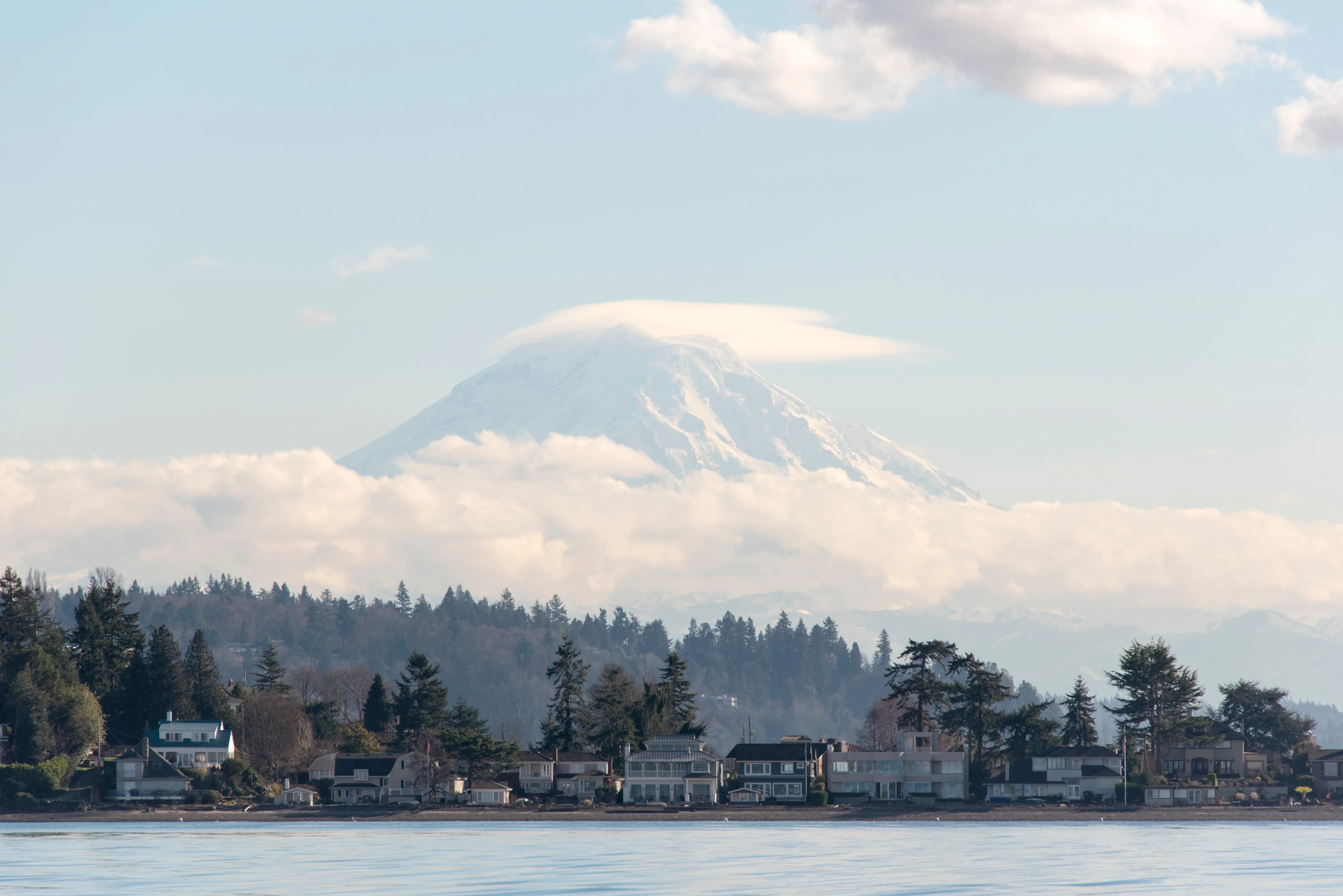
Athletic Parks, Neighborhood Greens, and the Field Sports Hub
Seahurst and Miller Creek get the most attention, but the day-to-day recreational life of most Burien families runs through Moshier Memorial Park, Chelsea Park, and the network of neighborhood greens distributed across the city's residential areas.
Moshier Memorial Park
At 430 S 156th Street, Moshier Memorial Park is Burien's organized-sports headquarters. The 15.2-acre site holds developed soccer fields, a baseball diamond, and a softball field — the main venue for youth leagues and adult recreational sports in the city. The Moshier Art Center sits on the same grounds, which makes this an unusual combination of athletic and cultural programming in one location.
For families with kids in youth sports leagues through Highline Public Schools or independent leagues, Moshier is where most Saturday mornings are spent from March through October. It's not a passive-recreation park — there's almost always a game or a practice happening on the fields during daylight hours in the active season.
Chelsea Park and the Neighborhood Tier
Chelsea Park at 802 SW 137th Street offers something most athletic parks don't: a clear sightline to the Cascade Range to the east on days when the clouds lift. The view isn't guaranteed — the peaks hide behind cloud cover more often than not — but on a clear October afternoon after a front passes through, it's the kind of thing that makes locals stop mid-practice and point.
The park includes a softball and baseball field, a soccer field, and play equipment, making it a functional neighborhood option without the scheduling intensity of Moshier. It's the park where informal pickup games happen and where parents push strollers on paths that don't require committing to a full trail loop.
The System at a Glance
| Park | Size | Key Features | Best Use |
|---|---|---|---|
| Seahurst (Ed Munro) Park | 178 acres | 2,000-ft Puget Sound beach, forested trails, picnic shelters, playground | Beach, hiking, wildlife watching |
| Moshier Memorial Park | 15.2 acres | Soccer, baseball, softball fields; Moshier Art Center | Organized youth and adult sports |
| Arbor Lake Park | 8.5 acres | Small freshwater lake, headwaters of Miller Creek | Quiet walks, nature observation |
| Chelsea Park | N/A | Baseball/softball field, soccer field, play equipment, Cascade Range views | Neighborhood recreation, pickup games |
| Miller Creek Trail | Linear corridor | Boardwalks, interpretive signage, restored salmon habitat, picnic tables | Walking, jogging, wildlife corridor |
| 29 sites total | 365+ acres | Neighborhood playgrounds, greens, and open space distributed citywide | Day-to-day neighborhood use |
The geographic spread matters: parks on the western edge of Burien (Seahurst, the Shorewood and Three Tree Point areas) serve a different daily need than the inland parks around Gregory Heights or Five Corners. If outdoor access is a deciding factor in where within Burien you buy, the western neighborhoods hold the stronger hand.
Best for: Families School-Age KidsLooking to buy in Burien? Estimate your payment.
Enter your numbers to see an estimated monthly mortgage payment.
Estimate only. Excludes HOA fees and mortgage insurance. The interest rate above is a starting point, not a quoted rate — replace it with your own to see real numbers. Insurance is a flat placeholder, not a Burien quote.
Year-Round Programs, Seasonal Recreation, and What to Expect
Burien's PaRCS department runs a deeper program calendar than most comparably sized cities in King County. The range is broad enough that it rarely gets talked about — residents tend to discover it by accident rather than because anyone pointed them to it on arrival.
What the Programs Actually Cover
The year-round lineup spans fitness classes including Zumba, yoga, tai chi, Pilates, and the EnhanceFitness program designed for older adults; dance in multiple styles (ballet, tap, hip-hop, ballroom); ceramics and painting at the Moshier Art Center; Tae Kwon Do; and organized soccer for youth. Summer day camps run through July and August, filling quickly for families with school-age kids who need structured weekday programming.
One practical detail worth knowing: the city offers 50% matching scholarships for youth and teen program fees for Burien residents. For a household weighing activity costs alongside other expenses, that's a meaningful offset — and it's not widely advertised. The PaRCS department is the right first call for eligibility details.
Seasonal Patterns on the Ground
Summer brings the most pressure on Seahurst Park and the most programming through PaRCS. Fall is genuinely underrated — the Miller Creek salmon run, dramatic views on clear days after October rain, and dramatically thinner crowds at Seahurst make September through November a strong season for outdoor use. The cobble beach at Seahurst in November, with the Olympics lit by low-angle light and almost nobody else on the sand, is a different experience than the same beach in August.
Winter doesn't shut Burien's parks down. The forested trails at Seahurst stay hikeable through most of the wet season — the canopy keeps the worst of the rain off, and the beach is navigable in a rain jacket. What winter does close is the upper parking lot on the rare days of ice or snow accumulation, which happens a handful of times each winter given the park's elevation.
The Post-Activity Decompression Stop
After a long trail day or a Saturday of youth sports at Moshier, the Logan Brewing Company taproom on SW 151st Street has become the reliable post-activity stop for a segment of Burien's outdoor crowd. It's a neighborhood brewery, not a destination experience — which is exactly right for a city where most recreation happens within a short drive of most front doors.
What Nobody Tells You Before You Move Here
Six months in, most Burien newcomers say the same thing: they underestimated how much the park system would shape their weekly routine. Seahurst isn't a place you visit once. It's where you go on Sunday morning before the crowds, where you take every out-of-town visitor, and where you end up on your lunch break more often than you planned. The park that looked like a nice amenity on the listing sheet becomes something closer to infrastructure.
Best for: Families New Residents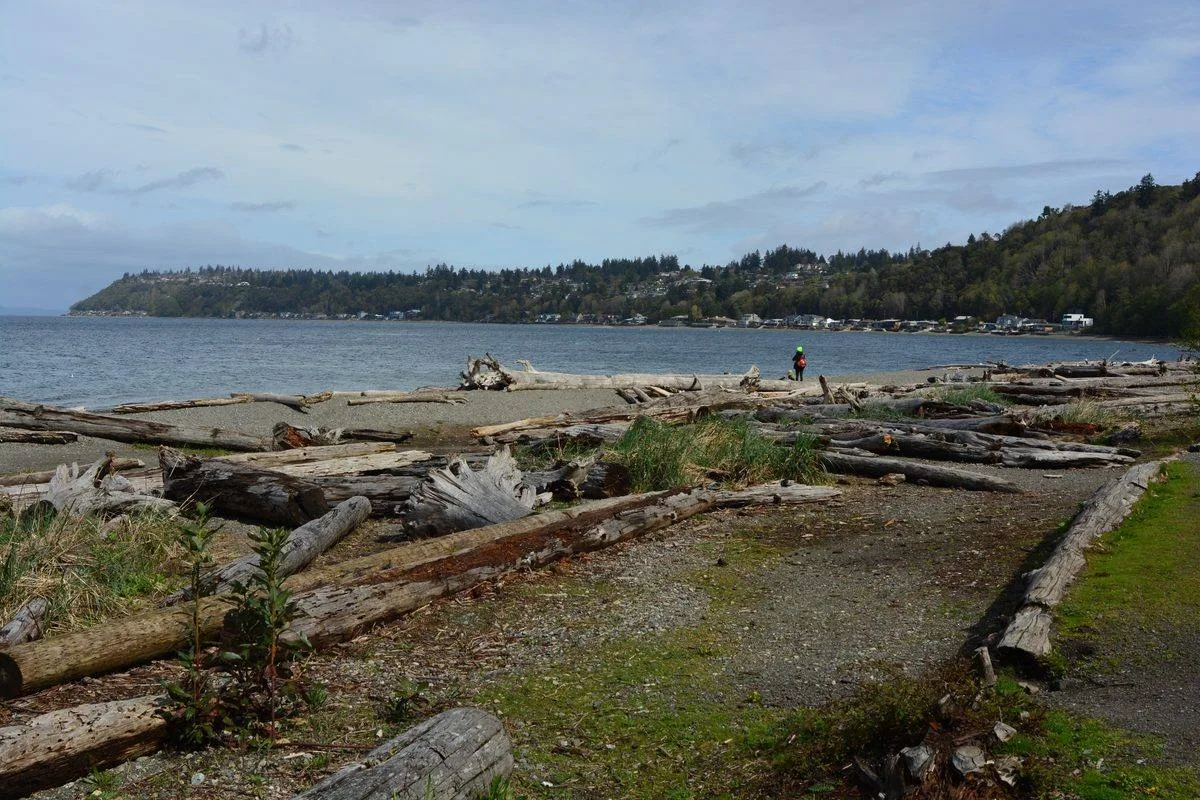
Local Expert Takeaway: Burien's park system is strongest on its western edge, and Seahurst Park is the reason. The 178-acre property at 1600 SW Seahurst Park Road delivers 2,000 feet of Puget Sound beach, Olympic Peninsula views, forested bluff trails, and genuinely regular wildlife sightings — all within 20 minutes of downtown Seattle. The Miller Creek corridor, upgraded significantly by the $3.5 million restoration completed in fall 2025, adds a walkable salmon-habitat trail through the city's interior. For organized sports, Moshier Memorial Park on S 156th Street is the hub. And for anyone new to Burien: go to Seahurst on a Tuesday morning before the rest of the metro discovers what you have access to.
Quick Takeaways & FAQs
✅ Seahurst Park's 2,000-foot Puget Sound beach and forested bluff trails make Burien's western edge one of the most compelling park settings in the entire Seattle metro.
⚠️ Lake Burien the lake has no public shoreline access despite being publicly owned — residents in that neighborhood rely on Arbor Lake Park and Seahurst, not the lake visible from their streets.
📍 The $3.5 million Miller Creek restoration, completed fall 2025, reopened salmon passage through the city's inland creek corridor and added boardwalks and improved trail amenities that make it genuinely worth walking.
Is Seahurst Park free to visit?
Can you swim at Seahurst Park's beach?
Is there public access to Lake Burien for kayaking or swimming?
What changed on the Miller Creek Trail after the 2025 restoration?
Does Burien have recreation programs for kids, and are there financial assistance options?
Moving to Washington?
Tell us what you need help with and we'll connect you with local resources.
