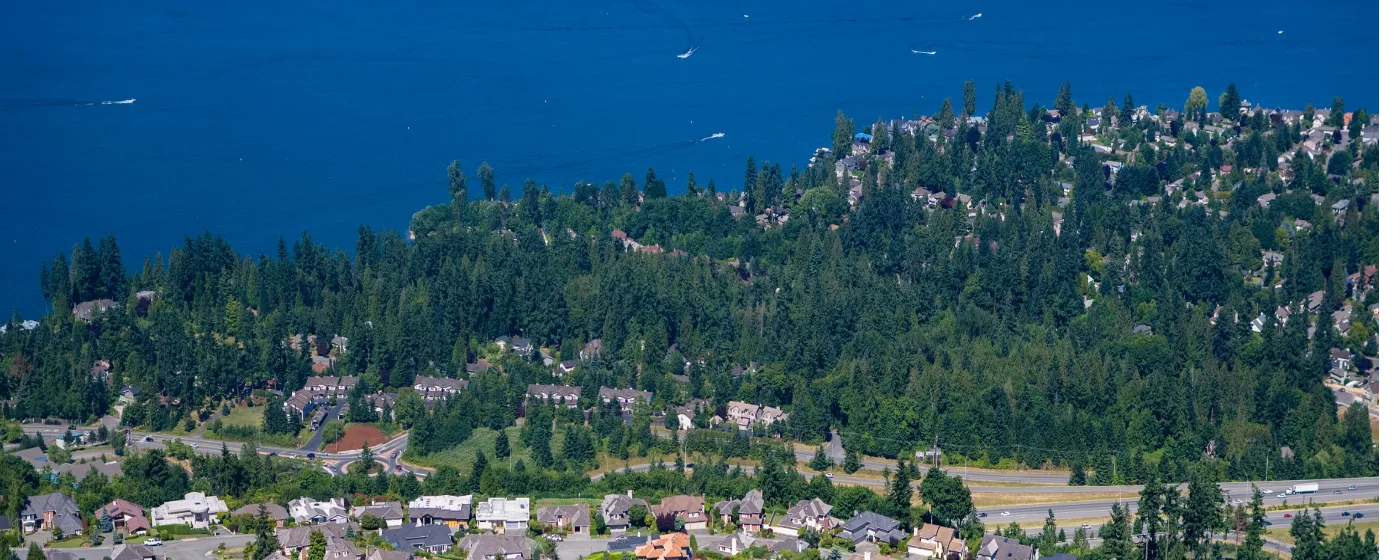
Most people researching Issaquah lead with schools or commute times. What they underestimate — until they've actually lived here — is how much of daily life revolves around the mountains sitting directly above town. The Issaquah Alps aren't a marketing phrase. They're three connected ridges — Cougar Mountain, Squak Mountain, and Tiger Mountain — that form a wall of protected wildland starting less than a mile from downtown, and they shape how residents spend their weekends, their after-work hours, and their Saturday mornings from October through June when the rain keeps most of the Pacific Northwest indoors but the trails here stay open.
On the water side, Lake Sammamish State Park — a 531-acre day-use park sitting just off Interstate 90 at the south end of the lake — draws more than two million visitors per year, a visitation figure that rivals Mount Rainier. That number surprises people until they see it in person: two full swimming beaches, boat ramps, kayak and paddleboard rentals, over 475 picnic tables, and a great blue heron rookery tucked into the wetlands along the shore. Add the Issaquah Salmon Hatchery on West Sunset Way — free, open every day of the year, and the most-visited Washington Department of Fish and Wildlife hatchery in the state — and the outdoor amenity stack here is genuinely unusual for a city of roughly 40,000 people.
The seasonal calendar matters more here than in most Seattle suburbs. Fall spawning runs at the hatchery draw crowds from late August through November. Summer weekends at Lake Sammamish fill the parking lots by mid-morning. The trails on Cougar Mountain are hikeable year-round but genuinely muddy from November through March, and the bomb cyclone that came through in November 2024 took down several landmarks, including Squak Mountain's well-known Pretzel Tree. Living here means calibrating your outdoor plans to current trail conditions — which locals treat as completely normal and newcomers find slightly disorienting at first.
Whether you're considering a move to Issaquah or already have a lease signed, the sections below break down the Issaquah Alps trail system, Lake Sammamish State Park, the salmon hatchery, and the seasonal recreation patterns that make outdoor life here genuinely different from the suburbs on either side of it.
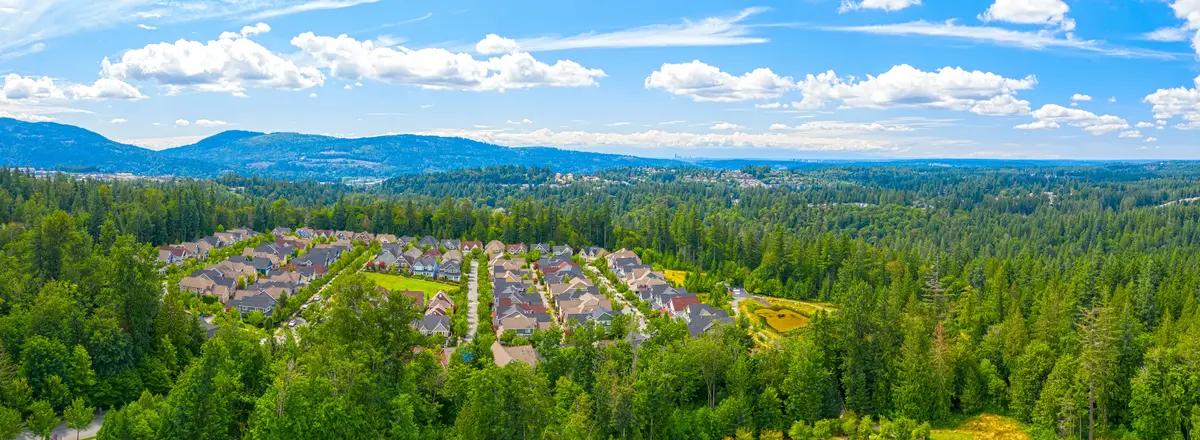
The Issaquah Alps: Cougar Mountain, Squak Mountain, and What 5,000 Acres Actually Means
The term 'Issaquah Alps' refers to three connected ridgelines — Cougar Mountain, Squak Mountain, and Tiger Mountain — that together form one of the largest protected wildland blocks in the greater Seattle metro. The two you can access most directly from Issaquah proper are Cougar and Squak, linked by the Cougar-Squak Corridor Park and forming roughly 5,000 acres of contiguous public land.
Cougar Mountain Regional Wildland Park
Cougar Mountain is the anchor. At 3,115 acres, it's managed by King County Parks and carries 38 miles of hiking trails and 12 miles of equestrian trails — and zero miles open to bicycles. That last detail frustrates mountain bikers but keeps the trail experience noticeably quieter than comparable parks in the region. The park is free to enter, open daily from 8 a.m. to dusk, and requires no Discover Pass.
The terrain ranges from 1,000 to 1,600 feet in elevation and covers mature second-growth forest, streams, wetlands, and cliffs. What many newcomers don't expect is the coal-mining history embedded in the landscape. The park's trails pass through areas with genuine historical remnants — old mine shafts and spoil heaps — which is why King County Parks emphasizes staying on marked trails. Wandering off-trail here carries real hazards, not just a scolding.
Squak Mountain State Park
Squak Mountain is smaller at 1,570 acres but climbs higher. The West Peak summit reaches 1,995 feet, and on clear days you get views of Lake Sammamish and the North Cascades that justify the effort. Trails here cover 13 miles of hiking and 6 miles of equestrian use; like Cougar Mountain, bikes are out. Unlike Cougar Mountain, Squak requires a Discover Pass for vehicle access — now $45 annually as of October 1, 2025.
Highlights include Debbie's View (a named overlook that earns its reputation on a clear morning) and the historic Bullitt fireplace, a 1952 stone structure in the forest that newcomers reliably find jarring in the best way. The Pretzel Tree — a gnarled old landmark along the interpretive trail — came down in the November 2024 bomb cyclone; the trail itself remains open, but don't expect to find it.
| Park | Acres | Hiking Miles | Equestrian Miles | Bikes Allowed | Entry Fee |
|---|---|---|---|---|---|
| Cougar Mountain Regional Wildland Park | 3,115 | 38 | 12 | No | Free |
| Squak Mountain State Park | 1,570 | 13 | 6 | No | Discover Pass ($45/yr) |
| Cougar-Squak Corridor Park | ~300 (connecting link) | Included above | Included above | No | Free |
Together these parks give Issaquah residents a trail network that would be the headline amenity of any other suburb. Here it's just where people go after work on a Tuesday.
Lake Sammamish State Park: Two Million Visitors and a Heron Rookery
Lake Sammamish State Park sits at the south end of the lake, just off I-90, and its numbers are almost implausibly large for a city park: 531 acres, more than two million annual visitors, over 475 picnic tables, two full swimming beaches, multiple boat ramps, and kayak and paddleboard rentals available from the beach. This is a state-managed day-use park, which means it's maintained at a scale and standard that most city-run parks can't match.
Sunset Beach and Tibbetts Beach
The two swimming areas — Sunset Beach on the north end of the park and Tibbetts Beach to the south — are the defining summer experience in Issaquah. Both have lifeguards during summer hours, seasonal concessions, and restroom facilities. Sunset Beach Café operates on-site. Tibbetts Beach tends to attract a slightly more local crowd; Sunset Beach gets more of the I-90 traffic from outside the area.
One detail that sets this park apart from most: free adaptive bike rentals — recumbent trikes, handcycles, and tandems — are available at the Sunset Beach bath house from May 1 through September 30, 10 a.m. to 6 p.m. It's a genuinely useful program that the park doesn't advertise loudly enough.
What Locals Know About Trail Access
The park's trail network connects Issaquah Creek and Tibbetts Creek to the main beach areas — but both the Issaquah Creek bridge and the Tibbetts Creek bridge are currently closed due to erosion from the winter 2024–25 high water event. Check current conditions before planning a trail loop; the Washington State Parks website is the most reliable source. The Homestead Trail is also separately closed due to a trail washout as of mid-2026.
The ecological side of the park is worth knowing: three salmon-bearing creeks run through the property, and the great blue heron rookery in the wetlands near the north end of the park is one of the more unexpected wildlife encounters available within the city limits. Deciduous forest and wetland vegetation ring the water edges, making this feel less like a beach park and more like a functioning watershed you happen to be allowed to swim in.
| Feature | Detail |
|---|---|
| Total acreage | 531 acres |
| Annual visitors | More than 2 million |
| Swimming beaches | Sunset Beach and Tibbetts Beach |
| Picnic tables | Over 475 |
| Rentals available | Kayaks, paddleboards, adaptive bikes (May–Sep) |
| Wildlife | Great blue heron rookery, three salmon-bearing creeks |
| Current closures (mid-2026) | Issaquah Creek bridge, Tibbetts Creek bridge, Homestead Trail |
Summer weekend parking fills by mid-morning — not an exaggeration. If you're coming from inside Issaquah, the bike path along Issaquah Creek offers an alternative that most drive-in visitors don't know about.
The Issaquah Salmon Hatchery: A Local Institution Worth Taking Seriously
The Issaquah Salmon Hatchery at 125 West Sunset Way is not the kind of attraction you expect to find two blocks from a downtown coffee shop. Built in 1936–37, it's the most-visited Washington Department of Fish and Wildlife hatchery in the state, drawing approximately 350,000 visitors per year. Admission is free, and it's open every single day of the year from dawn to dusk.
The facility is more substantive than most people expect. Thirty-seven educational exhibits, an aquarium room showing the salmon life cycle from egg to smolt, 18 raceway ponds, a fish ladder with underwater viewing windows, and a viewing bridge over Issaquah Creek. From spring through fall, you can feed juvenile trout in the rearing ponds — which is, genuinely, the thing that keeps people coming back with their kids multiple times a year rather than treating it as a one-time visit.
The Fall Spawning Season
Fall is when the hatchery becomes something else entirely. Chinook salmon arrive first, spawning through mid-October. Coho follow from late September through November. The concentration of returning adult salmon in Issaquah Creek — visible from the viewing bridge — draws crowds that surprise newcomers who assumed the draw was a few fish behind glass. Some years the creek runs so thick during peak weeks that you can count dozens of fish from the bridge without moving.
In spring the release runs the other direction: approximately 500,000 yearling coho and 3 million juvenile Chinook go into Issaquah Creek, headed for Puget Sound. If you time a visit right in late April or early May, you can watch the release itself.
After six months here, most newcomers name the hatchery as the thing that surprised them most — not the mountains, not the lake, but this free, perpetually busy facility in the middle of town that functions simultaneously as a working fish production facility, a wildlife education center, and an informal gathering place for the neighborhood. On a Saturday morning in October, the crowd around the viewing bridge skews young families, visiting grandparents, and people who've been coming for twenty years and still stop by.
Looking to buy in Issaquah? Estimate your payment.
Enter your numbers to see an estimated monthly mortgage payment.
Estimate only. Excludes HOA fees and mortgage insurance. The interest rate above is a starting point, not a quoted rate — replace it with your own to see real numbers. Insurance is a flat placeholder, not a Issaquah quote.
Seasonal Recreation: What the Outdoor Calendar Actually Looks Like
Issaquah's outdoor life doesn't pause in winter — but it shifts. The trails on Cougar Mountain and Squak Mountain are hikeable twelve months a year, and the rain between November and March keeps them green and uncrowded on weekdays in a way that summer visitors never see. The trade-off is genuine mud from November through March, and anyone moving here from a drier climate will need waterproof trail shoes faster than they think.
Spring
April and May bring the salmon smolt releases at the hatchery and the return of paddleboard and kayak rentals at Lake Sammamish. The adaptive bike program at Sunset Beach opens May 1. Trail conditions on the Alps improve quickly once the worst of the rain passes, and the wildflowers on Squak Mountain's upper slopes are worth the climb in late April and early May.
Summer
Summer centers on Lake Sammamish State Park, and the parking situation there requires genuine planning. The lots fill by mid-morning on weekends from late June through August — locals who know the park's rhythm either arrive before 9 a.m. or use the bike path along Issaquah Creek from downtown. Both beaches operate with lifeguards and concessions. Boating and waterskiing pick up on the lake proper; the state park's boat ramps handle a mix of personal watercraft, fishing boats, and car-top kayaks.
Fall
Fall is the season people who've lived here longest tend to name as their favorite. The hatchery spawning runs turn Issaquah Creek into something worth walking down to see, the Alps trails shed their summer crowds, and the Douglas fir and big-leaf maple mix on Cougar Mountain colors up in a way that's more subtle than a Vermont fall but entirely its own thing. The November bomb cyclone that came through in 2024 was a reminder that fall weather here can turn fast — the kind of storm that takes down old-growth landmarks and closes trails for months afterward.
Winter
Winter doesn't stop outdoor life in Issaquah so much as redirect it. The Alps are less crowded, the hatchery is quieter, and North Bend — about 15 miles east on I-90 — serves as the gateway to Snoqualmie Pass skiing. Most Issaquah residents treat the ski resorts on the pass as a practical weekend option rather than a special occasion. For youth sports and indoor recreation programming, see the Issaquah schools page for district and community program details.
| Season | Signature Activity | Local Tip |
|---|---|---|
| Spring (Apr–May) | Salmon smolt release, Alps wildflowers, adaptive bike program opens | Hatchery releases peak late April; call ahead for exact dates |
| Summer (Jun–Aug) | Lake Sammamish swimming, kayaking, waterskiing | Arrive at the park before 9 a.m. on weekends or bike in from downtown |
| Fall (Sep–Nov) | Chinook and coho spawning runs at the hatchery | Peak Chinook viewing: late September through mid-October from the viewing bridge |
| Winter (Dec–Mar) | Uncrowded Alps trails, Snoqualmie Pass skiing 15 miles east | Waterproof trail shoes are non-negotiable; mud is real |
What Issaquah's outdoor calendar teaches new residents is that the city's recreation value isn't seasonal — it's just different in each season, and learning that rhythm is most of the adjustment period.
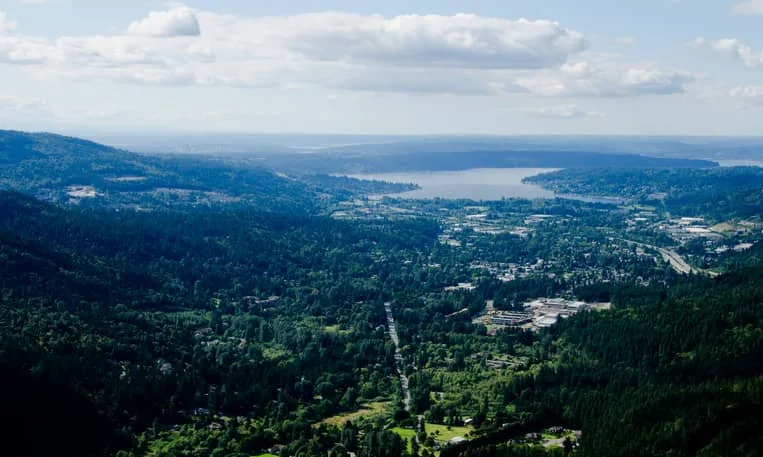
Local Expert Takeaway: The thing most people moving to Issaquah don't fully price in until month three is how accessible all of this is on a weeknight. Cougar Mountain's Coal Creek Trail trailhead is a short drive from downtown; the Issaquah Salmon Hatchery at 125 West Sunset Way is a ten-minute walk from Gilman Village and open every day of the year; Lake Sammamish State Park is two miles from the I-90 interchange. You don't plan special trips to these places — you use them the way you'd use a neighborhood park. After Issaquah Coffee Company on NW Gilman Blvd for a morning cup, you're on a Squak Mountain trail in twenty minutes. That proximity is the city's real outdoor advantage over Bellevue or Sammamish, and it's the thing that keeps people from leaving once they've calibrated to it.
Quick Takeaways & FAQs
✅ Issaquah is surrounded by more than 5,000 acres of contiguous protected wildland — Cougar Mountain and Squak Mountain alone offer 51 miles of hiking trails accessible from within city limits.
⚠️ Lake Sammamish State Park's Issaquah Creek and Tibbetts Creek bridges are both closed as of mid-2026 due to winter flood damage — check Washington State Parks for current conditions before planning a trail loop.
📍 The Issaquah Salmon Hatchery at 125 West Sunset Way is free, open 365 days a year, and during fall spawning season the Chinook and coho runs visible from the viewing bridge are one of the genuinely surprising things about living here.
Is Lake Sammamish State Park crowded in summer?
Do I need a Discover Pass to hike in the Issaquah Alps?
When is the best time to see salmon at the Issaquah Salmon Hatchery?
Can mountain bikers use the Cougar Mountain or Squak Mountain trails?
What trails or bridges are currently closed at Lake Sammamish State Park?
Moving to Washington?
Tell us what you need help with and we'll connect you with local resources.
