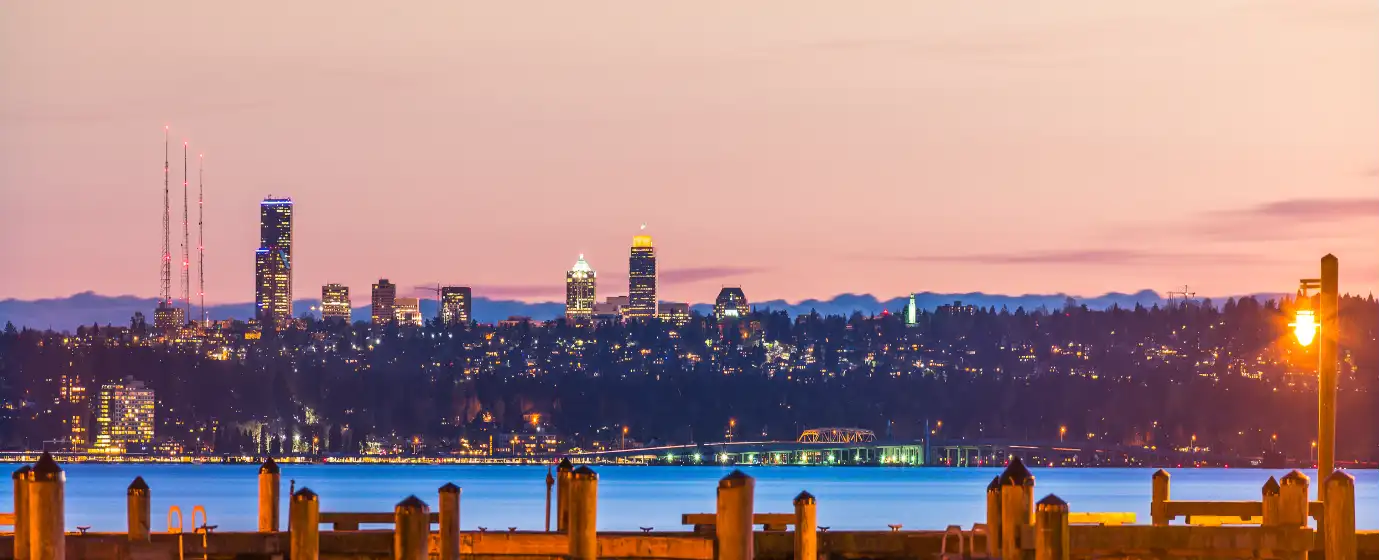
Most people who move to Kirkland from inland cities expect a pleasant suburban park system — a few grass fields, maybe a playground. What they find instead is a city where Lake Washington defines the recreational calendar from May through September, a 482-acre old-growth forest sits inside city limits, and a converted rail line connects nearly every neighborhood on foot or by bike. The outdoor infrastructure here is genuinely disproportionate to Kirkland's size, and locals treat it that way.
The geography helps. Kirkland occupies a long stretch of Lake Washington's northeastern shoreline, which means waterfront access isn't concentrated in one corner of town — it shows up in Juanita to the north, in the downtown waterfront district along the central waterfront, and at smaller pocket parks in between. The Cross Kirkland Corridor (CKC) stitches these neighborhoods together on a former railbed, running 5.75 miles from the South Kirkland Park & Ride north through downtown and up to Totem Lake. That trail is what turns Kirkland's parks from a collection of destinations into an actual network.
Summers here are reliably dry and warm enough that the outdoor swimming season at both Peter Kirk Pool and Juanita Beach Park fills up fast — weekends at Juanita Beach Park, Kirkland's busiest waterfront park, can feel genuinely crowded by July. The trade-off is that from November through March, the trails stay rideable and hikeable but the lake-facing parks go quiet, and newer residents sometimes underestimate how much the recreation culture here is built around those four dry months. Kirkland's waterfront is also mid-renovation: a phased redevelopment running through 2027 is expanding park footprints, adding public art, and upgrading marina infrastructure, so the waterfront you visit in 2025 will look meaningfully different by 2027.
Whether you're considering a move or just researching the area, the sections below break down Kirkland's signature waterfront parks, its trail network, its nature preserves, and what seasonal recreation actually looks like here day to day.
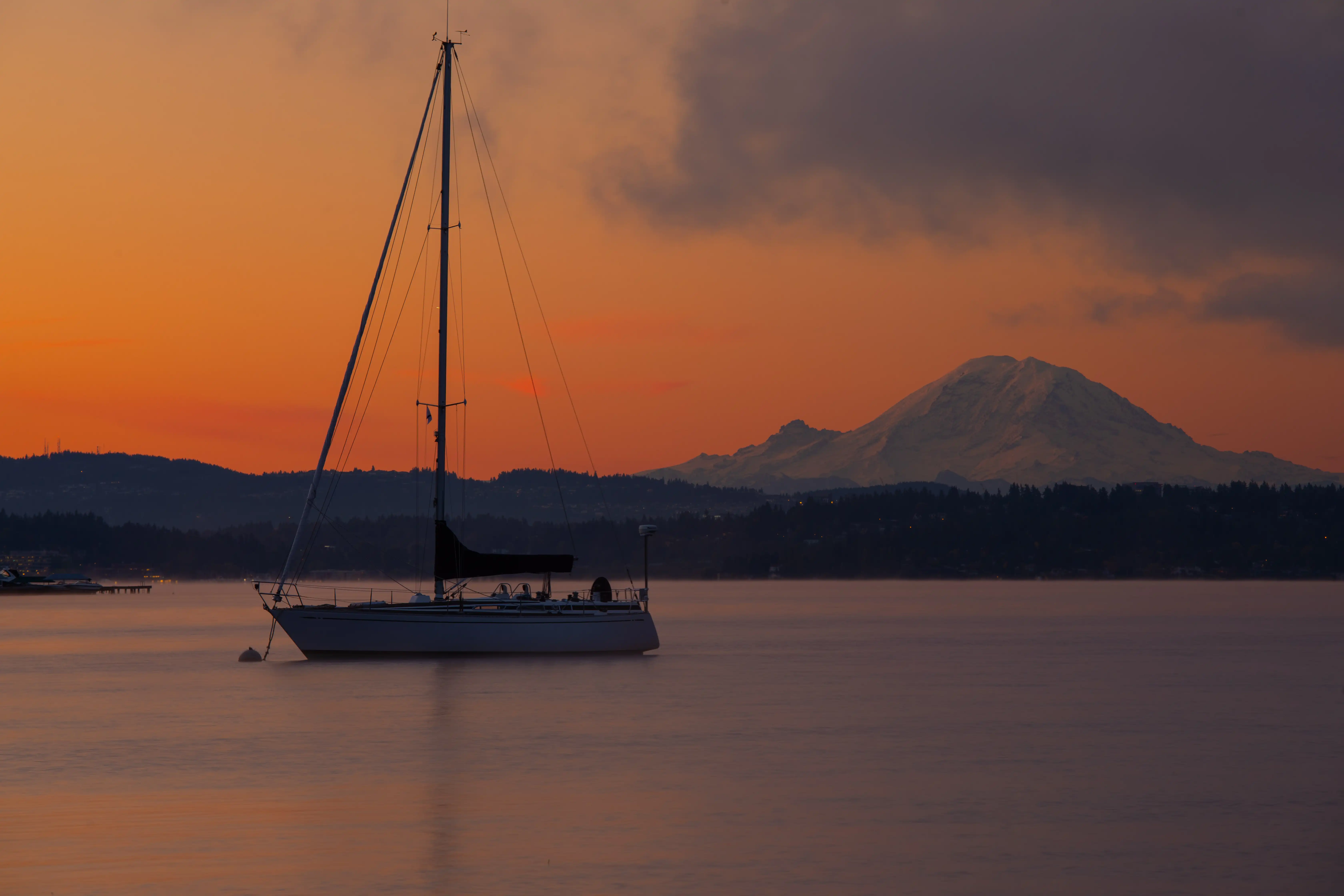
Kirkland's Waterfront Parks: Marina Park and Juanita Beach
Two parks anchor Kirkland's Lake Washington frontage, and they serve different crowds so completely that locals rarely debate which one to visit — context decides it for them.
Marina Park: The City's Front Porch
Marina Park sits at 25 Lakeshore Plaza Drive in the heart of the downtown waterfront district, covering 3.6 acres on the northeast shore of Lake Washington. It's rated the top attraction among 65 things to do in Kirkland on TripAdvisor, and on a summer evening, that reputation is easy to understand: the sandy beach fills up, the open-air pavilion hosts live music, and the public moorage keeps the water active with boats coming and going.
The park functions as Kirkland's event center as much as its park. The July 4th Celebration draws the biggest crowds of the year here. Kirkland Uncorked, the city's outdoor wine festival, sets up on this lawn. Every Wednesday from June through September, the Kirkland Farmers Market runs from approximately 3–7 PM in the park — a genuine weekly gathering point that regulars treat as non-negotiable on their summer calendar.
What Marina Park doesn't have is much elbow room. At 3.6 acres, it's a premium waterfront parcel, not a sprawling rec complex. On peak summer weekends, the beach feels intimate in a way that can shade into crowded. The waterfront redevelopment running through 2027 will add marina enhancements and new public art installations in Phase 2 (2026) and complete final landscaping in Phase 3 (2027), so the park's physical footprint and amenities are still evolving.
Juanita Beach Park: Room to Spread Out
Head north into the Juanita neighborhood and the scale shifts entirely. Juanita Beach Park covers 22 acres with 1,000 feet of shoreline — the busiest waterfront park in Kirkland's recreation system, and with good reason.
The amenity list here reads more like a small resort than a city park: a lifeguard-staffed seasonal swimming area, kayak and paddleboard rentals, sand volleyball courts, tennis courts, ballfields, picnic shelters, a playground, and a bathhouse that was fully rebuilt in 2020 with a new accessible playground added at the same time. Families with younger kids specifically target the wading-friendly shallows near the swimming area.
| Park | Size | Shoreline | Key Features | Best For |
|---|---|---|---|---|
| Marina Park | 3.6 acres | Central waterfront | Sandy beach, pavilion, moorage, farmers market, concerts | Walkable Transit |
| Juanita Beach Park | 22 acres | 1,000 ft | Lifeguard beach, kayak/SUP rentals, volleyball, tennis, ballfields | Families Nature |
| Juanita Bay Park | 111 acres | 3,000 ft | Wetlands, boardwalks, 100+ bird species, Forbes Creek | Nature Quiet |
Juanita Bay Park, just north of the beach park, is a different experience entirely — 111 acres of designated urban wildlife habitat with 3,000 feet of waterfront along Forbes Creek and the lake's edge. The boardwalks and interpretive trails here pass through wetlands that host more than 100 bird species, including herons and bald eagles. Birders who move to Kirkland from more urban settings routinely describe this park as one of the things they didn't expect to find inside a city this close to Seattle.
The Cross Kirkland Corridor and Neighborhood Trails
The single infrastructure decision that most shapes how Kirkland residents move through their city wasn't a road — it was buying a railbed. The Cross Kirkland Corridor (CKC) is a 5.75-mile crushed-limestone rail-trail that runs from the South Kirkland Park & Ride north through downtown and on up to Totem Lake, threading through or adjacent to every major neighborhood along the way.
What the CKC Actually Is
The surface is compact crushed limestone — smooth enough for road bikes and strollers, stable enough for trail runners and casual walkers. The grade is gentle throughout because it's a former railbed, which makes it genuinely accessible for a wider range of users than most urban trails. The CKC is a segment of the planned 42-mile Eastrail regional trail network that King County is building to connect Renton, Bellevue, Kirkland, Woodinville, and Redmond.
What that means practically: Kirkland residents who live within a few blocks of the CKC can reach downtown, the Google Kirkland Urban campus, and Totem Lake without touching a road. The trail is lit in sections and heavily used year-round, even through the wet season.
Feriton Spur Park: The Corridor's Surprise
The most unexpected stop along the CKC is Feriton Spur Park, which runs adjacent to the Google campus and operates more like a neighborhood amenity hub than a traditional park. Basketball and pickleball courts sit alongside a sandy volleyball court and a zip line. A year-round garden gives the space a community feel that persists outside of summer. The anchor feature is a refurbished railroad caboose that houses a taproom and ice-cream parlor — a detail that surprises almost every visitor who encounters it for the first time. An amphitheater and public restrooms round out the park.
Feriton Spur is where the CKC's character becomes clearest: this isn't a trail that passes through the city, it's one that connects the city's actual daily life. The caboose taproom draws after-work crowds on weekday evenings in a way that few parks in the region can replicate.
Getting On the Trail
The South Kirkland Park & Ride trailhead is the easiest car-free entry point from the south. From downtown, access points near Peter Kirk Park connect the CKC to the waterfront in under ten minutes on foot. The Totem Lake end connects to planned future Eastrail extensions heading toward Woodinville and Redmond, which means the trail's regional utility is still growing.
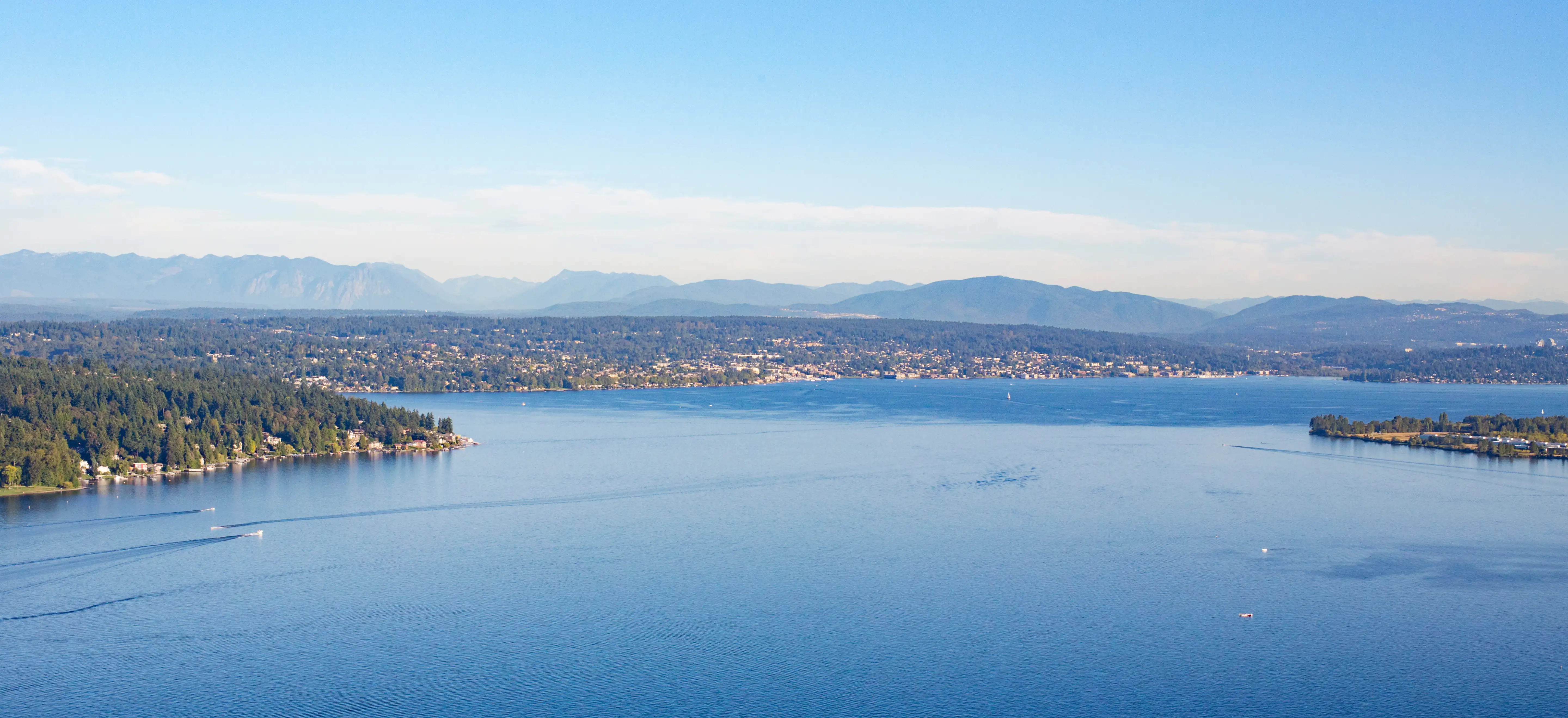
Bridle Trails State Park and Peter Kirk Park
Two parks that don't touch the waterfront account for a significant share of Kirkland's recreational identity — one because of its sheer scale, one because of what it fits into a surprisingly compact footprint.
Bridle Trails State Park: Old-Growth Inside City Limits
The Bridle Trails neighborhood takes its name directly from the state park at its center: approximately 482–489 acres of second-growth and mature forest with over 28 miles of trails open to equestrians, hikers, and mountain bikers. The fact that this park sits entirely within Kirkland's city limits is one of those details that stops people mid-sentence when they first hear it.
The trail network is almost entirely unpaved and intentionally so — the equestrian priority means the paths stay soft and wide, which creates a different experience than a typical singletrack mountain bike park. Hikers get the benefit of a forest that feels genuinely remote despite being minutes from the Bridle Trails neighborhood's residential streets. On weekday mornings, it's common to have long stretches of trail entirely to yourself.
What Bridle Trails doesn't offer is lake views, restrooms at every trailhead, or manicured facilities. This is a state park, managed accordingly — which means the experience is more raw and the parking situation at peak times (spring weekends especially) can get tight. Residents who move to the Bridle Trails neighborhood specifically for park access tend to arrive on foot or horseback rather than by car.
Peter Kirk Park: Downtown Recreation in One Block
Peter Kirk Park operates as downtown Kirkland's backyard athletic complex. Adjacent to the city center, it packs a lighted baseball field, playground, skate park, basketball court, and six pickleball courts into a footprint that serves a wide age range simultaneously.
The park's most-used summer amenity is the Peter Kirk Pool — the city's only outdoor heated seasonal pool, open from June through Labor Day. A separate wading area serves younger children alongside the full pool, which makes it a genuine multi-age destination rather than a facility that works for one group and tolerates another. The pool books up: weekend family sessions fill quickly by mid-June, and families new to Kirkland sometimes miss their first-summer window by not registering early enough.
| Facility | Location | Acres / Miles | Highlights | Best For |
|---|---|---|---|---|
| Bridle Trails State Park | Bridle Trails neighborhood | ~482–489 acres / 28+ mi trails | Equestrian, hiking, mountain biking, old-growth forest | Nature Privacy |
| Peter Kirk Park | Downtown / central Kirkland | City block scale | Heated pool, skate park, 6 pickleball courts, baseball, playground | Families Walkable |
| Cross Kirkland Corridor | South Kirkland to Totem Lake | 5.75 miles | Rail-trail, Feriton Spur Park, connects to 42-mi Eastrail | Commuter Nature |
The six dedicated courts at Peter Kirk Park stay occupied most daylight hours in summer — they were a significant upgrade from the park's earlier configuration and now draw players from across the Eastside.
Looking to buy in Kirkland? Estimate your payment.
Enter your numbers to see an estimated monthly mortgage payment.
Estimate only. Excludes HOA fees and mortgage insurance. The interest rate above is a starting point, not a quoted rate — replace it with your own to see real numbers. Insurance is a flat placeholder, not a Kirkland quote.
Seasonal Recreation: What Kirkland's Calendar Actually Looks Like
Kirkland's outdoor life is real and substantial, but it is genuinely seasonal in a way that some newcomers from drier climates don't fully absorb until their first October.
Summer (June–September): The Parks Fill Up
This is when Kirkland's waterfront reputation is fully earned. Juanita Beach Park's lifeguard-staffed swimming area operates through the warm months, kayak and paddleboard rentals run at the lake, and the Peter Kirk Pool runs concurrently. Marina Park hosts the Wednesday Farmers Market from June through September (3–7 PM), and the July 4th Celebration draws city-wide crowds to the central waterfront. Kirkland Uncorked, the outdoor wine festival, occupies Marina Park's lawn.
The honest seasonal caveat: July and August weekends at Juanita Beach Park can feel crowded in a way that surprises people who visited on a quiet May afternoon. Parking near the waterfront parks on summer Sundays requires either a plan or patience. This isn't a flaw in the parks — it reflects how many Kirkland residents actually use them, which says something real about the quality of the infrastructure.
Fall and Winter: The Trail Network Earns Its Keep
The CKC and Bridle Trails don't close in November. The crushed limestone on the corridor handles wet weather well, and the forest at Bridle Trails feels best in the rain-softened quiet of November and December, when the summer equestrian crowds thin out. Locals who run or bike year-round cite the CKC as one of Kirkland's underappreciated off-season assets — it's sheltered enough in sections that light rain rarely stops a workout.
What does change: the waterfront parks become largely passive spaces. Marina Park without a summer event on the calendar is a pleasant place to walk and watch the lake, but the beach crowds and concert energy are gone. Newcomers who bought specifically for waterfront recreation sometimes find the November-through-April stretch shorter on outdoor options than they expected — Kirkland rewards people who mix water-oriented summer recreation with trail-based year-round movement.
Spring: The Transition Window
April and May are when Kirkland's park system starts to come alive before the summer programs launch. Bridle Trails is at its greenest and most photogenic after the winter rains. The CKC gets noticeably more traffic as the days lengthen. Juanita Bay Park's boardwalks are excellent in spring for the migratory bird species that pass through the 111-acre wetland habitat.
Youth sports leagues use Peter Kirk Park's baseball fields and the CKC-adjacent courts through spring and into summer — if you have school-age kids, expect the park to have a structured energy on weekend mornings that complements rather than competes with casual use. For more on kids' programs tied to local schools, see the schools page.
After a few seasons here, most residents settle into a rhythm: lake and waterfront from June through September, trails year-round, and Juanita Bay for the kind of quiet that a city park shouldn't logically be able to offer but does. That combination is genuinely hard to replicate at Kirkland's price point anywhere else on the Eastside.
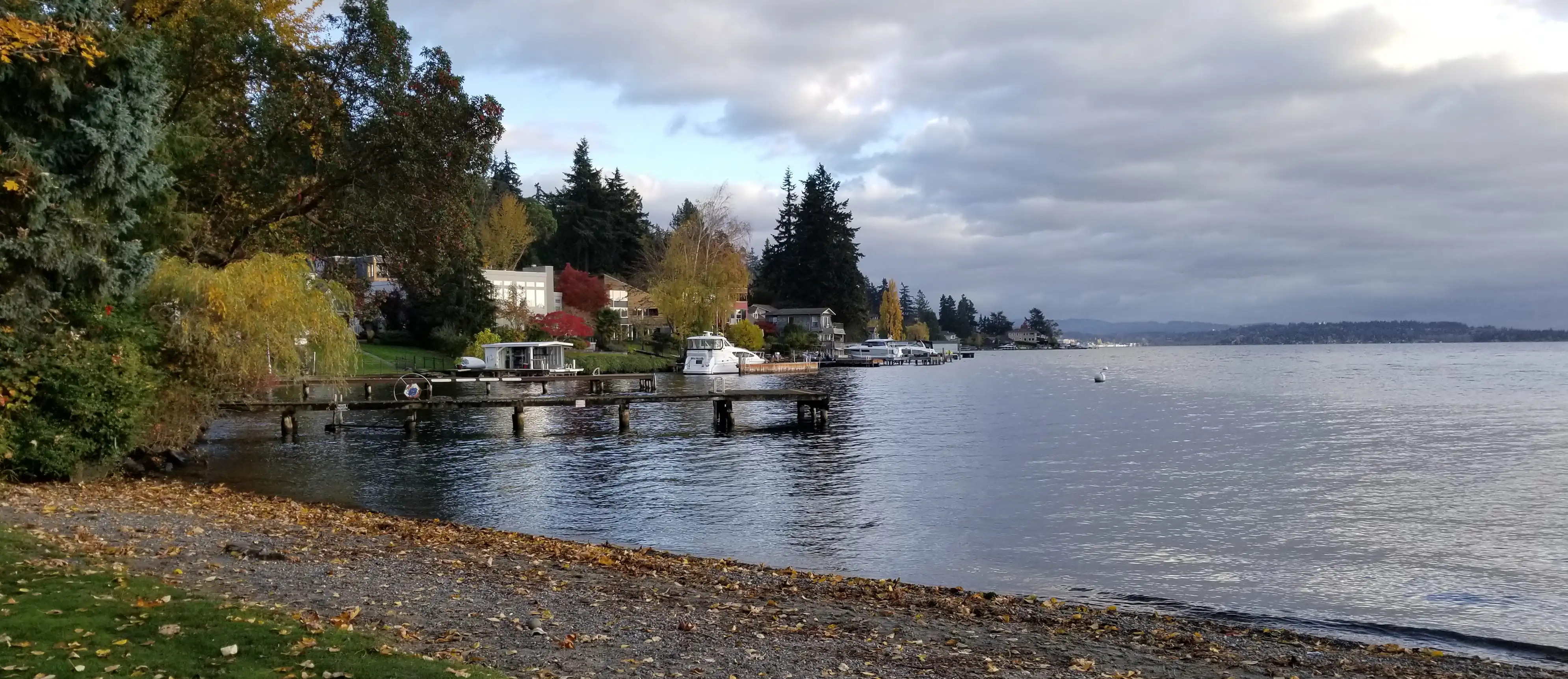
Local Expert Takeaway: Marina Park is the city's showpiece, but Juanita Beach Park is where Kirkland residents actually spend their summer Sundays — arrive by 10 AM on a July weekend if you want a spot near the water. The Cross Kirkland Corridor is the connective tissue most newcomers don't discover until month two, and once they do, it reframes how they think about every neighborhood along its path. If trail access matters to you, proximity to a CKC trailhead is worth prioritizing over other location factors when you're choosing where to buy.
Quick Takeaways & FAQs
✅ Kirkland contains Bridle Trails State Park entirely within city limits — 482–489 acres and over 28 miles of trails for hikers, equestrians, and mountain bikers, with no drive required from most Eastside zip codes.
⚠️ Summer waterfront parks fill fast: Juanita Beach Park's lifeguard-staffed swimming area and Peter Kirk Pool both get crowded by mid-July, and the Peter Kirk Pool registration window closes earlier than most new residents expect.
📍 The refurbished caboose at Feriton Spur Park along the Cross Kirkland Corridor houses a taproom and ice-cream parlor — it's the most distinctly Kirkland detail on the trail and the kind of thing that only makes sense once you've walked the CKC yourself.
Is Juanita Beach Park good for swimming with young kids?
Can you bike the Cross Kirkland Corridor end to end?
What is the Peter Kirk Pool and when does it open?
Are dogs allowed in Kirkland's main parks?
What is happening with Kirkland's waterfront redevelopment?
Moving to Washington?
Tell us what you need help with and we'll connect you with local resources.
