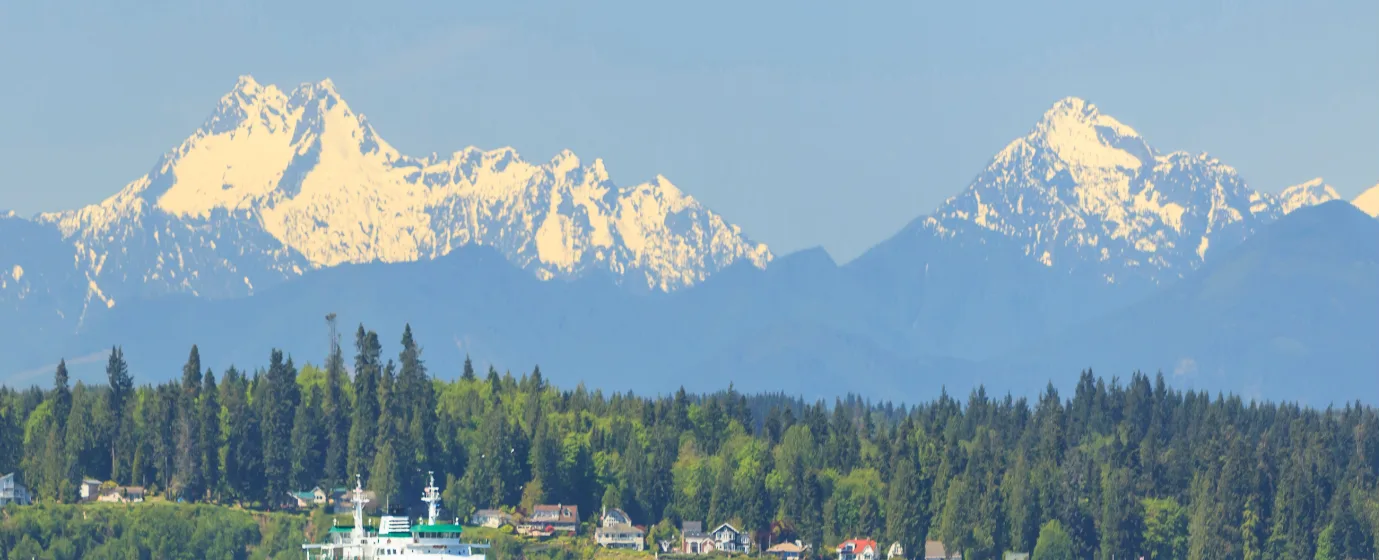
Most people moving to Edmonds expect a pleasant waterfront town with a ferry and some decent parks. What surprises them is the depth of it — literally. Edmonds sits on a mile of Puget Sound shoreline in Snohomish County, roughly 30 minutes north of Seattle, and its parks system is built around the water in ways that most Seattle suburbs simply cannot match. The Edmonds-Kingston Ferry Terminal anchors the downtown waterfront, but the real recreational story starts at Brackett's Landing, where a city-protected marine sanctuary draws divers from three countries.
The city maintains 47 park and open space sites spanning 230 acres of city-owned land plus an additional 362 partnership acres. That footprint shapes daily life here in concrete ways: forested ravine trails at Yost Park, a no-license-required fishing pier that's been running since 1975, a marsh boardwalk within walking distance of downtown restaurants, and a community recreation hub at the Frances Anderson Center on Main Street that anchors everything from the Edmonds Arts Festival to SpringFest and Bird Fest. Families with kids looking at outdoor programming can find an overview on the schools page, which covers youth activity options tied to the district.
Recreation here runs year-round in a way that catches newcomers off guard. Puget Sound doesn't freeze, the fishing pier stays lit all night in winter, and Yost Pool — the only public pool in the Edmonds parks system — operates 365 days a year through a partnership with Cascade Swim Club. The trade-off is that summers bring real crowds to the waterfront, particularly on ferry-traffic weekends when Brackett's Landing and Olympic Beach fill up fast.
Whether you're an avid diver, a weekend angler, a parent hunting for after-school trails, or someone who just wants to watch red-winged blackbirds from a boardwalk, the sections below break down Edmonds' signature parks, waterfront recreation, trail system, and seasonal calendar in full.
The Waterfront Parks: Brackett's Landing, Olympic Beach, and the Marsh
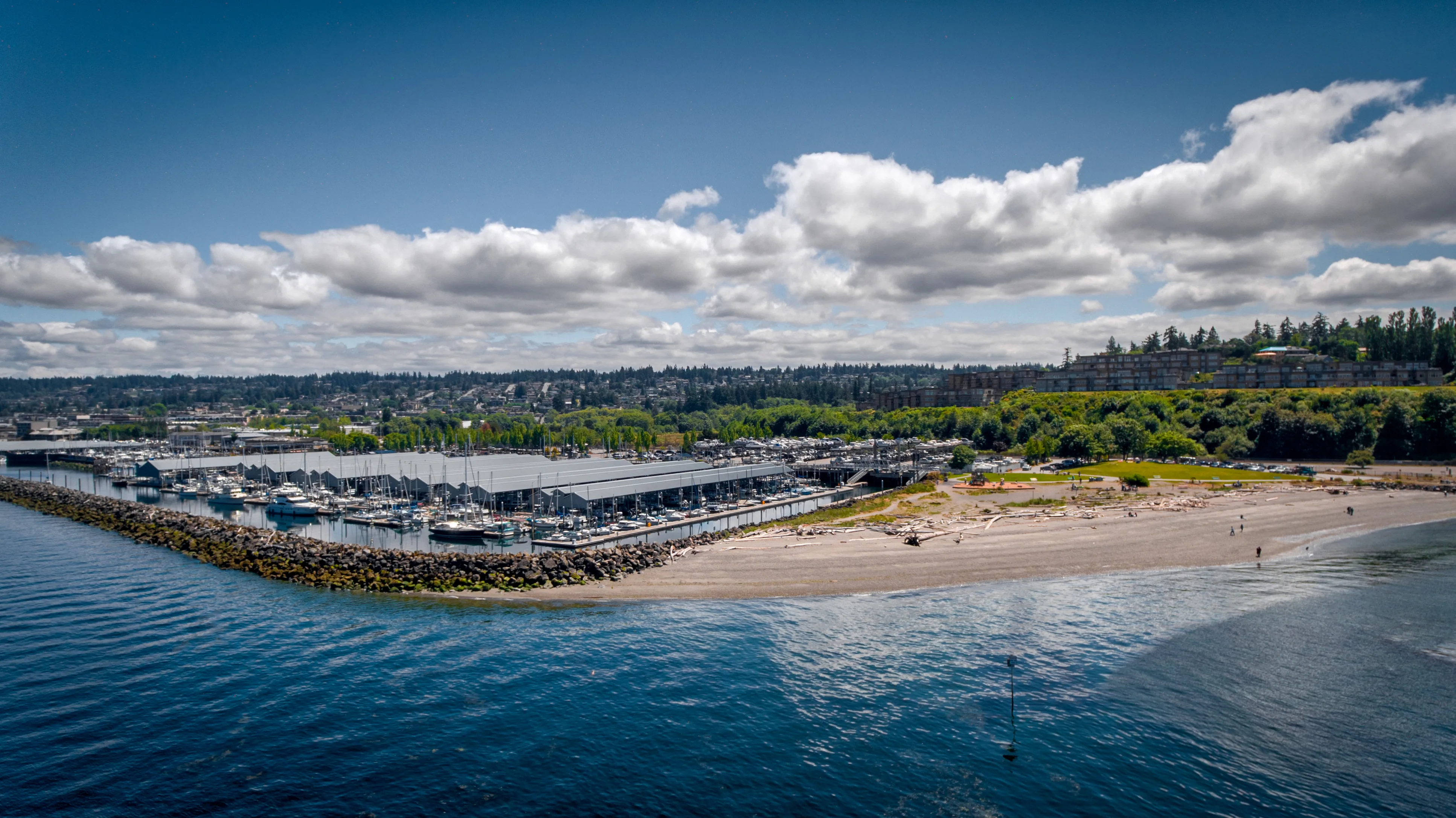
The stretch of waterfront between the ferry terminal and the fishing pier packs more distinct recreational uses into a quarter-mile than most cities manage across an entire parks system. Each site has its own rules, its own character, and its own crowd.
Brackett's Landing North
Immediately north of the Edmonds-Kingston Ferry Terminal, Brackett's Landing North operates as a no-dog, no-take Marine Sanctuary Conservation Area. Picnic tables face Puget Sound with unobstructed views toward the Olympic Mountains, and on clear mornings the light off the water makes it one of the most genuinely pleasant spots in the region. This is also the surface entry point for the Edmonds Underwater Park — on weekends you'll see divers gearing up at the beach while families have lunch twenty feet away.
The no-dog rule surprises new residents. Brackett's Landing South, just across the ferry traffic lanes, does allow leashed dogs — but if you arrive at the north beach with a Lab and expect to stay, rangers will redirect you. It's a common first-month mistake.
Olympic Beach and the Fishing Pier
Olympic Beach, at the corner of Admiral Way and Dayton Street, anchors the southern end of the waterfront park chain. The Edmonds Fishing Pier has been here since 1975, runs 24 hours a day, 365 days a year, and pulls an estimated 100,000-plus angler visits annually. No fishing license is required to fish from a Washington State public pier, which makes this genuinely accessible — a visitor with no gear and no paperwork can rent tackle nearby and start fishing the same afternoon.
Target species cycle through the seasons: Chinook, Coho, Pink, and Chum salmon move through on runs, while lingcod, rockfish, cabezon, and flounder are year-round regulars. The most underrated experience here is winter night squid jigging — the pier stays lit, the crowds thin out, and Salish Sea Brewing Co. on Dayton Street is a short walk for a post-session pint. The pier is fully ADA-accessible with rain cover, lighting, restrooms, and a fish-cleaning station managed in partnership with WDFW.
Edmonds Marsh
Tucked between the waterfront railroad tracks and downtown, Edmonds Marsh is easy to miss on a first visit and genuinely hard to forget after you find it. A short boardwalk threads through the wetland with interpretive signage identifying species — marsh wrens, red-winged blackbirds, and the occasional great blue heron working the shallows. For a city of 42,000, having an ecologically active marsh within a five-minute walk of downtown restaurants is unusual enough that locals treat it as an asset worth protecting.
Best for: Nature Walkable FamiliesEdmonds Underwater Park: A World-Class Dive Site in a Residential City
No other recreational asset in Edmonds is quite as improbable as this one. The Edmonds Underwater Park — formally the Bruce Higgins Underwater Trails — covers more than 27 acres of tidelands and bottomlands at Brackett's Landing. The city established it by ordinance in 1970 as a Marine Preserve and Sanctuary, making it one of the first protected urban dive sites in the country. Today it ranks as the most popular of Washington State's 10 designated underwater parks.
What's Down There
The site features 2.5 miles of anchored rope and block guide trails descending to a maximum depth of roughly 45 feet — manageable for open-water certified divers without advanced training. Marine life includes large lingcod and cabezon that have grown comfortable with diver traffic, nudibranchs in colors that look photoshopped, sunstars, and curtains of plumose anemones along the artificial reef structures. Visibility varies with tidal cycles but is frequently excellent by Pacific Northwest standards.
Approximately 25,000 scuba divers visit per year. About 15 percent come from out of state — primarily Portland and Vancouver, B.C. — which means on a busy summer Saturday, the Brackett's Landing parking lot fills before 9 a.m. If you're a diver considering Edmonds as a home base, that proximity is a genuine draw. If you're a non-diving neighbor of Brackett's Landing, the weekend parking situation is the honest downside.
What Newcomers Get Wrong
The no-take rule is absolute and enforced: nothing leaves the water. The site is also not a snorkeling destination in the traditional sense — the guide trails start at depth, and the most interesting life sits well below snorkel range. Shore diving here requires a wet or dry suit year-round; Puget Sound water temperatures hover in the low-to-mid 50s Fahrenheit even in summer. First-time visitors who show up with just a mask and fins tend to leave underwhelmed. Certified divers with a drysuit tend to come back monthly.
Best for: Nature Views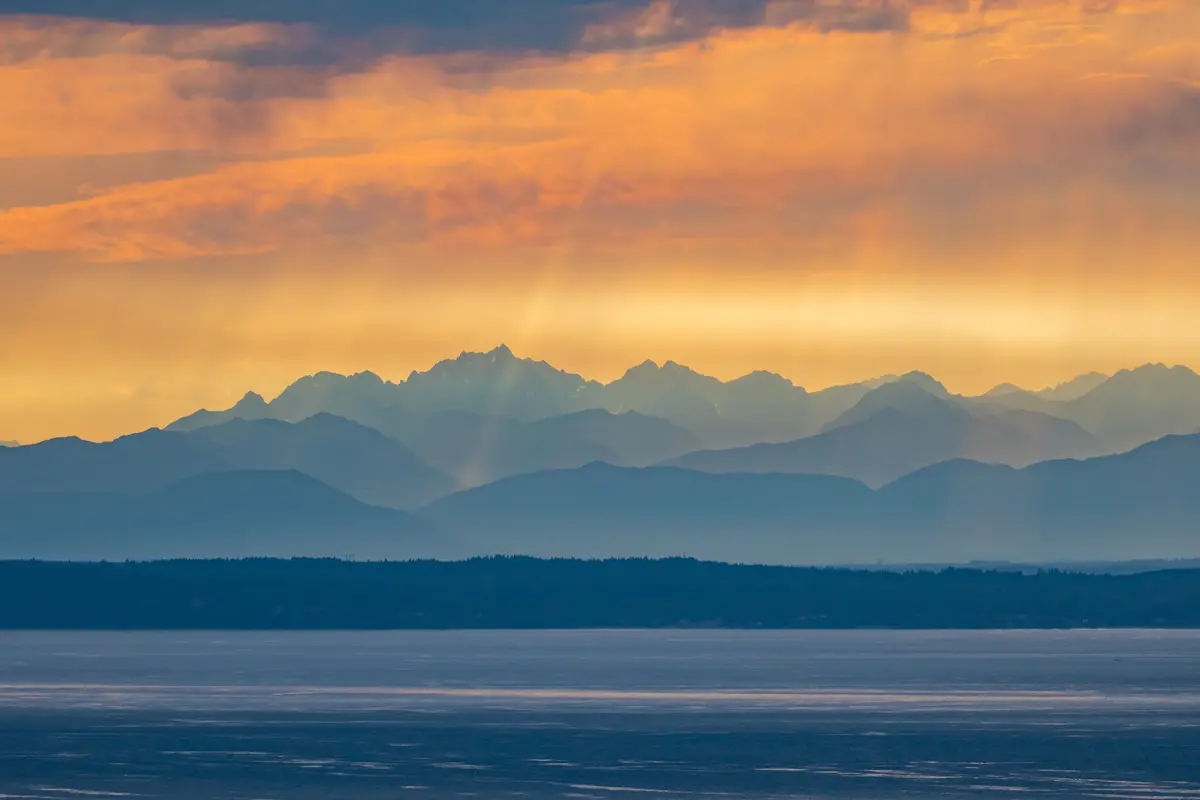
Yost Park and the City's Trail Network
Pull away from the waterfront and Edmonds has a second distinct recreational personality: forested ravine parks that feel more like western Washington wilderness than a Puget Sound suburb. Yost Park is the anchor.
Yost Park — 9535 Bowdoin Way
Yost Park is built around the forested ravine of Shell Creek, a stream corridor that creates a microclimate noticeably cooler and quieter than the surrounding neighborhoods. Wooded hiking trails wind through second-growth forest along the creek, and the ravine walls are steep enough that you lose sight of houses within a few minutes of the trailhead. The park also includes tennis courts and a children's play area, but the trail system is what brings people back on weekday mornings.
The park's Yost Pool — the only public swimming pool in the entire Edmonds parks system — runs year-round under a partnership with Cascade Swim Club. That's not a small distinction in a region where many comparable cities run seasonal-only aquatics programs. Lap swimmers and families with young kids use it continuously through the wet season when outdoor options narrow.
Edmonds City Park and the Spray Pad
Edmonds City Park offers a different summer amenity: a spray pad that functions as the city's primary outdoor water-play destination for young children during the warm months. It complements Yost Pool without duplicating it — the spray pad is free, untimed, and a natural gathering point for parents with toddlers on July and August afternoons.
What the Trail Network Looks Like
| Park / Trail Area | Character | Key Features | Best For |
|---|---|---|---|
| Yost Park (Bowdoin Way) | Forested ravine, Shell Creek corridor | Wooded trails, pool, tennis, play area | Nature Families |
| Brackett's Landing North | Marine sanctuary beach | Picnic tables, Sound views, dive entry | Nature Views |
| Edmonds City Park | Open lawn, urban park | Spray pad, open play space | Families |
| Edmonds Marsh Boardwalk | Wetland wildlife corridor | Interpretive signage, birding | Nature Quiet |
| Olympic Beach / Fishing Pier | Active waterfront | Pier, ADA access, rain cover, lighting | Nature Families |
| Brackett's Landing South | Dog-friendly beach | Leashed dogs allowed, Sound views | Families |
The city's 47 sites mean there's almost always a park within a few blocks regardless of which neighborhood you land in. The concentrated density of parks in the Edmonds Bowl — downtown and waterfront area — gives that part of the city a walkable recreational quality that neighborhoods farther east, toward Lake Ballinger or Esperance, trade for larger lots.
Best for: Families Nature QuietLooking to buy in Edmonds? Estimate your payment.
Enter your numbers to see an estimated monthly mortgage payment.
Estimate only. Excludes HOA fees and mortgage insurance. The interest rate above is a starting point, not a quoted rate — replace it with your own to see real numbers. Insurance is a flat placeholder, not a Edmonds quote.
Seasonal Recreation and the Community Events Calendar
Recreation in Edmonds doesn't shut down in winter — but it does shift in ways that take newcomers a full year to fully understand.
Winter: The Fishing Pier and Underwater Park Don't Close
The fishing pier stays lit and staffed through December, January, and February. Night squid jigging runs late into winter evenings, and on a clear night with the Olympic Mountains across the sound, it's one of those experiences that makes people stop questioning why they moved here. Yost Pool also runs continuously — Cascade Swim Club's lap schedule means the pool is available even on the short, wet days that define a Puget Sound winter.
The underwater park remains open year-round. Drysuit divers actually prefer the colder months: visibility often improves, the weekend crowds thin considerably, and the marine life is fully active. If you dive and you're thinking about Edmonds, January is not a bad time to test the site.
Spring and Summer: Events at the Frances Anderson Center
The Frances Anderson Center at 700 Main Street serves as the city's parks and recreation hub and drives the spring-summer event calendar in a way that shapes what downtown actually feels like on a weekend. SpringFest and Bird Fest arrive in spring — Bird Fest in particular draws serious birders to Edmonds Marsh and the waterfront, a reflection of the city's genuine ecological assets rather than just civic boosterism. The Edmonds Arts Festival follows in summer, and Write on the Sound fills out the fall calendar.
Summer weekends at the waterfront are genuinely crowded. The ferry, the fishing pier, the dive park, and the beach all pull different audiences to the same small strip, and parking along Admiral Way fills quickly. Locals learn to walk or bike to the waterfront from the Edmonds Bowl neighborhoods rather than driving — it's faster, and the walk down to the water through downtown is one of the better parts of living here.
The Seasonal Surprise Nobody Mentions
Bird Fest catches transplants off guard every spring. Edmonds has an active birding community that treats the marsh and the waterfront as serious habitat, not just scenery. The first time you see a group of twenty people with spotting scopes set up on the Brackett's Landing beach at 7 a.m. on a Saturday, it reads as eccentric. By year two, most residents have at least downloaded a bird ID app. The marsh's red-winged blackbirds are audible from downtown on quiet mornings — it's the kind of ambient wildness that's genuinely rare this close to a metro area.
Best for: Nature Families Walkable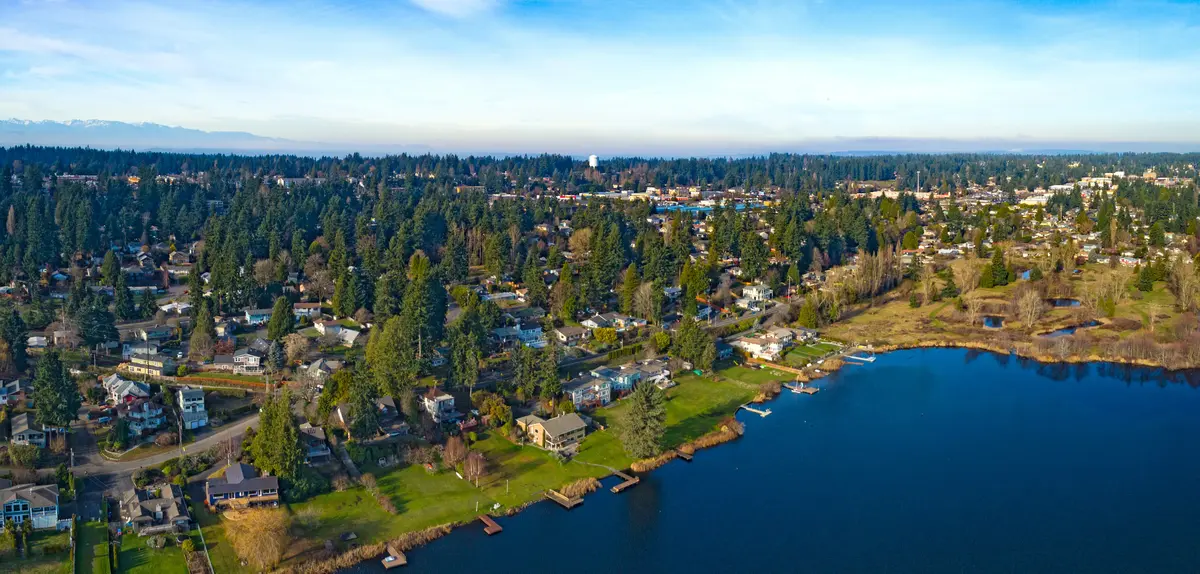
Local Expert Takeaway: Edmonds' parks system punches well above its size because the water does most of the heavy lifting. The Edmonds Underwater Park at Brackett's Landing is legitimately world-class — 25,000 divers a year don't drive up from Portland for a mediocre dive site. The fishing pier at Olympic Beach runs 24/7, no license required, with salmon and squid cycling through all year. And Yost Park's Shell Creek ravine trails give you the quiet forest walk without leaving the city. The honest caveat: waterfront parking is genuinely difficult on summer weekends, and Brackett's Landing North fills before 9 a.m. on busy days. If you're moving to the Edmonds Bowl, plan to walk to the water — it's faster anyway.
Quick Takeaways & FAQs
✅ Edmonds Underwater Park is the most-visited of Washington's 10 designated underwater parks, drawing roughly 25,000 scuba divers per year to its 2.5 miles of guided rope trails and 45-foot maximum depth.
⚠️ Brackett's Landing North — the primary dive and beach entry point — prohibits dogs and fills its parking lot before 9 a.m. on summer weekends, a recurring friction point for new waterfront residents.
📍 The Edmonds Fishing Pier at Olympic Beach has been open 24 hours a day, 365 days a year since 1975; no fishing license is required to fish from a Washington State public pier.
Is the Edmonds Underwater Park good for beginners or only experienced divers?
Do I need a fishing license to use the Edmonds Fishing Pier?
Is Yost Pool open year-round, and how does it work?
Can I bring my dog to Brackett's Landing?
What are the biggest annual parks and recreation events in Edmonds?
Moving to Washington?
Tell us what you need help with and we'll connect you with local resources.
