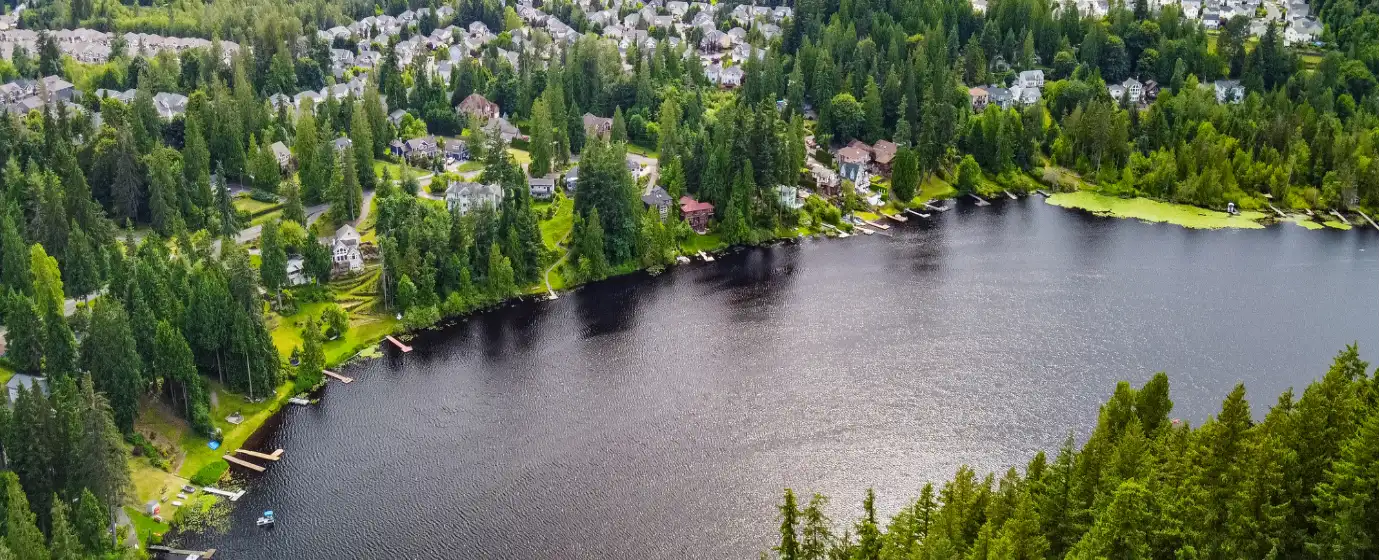
Most people who retire in Renton will tell you the same thing after about six months: they expected a suburb, and they got a city. Renton sits at the southern end of Lake Washington, tucked between Seattle and the Cascade foothills, threaded by the Cedar River and anchored by a proper downtown. It is not a quiet retirement town with golf carts and shuffleboard. It is a working city of more than 105,000 people — aerospace manufacturing, a major regional hospital, a growing restaurant scene — and retirees who thrive here are the ones who wanted proximity to everything without paying Seattle prices for it.
The practical backbone of daily life here is Valley Medical Center, a 341-bed hospital within the UW Medicine network, and a Kaiser Permanente medical center that gives retirees a genuine second option for in-city primary and specialty care. Boeing's presence has shaped the economic culture for generations without dominating it; the city has diversified steadily over the past two decades. Grandparents weighing proximity to family will find Renton genuinely intergenerational — a community where multiple generations share the same parks and trails, not an age-siloed enclave.
Washington's no-income-tax status is the tax story most retirees discover first and appreciate most. Social Security, pension income, and retirement account withdrawals are all untaxed at the state level — a real and compounding advantage on a fixed income. Home prices sit at a $720,080 typical value (Zillow Home Value Index, mid-2026), which is noticeably below Bellevue and Seattle but still a serious number. The Cedar River Trail, Gene Coulon Memorial Beach Park along Lake Washington, and access to King County Metro's roughly 17 bus lines shape daily life for residents who want to stay active without being car-dependent.
Whether you're weighing Renton against a Seattle condo, considering a move from out of state, or trying to figure out if your retirement budget actually works here, the sections below break down healthcare access, the retiree tax picture, daily costs, senior programming, downsizing options, and how Renton stacks up against nearby alternatives.
Why Retirees Are Choosing Renton
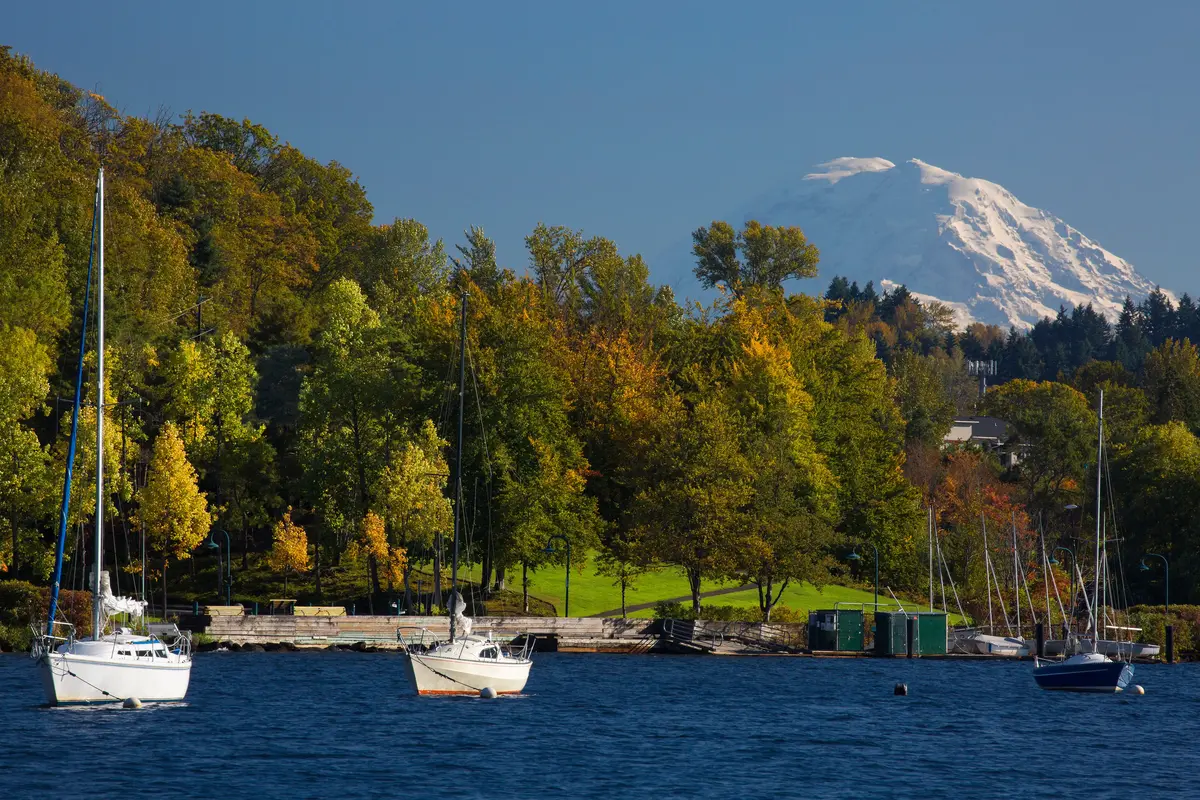
The retiree who fits Renton best is not looking for a sleepy small town. They want a real city — medical infrastructure, cultural access, genuine dining — at a price that doesn't require liquidating a retirement account just to get in the door. The typical home value of $720,080 (Zillow Home Value Index, mid-2026) is a meaningful ask, but it sits well below what comparable proximity to Seattle costs in Bellevue or Kirkland. For retirees moving from the Bay Area, Southern California, or even Eastern Washington, Renton can feel like a reasonable landing spot that doesn't require downsizing your life to afford the zip code.
The city also rewards retirees who value intergenerational community. This is not a 55-and-over enclave. Boeing engineers, tech workers, and longtime Renton families share the same parks, the same coffee shops along S 3rd St, and the same Cedar River Trail. If you want a retirement community where you only interact with other retirees, Renton may feel busier and younger than you expected. That's either a feature or a friction point depending on who you are.
The honest case against Renton for retirement: the terrain is hilly outside of downtown and the Cedar River floodplain, which matters for anyone with mobility concerns. The regional rainfall — persistent drizzle from October through April — is not a minor detail for people accustomed to dry climates. And while Seattle's cultural institutions and medical specialists are roughly 25 minutes away, you still need to get there, which means traffic on I-405 or SR-167 is part of your life in a way it wasn't if you previously lived walkable to everything. Renton rewards flexibility; it tends to disappoint retirees who want everything within a five-block radius.
Healthcare & Medical Access in Renton
The Anchor: Valley Medical Center
Valley Medical Center at 400 South 43rd Street is Renton's primary hospital — 341 beds, a Level III trauma center, and full integration into the UW Medicine network. That UW Medicine affiliation is meaningful: it means specialty referrals flow into one of the Pacific Northwest's most respected academic medical systems, and it means the coordination between Valley Medical and UW Medical Center in Seattle is smoother than it would be between unaffiliated systems. For retirees managing chronic conditions or anticipating orthopedic needs, Valley Medical Center has received national recognition for outpatient joint replacement — a distinction that matters concretely for active adults planning a knee or hip replacement close to home.
A Second Option In-City
Kaiser Permanente operates a Renton Medical Center offering primary and specialty care — a genuine second in-city option that matters if your Medicare Advantage or employer-retiree plan is Kaiser-based. Having two substantial medical facilities within the same city is not something every suburb of Seattle can claim, and it gives Renton a healthcare depth that neighbors like Kent or Newcastle don't match at the city level.
What Renton Doesn't Have
For transplant programs, Level I trauma, or highly specialized oncology and cardiac surgery, you are going to Seattle or Bellevue. University of Washington Medical Center and Virginia Mason Franciscan Health handle the truly complex cases, and the honest reality is that Renton is roughly 25 minutes from both on a good traffic day — longer during peak hours on I-405. Most retirees find that distance manageable for specialist appointments. It becomes a more serious consideration if you need frequent infusion therapy or are managing a condition that requires multiple specialist visits per week.
The regional medical ecosystem also includes a string of outpatient clinics, imaging centers, and urgent care facilities spread across South Renton and the Benson Hill corridor. Day-to-day primary care and most specialist follow-ups happen comfortably within the city; the Seattle trip is the exception, not the rule.

The Retiree Budget in Renton
Washington's Tax Advantage Is Real
Washington has no state income tax — full stop. Social Security benefits, pension distributions, IRA and 401(k) withdrawals, and investment income are all untaxed at the state level. For a retiree drawing $60,000 or $80,000 per year from a mix of Social Security and retirement accounts, that is a significant annual difference compared to retiring in Oregon (where most retirement income is taxed), California, or most other states. It is one of the primary financial reasons retirees from higher-tax states target the Seattle metro, and Renton delivers that benefit at a lower entry price than Bellevue or Seattle proper.
Property Tax: Rate, Exemption, and the Senior Freeze
Renton's effective property tax rate is approximately 0.82% — see the full cost-of-living breakdown here for how that fits the broader picture. Washington's senior property tax exemption program allows homeowners age 61 or older to freeze the taxable value of their home and reduce their bill on a tiered income scale. To qualify for 2026 tax relief, your 2025 household income must have been $88,998 or less — one of the more generous thresholds in the state, and the age floor of 61 is among the lowest in the country. A separate deferral program lets qualifying seniors defer property taxes entirely as a state-paid lien, which can be a lifeline for asset-rich but income-limited retirees. Both programs are administered through the King County Assessor's office.
Daily Cost of Living on a Fixed Income
Washington's sales tax applies to most goods, and King County's combined rate lands near the higher end of state averages — groceries are exempt, but most discretionary spending is not. That's the main fiscal friction point for retirees on tight fixed incomes; the income-tax advantage is real, but it doesn't fully offset the sales tax burden if you're spending a significant share of income rather than drawing from savings. Independent cafés in downtown Renton — including Boon Boona Coffee on S 3rd St, a founder-owned African coffee roaster with a genuine neighborhood feel — run in the $5–7 range for a drink, in line with broader Seattle metro pricing. Shaah & Sheeko Cafe at Cascade Village brings a distinctly different cultural presence to the local coffee and food scene, reflecting how genuinely diverse Renton has become. Day-to-day errands, healthcare copays, and recreation costs all land in the Seattle metro range — this is not a budget retirement city in the way Spokane or the Tri-Cities might be, but it is materially less expensive than Bellevue on housing and roughly comparable on everything else.
Looking to buy in Renton? Estimate your payment.
Enter your numbers to see an estimated monthly mortgage payment.
Estimate only. Excludes HOA fees and mortgage insurance. The interest rate above is a starting point, not a quoted rate — replace it with your own to see real numbers. Insurance is a flat placeholder, not a Renton quote.
Walkability, Community & Staying Active in Renton
The Walkability Reality
Downtown Renton is the most walkable part of the city, with multiple King County Metro bus lines running through it and biking described as convenient for most trips in the core. If you live in or near downtown, daily errands — a pharmacy, a café, a grocery run — are genuinely doable without a car. Move into Kennydale, Benson Hill, or Talbot Hill and the terrain shifts: hills get steeper, destinations get farther apart, and a car becomes much more necessary. The city as a whole is served by approximately 17 King County Metro bus lines, which is strong for a suburb of this size and keeps Seattle and Bellevue reachable by transit — but Renton is not a city where car-free retirement is realistic for most people outside the downtown core.
The Senior Center Situation — Know This Before You Move
The Don Persson Renton Senior Activity Center at 211 Burnett Ave N — the city's anchor for adults 50 and older — is currently under renovation and will not reopen until January 2027. If you're moving to Renton before then expecting to walk in and join a fitness class or a lunch program on day one, plan around the delay. Senior programming including the Sound Generations lunch program and Meals on Wheels has continued at the Renton Community Center during construction, so the services haven't disappeared — they've just moved. When the Don Persson Center reopens, it will be the social hub most retirees are looking for.
Staying Active and Connected
Gene Coulon Memorial Beach Park along Lake Washington and the Cedar River Trail are two of the most-used recreational anchors in the city — both are accessible to older adults and both draw a genuinely mixed-age crowd year-round. The Cedar River Trail in particular is flat, paved, and runs several miles through the city, making it one of the better options for retirees who want regular walking or light cycling without tackling Renton's hillier terrain.
Renton Technical College offers senior-friendly classes and continuing education programming — a real option for retirees who want structured intellectual engagement or skills development without commuting to Seattle. Volunteering pipelines exist through the city's parks department, library system, and social services organizations; the city's size means there is genuine need for volunteers without the overwhelming scale of a major urban center. The community at the Renton Community Center skews younger than a dedicated senior center, but it is active and well-used by adults of all ages.
Right-Sizing: Downsizing in Renton
What the Inventory Actually Looks Like
Renton's housing stock leans heavily toward single-family homes built between the 1950s and the 1990s — a mix of two-story Craftsman styles, split-levels, and ranch-style homes. True single-level ranches exist but are not abundant, and they tend to go quickly when they hit the market because the demand from retirees and buyers with mobility considerations consistently outpaces the supply. If single-level living is a non-negotiable, plan to be patient and strategic; waiting for the right listing rather than compromising on stairs is the smarter move in this market.
Condos and Low-Maintenance Options
Downtown Renton has a growing condominium market, particularly around The Landing development and along the Cedar River waterfront corridor. These units appeal to retirees who want minimal exterior maintenance, walkable access to transit and services, and the ability to lock and leave for extended trips. Prices in this segment run from the lower $400,000s for older stock to well above $600,000 for newer construction with better finishes and amenities. The tradeoff is HOA fees that can be substantial — factor those in when comparing the total monthly cost of a condo against a smaller single-family home with a low-maintenance yard.
55+ and Active-Adult Communities
Renton itself has limited dedicated 55+ community inventory compared to Sun Belt retirement markets or even some inland Washington cities. That said, the broader South King County region — including nearby Kent and areas along the Benson Hill and Fairwood corridors — has manufactured home communities and age-restricted developments that can bring entry costs down significantly. For retirees whose priority is a true age-qualified community with shared amenities, the search will likely extend into adjacent areas rather than centering on Renton's urban core. Bellevue and Redmond have higher-end active-adult options, but those come with correspondingly higher price tags. The honest answer is that Renton works best as a downsizing destination for retirees who want a well-located home — condo or single-level — rather than those seeking a purpose-built retirement campus.
Renton vs Nearby Retirement Destinations
| City | Cost vs Renton | Primary Hospital | Walkability | Senior Living Depth | Overall Retirement Fit |
|---|---|---|---|---|---|
| Renton | Anchor | Valley Medical Center (UW Medicine, 341 beds, Level III trauma) + Kaiser Permanente | Good downtown core; hilly outlying areas require a car | Moderate; limited 55+ communities, strong services | Transit Access Value vs Seattle |
| Kent | Noticeably cheaper | Regional urgent care and clinic network; major hospital access via Renton or Auburn | Car-dependent in most areas; some walkable commercial corridors | More manufactured-home 55+ options; less urban amenity | Budget-Conscious |
| Tukwila | About the same | Adjacent to Valley Medical Center; no independent major hospital | Moderate; Southcenter-area errands walkable for nearby residents | Thin; primarily single-family stock | Airport Proximity |
| Newcastle | Pricier | No independent hospital; relies on Renton and Bellevue | Low; almost entirely car-dependent, hilly terrain | Very limited; small city with minimal senior infrastructure | Scenic / Quiet Privacy |
| Bellevue | Significantly pricier | Full-service regional medical center with Level III trauma; strong specialist depth | Strong downtown and Crossroads areas; car needed elsewhere | Deep; multiple active-adult and assisted-living options | Luxury Walkable Core |
| Seattle | Significantly pricier | Multiple Level I and II hospitals; deep specialist network across the city | Excellent in most neighborhoods; robust transit system | Very deep; full continuum of senior care options citywide | Transit Urban Amenity |
Kent wins on entry price if your retirement budget is tight and a purpose-built 55+ or manufactured-home community is acceptable — but you trade away Renton's in-city hospital infrastructure and walkable downtown for that savings. Newcastle is quieter and more scenic, but it has almost no senior services of its own and requires driving for nearly everything, including medical care.
Bellevue and Seattle deliver deeper healthcare systems, better walkability scores, and far more senior living options across the full continuum of care — but the cost premium is real and ongoing, not just at purchase. For retirees who qualify for Washington's senior property tax exemption, have a Seattle metro pension or retirement package, and want genuine urban access without Seattle prices, Renton represents a defensible middle ground. It is not the cheapest option, not the most walkable, and not the most senior-focused — but it is one of the few cities in the region where a retiree can own a home, walk to a hospital, take a bus to Seattle, and still find a flat trail along a river for the morning walk.
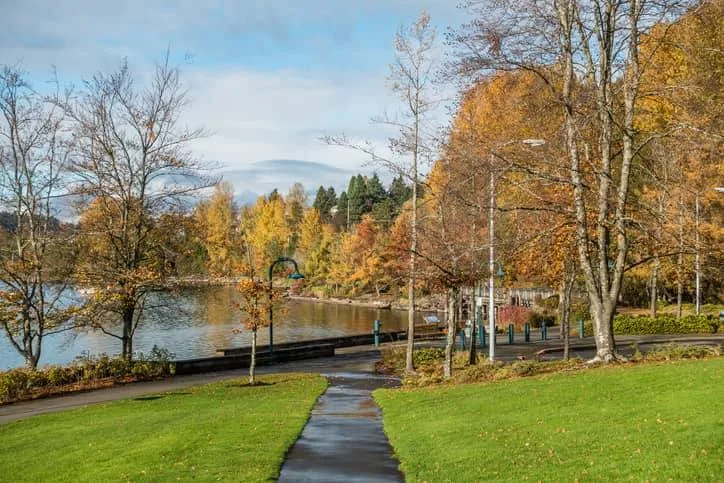
Local Expert Takeaway: The Don Persson Senior Activity Center renovation delay through January 2027 catches newcomers off guard — if you're moving to Renton before then, anchor your social life at the Renton Community Center where senior programming has continued. The Cedar River Trail is flat, paved, and one of the genuinely underrated amenities for older adults in South King County. And if you're 61 or older and your household income was under $88,998 in 2025, file for the King County senior property tax exemption immediately — the savings are real, the program is underutilized, and the age threshold is lower than most people expect.
Quick Takeaways & FAQs
✅ Washington's zero state income tax means your Social Security, pension, and retirement withdrawals are all untaxed at the state level — a compounding advantage that grows every year you're in retirement.
⚠️ Renton's hilly terrain outside the downtown core and the Don Persson Senior Center closure through January 2027 are real friction points that retirees moving in 2026 need to plan around.
📍 Valley Medical Center at 400 South 43rd Street is a UW Medicine affiliate with a Level III trauma center and nationally recognized joint replacement outcomes — solid in-city orthopedic and emergency care without a Seattle commute.
Is Renton, WA a good place to retire?
Does Washington State tax Social Security or pension income?
What is the senior property tax exemption in Renton, and do I qualify?
What hospitals are in Renton, WA for retirees?
Are there 55+ or active-adult communities in Renton?
Moving to Washington?
Tell us what you need help with and we'll connect you with local resources.
