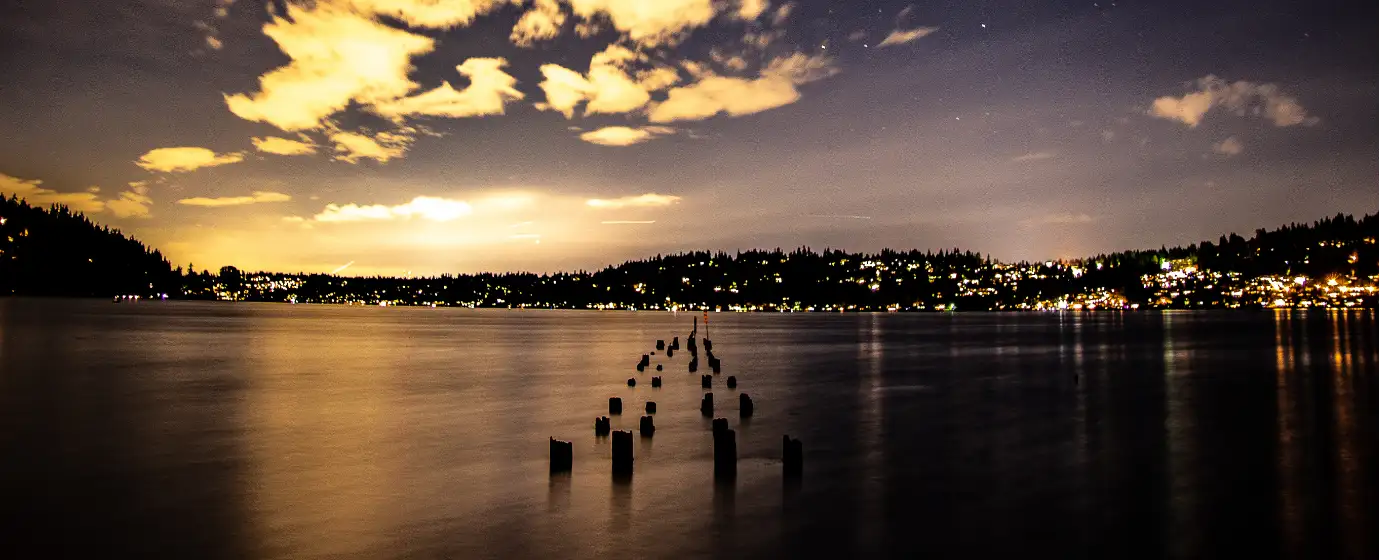
Most people who move to Lake Forest Park expect a quiet residential suburb on Lake Washington's north shore. What surprises them is how much of the outdoor life here is within a five-minute walk of the same intersection. The Burke-Gilman Trail runs right through town — not at its edge, but through the heart of it — and Lyon Creek Waterfront Preserve sits directly across from Town Center at Lake Forest Park. For a city of roughly 13,000 people, the density of accessible green space and trail infrastructure is genuinely unusual for this part of King County.
The city maintains seven parks ranging from the heavily used Horizon View Park — locals call it Choo-Choo Park for the play train that anchors its playground — to the quiet wildlife corridor at Grace Cole Nature Park, where birdwatchers and wildlife photographers show up with long lenses on foggy mornings. That range matters: Lake Forest Park isn't trying to be a destination park city. It's built for the kind of daily outdoor life where you take the trail to the farmers market on Sunday, catch a free concert at Third Place Commons on Friday night, and watch salmon run at McAleer Creek without driving anywhere.
The waterfront picture is actively changing. The city has identified expanding public Lake Washington access as a top priority in its Parks, Recreation, Open Space and Trails plan, and has already acquired two additional parcels to expand Lyon Creek Waterfront Preserve into a more substantial lakefront park — with a swimming and paddling dock, recreational float, play structure, and nature viewing platforms in the planned design. For anyone considering buying here, that project changes the calculus on what daily waterfront access will look like in the coming years. For youth sports programming and activities, see the schools page for the full picture on organized athletics.
Whether you're a cyclist debating whether the Burke-Gilman works as a real commute route, a family wondering where kids actually spend weekend afternoons, or a newcomer trying to understand how a city this size supports this much outdoor infrastructure, the sections below break down Lake Forest Park's parks, trail network, waterfront access, and the community gathering spaces that make outdoor life here feel unusually connected.
The Burke-Gilman Trail: Lake Forest Park's Most Important Green Asset
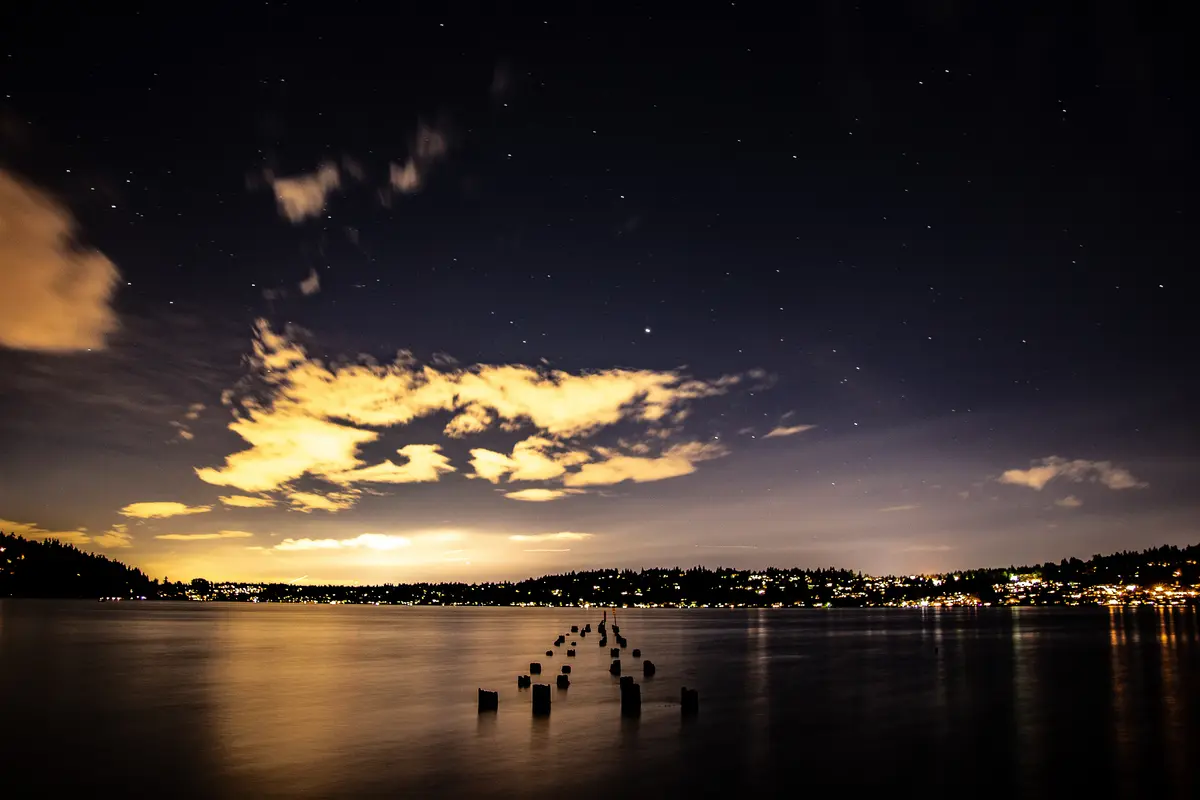
The Burke-Gilman Trail doesn't just pass through Lake Forest Park — it defines how residents move through their daily lives. Following a historic railroad right-of-way, the trail runs more than 20 miles from Shilshole Bay in Seattle all the way to Bothell, and its path through Lake Forest Park hugs the Lake Washington shoreline close enough that you catch water views between the trees on the eastern stretches.
The grade is what makes it exceptional. Because it follows a former rail corridor, the trail stays nearly level throughout — no significant climbs, no sharp switchbacks. That makes it genuinely accessible to people who wouldn't describe themselves as serious cyclists: joggers, inline skaters, families with strollers, and older residents who use it for daily walks all share the paved, ADA-accessible surface without conflict.
A Real Commuter Route, Not Just a Recreation Path
The trail functions as a legitimate non-motorized commute corridor between Seattle and the Eastside. Residents in Sheridan Beach and the Towne Centre area use it to reach employment nodes in both directions — toward the University District and South Lake Union when heading toward Seattle, toward Kenmore and Bothell when heading northeast. A cyclist in reasonable shape can reach the University of Washington campus in under 30 minutes from Lake Forest Park's Town Center access point.
The southeast side of Town Center at Lake Forest Park abuts the trail directly. That adjacency is what makes the central node work: you step off the Burke-Gilman, cross into the Town Center, and you're at Third Place Books, the Farmers Market, Third Place Commons, and the Lyon Creek Waterfront Preserve within a two-minute walk. No other configuration of trail, retail, and waterfront in the Seattle suburbs quite replicates this.
What Newcomers Don't Expect
Weekend trail traffic between May and September is heavy — not unpleasant, but genuinely busy. If you're planning a casual Sunday ride and expecting a quiet path, go before 9 a.m. or push the outing to a weekday morning. The stretch through Lake Forest Park itself is among the most scenic sections of the entire corridor, which means it draws riders from Kenmore, Bothell, and Seattle who aren't locals.
Equestrian use is not permitted on the Burke-Gilman, which occasionally surprises people moving from rural areas. The trail is exclusively for cyclists, joggers, skaters, and pedestrians — and that focus on non-motorized human-powered travel is a deliberate design choice that keeps the surface condition and the pace of use predictable.
Lyon Creek Waterfront Preserve and the Expanding Lakefront
Lyon Creek Waterfront Preserve at 17337 Beach Drive NE is small — 0.89 acres — but its location makes it disproportionately significant. Sitting directly across from Town Center, it gives Lake Forest Park something most north Lake Washington suburbs can't claim: a publicly accessible waterfront you can reach on foot from a coffee shop, a bookstore, and a farmers market all in the same trip.
The preserve includes 100 feet of Lake Washington shoreline and 250 feet of Lyon Creek itself, with a dock, wildlife viewing areas, and one of the more remarkable ecological features in this part of King County: Lyon Creek is the first creek mouth that salmon encounter after leaving the Sammamish River and entering Lake Washington. During fall salmon runs, the preserve becomes a genuine wildlife-watching destination — you don't need to drive to a remote watershed. You park at Town Center and walk across the street.
The Lakefront Expansion Project
The city has already acquired two additional parcels totaling 1.91 acres on the Lake Washington shore, and the plan integrates them with the existing preserve into one continuous public park. The planned improvements are substantive: a swimming and paddling dock, a recreational float, a play structure, a picnic structure, nature viewing platforms, and a bathhouse. The SEPA notice for the project was posted in 2025, and the city's Parks, Recreation, Open Space and Trails plan identifies expanded waterfront access as a high priority endorsed by the Mayor and City Council.
This is worth understanding if you're evaluating Lake Forest Park against Kenmore or Bothell right now. The waterfront amenity you'd be buying near is actively being expanded, not static. The city is small enough that these decisions move relatively quickly compared to larger municipal park systems, and the political will — from elected officials and in the PROST plan — is clearly documented.
What to Know Before You Go
The current preserve functions as a passive park: it's a place to sit, watch the water, observe wildlife, and access the dock — not a swimming beach in its current configuration. The planned expansion changes that, adding swim and paddleboard access. Until construction is complete, residents who want structured swim programs use the Spartan Recreation Center in Shoreline, where Lake Forest Park residents receive discounted rates as part of a city partnership.
Lake Forest Park's Seven City Parks: What Each One Actually Offers
Seven parks for a city of 13,000 sounds modest, but the distribution across Lake Forest Park's hilly terrain means most neighborhoods have something close. The parks are deliberately differentiated — some are built for active recreation, others are genuine wildlife sanctuaries — and knowing which is which saves a lot of driving around.
| Park | Character | Key Features | Best For |
|---|---|---|---|
| Lyon Creek Waterfront Preserve | Passive / wildlife | Lake Washington shoreline, Lyon Creek dock, salmon viewing | Nature Families |
| Horizon View Park (Choo-Choo Park) | Active / playground | Play train, full play structure, basketball court, baseball/softball backstop | Families |
| Grace Cole Nature Park | Passive / wildlife | Native habitat, birding, wildlife photography | Nature Quiet |
| Pfingst Animal Acres Park | Open space | Open lawn, McAleer Creek salmon viewing | Nature Families |
| Burke-Gilman Trail (city segment) | Multi-use trail | Paved, ADA-accessible, level grade, Lake Washington views | Commuter Walkable |
| Lakefront Expansion (planned) | Active / waterfront | Swimming dock, paddling float, play structure, bathhouse | Families Nature |
Horizon View Park: The Neighborhood Gathering Spot
Horizon View Park is where families with young kids actually spend Saturday mornings. The play train — the feature that earned it the Choo-Choo Park nickname — is the draw for the under-eight crowd, but the basketball court and baseball backstop mean it serves older kids and adults too. It's one of those parks where you run into the same five families repeatedly, which is either charming or claustrophobic depending on what you're looking for.
Grace Cole and Pfingst: The Quieter Side
Grace Cole Nature Park is for people who want actual silence and genuine wildlife encounters. Birdwatchers and wildlife photographers treat it as a serious destination, not a casual stop. Pfingst Animal Acres Park is lower-key: open space with a creek view and the chance to catch salmon in McAleer Creek during the fall run — the same fish story that plays out at Lyon Creek, but without the waterfront framing.
Lake Forest Park offers two separate creek-side salmon viewing opportunities within city limits, at Lyon Creek and McAleer Creek. That's something most Seattle suburbs simply can't replicate, and it's the kind of detail that shifts how you think about the city's relationship to its natural environment.
Looking to buy in Lake Forest Park? Estimate your payment.
Enter your numbers to see an estimated monthly mortgage payment.
Estimate only. Excludes HOA fees and mortgage insurance. The interest rate above is a starting point, not a quoted rate — replace it with your own to see real numbers. Insurance is a flat placeholder, not a Lake Forest Park quote.
Third Place Commons, the Farmers Market, and Seasonal Life in Lake Forest Park
Recreation in Lake Forest Park isn't only about trails and water. Third Place Commons — the nonprofit community space inside Town Center at Lake Forest Park at 17171 Bothell Way NE — functions as the city's cultural and social infrastructure in a way that most suburbs of this size don't have. It hosts more than 900 free public events annually, and the programming calendar is genuinely broad: live music on the Commons Stage every Friday and Saturday night, community gatherings, arts events, and the weekly Farmers Market anchor it across the calendar year.
The Sunday Farmers Market
The Lake Forest Park Farmers Market runs every Sunday from May through October in the Town Center parking lot. For residents in Sheridan Beach, the Towne Centre area, and Brookside, this is a walkable Sunday ritual — especially for households that arrived via the Burke-Gilman Trail. The market draws vendors from across the region and pairs naturally with a stop at one of the independent cafés along Bothell Way NE before or after.
The seasonal arc of the market also tracks the broader seasonal rhythm of recreation in Lake Forest Park. May through October is when the trail gets crowded, the waterfront preserve fills on weekends, and outdoor events at Third Place Commons stack up. November through March is genuinely quiet — Pacific Northwest quiet, which means gray, wet, and peaceful if you've acclimated, or isolating if you haven't.
What Six Months Here Actually Teaches You
The seasonal swing catches newcomers from sunnier climates off guard. Lake Forest Park's tree canopy — one of its genuine attractions — also means the trails and parks stay damp and shadowed well into spring. Locals run the Burke-Gilman in the rain without a second thought by February; people who moved from California in August often hit a wall in January when the green of summer has compressed into persistent gray.
Friday and Saturday nights at Third Place Commons become a social anchor that many residents don't anticipate needing as much as they end up needing it. The free live music on the Commons Stage is the kind of community programming that punches well above its weight for a city this size — it's not a destination event, it's just what people do on Friday night. Afterward, the Town Center has a handful of dining and taproom options within easy walking distance of the Commons Stage.
Indoor Recreation: The Honest Gap
Lake Forest Park does not operate its own aquatic facility. Residents who want lap swimming or structured water fitness classes use the Spartan Recreation Center in Shoreline at a discounted resident rate — a practical arrangement, but it does mean a short drive for anything pool-related. It's the clearest gap in the city's recreation infrastructure, and it's acknowledged plainly in the city's own Parks, Recreation, Open Space and Trails plan. The planned lakefront expansion addresses outdoor swimming, not lap lanes — so if structured aquatics programming matters to your household, factor the Shoreline drive into your daily calculus before you buy.
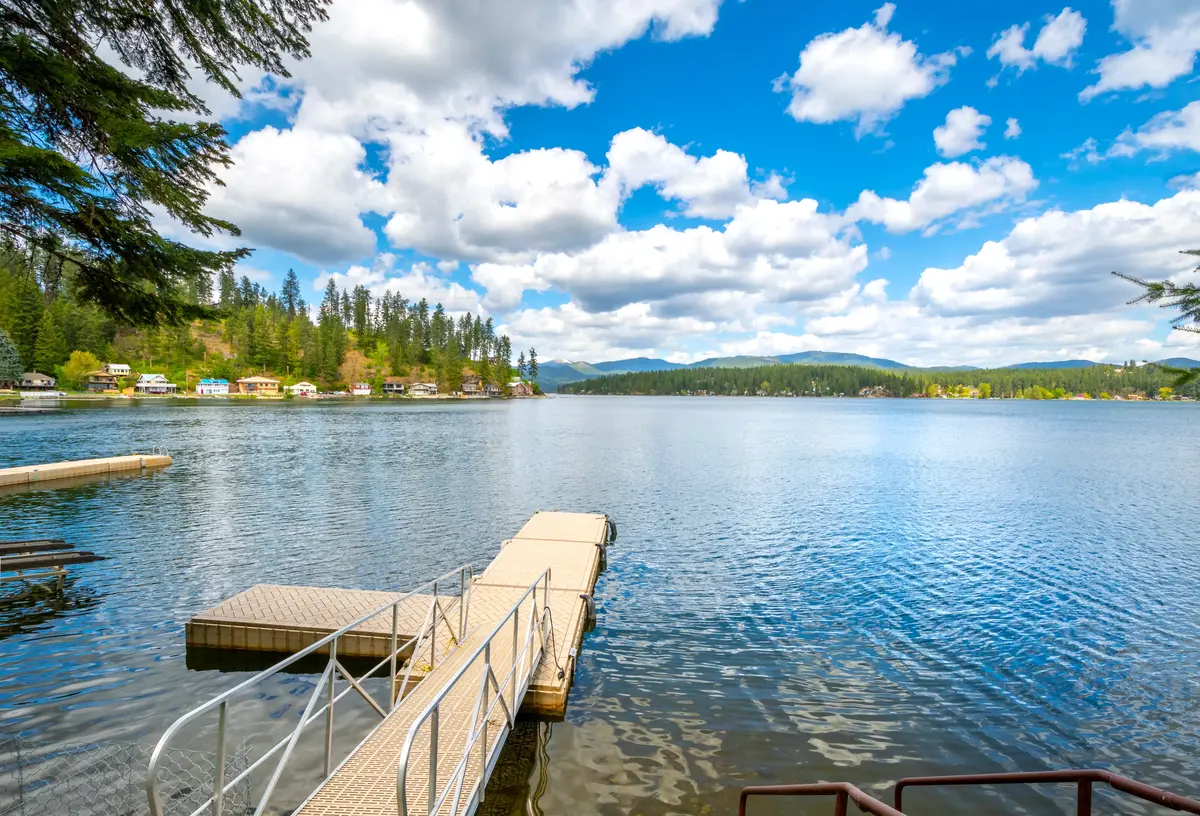
Local Expert Takeaway: Lake Forest Park's outdoor life is organized around one central node that most suburbs can't replicate: the Burke-Gilman Trail, Lyon Creek Waterfront Preserve, Third Place Commons, and the Sunday Farmers Market all within a five-minute walk of each other at Town Center. The trail runs level and paved to Seattle in one direction and Bothell in the other, making it a legitimate commute route, not just a weekend amenity. The waterfront is actively being expanded — two new lakefront parcels are being integrated into the preserve with a planned swimming dock and paddling float — so the access picture you see today isn't the ceiling. The honest gap is indoor aquatics: there's no city pool, and families who want lap swimming drive to Shoreline's Spartan Recreation Center on a resident-rate arrangement.
Quick Takeaways & FAQs
✅ The Burke-Gilman Trail runs more than 20 miles on a nearly level, paved, ADA-accessible surface directly through Lake Forest Park, functioning as both a recreation trail and a real non-motorized commute corridor to Seattle and the Eastside.
⚠️ Lake Forest Park has no city-operated aquatic facility — residents who want structured swimming programs must drive to the Spartan Recreation Center in Shoreline, even with the discounted resident rate.
📍 Lyon Creek Waterfront Preserve is the first creek mouth salmon encounter after leaving the Sammamish River and entering Lake Washington, making fall salmon runs a walkable wildlife event directly across from Town Center.
Can you swim in Lake Washington at Lake Forest Park?
How does the Burke-Gilman Trail connect Lake Forest Park to Seattle?
What parks in Lake Forest Park are best for young children?
When can you watch salmon in Lake Forest Park?
Does Lake Forest Park have free community events and recreation programs?
Moving to Washington?
Tell us what you need help with and we'll connect you with local resources.
