
Maybe your company is relocating you to the Eastside and someone mentioned Newcastle as a quieter alternative to Bellevue. Maybe you've been watching King County home prices and noticed Newcastle keeps appearing near the top of every appreciation chart. Either way, the number that stops most people: $1,449,128 — the median sale price recorded by Redfin in May 2026. That figure alone tells you Newcastle is not a budget alternative to anything in this corridor. It is a premium market, full stop, with prices that reflect proximity to major tech campuses reachable in under 30 minutes on a good day.
What drives the cost here is a specific combination of factors you won't find stacked this way anywhere else in King County. The land itself is steeply wooded and largely built-out, which constrains supply in a way that flat, developable suburbs simply don't face. Newcastle recorded the single largest jump in assessed home value among all King County cities for the 2025 tax year — a 19.5% increase — which tells you demand here isn't cooling. The median household income of $156,853 reflects who already lives here: dual-income professional households who can sustain these prices.
Beyond housing, the cost picture has genuine bright spots. Washington's zero state income tax is a meaningful advantage for high earners moving from California, Oregon, or any other income-tax state. Electricity rates in Newcastle run noticeably below the national average, thanks to the region's hydropower base. Groceries carry no sales tax under Washington law. The sales tax rate on everything else — 10.3% combined in 2026 — is real, and so is the Sound Transit surcharge layered on top. The honest posture: non-housing costs here are manageable for the income bracket the city attracts, but the purchase price and ongoing ownership cost demand serious budgeting.
Whether you're finalizing a relocation offer or just stress-testing your budget, the sections below break down Newcastle's housing market, everyday costs, how it compares to nearby cities, and the full tax picture so you know exactly what you're stepping into.
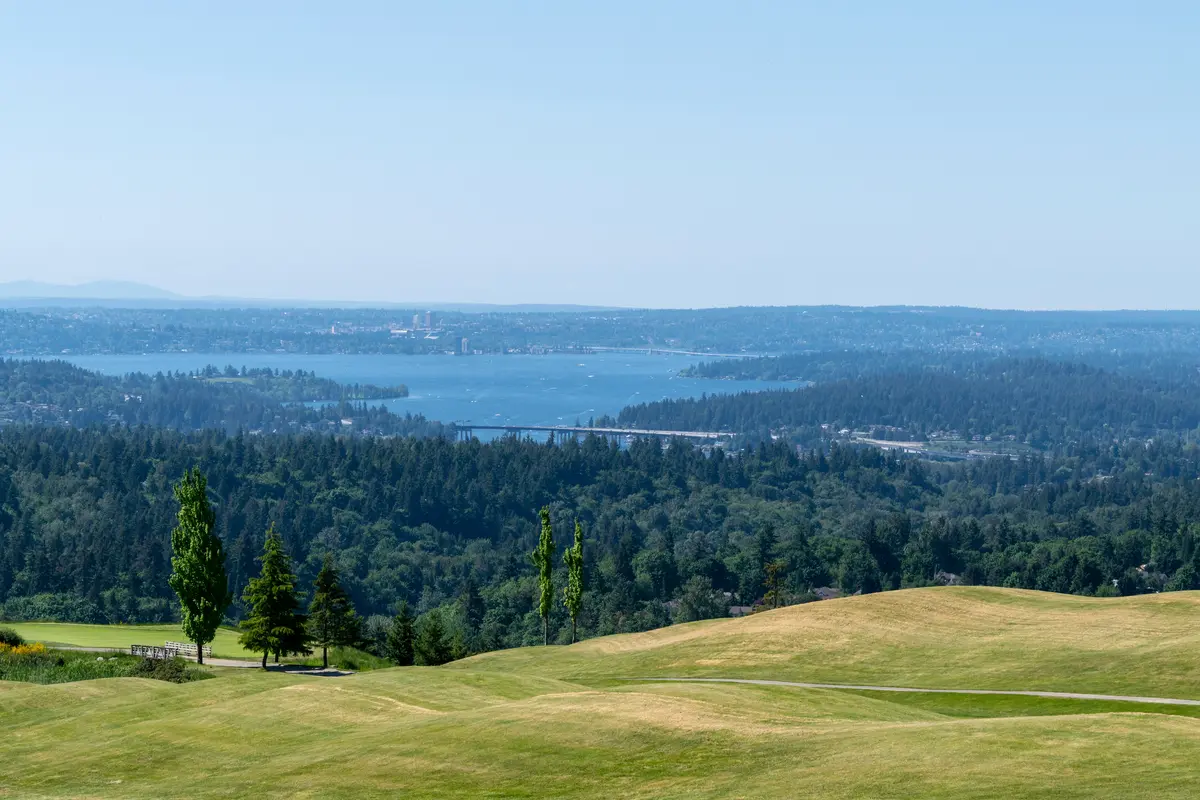
What It Really Costs to Live in Newcastle
Newcastle is not priced like a suburb. The median sale price of $1,449,128 (Redfin, May 2026) puts it firmly in the upper tier of King County, running noticeably above Renton and Issaquah and close to — sometimes above — parts of Bellevue that most people consider premium. If you're relocating from outside the Seattle metro and budgeting based on national cost-of-living indices, those figures will mislead you. This market operates by its own logic.
What drives the number is a short list of reinforcing pressures: strong buyer demand from households oriented toward the Eastside tech corridor, a constrained and heavily wooded land base that limits new supply, and a location that puts multiple major employment centers within a realistic commute. The 19.5% jump in assessed home value Newcastle posted for the 2025 tax year — the largest of any King County city — was not an anomaly. It reflected genuine, sustained demand.
Compared to the state average and most of Washington's mid-sized cities east of the Cascades, Newcastle is dramatically more expensive. Even within King County, it occupies a rarefied tier. The honest read: if your household income isn't clearing $180,000 or more, or you don't have substantial equity to bring in, ownership here will require tradeoffs that may not match what you expect from a city this size.
Housing: Rent vs Buy in Newcastle
Newcastle is overwhelmingly a homeowner city. The housing stock skews toward single-family homes on substantial lots, and the rental supply is thin enough that finding a long-term rental at all — let alone at a price that makes financial sense relative to ownership — is genuinely difficult. Most renters who land here are doing so in attached townhomes or accessory units, not in a purpose-built apartment complex.
Entry-level ownership starts meaningfully below the city-wide median — you'll find older construction and smaller footprints in the low-to-mid seven figures — but even the bottom of the market here requires a large down payment and a strong income. The mortgage calculator below this section will give you a payment estimate based on your own inputs; the figures shift quickly with rate changes, so use it rather than any static number in this guide.
The effective property tax rate in Newcastle is approximately 0.83% — low by national standards and well below the U.S. average of roughly 1.1%. That relative efficiency is one of the few ownership-cost advantages this market offers. King County property tax collections rose approximately 10% for 2026, driven largely by voter-approved levies, so budget for continued increases even if your assessed value holds flat.
Renting makes practical sense in Newcastle for exactly one type of buyer: someone relocating to the area who needs 12–18 months to understand which part of the city fits their life before committing to a seven-figure purchase. For everyone else, the thin rental inventory and premium rents make owning — when financially viable — the more straightforward long-term path. For neighborhood-level detail, the Best Neighborhoods guide covers the character and relative positioning of each area.
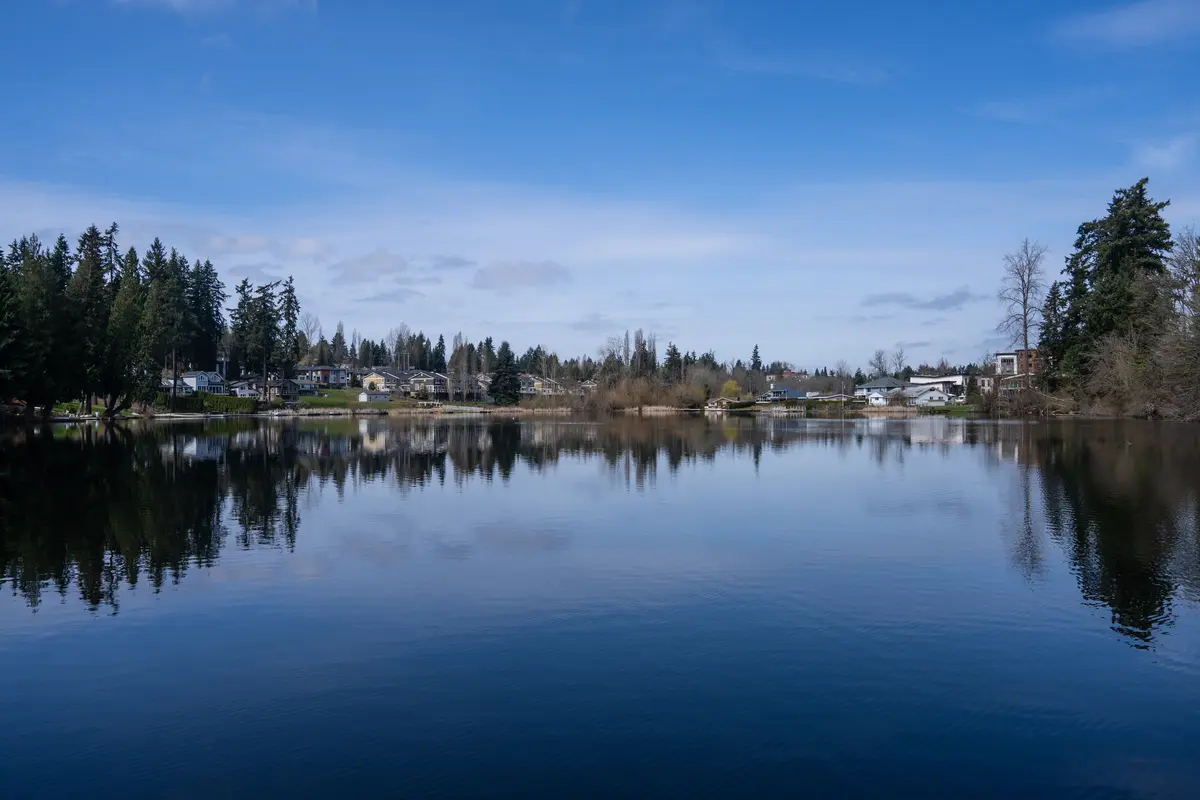
Everyday Costs Beyond Housing in Newcastle
Utilities are one of the few places Newcastle's cost structure actually works in your favor. Residential electricity averaged approximately 14.40 cents per kilowatt-hour in March 2026 — a direct benefit of the Pacific Northwest's hydropower grid — running noticeably below the national average. The average Washington household pays roughly $294 per month for the core utility bundle of electricity, water, sewer, and trash, well below what most of the country pays. Rates have been rising — about 13% year-over-year as of early 2026 — so factor in continued increases.
Groceries carry no Washington sales tax, which takes real dollars off your monthly bill. The 10.3% combined sales tax applies to clothing, household goods, restaurant meals, and most retail — with the Sound Transit district surcharge on top of that for transit-funded purchases. Gas prices in the Seattle metro typically run noticeably above the national average; most Newcastle residents commute by car via Coal Creek Parkway SE and I-405, so a monthly fuel budget here is not optional.
| Category | Typical Monthly Cost | Notes |
|---|---|---|
| Housing (2BR rent) | $2,800–$3,600 | Rental supply is thin in Newcastle; owners should use the mortgage calculator above for an ownership estimate |
| Utilities | $250–$340 | Electricity, water, sewer, trash; electricity rates below national average thanks to hydropower |
| Groceries | $700–$1,000 | No WA sales tax on unprepared food; Seattle-area grocery prices run above national average |
| Transportation & Gas | $300–$550 | Most residents drive; Seattle-metro gas prices typically above national average; I-405 is the primary corridor |
| Phone & Internet | $150–$250 | High-speed fiber options available; competitive carrier coverage in King County |
| Dining & Entertainment | $400–$800 | 10.3% combined sales tax applies to restaurant meals; Newcastle has a small number of local dining options including a bar and grill on Newcastle Commons Dr and The Calcutta Grill at the Golf Club |
| Miscellaneous / Discretionary | $300–$600 | Clothing, household goods, personal care — all subject to the full 10.3% combined sales tax rate |
These are realistic estimates for a two-person household; a family of four should add 20–40% across grocery and discretionary lines. The housing row reflects the rental market as a monthly snapshot — not an ownership recommendation.
Looking to buy in Newcastle? Estimate your payment.
Enter your numbers to see an estimated monthly mortgage payment.
Estimate only. Excludes HOA fees and mortgage insurance. The interest rate above is a starting point, not a quoted rate — replace it with your own to see real numbers. Insurance is a flat placeholder, not a Newcastle quote.
Newcastle vs Nearby Cities: Cost Comparison
| City | Median Home Price | Typical 2BR Rent | Cost vs Newcastle |
|---|---|---|---|
| Newcastle, WA | $1,449,128 (Redfin, May 2026) | $2,800–$3,600/mo | Baseline |
| Bellevue, WA | Approx. $1.4M–$1.6M range | $2,900–$3,800/mo | About the same; premium neighborhoods push higher |
| Mercer Island, WA | Approx. $1.7M–$2.1M range | $3,200–$4,200/mo | Noticeably more expensive |
| Issaquah, WA | Approx. $950K–$1.15M range | $2,200–$2,800/mo | Meaningfully cheaper on both counts |
| Renton, WA | Approx. $650K–$800K range | $1,800–$2,400/mo | Substantially cheaper; different market tier |
| Factoria / Eastgate area | Approx. $750K–$950K range | $2,000–$2,600/mo | Cheaper; more condo and apartment inventory |
Issaquah is the comparison that comes up most often for buyers who want a lower price point in the same general corridor — and it delivers on that, with a trade-off in commute time to the Bellevue employment core. Renton sits in a different tier entirely: more affordable, more diverse in housing type, but a different daily life experience.
Taxes & the Bottom Line for Newcastle
Washington's No-Income-Tax Advantage
Washington has no state personal income tax — a constitutional fact that delivers a real, compounding advantage for high-earning households. A dual-income household clearing $300,000 combined saves a meaningful five-figure sum annually compared to what they'd owe in California, Oregon, or New York. For the income bracket that can actually buy into Newcastle, this offset matters.
Sales Tax: The Trade-Off
The combined sales tax rate in Newcastle is 10.3% in 2026: Washington's 6.5% statewide base plus a 3.8% local rate. Newcastle also falls within the Sound Transit Regional Transit Authority district, adding a voter-approved 1.4% surcharge on most purchases to fund light rail and express bus infrastructure. That stacks up fast on big-ticket purchases — a car, appliances, a home renovation — so it belongs in your annual budget model. The meaningful relief: Washington exempts unprepared grocery items from sales tax entirely, at both the state and local level.
Property Tax Rate in Context
The effective property tax rate of approximately 0.83% is low by national standards. On a home at the price point described earlier in this guide, that translates to a real annual obligation — refer to the mortgage calculator in the Housing section for a precise figure tied to your purchase price. King County's total property tax levy rose about 10% for the 2026 tax year, driven by voter-approved levies for infrastructure and services rather than pure assessment growth. Budgeting for continued annual increases is prudent.
Who Newcastle's Budget Actually Fits
Newcastle works financially for households with strong dual incomes, significant equity from a prior home sale, or both. The no-income-tax environment amplifies take-home pay for high earners and makes the ownership math more defensible than the sticker price initially suggests. Who tends to find it a stretch: single-income households, first-time buyers without equity to deploy, and anyone whose budget was calibrated to Renton or Issaquah prices. The city's median household income of $156,853 isn't a ceiling — it's roughly the floor of the ownership-capable cohort here.

Local Expert Takeaway: Newcastle's cost structure rewards one specific type of household: dual-income, equity-rich, and already oriented toward the Eastside corridor. The no-income-tax environment and below-average electricity rates are genuine wins, but they don't offset a $1.4M+ median purchase price for most buyers. If you're cross-shopping with Issaquah, the honest question is whether the shorter commute to Bellevue via Coal Creek Parkway SE justifies a price premium that can run several hundred thousand dollars. For many households, the answer is yes. For first-time buyers or single-income households, Renton or Issaquah will almost always pencil out better.
Quick Takeaways & FAQs
✅ Washington's zero state income tax is a genuine and compounding advantage for the high-earning households Newcastle attracts — often worth more annually than the property tax bill itself.
⚠️ The $1,449,128 median sale price (May 2026) makes Newcastle one of the most expensive residential markets in King County, with no meaningful entry-level tier compared to neighboring Renton or Issaquah.
📍 Newcastle sits inside the Sound Transit RTA district, meaning the combined sales tax on most purchases effectively runs above 10.3% once the transit surcharge is factored in — a detail most relocating buyers miss until their first big purchase.
What is the median home price in Newcastle, WA?
Does Washington state have an income tax, and how does that affect living in Newcastle?
What is the property tax rate in Newcastle?
How does Newcastle compare to Issaquah for cost of living?
What is the sales tax rate in Newcastle, WA?
Moving to Washington?
Tell us what you need help with and we'll connect you with local resources.
