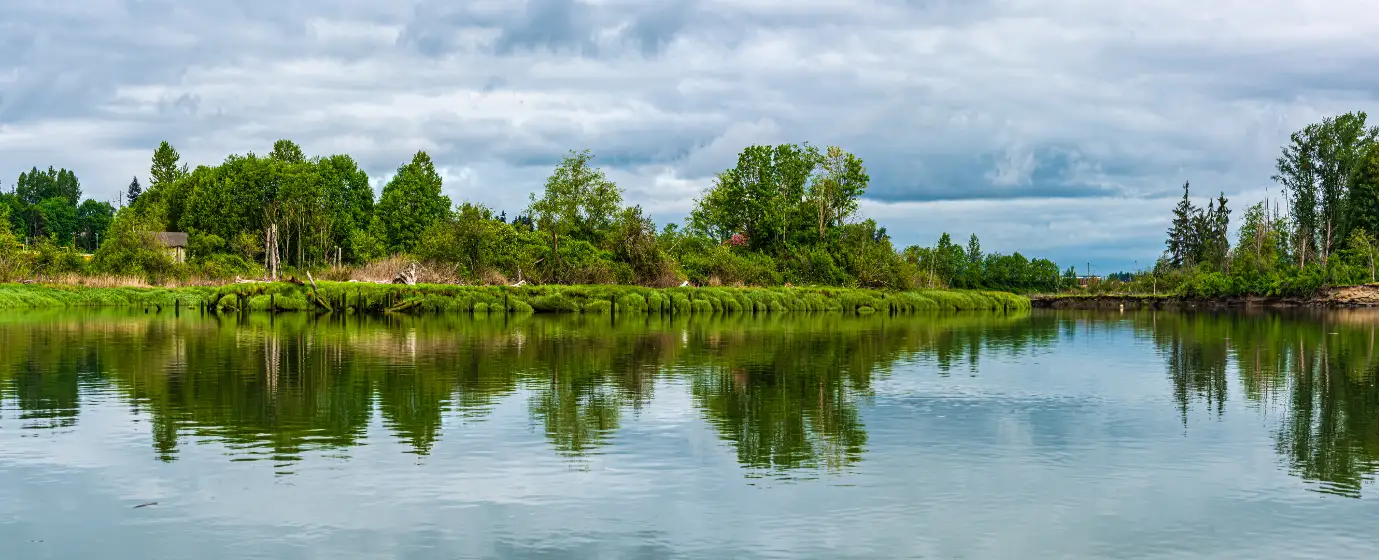
Maybe you've been priced out of Mill Creek or Lake Stevens and someone mentioned Snohomish as the next logical move. Maybe you drove down First Street on a weekend, saw the riverfront antique district, and wondered why you hadn't considered it sooner. Either way, the city's central tension is geographic: Snohomish is simultaneously a walkable, character-filled river town and a fast-growing suburban corridor of newer subdivisions, and those two identities don't overlap as much as the photos suggest. The city sits along the Snohomish River about 30 miles north of Seattle, bisected by Highway 9 and served by US-2 — the highway that either makes your commute manageable or turns it into a daily reckoning depending on where you land.
The Snohomish School District holds an A- rating, according to Niche, and draws families who want small-city feel without sacrificing school quality. Named schools like Cathcart Elementary and Machias Elementary serve specific geographic pockets, and school-boundary awareness matters more here than in larger cities where zones are more uniform. The city's economic backbone is regional rather than local — Boeing's Everett factory and surrounding Snohomish County employers anchor employment for a large share of households, which means most working adults are commuters by definition. That reality shapes which neighborhoods actually suit a given lifestyle and which ones look great on Zillow until you're sitting in US-2 traffic at 7:15 a.m.
The typical Snohomish home value sits at $891,252 (Zillow Home Value Index, June 2026) — noticeably below comparable Eastside cities but not the bargain some newcomers expect after hearing it described as a small town. Entry-level options exist, particularly in the Cascade corridor subdivisions, but waterfront and historic-area homes push well above that figure. Day-to-day life here centers on the Centennial Trail for cyclists and runners, Ferguson Park and Blackmans Lake for fishing and kayaking, and the First Street antique row for weekend browsing — a genuinely local commercial strip rather than a chain-store strip mall. A small but growing craft beverage and dining scene has taken hold just off the main corridor in recent years.
Whether you're weighing a first purchase or upsizing from a condo in Everett, the sections below break down all eight of Snohomish's distinct neighborhoods, compare them by buyer type, flag the most common buying mistakes, and give an honest look at the rental market.
The Snohomish Reality
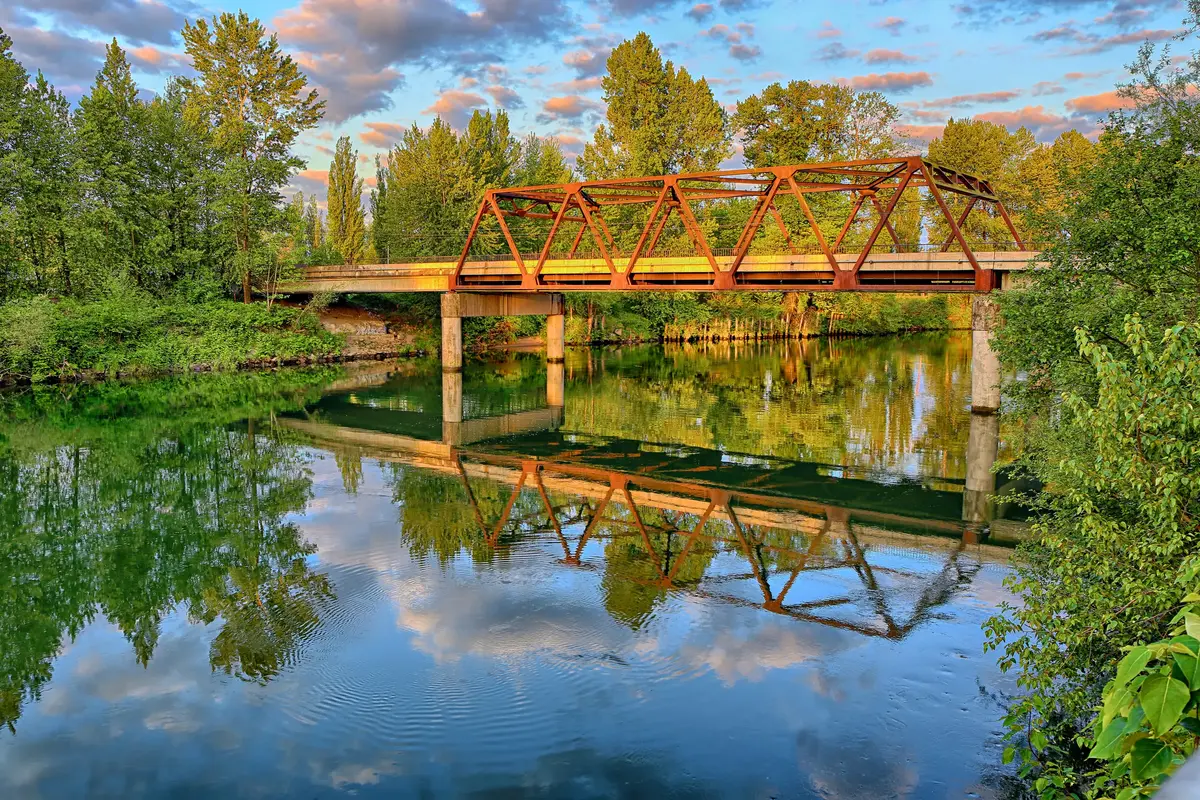
The divide that actually decides where to buy in Snohomish is not east versus west — it's the river corridor versus the southern subdivision belt. Homes north of the city center, clustered around Blackmans Lake and the Historic Downtown, sit within the original city grid: smaller lots, older construction, walkable streets, and a tangible sense of place. Homes in the Cascade corridor south and east of Highway 9 — the subdivisions of The Falls, Highlands East, Snohomish Cascade proper, and the outer reaches of Cathcart and Machias — are newer, larger, and almost entirely car-dependent.
School boundaries add a second layer of complexity. The Snohomish School District serves the whole area, but which elementary school your child attends depends heavily on which side of a specific road you buy on. Cathcart Elementary draws from the unincorporated Cathcart area south toward Woodinville; Machias Elementary is positioned farther out on 147th Ave SE. Buyers who assume the district's strong reputation means uniform access to the same schools across all eight neighborhoods consistently get surprised at closing — check boundary maps before you make an offer, not after.
US-2 is the artery that connects the suburban neighborhoods to Boeing in Everett and to the I-5/US-2 interchange. It flows well outside peak hours and turns genuinely difficult between 7–9 a.m. westbound. Neighborhoods farther from the US-2 on-ramps — particularly Maltby and outer Cathcart — add meaningful drive time to that baseline. For buyers whose commute to the Boeing Everett factory or to central Everett is a daily reality, proximity to the US-2 corridor is worth more than an extra bedroom.
Neighborhoods at a Glance
| Neighborhood | Best For | Price Range | Vibe |
|---|---|---|---|
| Historic Downtown / First Street District | Walkable Renter | $750K–$1.1M+ | River-town character, antique row, weekend foot traffic |
| Snohomish Cascade | Families Value | $850K–$1.05M | Master-planned suburban, large park access, newer builds |
| Maltby | Privacy Nature | $900K–$1.2M | Semi-rural, acreage lots, quiet roads near Woodinville |
| Cathcart | Families Commuter | $875K–$1.1M | Unincorporated suburban, Lord Hill Regional Park access |
| Machias | Privacy Quiet | $825K–$1.0M | Outer-edge rural feel, space between neighbors, low traffic |
| Blackmans Lake Area | Luxury Views | $1.0M–$1.5M+ | Lakefront living, very limited inventory, long-term owners |
| The Falls | First-Time Families | $800K–$980K | Established Cascade subdivision, walkable to Tucker Park |
| Highlands East | Families School | $875K–$1.05M | Newer builds in Cascade corridor, trail access, quiet streets |
Best Neighborhood by Buyer Type
| Buyer Type | Best Neighborhood | Why |
|---|---|---|
| First-Time Buyer | The Falls | Entry-level pricing within the Cascade corridor and walkable access to Willis D. Tucker Community Park give first-timers the most value without sacrificing neighborhood infrastructure. |
| Luxury Buyer | Blackmans Lake Area | Lakefront homes on the 62.9-acre no-ski lake are among the rarest listings in Snohomish County, with prices reflecting both the scarcity and the lifestyle. |
| Walkability Seeker | Historic Downtown / First Street District | First Street's antique shops, independent restaurants, and river access are all on foot — nowhere else in Snohomish comes close to this kind of on-foot daily range. |
| Families with Kids | Snohomish Cascade | Tucker Park's splash pads, dog park, and summer amphitheater programming sit directly adjacent, and Centennial Trail access makes this the most family-infrastructure-rich corridor in the city. |
| Commuter | Cathcart | Its position between Snohomish and the US-2 / SR-522 interchange gives Boeing Everett and south-county commuters the most direct routing without backtracking through downtown. |
| Large-Lot Buyer | Maltby | Acreage parcels with genuine separation between neighbors are easier to find in Maltby than anywhere else on this list, at prices that are high but still below comparable Eastside acreage. |
| Renter | Historic Downtown / First Street District | The city's most walkable corridor concentrates whatever rental inventory exists in Snohomish, making it the practical default for renters who don't want to depend entirely on a car. |
Looking to buy in Snohomish? Estimate your payment.
Enter your numbers to see an estimated monthly mortgage payment.
Estimate only. Excludes HOA fees and mortgage insurance. The interest rate above is a starting point, not a quoted rate — replace it with your own to see real numbers. Insurance is a flat placeholder, not a Snohomish quote.
Most Popular Neighborhoods
1. Historic Downtown / First Street District
First Street runs along the south-facing bank of the Snohomish River, and the commercial strip listed on the National Register of Historic Places gives this neighborhood something genuinely rare in the suburban sprawl north of Seattle: a reason to walk out your front door without a car. The catch is that most residential properties here are older and smaller than what the same money buys in the Cascade subdivisions, and the ongoing First Street Master Plan — a city-led streetscape overhaul covering sidewalks, parking, and lighting — means construction disruption is part of the deal for the next few years. A craft beverage taproom and several independent eateries have taken hold just off the main commercial row, anchoring a social scene that didn't exist a decade ago.
Best for: Buyers who prioritize walkable streets and a genuine sense of place over square footage; prices range from $750K–$1.1M+.2. Snohomish Cascade
The Cascade area is Snohomish's primary suburban growth corridor — a collection of named subdivisions (Gold Creek, Brasswood, Remington Ranch, and others) that fill the land south of the city center with 2000s and 2010s construction and consistent lot sizes. Willis D. Tucker Community Park borders the neighborhood directly, giving residents a dog park, splash pads, basketball courts, and a summer amphitheater lineup without leaving the area. The trade-off is that Cascade lacks the walkable commercial life of First Street — everything beyond the park requires a car trip.
Best for: Families who want newer construction, park adjacency, and Centennial Trail access; prices range from $850K–$1.05M.3. Maltby
Maltby sits in a rural buffer zone between Snohomish proper and Woodinville, and the acreage parcels here draw buyers who've been priced out of comparable Eastside properties with similar lot sizes. The convenience trade-off is real: Maltby residents are a 10–15 minute drive from most Snohomish amenities and slightly closer to Woodinville's wine country and grocery infrastructure, which shapes daily life more than the Snohomish address might suggest. The rural character is genuine — not curated.
Best for: Buyers seeking large lots, separation between neighbors, and a semi-rural lifestyle; prices range from $900K–$1.2M.4. Cathcart
Cathcart is a census-designated place rather than a formal city neighborhood — it sits in unincorporated Snohomish County between the city and Woodinville, and that unincorporated status affects utility providers, permit processes, and some services in ways buyers from incorporated suburbs don't always anticipate. The upside is Lord Hill Regional Park directly across the Snohomish River: 1,300-plus acres of forested trail access that residents of denser neighborhoods can't claim. Cathcart Elementary serves the area, and school-boundary verification is especially important here given the unincorporated boundaries.
Best for: Commuters to south Snohomish County destinations and families who want trail access without paying lakefront prices; prices range from $875K–$1.1M.5. Machias
Machias occupies the outer eastern edge of the Snohomish area — a genuinely quiet enclave where 147th Ave SE serves as the main orienting road and Machias Elementary anchors a small, stable residential community. Inventory is thin here in a different way than Blackmans Lake: it's thin because not many homes exist, not because they never come to market. The distance from US-2 and from Snohomish's commercial core is the honest limiting factor, and buyers who don't verify the commute time before going under contract tend to regret it.
Best for: Buyers who want maximum quiet and don't mind a longer drive to everything else; prices range from $825K–$1.0M.6. Blackmans Lake Area
Blackmans Lake is a 62.9-acre, no-wake lake sitting just east of Highway 9 on the north edge of the city, and homes with water frontage here are among the most tightly held in Snohomish County — long-term owners rarely list, and when they do, the homes move quickly. Ferguson Park on the southern shore and Hill Park's two disabled-accessible fishing piers on the eastern shore give non-waterfront residents partial lake access, but it's the lakefront properties themselves that carry the premium. If one doesn't come up in your search window, waiting it out is often the right move rather than settling for a nearby street address marketed as "lake area."
Best for: Buyers seeking genuine waterfront lifestyle with long-term hold value and the patience to wait for the right listing; prices range from $1.0M–$1.5M+.7. The Falls
The Falls is one of the more established subdivisions within the Snohomish Cascade corridor — close enough to Tucker Park's splash pads and amphitheater to use them routinely, and priced slightly below the newer Highlands East builds next door. It's a sensible first purchase for buyers who want suburban infrastructure without stretching to the city-wide median, though the floor plan variety is limited by the subdivision's era of construction. The Centennial Trail is accessible from here, which matters a great deal to the cycling and running households that this part of Snohomish skews toward.
Best for: First-time buyers and parents with school-age children wanting an established subdivision with park and trail access at the lower end of the Cascade price range; prices range from $800K–$980K.8. Highlands East
Highlands East sits at the newer end of the Snohomish Cascade corridor — construction here runs more recent than The Falls or Gold Creek, which means tighter energy envelopes, updated floor plans, and HOA infrastructure that's still relatively new. That also means HOA dues and rules that some buyers don't fully read before closing — a common friction point in the first year. Trail connections to the Centennial Trail and access to Tucker Park's amenities keep it well-positioned for active households, and it draws parents specifically because of Snohomish School District assignment.
Best for: Families who want newer construction in the Cascade corridor with school-district access and trail connectivity; prices range from $875K–$1.05M.Common Mistakes Buyers Make in Snohomish
Assuming All Cascade Addresses Are the Same
Buyers treating Snohomish Cascade as a single monolithic neighborhood consistently overpay or underbuy. The Falls, Highlands East, Gold Creek, Brasswood, and Remington Ranch each have different HOA structures, construction vintages, and proximity to Tucker Park's entrance. Two homes a few blocks apart can carry meaningfully different price-per-square-foot figures precisely because of which subdivision they sit in.
Ignoring the US-2 Bottleneck Before Going Under Contract
The commute from the outer Machias and Maltby areas to the US-2 westbound on-ramp looks short on a map and is not short at 7 a.m. Drive it during peak hours before you submit an offer — not after. Buyers relocating from areas without a single dominant highway chokepoint often underestimate how much that morning merge onto US-2 shapes daily life for anyone working in Everett or commuting toward Seattle.
Buying in Cathcart Without Checking Unincorporated County Rules
Cathcart's position as a census-designated place in unincorporated Snohomish County means some buyers close and then discover they're dealing with county permit processes rather than city ones, county utility providers rather than city services, and school boundary assignments that don't mirror what neighbors on the incorporated Snohomish side experience. Verify the jurisdiction of any Cathcart address before assuming city-level services apply.
Chasing the Blackmans Lake Address Without Waterfront Access
A home marketed as being in the "Blackmans Lake area" can range from an actual lakefront property on the north shore to a standard residential street that is several blocks from any water access. Ferguson Park provides bank fishing and a boat ramp, but that's public amenity — not private waterfront. Buyers paying a premium for the neighborhood name should confirm whether the lot has actual lake frontage, because the price gap between lakefront and non-lakefront on these streets is substantial and not always reflected in how a listing is described.
Best Areas to Rent in Snohomish
| Area | Ideal For | Typical Rent Range | Trade-off |
|---|---|---|---|
| Historic Downtown / First Street District | Singles, couples, walkability seekers | $1,800–$2,400/mo (1–2BR) | Limited inventory; units turn over infrequently and competition is high when they do |
| Snohomish Cascade | Families, commuters needing more space | $2,400–$3,200/mo (3BR) | Car-dependent for everything beyond Tucker Park; HOA rules often restrict rental terms |
| Blackmans Lake Area (non-waterfront) | Renters who want a quieter north-edge location | $2,200–$2,800/mo (2–3BR) | Very few dedicated rentals; most availability comes from individual landlords, not complexes |
| Cathcart / Machias Outer Edge | Renters prioritizing space and lower per-square-foot cost | $2,000–$2,800/mo (3BR) | Distance from commercial services; unincorporated county location adds logistical complexity |
| Maltby Area | Renters wanting semi-rural character near Woodinville | $2,200–$3,000/mo (3BR) | Single-family rental market only; zero walkable commercial access; car required for everything |
Snohomish's rental market is thin by design — a city of just over 10,000 residents with a strong homeownership culture generates far fewer dedicated rental units than comparable Eastside suburbs. Renters who need to move quickly often end up in Everett or Monroe and commute into Snohomish rather than finding a rental in the city itself. If renting here is a priority, the First Street corridor is the most realistic starting point, but expect to move fast when something comes available.
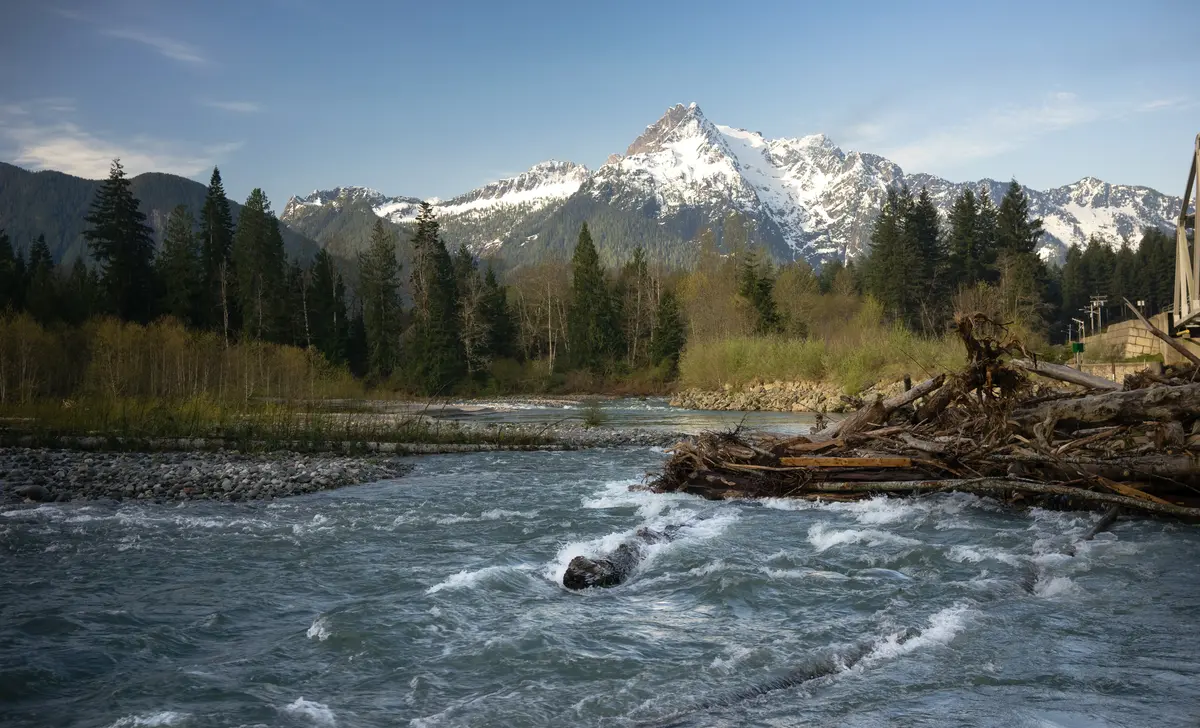
Local Expert Takeaway: Snohomish's eight neighborhoods split cleanly into two worlds: the walkable, character-rich river corridor anchored by First Street's antique district and a small but growing independent dining and taproom scene just off the main row, and the car-dependent Cascade subdivision belt to the south where Willis D. Tucker Community Park and the Centennial Trail do most of the lifestyle heavy lifting. Blackmans Lake waterfront is genuinely rare inventory — if one comes up and you can afford the $1M+ range, the long-term hold value case is strong. For everyone else, the most common buying mistake is treating a Snohomish address as a single market rather than eight distinct neighborhoods with different school boundaries, commute realities, and price ceilings.
Quick Takeaways & FAQs
✅ The Historic Downtown / First Street District sits on the National Register of Historic Places and is the only neighborhood in Snohomish where daily errands and weekend life are genuinely possible on foot.
⚠️ Outer neighborhoods like Machias and Maltby look affordable on a per-bedroom basis but add 10–20 minutes to every US-2 commute — drive the route at 7 a.m. before you go under contract.
📍 Blackmans Lake waterfront homes on the 62.9-acre no-ski lake rarely hit the market; when they do, they move quickly — inventory here is driven by long-term owners, not normal market turnover.
What is the typical home price in Snohomish, WA?
Which Snohomish neighborhood is best for families with kids?
Is the Historic Downtown area of Snohomish actually walkable?
How hard is it to find a rental in Snohomish?
What's the catch with Cathcart — it seems similar to regular Snohomish neighborhoods?
Moving to Washington?
Tell us what you need help with and we'll connect you with local resources.
