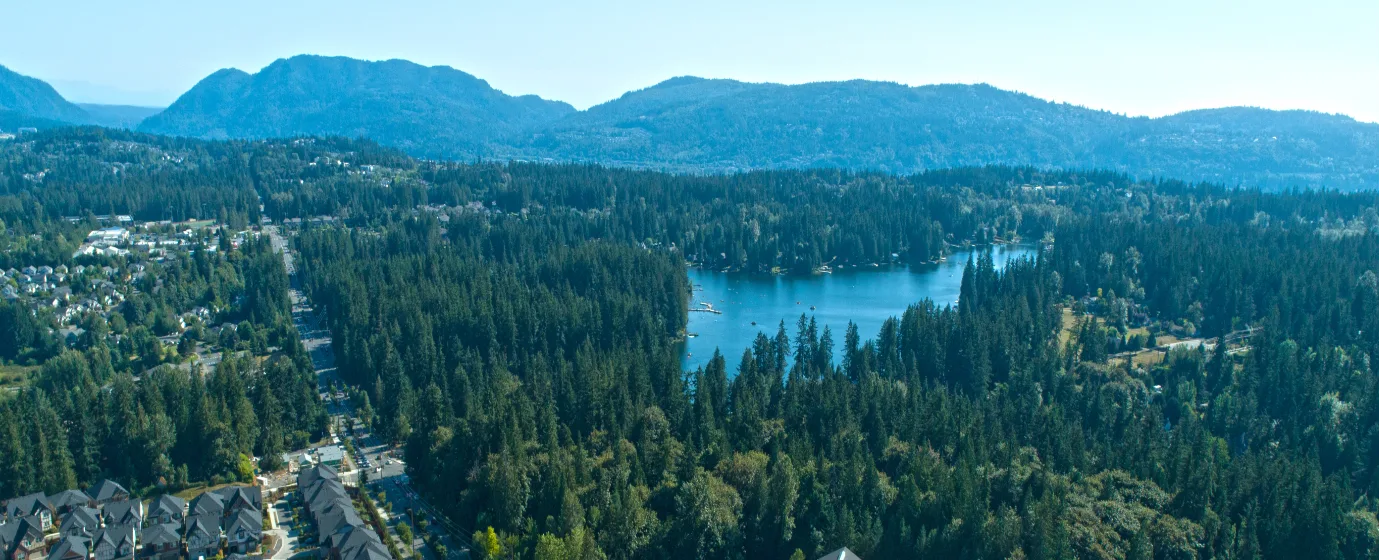
People who move to Redmond from inland cities almost always say the same thing after their first full summer: they had no idea a city this size could be this green. At 82,000 residents, Redmond punches well above its weight in public open space — 47 parks covering 1,351 acres within city limits alone, before you count the King County and state lands that stitch into the edges. The Sammamish River runs right through town, paved trails connect to Seattle without touching a road, and the crown jewel is a 640-acre park that draws more visitors annually than most national monuments. That's not an accident; outdoor access is a deliberate part of why families and tech workers choose Redmond over the denser alternatives to the west.
The trail network here functions as genuine infrastructure, not just amenity. The 520 Bike and Pedestrian Trail runs 11 miles along SR-520 from the University of Washington area through Bellevue and past the Microsoft campus directly into downtown Redmond, giving residents a continuous car-free corridor into the urban core. The Sammamish River Trail connects the city north to the Bothell area and south into Marymoor Park, and through the Burke-Gilman connection at the northern end, extends another 18.8 miles toward Golden Gardens in Seattle. Very few Eastside cities can claim a continuous car-free corridor that long.
What surprises most newcomers six months in is how four-season the outdoor culture actually is. The PNW gray discourages fair-weather recreators who move here expecting Southern California conditions, but the locals don't stop — they layer up. The Sammamish River Trail stays busy in January. The velodrome at Marymoor runs spring through fall. The dog area never empties. If you're the kind of person who only goes outside when it's 75 and sunny, Redmond's outdoor scene will feel better on paper than in practice. If you're willing to own a rain jacket, it's legitimately one of the strongest recreation lineups in the Seattle metro.
The sections below cover Redmond's signature parks in depth, the trail corridors that connect them, the water recreation options along the Sammamish River, and what outdoor life looks like across the seasons — including the one annual event that turns Marymoor Park into something resembling a small city.
Marymoor Park: King County's 640-Acre Anchor
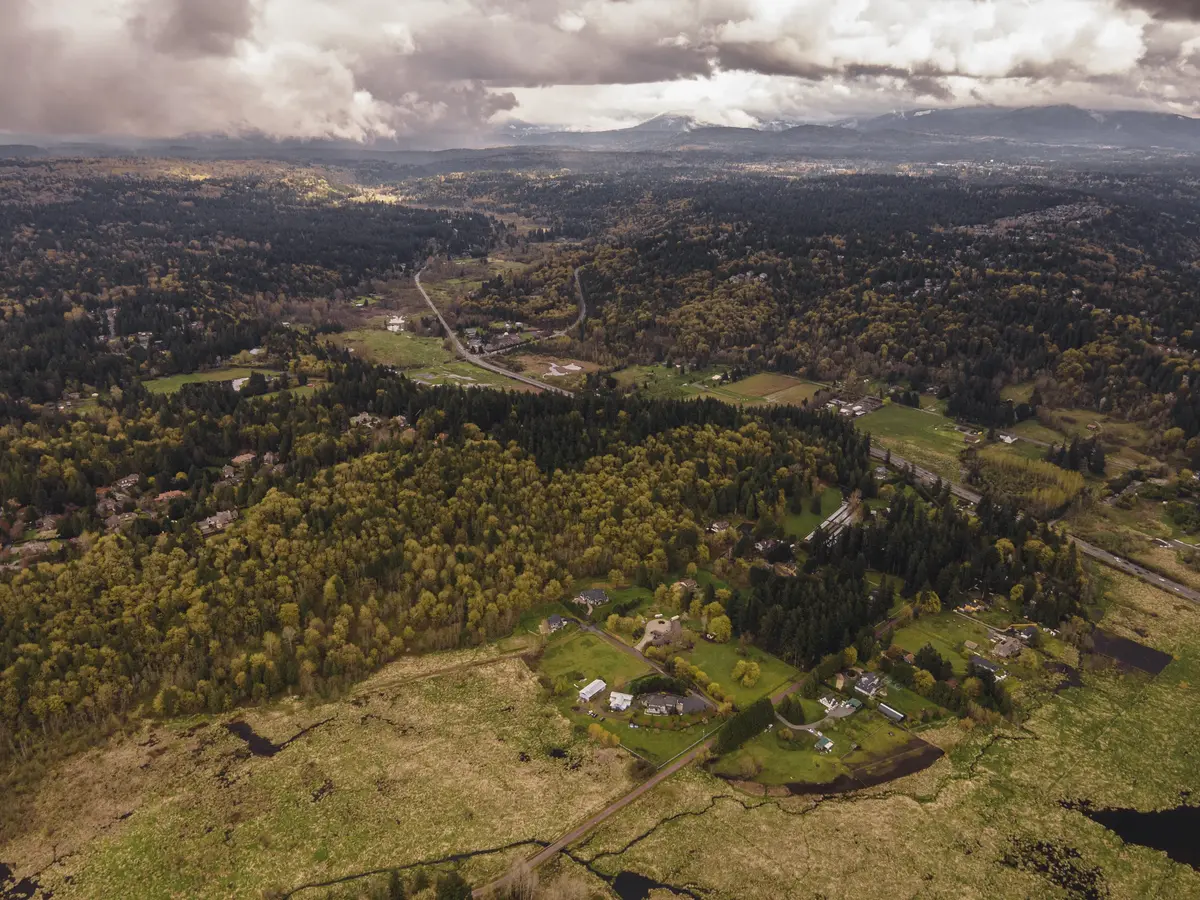
No single park defines a city's outdoor identity the way Marymoor defines Redmond's. At 640 acres on the north end of Lake Sammamish, it is King County's largest and most visited park — more than 3 million people come through annually. That number is easy to dismiss as a statistic until you arrive on a Saturday in July and realize you're sharing space with a cycling race, a dog swim, a community garden workday, and a concert sound check all happening simultaneously in different corners of the property.
What's Actually Inside
The amenities list at Marymoor reads like a municipal parks department's wish list: soccer fields, baseball diamonds, lighted tennis courts, a radio-controlled aircraft flying field, and a roughly 30-foot climbing wall. The 40-acre off-leash dog area — one of the largest in the region — lets dogs run in open fields or swim in the Sammamish Slough, which makes it a genuine social hub for the city's substantial dog-owning population.
Then there's the velodrome. The Jerry Baker Memorial Velodrome is Washington State's only outdoor bicycle racing track — a 400-meter concrete oval built in 1974, resurfaced in 2005, and operated by the nonprofit Marymoor Velodrome Association. Races run regularly through the warmer months, and the track is open for public riding and beginner programs when no event is scheduled. Outside of Portland's velodrome scene, there's almost nothing comparable within 200 miles.
The Community Garden and the Bird Loop
Two quieter corners of Marymoor are worth knowing before you assume the park is all soccer fields and cyclists. The Marymoor Community Garden Association maintains more than 200 individual plots inside the park — a waiting list situation, but worth getting on early if gardening is part of your routine. Separately, Eastside Audubon leads a Bird Loop through the property where more than 200 species have been recorded; great blue herons and bald eagles are regular sightings along the Slough.
Getting There Without a Car
The Sound Transit 2 Line now serves Marymoor directly via Marymoor Village Station, which makes the park genuinely accessible from South Bellevue, Redmond's urban core, and — with a transfer — from Seattle. On concert nights, this matters more than most park visitors realize until they've experienced post-show congestion on West Lake Sammamish Parkway firsthand.
Redmond's Trail Network: Miles That Actually Connect
The difference between a city with trails and a city with a trail network is whether you can string routes together and actually get somewhere. Redmond is firmly in the second category.
| Trail | Length | Surface | Connects To | Best For |
|---|---|---|---|---|
| Sammamish River Trail (SRT) | 10.1 miles | Paved (ADA accessible); parallel soft-surface for equestrians | Marymoor Park, Bothell area, Burke-Gilman Trail | Nature |
| Burke-Gilman Trail (via SRT connection) | 18.8 miles additional | Paved | Golden Gardens, Seattle | Walkable |
| 520 Bike & Pedestrian Trail | 11 miles | Paved | UW area, Bellevue, Microsoft campus, downtown Redmond | Nature |
| Bear Creek Trail | 2.9 miles (out-and-back) | Paved | Bear Creek Park, Redmond Town Center, SRT | Families Walkable |
| West Sammamish River Trail | 2 miles | Soft surface | Sammamish River corridor | Nature Quiet |
The SRT is the spine. Running 10.1 miles from Marymoor Park north to the Bothell area along the Sammamish River, it forms part of the larger Locks to Lakes Corridor — a concept that becomes tangible when you realize you can pedal from Redmond's park system all the way to Puget Sound without riding on a single road. Wildlife sightings along the river corridor are consistent enough to stop for: bald eagles perch in the cottonwoods between Redmond and Woodinville, beavers have dammed sections of the slough, and great blue herons stand in the shallows year-round.
The 520 Trail: A Dedicated Car-Free Corridor
The 520 Bike and Pedestrian Trail is worth calling out separately because it's one of the most complete car-free routes on the Eastside — 11 miles of paved pathway from the University of Washington area running directly past the Microsoft campus and into downtown Redmond's trail network. Residents who prefer to reach Bellevue or the urban core by bike rather than car have a legitimate option here, which is rare on this side of Lake Washington.
Bear Creek: The Neighborhood Connector
The Bear Creek Trail's 2.9-mile paved path through Bear Creek Park and the Redmond Town Center Open Space is shorter and less dramatic than the SRT, but it's the trail most Redmond residents actually use for daily errands and school runs. It connects directly to the SRT, which means it's also the on-ramp for anyone in the eastern neighborhoods heading toward Marymoor. The broader Bear and Evans Creek Trail and Greenway links four regional trails and enables looped routes around Redmond without retracing steps.
Water Recreation: Paddling the Sammamish River Corridor
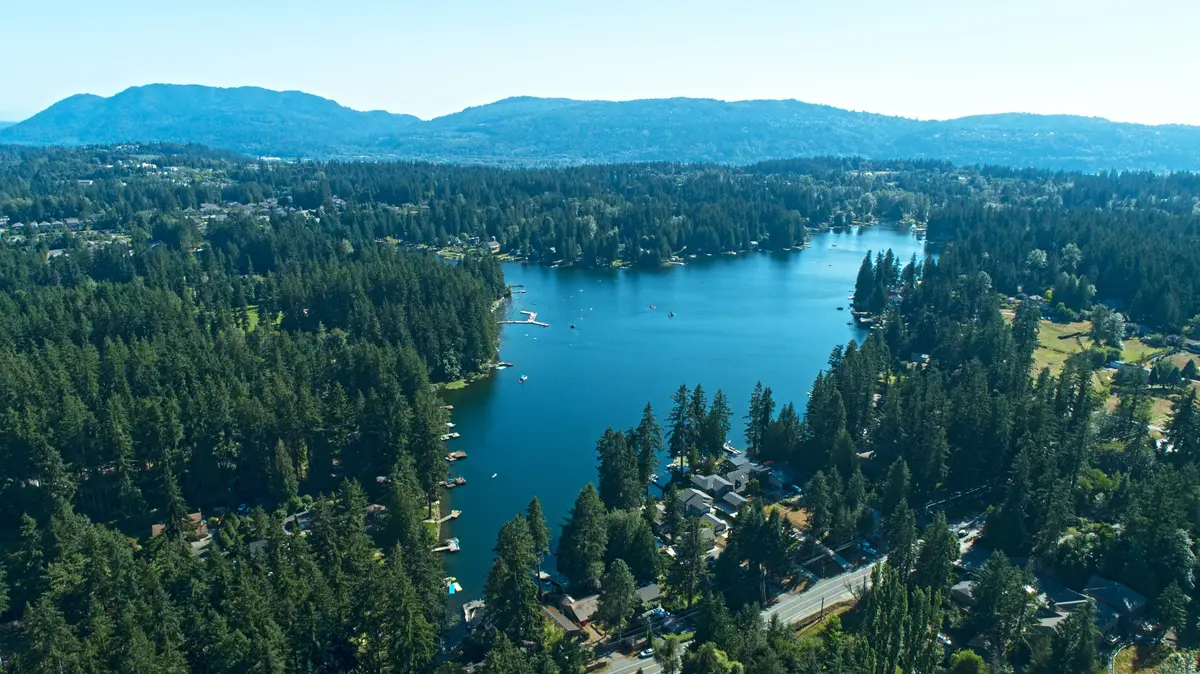
The Sammamish River isn't a whitewater destination — it's calm, wide, and slow-moving through Redmond, which makes it ideal for kayaking, canoeing, and paddleboarding at almost any skill level. Paddlers can put in alongside the SRT and work the river corridor in either direction, with the scenery shifting from wetland edges to farmland remnants to the back side of Marymoor as you move south toward Lake Sammamish.
The West Sammamish River Trail — a quieter 2-mile soft-surface alternative that runs parallel to the paved SRT — is worth knowing if you prefer a less trafficked route for a slow walk or run along the water. On summer weekends, the main SRT can feel like a highway; the west-side path offers the same river views without the cyclist-passing-call-outs.
What You Won't Find (and Why That's Fine)
Redmond doesn't have a lakefront beach in the way Kirkland does on Lake Washington. The waterfront access here is river-based — linear, quiet, and integrated into the trail system rather than set up for sunbathing and swim docks. For swimming, most Redmond families head to Lake Sammamish State Park in Issaquah or the beaches along Lake Washington in Kirkland. That's a short drive, not a walk — one of the honest geographic trade-offs of living here versus points west.
At Marymoor's off-leash area, the Sammamish Slough doubles as a dog swimming destination — technically not for humans, but it's genuinely one of the most-used water features in the park. Dogs swim here even in October. Their owners are, accordingly, always a little damp.
Planning a Paddle
There's no commercial outfitter operating inside Redmond's city limits that can be confirmed current, so most paddlers bring their own equipment or rent from outfitters in Kirkland or the Bothell area before launching on the river. The SRT trailhead parking at Marymoor is the most practical launch point heading north; the northern trailhead area at the other end of the SRT is the main option if you prefer paddling south toward Redmond.
Looking to buy in Redmond? Estimate your payment.
Enter your numbers to see an estimated monthly mortgage payment.
Estimate only. Excludes HOA fees and mortgage insurance. The interest rate above is a starting point, not a quoted rate — replace it with your own to see real numbers. Insurance is a flat placeholder, not a Redmond quote.
Seasonal Recreation and the Rest of Redmond's Parks
Redmond's park system beyond Marymoor covers 47 parks and future park sites totaling 1,351 acres — a number that includes some genuinely distinctive properties alongside the expected neighborhood playgrounds.
| Park | Size | Signature Feature | Best For |
|---|---|---|---|
| Marymoor Park | 640 acres | Velodrome, 40-acre off-leash dog area, concert venue | Families Nature |
| Farrel-McWhirter Farm Park | 68 acres | Working horse arena, farm animals, nature trails | Families Quiet |
| Grass Lawn Park | 28 acres | Lit baseball and soccer fields, tennis, basketball | Families School |
| Bear Creek Park | Trail corridor | Bear Creek Trail, connection to SRT | Nature Walkable |
| Redmond Town Center Open Space | Urban greenway | Bear Creek Trail segment, downtown access | Walkable |
| Sammamish River corridor parks | Linear | River access, wildlife, SRT trailheads | Nature Views |
Farrel-McWhirter Farm Park deserves a specific mention because it's the kind of place that doesn't exist in most tech-corridor cities: 68 acres with a functioning horse arena, farm animals, and forested nature trails just a few miles from the Microsoft campus. It's where families with younger kids go when they want something that isn't a standard playground — and it stays genuinely uncrowded because it doesn't get into the typical parks-guide rotation.
Marymoor Live: The Summer Event Locals Plan Around
Every summer, Marymoor's 6,500-person capacity outdoor venue hosts Marymoor Live, presented by Toyota — an annual concert series now in its 22nd year. The 2025 season kicked off May 27. The venue sits within the Willowmoor Farm historical district section of the park, which gives it an unusually pastoral setting for a venue that size. Locals who've attended more than once learn quickly: arrive via the 2 Line to Marymoor Village Station, because post-show car congestion on West Lake Sammamish Parkway is a reliable feature of every sold-out night.
The Four-Season Reality
Summer is the obvious season — trails packed, concerts running, dog area at peak chaos, kayaks on the river. But the outdoor culture here doesn't hibernate. The velodrome runs spring through fall with races and open riding. The SRT stays busy year-round with cyclists in full rain gear and runners who've accepted that a dry run in November is a statistical anomaly, not a right. Grass Lawn Park's lit fields mean organized sports leagues continue into the dark months.
After a stop at one of the craft breweries along NE 65th Street or NE 124th Street after a long ride on the SRT, you'll start to understand why people who move to Redmond tend to stop looking at neighboring cities. The outdoor infrastructure here is sticky in the same way good trail systems always are: once you've built your routines around it, moving somewhere with less of it feels like a genuine loss.
Local Expert Takeaway: Redmond's outdoor access is more connected than it looks on a map. The Bear Creek Trail links your neighborhood to the Sammamish River Trail, the SRT takes you to Marymoor's 640 acres or north toward the Bothell area, and from there the Burke-Gilman continues all the way to Golden Gardens in Seattle — car-free the entire way. The velodrome at Marymoor is the only one in Washington State. Farrel-McWhirter Farm Park is 68 wooded acres that most newcomers don't discover for a year. And if you're planning to attend a Marymoor Live concert, the Marymoor Village Station on the 2 Line is not optional — it's the only exit strategy that works.
Quick Takeaways & FAQs
✅ Marymoor Park's 40-acre off-leash dog area, Washington State's only velodrome, and a 6,500-person concert venue all sit within one 640-acre King County park on Redmond's doorstep.
⚠️ Redmond has no walkable lakefront beach — water-based swimming requires a drive to Lake Sammamish State Park in Issaquah or the Kirkland waterfront.
📍 The 520 Bike and Pedestrian Trail runs 11 miles from the University of Washington area past the Microsoft campus directly into downtown Redmond, making it one of the few Eastside corridors where reaching Bellevue by bike is genuinely practical rather than aspirational.
How big is Marymoor Park and what can you do there?
How long is the Sammamish River Trail and where does it go?
Can you kayak or paddleboard on the Sammamish River in Redmond?
Is there a velodrome in Redmond, and can beginners use it?
What parks are best for kids and families in Redmond?
Moving to Washington?
Tell us what you need help with and we'll connect you with local resources.
