Home ›
Blog ›
Best Places to Retire in North Seattle Metro, Washington (2026): 8 Cities Ranked
If you're comparing retirement options along the I-5 and Highway 2 corridors north of Seattle, you already know the pitch: Puget Sound scenery, strong medical infrastructure, and a slower pace than the city itself — without fully leaving the metro's gravitational pull. What's less obvious until you dig in is how sharply different these eight cities feel in daily life. The stretch from Shoreline up through Snohomish County spans genuine waterfront walkability, car-dependent suburban quiet, light-rail access to Seattle, and everything in between. Your retirement lifestyle here will hinge less on the region and more on which specific city you choose.
Edmonds leads this group with a composite score of 7.04/10, driven by its in-town hospital, walkable waterfront, and a quality-of-life score that stands apart from the rest. At the other end, Mill Creek scores 4.47/10 — a gap explained largely by near-$1 million home prices and a car-dependent layout that makes daily independence harder to sustain as you age. The rankings below cover healthcare access, walkability, affordability relative to Washington as a whole, sunny-day climate, and overall quality of life — the five dimensions that matter most when you're choosing where to spend the next chapter.
How This Ranking Was Built
Each city is scored 1-10 on every dimension below against a fixed statewide scale — never against the other cities in this region — then combined into one weighted Composite score out of 10.
Healthcare — 25%Weighted contribution to the composite score, graded 1-10 against a fixed statewide scale.
Walkability — 20%Weighted contribution to the composite score, graded 1-10 against a fixed statewide scale.
Affordability — 20%Weighted contribution to the composite score, graded 1-10 against a fixed statewide scale.
Climate — 15%Weighted contribution to the composite score, graded 1-10 against a fixed statewide scale.
Quality of Life — 20%Weighted contribution to the composite score, graded 1-10 against a fixed statewide scale.
Top 8 Cities: Best Places to Retire Snapshot
Ranked by overall composite score. Click any city to jump to the full breakdown.
Affordability
3.5/10
out of 10
Quality of Life
8.8/10
out of 10
Median Price
$855,381
2026 market price
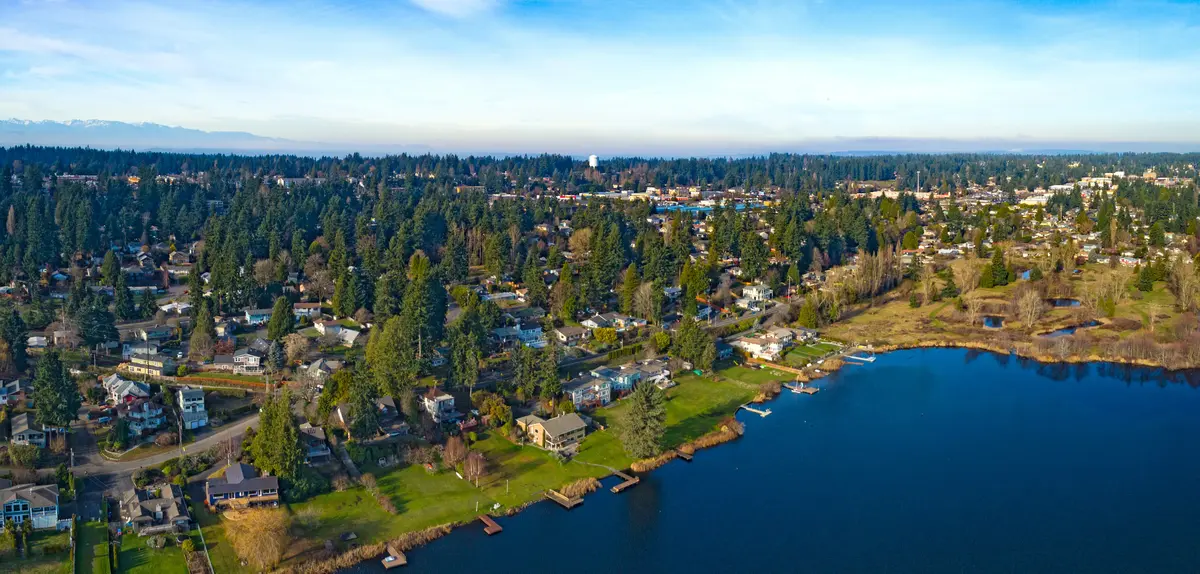
Edmonds earns the top spot in this group by doing something rare in the North Seattle Metro: it pairs a genuinely walkable waterfront downtown with a full-service hospital right in town and a quality-of-life score of 8.8/10. At a median home price near $855,000, it is far from affordable — but for retirees who prioritize independence, walkability, and not needing to drive to a specialist, that premium buys something real. The ferry to Kingston, the arts district, and the Brackett's Landing waterfront aren't incidental — they're the daily texture of life here.
Edmonds is the clearest fit for retirees who want an actual town to walk through, not just a suburb to drive around. If the home price is within reach, almost nothing else in this group matches the combination of medical access, lifestyle, and the feeling of living somewhere with a genuine center. Buyers who need to stretch on affordability may find Monroe offers a compelling alternative at a noticeably lower price point.

Affordability
5.5/10
out of 10
Quality of Life
8/10
out of 10
Median Price
$665,934
2026 market price
Monroe's composite score of 6.97/10 lands it just behind Edmonds — and the gap is closer than it looks. A local hospital in town gives Monroe the same critical healthcare advantage as the top-ranked city, and at a median home price in the mid-$600s, it is meaningfully more accessible for retirees on fixed incomes. The Skykomish River corridor, the 165 sunny days a year, and a downtown scaled for walking rather than driving round out a lifestyle that surprises most buyers who haven't visited.
Monroe suits retirees who want small-town Washington without sacrificing medical security — the in-town hospital is the deciding factor for many buyers who might otherwise overlook a city this far east along Highway 2. It is among the more affordable options in this group while still offering a quality-of-life score that outpaces several pricier cities on this list. If the extra drive time to Seattle is acceptable, Monroe delivers strong value for retirement living.

Affordability
4.7/10
out of 10
Quality of Life
7/10
out of 10
Median Price
$735,443
2026 market price
Lynnwood's case for retirement rests on two pillars: light-rail access at the Lynnwood City Center station and proximity to Swedish Edmonds hospital just four miles away — a combination that supports aging in place without car dependency. At a median home price around $735,000, it is not a bargain, but it sits below several King County neighbors in this group. The revitalized City Center neighborhood gives the city a walkability score of 8/10, which is genuinely high for a suburb of this size and age.
Lynnwood is the best option in this group for retirees who want to stay connected to Seattle — whether for grandchildren, medical specialists, or culture — without paying King County prices. It suits buyers who prioritize transit access and walkability over small-town character. Those who want a quieter pace and don't need the rail link may find Mountlake Terrace offers a similar healthcare proximity at a lower price.
Affordability
5.9/10
out of 10
Quality of Life
7/10
out of 10
Median Price
$635,729
2026 market price
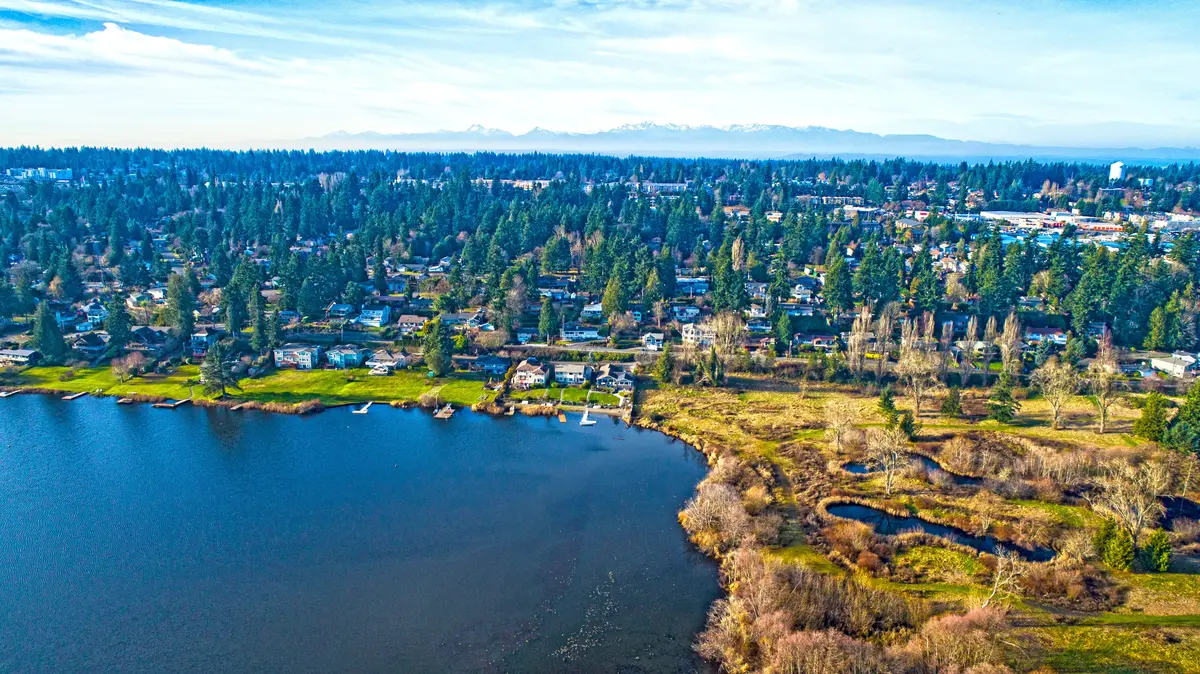
Mountlake Terrace earns its rank with a pragmatic combination: the most affordable home prices among the Snohomish County suburbs with light-rail access, at a median near $636,000, and a revitalizing Town Center that gives it more walkability than its size might suggest. Swedish Edmonds hospital is four miles away, which provides solid healthcare proximity without an in-town facility. With 165 sunny days a year and a growing trail network, the everyday livability here is solid for retirees who don't need a big-city scene.
Mountlake Terrace fits retirees who want light-rail convenience and reasonable proximity to major medical facilities — without paying Lynnwood or Shoreline prices. It is among the more value-oriented choices in this group for buyers who prioritize practical access over lifestyle amenities. Those who want more walkable dining and arts options nearby will likely prefer Edmonds or Lynnwood.

Affordability
4.3/10
out of 10
Quality of Life
8.4/10
out of 10
Median Price
$776,196
2026 market price
Shoreline occupies an interesting middle position: a quality-of-life score of 8.4/10 — among the highest in this group — sits alongside a median home price approaching $776,000 and a walkability reality that depends on which neighborhood you land in. Light rail connects it to Seattle, and UW Medical Center Northwest is four miles away, making healthcare access solid even without a local hospital. The abundance of parks and the waterfront along the Lake Washington bluff give Shoreline a lifestyle quality that its composite score doesn't fully capture.
Shoreline suits retirees who prioritize parks, proximity to Seattle, and quality-of-life variety — and who are comfortable with a car for routine errands. It is the only King County city in this group that still lands in the top five, which reflects its lifestyle strengths even at a price premium. Buyers who want higher walkability without the King County price tag will find Lynnwood or Mountlake Terrace worth comparing directly.

Affordability
3.1/10
out of 10
Quality of Life
8/10
out of 10
Median Price
$891,252
2026 market price
Snohomish has genuine lifestyle appeal — 15 combined landmarks, restaurants, and outdoor spots, a beloved historic downtown, and easy access to the Skykomish River — but its median home price near $891,000 combined with a walkability score of just 2/10 creates a real tension for retirement planning. Outside the downtown antique strip, most daily errands require a car, which matters increasingly as mobility changes with age. EvergreenHealth Monroe is eight miles away, a reasonable drive today but worth factoring into a long-range plan.
Snohomish is a strong fit for retirees who drive comfortably, love small-town Pacific Northwest character, and have the budget for a premium home. It is a harder sell for buyers prioritizing walkability or planning ahead for reduced driving — the car dependency here is genuine, not just a low Walk Score footnote. Those who want a similar small-town feel with better medical proximity should look closely at Monroe first.
Affordability
2/10
out of 10
Quality of Life
7/10
out of 10
Median Price
$1,001,137
2026 market price
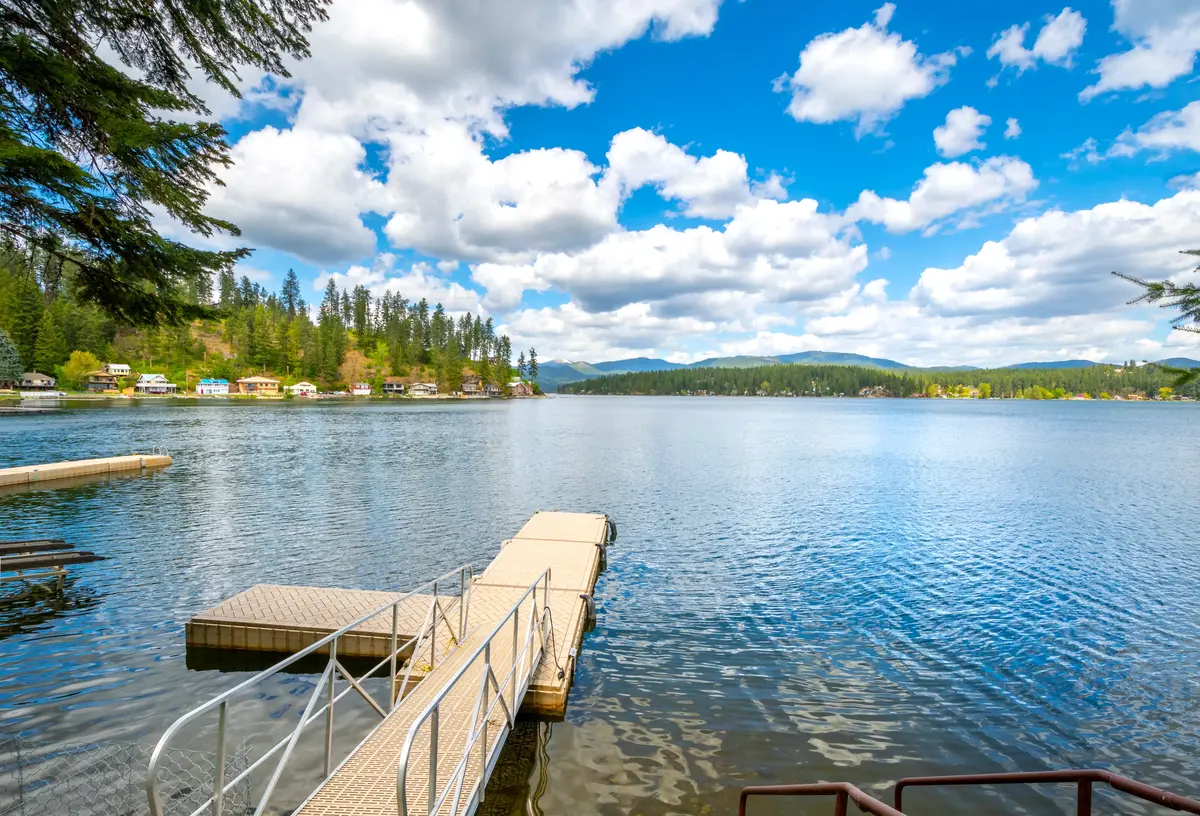
Lake Forest Park's identity is shaped by its wooded, residential character along the Lake Washington shoreline — quiet, green, and private. But a median home price topping $1,001,000 and a walkability score of 4/10 make it a difficult retirement proposition for most buyers. UW Medical Center Northwest is five miles away, which is reassuring, and Third Place Books anchors a genuine community gathering point — but daily independence here requires reliable transportation that may not always be available.
Lake Forest Park suits retirees with significant home equity, who value seclusion and natural beauty over walkability or in-town amenities. It is the second-least affordable city in this group, and its car-dependent layout means the lifestyle calculus shifts as mobility changes. Buyers drawn to the Lake Washington setting but concerned about long-term independence may want to compare it carefully against Shoreline, which offers comparable quality of life at a noticeably lower price.

Affordability
2.3/10
out of 10
Quality of Life
5.6/10
out of 10
Median Price
$967,807
2026 market price
Mill Creek finishes last in this group, and the reasons are specific: a median home price near $968,000 combines with a walkability score of 2/10 and a quality-of-life score of 5.6/10 — the lowest in this group. Providence Everett is seven miles away, which is workable, but the city's own profile acknowledges car dependency as a defining characteristic. For retirees whose daily independence is tied to being able to walk to errands, appointments, or community, that combination is a meaningful constraint.
Mill Creek tends to suit younger suburban families more than retirees planning for reduced driving — the layout, price point, and limited walkable amenities reflect that original design intent. Among the near-$1 million options in this group, Lake Forest Park at least offers natural beauty and a cultural anchor; Mill Creek's lifestyle score doesn't yet match its price. Retirees working with a similar budget would find Edmonds or Shoreline offer substantially stronger retirement-specific tradeoffs.
Edmonds and Monroe are the standout retirement choices in this group — one for its walkable waterfront and in-town hospital, the other for a more affordable price point with surprisingly strong healthcare and lifestyle scores. If car-free living matters as you age, Lynnwood's light-rail access makes it worth a serious look despite its steeper price tag.
Want to see what's for sale in these neighborhoods?
Sign up for listing alerts — get notified when homes hit the market.
Get Listing Alerts →
Frequently Asked Questions
Which city in the North Seattle Metro is the best overall for retirement?
Edmonds ranks first among these eight cities with a composite score of 7.04/10, driven by its in-town hospital, an 8/10 walkability score, and the highest quality-of-life rating in the group at 8.8/10. It is not the most affordable option — the median home price is near $855,000 — but for retirees who want to age in place without heavy car dependency, it offers the most complete package in this region. Monroe is the closest competitor and worth comparing directly if affordability is a primary concern.
Which cities here have a hospital actually located in town?
Only two cities in this group have a full-service hospital within their own boundaries: Edmonds, served by Swedish Edmonds, and Monroe, served by EvergreenHealth Monroe. Every other city in this list relies on a nearby facility ranging from four to eight miles away. For retirees who place high weight on proximity to emergency and specialist care — especially without needing to drive — those two cities hold a meaningful structural advantage over the rest of the group.
Which North Seattle Metro cities have light-rail access that could support car-free retirement?
Lynnwood and Mountlake Terrace both have Link light-rail stations connecting them to the broader Seattle metro system. Lynnwood's City Center station is the end of the line as of 2024, making it a particularly strong transit hub. Both cities also sit within four miles of Swedish Edmonds hospital, which means a retiree who doesn't drive could theoretically reach both medical care and Seattle without a car — a combination that isn't available in most other cities on this list.
Is the North Seattle Metro too expensive to retire in on a fixed income?
It depends heavily on which city you choose. Monroe, at a median home price in the mid-$600s, is the most accessible entry point in this group and still scores close to the top on healthcare and quality of life. Mountlake Terrace, with a median near $636,000, is the most affordable of the Snohomish County suburbs with rail access. At the other end, Lake Forest Park and Mill Creek both have median home prices above $960,000 — a range that's difficult to justify for retirement-specific priorities given the car dependency and lower lifestyle scores in both cities.
How much does climate vary across these eight cities, and does it matter for retirement?
The sunny-day range across this group is narrower than most buyers expect — from about 154 days per year in Lake Forest Park to roughly 165 in Monroe, Lynnwood, and Mountlake Terrace. All eight cities share the Pacific Northwest's signature gray winters, so no city here offers dramatically sunnier retirement weather than another. Monroe and Lynnwood edge out the rest with the highest climate scores in the group at 7.1/10, while Lake Forest Park's 154 sunny days puts it at the cloudier end — a modest but real difference over a full retirement decade.
Moving to Washington?
Tell us what you need help with and we'll connect you with local resources.

Todd Davidson
About the Author
Todd Davidson is the founder of The Move Genie, a premier digital resource offering in-depth city guides, neighborhood profiles, and localized market insights for communities nationwide. Drawing on an extensive background in home financing and real estate, he established the platform to streamline the relocation process, helping families make confident, data-driven decisions when comparing new areas.