
Is the Portland Metro a Good Place to Live?
Maybe you've been priced out of Seattle and someone mentioned Portland. Maybe your company is relocating you to the Washington County tech corridor and you're trying to figure out whether to live near work or on the other side of the city. Or maybe you just know you want the Pacific Northwest and you're trying to understand what all these city names actually mean on the ground. The honest answer: the Portland Metro covers four counties, a freight of different personalities, and a range of tradeoffs that no single city can satisfy for every buyer.
The region's economic backbone runs through a handful of distinct pillars. Intel's massive semiconductor operations in Hillsboro anchor Washington County's tech identity and pull a significant commuter workforce from across the metro. Nike's Beaverton campus does the same. Portland itself concentrates state government, major healthcare systems, and a genuinely large university ecosystem anchored by Oregon Health & Science University and Portland State University. Along the Clackamas River corridor, the picture is quieter — smaller employers, more bedroom communities, and towns like Oregon City that carry real historical weight as the end of the Oregon Trail. Columbia County cities like St. Helens and Scappoose are their own world entirely: working-class towns along the Columbia River with a fundamentally different pace.
Prices across the region run the full spectrum. Lake Oswego, West Linn, Happy Valley, and Bethany sit at the pricier end. Portland, Gresham, Tigard, Beaverton, Hillsboro, and most of the Clackamas County cities cluster toward the middle. St. Helens and Scappoose are among the more reachable entry points in the region. What you're really buying into at each price point is different: a neighborhood feel, a school district, a commute pattern, a relationship to green space. The metro's trail networks — Fanno Creek, the Trolley Trail, Rock Creek, the Columbia River waterfront — weave through the region in ways that make outdoor access surprisingly egalitarian across price points.
Whether you're weighing Washington County's tech-adjacent suburbs against the quieter Clackamas towns, or trying to understand how Portland's own neighborhoods differ from each other, the city cards below break down each community on its own terms — who it suits, what daily life actually looks like, and where it sits on price within the region.

Explore All 23 Cities in the Portland Metro
Click into any city for the complete guide — neighborhoods, home prices, cost of living, pros & cons, schools, top employers, and mortgage help.
Portland
Portland is where the region's density, cultural infrastructure, and neighborhood variety converge — the Pearl District and Irvington feel nothing alike, and that range is the point. Major employers spanning state government, regional healthcare systems, and Oregon Health & Science University keep a large professional workforce anchored inside city limits. Prices run near the middle of the region, but the neighborhood you choose shapes the experience more than any city-wide figure suggests.
Full Portland Guide →
Gresham
Gresham is one of the state's larger cities, and it tends to surprise people who assume it's just Portland's eastern edge. The I-84 corridor gives commuters a direct shot west, and Mt. Hood Community College anchors a genuine community identity. Prices sit near the middle of the region, making Gresham one of the more realistic entry points for buyers who still want light rail access into Portland.
Full Gresham Guide →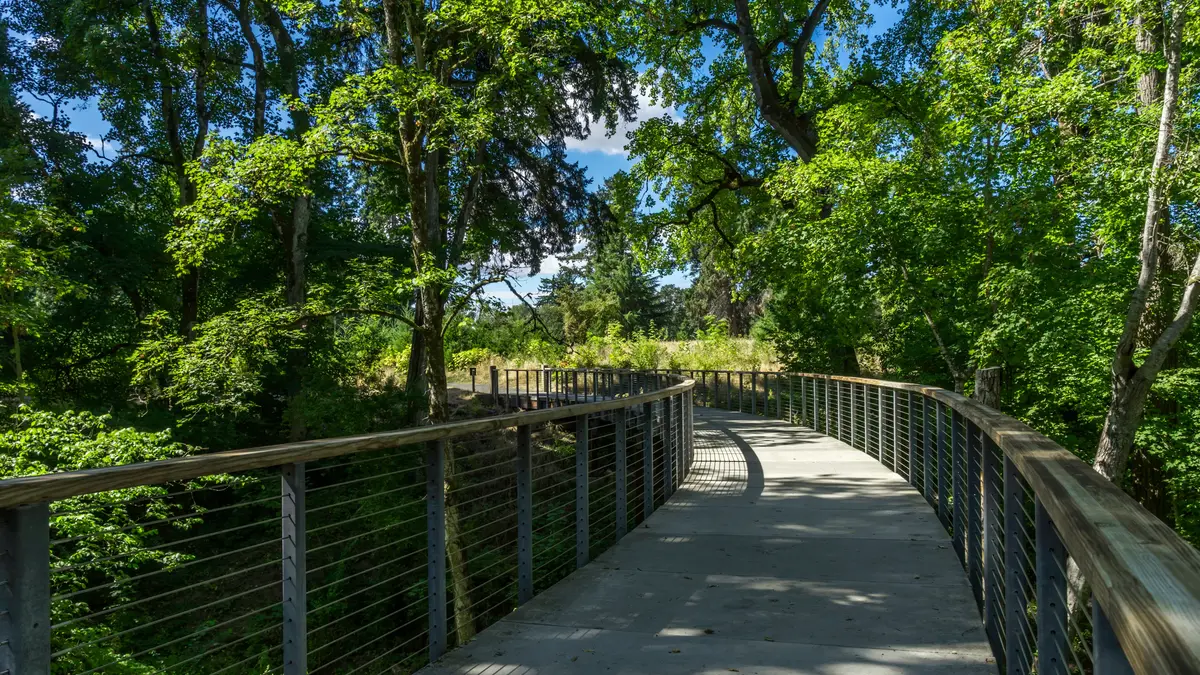
Hillsboro
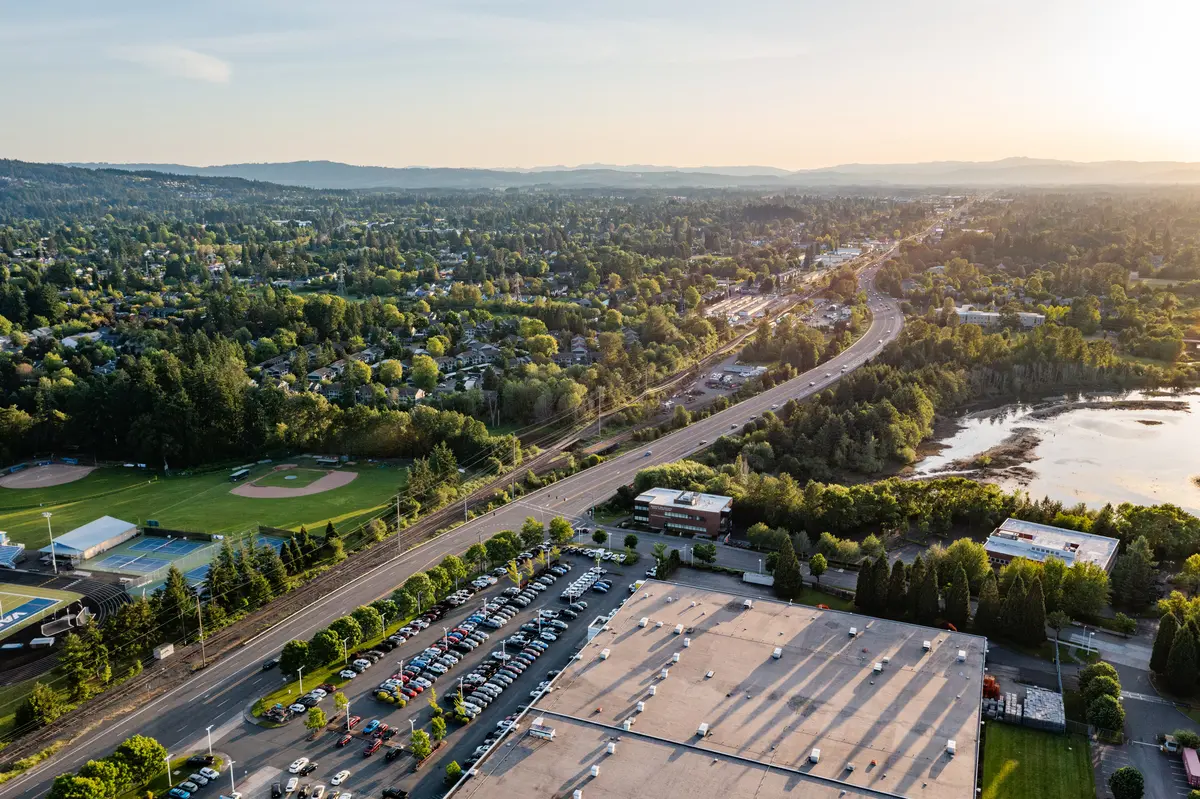
Hillsboro is the region's tech capital in practice — Intel's operations here represent one of the largest private employment footprints in Oregon, and Nike is close enough that the Washington County tech-and-apparel economy defines the commuter culture. Orenco Station Plaza has reshaped expectations for walkable suburban life in the metro. Prices run near the middle of the region, though newer construction in South Hillsboro and Witch Hazel Village has been pushing that conversation.
Full Hillsboro Guide →- Is Hillsboro Safe? A Data-Backed Look
- Cost of Living in Hillsboro
- Best Neighborhoods in Hillsboro
- Schools in Hillsboro: A Family Guide
- Parks & Recreation in Hillsboro
- Retiring in Hillsboro
- First-Time Homebuyer's Guide to Hillsboro
- Moving to Hillsboro from California
- A Realtor's Perspective on Hillsboro
Beaverton
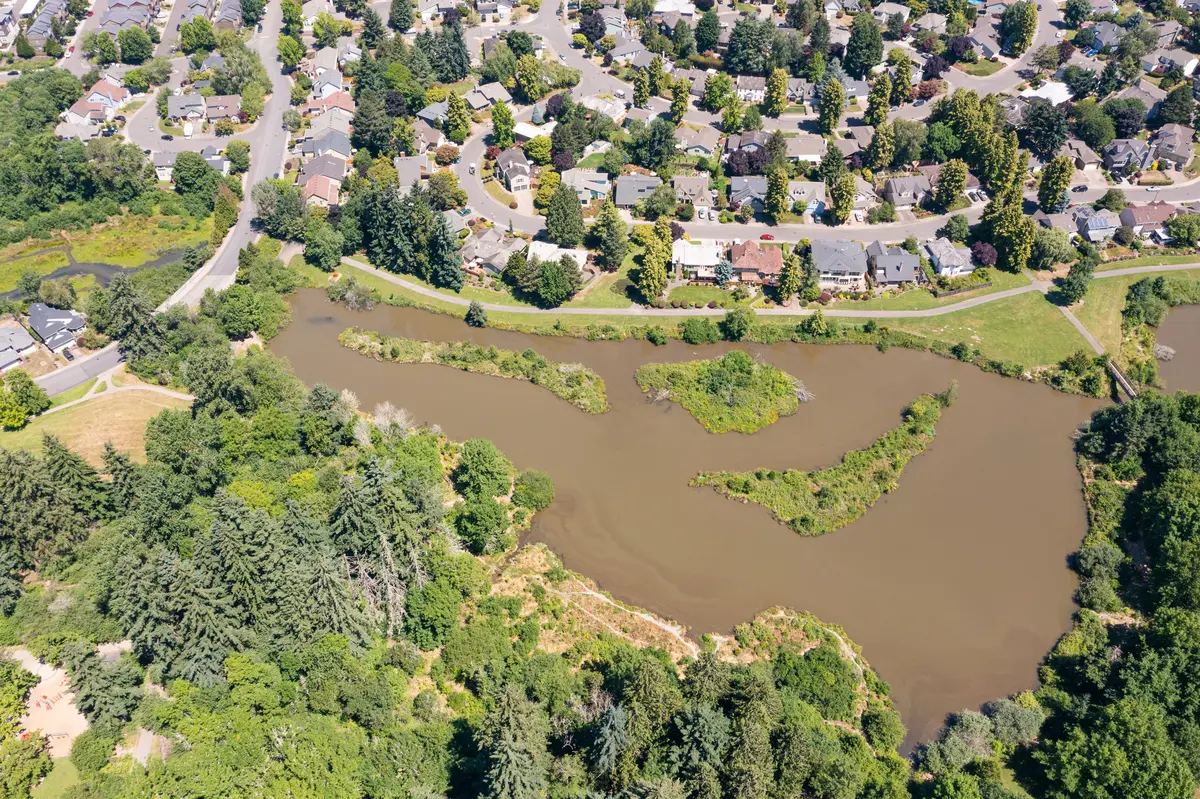
Beaverton sits at the geographic and transit center of Washington County, with US-26 threading through it and light rail connecting it to Portland. Nike's world headquarters is here, and Columbia Sportswear adds to a corridor that draws serious professional talent. The Patricia Reser Center for the Arts signals that Beaverton has its own cultural ambitions now — this isn't purely a pass-through city.
Full Beaverton Guide →- Is Beaverton Safe? A Data-Backed Look
- Cost of Living in Beaverton
- Best Neighborhoods in Beaverton
- Schools in Beaverton: A Family Guide
- Parks & Recreation in Beaverton
- Retiring in Beaverton
- First-Time Homebuyer's Guide to Beaverton
- Moving to Beaverton from California
- A Realtor's Perspective on Beaverton
Tigard
Tigard threads the needle between suburban convenience and real neighborhood character — Cook Park along the Tualatin River and the Fanno Creek Trail give it more green space than most cities its size. Washington Square Mall and easy I-5 access make it one of the region's more practical bases for people who commute in multiple directions. Prices sit near the middle of the region.
Full Tigard Guide →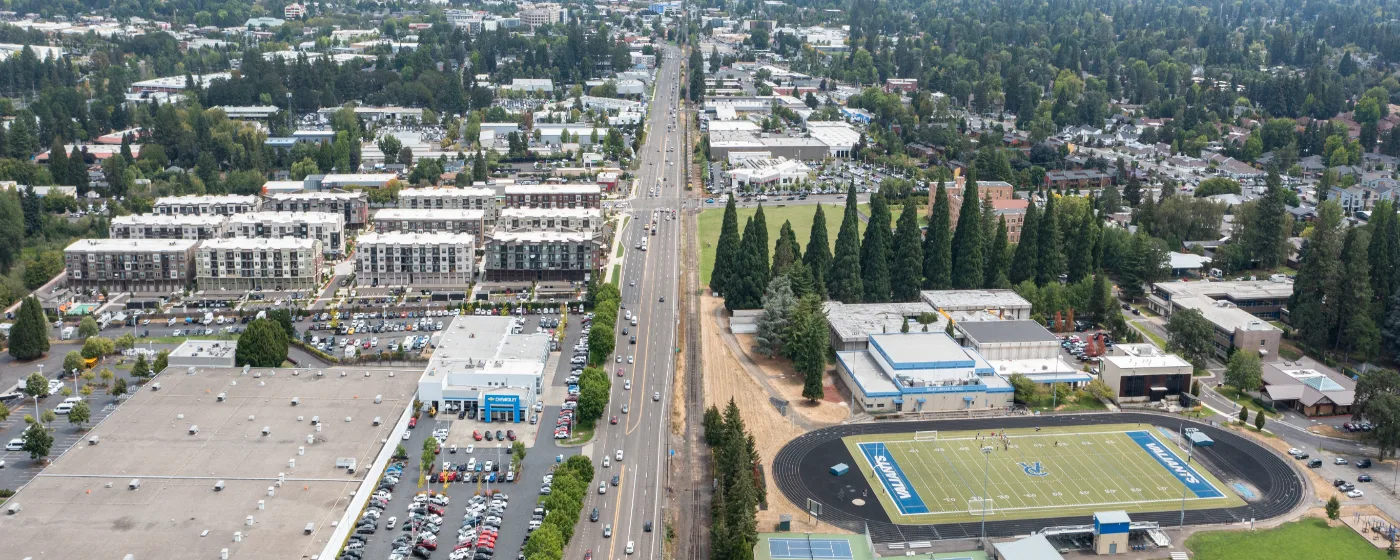
Aloha
Aloha is an unincorporated community, which matters for buyers: it falls under Washington County governance rather than a city's own planning department, a detail that shapes everything from permit timelines to street maintenance expectations. The Tualatin Valley Highway runs through its commercial spine, connecting it to both Hillsboro and Beaverton. It sits near the middle of the region on price and draws buyers from the Beaverton School District zone who want more space per dollar.
Full Aloha Guide →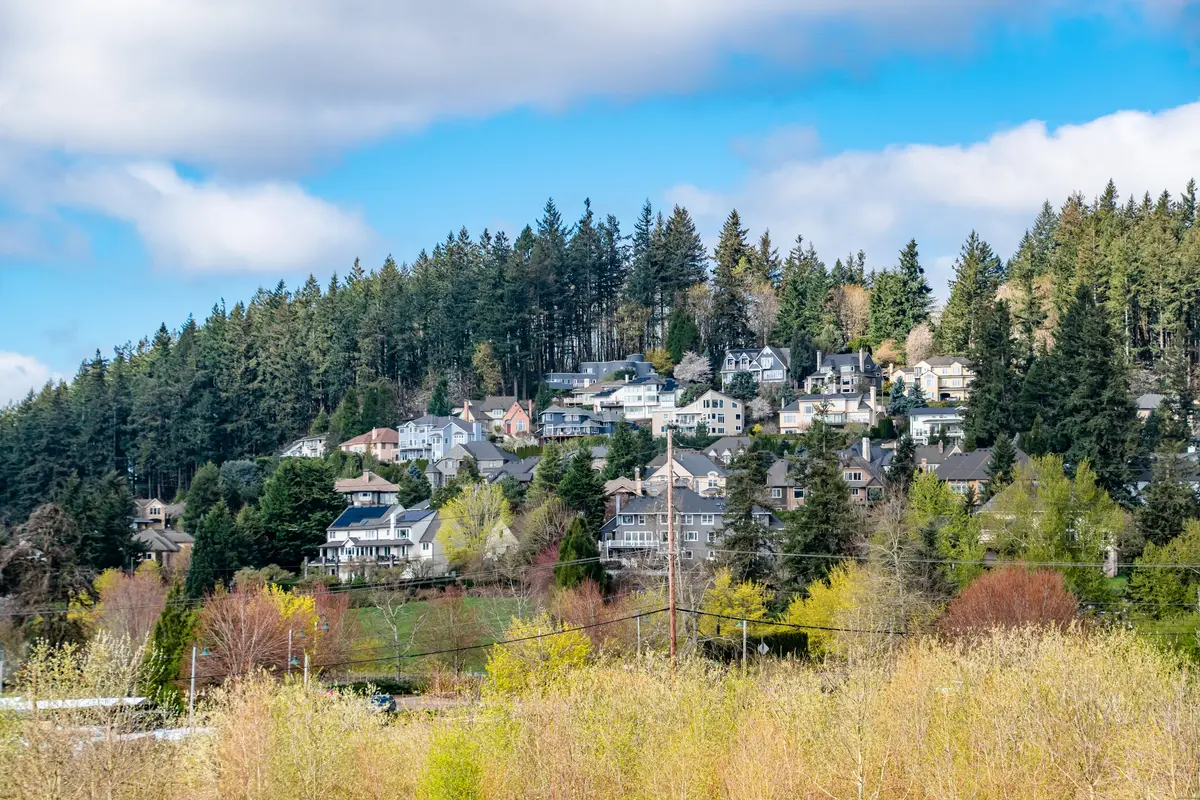
Lake Oswego
Lake Oswego has a reputation — deserved — as the metro's most polished suburb, and Oswego Lake at its center reinforces that image. The school district is among the most closely tracked in the region, and the Gallery Without Walls sculpture walk and Lakewood Center for the Arts give the city a cultural layer that most suburbs its size lack. Expect prices toward the pricier end of the region, and expect that gap to be intentional.
Full Lake Oswego Guide →- Is Lake Oswego Safe? A Data-Backed Look
- Cost of Living in Lake Oswego
- Best Neighborhoods in Lake Oswego
- Schools in Lake Oswego: A Family Guide
- Parks & Recreation in Lake Oswego
- Retiring in Lake Oswego
- First-Time Homebuyer's Guide to Lake Oswego
- Moving to Lake Oswego from California
- A Realtor's Perspective on Lake Oswego

Oregon City
Oregon City is the oldest American city west of the Rockies, and the End of the Oregon Trail Interpretive Center and McLoughlin House National Historic Site aren't just tourist draws — they give the city a sense of place that newer suburbs have to manufacture. The Municipal Elevator is a working piece of civic infrastructure, not a novelty. Prices sit near the middle of the region, making it one of the more character-rich options at that price point.
Full Oregon City Guide →- Is Oregon City Safe? A Data-Backed Look
- Cost of Living in Oregon City
- Best Neighborhoods in Oregon City
- Schools in Oregon City: A Family Guide
- Parks & Recreation in Oregon City
- Retiring in Oregon City
- First-Time Homebuyer's Guide to Oregon City
- Moving to Oregon City from California
- A Realtor's Perspective on Oregon City
Bethany
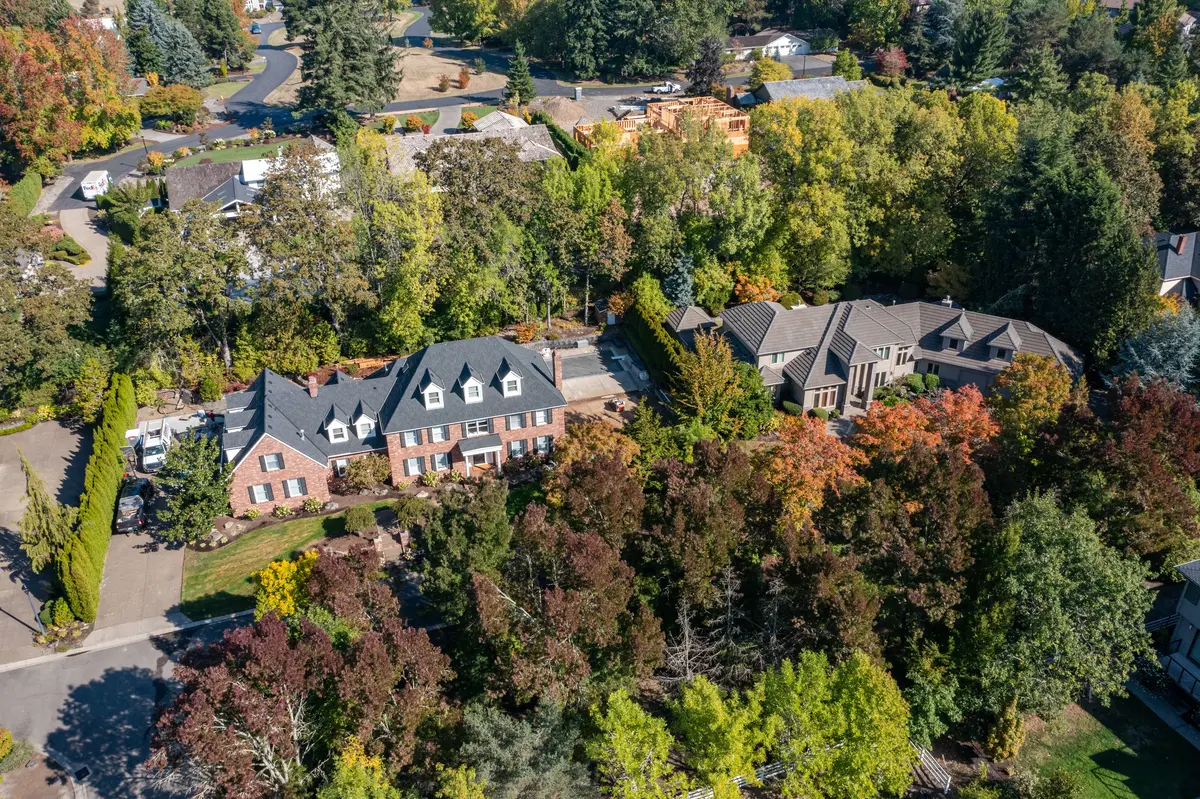
Bethany is a newer planned community in the West Hills that has grown quickly on the strength of its Beaverton School District schools and relative proximity to both Intel's Hillsboro campus and Nike's Beaverton headquarters via US-26. Bethany Village Town Center gives it a walkable retail core that many comparable suburbs don't have. Prices sit toward the pricier end of the region, and the neighborhood skews heavily toward families with school-age children.
Full Bethany Guide →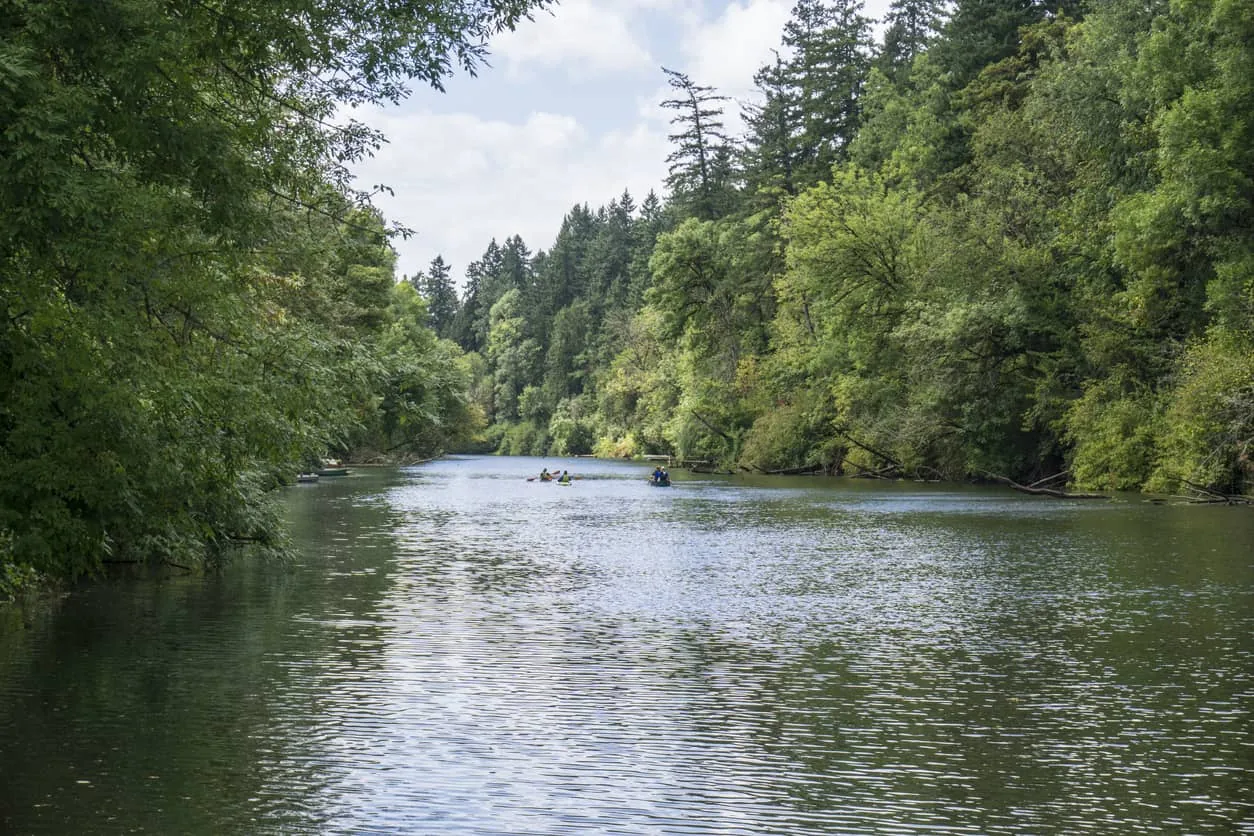
Tualatin
Tualatin punches above its size — Lam Research anchors a serious industrial-tech employment base, and the Tualatin Commons and Lake of the Commons give the city a downtown gathering point that genuinely works. The Tualatin River National Wildlife Refuge adds an unexpected natural edge just outside the city's developed core. Prices run near the middle of the region, and the I-5 access makes it one of the more commuter-flexible locations in the south metro.
Full Tualatin Guide →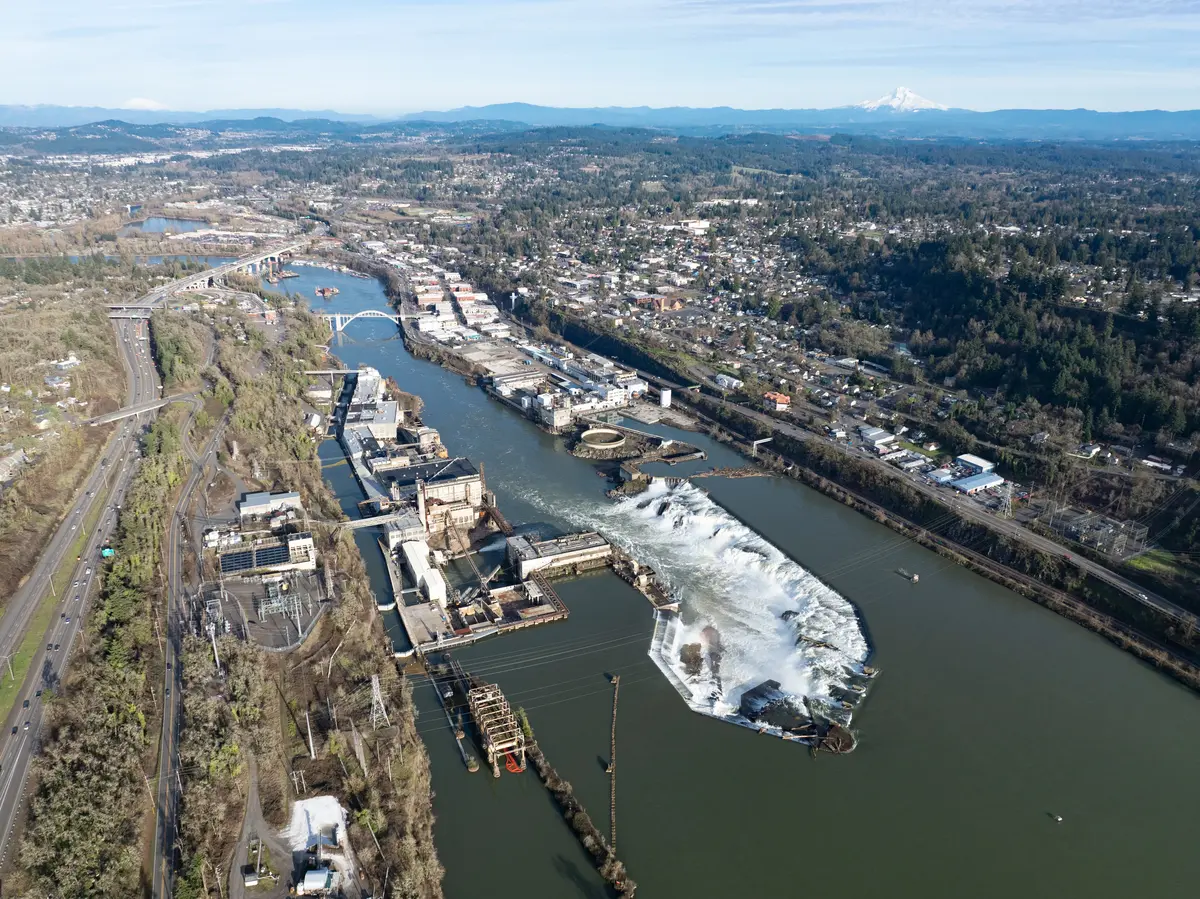
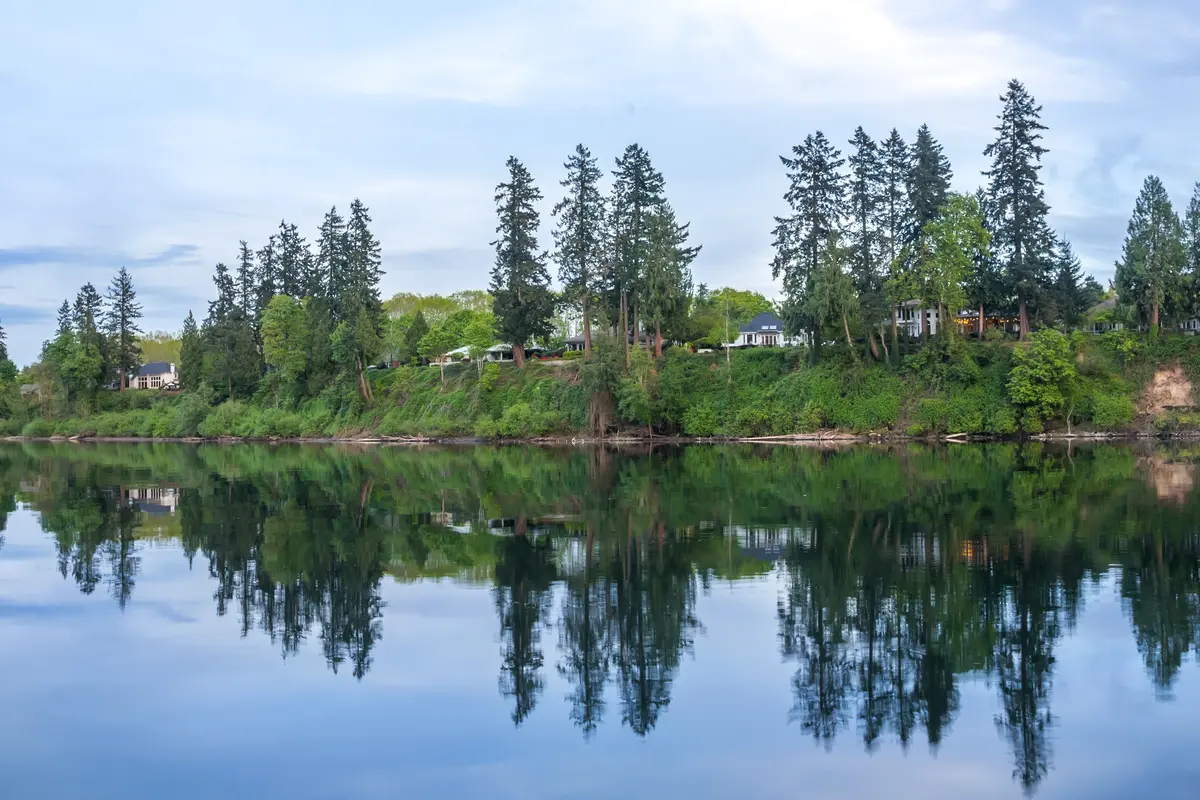
West Linn
West Linn sits above the Willamette River in Clackamas County, and the Historic Willamette District and Camassia Natural Area give it a character that's harder to replicate in newer suburbs. The West Linn–Wilsonville School District is one of the region's most closely followed, and the city's topography — dramatic in places — produces the kind of view lots that command a real premium. Prices sit toward the pricier end of the region.
Full West Linn Guide →- Is West Linn Safe? A Data-Backed Look
- Cost of Living in West Linn
- Best Neighborhoods in West Linn
- Schools in West Linn: A Family Guide
- Parks & Recreation in West Linn
- Retiring in West Linn
- First-Time Homebuyer's Guide to West Linn
- Moving to West Linn from California
- A Realtor's Perspective on West Linn
Wilsonville
Wilsonville is where the I-5 corridor and serious tech-and-logistics employment meet a genuinely planned residential environment — Villebois is one of the metro's most coherent new urbanist developments, and Sysco and Siemens EDA anchor a diverse employer base. Graham Oaks Nature Park gives the city an outdoor anchor well beyond what a city its size typically offers. Prices run near the middle of the region.
Full Wilsonville Guide →- Is Wilsonville Safe? A Data-Backed Look
- Cost of Living in Wilsonville
- Best Neighborhoods in Wilsonville
- Schools in Wilsonville: A Family Guide
- Parks & Recreation in Wilsonville
- Retiring in Wilsonville
- First-Time Homebuyer's Guide to Wilsonville
- Moving to Wilsonville from California
- A Realtor's Perspective on Wilsonville
Happy Valley
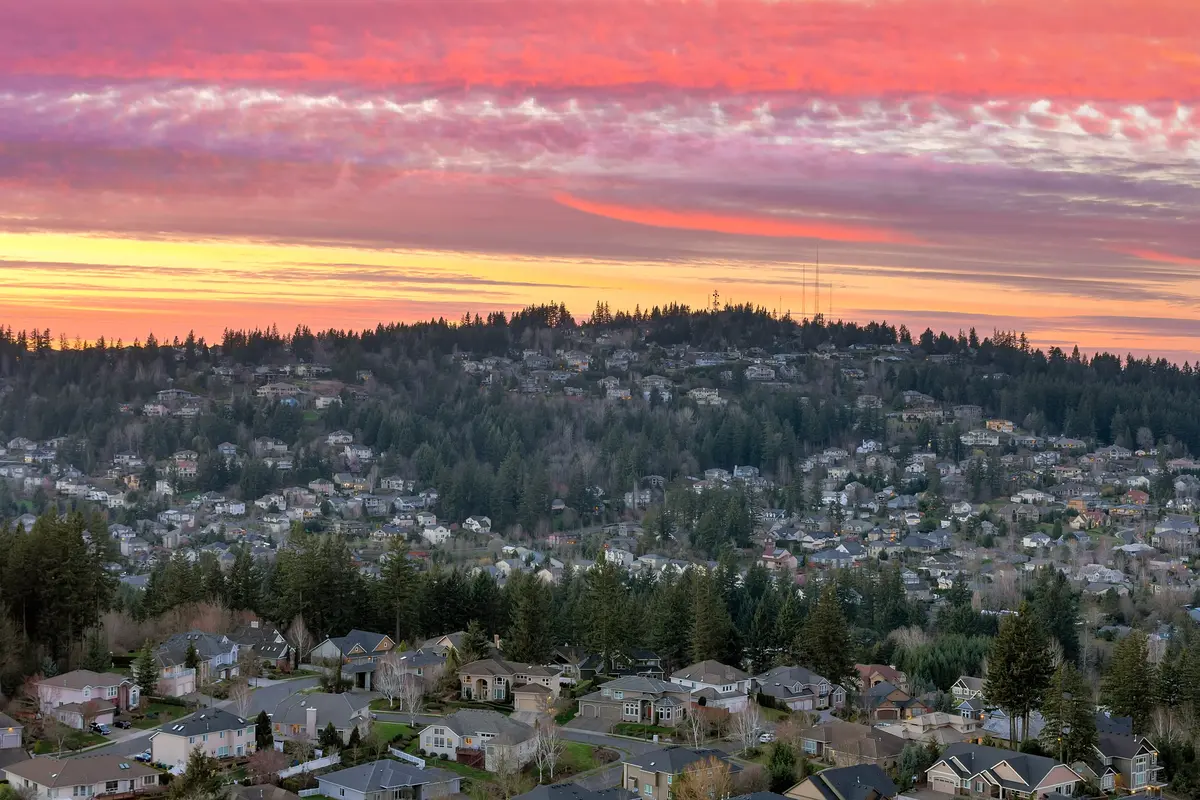
Happy Valley is the metro's clearest example of rapid planned growth done at scale — the city has expanded dramatically across the east Clackamas hills, with Mount Talbert and Scouters Mountain Nature Parks woven into the residential fabric. The North Clackamas School District draws families specifically, and the city's newness means the housing stock skews large and recent. Prices sit toward the pricier end of the region.
Full Happy Valley Guide →- Is Happy Valley Safe? A Data-Backed Look
- Cost of Living in Happy Valley
- Best Neighborhoods in Happy Valley
- Schools in Happy Valley: A Family Guide
- Parks & Recreation in Happy Valley
- Retiring in Happy Valley
- First-Time Homebuyer's Guide to Happy Valley
- Moving to Happy Valley from California
- A Realtor's Perspective on Happy Valley
Forest Grove
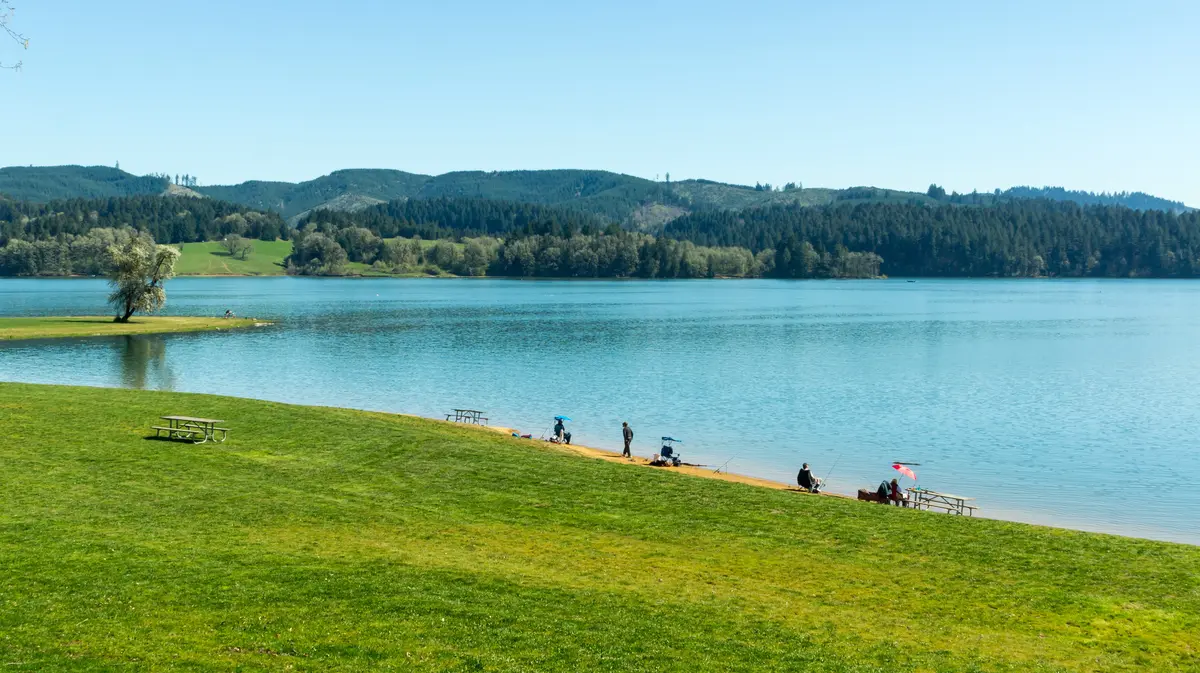
Forest Grove anchors the western edge of the metro's Washington County corridor, with Pacific University giving it an institutional identity that most small cities its size lack. Fernhill Wetlands is a genuine birding and nature destination, not a token green space. Prices run near the middle of the region, and the OR-8 connection to Hillsboro makes the Intel corridor commutable for buyers who want a quieter residential base.
Full Forest Grove Guide →- Is Forest Grove Safe? A Data-Backed Look
- Cost of Living in Forest Grove
- Best Neighborhoods in Forest Grove
- Schools in Forest Grove: A Family Guide
- Parks & Recreation in Forest Grove
- Retiring in Forest Grove
- First-Time Homebuyer's Guide to Forest Grove
- Moving to Forest Grove from California
- A Realtor's Perspective on Forest Grove

Clackamas
Clackamas is more of a commercial and transit node than a traditional city center — Clackamas Town Center and the I-205 interchange define its geography as much as any neighborhood does. It's a practical choice for buyers who commute south toward Salem or east toward the Gorge, and Mount Talbert Nature Park is close enough to matter. Prices sit near the middle of the region.
Full Clackamas Guide →- Is Clackamas Safe? A Data-Backed Look
- Cost of Living in Clackamas
- Best Neighborhoods in Clackamas
- Schools in Clackamas: A Family Guide
- Parks & Recreation in Clackamas
- Retiring in Clackamas
- First-Time Homebuyer's Guide to Clackamas
- Moving to Clackamas from California
- A Realtor's Perspective on Clackamas

Milwaukie
Milwaukie has genuine character the quick-pass impression misses — Bob's Red Mill is a real local institution, Dark Horse Comics has its headquarters here, and the riverfront along the Willamette gives the city a natural edge that Portland-adjacent buyers sometimes discover late. The OR-99E corridor links it directly to Portland, and light rail access adds a transit dimension. Prices sit near the middle of the region.
Full Milwaukie Guide →- Is Milwaukie Safe? A Data-Backed Look
- Cost of Living in Milwaukie
- Best Neighborhoods in Milwaukie
- Schools in Milwaukie: A Family Guide
- Parks & Recreation in Milwaukie
- Retiring in Milwaukie
- First-Time Homebuyer's Guide to Milwaukie
- Moving to Milwaukie from California
- A Realtor's Perspective on Milwaukie
Sherwood
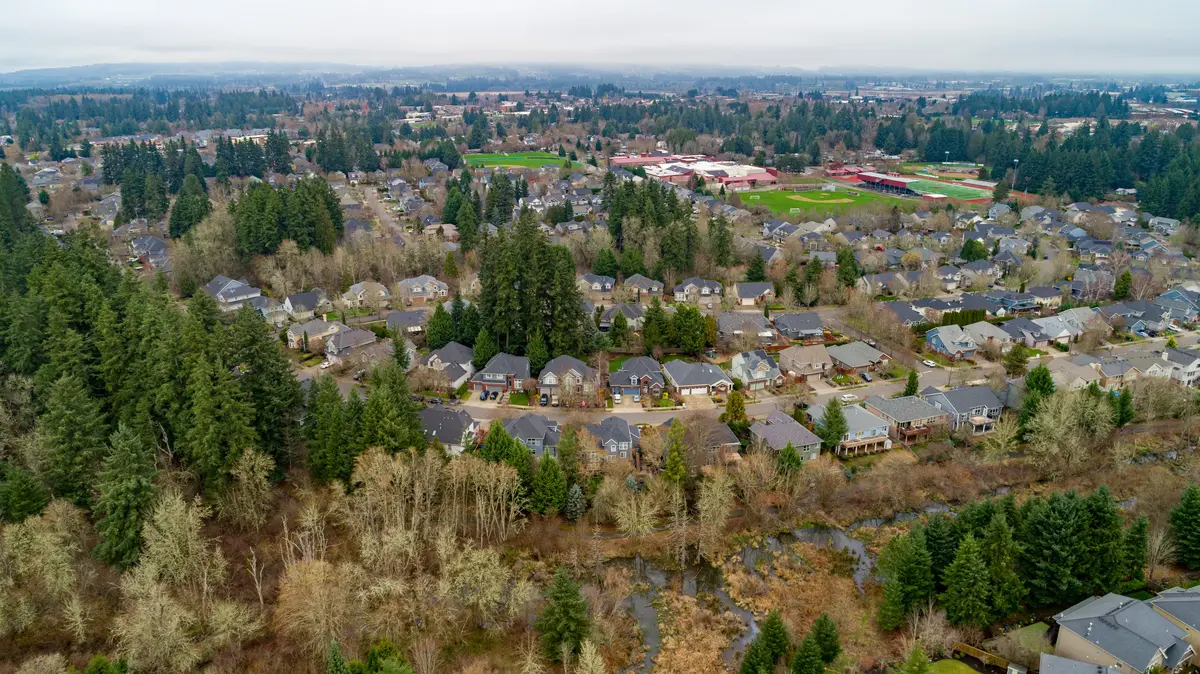
Sherwood feels smaller and slower than its Washington County neighbors, which is exactly what draws people to it. Old Town Sherwood's historic district and the Cannery Square development give the city a walkable commercial core, and the Tualatin River National Wildlife Refuge sits at its edge. The OR-99W corridor is its main artery — a fact that shapes both commute realities and the rhythm of daily errands.
Full Sherwood Guide →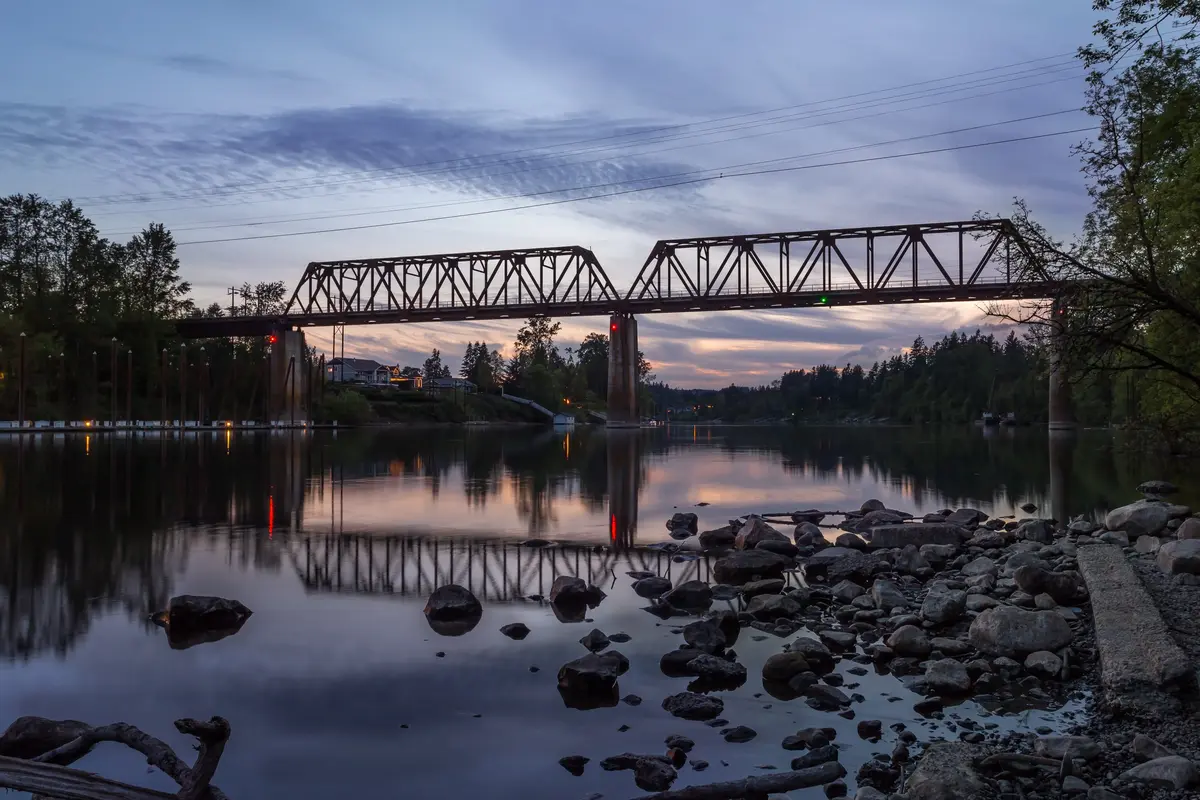
Canby
Canby sits in the Willamette Valley's agricultural heart, and the Canby Ferry across the Willamette River is a functioning piece of infrastructure that doubles as a genuine regional landmark. The Clackamas County Event Center makes it a destination for the broader south metro. Prices run near the middle of the region, and the trade-off is clear: more space and a quieter pace in exchange for a longer drive to the metro's employment core.
Full Canby Guide →
Cornelius
Cornelius is a small, working-class city on the Tualatin Valley Highway corridor, and its proximity to Forest Grove and Hillsboro gives residents access to Pacific University's cultural programming and Intel's employment base. The Cornelius Farmers Market and the Forest Hills Golf Course anchor community life. Prices run near the middle of the region, and Cornelius tends to attract buyers who want Washington County access without Washington County price points.
Full Cornelius Guide →- Is Cornelius Safe? A Data-Backed Look
- Cost of Living in Cornelius
- Best Neighborhoods in Cornelius
- Schools in Cornelius: A Family Guide
- Parks & Recreation in Cornelius
- Retiring in Cornelius
- First-Time Homebuyer's Guide to Cornelius
- Moving to Cornelius from California
- A Realtor's Perspective on Cornelius

St. Helens
St. Helens is genuinely separate from the Portland Metro's suburban core — it sits along the Columbia River in Columbia County, and the US-30 drive south to Portland is a real daily commitment. The Historic Columbia Theatre and the downtown riverfront give it a small-city character that's authentic rather than manufactured. Prices sit toward the more affordable end of this region, making it the clearest value play for buyers who can work remotely or tolerate the commute.
Full St. Helens Guide →- Is St. Helens Safe? A Data-Backed Look
- Cost of Living in St. Helens
- Best Neighborhoods in St. Helens
- Schools in St. Helens: A Family Guide
- Parks & Recreation in St. Helens
- Retiring in St. Helens
- First-Time Homebuyer's Guide to St. Helens
- Moving to St. Helens from California
- A Realtor's Perspective on St. Helens
Gladstone
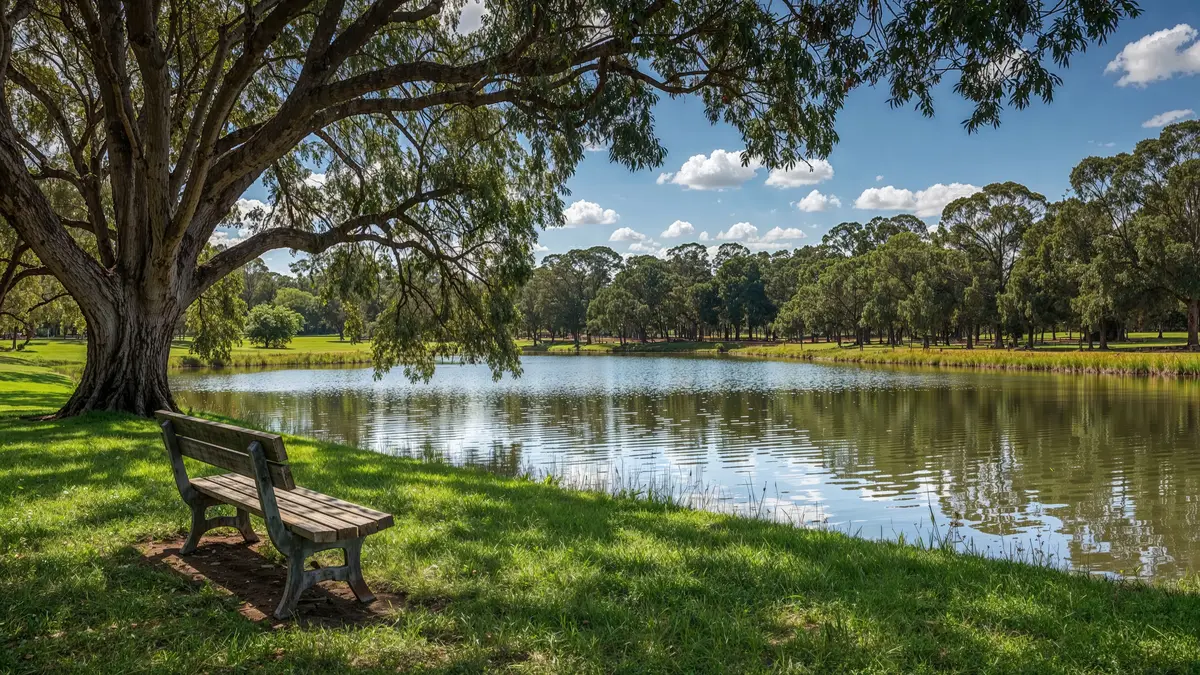
Gladstone occupies the confluence of the Clackamas and Willamette Rivers, and that geography is its defining feature — the Trolley Trail, Meldrum Bar Park, and Dahl Beach give it outdoor access that cities three times its size would envy. It's a quiet, older community with a genuine neighborhood feel. Prices run near the middle of the region, and the OR-99E connection keeps Portland within reach.
Full Gladstone Guide →- Is Gladstone Safe? A Data-Backed Look
- Cost of Living in Gladstone
- Best Neighborhoods in Gladstone
- Schools in Gladstone: A Family Guide
- Parks & Recreation in Gladstone
- Retiring in Gladstone
- First-Time Homebuyer's Guide to Gladstone
- Moving to Gladstone from California
- A Realtor's Perspective on Gladstone

Fairview
Fairview's most underappreciated asset is Blue Lake Regional Park, one of the metro's largest and most-used parks, sitting at the city's doorstep. The Fairview Village Town Center was a planned new-urbanist project built in the late nineties — one of the earlier examples in Oregon — and it still gives the city a coherent walkable core. The I-84 corridor connects it west to Portland and east toward the Gorge.
Full Fairview Guide →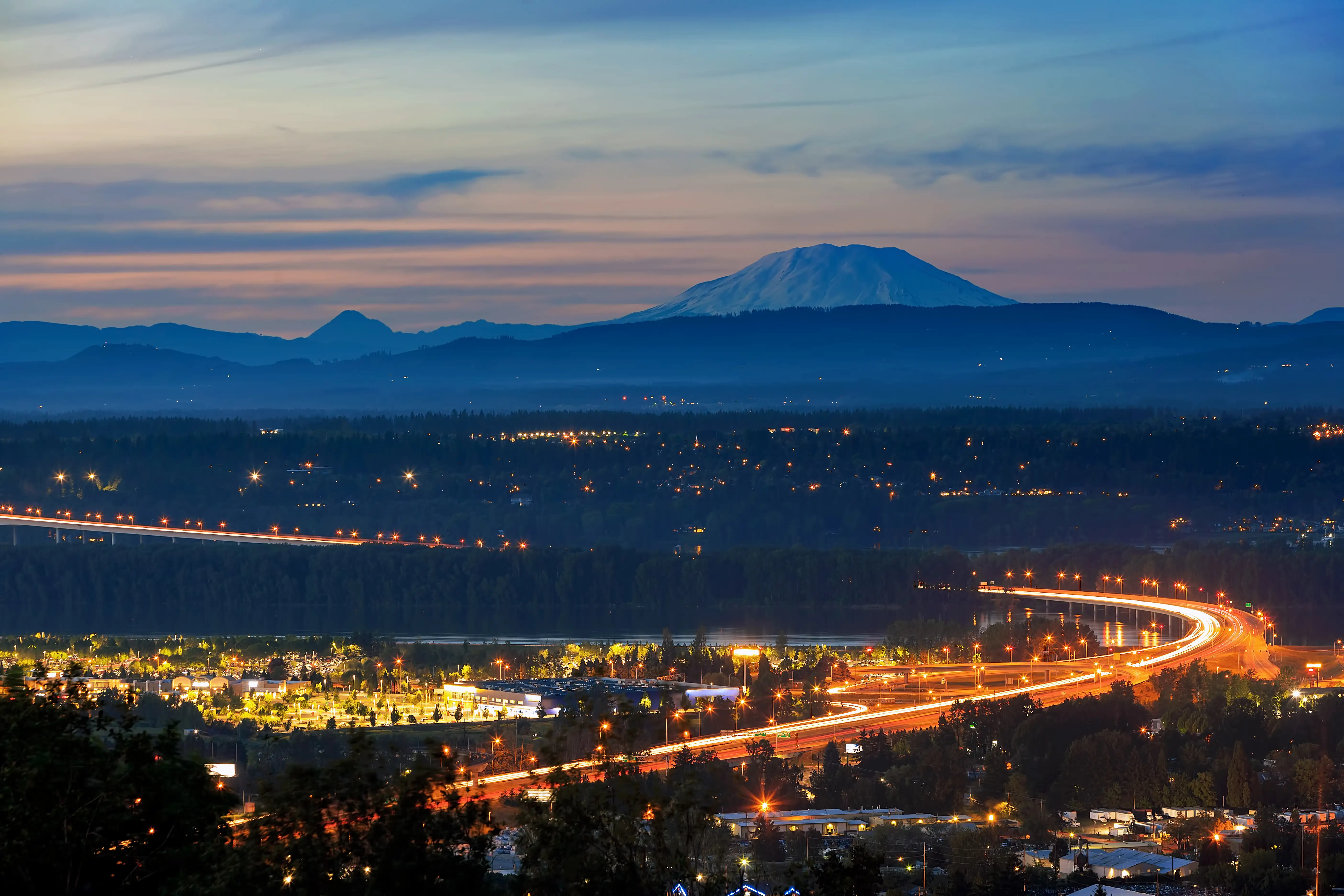
Scappoose
Scappoose is a small town in Columbia County, and it operates at a fundamentally different scale and pace than Washington or Multnomah County cities. The Scappoose Bay Marina and the Scappoose Industrial Airpark give it a character rooted in the Columbia River and working-Oregon identity. Prices run near the middle of the region, and like St. Helens, the daily reality is that most employment outside the immediate community means driving US-30.
Full Scappoose Guide →- Is Scappoose Safe? A Data-Backed Look
- Cost of Living in Scappoose
- Best Neighborhoods in Scappoose
- Schools in Scappoose: A Family Guide
- Parks & Recreation in Scappoose
- Retiring in Scappoose
- First-Time Homebuyer's Guide to Scappoose
- Moving to Scappoose from California
- A Realtor's Perspective on Scappoose
Compare Every City in Portland Metro
Full ranked breakdowns across every city in the region — scored and compared side by side.
Local Expert Takeaway: In the Portland Metro, the city you choose determines far more than the neighborhood — it determines your commute identity, your school district, your relationship to green space, and which version of Pacific Northwest life you're actually buying into.
Frequently Asked Questions
Which Portland Metro city is best for families prioritizing schools?
Which city makes the most sense if I'm working at Intel or Nike?
What's the most affordable entry point into the Portland Metro without giving up metro access?
Is it worth living in the Portland Metro if I want outdoor access beyond city parks?
How different is living in Columbia County — St. Helens or Scappoose — from the rest of the Portland Metro?
Helpful Oregon Resources
Explore Other Oregon Regions
the Portland Metro is one of 7 distinct regions that make up Oregon. Each has its own climate, character, and housing market — explore them all.

The state capital, two university towns, and farm and wine country between the Coast Range and the Cascades. 20 cities including Salem, Eugene, Corvallis.
Explore all 20 Willamette Valley cities →
Harbor and beach towns along the Pacific, from the mouth of the Columbia River to the California border. 16 cities including Coos Bay, Newport, Astoria.
Explore all 16 Oregon Coast cities →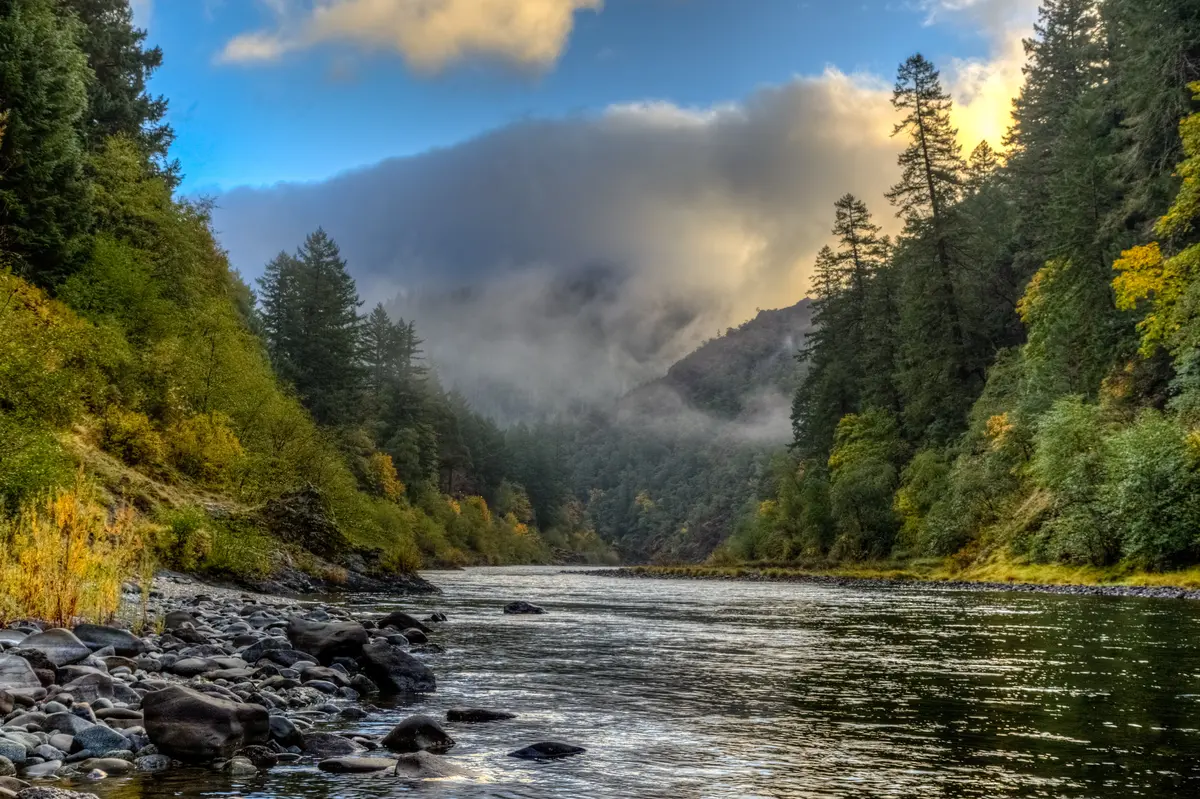
The Rogue Valley and the Umpqua and Klamath country around it, south of the Willamette Valley. 7 cities including Medford, Grants Pass, Roseburg.
Explore all 7 Southern Oregon cities →
High desert country on the dry side of the Cascades, built around year-round time outdoors. 6 cities including Bend, Redmond, Prineville.
Explore all 6 Central Oregon cities →
Ranch and farm country with small cities spread across the dry eastern side of the state. 6 cities including Hermiston, Pendleton, La Grande.
Explore all 6 Eastern Oregon cities →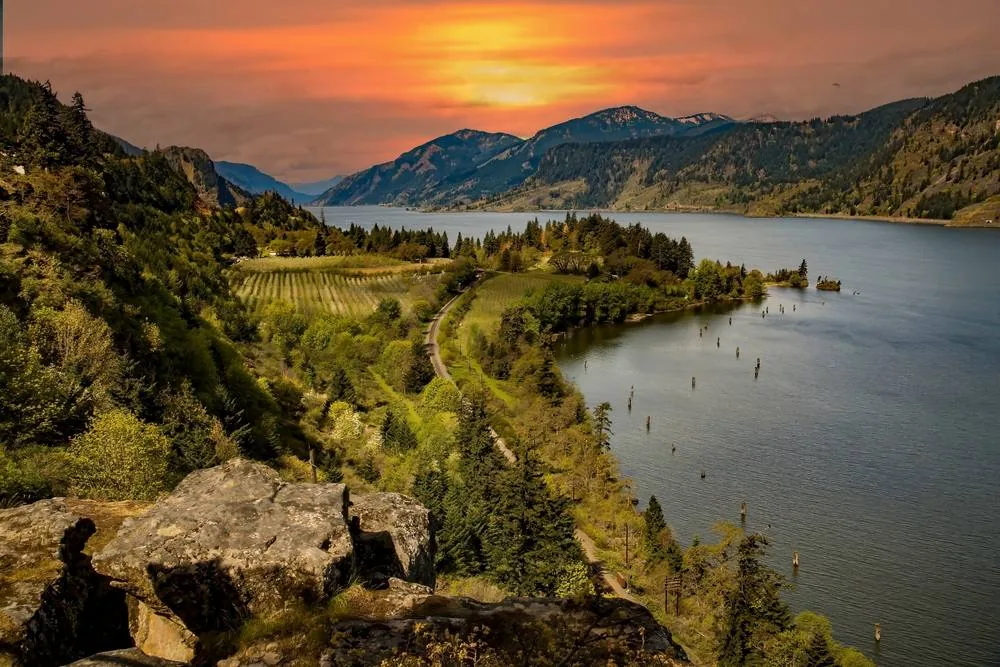
Towns at the foot of Mt. Hood and along the Columbia River Gorge, between the Portland suburbs and the dry side of the Cascades. 5 cities including The Dalles, Troutdale, Sandy.
Explore all 5 Mt. Hood & Columbia Gorge cities →Moving to Oregon?
Tell us what you need help with and we'll connect you with local resources.
