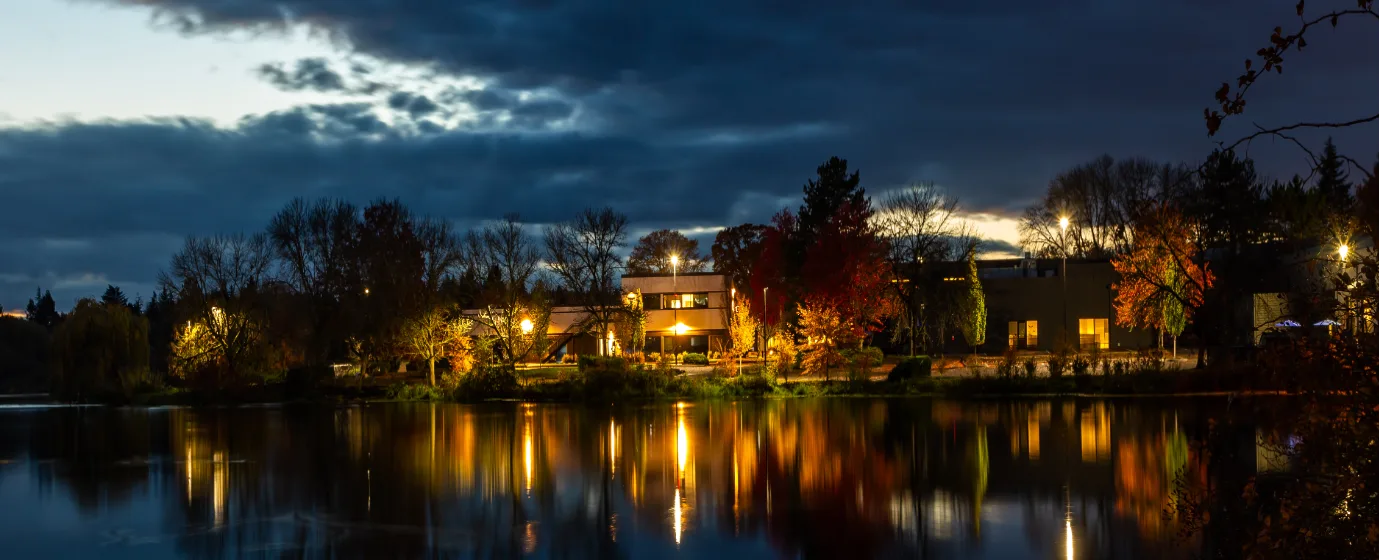
You've probably looked at Portland and flinched at the property tax rate. You've looked at Hillsboro and wondered if there's enough going on. Beaverton sits squarely between those two options — Oregon's seventh-largest incorporated city, with a real arts venue, a hospital about two miles away, and a parks district that operates more than 200 facilities across the metro's western suburbs. It is not a sleepy retirement destination. It is a functioning city with enough density to support a full retirement without requiring a car for every errand.
The city's appeal for retirees rests on a few concrete pillars: Providence St. Vincent Medical Center is essentially in the backyard of most of its western neighborhoods, the Tualatin Hills Park & Recreation District runs a dedicated 55-and-older center, and the Patricia Reser Center for the Arts — which opened in 2022 — has given downtown Beaverton a genuine cultural anchor. Nike and Columbia Sportswear are the city's most recognizable employers, but for retirees those names matter mainly because they signal the economic health that keeps local services funded and neighbors employed.
Cost of living here is not cheap, but it is meaningfully more manageable than Portland proper. The full cost-of-living breakdown puts the typical home price at $527,947 (Zillow Home Value Index, July 2026) — a real number that demands honest planning on a fixed income. Oregon's property tax system has meaningful protections for older homeowners, and the state's treatment of Social Security is more favorable than most people realize before they move here.
Whether you are weighing a move from out of state or right-sizing from a larger Portland-area home, the sections below cover what Beaverton actually looks like in retirement: healthcare depth, the retiree tax picture, walkability, senior community resources, downsizing realities, and how the city stacks up against nearby alternatives.
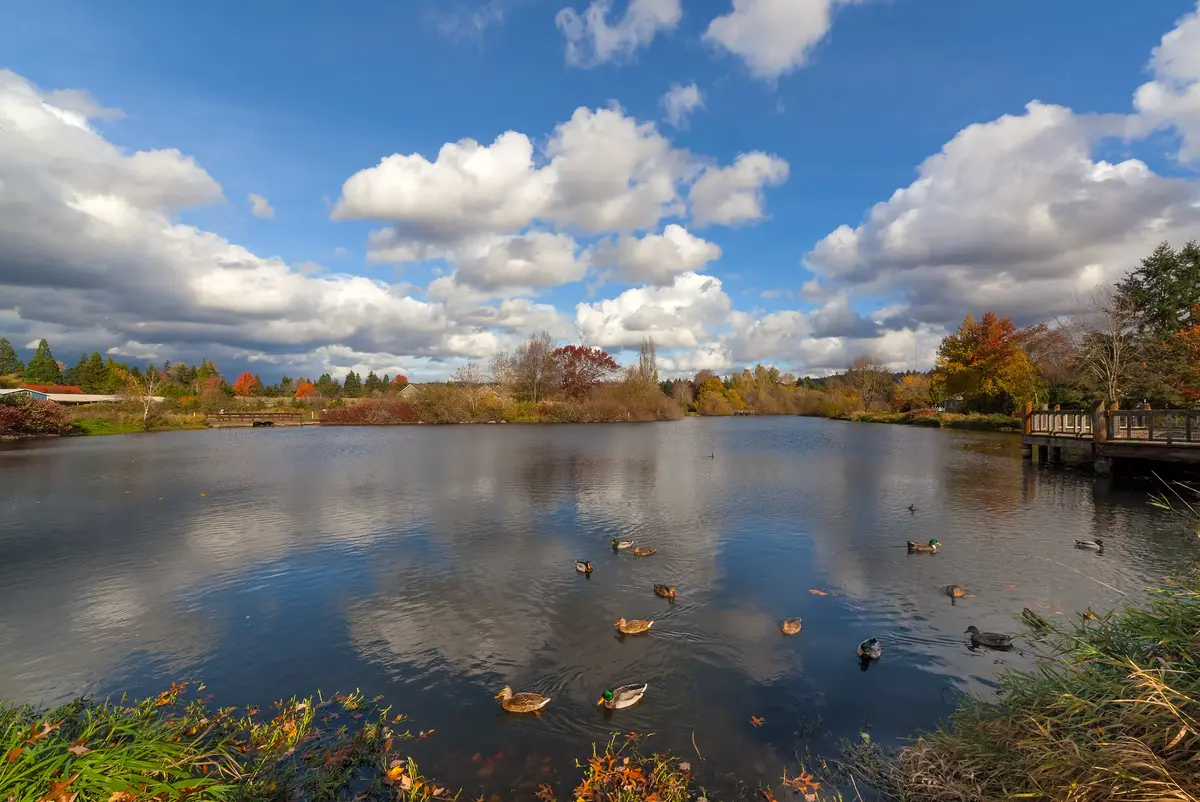
Why Retirees Are Choosing Beaverton
Beaverton fits retirees who want a city — not a suburb cosplaying as one. With a population of 97,812 and genuine urban infrastructure, it has the transit connections, medical facilities, cultural programming, and commercial density that most smaller Oregon towns cannot offer. The Beaverton Farmers Market, the Patricia Reser Center for the Arts, and the Beaverton Transit Center all sit within a walkable radius of the Central Beaverton neighborhoods that appeal most to downsizers.
The fit is strongest for retirees who have already sold a higher-priced home — in California, in Portland, or elsewhere in the metro — and want to put equity to work in a place where a typical home price of $527,947 (July 2026) represents genuine value relative to what they are leaving. Those coming from the east side of Portland often discover that Beaverton's Washington County property tax rate is noticeably lower than what they paid in Multnomah County, which changes the monthly math on a fixed income.
Beaverton is the wrong choice for retirees who prioritize quiet, rural surroundings, or who expect a town where everyone knows everyone. This is a city of nearly 100,000 people with freeway-adjacent density in several neighborhoods. It rewards retirees who want access — to healthcare, to culture, to parks — more than those seeking a slower pace. If the latter is the goal, Tualatin or communities further from the Portland core tend to be a better match.
Healthcare & Medical Access in Beaverton
Providence St. Vincent Medical Center is the anchor of Beaverton's healthcare picture — and it is a strong one. Sitting about two miles from most central Beaverton neighborhoods, it is Providence Health & Services' largest Oregon hospital and holds Magnet Recognition for Excellence in Nursing Services from the American Nurses Credentialing Center. U.S. News & World Report recognized it as the Portland Metro's best regional hospital for 2025-26, with high-performance ratings across a broad range of care categories.
For older patients specifically, the specialty depth matters as much as the proximity. Providence St. Vincent operates the Providence Heart and Vascular Institute, a dedicated Providence Stroke Center, the Providence Multiple Sclerosis Center, and the Providence Center for Health Care Ethics. That combination — cardiac, neurological, and stroke care within the same campus — is exactly what retirees are looking for when they think about the medical infrastructure around their home.
The honest reality for anyone requiring highly specialized tertiary care — complex cancer surgery, transplant medicine, Level I trauma — is that those services remain concentrated in Portland proper, about 22 minutes to Portland in normal traffic. For most retirees, that gap is acceptable given what is already two miles away. The combination of a full-service hospital with a strong specialist bench and a short drive to the full breadth of Portland's medical system is among the strongest healthcare access profiles in the Oregon suburbs.
Beyond the hospital, Beaverton supports a dense network of primary care, cardiology, orthopedics, and outpatient clinics, most of them affiliated with the Providence system. Retirees here generally report being able to establish local care without the waitlist friction that affects more rural Oregon communities.
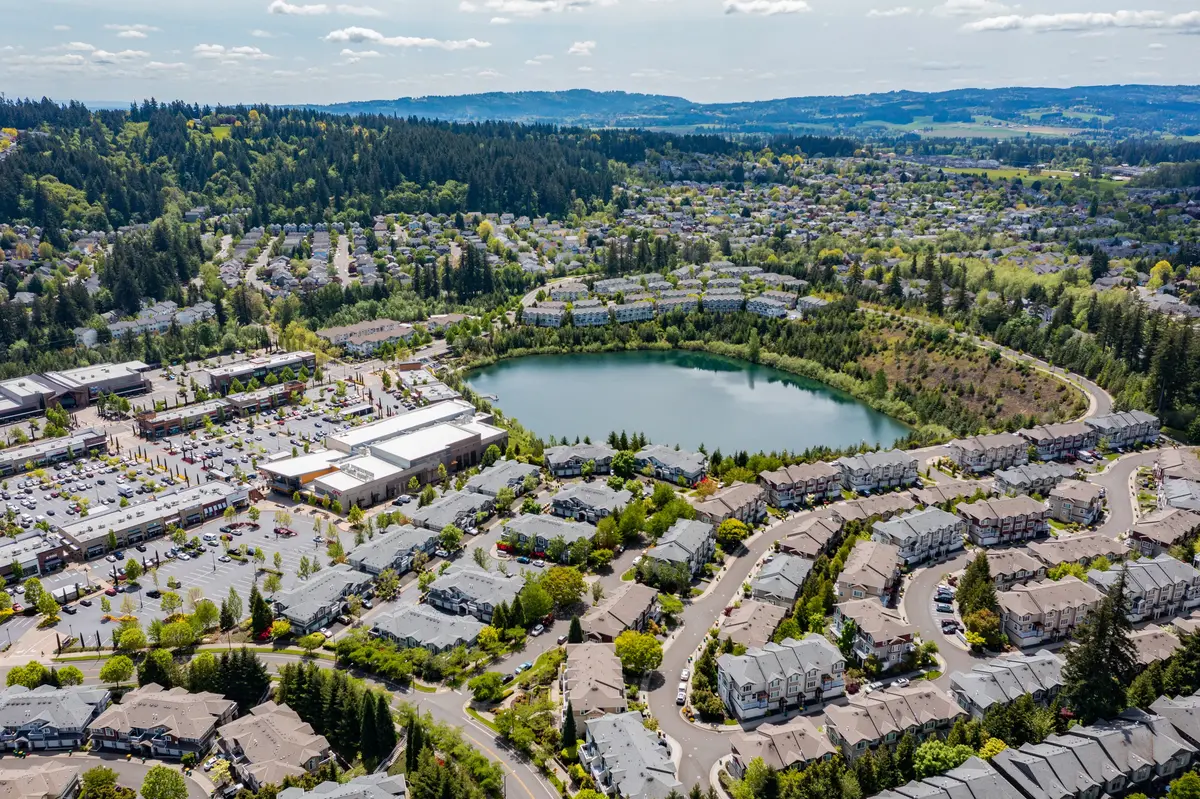
The Retiree Budget in Beaverton
Oregon's tax treatment of retirement income has a well-known bright spot and a less-discussed catch. The bright spot: Social Security benefits are fully excluded from Oregon taxable income — the state subtracts them entirely. The catch: most other retirement income — pensions, 401(k) distributions, traditional IRA withdrawals — is taxed at Oregon's regular graduated rates, which run from 4.75% up to 9.9%. Retirees drawing heavily from pre-tax accounts will feel that on their effective state tax burden.
Oregon also levies its own estate tax with a $1 million exemption that is not indexed to inflation. For retirees with appreciated real estate — and Beaverton values have moved meaningfully over the past decade — the state estate tax is a real planning consideration that a Portland-area estate attorney should review before titling is finalized.
On the property tax side, Beaverton's effective rate of approximately 0.84% sits just above Oregon's statewide average and well below Portland's Multnomah County rate. That gap compounds over time on a fixed income. Oregon also offers a property tax deferral program for homeowners aged 62 or older with household income of no more than $60,000: the state pays your county property taxes and records a lien at 6% simple interest, repaid when the home is sold or the owner passes. You must have owned and occupied the home for at least five years to qualify.
Day-to-day cost of living on a fixed income in Beaverton is suburban-Oregon normal — groceries, utilities, and services run at Pacific Northwest urban prices, which means noticeably higher than the rural Willamette Valley but not dramatically different from what a retiree moving from coastal California or the Seattle area would expect. Oregon has no sales tax, which helps on every consumer purchase. For a full breakdown of what daily life costs here, see the cost of living page.
Looking to buy in Beaverton? Estimate your payment.
Enter your numbers to see an estimated monthly mortgage payment.
Estimate only. Excludes HOA fees and mortgage insurance. The interest rate above is a starting point, not a quoted rate — replace it with your own to see real numbers. Insurance is a flat placeholder, not a Beaverton quote.
Walkability, Community & Staying Active in Beaverton
Beaverton's walkability is uneven in the way most Pacific Northwest suburbs are: genuinely useful in the core, and car-dependent in the outer neighborhoods. Central Beaverton is the most accessible area for retirees who want to run daily errands without a car — the Beaverton Transit Center connects to the MAX Blue Line, MAX Red Line, WES Commuter Rail, and multiple bus routes, and a farmers market, dining, and services cluster nearby. Much of the city's residential fabric — Murrayhill, Sexton Mountain, Progress Ridge — requires a car for most trips.
Topography matters for retirees. The city's western neighborhoods roll into the Tualatin Mountains foothills, which means some streets are hilly. Central Beaverton and the Five Oaks area are flatter and more navigable on foot or by mobility aid. Tualatin Hills Nature Park's 222-acre trail system includes 1.5 miles of paved paths, which makes it genuinely accessible for walkers at varying mobility levels — one of the better urban nature resources in the metro for older adults.
The Tualatin Hills Park & Recreation District — the largest special parks district in Oregon — is the institution that makes Beaverton's active-adult community work. It operates the Elsie Stuhr Center, a recreation facility dedicated exclusively to adults aged 55 and older, offering enrichment classes, fitness programs, trips and tours, drop-in activities, special events, and support groups. In-district residents aged 65 and older receive a 10% discount on most THPRD programs. With more than 110 parks and eight swimming centers across its service area, the district provides the kind of infrastructure that most similarly sized suburbs cannot match.
The Patricia Reser Center for the Arts rounds out the cultural calendar. The 50,000-square-foot venue hosts national touring performances alongside visual arts exhibitions and community programming — the kind of anchor that makes Beaverton feel like a destination rather than a pass-through. Retirees who moved here expecting a quiet suburb and discovered a real arts scene often name it as the thing that surprised them most.
Right-Sizing: Downsizing in Beaverton
No 55+ communities were found in Beaverton. That is the honest starting point for any retiree expecting a dedicated age-restricted ownership community of the kind common in Arizona or Florida. What Beaverton does have is a range of senior living and care facilities at various levels of independence — and a general housing stock that includes single-level options, though finding them requires patience.
On the care-community side, the options that have emerged in recent years reflect the city's growth. MorningStar of Beaverton offers upscale independent, assisted, and memory care. Farmington Square Beaverton focuses on assisted living and memory care. Anthology of Beaverton — which opened in 2024 — provides independent, assisted, and memory care options in a newer building. Clearwater Beaverton covers independent living, assisted living, and memory support. None of these are 55+ ownership communities; they are senior living facilities, and the distinctions in level of care and cost are significant enough to warrant direct visits and financial review before any decision.
For retirees looking to own a single-level home rather than move into a care facility, Beaverton's inventory of ranch-style and single-level construction is real but competitive. The Progress Ridge and Murrayhill areas have seen newer construction that includes single-level floor plans aimed at downsizers, though buyers should expect to pay at the higher end of the Beaverton market in those neighborhoods. Central Beaverton and Five Oaks offer entry points below the city median and include older ranch-style homes that suit retirees who want to own outright and stay in place.
Condos are a growing part of the downsizing picture downtown. The Round at Beaverton Central and nearby mixed-use development have added units that appeal to retirees who want walkable access and no yard maintenance. Inventory in this segment moves, so buyers working with an agent who tracks the central Beaverton condo market closely will be better positioned than those waiting for the right unit to appear on a general search. For neighborhood-level detail on which areas fit which buyer profile, the neighborhoods page breaks it down.
Beaverton vs Nearby Retirement Destinations
| City | Cost vs Beaverton | Primary Hospital | Walkability | Senior Living Depth | Overall Retirement Fit |
|---|---|---|---|---|---|
| Beaverton | Anchor | Providence St. Vincent Medical Center — a full-service hospital with a strong specialist bench, recognized by U.S. News as the Portland Metro's best regional hospital | Moderate overall; strong in the downtown core; car-needed in outer neighborhoods | Several independent and assisted-living facilities; no 55+ ownership community | Transit Healthcare Strong for active retirees wanting urban access |
| Portland | About the same | Multiple major health systems with full tertiary care | Best walkability and transit in the region; depends heavily on neighborhood | Widest range of senior living options in Oregon | Walkable Best for retirees who want maximum urban density and transit — higher property taxes than Beaverton |
| Hillsboro | About the same | A regional community hospital; Providence St. Vincent still reachable | Lower than Beaverton; car-dependent for most errands | Growing senior living inventory tied to population growth | Quieter Value Works well for retirees who prioritize space and a slower pace over walkability |
| Tigard | Somewhat higher | No major hospital in city; a regional medical center reachable via highway | Improving around Washington Square and downtown core; still largely car-dependent | Some senior living options; thinner than Beaverton | Quieter Better for retirees who want a less urban feel — but healthcare access requires more driving |
| Tualatin | Noticeably cheaper | No on-site major hospital; drive to a regional medical center required | Car-dependent; limited walkable commercial areas | Limited senior living options relative to Beaverton | Nature Value Appeals to retirees who want lower density and are comfortable driving for healthcare and services |
| Aloha | Noticeably cheaper | Unincorporated area; relies on Washington County and nearby city facilities | Low; primarily car-dependent suburban grid | Sparse; limited dedicated senior resources | Value Entry-level pricing is the main draw; retirees give up healthcare proximity and senior infrastructure |
Portland wins on healthcare depth and walkability, but its higher property tax rate and cost profile mean the monthly math favors Beaverton for retirees on a fixed income. Hillsboro matches Beaverton closely on cost and makes sense for retirees who want more space and a quieter pace, but Providence St. Vincent's depth is genuinely hard to replicate locally. Tualatin and Aloha offer real price advantages for buyers who prioritize budget over proximity to a major hospital or senior community resources. Tigard is the one nearby city where the price premium over Beaverton is hardest to justify on a retirement calculus — it costs more but delivers less in healthcare access and senior infrastructure than Beaverton does at the same money.
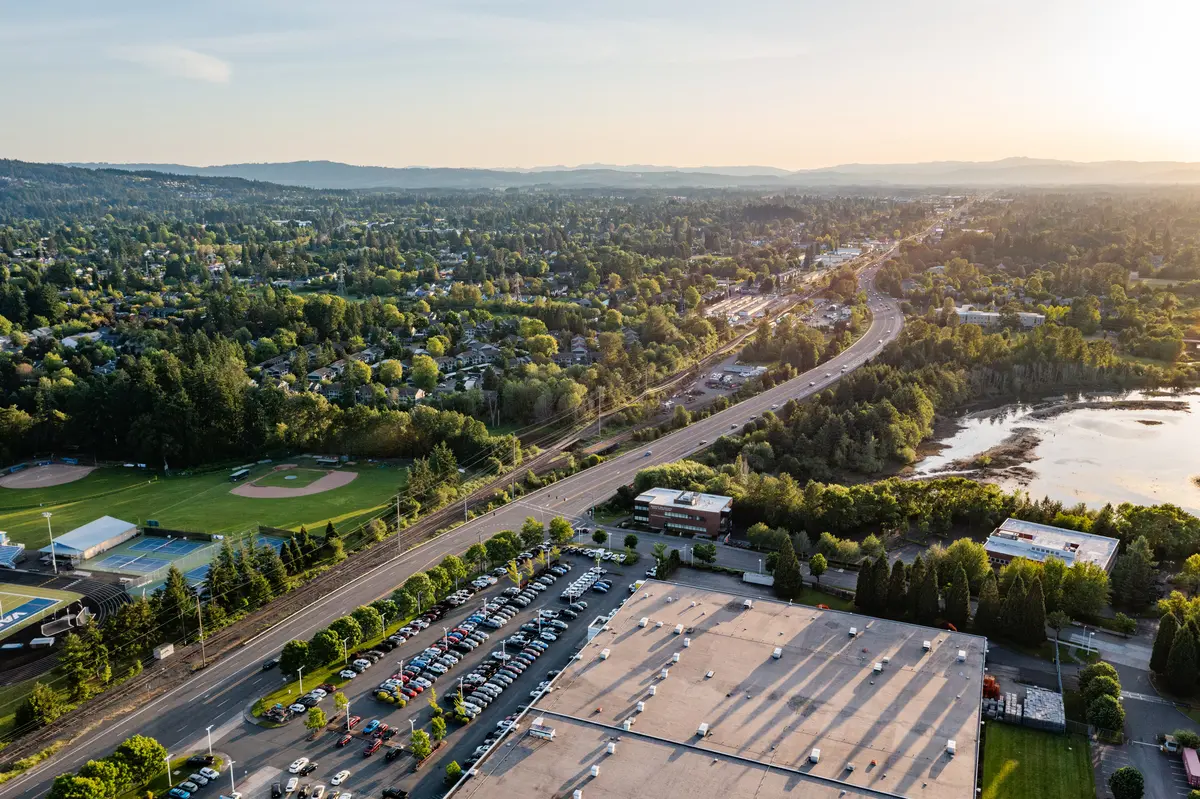
Local Expert Takeaway: Beaverton's strongest argument for retirees is a combination most Oregon suburbs cannot offer at once: a top-ranked regional hospital about two miles away, the Elsie Stuhr Center exclusively for the 55-and-older crowd, and the Patricia Reser Center for the Arts as a genuine cultural anchor downtown. The Tualatin Hills Park & Recreation District's 110 parks and eight swimming centers mean staying active here does not require driving out of the city. The property tax rate of approximately 0.84% comes in below Portland proper, and Oregon's full Social Security exclusion helps on the income side. The honest tradeoff is that Beaverton is a real city — dense, trafficked, and suburban in character — rather than a quiet retreat, and the lack of any age-restricted 55+ ownership community means retirees who want that specific social structure will need to look elsewhere or plan for a general-market condo or single-level home.
Quick Takeaways & FAQs
✅ Providence St. Vincent Medical Center — about two miles away and recognized by U.S. News as the Portland Metro's best regional hospital — is one of the strongest hospital access stories in the Oregon suburbs.
⚠️ Oregon taxes most retirement income (pensions, IRAs, 401(k) withdrawals) at rates up to 9.9%, and the state estate tax kicks in at $1 million — retirees with appreciated real estate need to plan for both.
📍 The Elsie Stuhr Center, run by the Tualatin Hills Park & Recreation District, is the only recreation center in the district dedicated exclusively to adults 55 and older, with a 10% discount for residents 65 and up.
Is Beaverton a good place to retire?
Does Oregon tax Social Security benefits?
What hospital serves Beaverton retirees?
Are there 55+ communities in Beaverton?
What is Oregon's property tax deferral program for retirees?
Moving to Oregon?
Tell us what you need help with and we'll connect you with local resources.
