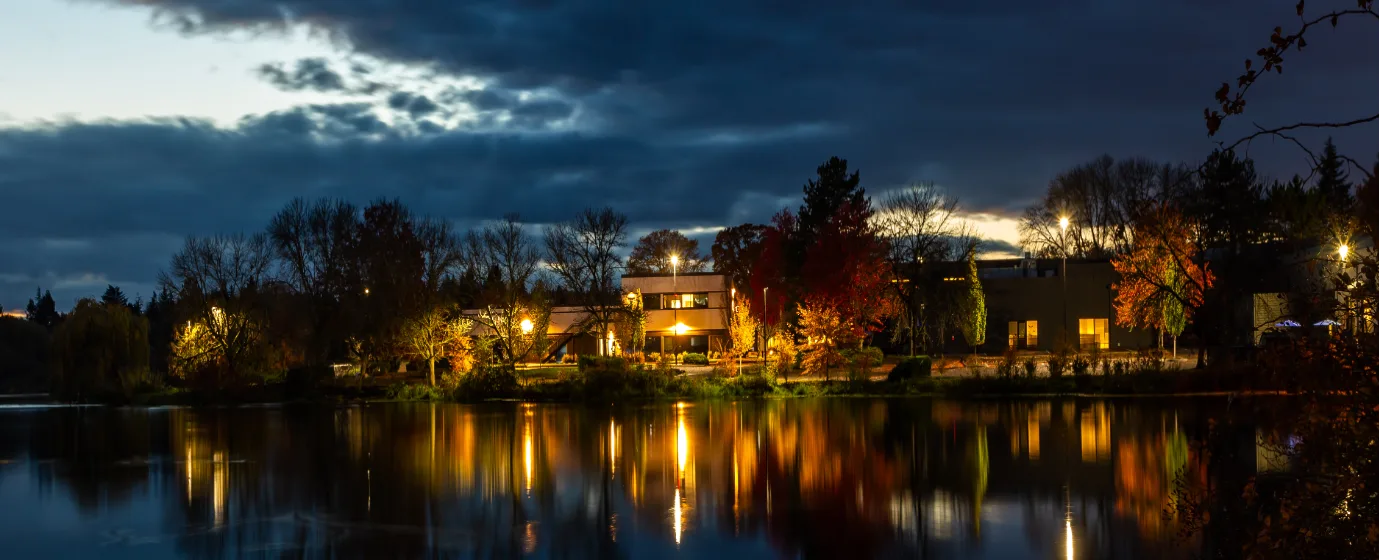
Most people who move to Beaverton from drier climates expect to miss the sun. What they don't expect is how quickly they stop caring. The Tualatin Hills Park & Recreation District — the largest special park district in Oregon — puts more than 95 park sites, 70 miles of trails, eight swim centers, and 1,500 acres of natural areas within reach of a city of 97,812. The green infrastructure here is not an afterthought bolted onto a suburb; it was built into Beaverton's identity from the start, and it shows in how residents actually use their weekends.
Beaverton sits in the western Portland Metro, where the Tualatin Valley begins to rise toward the Coast Range foothills. That geography delivers something rare for a city this close to a major metro: genuine wildland pockets inside the city limits. Tualatin Hills Nature Park and Cooper Mountain Nature Park together account for more than 450 acres of preserved habitat, and both sit within a short drive of most neighborhoods. The Fanno Creek Greenway Trail threads through the city on its way between southwest Portland and the Tualatin River, giving cyclists and joggers a car-free corridor that connects parks, neighborhoods, and wetlands in a single route.
The outdoor calendar here runs year-round in a way that surprises newcomers used to thinking of Oregon as a rainy write-off from November through April. With 141 sunny days a year — concentrated in a long, genuinely warm summer — hiking, farmers market visits, and trail runs are weekly habits, not seasonal treats. The Beaverton Farmers Market draws crowds from across the region on a peak summer Saturday, which tells you something about how seriously this city takes its outdoor gathering spaces. The Howard M. Terpenning Recreation Complex adds an indoor Olympic pool and tennis center for the months when the trails are wet.
Whether you're considering a move to Beaverton or already under contract, the sections below break down the city's signature nature parks, its trail network, organized recreation options, and the seasonal rhythms that define outdoor life here.
Tualatin Hills Nature Park and Cooper Mountain: The Wildland Core
Two parks set Beaverton apart from virtually every suburb its size in the Pacific Northwest, and neither one feels like a manicured city green space.
Tualatin Hills Nature Park
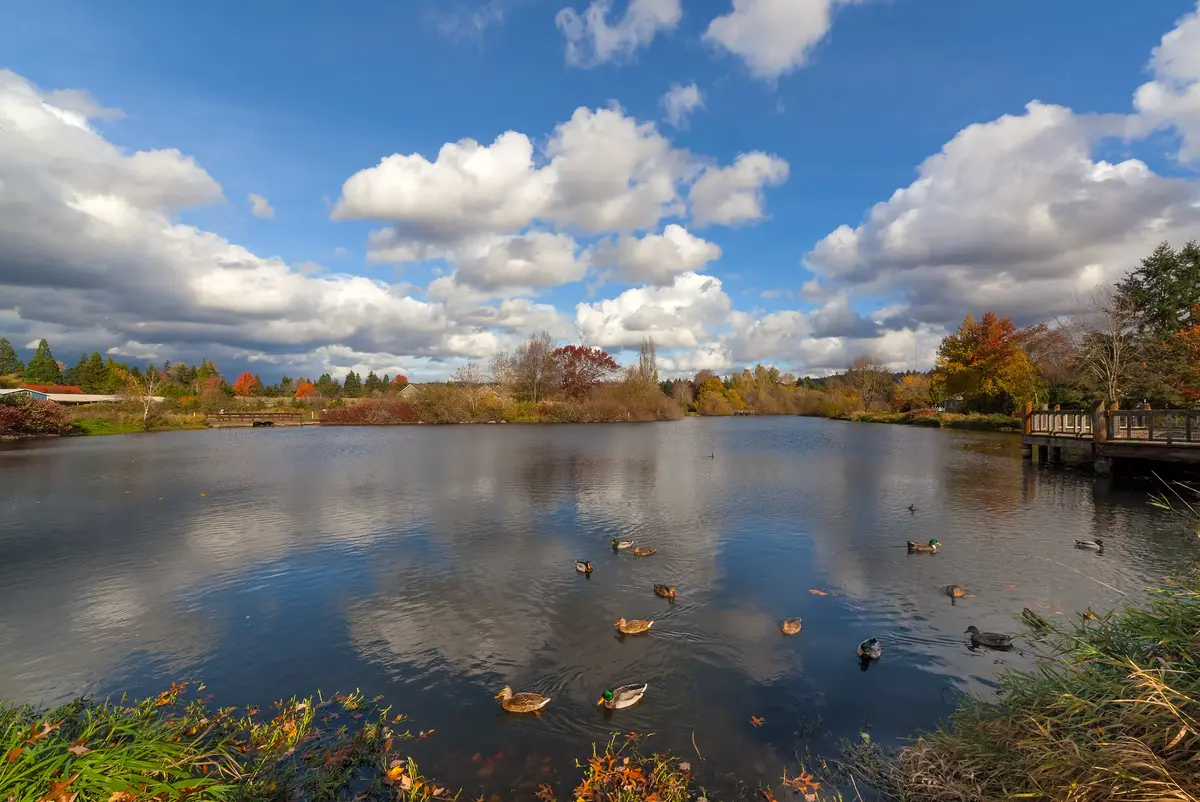
At 222 acres, Tualatin Hills Nature Park sits at the confluence of Cedar Mill Creek and Beaverton Creek, in the middle of the city rather than at its edge. That placement matters: you can drive from the office or the grocery store and be standing in a wetland forest in ten minutes. The park offers about five miles of trail — 1.5 miles paved and 3.5 miles soft-surface — winding through wetlands, ponds, meadows, and old-growth-adjacent forest. The Oak Trail and sections of the Vine Maple Trail are paved and fully wheelchair accessible.
The park is a designated wildlife preserve, which means no dogs are permitted. That rule frustrates some new residents initially, but it's what keeps the wildlife density here genuinely impressive: woodpeckers, eagles, Great Blue Heron, rough-skinned newts, and seasonal migrating warblers and flycatchers are regular sightings, not lucky ones. The on-site Nature Center runs educational programs and exhibits for all ages — the kind of amenity that makes this more than a walking loop for the after-work crowd.
Entry is free. The no-dogs policy applies to the entire preserve, so plan accordingly if you're house-hunting with a pet-ownership mindset — this is a park you visit, not one you commute through with a leash.
Cooper Mountain Nature Park
Just south of the city, Cooper Mountain Nature Park covers 231 acres of conifer forest, native prairie, and white oak woodland — one of the most endangered ecological communities in the Pacific Northwest. The 3.5 miles of trail here climb just enough to deliver sweeping views of the Chehalem Mountains and the Tualatin Valley below, making it one of the few spots near Beaverton where you feel genuinely elevated above the metro.
The habitat here is not decorative. Northern red-legged frogs, western bluebirds, great-horned owls, and western gray squirrels use this landscape actively, and the park is managed to protect it — no dogs, no bicycles. A three-quarter-mile wheelchair-accessible loop trail, picnic tables, a nature play area for children, and a Nature House with year-round environmental education programs round out the experience.
What locals know: Cooper Mountain is the park you take visiting family to when you want to prove that Beaverton is not just strip malls and tech campuses. The views from the upper trails do the convincing.
| Park | Acres | Trail Miles | Accessible Trail | Dogs Allowed | Best For |
|---|---|---|---|---|---|
| Tualatin Hills Nature Park | 222 | ~5 mi (1.5 paved) | Yes (Oak Trail, Vine Maple Trail) | No | Nature Families |
| Cooper Mountain Nature Park | 231 | 3.5 mi | Yes (¾-mi loop) | No | Nature Views |
| Hyland Woods | Part of 1,500-ac natural area network | Multiple soft-surface loops | Limited | Check THPRD | Nature Quiet |
All three parks sit within THPRD's broader network of 1,500 acres of natural areas — a figure that makes more sense once you've driven the district and realized how much green space persists between the subdivisions.
The Fanno Creek Greenway and the Trail Network
Beaverton's trail system is not a standalone amenity — it connects to a regional network that makes car-free movement across the western metro genuinely possible.
Fanno Creek Greenway Trail
The Fanno Creek Greenway Trail is the spine of Beaverton's trail network. Designed to ADA accessibility standards and paved for its full length, the trail weaves through five cities and two counties, linking southwest Portland toward the Tualatin River. Within Beaverton, it runs through Greenway Park and Fanno Creek Park, where the corridor widens into disc golf, basketball courts, and wetland wildlife habitat.
The 1.1-mile loop at Greenway Park is where a lot of residents do their after-work laps — flat, paved, dog-friendly, and close to several neighborhoods on Beaverton's eastern side. The broader trail corridor is popular with cyclists commuting toward Portland as much as with recreational walkers. If you're evaluating neighborhoods and trail access matters, the sections of the city near the Fanno Creek corridor rank among the most connected for on-foot errands.
One honest note: the Fanno Creek Greenway is part of a planned 15-mile network connecting the full corridor. The trail is functional and well-used in its current form, but portions of the full planned route remain incomplete, so your on-trail experience will depend on which segment you're on.
The Broader THPRD Network
The Tualatin Hills Park & Recreation District's 70 miles of trails extend well beyond Fanno Creek. Hyland Woods is a quieter natural-area option on the district's broader trail map — softer surfaces, less foot traffic, and the kind of stand of trees that makes you forget a six-lane arterial is nearby. For families with kids interested in youth sports and organized activities, THPRD's trail network feeds into six recreation centers and eight swim centers across the district, so trail access and facility access tend to overlap geographically.
The honest friction: 141 sunny days a year means the trails are legitimately muddy for stretches of winter and early spring. The paved Fanno Creek sections and the paved loops at Tualatin Hills Nature Park stay usable year-round. The soft-surface trails at Hyland Woods and Cooper Mountain can be slow going from December through March — plan your footwear accordingly, or wait for a clear stretch.
Recreation Centers, Pools, and Organized Sports
Beaverton's outdoor parks get the most attention, but the THPRD facility network is what makes recreation here genuinely four-season.
Howard M. Terpenning Recreation Complex
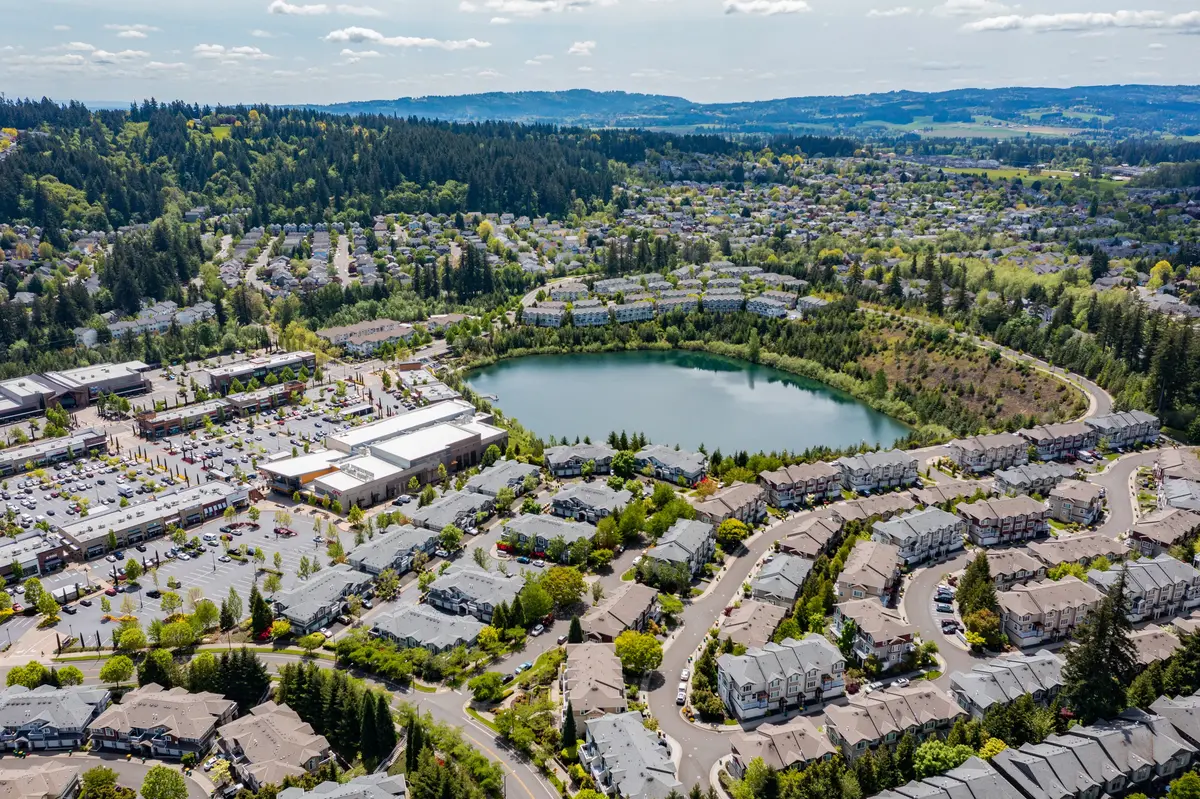
The Howard M. Terpenning Recreation Complex is THPRD's flagship facility in Beaverton — a 92-acre campus that houses an indoor Olympic swimming pool, a tennis center, an athletic center, and several sports fields. The Olympic pool is the detail that matters most for serious swimmers: lap lanes and the caliber of facility you'd expect from a district that has operated since 1955 and has grown to be the largest of its kind in Oregon.
For parents evaluating how active their kids can stay year-round, the Terpenning complex is a significant part of the answer. THPRD operates eight swim centers and six recreation centers across the district, so the options here are not limited to one flagship. What's notable about Beaverton specifically is that the Terpenning complex keeps that programming anchored within the city rather than requiring a drive to a neighboring community.
Professional Soccer Training — A Surprising Local Detail
THPRD's Fanno Creek Service Center in Beaverton serves as the training home for the Portland Timbers and Portland Thorns FC, via a public-private partnership that includes dedicated locker rooms, training areas, and field time. It doesn't change your daily recreation options, but it does say something about the quality of the district's facilities — the Timbers organization chose this infrastructure over other options in the metro.
The Beaverton Farmers Market
The Beaverton Farmers Market is not a farmers market in the peripheral, specialty-crop sense. Founded in 1988 by the Central Beaverton Neighborhood Association near the City Library, it draws crowds from across the region on a peak summer Saturday and features a large roster of vendors at its seasonal height — farmers, ranchers, nursery growers, and artisan food producers offering cheeses, breads, jams, pasta, and chocolates, with live local music weekly during the main season.
The market runs Saturdays from approximately February through the Saturday before Thanksgiving. For many Beaverton residents, it is the social anchor of the warm-weather calendar — the place where the city actually gathers in a way that no park or trail replicates. New residents who show up expecting a mid-sized suburban market usually leave recalibrating what a farmers market can be.
For a deeper look at how recreation and community life interact with Beaverton's cost of living, the cost-of-living page breaks down how the city compares to nearby Hillsboro, Tigard, and Portland.
Looking to buy in Beaverton? Estimate your payment.
Enter your numbers to see an estimated monthly mortgage payment.
Estimate only. Excludes HOA fees and mortgage insurance. The interest rate above is a starting point, not a quoted rate — replace it with your own to see real numbers. Insurance is a flat placeholder, not a Beaverton quote.
Seasonal Recreation: What to Expect Month by Month
The seasonal rhythm of outdoor life in Beaverton is different from what most newcomers expect — and different in both directions.
Summer: The Long Payoff
Beaverton's summer is the reason people stay. From late June through September, the weather is warm and consistently dry — the kind of stretched-out sunny season that makes the Willamette Valley feel like a reward for tolerating everything else. Trails at Cooper Mountain and Tualatin Hills Nature Park are at their best: firm underfoot, rich with wildlife activity, and long enough into the evening to squeeze in a hike after work. The farmers market is at full volume. THPRD's swim centers are the answer for families with kids who need a daily outlet.
The one friction: popular trails fill up on summer weekends. Tualatin Hills Nature Park in particular draws a significant crowd on sunny Saturdays because it's in the middle of the city and free to enter. Arriving early — or on a weekday — changes the experience entirely.
Fall and Winter: The Honest Trade
Beaverton averages 141 sunny days a year. The arithmetic means a substantial stretch of overcast and rain, concentrated from October through April. The paved sections of the Fanno Creek Greenway and Tualatin Hills Nature Park remain walkable, but soft-surface trails at Cooper Mountain and Hyland Woods can be genuinely muddy from late November onward.
What cushions the off-season is THPRD's indoor network: eight swim centers and six recreation centers mean there's a structured activity available within a few miles of most neighborhoods. Families who move from sunnier climates and don't plan for indoor programming report a difficult first winter. Families who engage with THPRD early tend to describe the winters as manageable.
Spring: The Underrated Season
March and April are wet but increasingly bright, and the wildflower display at Cooper Mountain's native prairie is one of the area's genuinely under-visited spectacles. The Beaverton Farmers Market restarts in February and gains momentum through spring — by May, it's already operating near peak volume. The trail network dries out progressively from April, and by mid-May the full soft-surface trail system at both major nature parks is typically in good shape.
| Season | Best Activity | Trail Conditions | Community Anchor |
|---|---|---|---|
| Summer (Jun–Sep) | Hiking, cycling, swimming | Excellent — all surfaces dry | Beaverton Farmers Market at peak |
| Fall (Oct–Nov) | Trail running, nature walks | Good early, muddy by November | Farmers market through late November |
| Winter (Dec–Feb) | Indoor pools, recreation centers | Paved trails fine; soft-surface muddy | THPRD indoor programming |
| Spring (Mar–May) | Wildflower hikes, cycling | Improving — dry by mid-May | Farmers market restarts in February |
The pattern to internalize before you move: Beaverton's outdoor life is excellent, but it requires seasonal flexibility. Residents who anchor their recreation around THPRD's indoor facilities in winter and shift outdoors aggressively in summer get the full value of living here. Those who expect year-round trail conditions comparable to summer are routinely disappointed by February.
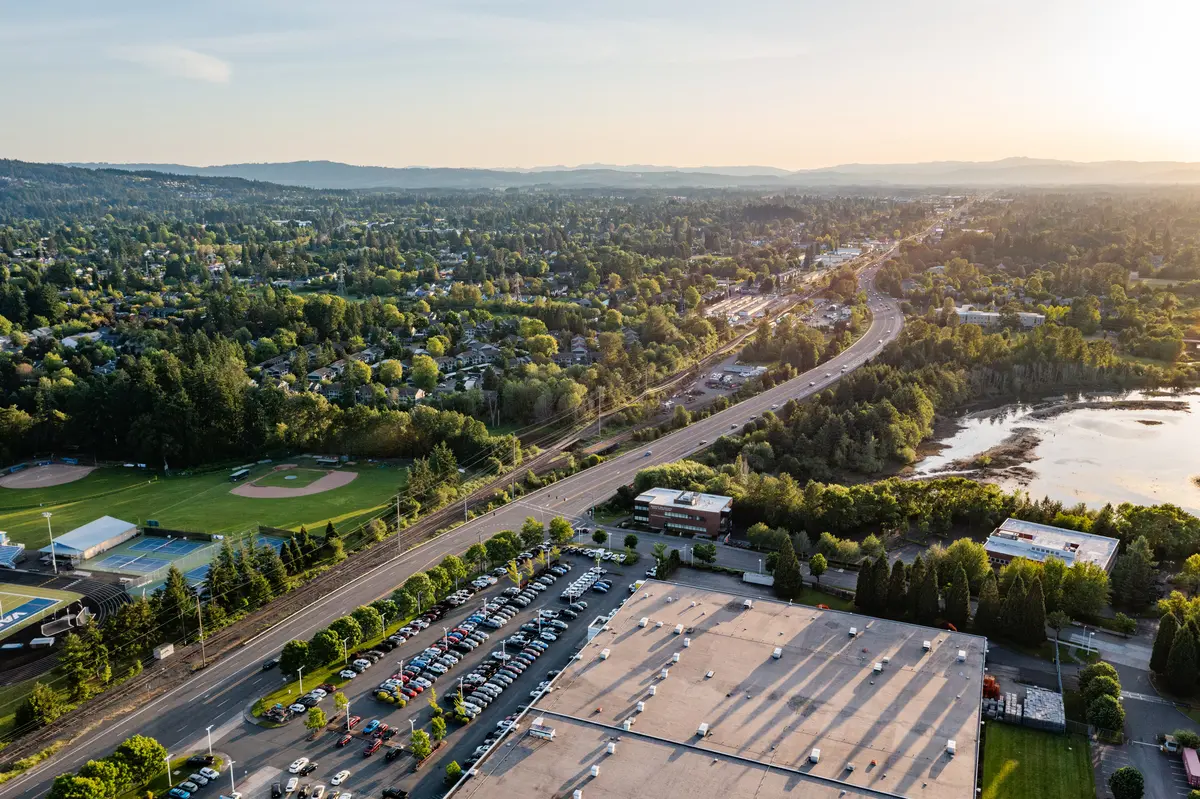
Local Expert Takeaway: THPRD is what makes Beaverton's outdoor life punch above its weight. Most suburbs this size have a few municipal parks and a walking path; Beaverton has Oregon's largest special park district, two genuine wildlife preserves inside the city limits, a paved regional trail, an Olympic pool, and a farmers market that functions as the city's de facto town square. The catch is seasonal: the 141 sunny days a year concentrate in summer, and the soft-surface trails at Cooper Mountain and Hyland Woods are genuinely muddy from November through March. Residents who treat THPRD's indoor network as winter infrastructure — and the trails as summer infrastructure — get a recreational life that's hard to match in the Portland Metro at Beaverton's price point.
Quick Takeaways & FAQs
✅ Beaverton is home to Oregon's largest special park district, with more than 95 park sites, 70 miles of trails, and two 200-plus-acre wildlife preserves inside the city limits.
⚠️ Both Tualatin Hills Nature Park and Cooper Mountain Nature Park prohibit dogs, which frustrates pet owners who expect to use these as daily walking destinations.
📍 The Beaverton Farmers Market has run since 1988 and fills the blocks near the City Library every Saturday through the warm months — it's the city's primary seasonal gathering place, not a small-town market.
Is Tualatin Hills Nature Park really free to enter?
Can I bring my dog to Beaverton's nature parks?
How does THPRD membership or access work for Beaverton residents?
What is the Fanno Creek Greenway Trail like in Beaverton specifically?
When is the Beaverton Farmers Market and how big is it?
Moving to Oregon?
Tell us what you need help with and we'll connect you with local resources.
