Is Oregon a Good Place to Live?
Oregon is less one place than several. On the west side, harbor and beach towns run along the Pacific from the mouth of the Columbia River to the California border. Inland, the Willamette Valley holds the state capital, two university towns, and farm and wine country between the Coast Range and the Cascades. East of the mountains, the dry side of the state opens into high desert around Bend and ranch and farm country around Pendleton. Housing, jobs, weather and daily life change more from region to region than any statewide picture suggests.
Portland is Oregon's largest city, and the Portland Metro is its largest job market, reaching from close-in city neighborhoods out to the Washington and Clackamas County suburbs. Hillsboro and Beaverton sit at the heart of the "Silicon Forest", with Intel in Hillsboro and Nike's global headquarters in Beaverton. Salem, the capital, runs on a steady base of state government and healthcare jobs, while Eugene and Corvallis are shaped by the University of Oregon and Oregon State University.
Cost of living depends heavily on where you land. Our city guides find housing noticeably more affordable in places like Salem, Medford and Pendleton than in Portland or Bend, while home prices in Portland, Bend and Hood River run high against local wages. Oregon levies no general sales tax, but it does have a graduated state income tax with a top rate of 9.9% — so how the two balance out depends on your own household.
Time outdoors is part of daily life almost everywhere. Portland residents reach mountains, coast and rivers; Bend sits close to Mt. Bachelor, the Deschutes River and Smith Rock; Hood River is known for windsurfing and kiteboarding on the Columbia; Medford is a day trip from Crater Lake and the Rogue River. Use the regions below to find the part of Oregon that fits, then open a city guide for the details.
Explore Oregon's Regions
Each region has its own climate, character and pace of life. Find the one that fits you, then explore the cities within it.
Portland Metro
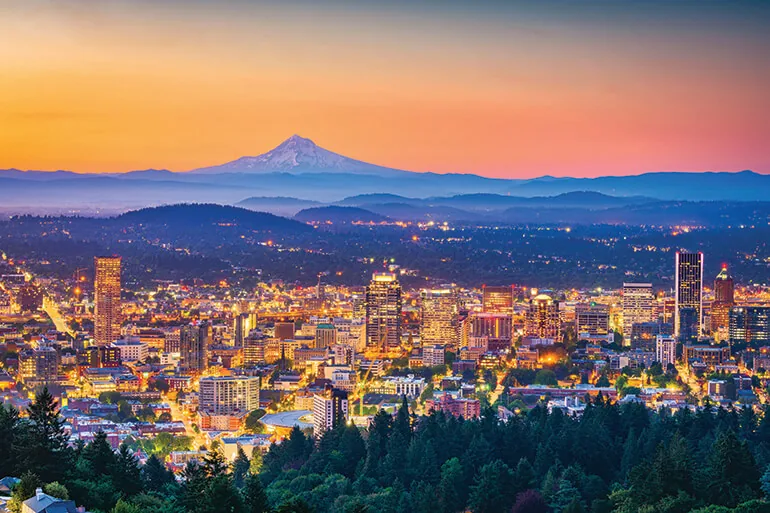
Oregon's largest job market, from close-in city neighborhoods out to the Washington and Clackamas County suburbs.
Explore every Portland Metro city guide & blog →Willamette Valley

The state capital, two university towns, and farm and wine country between the Coast Range and the Cascades.
Explore every Willamette Valley city guide & blog →Oregon Coast

Harbor and beach towns along the Pacific, from the mouth of the Columbia River to the California border.
Explore every Oregon Coast city guide & blog →Southern Oregon
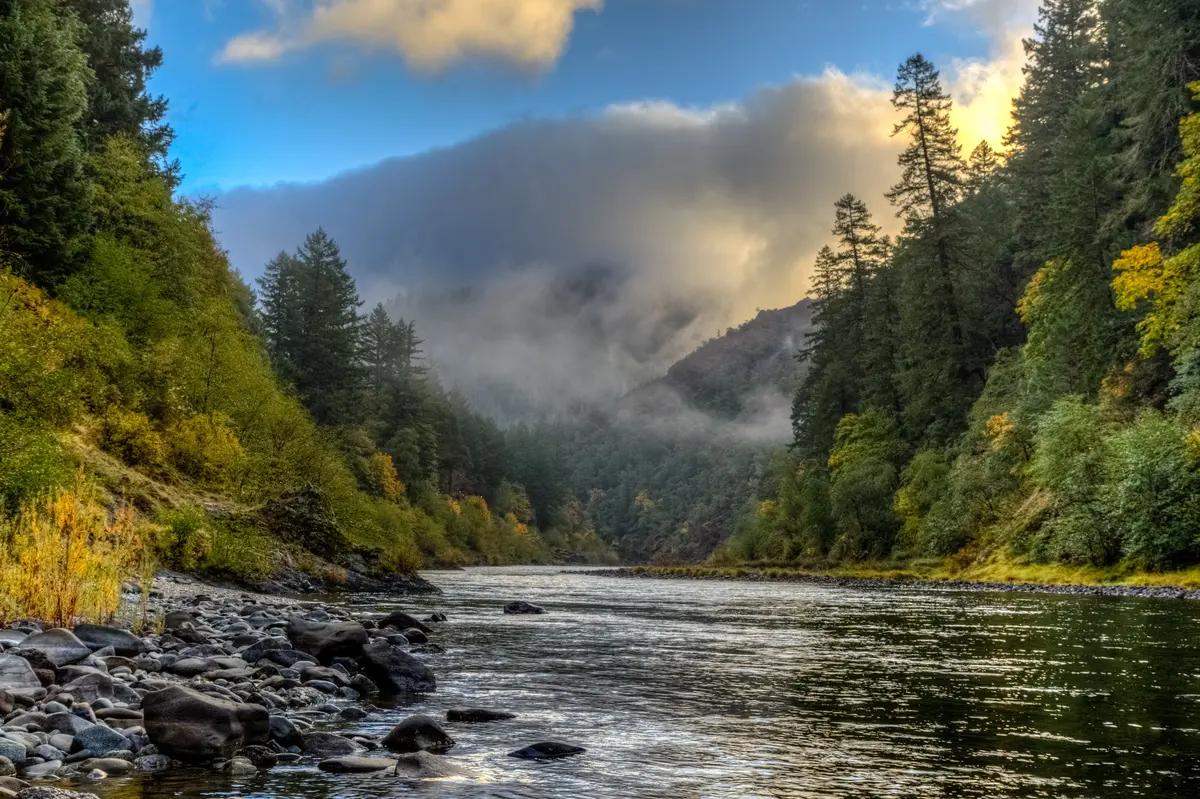
The Rogue Valley and the Umpqua and Klamath country around it, south of the Willamette Valley.
Explore every Southern Oregon city guide & blog →Central Oregon
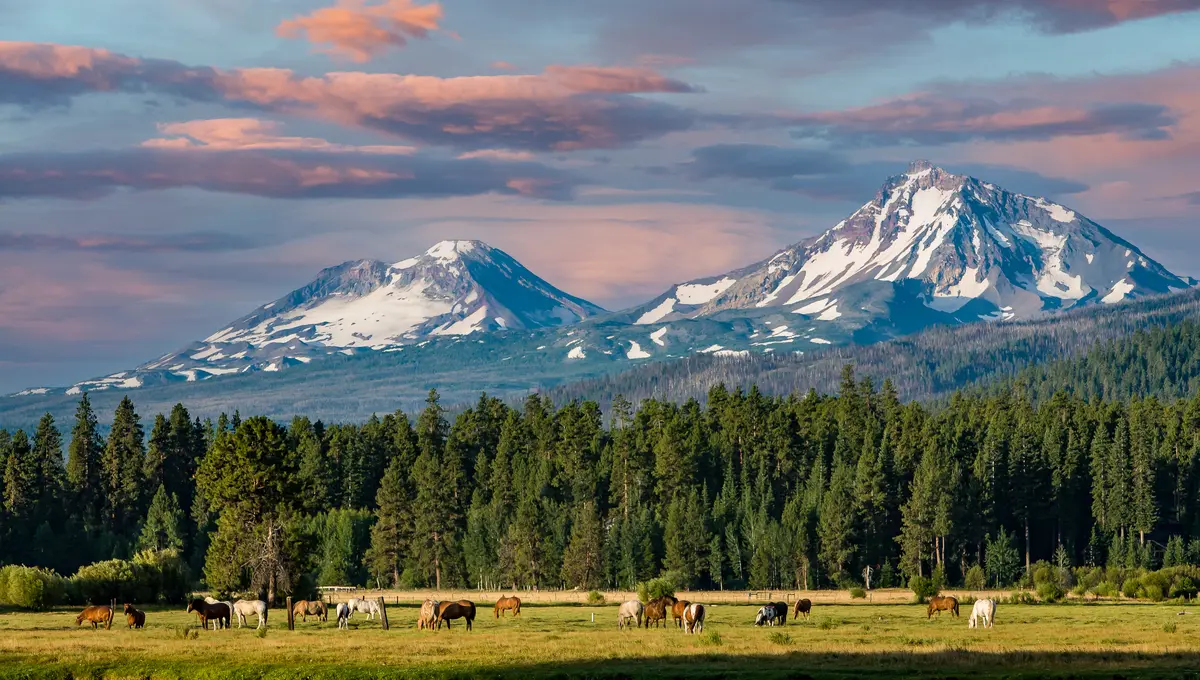
High desert country on the dry side of the Cascades, built around year-round time outdoors.
Explore every Central Oregon city guide & blog →Eastern Oregon
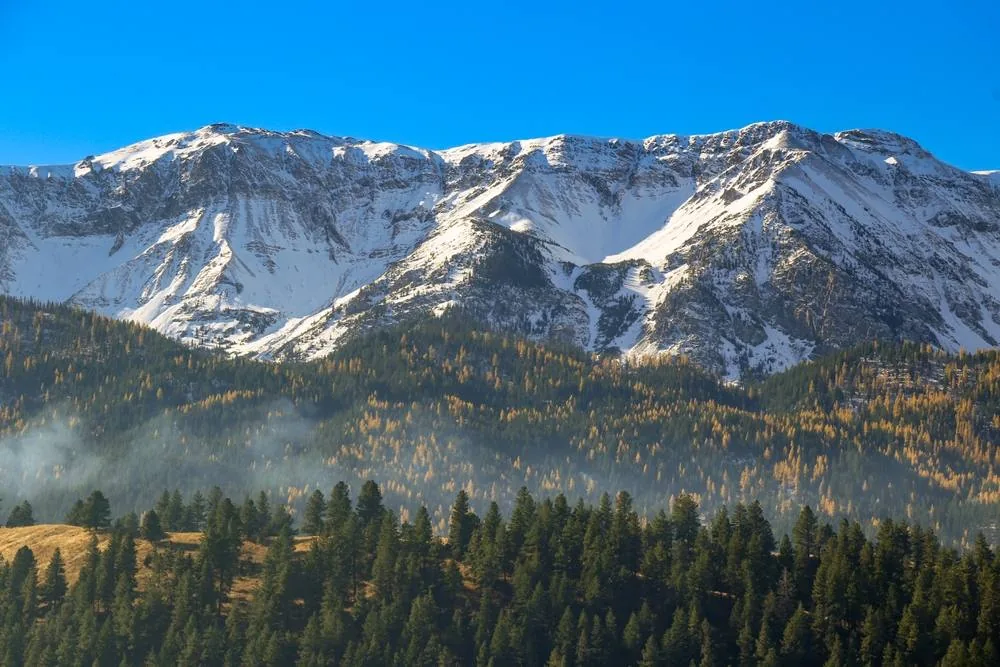
Ranch and farm country with small cities spread across the dry eastern side of the state.
Explore every Eastern Oregon city guide & blog →Mt. Hood & Columbia Gorge

Towns at the foot of Mt. Hood and along the Columbia River Gorge, between the Portland suburbs and the dry side of the Cascades.
Explore every Mt. Hood & Columbia Gorge city guide & blog →Pros & Cons of Living in Oregon
Every state has trade-offs. These are the ones that come up again and again across our Oregon city guides.
Pros of Living in Oregon
- No general sales tax
- Outdoor recreation close to nearly every city — mountains, rivers, coast and high desert
- Oregon's largest job market in the Portland Metro, with a tech corridor in Hillsboro and Beaverton
- A steady state government and healthcare job base in Salem
- University towns in Eugene and Corvallis
- Willamette Valley farm and wine country
- Housing noticeably more affordable in places like Salem, Medford and Pendleton than in Portland or Bend
- Very different ways of life to choose from — harbor town, college town, capital city or high desert
Cons of Living in Oregon
- A graduated state income tax with a top rate of 9.9%
- Home prices high against local wages in places like Portland, Bend and Hood River
- Property crime above average in several cities, including Portland, Salem and Medford
- Long gray, rainy winters in Portland and Salem, and persistent fog and wind on the coast
- Hot summers in Medford and Salem, with wildfire smoke in some years
- Summer tourist traffic and crowds in destination towns like Hood River

Major Employers in Oregon
A few of the major employers named in our guides to Oregon's larger cities — useful context if you're relocating for work. Each city guide lists the employers for that city.
- Intel — Hillsboro
- Nike — Beaverton (global headquarters)
- Columbia Sportswear — Beaverton
- OHSU — Portland
- Legacy Health — Portland
- State of Oregon — Salem and Portland
- Salem Health — Salem
- University of Oregon — Eugene
- Oregon State University — Corvallis
- St. Charles Health System — Bend
- Asante Rogue Regional Medical Center — Medford
- Harry and David — Medford
FAQs About Moving to Oregon
Is Oregon a good place to live?
For many people, yes — but it depends on the region. Oregon runs from Pacific harbor towns through the Willamette Valley to high desert and ranch country, with outdoor recreation close to nearly every city and no general sales tax. The trade-offs our city guides turn up most often are home prices that run high against local wages in places like Portland, Bend and Hood River, property crime above average in several larger cities, and a graduated state income tax.
Does Oregon have a sales tax?
Oregon levies no general sales tax. It does have a graduated state income tax with a top rate of 9.9%. Oregon does not tax Social Security benefits, but pensions and 401(k)/IRA withdrawals are taxed as ordinary income. How it balances out depends on your income and spending — worth running the numbers for your own household before you move.
What are the regions of Oregon?
This guide groups Oregon's cities into Portland Metro, Willamette Valley, Oregon Coast, Southern Oregon, Central Oregon, Eastern Oregon, and Mt. Hood & the Columbia Gorge. Each region has its own guide with every city in it — start with the regions above.
Where is Oregon more affordable?
What is the weather like in Oregon?
It changes a lot by region. Portland and Salem have long gray, rainy winters. The coast around Newport sees persistent fog, wind and rain. Medford is sunnier, with far less rain than the Willamette Valley or the coast but hot summers. Bend is sunny with low humidity, and Pendleton has hot, dry summers and cold winters.
All Oregon Cities — A to Z
Click any city for the complete guide — neighborhoods, home prices, cost of living, pros & cons, schools and jobs.
Moving to Oregon?
Tell us what you need help with and we'll connect you with local resources.

Todd Davidson
About the Author
Todd Davidson is the founder of The Move Genie, where he publishes in-depth city guides, neighborhood resources, and local market insights covering communities across the Pacific Northwest and Mountain West. While his background is in home financing and real estate, he created these digital platforms to help families research and compare regions before making a move.