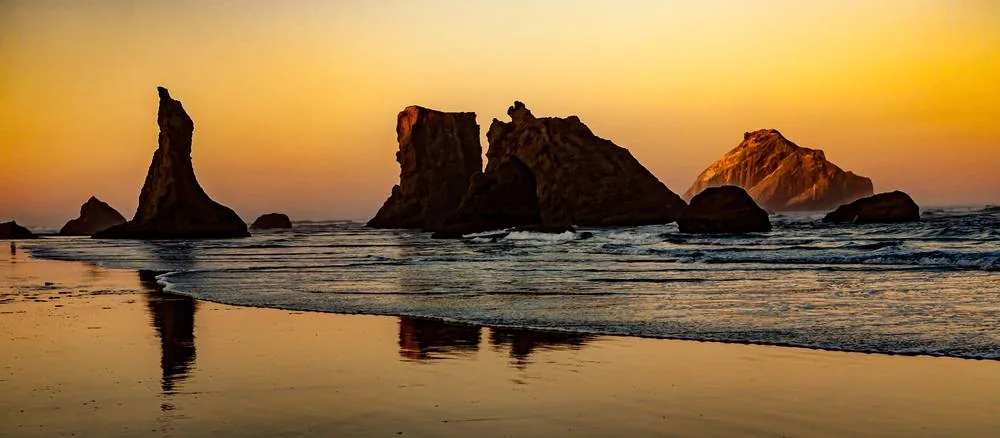
Is the Oregon Coast a Good Place to Live?
Maybe you've been driving US-101 on vacation for years, pulling over at every viewpoint, and finally the thought became a plan. Maybe you're priced out of the Portland Metro or the Willamette Valley and someone told you the coast is different. It is — but not in the way the Instagram version suggests. The Oregon Coast is not a destination you retire into gently. It is a working string of small cities and towns where fog arrives without warning, where the nearest large airport is a real drive, and where the same landscape that drew you here also slows every errand and limits every chain store. That tension between beauty and logistical friction is the central fact of life on this coast, and understanding it before you sign anything is the whole point of this guide.
The coast is not one place. Astoria anchors the north with its Victorian hilltop neighborhoods, the Columbia River Maritime Museum, and a genuine arts and history identity built around Fort Clatsop and Lewis and Clark National Historical Park. Newport sits mid-coast with the Oregon Coast Aquarium, NOAA's Marine Operations Center, and the Hatfield Marine Science Center — a genuine cluster of ocean science that shapes the town's culture and employment base. Coos Bay and North Bend form the region's largest urban pairing, with full-service hospital care, Southwest Oregon Regional Airport, and the Oregon International Port of Coos Bay anchoring southern-coast commerce. Between those poles are places like Florence, where Heceta Head Lighthouse and the Oregon Dunes draw tourists but the Siuslaw School District and a regional medical center ground the year-round community; Bandon, where Bandon Dunes Golf Resort draws visitors from across the country; and Brookings, the southernmost town, warmer and sunnier than anywhere else on the coast, backed by the Samuel H. Boardman State Scenic Corridor.
On price, the coast as a whole sits below the Portland Metro, the Willamette Valley, and Central Oregon — but it is not uniformly affordable, and the spread within the coast itself matters. Cannon Beach and Gearhart sit at the pricier end, driven by vacation-home demand and proximity to Portland. Coos Bay, North Bend, and Reedsport sit toward the more affordable end, where the trade-off is distance from the metro and a thinner local job market. Most places in between — Newport, Florence, Lincoln City, Seaside, Brookings, Tillamook, Bandon, Gold Beach, Yachats, and Warrenton — fall near the middle of the region. Wherever you land on the coast, you are accepting that a major shopping run, a specialist doctor, or a connecting flight requires planning in a way it simply does not in a larger metro.
Whether you are comparing these towns side by side for the first time or narrowing a shortlist to two or three, the city cards below break down what each place actually is — the employers, the neighborhoods, the landmarks, and the honest fit — so you can figure out which version of coast life matches what you are actually looking for.
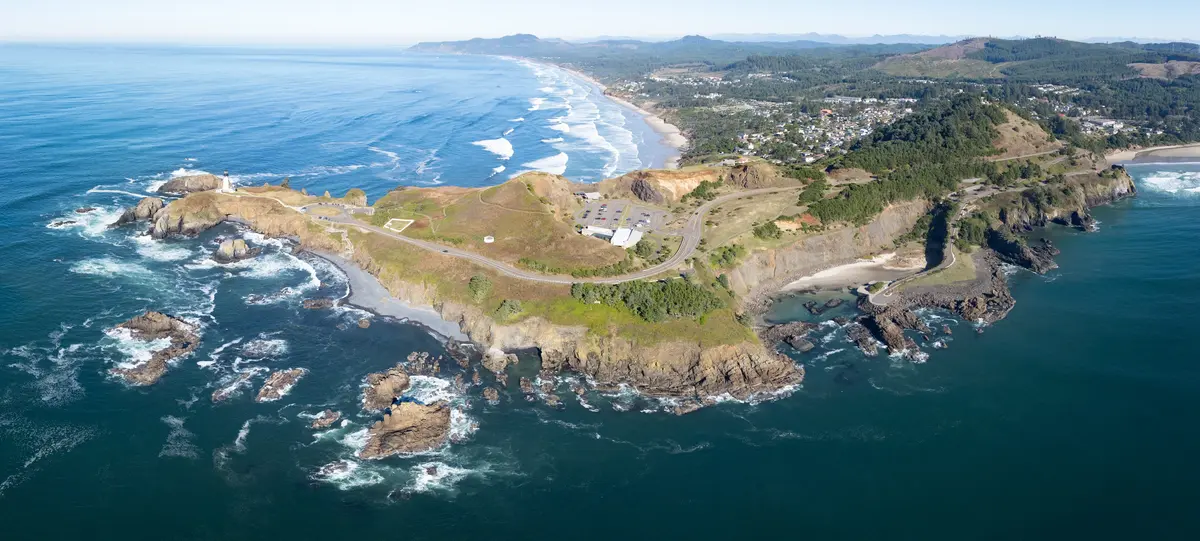
Explore All 16 Cities in the Oregon Coast
Click into any city for the complete guide — neighborhoods, home prices, cost of living, pros & cons, schools, top employers, and mortgage help.
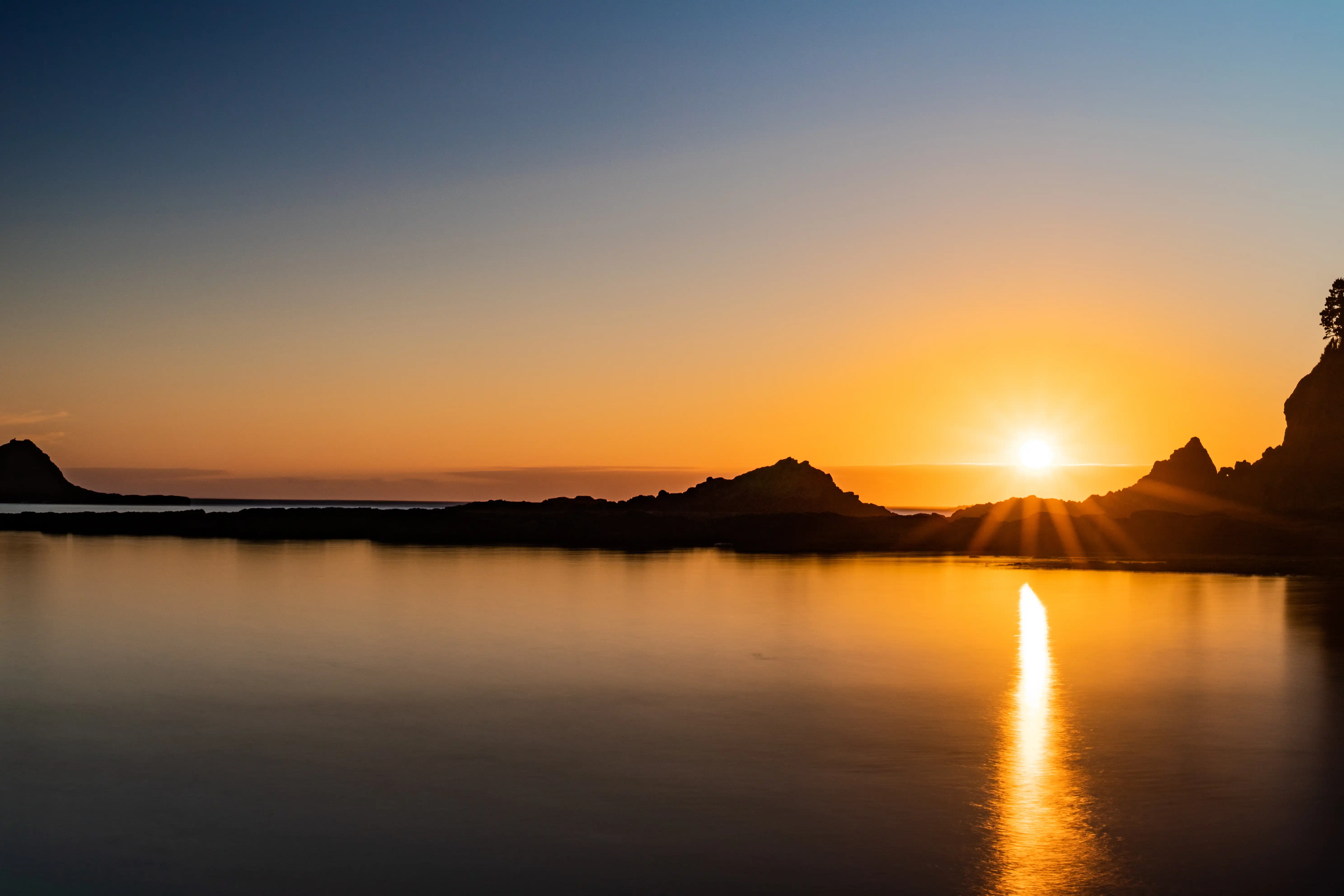
Coos Bay
Coos Bay is the commercial heart of the southern Oregon Coast — a small city with a real economic base that includes full-service hospital care, Southwest Oregon Community College, and the Coos Bay School District. The Coos Bay Boardwalk, the Coos Art Museum, and the historic Egyptian Theatre give it more civic infrastructure than most towns this size on the coast. Home prices sit toward the more affordable end of the region, which makes it one of the more practical full-time choices if you need services, employment, and a lower entry price point in the same place.
Full Coos Bay Guide →
Newport
Newport punches above its size with the Oregon Coast Aquarium, NOAA's Marine Operations Center, and Oregon State University's Hatfield Marine Science Center all anchoring the local economy and identity. The Bayfront district and Yaquina Bay Bridge give it a sense of place that feels genuinely lived-in rather than resort-polished. Prices land near the middle of the region, and the combination of a regional medical center and a real town center makes Newport one of the more self-sufficient communities on the coast.
Full Newport Guide →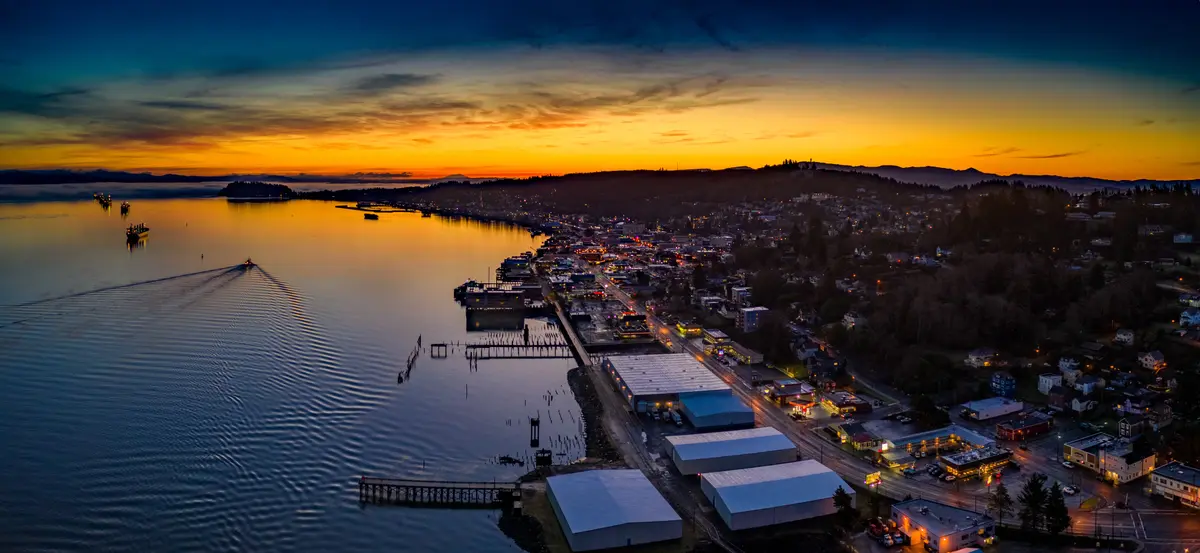
Astoria
Astoria is the oldest American settlement west of the Rockies, and it reads that way — Victorian homes climbing the hills above the Columbia River, the Astoria Column visible from the water, the Columbia River Maritime Museum anchoring the Riverwalk. It has more cultural density than almost anywhere else on the coast, with the Liberty Theatre, the Flavel House Museum, and Clatsop Community College all within the same small footprint. Prices sit near the middle of this region, and the proximity to the Portland Metro via US-30 and US-101 makes it the most connected small city on the coast — though that connection comes with the foggiest, wettest corner of the Oregon Coast.
Full Astoria Guide →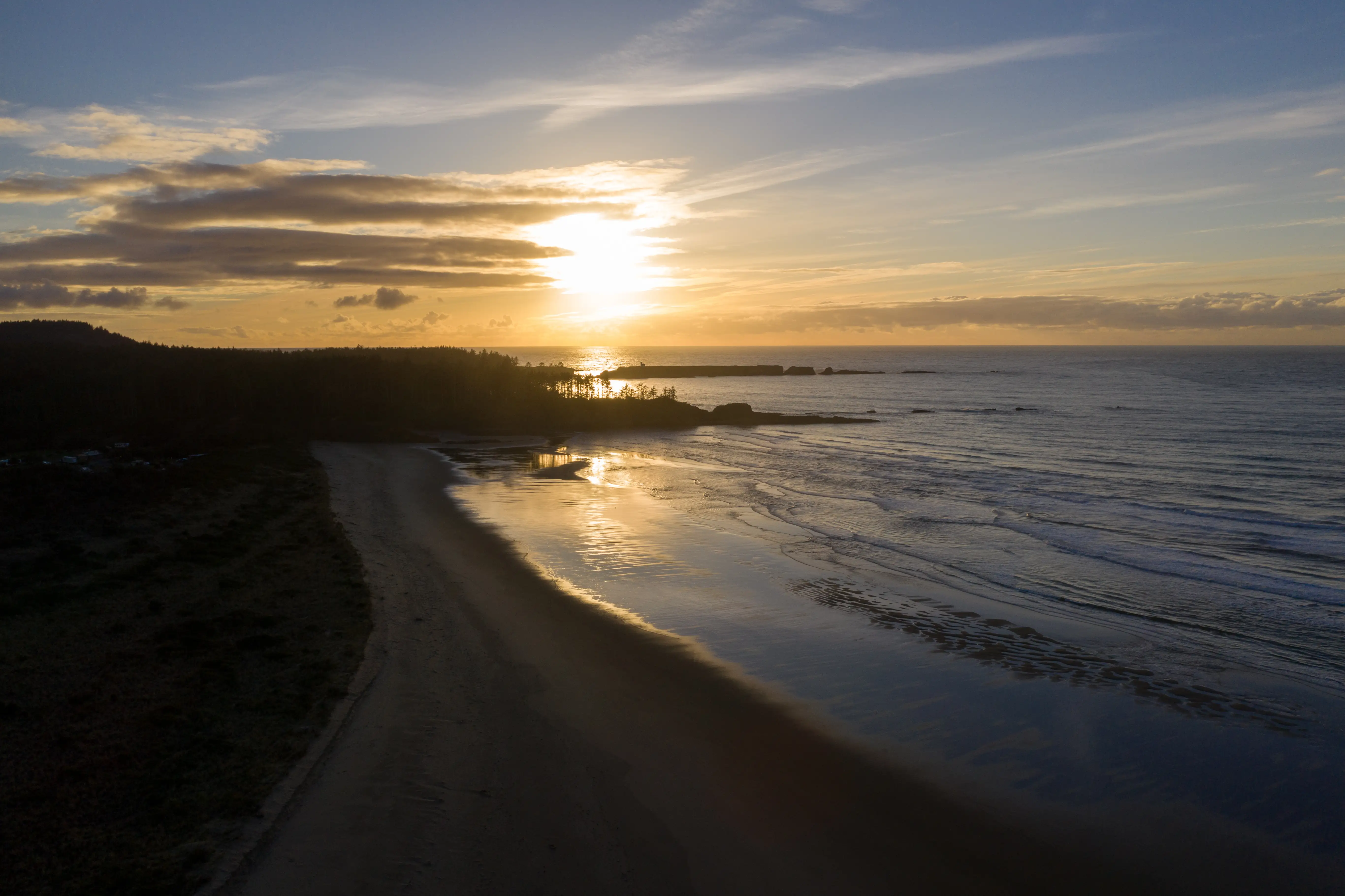
North Bend
North Bend and Coos Bay function as a single urban area, but North Bend has its own distinct identity — the Conde B. McCullough Memorial Bridge, Southwest Oregon Regional Airport, Pony Village Mall, and the Oregon Dunes National Recreation Area all anchor its side of the bay. The North Bend School District serves the community independently, and Simpson Park and the North Bend Boardwalk give it walkable civic space. Home prices sit toward the more affordable end of the region, and the shared services with Coos Bay mean residents get more practical infrastructure than either city's population alone would support.
Full North Bend Guide →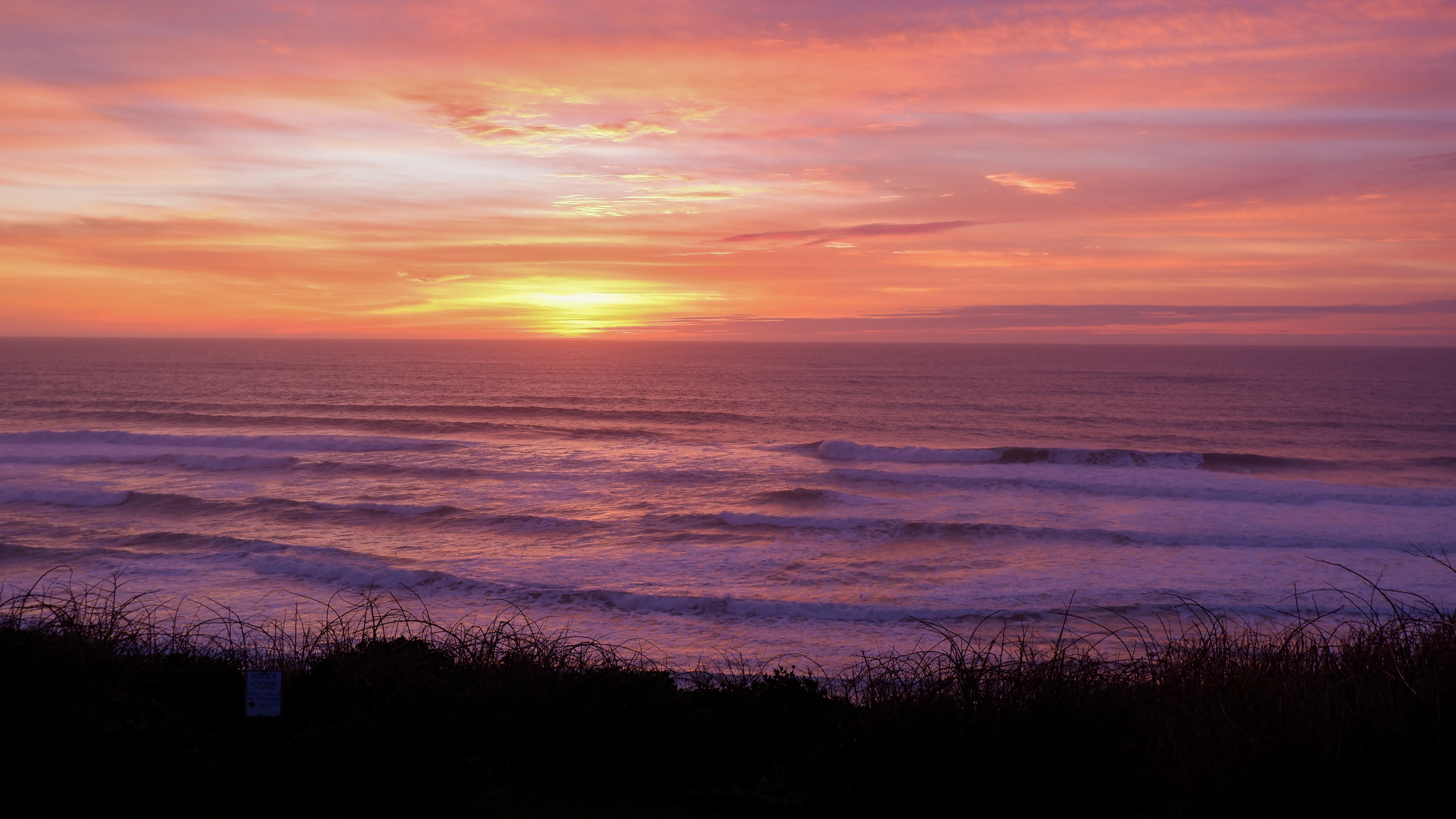
Lincoln City
Lincoln City is the closest thing to a full-service resort town in the mid-coast, with Chinook Winds Casino Resort, Lincoln City Premium Outlets, and Devils Lake all drawing traffic from the Willamette Valley on weekends. For full-time residents, that tourist economy is both the job base and the source of weekend friction — US-101 through town slows considerably when the valley empties toward the coast. Prices sit near the middle of the region, and for buyers who want amenities, services, and the Siletz Bay without paying Cannon Beach prices, Lincoln City is the practical mid-coast answer.
Full Lincoln City Guide →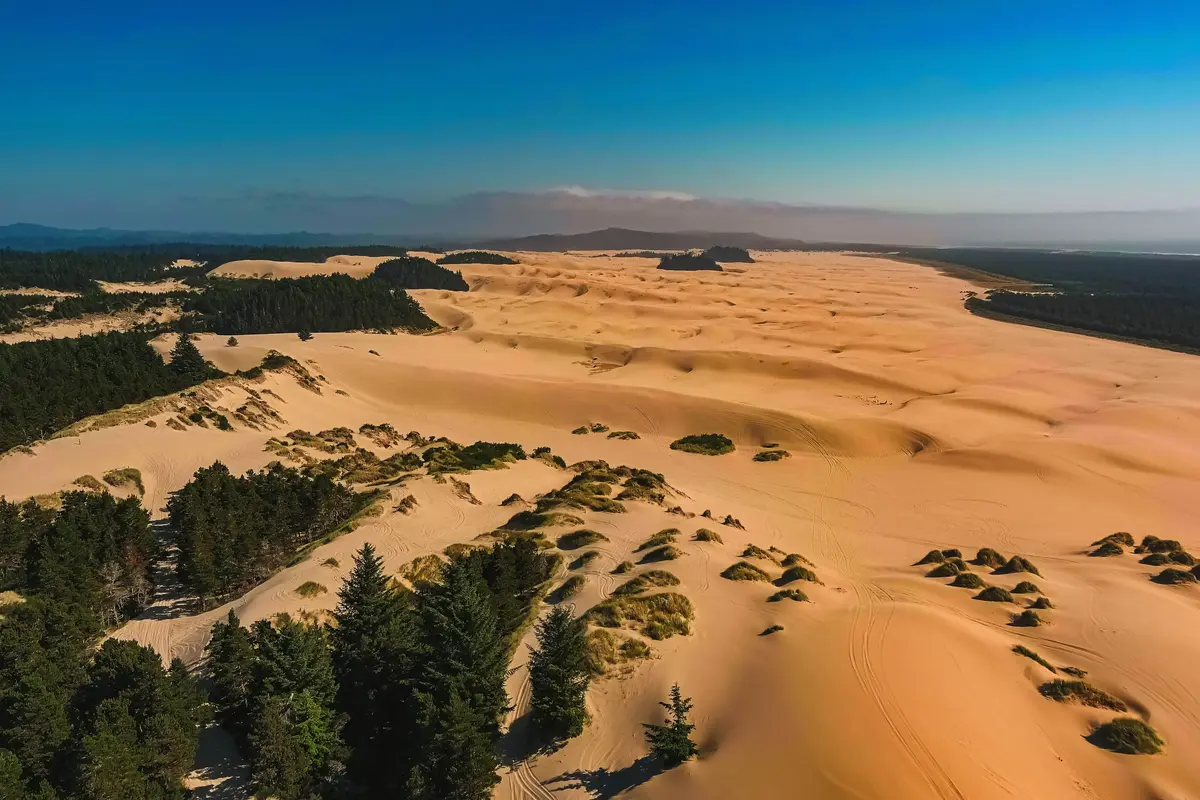
Florence
Florence earns its reputation as one of the most livable small towns on the Oregon Coast — Old Town along the Siuslaw River is genuinely walkable, Heceta Head Lighthouse and Sea Lion Caves anchor the visitor economy, and OR-126 provides a direct corridor to Eugene for the services a small town can't support on its own. The Oregon Dunes National Recreation Area stretches along much of the coast here, making the landscape as distinctive as anywhere on the coast. Prices sit near the middle of the region, and the combination of a regional medical center and Three Rivers Casino Resort gives Florence a more stable employment base than most comparably sized coastal towns.
Full Florence Guide →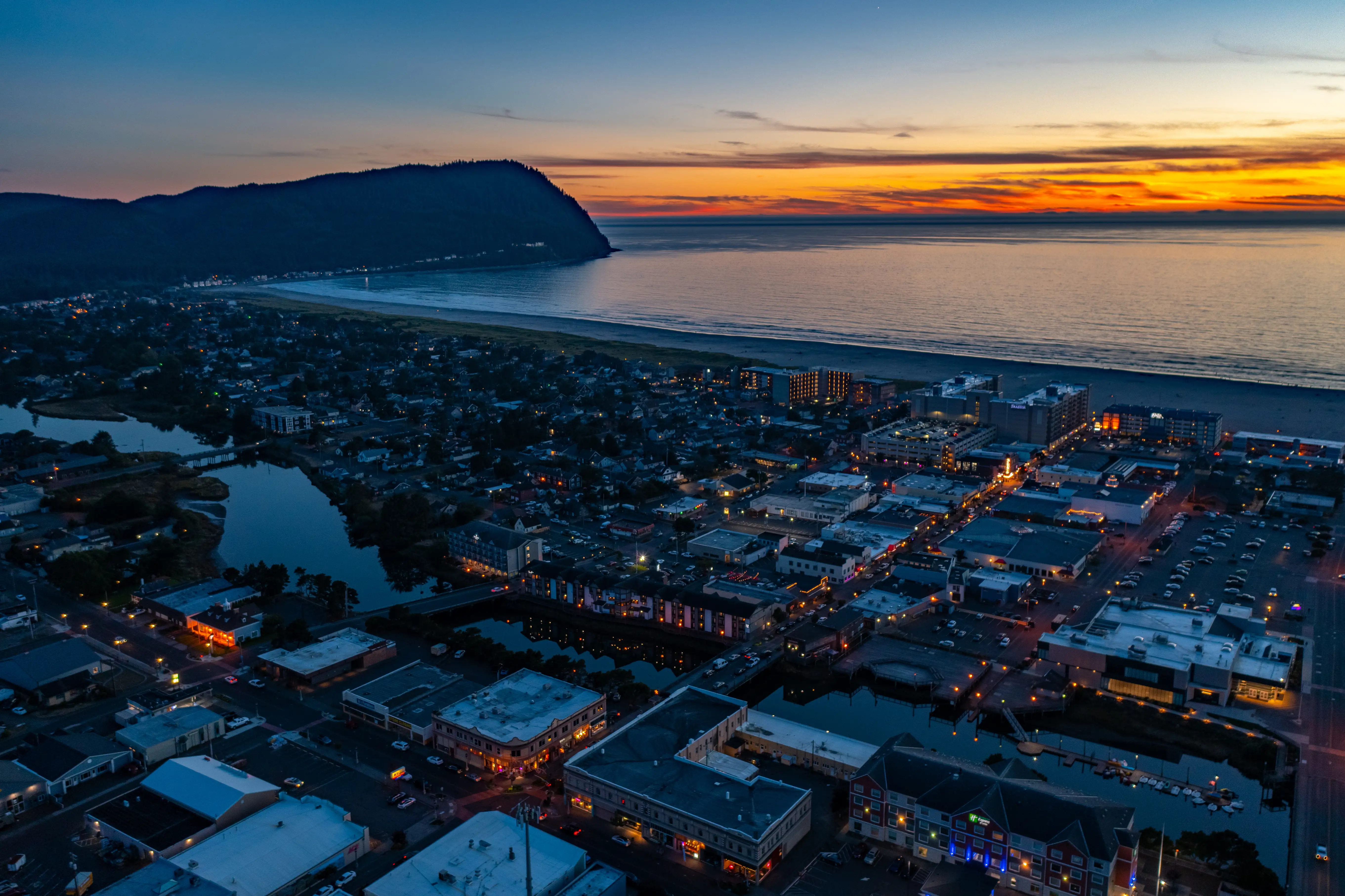
Seaside
Seaside is the most unambiguously tourist-oriented town in the region — the Promenade, the Turnaround, the Broadway Street arcades, and the Seaside Aquarium all serve visitors first and residents second. That is not a flaw so much as a fact to understand before you move here: the town's economic engine runs on weekend and summer influx, which shapes everything from restaurant options to traffic on US-101. Prices land near the middle of the region, and the proximity to Astoria and to the Portland Metro via US-101 gives Seaside more connectivity than most coast towns, making it a realistic choice for people who need occasional metro access.
Full Seaside Guide →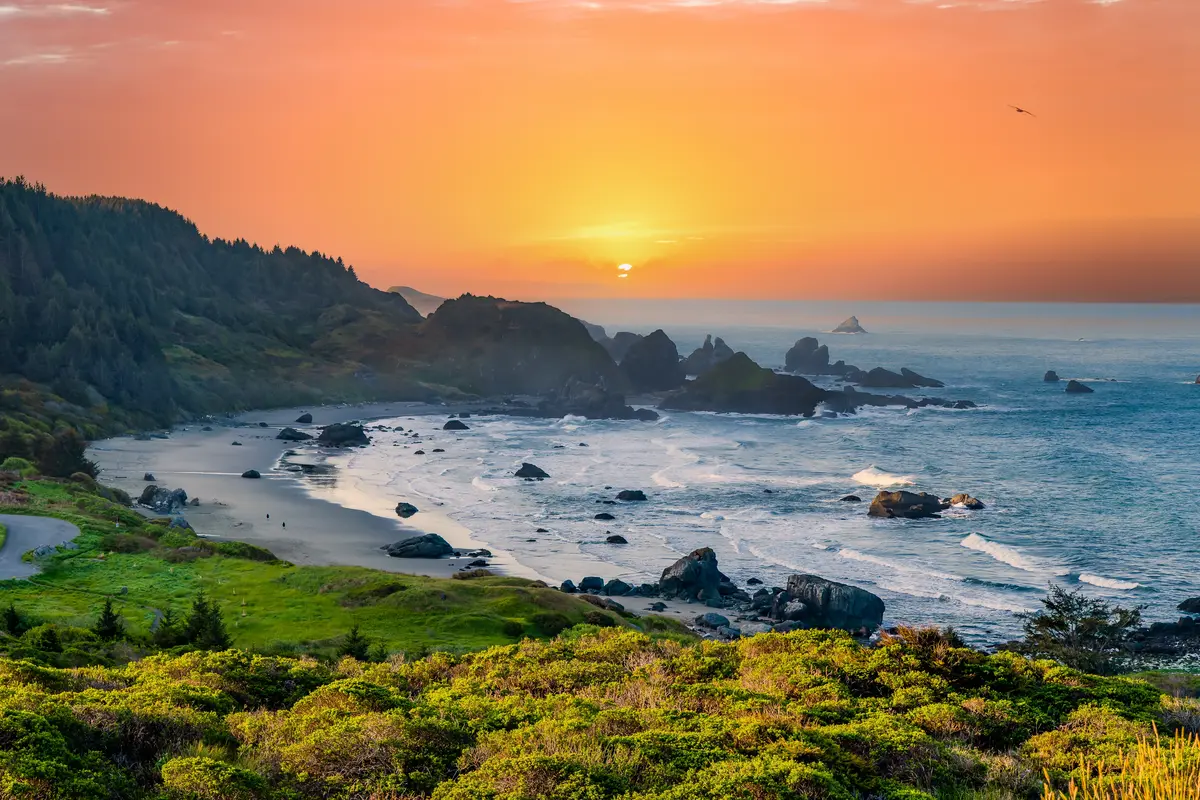
Brookings
Brookings is the sunniest and warmest town on the Oregon Coast — a genuine climatic outlier, sheltered enough to support Azalea Park's spring bloom and backed by the stunning Samuel H. Boardman State Scenic Corridor and Harris Beach State Park. The Port of Brookings Harbor and Alfred A. Loeb State Park round out a town that feels more like Northern California in microclimate than like the foggy northern coast. Prices sit near the middle of the region, and the relative isolation — the nearest larger city is a long drive north or south — is the honest trade-off for anyone drawn by the weather and the scenery.
Full Brookings Guide →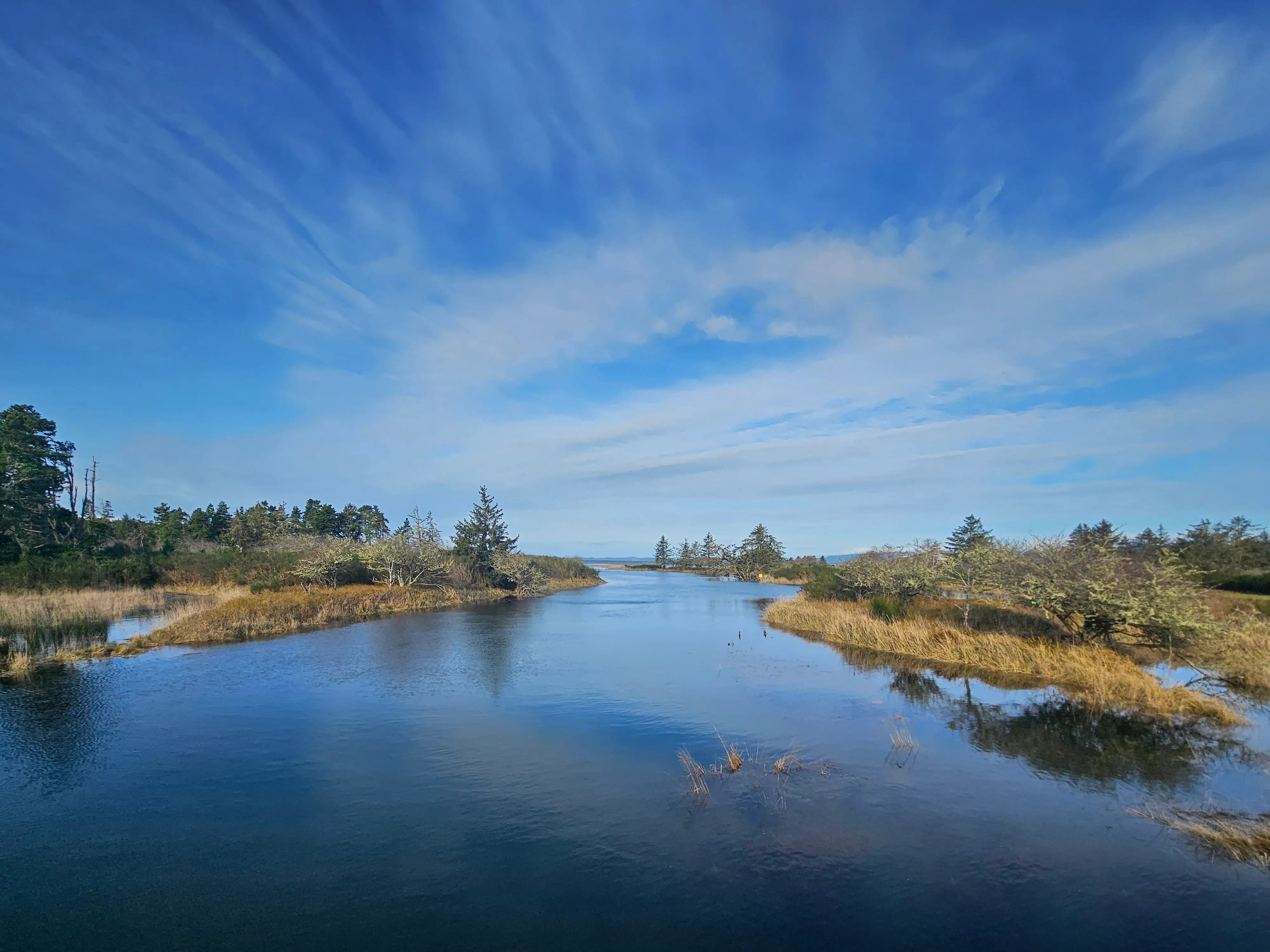
Warrenton
Warrenton sits at the northern tip of the coast, surrounded by the Clatsop Plains and close enough to Astoria to share services while maintaining its own identity around Fort Stevens State Park, the Wreck of the Peter Iredale, and Coffenbury Lake. The town's employment base includes Astoria Forest Products and Fred Meyer, with a regional medical center a short drive away in Astoria providing healthcare access. Prices land near the middle of the region, and for buyers who want coast access, outdoor space, and a quieter residential feel without the tourism density of Seaside or Cannon Beach, Warrenton is worth a serious look.
Full Warrenton Guide →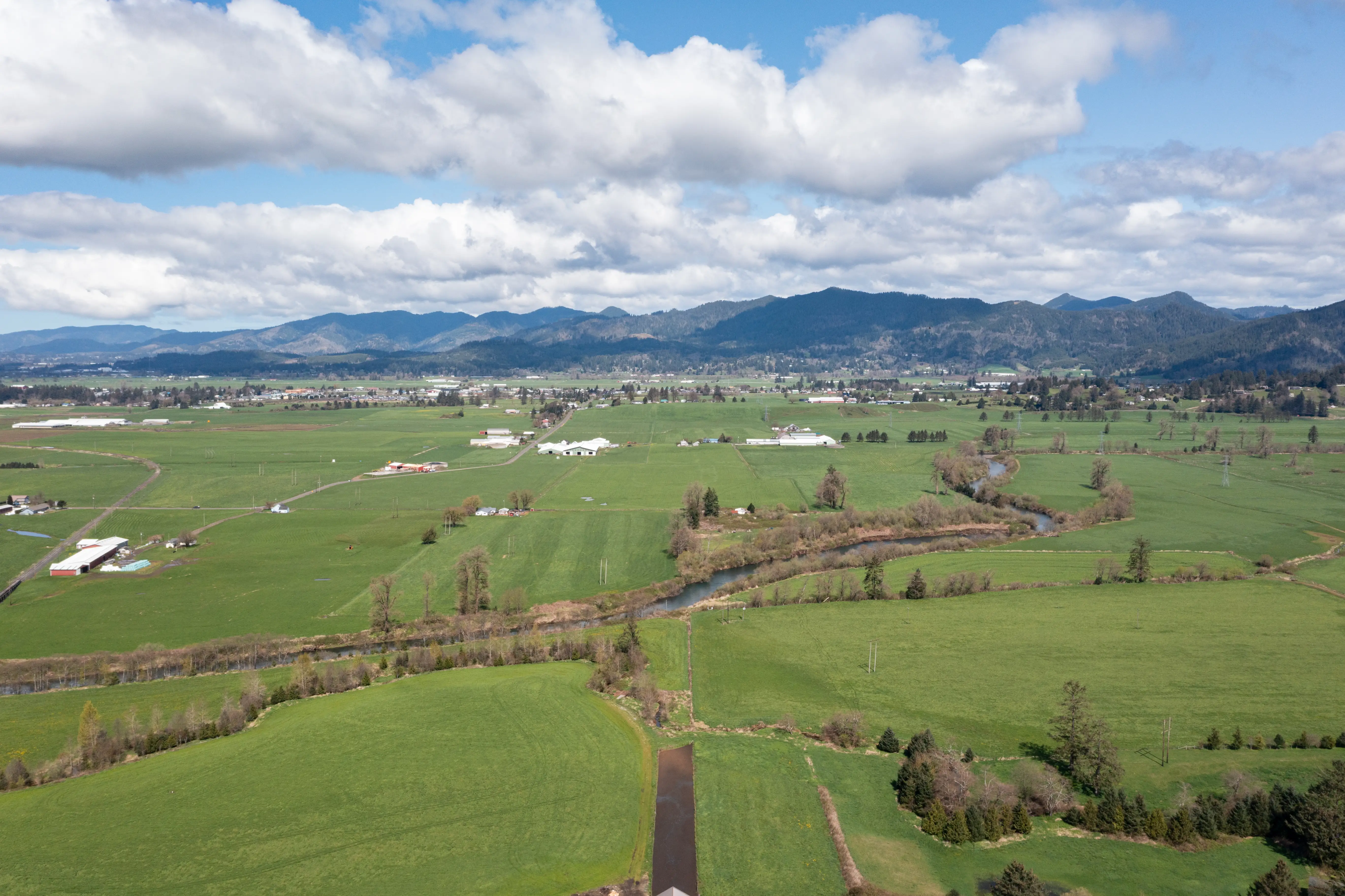
Tillamook
Tillamook is the only coast town where dairy farming and food processing are visibly the economic backbone — the Tillamook County Creamery Association is the largest employer in town and the most-visited tourist attraction in Oregon by some measures. The Tillamook Air Museum and Cape Meares Lighthouse add to a tourism identity that supplements a genuinely agricultural local economy. Prices sit near the middle of the region, and OR-6 along the Wilson River provides a direct route east — which matters more in Tillamook than in most coast towns, because the valley connections are part of daily life here rather than an occasional trip.
Full Tillamook Guide →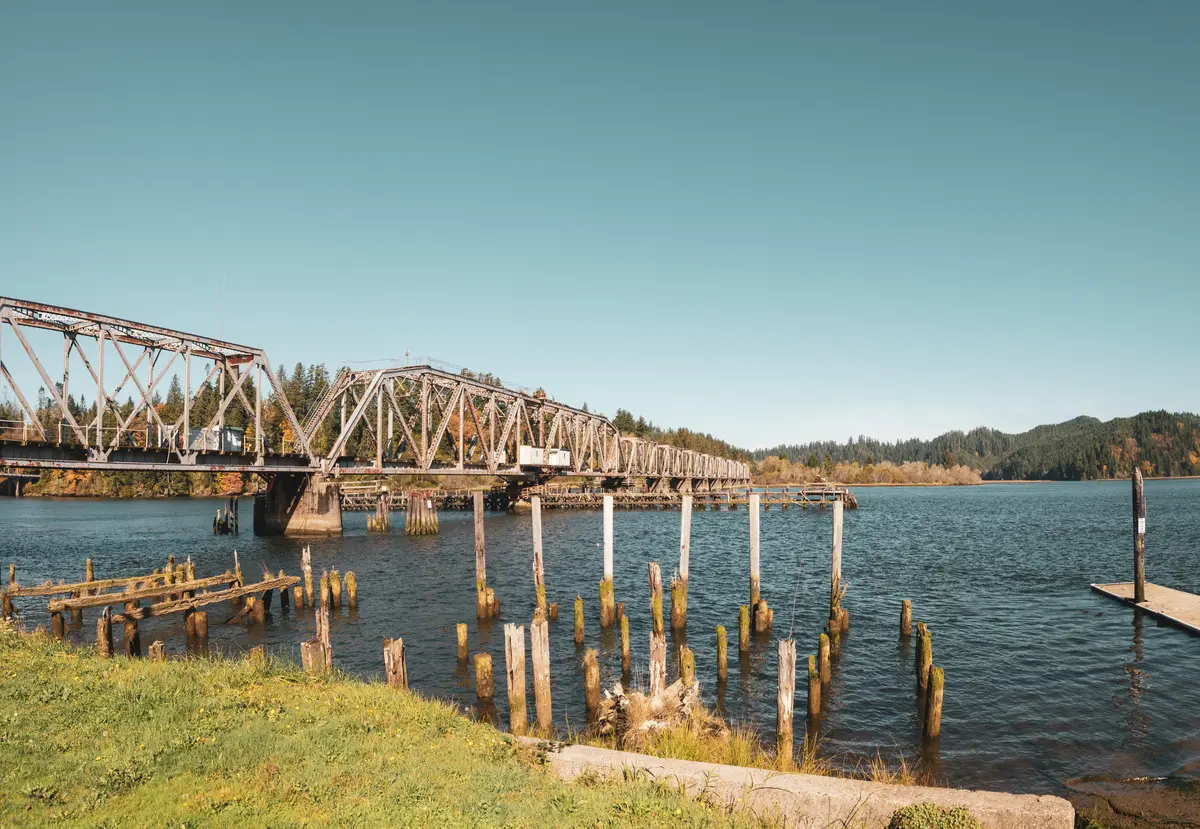
Reedsport
Reedsport is the most utilitarian town on the coast — small, affordable, and anchored by the Oregon Dunes National Recreation Area headquarters, the Dean Creek Elk Viewing Area, and the Umpqua Discovery Center on the waterfront. International Paper is a meaningful private employer here alongside a local hospital district and the school district, giving the town more economic grounding than its size might suggest. Home prices sit toward the more affordable end of the region — the most accessible entry point on the coast — but the trade-off is a limited local service base and significant distance from larger cities in any direction.
Full Reedsport Guide →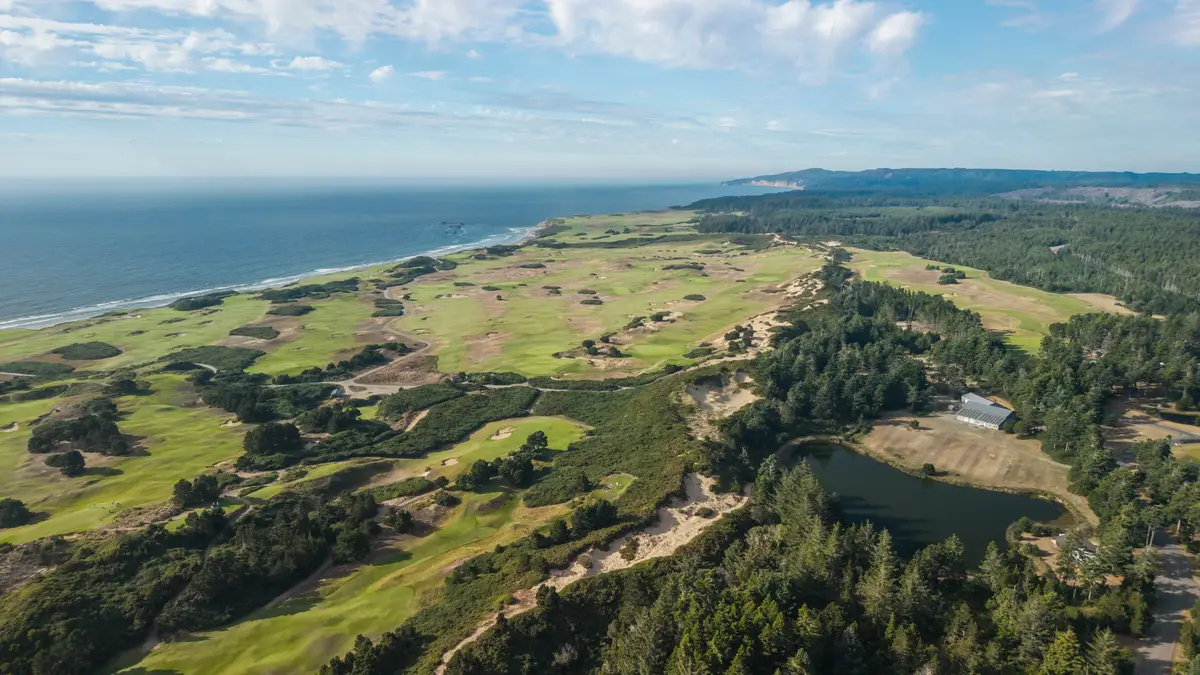
Bandon
Bandon is two towns occupying the same zip code — Old Town's working waterfront, the Coquille River Lighthouse, and Face Rock State Scenic Viewpoint on one side, and Bandon Dunes Golf Resort drawing an international clientele on the other. Those two identities create an interesting tension: the town has world-class hospitality infrastructure alongside a small, close-knit year-round community with local healthcare and the Bandon School District. Prices land near the middle of the region, and for buyers drawn to dramatic scenery, a walkable Old Town, and Bullards Beach State Park without full resort pricing, Bandon is one of the coast's more distinctive choices.
Full Bandon Guide →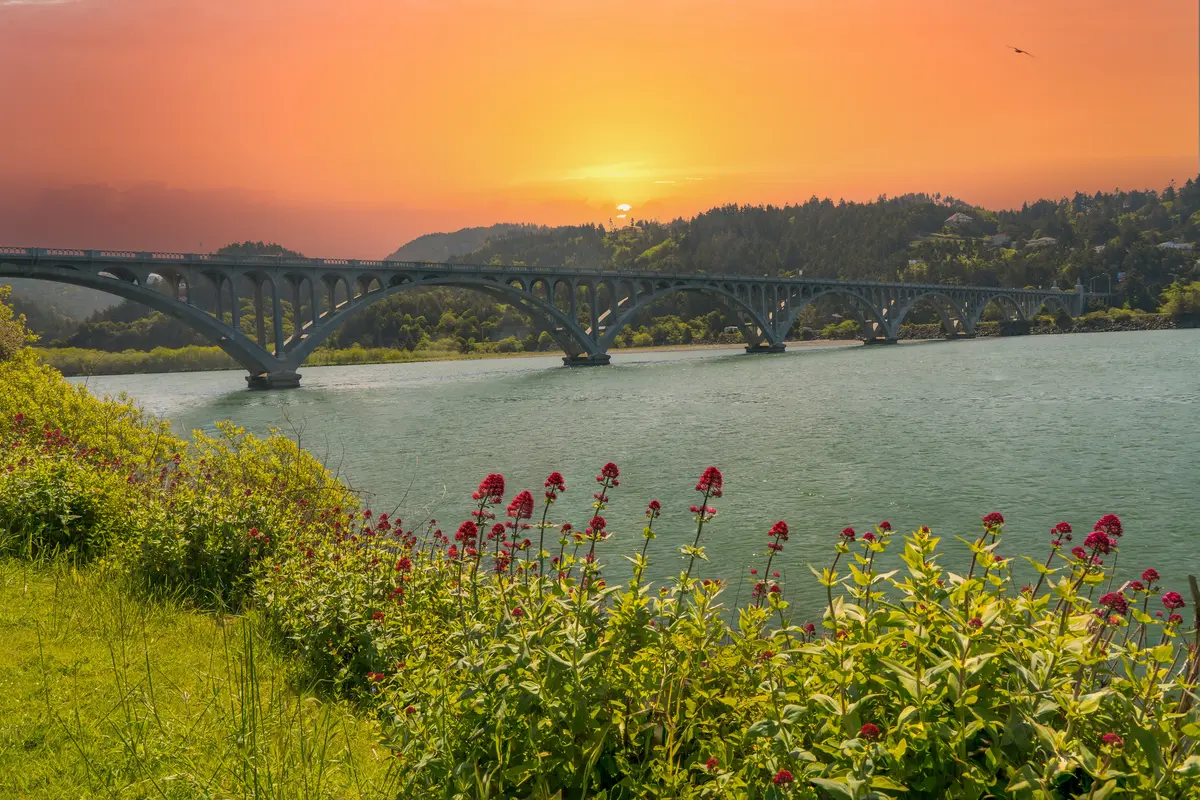
Gold Beach
Gold Beach sits where the Rogue River meets the Pacific, and that geography defines the town — the Isaac Lee Patterson Bridge, Cape Sebastian State Scenic Corridor, and the Port of Gold Beach all anchor a community built around the river and the coast in equal measure. The US Forest Service is a meaningful employer here alongside a local health network and the school district, reflecting the public-lands character of the surrounding landscape. Prices land near the middle of the region, and the distance from any larger city in any direction is the defining fact of daily life — what you gain is isolation and scenery; what you give up is convenience.
Full Gold Beach Guide →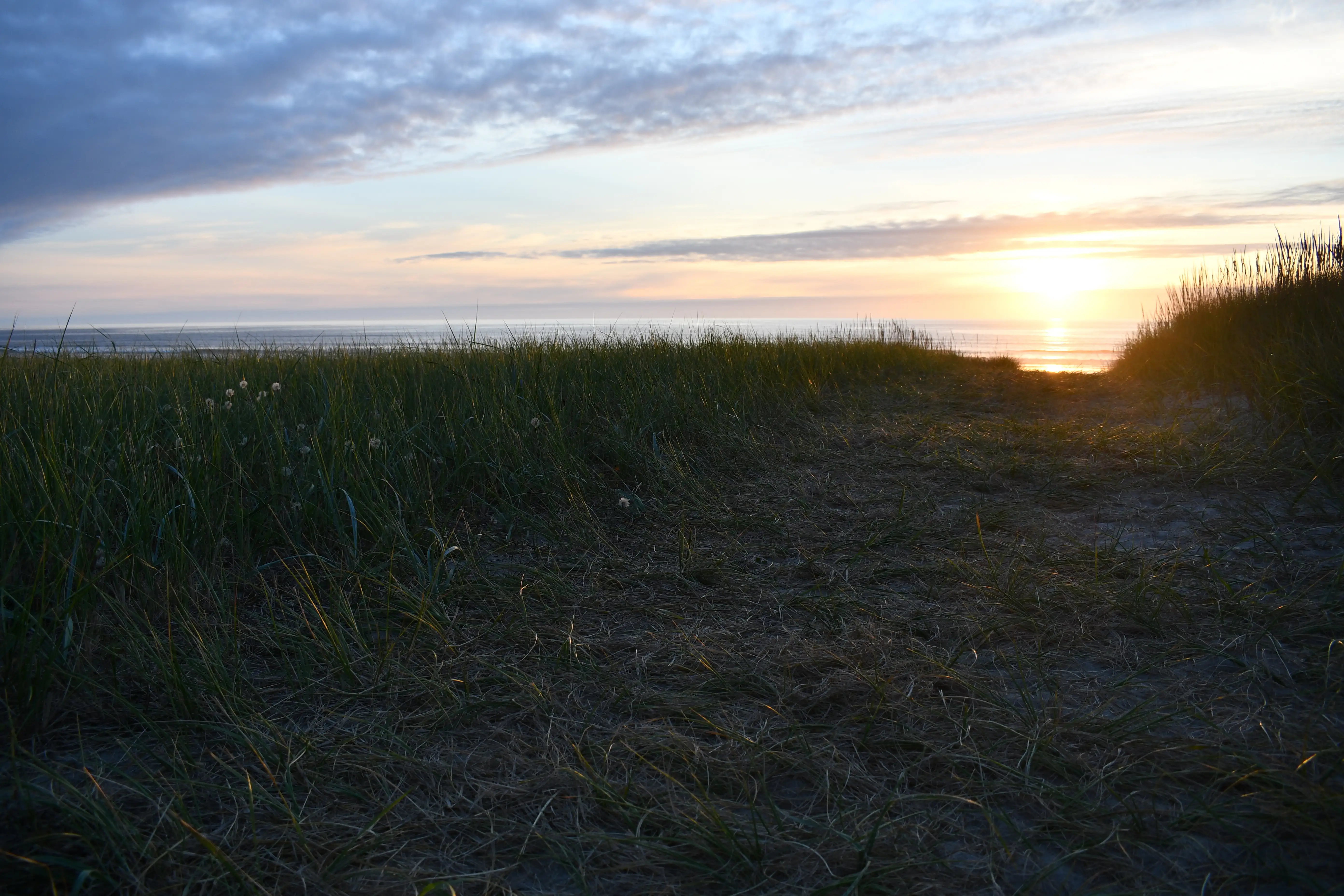
Gearhart
Gearhart is the quietest and most deliberately residential town on the north coast — no commercial strip, no arcades, no casino, just the Gearhart Golf Links, Del Rey Beach, the Necanicum Estuary, and a small downtown that has resisted the tourist-economy build-out of neighboring Seaside. Most residents who need employment commute to Astoria or Seaside, and the town draws buyers who want coast access in a setting that feels more like a private retreat. Prices sit toward the pricier end of this region, reflecting vacation-home demand and the deliberate scarcity of development that makes Gearhart feel the way it does.
Full Gearhart Guide →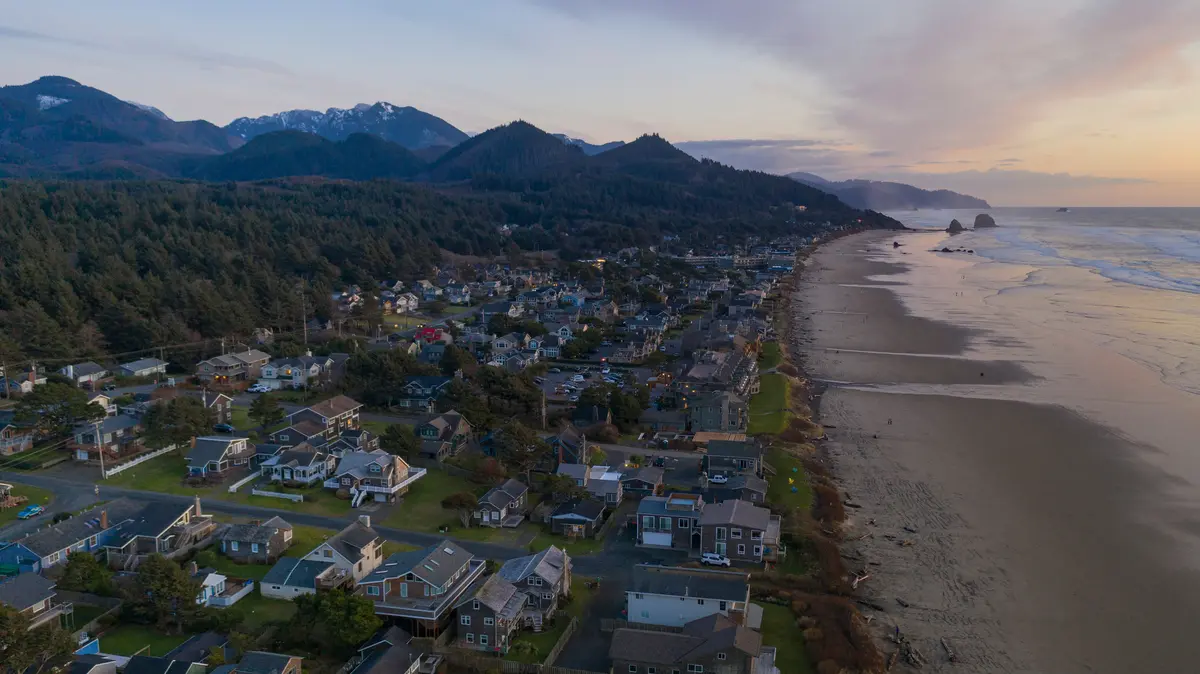
Cannon Beach
Cannon Beach is the most recognizable town on the Oregon Coast — Haystack Rock, Ecola State Park, and Tolovana Park make it instantly familiar to anyone who has ever seen an Oregon photograph. Full-time residents share the town with a very large seasonal visitor population, and that tension shapes everything from housing availability to the pace of life on summer weekends. Prices sit toward the pricier end of this region, driven by second-home and vacation-rental demand, and the Haystack Rock Awareness Program and Coaster Theatre Playhouse give year-round residents a cultural anchor that the purely tourism-facing economy alone would not provide.
Full Cannon Beach Guide →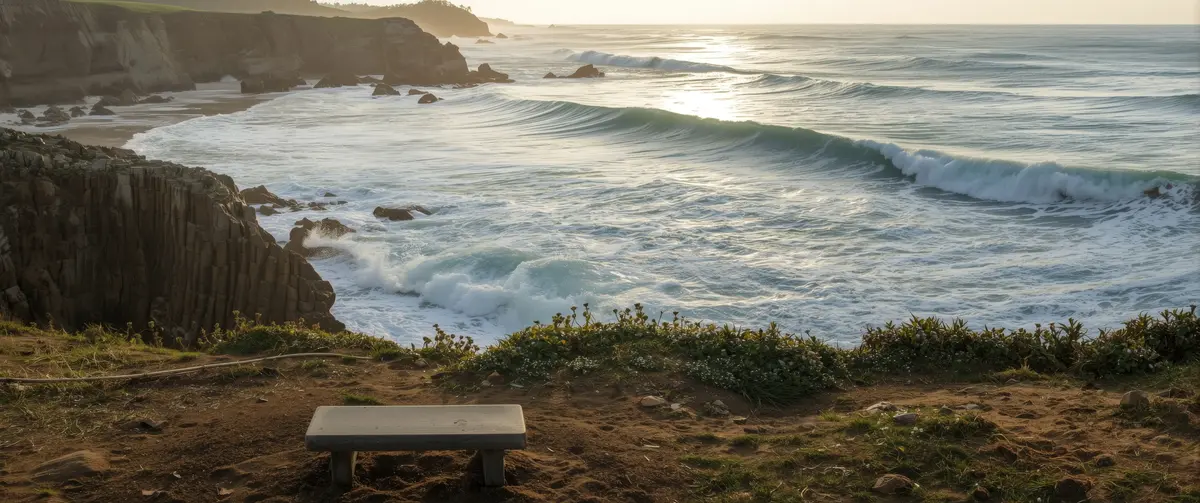
Yachats
Yachats is the smallest and arguably the most scenically dramatic town on the coast — Cape Perpetua Scenic Area, Thor's Well, Devil's Churn, and the Yachats 804 Trail are all within minutes of the compact downtown, and the Little Log Church and North Fork Yachats Covered Bridge give the town an unusual historical texture. The year-round population is genuinely small, which means services are limited and most residents accept that Newport is their practical hub for healthcare and shopping. Prices sit near the middle of the region for what is one of the coast's most sought-after small-town settings — a trade-off many buyers find worth it.
Full Yachats Guide →Compare Every City in Oregon Coast
Full ranked breakdowns across every city in the region — scored and compared side by side.
Local Expert Takeaway: The Oregon Coast rewards buyers who are honest with themselves about what they are trading away — metro convenience, job market depth, and reliable sunshine — and who pick a specific town that matches their version of that trade-off rather than moving to the coast as a general idea.
Frequently Asked Questions
Which Oregon Coast town is the most affordable for full-time buyers?
Which town on the Oregon Coast is best for families with school-age children?
Is the Oregon Coast a realistic place to live year-round, or is it mainly for vacation homes?
What are the honest downsides of living on the Oregon Coast full-time?
Which Oregon Coast city is best for someone who wants walkable small-town character without the full resort feel?
Helpful Oregon Resources
Explore Other Oregon Regions
the Oregon Coast is one of 7 distinct regions that make up Oregon. Each has its own climate, character, and housing market — explore them all.
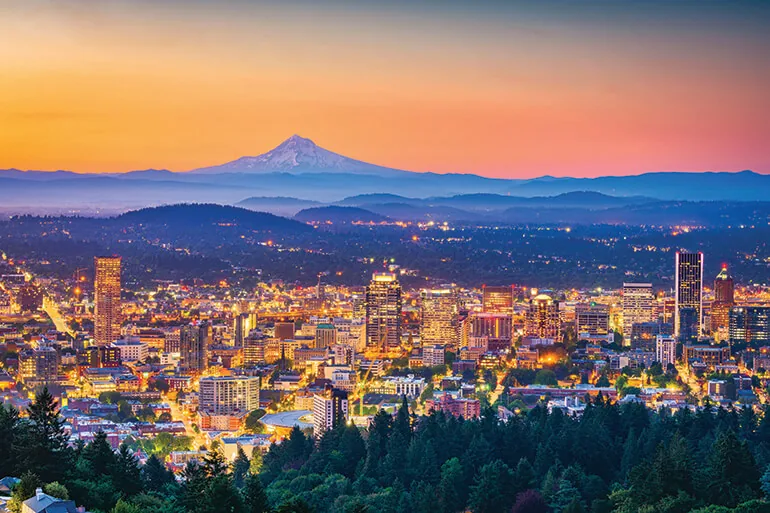
Oregon's largest job market, from close-in city neighborhoods out to the Washington and Clackamas County suburbs. 23 cities including Portland, Gresham, Hillsboro.
Explore all 23 Portland Metro cities →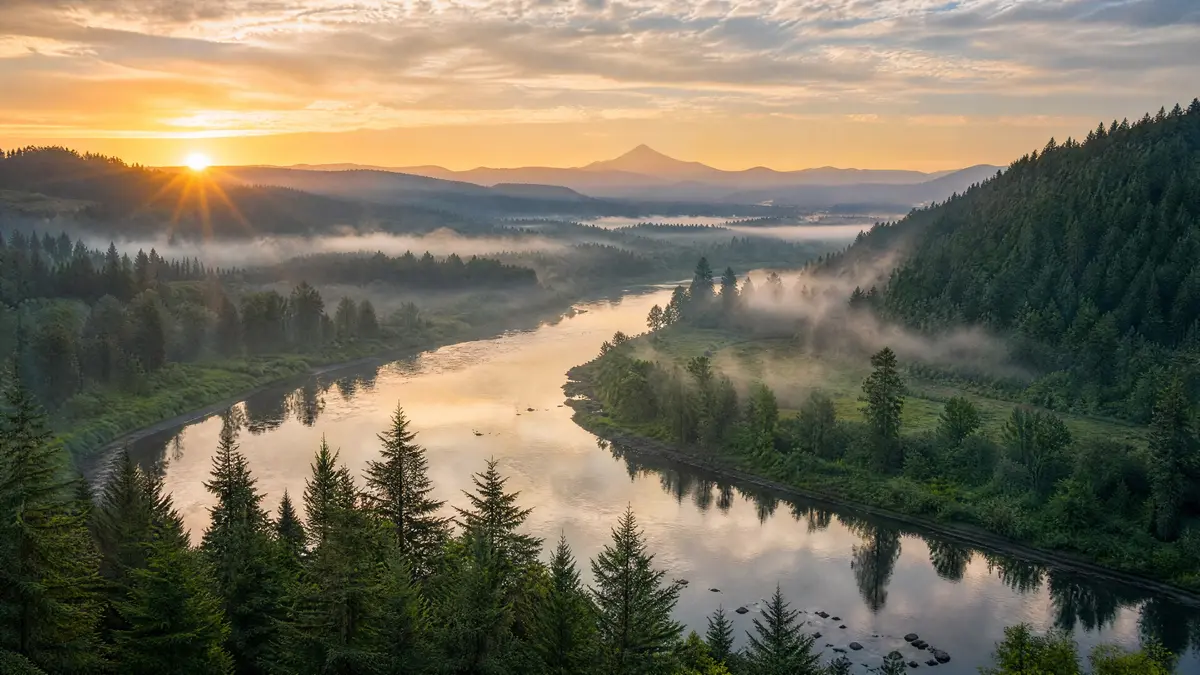
The state capital, two university towns, and farm and wine country between the Coast Range and the Cascades. 20 cities including Salem, Eugene, Corvallis.
Explore all 20 Willamette Valley cities →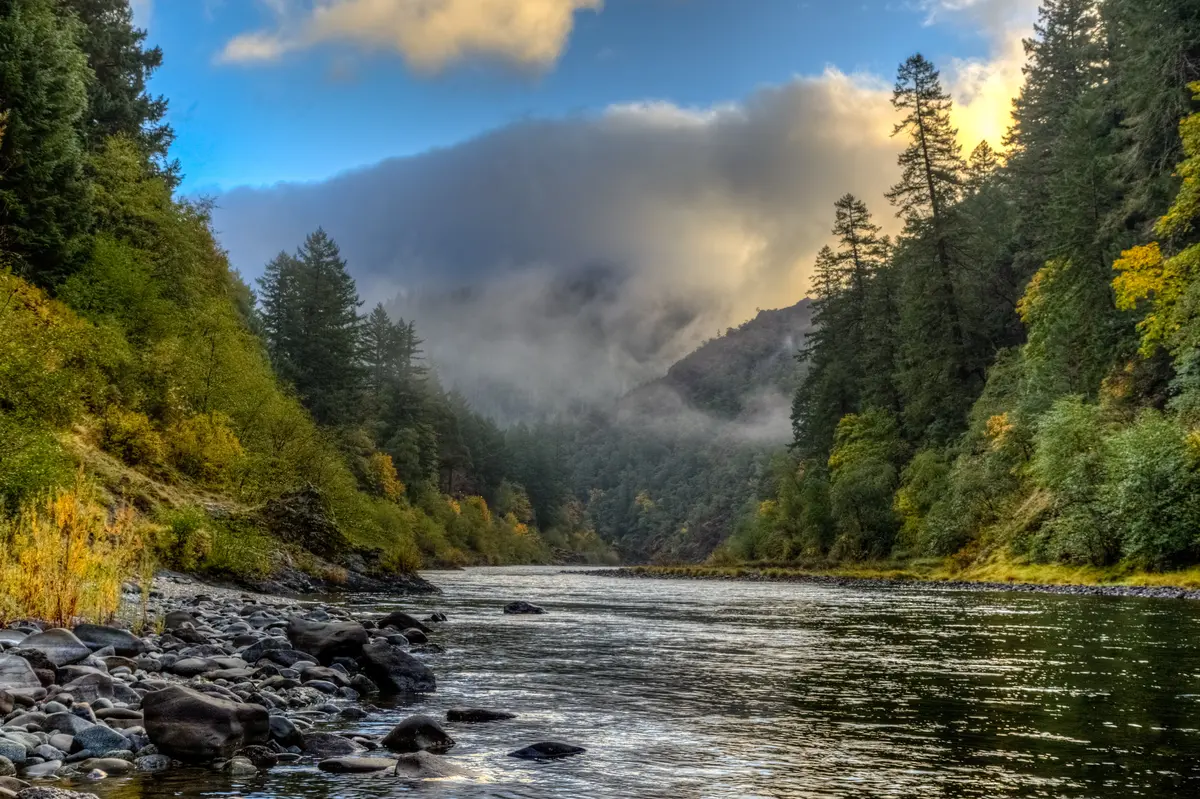
The Rogue Valley and the Umpqua and Klamath country around it, south of the Willamette Valley. 7 cities including Medford, Grants Pass, Roseburg.
Explore all 7 Southern Oregon cities →
High desert country on the dry side of the Cascades, built around year-round time outdoors. 6 cities including Bend, Redmond, Prineville.
Explore all 6 Central Oregon cities →
Ranch and farm country with small cities spread across the dry eastern side of the state. 6 cities including Hermiston, Pendleton, La Grande.
Explore all 6 Eastern Oregon cities →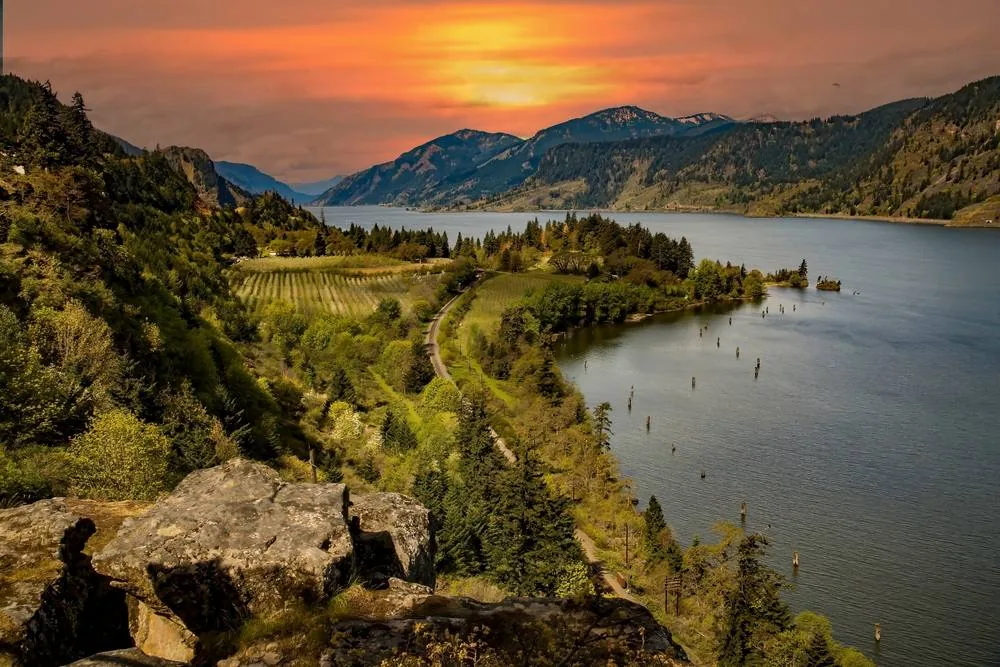
Towns at the foot of Mt. Hood and along the Columbia River Gorge, between the Portland suburbs and the dry side of the Cascades. 5 cities including The Dalles, Troutdale, Sandy.
Explore all 5 Mt. Hood & Columbia Gorge cities →Moving to Oregon?
Tell us what you need help with and we'll connect you with local resources.
