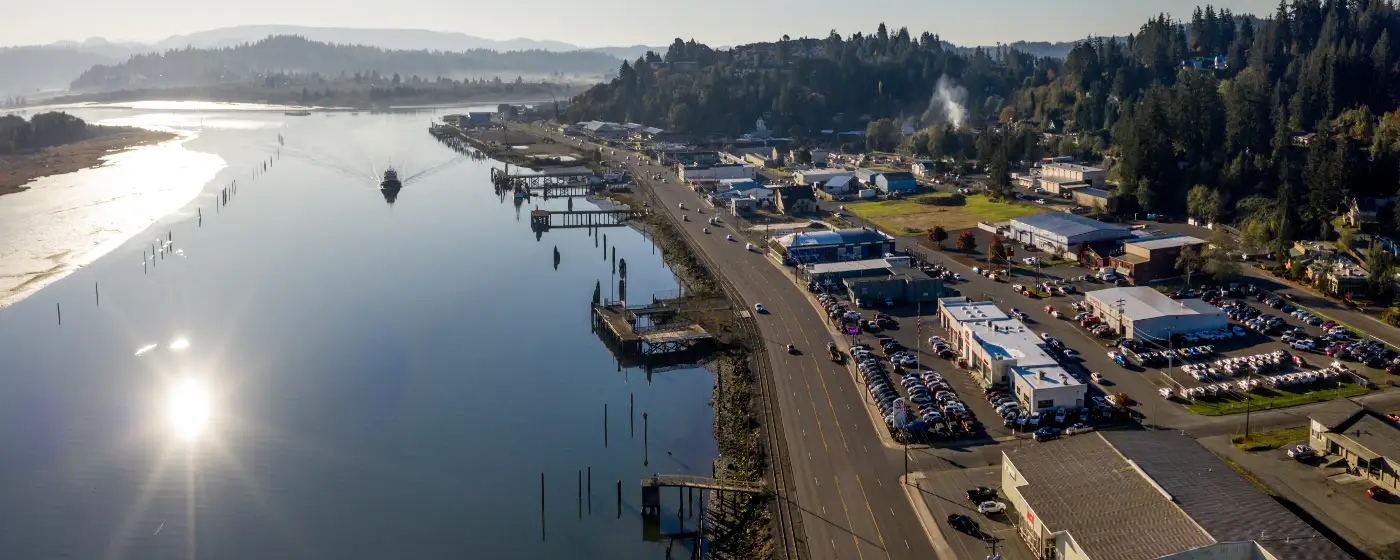
Most people moving to a coastal Oregon city expect a beach nearby. What they don't expect is living next door to the largest expanse of coastal sand dunes in North America. The Oregon Dunes National Recreation Area begins practically at North Bend's doorstep, and that proximity shapes what outdoor life here actually looks like — it's less about manicured greenways and more about wind-scoured beaches, forested dune hikes, and bay walks with a historic bridge on the horizon. For a city of 10,049, the recreation footprint is genuinely outsized.
Inside city limits, North Bend's parks are modest in number but specific in character. Simpson Park, the city's oldest and most central green space, sits beneath old-growth conifers that include sequoia — a detail that stops newcomers cold the first time they look up. The North Bend Boardwalk runs flat along Coos Bay and doubles as the city's social waterfront. And the North Bend Municipal Pool, built in 1957, remains the only indoor aquatic facility on the southern Oregon Coast, drawing users from well beyond the city's boundaries every single day.
The coast here gets around 186 sunny days a year, which is fewer than most newcomers expect after years of hearing about Oregon's outdoor culture. The grey months are real. But the recreation options don't disappear when the fog rolls in — the dunes, the bay trail, and the pool are year-round anchors, and the coast's moody shoulder seasons bring fewer crowds to beaches that are rarely crowded to begin with. For cost of living context, the typical home price in North Bend sat at $362,945 as of July 2026; see the full breakdown on the cost of living page.
Whether you're weighing a move to the Oregon Coast or already have a contract pending, the sections below cover North Bend's signature parks, the Oregon Dunes and Horsfall Beach, water recreation, and the indoor and seasonal amenities that fill out daily life here.
Simpson Park and the North Bend Boardwalk
Simpson Park is not just the city's oldest park — it's the one that makes newcomers realize North Bend has a different texture than most small Oregon cities. The land traces to Asa M. Simpson, who purchased it in 1855. His heirs deeded roughly 50 acres to the city in 1916, and the park has anchored the community ever since. What you actually walk into today is roughly 17 acres of old-growth conifers, including sequoia trees that have no business being this close to the Oregon coast and yet are undeniably there.
The facilities are straightforward: a play area, basketball court, tennis courts, restrooms, a nature trail, and off-street parking. None of that is the point. The point is walking a nature trail through trees that predate the city itself, in a park that was donated rather than developed. That quality of place is hard to manufacture and easy to take for granted once you live here.
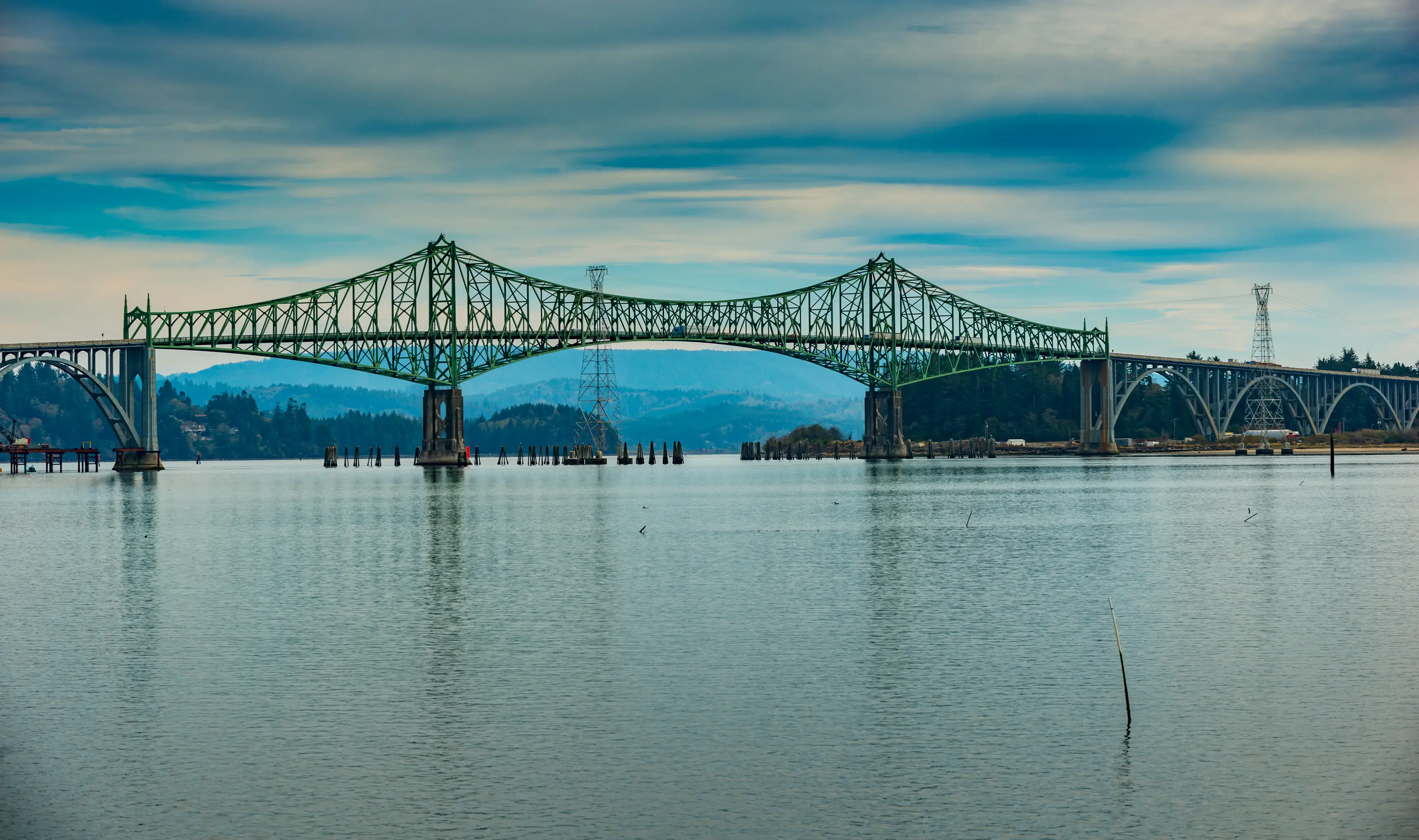
The North Bend Boardwalk is the other anchor — functionally the opposite of Simpson Park in every way. It's flat, open, and fully exposed to the bay. The Conde B. McCullough Memorial Bridge frames the northern horizon on evening walks, which is one of those views that sounds like a postcard and turns out to be genuinely striking in person. The boardwalk draws leashed dogs, birdwatchers, and people who just want to sit on a bench and watch the water move. There's no admission, no parking structure, and no amenities beyond the view — which is exactly what makes it the city's most-used waterfront space.
What Locals Know
The boardwalk gets noticeably quieter after summer. If you move here from a larger metro, the off-season version of this waterfront — grey skies, herons on the pilings, almost nobody else around — takes some getting used to. Most people either love it by month six or find themselves planning weekend trips to Portland more than they expected.
Best for: Families Nature WalkableOregon Dunes National Recreation Area: North Bend's Backyard
The Oregon Dunes National Recreation Area covers roughly 31,500 acres running 40 miles along the coast, and it begins near North Bend's northern edge. About 7,000 of those acres are open sand dunes — wind-sculpted formations that tower up to 500 feet above sea level — with the remainder a mix of coastal forest, deflation-plain wetlands, lakes, and beach. It is the largest coastal dune system in North America, which is the kind of fact that stops feeling abstract once you're standing at the base of one of those sand mountains.
The recreation options split into two distinct worlds. The largest OHV and ATV riding zone in the area sits between Spinreel Campground and Horsfall Road, just north of North Bend, and it draws riders from across the region. If that's not your scene, it doesn't have to intersect with your version of the dunes at all — the hiking, camping, horseback riding, and photography corridors occupy entirely separate terrain.
The Bluebill Trail: The Dunes' Underrated Walk
The Bluebill Trail is a mostly flat 1.2-mile loop built around a seasonal 60-acre lake and wetlands within the recreation area. A raised boardwalk section runs through the wetland portion, making it one of the better birdwatching walks on the southern coast. It's short enough to do in an hour and specific enough in character that it feels nothing like a generic nature loop — the combination of open water, marsh grasses, and dune forest is particular to this stretch of coast.
One honest friction point: the dunes draw significant summer tourist traffic, and the OHV zone is loud in a way that surprises people who picture a tranquil coastal walk. If you want quiet, go early or head to the Bluebill Trail and North Spit rather than the main OHV staging areas. Most residents figure this out within the first season.
Best for: Nature Views Privacy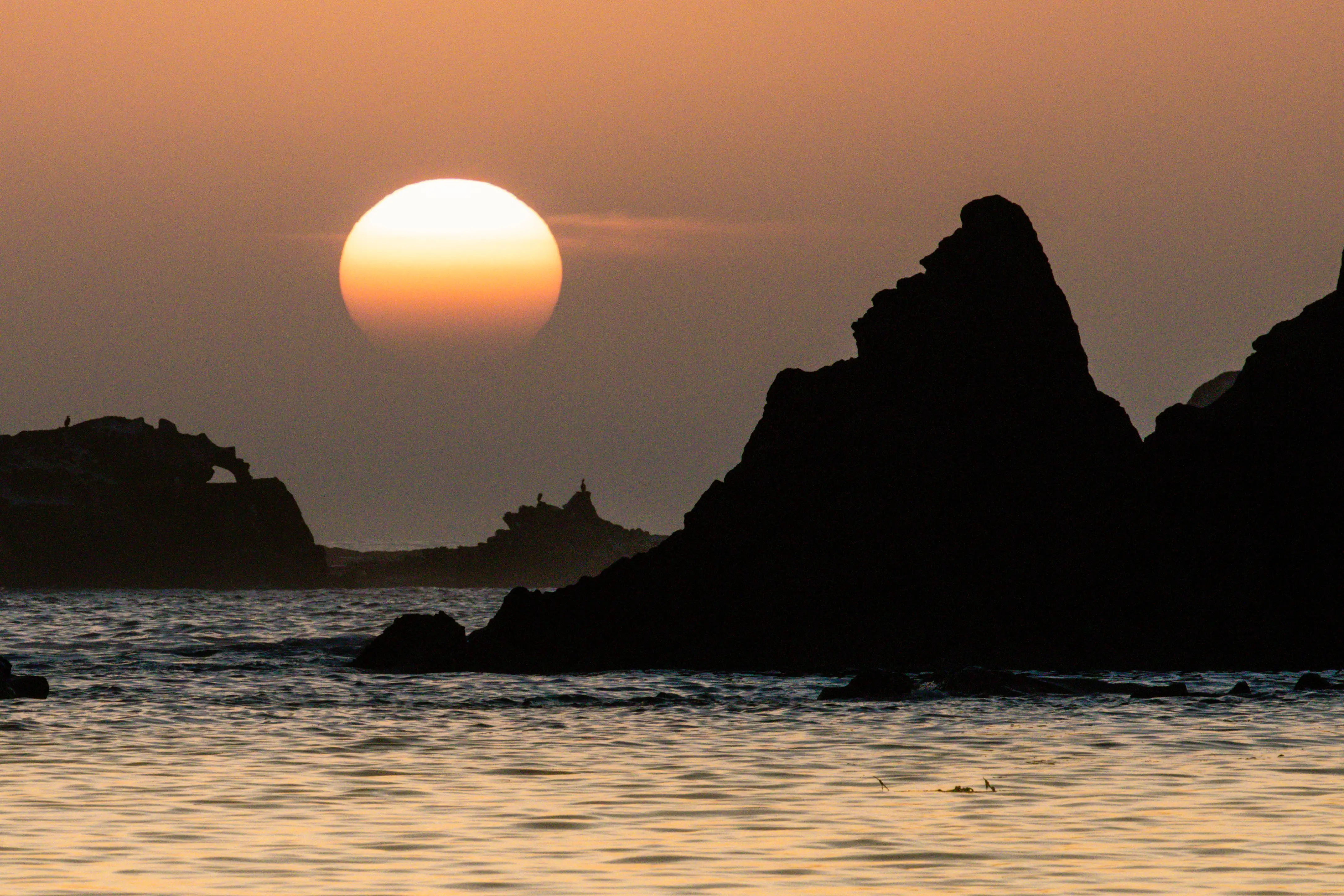
Horsfall Beach, North Spit, and Coastal Water Recreation
Horsfall Beach sits within the Oregon Dunes National Recreation Area and is, for most North Bend residents, the practical answer to "where do you go to the beach." It's a mostly uncrowded stretch of Pacific shoreline — a wooden walkway improves accessibility from the parking area to the sand — and the range of things you can do there is genuinely wide: long walks, surfperch fishing, beachcombing, tidepooling, clamming, crabbing, birdwatching, kayaking, and ATV riding all coexist here. A day-use fee applies per vehicle.
The North Spit extends from the North Bend waterfront area into the Oregon Dunes NRA and is considered by many coastal hikers to be among the finest beach walks on the West Coast. The north jetty there is a reliable spot for rockfish and surfperch. What the North Spit offers that Horsfall doesn't is a sense of genuine remoteness — you're between the bay and the open ocean, on a narrow strip of land with dune forest behind you and waves on both sides.
The Fishing and Crabbing Reality
Coos Bay is one of the more productive recreational crabbing bays on the Oregon Coast, and that access comes with living in North Bend. Dungeness crab, bay clams, and surfperch are all realistic targets without driving far. The catch is that gear, licenses, and tides all need to align — it's not a casual Saturday activity until you've done it a few times and learned the rhythms. Most people who move here from inland cities underestimate how long that learning curve actually takes.
| Location | Activity Type | Best For | Notes |
|---|---|---|---|
| Horsfall Beach | Beach walk, fishing, ATV, clamming, crabbing, kayaking | Nature Families | Day-use fee; wooden accessibility walkway |
| North Spit | Beach walk, fishing (rockfish, surfperch) | Nature Privacy | Remote feel; north jetty access |
| Bluebill Trail | Birdwatching, hiking | Nature Quiet | 1.2-mile flat loop; raised boardwalk section |
| North Bend Boardwalk | Walking, birdwatching, dog walks | Walkable Families | Flat; leashed dogs welcome; bridge views |
| Oregon Dunes NRA (OHV zone) | ATV/OHV riding, camping, horseback riding | Nature | Largest OHV zone north of North Bend |
| Coos Bay (bay waters) | Crabbing, clamming, kayaking | Nature Families | License required; tidal timing matters |
The OR-540 Cape Arago Highway also connects North Bend residents to additional coastal state parks to the southwest, expanding the accessible shoreline considerably beyond what's walkable from the city itself.
Best for: Nature Families ViewsLooking to buy in North Bend? Estimate your payment.
Enter your numbers to see an estimated monthly mortgage payment.
Estimate only. Excludes HOA fees and mortgage insurance. The interest rate above is a starting point, not a quoted rate — replace it with your own to see real numbers. Insurance is a flat placeholder, not a North Bend quote.
Indoor Recreation, the Municipal Pool, and Seasonal Activities
The North Bend Municipal Pool is one of those civic assets that only registers as remarkable once you realize how rare it is. Built in 1957, it remains the only indoor swimming pool on the southern Oregon Coast and the only indoor aquatic facility in all of Coos County. It draws 250 to 300 users daily, and roughly two-thirds of them live outside North Bend's city limits — which tells you something about how much the surrounding area depends on it.
The layout is a U-shaped pool reaching 12 feet at its deepest, with six lanes dedicated to competitive swimming and six additional lap lanes. Programs include swim lessons, water aerobics, recreational swim, water Zumba, and water volleyball. The facility also hosts regional swim meets and U.S. Coast Guard water-rescue training, which means the pool is doing serious institutional work well beyond its city's population of 10,049.
Beyond the Pool: Ice, Community Space, and Simpson Park Year-Round
The city's parks system also includes a seasonal ice skating rink and a community center available for public rental, as documented in the city's 2020-2040 Comprehensive Parks & Recreation Master Plan. Neither is a major regional draw, but together with the pool they give North Bend a year-round indoor recreation spine that is genuinely uncommon for a city this size on the Oregon Coast.
For families with school-age children, the connection between parks and youth programming is worth understanding — see the North Bend schools page for details on how the North Bend School District 13's athletics and activities programs intersect with community recreation. Simpson Park in particular functions as an informal gathering point for the community throughout the year, less as a programmed facility and more as a place people simply use — which is what old-growth parks tend to do best.
The honest seasonal reality: the grey months from November through February can feel long, especially for newcomers. The pool is the most reliable antidote. Residents who figure out early how to use it consistently tend to settle into the coast's rhythms faster than those who wait for sun to motivate outdoor activity.
Best for: Families First-Time Buyers Renters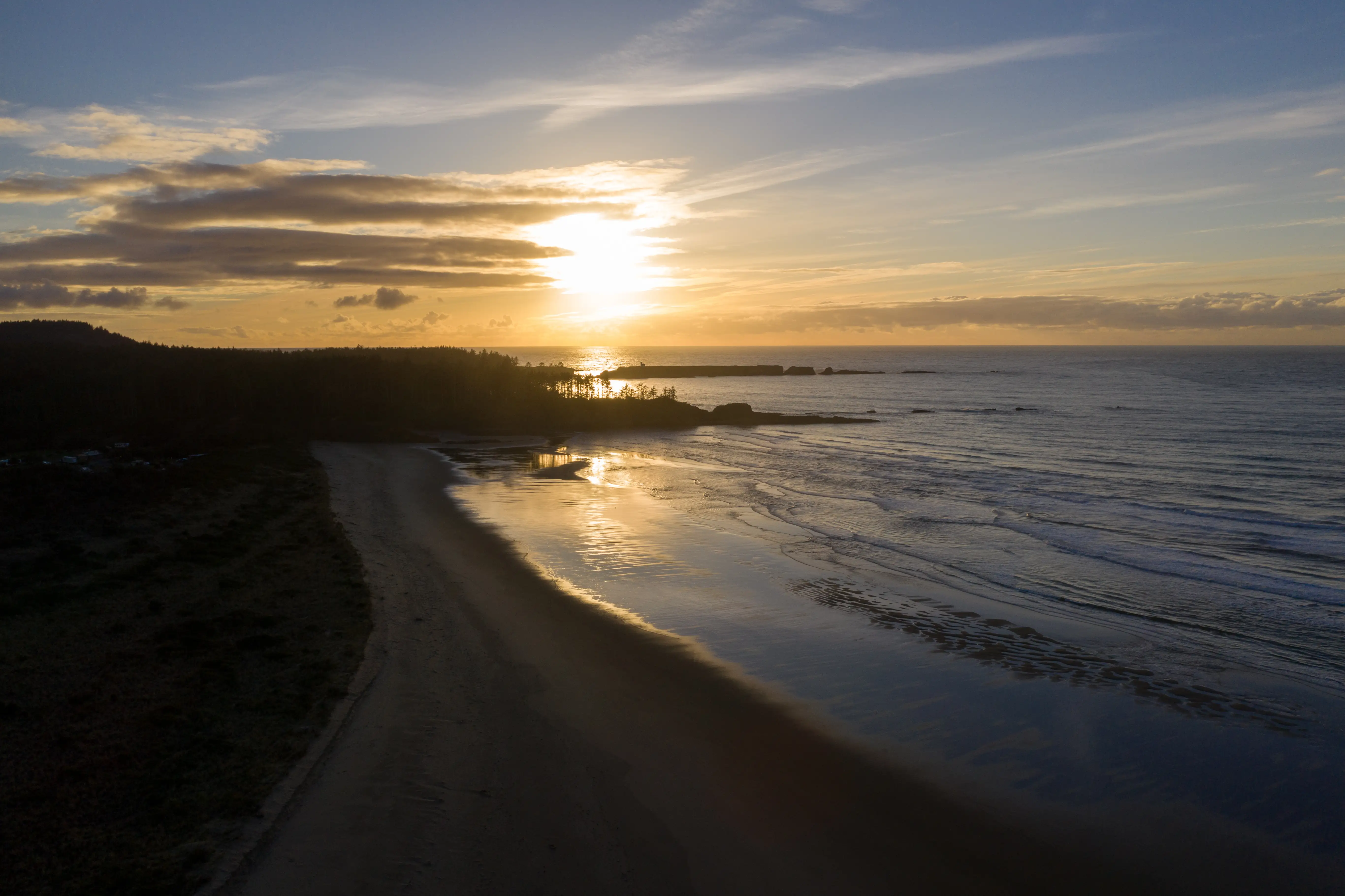
Local Expert Takeaway: North Bend's recreation identity is genuinely unusual: a city of just over 10,000 people sitting at the southern edge of the largest coastal dune system in North America, with the only indoor pool on the southern Oregon Coast inside its city limits, and a bay boardwalk that looks up at one of the most photographed bridges on the West Coast. The depth of outdoor access here — Oregon Dunes, Horsfall Beach, the North Spit, Simpson Park's old-growth conifers — punches well above what the city's size would normally suggest. What it doesn't have is polish. The parks are real and specific, not manicured or marketed. If that's the version of outdoor life you're looking for, North Bend delivers it at a scale and a price point you won't find further up the coast.
Quick Takeaways & FAQs
✅ The Oregon Dunes National Recreation Area begins at North Bend's northern edge, giving residents immediate access to 31,500 acres of dunes, forest, wetlands, and Pacific shoreline.
⚠️ The coast averages 186 sunny days a year — the grey winters are real and take adjustment, especially for anyone moving from a sunnier climate.
📍 The North Bend Municipal Pool, built in 1957, is the only indoor aquatic facility in Coos County and draws visitors from across the southern coast every day.
Is the Oregon Dunes National Recreation Area actually accessible from North Bend, or do you need to drive?
What is Simpson Park like, and is it worth living near?
What can you do at Horsfall Beach?
Who uses the North Bend Municipal Pool, and is it worth it for families?
What outdoor recreation is available in North Bend during winter?
Moving to Oregon?
Tell us what you need help with and we'll connect you with local resources.
