
Maybe you've been renting in Astoria and watching prices inch up, or you drove through Warrenton on the way to Fort Stevens State Park and noticed the houses actually look attainable. The catch — and it's a real one — is that the Zillow Home Value Index puts the typical home in Warrenton at $505,967 as of July 2026, while the median household income here sits at $70,670. That gap is significant. Buying here is not impossible for a first-timer, but it requires honest math and a clear plan before you ever set foot in a showroom.
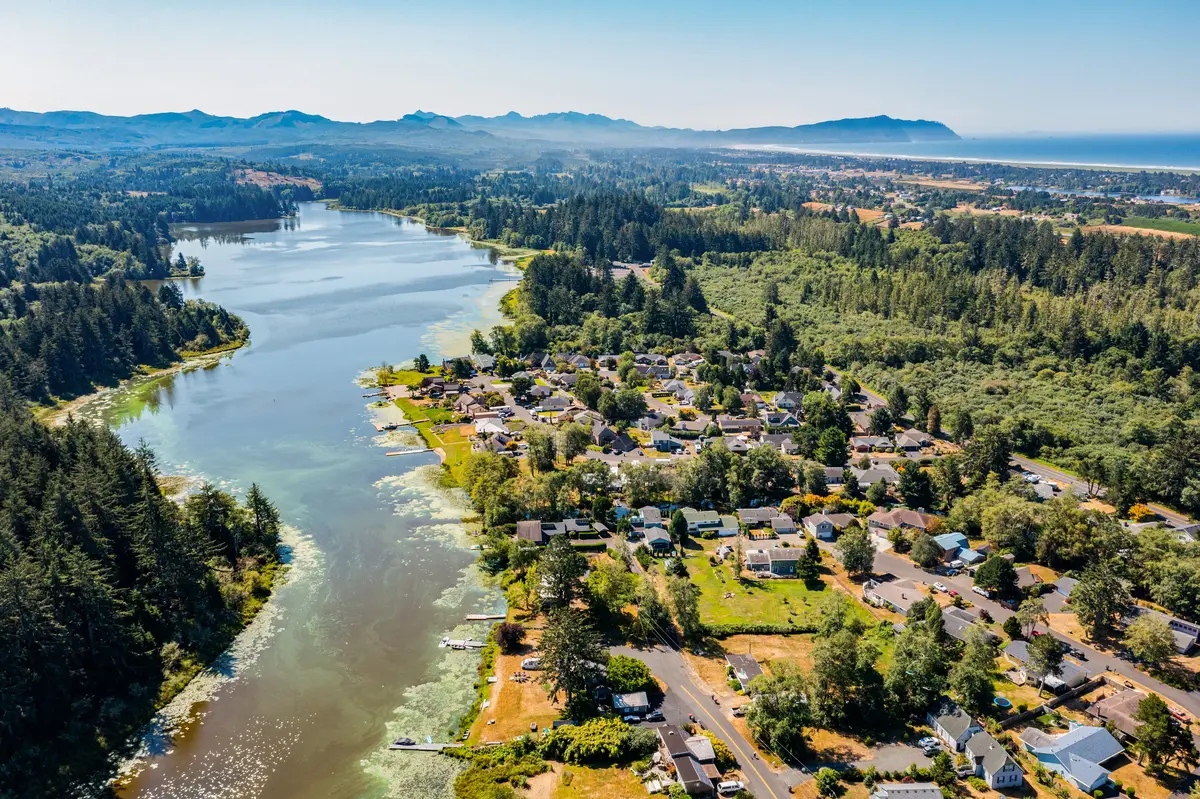
Warrenton is a working-class coastal city of 6,327 people, positioned between the Columbia River and the Pacific Ocean at the northern tip of the Oregon Coast. The Warrenton-Hammond School District, the City of Warrenton, and Fred Meyer anchor local employment, and a regional health system operates about 12 minutes away in Astoria. Most buyers arrive here because Gearhart prices are noticeably higher and they want coastal living without paying a premium for a vacation-town address. The city's Victorian-era homes, waterfront trail, and proximity to Fort Stevens are the draw; the income-to-price stretch is the honest counterweight.
Property taxes are relatively gentle at an effective rate of 0.69%, which helps with carrying costs once you're in. Oregon has no sales tax, which shaves a few dollars off everyday life. But Oregon closing costs typically run 2% to 5% of purchase price, and on a $500,000 home that's $10,000 to $25,000 in cash you need at the table on top of your down payment — a figure that stops many first-timers cold. The sections below walk through what your budget actually buys here, the local buying process step by step, a concrete budget snapshot table, and the specific mistakes that catch first-timers off guard in this market.
The Warrenton First-Time Buyer Reality
The typical home in Warrenton is priced at $505,967 (Zillow Home Value Index, July 2026). That figure puts entry-level ownership meaningfully out of reach on a single median income — the affordability gap here is roughly $62,000 between what the typical household earns and what lenders want to see to carry the typical home comfortably. That's not a reason to walk away; it is a reason to go in with a clear-eyed plan rather than a hopeful one.
What that price point buys in Warrenton is genuinely different from what it buys an hour south in Seaside, where prices run somewhat lower, or in Gearhart, where they run noticeably higher. In Warrenton, the mid-$400,000s can still get you an older single-family home in need of updates — the kind of property that comes with equity upside if you're willing to do work. The Hammond area and the neighborhoods around Cullaby Lake and Lienenweber Lake Estates tend to attract buyers looking for quieter surroundings, while Downtown Warrenton and Port Warren are where you'll find the smaller footprints and older housing stock that represent the city's most accessible entry points.
The honest pressure point for first-timers is cash, not income. Lenders will work with buyers whose debt-to-income (DTI) ratio runs up to 36% or slightly above with compensating factors like strong credit or cash reserves. But gathering the down payment AND closing costs simultaneously is where most local buyers feel the squeeze. Plan your savings target around total cash needed — not just the down payment — before you start touring.
The Homebuying Process in Warrenton, Step by Step
Step 1: Get Pre-Approved Before You Tour
In Oregon, sellers routinely ask for a pre-approval letter before agreeing to show a home. In a small market like Warrenton — where listings are limited and serious buyers are watching the same handful of properties — showing up without one puts you behind from the start. Gather your two most recent pay stubs, two years of W-2s and tax returns, bank and asset statements, and a government-issued ID before you contact a lender.
Pre-approval letters are typically valid for 60 to 90 days. Get quotes from three or four lenders and try to cluster those applications within a 14-day window to limit the credit-score impact. Don't settle for the first offer — rate differences of even a fraction of a percent compound significantly over a 30-year loan on a $500,000 purchase.
Step 2: Work With a Local Agent and Set Realistic Search Parameters
Warrenton's inventory is modest. An agent who works the northern coast regularly will know which neighborhoods are coming to market before listings go live and which properties have been sitting long enough that a lower offer has a chance. Define your non-negotiables early: proximity to US-101 for an Astoria commute, flood zone status, school boundary for the Warrenton-Hammond district.
Step 3: Make a Competitive Offer — With Contingencies
Oregon's standard purchase agreement allows for an inspection contingency and an appraisal contingency. Keep both. First-timers sometimes feel pressure to strip contingencies to look more competitive; in a coastal market with genuine flood risk and older housing stock, that is one of the most dangerous trades you can make. A typical offer-to-close timeline in Oregon runs about 35 days from acceptance — plan your rate-lock window accordingly.
Step 4: Inspection and Appraisal — The Steps First-Timers Underestimate
Oregon does not legally require a home inspection, but on the northern coast it is non-negotiable advice. Proximity to the Columbia River and the Pacific means flood risk is real and varies street by street. A standard homeowner's insurance policy does not cover flood damage — you'll need to determine whether a property sits in a FEMA flood zone and budget for separate flood insurance if it does. That cost affects what you can actually afford, and it doesn't show up in the listing price.
The appraisal protects you if you've offered above what the lender's appraiser values the home at. In a market where buyers sometimes compete for limited inventory, an appraisal gap can surface. Know before you offer how much, if any, gap you could cover in cash.
Step 5: Closing
Oregon closing costs run 2% to 5% of the purchase price — covering loan origination, appraisal, title insurance, escrow setup, and prepaid items like homeowner's insurance and property taxes. Budget toward the higher end of that range if you're using a government-backed loan type, which carries its own upfront fees. Closing happens through an escrow and title company; Oregon is an escrow state, not an attorney-close state, so you won't need a real estate attorney unless you choose to hire one.

How Much Home Can You Afford in Warrenton
The table below is a rough planning tool using approximate figures — not a quote, not a guarantee. Closing cost estimates use the Oregon range of 2% to 5% of purchase price; actual costs vary by lender and loan type. The interactive mortgage calculator below the table will give you a more specific monthly payment estimate based on current rates.
| Scenario | Purchase Price | Down Payment | Est. Closing Costs | Cash Needed at Table |
|---|---|---|---|---|
| FHA (3.5% down) — entry-level | $380,000 | $13,300 (3.5%) | $7,600–$19,000 (2–5%) | ~$21,000–$32,000 |
| FHA (3.5% down) — city typical | $505,967 | $17,709 (3.5%) | $10,119–$25,298 (2–5%) | ~$28,000–$43,000 |
| Conventional (3% down) — entry-level | $380,000 | $11,400 (3%) | $7,600–$19,000 (2–5%) | ~$19,000–$30,000 |
| Conventional (3% down) — city typical | $505,967 | $15,179 (3%) | $10,119–$25,298 (2–5%) | ~$25,000–$40,000 |
| Conventional (5% down) — mid-range | $450,000 | $22,500 (5%) | $9,000–$22,500 (2–5%) | ~$32,000–$45,000 |
| Conventional (10% down) — city typical | $505,967 | $50,597 (10%) | $10,119–$25,298 (2–5%) | ~$61,000–$76,000 |
The single clearest insight from this table: the cash required at closing is almost always larger than the down payment alone, and first-timers who save only to the down payment line arrive short. Build your savings target around the right-hand column, not the third column.
A debt-to-income ratio of 36% or below gives you the cleanest path to approval. At the Warrenton median household income of $70,670, that means total monthly debt payments — including your future mortgage, car loans, and minimum credit card obligations — should ideally stay at or under roughly $2,120 per month. Use the calculator below to model how different purchase prices and down payments interact with your specific debt load at current rates.
Looking to buy in Warrenton? Estimate your payment.
Enter your numbers to see an estimated monthly mortgage payment.
Estimate only. Excludes HOA fees and mortgage insurance. The interest rate above is a starting point, not a quoted rate — replace it with your own to see real numbers. Insurance is a flat placeholder, not a Warrenton quote.
Common First-Time Buyer Mistakes in Warrenton
Shopping Before Pre-Approval
In a small inventory market, this is more costly than it sounds. Listings in Warrenton don't pile up — when a well-priced home in Polo Ridge or Surf Pines hits the market, buyers who already have a pre-approval letter move first. Touring homes without one is how first-timers fall in love with a property and then lose it to someone who was simply more prepared on paper.
Waiving the Inspection Contingency to Look Competitive
The pressure to make a clean offer is real. But Warrenton's older housing stock and its proximity to the Columbia River mean inspection results carry more weight here than in many markets. A home that looks solid on a walkthrough can come back with deferred maintenance issues, drainage concerns, or flood-zone complications that change the economics entirely. Waiving the inspection contingency in this market is a gamble that experienced local buyers rarely take — it's a shortcut that tends to punish first-timers most.
Ignoring Flood Zone Status
This one surprises people after six months in town. Flood insurance is separate from standard homeowner's coverage, and whether a property requires it depends on its specific FEMA flood zone designation — not the neighborhood it's in, not the street name, not a general sense of how close it is to water. Some homes in Lienenweber Lake Estates and along the waterfront carry mandatory flood insurance requirements that add meaningfully to monthly carrying costs. Check the flood map before you make an offer, not after.
Underestimating the Total Cash Needed
Oregon's closing costs — 2% to 5% of purchase price — are not a small rounding error on a $500,000 home. They're a second, nearly-as-large savings goal sitting right next to your down payment. First-timers who calculate only their down payment target and assume closing costs will be manageable often arrive at the table short or scramble to borrow from family at the last minute. Build both figures into your savings plan from day one, and keep a cushion beyond them for the immediate costs of moving into and setting up a home in a coastal market where contractors and services are not always as abundant as in Portland.

Local Expert Takeaway: Warrenton's entry price is real coastal Oregon — not Gearhart's premium, but not a bargain either. The buyers who close here successfully are the ones who treat closing costs as a savings goal equal in importance to the down payment, get pre-approved before they fall in love with a listing, and take the flood zone map as seriously as the listing photos. The median household income doesn't fully carry the median home price here, which means lenders will scrutinize your DTI and reserves carefully. Come in organized, keep your contingencies, and don't skip the inspection — the Columbia River waterfront and Fort Stevens will still be there when you close.
Quick Takeaways & FAQs
✅ Warrenton offers genuine coastal Oregon homeownership at prices noticeably below Gearhart and the broader vacation-town premium — a real advantage for first-timers priced out of more expensive beach markets.
⚠️ The income-to-home-price gap is significant here: the median household income falls short of what's needed to comfortably carry the typical home, so buyers need strong savings discipline and realistic budget expectations going in.
📍 Flood zone status varies property by property in Warrenton — standard homeowner's insurance doesn't cover flood damage, and mandatory flood insurance on some waterfront and lake-adjacent homes can meaningfully change your monthly carrying costs.
What credit score do I need to buy a home in Warrenton, Oregon?
How long does it take to close on a home in Warrenton?
Do I need flood insurance to buy a home in Warrenton?
Is it a good time to buy in Warrenton, Oregon?
What are realistic entry-level home prices in Warrenton?
Moving to Oregon?
Tell us what you need help with and we'll connect you with local resources.
